
Sevilla: The Complete Travel Guide (2026)
Last reviewed: October 2026 · key facts checked against Wikidata
Sevilla Travel Guide: Everything You Need to Know (2026)
Seville is Andalusia’s capital, home to 700,169 people and sitting just 18 metres above sea level on the Guadalquivir River. It holds the record as Europe’s hottest major city in summer, with July temperatures regularly hitting 40°C. Founded as the Roman city of Hispalis over 2,000 years ago, it blends Moorish architecture, flamenco culture, and one of Spain’s most celebrated tapas scenes.
Top 3 Highlights at a Glance
- Real Alcázar — A living royal palace still used by the Spanish crown — its Mudéjar tiles and gardens date back to 1364.
- Triana Neighbourhood — Seville’s flamenco birthplace, home to the legendary Casa de la Memoria venue on Calle Cuna.
- Seville Cathedral & La Giralda — The world’s largest Gothic cathedral, housing Columbus’s tomb — climb 34 ramps to the top for free views.
Scroll down for our complete travel guide with tips on getting there, where to stay, costs and more.
Arrival & Airport
How do I get to Sevilla — by plane, train, or road?
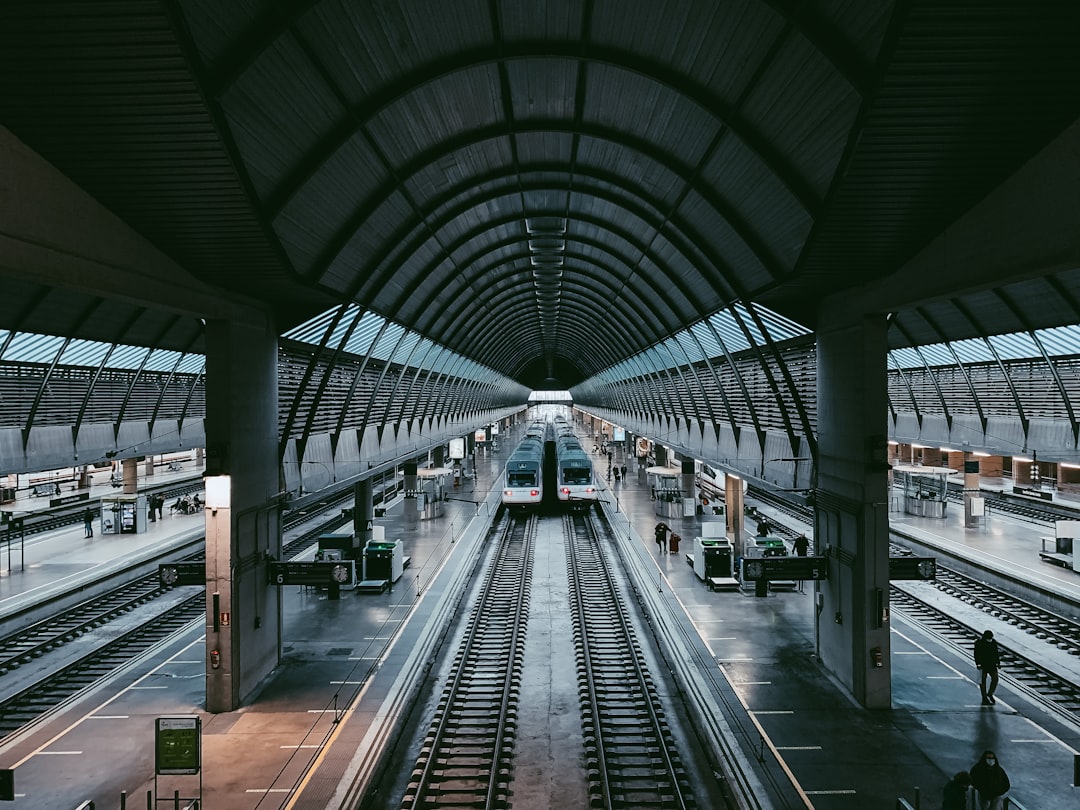
Fly or take the AVE high-speed train — both work brilliantly. Seville Airport (SVQ) is only 10 km from the city centre, with direct flights from London, Amsterdam, and Frankfurt. I recommend the AVE from Madrid if you’re already in Spain — it takes just 2.5 hours and drops you at Santa Justa station, walkable or a short taxi to most hotels. Budget airlines like Ryanair and Vueling serve SVQ cheaply. The caveat most guides skip: SVQ has very limited international long-haul connections, so transatlantic travellers almost always connect through Madrid Barajas (MAD) or Barcelona El Prat (BCN).
Which airport is closest to Sevilla?
Seville Airport (SVQ) is the closest, just 10 km northeast of the city centre. In my experience, the EA bus line runs every 30 minutes directly from SVQ to the city centre (Puerta de Jerez) for about €4 — far cheaper than a taxi, which costs €22–€28. Journey time is roughly 35 minutes by bus or 20 minutes by taxi depending on traffic. What surprised me: SVQ has only 1 terminal and is genuinely small, making arrivals fast and stress-free. The honest caveat: car hire desks close early, so late-night arrivals should pre-book or use taxi app Cabify.
How long does the journey from the airport to central Sevilla take?
20 minutes by taxi, 35 minutes by airport bus — both are reliable. The EA Especial Aeropuerto bus departs every 30 minutes, costs €4, and stops at Puerta de Jerez and Plaza de Armas, both central. Taxis from the official rank outside arrivals charge a flat urban rate of around €25. My tip: avoid rideshare apps at SVQ during peak arrival times — the designated pick-up zones are poorly signposted and cause delays. If you’re staying in the Santa Cruz neighbourhood, a taxi is worth the extra cost because large suitcases on the bus through narrow streets become a problem fast.
Do I need a car in Sevilla?
Absolutely not — a car in Seville’s historic centre is a liability. The Santa Cruz, Triana, and Alameda districts are best explored on foot or by bike. The city operates a strict low-emission zone (ZBE) in the centre, and parking costs €2–€3.50 per hour in the few legal spots. What most guides omit: rental cars parked overnight in the centre regularly get ticketed or towed. I recommend skipping the car entirely and hiring one only for a day trip to Doñana National Park or Ronda, returning it the same day. For city movement, the tram (T1) and Sevici bike-share cover everything you need.
City Transport
What are the best areas to stay in Sevilla?
Santa Cruz is the most atmospheric neighbourhood — you’re within 5 minutes’ walk of the Alcázar and Cathedral. El Arenal, along the Guadalquivir riverfront, offers slightly lower prices and easy access to the Maestranza bullring and tapas bars. My tip: Alameda de Hércules suits younger travellers and night owls — it’s Seville’s bohemian bar hub. Avoid booking hotels on Calle Sierpes itself: the pedestrian shopping street is noisy until midnight and lorries deliver at 6am. For a quieter, local-feeling base with great restaurant access, the Macarena neighbourhood delivers without the tourist markup.
What does accommodation cost per night in Sevilla?
Expect to pay €80–€130 per night for a solid 3-star hotel in central Sevilla in 2026. Boutique hotels in Santa Cruz start at €110 and rise sharply during Semana Santa and Feria de Abril, when rates hit €300–€500 for the same rooms. Budget travellers can find well-reviewed hostels in Triana for €25–€40 per dorm bed. What surprised me: Seville has an exceptional supply of converted casa-palacio hotels — historic mansions with inner courtyards — at mid-range prices around €140 per night, offering far more character than standard chain hotels at the same price point. Always check whether IVA (10% VAT) is included in the quoted rate.
How far in advance should I book accommodation in Sevilla during high season?
Book at least 4–6 months ahead for Semana Santa (Holy Week, late March/April) and Feria de Abril — these are non-negotiable. In my experience, good mid-range hotels in Santa Cruz sell out for those two weeks by October of the previous year. For the April–June shoulder peak and October, 6–8 weeks advance booking is sufficient. The caveat most guides skip: many hotels impose a minimum 3-night stay during festival periods, and cancellation policies tighten to non-refundable. Outside festival windows, Seville has solid availability and you can often book 2 weeks out without penalty — even finding last-minute discounts in July and August when the heat deters casual tourists.
Are there special accommodation types worth trying in Sevilla?
Yes — Seville’s casa-palacio hotels are a genuinely unique experience you won’t find in most European cities. These are converted Andalusian noble mansions centred on a colonnaded patio, the architectural heart of local domestic life. Hotel Palacio de Villapanés in the Santa Cruz area is a standout example at around €150 per night. For a more immersive local option, renting an apartment in Triana through direct booking platforms puts you among neighbourhood life rather than tourist infrastructure. My tip: look for places with a private rooftop — Seville’s skyline at sunset, with the Giralda tower visible, is worth paying a €20–€30 per night premium.
Accommodation & Neighbourhoods
What are the must-see sights in Sevilla?
Three sights are non-negotiable. First, the Real Alcázar — a still-functioning royal palace with Mudéjar architecture; book timed entry online for €14.50 or queue for 90 minutes. Second, Seville Cathedral and La Giralda — the world’s largest Gothic cathedral, containing Columbus’s tomb; entry is €13 and the tower climb involves 34 ramps, not stairs. Third, the Metropol Parasol (Las Setas) on Plaza de la Encarnación — a spectacular modern wooden structure with a €3 rooftop walk offering the city’s best panoramic view. What most guides miss: the Casa de Pilatos, a privately owned Renaissance palace in the Santa Cruz district, which is far less crowded than the Alcázar and equally stunning.
What can I experience for free in Sevilla?
Seville is generously free if you know when to go. The Real Alcázar opens free to EU citizens every Monday from 6–7pm — arrive by 5:30pm to queue. Seville Cathedral offers free entry on Sundays from 2:30–6pm but fills fast. The Triana Market interior, the entire Alameda de Hércules boulevard, and the riverside Paseo del Marqués de Contadero cost nothing. What surprised me: several flamenco peñas (private clubs) in Triana allow visitors during open rehearsal sessions for free — ask at the Centro Andaluz de Flamenco office in Jerez for a current list. The Parque de María Luisa with its Plaza de España is free, photogenic, and largely crowd-free before 9am.
Which day trips from Sevilla are worth doing?
Córdoba is the single best day trip — just 45 minutes by AVE for around €25–€40 return, and the Mezquita-Catedral alone justifies the journey. Ronda, perched over a 100-metre gorge in Málaga province, is 1.5 hours by bus from Plaza de Armas station for around €12 each way. My tip: Cádiz is underrated as a day trip — 1.5 hours by train, genuinely local, with a seafront promenade that puts Seville’s riverside to shame. The caveat most guides omit: Granada’s Alhambra is technically doable as a day trip (2.5 hours by bus), but Alhambra tickets sell out weeks in advance and rushing it is a genuine waste — stay overnight instead.
What local specialities should I try in Sevilla?
Seville’s food identity is built on three pillars: montaditos (small open sandwiches), espinacas con garbanzos (spinach with chickpeas, a Moorish legacy), and pescaíto frito (fried fish, best eaten in Triana near the river). The local beer is Cruzcampo, served ice-cold in a small caña glass for €1.50–€2 in neighbourhood bars. My must-eat recommendation: the carrillada ibérica (Iberian pork cheek braised in sherry) at any non-tourist bar near Calle Feria in Macarena. What surprised me: Seville’s manzanilla sherry from nearby Sanlúcar de Barrameda costs just €1.80 per glass at local bars — drinking it chilled with olives at noon is the authentic Sevillano ritual most tourists skip entirely.
Highlights & Must-Sees
What makes Sevilla unique compared to other Spanish cities?
Seville is the only major Spanish city where flamenco is a living neighbourhood tradition, not a tourist performance. In Triana, families have produced flamenco artists for generations — the art form is listed by UNESCO as Intangible Cultural Heritage. The city also hosts Semana Santa, arguably the world’s most intense religious street theatre, with over 60 brotherhoods carrying floats through streets for 7 consecutive nights. What surprised me most: Seville has the only navigable river port of any major Spanish inland city — the Torre del Oro on the Guadalquivir was once the gateway to the Americas. Architecturally, the combination of Roman, Moorish, Gothic, Renaissance, and Baroque layers within 1 square kilometre is unmatched in Europe.
How many days do I need in Sevilla?
3 full days is the minimum; 4–5 days is ideal. Day 1: Real Alcázar in the morning (book ahead), Santa Cruz lanes in the afternoon, tapas on Calle Mateos Gago at night. Day 2: Cathedral and La Giralda at opening time, Metropol Parasol at sunset, flamenco show in Triana at night. Day 3: Casa de Pilatos, Macarena neighbourhood, Mercado de Triana. Day 4 and 5 open up Córdoba or Cádiz day trips. My honest caveat: Seville in July and August compresses your active sightseeing into the morning hours — the heat between 2–6pm genuinely stops most movement, so factor this into your day count if visiting in summer.
When is the best time to visit Sevilla?
April, May, and June are the best months — optimal temperatures of 22–28°C, long evenings, and full tourist infrastructure open. March offers a quieter alternative with lower prices, though Semana Santa (moveable feast, late March or April) creates a week of crowds and price spikes. My tip: October is Seville’s most underrated month — summer heat has broken, prices drop by 20–30%, and the city returns to local rhythms. Avoid July and August unless you thrive in 40°C+ heat — locals call the August midday streets a ‘ghost city.’ What surprised me: even November and December are pleasant at 16–18°C, and the Christmas lighting on Calle Sierpes is genuinely spectacular with minimal crowds.
Are there local festivals in Sevilla worth attending?
Semana Santa and Feria de Abril are world-class events that justify building an entire trip around. Semana Santa (Holy Week, March/April) fills every street with candlelit processions of hooded brotherhoods — the Thursday and Friday nights are the most intense. Feria de Abril arrives two weeks later: a week-long festival of flamenco dresses, sherry, and private casetas (marquee tents) on the Real de la Feria fairground. My honest caveat: Feria’s best casetas are private and invitation-only — as a tourist, you’ll primarily access the public municipal tent and the fairground perimeter, which is still spectacular but not the full experience. Book accommodation for both festivals 6 months ahead minimum.
Food & Drink
How does Sevilla’s weather affect activities throughout the year?
Summer heat dictates a strict activity rhythm — the only honest way to describe it. From June to September, temperatures above 38°C make outdoor sightseeing between 1–6pm genuinely uncomfortable and potentially dangerous for vulnerable travellers. I structure summer days as: sightseeing 8–12pm, long lunch and siesta 1–5pm, evening activities from 6pm through midnight. In April and May, the weather is perfect from dawn to dusk with no restrictions. Winter (December–February) is mild at 14–18°C but some outdoor venues and river boat tours reduce hours. What surprised me: Seville receives only about 500mm of rain per year, almost all falling between November and February, making it genuinely reliable for most of the year.
How crowded does Sevilla get in peak season?
Semana Santa and Feria de Abril are at capacity — hotel rooms genuinely sell out and streets around the Cathedral become shoulder-to-shoulder. During regular July and August peak, tourist numbers are actually lower than spring because the heat self-selects visitors. The Real Alcázar consistently has 60–90 minute queues for walk-up tickets from April through October — booking online is non-negotiable. What most guides omit: the Casa de Pilatos and Palacio de las Dueñas absorb almost no overflow tourists despite being comparable in quality to the Alcázar, so crowd pressure is entirely concentrated on 3–4 sites. Visiting the Cathedral at opening time (10:30am) cuts queue time from 45 minutes to under 10 minutes.
How safe is Sevilla for tourists?
Seville is safe for tourists but pickpocketing is a real issue. The Santa Cruz lanes, Triana bridge area, and crowded tapas bars on Calle Mateos Gago are the highest-risk zones for bag snatching and phone grabs. I use a front-worn crossbody bag and keep my phone in a zipped pocket in crowds. Violent crime against tourists is rare. The Macarena neighbourhood feels rougher aesthetically but is not genuinely dangerous for daytime or early evening visits. What surprised me: moped-based phone snatching has increased since 2022 — don’t walk and use your phone simultaneously near traffic. Night safety in the Alameda and El Arenal bar areas is solid, with plenty of street life until 3–4am.
Is English widely spoken in Sevilla?
English is spoken at tourist sites and hotels, but less so in neighbourhood bars. At the Real Alcázar, Seville Cathedral, and most mid-range restaurants in Santa Cruz, staff speak functional to fluent English. Step into a bar on Calle Feria or a bakery in Macarena and you’ll need basic Spanish or hand gestures. My tip: learning 5 key phrases — ‘una caña, por favor,’ ‘la cuenta,’ ‘sin hielo,’ ‘bocadillo de jamón,’ and ‘dónde está?’ — unlocks disproportionate goodwill from locals. What surprised me: Seville’s university district around Calle Laraña has a high density of young English speakers, making it a useful fallback zone if you get lost or confused.
Practical Tips
What is the daily budget for travelling in Sevilla?
Budget traveller: €60–€80 per day; mid-range: €120–€160; comfort: €200+. A typical mid-range day breaks down as: accommodation €100, breakfast at a local café €4, lunch menu del día (3 courses with wine) €13–€15, afternoon coffee and pastry €3, dinner with drinks €25–€35, one paid attraction €14. What surprised me: Seville is 20–30% cheaper than Barcelona or Madrid for equivalent quality food and accommodation. The hidden cost most budgets miss: festival periods double or triple accommodation costs with no quality increase. My tip: eating the menú del día at non-tourist restaurants in Macarena or Triana cuts your food budget dramatically — €12–€13 buys a full lunch with wine that would cost €35 in Santa Cruz.
How does public transport work in Sevilla?
Seville’s public transport is functional but limited for tourists. The tram (T1) runs a single line connecting Prado de San Sebastián to the Plaza Nueva through the historic centre — useful but short. EMT buses cover the wider city with €1.40 per single ticket or a rechargeable tarjeta card cutting that to €0.69 per trip. The Sevici bike-share system has over 2,500 bikes at 250 stations — a 7-day subscription costs €13.30 and is my top transport recommendation for flat-city exploration. What most guides omit: the metro has 4 lines but primarily serves suburban commuters, with only Line 1 touching anything tourist-relevant near Puerta Jerez. For most visitors, walking plus Sevici covers 90% of daily movement.
Which apps do you recommend for visiting Sevilla?
These 5 apps will genuinely improve your Sevilla trip. First, Cabify — more reliable than Uber and the only app-based taxi service that actually works smoothly in Seville. Second, Sevici app — essential for the bike-share network; load credit before you arrive. Third, Google Maps — offline Seville download is mandatory, as the Santa Cruz lane network has no logical grid and loses data signals. Fourth, Entradas Alcázar — the official Real Alcázar booking app; book your entry at least 3 days ahead in peak season. Fifth, El Tenedor (TheFork) — most serious Seville restaurants list here with occasional 30% discounts for off-peak slots. My caveat: avoid Tripadvisor restaurant picks in the Santa Cruz area specifically — they skew heavily toward tourist-facing menus at inflated prices.
More Destinations in Europe
Explore our complete travel guides for more Europe destinations: Annecy Travel Guide (2026), Grenoble Travel Guide (2026), Nice Travel Guide (2026), Palma de Mallorca Travel Guide (2026), Nantes Travel Guide (2026).
Sevilla at a Glance
| Population | 689,423 |
|---|---|
| Currency | EUR (€) |
| Official language | Spanish |
| Time zone | UTC+01:00 |
Source: Wikidata, retrieved October 2026.
Useful Resources for Planning Your Trip to Sevilla
- Wikipedia: Sevilla — history, geography and background
- Lonely Planet: Sevilla — itineraries and travel inspiration
- TripAdvisor: Sevilla — hotels, restaurants and traveller reviews
🎥 Sevilla Travel Videos

39 Tips I Wish I Knew Before Visiting Seville, Spain
Camden David
Best Things To Do in Seville Spain Travel Guide 2026 4K
Island Hopper TV

How to Spend 4 Days in SEVILLE Spain | The Perfect Travel …
Martijn Around The World – Travel
You are currently viewing a placeholder content from Vimeo. To access the actual content, click the button below. Please note that doing so will share data with third-party providers.
More InformationYou are currently viewing a placeholder content from YouTube. To access the actual content, click the button below. Please note that doing so will share data with third-party providers.
More InformationYou need to load content from reCAPTCHA to submit the form. Please note that doing so will share data with third-party providers.
More InformationYou are currently viewing a placeholder content from GetYourGuide. To access the actual content, click the button below. Please note that doing so will share data with third-party providers.
More Information