
Île de Ré: The Complete Travel Guide (2026)
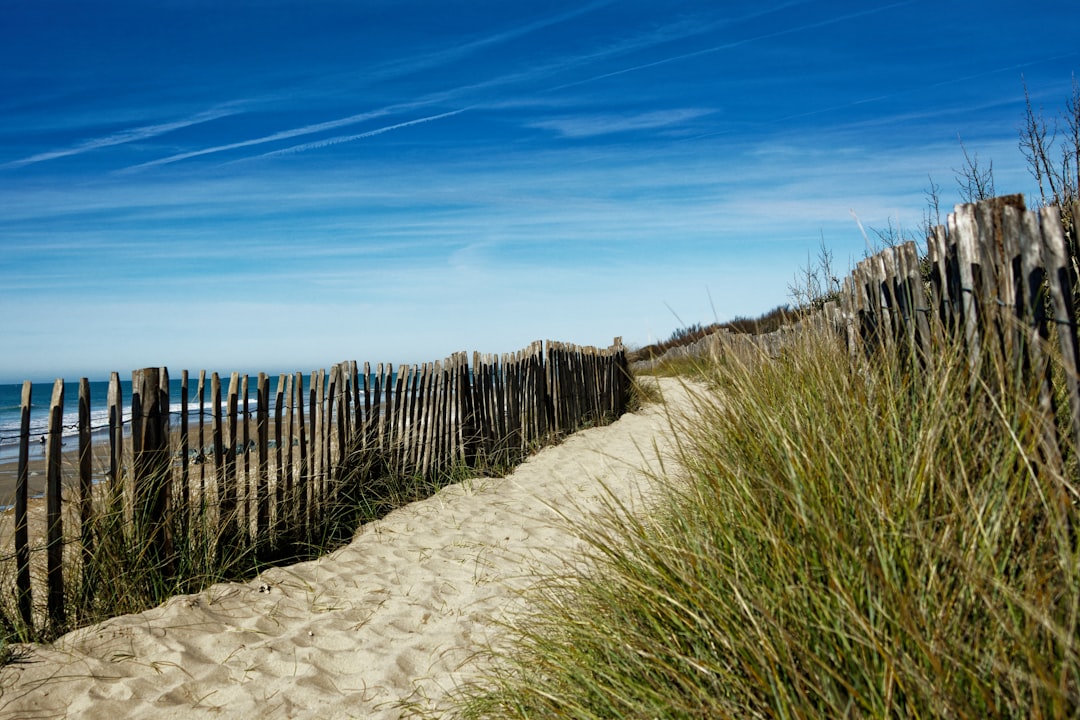
Île de Ré Travel Guide: Everything You Need to Know (2026)
Île de Ré is a 30-kilometre-long Atlantic island connected to La Rochelle by a 2.9 km bridge completed in 1988, sitting just 20 metres above sea level at its highest point. Known as the ‘White Island’ for its whitewashed villages and salt marshes, it draws over a million visitors each summer to its 80 km of cycling paths and oyster-lined harbours. The island spans roughly 85 km² and is divided into 10 communes, each with its own character — from the chic boutiques of Saint-Martin-de-Ré to the wild dunes of Les Portes-en-Ré.
Top 3 Highlights at a Glance
- Saint-Martin-de-Ré Citadel — A UNESCO-listed Vauban fortress dating to 1681, encircling a working harbour still used by oyster boats.
- Phare des Baleines — The island’s iconic 1854 lighthouse at the western tip rises 57 metres and rewards climbers with panoramic Atlantic views.
- Salt Marshes of Loix — Ancient paludier salt pans still harvested by hand, producing fleur de sel sold directly from producers for €5 a bag.
Scroll down for our complete travel guide with tips on getting there, where to stay, costs and more.
Arrival & Airport
How do I get to Île de Ré?
Drive or take a bus across the Île de Ré bridge from La Rochelle — it is the only road access. In my experience, driving is the most practical option: the bridge toll is €9 per car in low season and €16.50 in summer (June–September), which surprises many visitors. From La Rochelle, the crossing takes under 10 minutes by car. Seasonal shuttle buses (Réseau Rébus Line 50) run from La Rochelle Gare for around €2 each way, but services are infrequent outside summer. Warning: the bridge creates a genuine bottleneck — expect 30–60 minute queues on Friday evenings in July and August.
Which airport is closest to Île de Ré?
La Rochelle–Île de Ré Airport (LRH) is the closest, just 8 km from the bridge and roughly 25 minutes from Saint-Martin-de-Ré by car. It handles seasonal routes from the UK (EasyJet, Ryanair), making it genuinely convenient for British visitors. What surprised me: outside summer, direct UK and northern European flights largely disappear, forcing connections through Paris-CDG or Paris-Orly. From CDG, the TGV to La Rochelle Gare takes 2h45 and costs €35–€80 depending on booking date. I recommend flying into LRH if dates align — it cuts transfer hassle dramatically.
How long does the journey to Île de Ré take from Paris?
From Paris Montparnasse, the TGV to La Rochelle Gare takes 2h45 to 3h15 and costs €35–€100 booked via SNCF. Add 30–40 minutes for the taxi or bus transfer across the bridge to your accommodation, giving a total door-to-door time of roughly 3h30. My tip: book TGV tickets at least 3 weeks ahead on SNCF Connect to secure the cheapest Ouigo fares. The honest caveat: summer Friday afternoon trains to La Rochelle sell out fast, and arriving without a car limits your island mobility significantly — something most Paris-based travel blogs forget to mention.
Do I need a rental car on Île de Ré?
No — a bicycle replaces a car for most visitors here. The island has over 80 km of dedicated cycling paths connecting every village, and bikes are the local standard. Rental starts at €10–€15 per day from shops in Saint-Martin-de-Ré or La Flotte. That said, if you are staying at a remote gîte near Les Portes-en-Ré or travelling with young children and luggage, a car is genuinely useful. Car rental from LRH airport starts at €45/day. The trade-off: parking in Saint-Martin costs €2.50/hour in July and August, and the island’s narrow lanes make driving frustrating during peak weeks.
City Transport
What are the best areas to stay on Île de Ré?
Saint-Martin-de-Ré is the island’s capital and the best base for first-timers — it has restaurants, a lively market, the Vauban citadel, and a harbour all within walking distance. La Flotte suits those wanting a quieter fishing village with excellent oyster bars. Ars-en-Ré appeals to cyclists and nature lovers near the salt marshes. I recommend avoiding the Rivedoux-Plage end if you want island atmosphere — it feels suburban and is dominated by holiday camp complexes. My tip: staying inside Saint-Martin’s citadel walls puts you within 100 metres of everything worth seeing, but book those properties 6 months ahead.
What does accommodation cost per night on Île de Ré?
Expect to pay €90–€160/night for a solid mid-range gîte or B&B outside peak season. In July and August, the same properties jump to €180–€350/night, and weekly villa rentals near Saint-Martin-de-Ré routinely exceed €2,500/week. Budget travellers can find rooms in Rivedoux-Plage or Sainte-Marie-de-Ré from €70/night in June. What surprised me: Île de Ré has almost no international hotel chains — accommodation is predominantly private gîtes, chambres d’hôtes, and campsites. The island’s largest campsite, Camping Les Varennes near La Couarde, charges around €30–€45/night for a pitch in summer.
How far in advance should I book accommodation on Île de Ré in high season?
Book at least 6 months ahead for July and August — this is non-negotiable. In my experience, the best gîtes inside Saint-Martin-de-Ré’s citadel and seafront properties in La Flotte are fully booked by January for the following summer. For June and September shoulder season, 2–3 months ahead is generally sufficient. Platforms like Airbnb and Gîtes de France are the main booking channels. The warning most guides omit: many owners require a minimum 7-night stay (Saturday to Saturday) throughout July and August, making a 4-night summer stay practically impossible unless you book a hotel in Rivedoux-Plage or arrive mid-week.
Are there special or unique accommodation types on Île de Ré?
Yes — converted salt workers’ cottages called saunier houses are unique to the island. These low, whitewashed dwellings with hollyhocks at the door sit directly beside working salt marshes in villages like Loix and Ars-en-Ré, and renting one puts you in an authentically local setting for roughly €120–€200/night. Several lighthouse keeper’s cottages near Phare des Baleines are also available as holiday rentals. My tip: search Gîtes de France Charente-Maritime directly rather than Airbnb for the most characterful properties at slightly lower prices. The trade-off: these cottages often lack air conditioning, which matters in August heat.
Accommodation & Neighbourhoods
What are the must-sees on Île de Ré?
The Citadelle de Saint-Martin-de-Ré (UNESCO-listed Vauban fortifications, free to walk the ramparts) is the undisputed centrepiece. The Phare des Baleines lighthouse at the western tip, open daily with entry at €6, rewards the 257-step climb with 360-degree Atlantic views. The salt marshes of Loix offer free walking trails through working paludier terrain. I also rate the abbaye des Châteliers ruins near La Flotte — a 12th-century Cistercian abbey free to enter that almost no day-trippers find. My experience: the harbour market in Saint-Martin every Wednesday and Sunday morning is as unmissable as any monument.
What can I experience for free on Île de Ré?
Cycling the entire 80 km path network costs nothing beyond bike hire. Walking the ramparts of Saint-Martin-de-Ré is free and takes about 45 minutes for the full circuit. The salt marsh trails around Loix are openly accessible. Every village beach — including Plage de la Conche des Baleines and Plage de Gros Jonc — has free entry. What surprised me: the weekly markets in Saint-Martin (Wednesday and Sunday) and La Flotte (Tuesday morning) are free to browse and genuinely local, with producers selling fleur de sel and oysters directly. The abbaye des Châteliers near La Flotte charges no entry fee at all.
Which day trips from Île de Ré are possible?
La Rochelle is the obvious day trip — just 10 minutes by car across the bridge, with its medieval harbour towers (entry €9), the excellent Musée Maritime, and a lively old quarter. From La Rochelle, ferries reach Île d’Aix in 45 minutes (€20 return) for a car-free Napoleonic island experience. Rochefort is 35 km away and houses the Hermione frigate replica (entry €14). My tip: combine a La Rochelle morning with an afternoon oyster tasting back on Île de Ré in La Flotte — that contrast of city energy and island calm is the trip’s best single day. Avoid driving to La Rochelle on summer Saturday mornings — bridge queues can hit 45 minutes.
What are the local specialities of Île de Ré?
Oysters from the Bourcefranc-le-Chapus beds and the island’s own coastal beds are the defining food — a dozen at a harbour table in La Flotte costs €8–€12. Fleur de sel de l’Île de Ré (hand-harvested sea salt) is the premium local product, sold directly from producers in Loix for €5–€8 per bag. Pommes de terre primeurs de l’Île de Ré are AOC-protected new potatoes, available May–July at markets for about €3/kg. In my experience, the best meal on the island is a simple assiette de fruits de mer with local white wine at La Baleine Bleue in Saint-Martin — budget €35–€50 per person including wine.
Highlights & Must-Sees
What makes Île de Ré unique compared to other French island destinations?
Île de Ré is the only French Atlantic island accessible by road bridge without a ferry — that 2.9 km bridge makes it simultaneously easy to reach and yet genuinely islanded in character. Its combination of AOC-certified salt, AOC new potatoes, cycling infrastructure rated among France’s best, and Vauban military architecture (shared with only a handful of European sites) creates a layered identity no single French island rivals. What surprised me: unlike Noirmoutier or Belle-Île, it retains a working agricultural economy alongside tourism — you cycle past actual salt harvesters and vineyard workers, not just holiday infrastructure. The island produces its own Pineau des Charentes aperitif wine, grown on vines you pass on the cycle paths.
How many days should I spend on Île de Ré?
4 full days is the sweet spot — enough to cycle the main circuit, explore Saint-Martin, visit Phare des Baleines, taste oysters in La Flotte, and make a half-day trip to La Rochelle without feeling rushed. 2 days works as a long weekend but forces trade-offs. A full week is justified if you plan beach time, want to explore Les Portes-en-Ré and the wild northern coast, or are travelling with children. My tip: structure your first day around Saint-Martin on foot, day two cycling the western end to the lighthouse, day three the salt marshes and Ars-en-Ré, day four La Rochelle. That itinerary covers the island’s four completely different personalities.
When is the best time to visit Île de Ré?
June and September are the best months — warm enough to swim (sea temperature reaches 19–21°C), cycle paths are not gridlocked, and accommodation prices are 30–40% lower than July–August peak. July and August deliver the best beach weather but bring the island’s population from roughly 18,000 residents to an estimated 200,000+ visitors — a transformation that clogs every restaurant and car park. In my experience, the second half of June is the island’s best-kept secret: school holidays haven’t started, markets are full, and you can actually get a table at La Baleine Bleue without a reservation 3 weeks in advance.
Are there local festivals on Île de Ré worth attending?
The Fête du Cheval in July at Saint-Martin-de-Ré is a free equestrian festival held within the citadel ramparts — genuinely spectacular and almost unknown to foreign visitors. The Fête des Vins et des Saveurs in August showcases local Pineau des Charentes and Charentais wines at the Ars-en-Ré market for around €10 entry. The Marché du Terroir in Saint-Martin every Sunday morning year-round is the best ongoing food event. My tip: check the Île de Ré Tourisme website for the annual festival calendar in April — events shift dates each year. Warning: festival weekends in July fill accommodation 12 months ahead, not just 6.
Food & Drink
How does the weather on Île de Ré affect activities?
The island gets roughly 2,200 hours of sunshine annually — among the highest in France outside the Mediterranean — which is why cycling and beach activities dominate. Wind is the real weather factor: the Atlantic delivers strong westerlies year-round, making the western beaches around Phare des Baleines great for kite surfing but uncomfortable for sunbathing in anything below 22°C. The sheltered eastern beaches near Rivedoux and Sainte-Marie are calmer. In my experience, even in summer, pack a light windproof layer for evening cycling. Rainy days (most common November–February) are best spent in Saint-Martin’s covered market halls and the citadel museum — but honestly, the island loses most of its appeal when grey.
How crowded does Île de Ré get in peak season?
Extremely crowded — July and August transform this 85 km² island into one of France’s most densely visited destinations. The bridge toll plaza queues reach 45–60 minutes on Friday evenings and Sunday evenings throughout July. Restaurants in Saint-Martin-de-Ré require reservations 2–3 weeks ahead for dinner. The cycling paths, while wide, become genuinely congested between La Flotte and Saint-Martin on August afternoons. What most guides omit: the island has a deliberate policy of limiting large hotel development, meaning visitor numbers are not matched by sufficient accommodation — many people day-trip from La Rochelle hotels, which ironically keeps the bridge even busier. June and September offer 80% of the experience with 40% of the crowds.
How safe is Île de Ré?
Île de Ré is extremely safe — petty crime rates are among the lowest in the Charente-Maritime department. The main safety concern I’d flag is cycling accidents: the paths are shared with rollerbladers, child cyclists, and distracted tourists, and collisions are common on the busy La Flotte to Saint-Martin stretch in August. Wear a helmet and use lights after dusk. The sea carries a rip current risk at the western beaches near Les Baleines — posted flags at each beach indicate conditions, and red flags are enforced. There are no significant urban safety concerns; even the island’s car parks are largely crime-free, though leaving valuables visible in parked cars is always inadvisable.
Is English widely spoken on Île de Ré?
Moderately — English is spoken by most staff in Saint-Martin-de-Ré’s restaurants, bike hire shops, and the tourist office. Outside the main towns, particularly in Loix and Les Portes-en-Ré, expect French-only interactions. In my experience, the island attracts a strongly French domestic clientele rather than international tourists, so staff language skills reflect that. My tip: learning 10 key French phrases — especially ordering oysters (‘une douzaine d’huîtres, s’il vous plaît’) and asking for the bill (‘l’addition, s’il vous plaît’) — dramatically improves your experience and local reception. The caveat: the island’s British visitor numbers have declined post-Brexit as LRH lost some direct UK winter routes.
Practical Tips
What is the daily budget for travelling on Île de Ré?
Budget traveller: €80–€100/day (camping at €35, self-catering from market produce, bike hire at €12, one restaurant lunch). Mid-range: €180–€250/day (gîte accommodation, two restaurant meals, bridge toll, activities). High-end: €400+/day (boutique hotel inside Saint-Martin’s citadel walls, seafood dinners, private kayak tours). What surprised me: food costs are genuinely high — a simple café crêpe in Saint-Martin costs €12–€14, and a sit-down dinner rarely comes in under €35 per person. The bridge toll (€16.50 in summer) is an unavoidable daily cost if you leave and return. I recommend buying a weekly bread-and-produce supply at the Saint-Martin Wednesday market to offset restaurant costs.
How does public transport work on Île de Ré?
Réseau Rébus Line 50 is the only public bus service, running from La Rochelle Gare across the bridge to Saint-Martin-de-Ré and continuing to Les Portes-en-Ré in summer. Single fare costs €2, and the full La Rochelle to Les Portes journey takes about 1h15. Frequency is roughly hourly in July–August but drops to 4 services daily outside that period. In my experience, the bus is useful for getting on and off the island but impractical for exploring between villages — stops are infrequent and waits are long. The honest assessment: public transport on the island is a backup option, not a primary strategy. Cycling between villages in 10–25 minute rides is the real transport network here.
Which apps do you recommend for visiting Île de Ré?
Komoot or Strava for navigating the cycling paths — the island’s 80 km network is well-mapped and both apps work offline, essential when Atlantic wind makes phone handling awkward on a bike. SNCF Connect for booking TGV tickets from Paris to La Rochelle as far ahead as possible. La Fourchette (TheFork) for restaurant reservations in Saint-Martin-de-Ré — book 2–3 weeks ahead in summer directly through the app. Météo-France for accurate local wind and tide forecasts, which genuinely affect beach and watersports decisions. My tip: download Île de Ré Tourisme’s official map PDF before arrival — it includes all cycling paths, salt marsh walking routes, and market schedules in one document, and the island’s rural areas have patchy 4G coverage.
More Destinations in Europe
Explore our complete travel guides for more Europe destinations: Barcelona Travel Guide (2026), Santiago de Compostela Travel Guide (2026), Pamplona Travel Guide (2026), Annecy Travel Guide (2026), Pyrenäen Travel Guide (2026).
Useful Resources for Planning Your Trip to Île de Ré
- Wikipedia: Île de Ré — history, geography and background
- Lonely Planet: Île de Ré — itineraries and travel inspiration
- TripAdvisor: Île de Ré — hotels, restaurants and traveller reviews
🎥 Île de Ré Travel Videos

ILE DE RE TRAVEL GUIDE// Ars-en-Re, Phare des Baleines …
Sophie Nadeau

Île de Ré – What to do in Ile de Re?
Alex Outhwaite
You are currently viewing a placeholder content from Vimeo. To access the actual content, click the button below. Please note that doing so will share data with third-party providers.
More InformationYou are currently viewing a placeholder content from YouTube. To access the actual content, click the button below. Please note that doing so will share data with third-party providers.
More InformationYou need to load content from reCAPTCHA to submit the form. Please note that doing so will share data with third-party providers.
More InformationYou are currently viewing a placeholder content from GetYourGuide. To access the actual content, click the button below. Please note that doing so will share data with third-party providers.
More Information