
Carcassonne: The Complete Travel Guide (2026)
Last reviewed: October 2026 · key facts checked against Wikidata
Carcassonne Travel Guide: Everything You Need to Know (2026)
Carcassonne is a UNESCO-listed medieval fortress city in France’s Aude department, Occitania, with a population of 46,724 and sitting at 81 metres above sea level. The La Cité fortification dates to Visigoth foundations and was extensively restored by Viollet-le-Duc in the 19th century, making it one of Europe’s best-preserved medieval walled cities. It draws over 3 million visitors annually, yet the lower town — Ville Basse — remains refreshingly authentic.
Top 3 Highlights at a Glance
- La Cité Fortified City — Europe’s largest medieval fortress complex, with 3 km of double ramparts and 52 towers dating to the 12th century.
- Château Comtal — The inner castle within La Cité offers a guided rampart walk with panoramic views across the Pyrenees on clear days.
- Canal du Midi — UNESCO-listed 17th-century waterway passing Carcassonne’s outskirts — bike the towpath for 240 km toward the Mediterranean.
Scroll down for our complete travel guide with tips on getting there, where to stay, costs and more.
Arrival & Airport
How do I get to Carcassonne?
Fly into Carcassonne Airport (CCF), just 3 km from the city centre — the most direct option. Ryanair dominates with budget routes from London Stansted, Brussels, and Dublin. Alternatively, the TGV from Paris Gare de Lyon reaches Carcassonne in roughly 4.5 hours (from around €29 booked in advance on SNCF). In my experience, the train is far more comfortable than budget flying once you add luggage fees and airport faff. Caveat: CCF has very limited year-round routes — check schedules carefully before building your itinerary around it, as off-season frequency drops sharply.
Which airport is closest to Carcassonne?
Carcassonne Airport (CCF) is the closest, just 3 km from the city centre — a €12–15 taxi or a short bus ride. My tip: Toulouse-Blagnac Airport (TLS) is 92 km away and offers far more international connections, including transatlantic routes. A direct bus or train connection from Toulouse takes about 1 hour 15 minutes by TER regional train. What surprised me is how underused CCF is outside summer — if you’re travelling October through April, plan via Toulouse or take the train from Paris to avoid cancelled seasonal routes.
How long does the journey to Carcassonne take from major cities?
From Paris, it’s 4.5 hours by TGV — bookable from €29 on SNCF. From Barcelona, it’s about 2 hours by car (240 km via the A9 motorway) or 3 hours by train via Narbonne. From Toulouse, the regional TER train takes 50 minutes and costs around €15. In my experience, the train from Toulouse is the smartest move — it drops you at Carcassonne Gare, a 15-minute walk from La Cité. Caveat: high-speed TGV doesn’t run to Carcassonne directly; you may change at Narbonne depending on your route.
Do I need a car in Carcassonne?
No — Carcassonne is entirely walkable for most itineraries. La Cité and Ville Basse are both compact and connected by a 15-minute walk or a free shuttle in high season. I recommend skipping a rental car unless you plan day trips to Lastours Castles or Montségur (each over 30 km away). Local transport within the city costs just €1.8 per ride. Honest caveat: parking near La Cité in July and August is a genuine nightmare — if you do arrive by car, use Parking du Palais des Congrès and walk up.
City Transport
What are the best areas to stay in Carcassonne?
Stay in La Cité for pure atmosphere — waking up inside the medieval walls after the day-trippers leave is extraordinary. My tip: book inside the walls if budget allows, as only a handful of hotels operate there, including Hôtel de la Cité. For better value, Ville Basse (the lower town) around Place Carnot gives you local restaurants, the market, and a 15-minute walk to the fortress. Avoid the generic hotels clustered near the train station on Boulevard Omer Sarraut — they’re overpriced for what you get and add unnecessary walking distance.
What does accommodation cost in Carcassonne?
An economy hotel starts at around €70 per night based on verified Numbeo data. Mid-range hotels in Ville Basse run €90–130 per night. Staying inside La Cité itself, properties like Hôtel de la Cité charge €200–350 per night — steep, but the location after 6pm when tourists leave is genuinely magical. My tip: self-catering apartments via Airbnb in Ville Basse drop to €55–80 per night for two people. Caveat: prices in July and August inflate by 30–50% across all categories — Carcassonne’s summer festival season drives demand hard.
How far in advance should I book accommodation in Carcassonne during high season?
Book at least 3 months ahead for July and August. The Festival de Carcassonne runs through July, filling every hotel within a 20 km radius. In my experience, anything inside La Cité sells out 5–6 months ahead. For Ville Basse mid-range hotels, 6–8 weeks is usually sufficient in May, June, September, and October. What surprised me: the Bastille Day fireworks on 14 July over La Cité are internationally famous — that specific weekend books out before January. If you want that experience, treat it like a major concert ticket and act accordingly.
Are there special or unique accommodation types in Carcassonne?
Yes — staying inside La Cité is Carcassonne’s defining accommodation experience. Hôtel de la Cité is a 5-star Relais & Châteaux property literally embedded in the ramparts. For something more affordable, Chambres d’hôtes (French B&Bs) in the Aude countryside within 15 km of Carcassonne offer vineyard settings from €75 per night. My recommendation: look into canal boat rental on the Canal du Midi — you can moor near Carcassonne and have a floating base for €120–200 per night split across a group. Caveat: canal boats book out fast from April onward.
Accommodation & Neighbourhoods
What are the must-sees in Carcassonne?
Château Comtal inside La Cité is non-negotiable — entry costs €10 and includes a guided rampart walk with views of the Pyrenees. The Basilique Saint-Nazaire inside the walls contains 13th-century stained glass that rivals Chartres in quality. Walk the entire 3 km double rampart circuit — it’s free from outside and takes about 45 minutes. In Ville Basse, Place Carnot market (Tuesday, Thursday, Saturday mornings) is the most authentic slice of local life. My honest caveat: the touristy shops inside La Cité are relentlessly tacky — budget your time for the castle and basilica, not the souvenir strip.
What can I experience for free in Carcassonne?
Walking the outer ring of La Cité’s ramparts is completely free and takes 45 minutes. The Canal du Midi towpath is free to walk or cycle the entire length — rent a bike in town for €15 per day. Basilique Saint-Vincent in Ville Basse costs nothing to enter. The Place Carnot market on Tuesday, Thursday, and Saturday mornings is free to browse and one of the best food markets in the Aude department. In my experience, the best view of La Cité is from the Pont Vieux (old bridge) at dusk — completely free, crowds thin quickly after 7pm, and the light is spectacular.
Which day trips are possible from Carcassonne?
Lastours Castles — four Cathar ruins perched on a ridge — are just 25 km north and entry costs €7. Montségur is 60 km south toward the Pyrenees and the most dramatic Cathar fortress in France. Narbonne is 60 km east by car or 35 minutes by train, with a stunning unfinished Gothic cathedral. Toulouse is 90 km west and reachable in 50 minutes by TER train. My tip: the Cathar Castles circuit by rental car in a single day — Lastours, Peyrepertuse, and Quéribus — is one of the best driving days in southern France. Caveat: none of these castles have public transport connections.
What are the local specialities of Carcassonne?
Cassoulet is the defining dish — a slow-cooked white bean and meat stew that Carcassonne, Castelnaudary, and Toulouse all claim as their own. In my experience, Le Jardin de la Tour inside La Cité serves a serious cassoulet for around €18–22. Local Minervois and Corbières wines from surrounding AOC appellations are exceptional and cost €4–6 a glass in town. Try croustade — a flaky pastry dessert filled with Armagnac-soaked prunes, found in bakeries for €3. Honest caveat: most restaurants inside La Cité are overpriced tourist traps — walk 5 minutes downhill to Ville Basse for authentic food at half the price.
Highlights & Must-Sees
What makes Carcassonne unique compared to other French cities?
Carcassonne is one of the only cities in the world where you can sleep inside a fully intact, inhabited medieval fortress. The 3 km of double ramparts, 52 towers, and Château Comtal form a military architecture ensemble unmatched in Western Europe. The Cathar history — the Albigensian Crusade of 1209 passed directly through here — gives it a tragic, layered depth beyond typical tourism. What surprised me: the Ville Basse below was actually founded by Louis IX as a planned medieval new town in 1247 after he expelled residents from La Cité — so even the ‘lower’ town has 800 years of history. No other French city offers this double medieval identity.
How many days should I spend in Carcassonne?
2 full days minimum to do Carcassonne justice — 3 days if you add one day trip. Day 1: La Cité in depth — Château Comtal, Basilique Saint-Nazaire, and the rampart walk. Evening: stay inside the walls after day-trippers leave — the atmosphere transforms completely. Day 2: Ville Basse market morning, Canal du Midi bike ride, local wine tasting. Day 3: Lastours Castles by rental car. In my experience, visitors who only spend a half-day or day trip see the fortress but miss the soul of the place — the magic really starts after 6pm when the crowds thin. Don’t rush it.
When is the best time to visit Carcassonne?
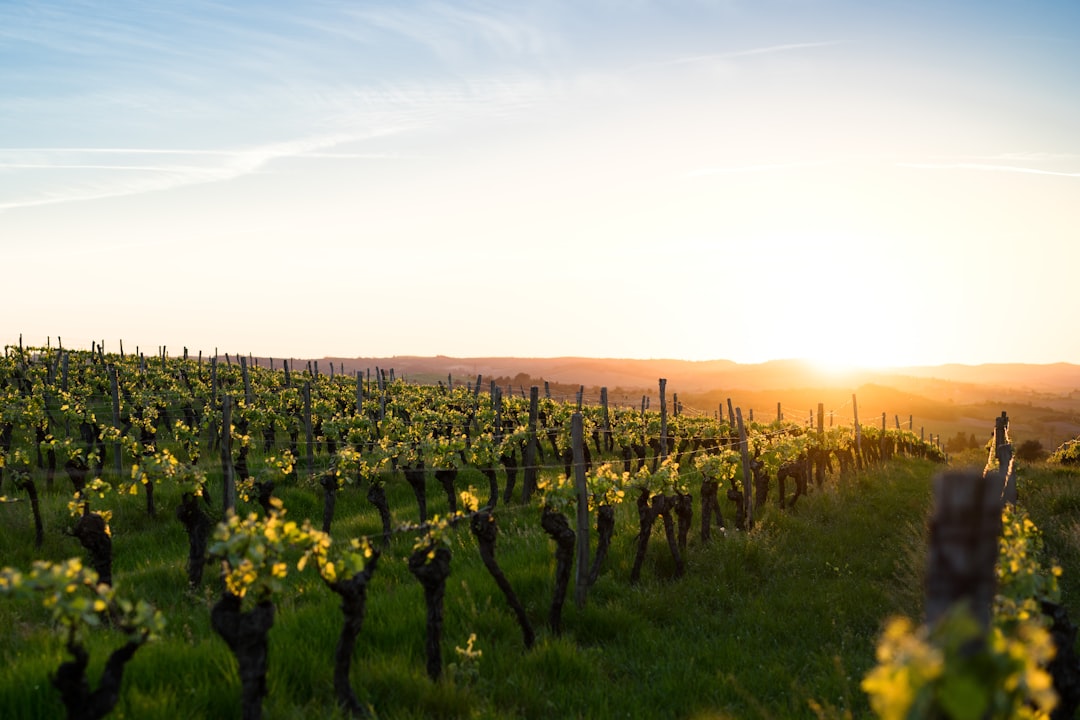
June, September, and October are the sweet spots — warm weather, manageable crowds, and lower prices than July–August peak. Based on verified climate data, the best travel months are June through October. The Festival de Carcassonne in July is spectacular but packs the city. In my experience, early October is my personal favourite — the Aude vineyards are in harvest, the light is golden, temperatures hover around 18–20°C, and you can walk La Cité’s ramparts almost alone on weekday mornings. Caveat: November through March sees reduced opening hours at Château Comtal and many La Cité restaurants close entirely — factor this in.
What festivals and events make Carcassonne worth visiting?
The Festival de Carcassonne runs throughout July — open-air theatre, opera, and concerts inside the medieval amphitheatre within La Cité. Bastille Day on 14 July features the famous fireworks over the fortress, considered one of the most spectacular in France and watched by 46,080+ people from the surrounding hillsides. In my experience, booking a restaurant with rampart views on 14 July requires 6 months of advance planning. Les Médiévales — a medieval market and costumed festival — typically runs in August. Caveat: if you’re coming specifically for the Bastille Day fireworks, accommodation within 40 km will be booked solid — plan accordingly.
Food & Drink
How does weather affect activities in Carcassonne throughout the year?
Summers are hot and dry — July and August regularly hit 30–35°C, making midday rampart walks genuinely uncomfortable. My tip: visit Château Comtal at 9am when it opens or after 4pm to avoid the heat and the largest tour groups. Spring and autumn are ideal for Canal du Midi cycling and Cathar castle day trips. Tramontane wind is a local feature — strong, cold, and dry, it can arrive with little warning from the northwest, particularly October through March. In my experience, the wind makes La Cité’s ramparts bitterly cold in winter despite mild base temperatures — bring a layer regardless of the forecast.
How crowded does Carcassonne get in peak season?
July and August inside La Cité are genuinely overwhelming — over 3 million annual visitors funnel through a walled area walkable in 20 minutes. The main street, Rue Cros-Mayrevieille, becomes a shoulder-to-shoulder bottleneck by 10am. My strategy: arrive at Porte Narbonnaise (the main gate) by 8:30am, do the castle and basilica first, then leave by noon. Alternatively, the crowds are 90% gone by 7pm — evening inside the walls is peaceful and worth arranging dinner there. Caveat: even the free outer rampart walk in August has queuing at the main gate entrance — this is not a hidden gem anymore.
How safe is Carcassonne for travellers?
Carcassonne is broadly safe — violent crime targeting tourists is rare. The main concerns are petty theft: pickpocketing at the Porte Narbonnaise entrance, bag snatching near Place Carnot market, and opportunist theft from cars parked near La Cité. In my experience, the area around Gare de Carcassonne at night warrants normal urban caution — don’t walk through it alone late at night with luggage on display. The Ville Basse is a functioning French provincial town, not a tourist theme park — it’s safe and pleasant. My tip: use hotel safes for passports and keep only €50 cash in your wallet when exploring.
Is English widely spoken in Carcassonne?
Inside La Cité, English is widely spoken — tourism drives fluency at hotels, restaurants, and ticket offices. Château Comtal offers audio guides in English for €3 extra. In my experience, venture into Ville Basse — the real town — and English drops sharply. The Saturday Place Carnot market, local boulangeries, and neighbourhood bars operate primarily in French. My tip: learn 10 French phrases before you go — even minimal effort is received warmly in Occitania. Caveat: Occitan is a regional language still spoken by older locals, and you’ll see bilingual street signs — it’s linguistically fascinating but doesn’t affect practical communication for visitors.
Practical Tips
What is the daily budget for travelling in Carcassonne?
A budget traveller spending carefully can get by on €60–75 per day — economy hotel at €70/night, a cheap meal at around €12, and free sights like the outer ramparts and Canal du Midi. A mid-range day — decent hotel, cassoulet lunch, one paid sight, a wine tasting — runs €120–160 per person. A comfortable day with La Cité hotel, full dinner for two at €21.6 (Numbeo baseline, actual mid-range closer to €50–70 for two), and Château Comtal entry at €10 totals €200+. My honest tip: the best value move is staying in Ville Basse, eating local, and spending your budget on Minervois wine rather than tourist restaurant markups.
How does public transport work in Carcassonne?
The city bus network Agglo’Bus covers Ville Basse, the train station, and La Cité — a single ticket costs €1.8. In July and August, a free shuttle bus runs between the train station and Porte Narbonnaise (La Cité’s main gate) every 15 minutes. The train station (Gare de Carcassonne) connects to Toulouse in 50 minutes and Narbonne in 35 minutes via TER regional trains. In my experience, within the city itself, walking is almost always faster than waiting for a bus — the entire Ville Basse to La Cité walk takes 20 minutes uphill. Renting a bike covers more ground for €15 per day including Canal du Midi access.
Which apps do you recommend for visiting Carcassonne?
SNCF Connect is essential for booking and managing all train travel — download it before you arrive and set up an account. Komoot is the best app for planning Canal du Midi bike routes with offline map support. Google Maps works reliably for walking navigation inside La Cité and Ville Basse. For restaurant vetting, TheFork (LaFourchette in French) lets you book and often offers 10–15% discounts at participating Carcassonne restaurants. In my experience, Météo-France (the official French weather app) gives far more accurate local forecasts than generic apps — critical for planning Cathar castle day trips where exposed ridgeline weather changes fast. Download all offline maps before arrival.
More Destinations in Europe
Explore our complete travel guides for more Europe destinations: Porto Travel Guide (2026), Bayonne Travel Guide (2026), Rouen Travel Guide (2026), Paris Travel Guide (2026), Prague Travel Guide (2026).
Carcassonne at a Glance
| Population | 46,080 |
|---|---|
| Currency | EUR (€) |
| Official language | French |
| Time zone | UTC+01:00 |
Source: Wikidata, retrieved October 2026.
Useful Resources for Planning Your Trip to Carcassonne
- Wikipedia: Carcassonne — history, geography and background
- Lonely Planet: Carcassonne — itineraries and travel inspiration
- TripAdvisor: Carcassonne — hotels, restaurants and traveller reviews
🎥 Carcassonne Travel Videos

How to Spend 2 Days in CARCASSONNE France
Exotic Vacation
The ULTIMATE Carcassonne Travel Guide (What You Need to …
Lifeonmove Photography

CARCASSONNE FRANCE : Should You Visit?
Kristina Houwer
You are currently viewing a placeholder content from Vimeo. To access the actual content, click the button below. Please note that doing so will share data with third-party providers.
More InformationYou are currently viewing a placeholder content from YouTube. To access the actual content, click the button below. Please note that doing so will share data with third-party providers.
More InformationYou need to load content from reCAPTCHA to submit the form. Please note that doing so will share data with third-party providers.
More InformationYou are currently viewing a placeholder content from GetYourGuide. To access the actual content, click the button below. Please note that doing so will share data with third-party providers.
More Information