
Franche-Comté: The Complete Travel Guide (2026)
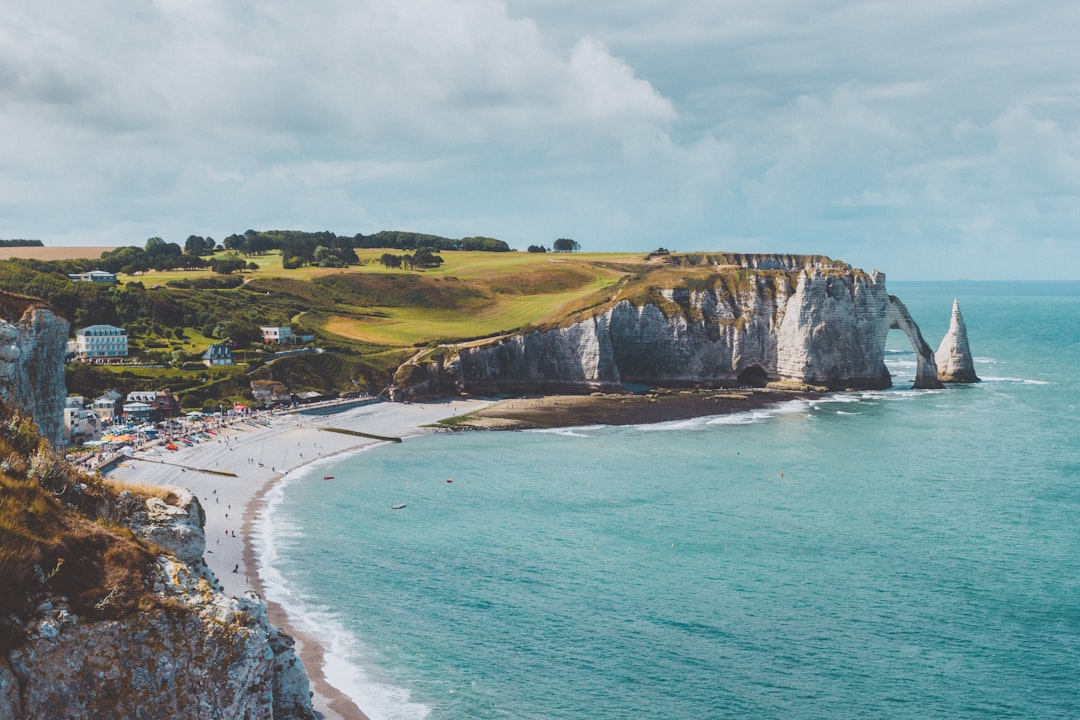
Franche-Comté Travel Guide: Everything You Need to Know (2026)
Franche-Comté in northeastern France is a region of 1,179,601 residents spread across four departments — Doubs, Jura, Haute-Saône, and the Territoire de Belfort — bordering Switzerland. The Jura Mountains dominate the landscape, peaking at 1,720 metres at Crêt Pela, making this one of France’s most underrated wilderness destinations. Louis Pasteur was born here in Dole in 1822, and the region still produces some of France’s most prestigious cheeses and wines entirely under its own AOC labels.
Top 3 Highlights at a Glance
- Cirque de Baume — A dramatic limestone amphitheatre with a 200-metre waterfall, completely free to access and rarely crowded.
- Salins-les-Bains Royal Saltworks — A UNESCO World Heritage Site — an 18th-century industrial masterpiece designed by Claude-Nicolas Ledoux.
- Lac de Saint-Point — Franche-Comté’s largest natural lake at 7 km long, ideal for kayaking, swimming, and lakeside cycling.
Scroll down for our complete travel guide with tips on getting there, where to stay, costs and more.
Getting There
How do I best reach Franche-Comté?
By TGV train from Paris to Besançon is my top recommendation. Paris Gare de Lyon to Besançon Franche-Comté TGV takes just 1 hour 10 minutes and costs €29–€89 depending on how far ahead you book. In my experience, this is far more convenient than flying. Drivers from Paris face a 430 km journey on the A6 and A39 autoroutes, roughly 4 hours. From Geneva or Zurich, road access via the Swiss border is fast — Pontarlier is just 55 km from Lausanne. The caveat most guides skip: Besançon TGV station is actually 10 km outside the city centre in Auxon, so factor in a connecting bus or taxi.
Which airport is closest to Franche-Comté?
Dole-Tavaux Airport (DLE) is the region’s own airport, but flight options are extremely limited — mostly seasonal routes. In my experience, Basel-Mulhouse-Freiburg Airport (BSL/MLH), roughly 110 km northeast, is the most practical entry point with connections to 130+ destinations. Lyon-Saint Exupéry (LYS) is 180 km southwest and offers even broader international routes. My tip: fly into Basel, rent a car there, and you’ll reach Belfort in under 45 minutes. The honest caveat — no major carrier operates a direct transatlantic route to any of these airports, so a European hub connection is unavoidable.
How long is the journey from Paris to Franche-Comté?
By TGV, the journey from Paris Gare de Lyon to Besançon Franche-Comté TGV takes 1 hour 10 minutes — genuinely one of France’s fastest regional rail connections. By car from Paris, expect 4 hours covering roughly 430 km via the A6/A39. From Strasbourg by train, Mulhouse to Belfort is just 30 minutes. What surprised me: travel times within the region itself are underestimated — crossing from Belfort to Lons-le-Saunier by car takes over 1 hour 30 minutes on winding mountain roads. Build in extra time for internal transfers, especially in the Jura.
Are there direct bus connections to Franche-Comté?
Direct bus connections exist but are slow and infrequent — I’d use them only as a budget last resort. FlixBus operates routes connecting Besançon and Belfort to Paris, Lyon, and Strasbourg, with fares from €9–€25. Journey time from Paris by bus is roughly 5 hours. Regional buses between towns like Pontarlier, Dole, and Gray exist under the Mobigo and Transports Régionaux BFC networks, but schedules are thin on weekends. My honest warning: don’t rely on buses to reach smaller villages or natural sites in the Jura — services simply don’t exist for destinations like Métabief or Baume-les-Messieurs without a car.
Is a rental car necessary to explore Franche-Comté?
Yes — a rental car is essential for exploring more than 60% of what makes Franche-Comté special. The Jura highlands, wine route, and natural sites like Cirque de Baume or the Source de la Loue are completely inaccessible by public transport. I recommend picking up a car at Basel-Mulhouse Airport or Besançon city centre where agencies including Europcar and Hertz operate. Expect to pay €35–€60 per day for a compact car. The one trade-off: mountain roads around Pontarlier and Mouthe can close or require snow chains from November through March, so check conditions before driving into the high Jura in winter.
Accommodation
Which towns in Franche-Comté make the best bases?
Besançon is my top pick — a UNESCO-listed city of 120,000 with a Vauban citadel, good restaurants, and central position within the region. For the Jura wine country, Arbois (pop. 3,500) is charming and walkable, sitting directly on the Route des Vins du Jura. Belfort suits those arriving from Alsace or Basel and has a dramatic fortress worth seeing. For outdoor-focused trips, Pontarlier gives direct access to the high plateaus and the Swiss border at Les Pontarlier. What surprised me: Dole, birthplace of Pasteur, is underused as a base despite excellent rail connections and beautiful old-town architecture — prices here run noticeably lower than Besançon.
Where should I stay in Franche-Comté?
In my experience, staying in Besançon’s old town (inside the river loop of the Doubs) puts you within walking distance of the citadel, markets, and best restaurants. For a rural experience, gîtes (self-catering cottages) in the Jura valleys near Baume-les-Messieurs or Château-Chalon are exceptional — book through Gîtes de France. For luxury, Château de Germigney in Port-Lesney is a 16th-century château hotel with a Michelin-recommended restaurant. Budget travellers should look at Arbois or Dole for cheaper B&Bs. My tip: avoid the chain hotels around Besançon’s ring road — they’re soulless and no cheaper than a good city-centre option once parking is factored in.
What does accommodation cost in Franche-Comté?
Accommodation here runs genuinely affordable by French standards. A solid 3-star hotel in Besançon costs €70–€110 per night, while a gîte for two in the Jura countryside starts at €65 per night. Arbois B&Bs average €80–€100 for a double with breakfast. Budget hostels in Besançon charge around €25–€35 per bunk. At the high end, Château de Germigney in Port-Lesney runs €220–€350 per night. Camping on the shores of Lac de Saint-Point costs €15–€25 per pitch. The honest caveat: prices spike by 30–40% in July and August, especially around lakeside sites and the Jura ski villages like Métabief.
How far in advance should I book accommodation in Franche-Comté?
For July and August, book at least 8–10 weeks ahead — gîtes and lakeside campsites fill completely, especially around Lac de Saint-Point and Lac de Chalain. Arbois fills fast during the Percée du Vin Jaune festival in early February — book 3–4 months ahead for that specific weekend. For shoulder season visits in May, June, September, or October, 2–3 weeks ahead is usually sufficient. What surprised me: Besançon hotel availability rarely tightens except during the Festival de Musique de Besançon in September, when the whole city books solid. Outside these pinch points, last-minute deals under €75 are genuinely findable.
When is the best time to visit Franche-Comté?
June through September are the optimal months based on climate data. June offers lush Jura landscapes before crowds arrive, with wildflowers blanketing the plateaus. July and August bring warm temperatures ideal for swimming at Lac de Chalain and hiking the GR5 trail. September is my personal favourite — harvest season in Arbois wine country, fewer tourists, and golden light across the limestone valleys. Winter (December–March) suits skiers heading to Métabief or cross-country routes around Mouthe, which regularly records France’s lowest temperatures at -20°C. The caveat: avoid the last two weeks of July if you hate crowds — French families take over every campsite and lake in the region.
Best Time to Visit
How does the weather affect activities in Franche-Comté?
Summer heat rarely exceeds 28°C, making outdoor activities comfortable from June through September — hiking, cycling, kayaking on the Doubs River, and lake swimming all work well. Winter snowfall in the high Jura above 1,000 metres transforms the region for cross-country skiing, especially around Les Rousses and Métabief, which have reliable snow from December through March. The honest trade-off: spring (March–May) can be wet and the mountain roads are still recovering from winter — waterproof gear is essential and some high routes remain closed until mid-May. In my experience, the Loue Valley floods briefly in March and April, making some riverside walks impassable.
Are there local festivals in Franche-Comté worth attending?
Absolutely — the Percée du Vin Jaune in early February is unmissable if you’re a wine enthusiast. Held in a different Jura village each year (past venues include Arbois and Poligny), it draws 30,000 visitors over one weekend to celebrate the opening of the famous Vin Jaune vintage. The Festival International de Musique de Besançon in September is one of France’s oldest classical music festivals, running since 1948. Belfort hosts the Les Eurockéennes rock festival in July, attracting 100,000+ attendees — my tip: book accommodation 4 months ahead for that weekend. The caveat: Percée du Vin Jaune hotel rooms within 30 km sell out in hours after the venue is announced each autumn.
When does Franche-Comté get crowded?
Peak crowding hits in the last two weeks of July and first two weeks of August — French domestic tourism floods the lakeside sites at Lac de Chalain, Lac de Saint-Point, and the Loue Valley gorges. Arbois and Baume-les-Messieurs feel genuinely packed on summer weekends. Besançon stays manageable except during the September music festival. My honest observation: the high Jura plateau around Métabief and Les Rousses gets a second wave of crowding in February during French school ski holidays — lift queues exceed 30 minutes on peak days. The quietest period is October–November, when foliage is spectacular and you’ll often have viewpoints entirely to yourself.
What does a daily budget cost in Franche-Comté?
A realistic daily budget for two people sharing costs breaks down as follows: Budget traveller (gîte or hostel, self-catering, free natural sites) — €50–€70 per person per day. Mid-range (3-star hotel, two restaurant meals, one paid attraction) — €100–€140 per person per day. Comfort traveller (château hotel, Michelin-brasserie dinner, guided activities) — €200–€300 per person per day. In my experience, food and accommodation costs run 15–20% below equivalent options in Lyon or Paris. The one hidden cost most visitors miss: autoroute tolls — driving from Besançon to Baume-les-Messieurs and back in a day can add €12–€18 in toll fees alone.
Is Franche-Comté cheaper or more expensive than other French regions?
Franche-Comté is noticeably cheaper than Provence, Brittany, or the Dordogne for comparable accommodation and food. A restaurant lunch (plat du jour) in Besançon costs €12–€16, versus €18–€25 in Lyon or Paris for the same quality. Gîte rental in the Jura runs 20–30% cheaper than the Périgord or Normandy. The exception is Comté cheese and Jura wine — AOC products command premium prices even locally. What surprised me: ski passes at Métabief cost €29–€36 per day, considerably less than the Alps, making it excellent value for families. The honest caveat: petrol costs here match national French prices — budget €1.80–€2.00 per litre in 2026.
Budget
What free highlights exist in Franche-Comté?
Franche-Comté is extraordinary value for free natural attractions. The Cirque de Baume viewpoint above Baume-les-Messieurs costs nothing and rivals any paid scenic attraction in France. The Loue Valley gorge walk from Ornans is completely free and one of the most beautiful river hikes in the country. Besançon’s old town is a free UNESCO-listed streetscape — simply walking the river loop takes 2 hours. The Route des Vins du Jura driving tour between Arbois and Lons-le-Saunier costs only fuel. My tip: the Musée des Beaux-Arts de Besançon is free on the first Sunday of every month and holds one of France’s oldest public art collections, founded in 1694.
What do local specialities cost in Franche-Comté?
Comté cheese at a Besançon market costs €18–€28 per kilogram depending on maturation (24-month aged being the premium). A glass of Vin Jaune in an Arbois wine bar costs €8–€14. A proper restaurant fondue or croûte au Comté main course runs €16–€24. The Morteau sausage at a charcutier costs around €12–€16 per kilogram. A slice of Cancoillotte (the liquid regional cheese) is so cheap it’s practically given away — €2–€3 for a pot at any supermarket. My honest tip: buy your Comté at the Coopérative Fruitière in Poligny directly — quality is higher and prices are 10–15% lower than tourist shops in Arbois.
Which route do you recommend for 5–7 days in Franche-Comté?
Day 1: Arrive Besançon, explore the Vauban citadel and old town. Day 2: Drive to Ornans (birthplace of Courbet) and walk the Loue Valley gorge — 45 minutes from Besançon. Day 3: Continue to Arbois for wine tasting on the Route des Vins du Jura; overnight there. Day 4: Visit Château-Chalon (France’s most beautiful village candidate), then Baume-les-Messieurs for the Cirque viewpoint. Day 5: Head to Lac de Chalain for swimming or kayaking, then push north to Belfort for the night. Days 6–7: Explore the Territoire de Belfort and cross into Alsace for a day trip to Mulhouse or Colmar — just 45 km from Belfort. My tip: do this loop anticlockwise to catch afternoon light over the Jura valleys.
What are the must-see sights in Franche-Comté?
The Besançon Citadel — a UNESCO World Heritage Vauban fortification — is the region’s single most iconic sight and houses three solid museums within one €12 entry. Arc-et-Senans Royal Saltworks (another UNESCO site) near Dole is an 18th-century visionary industrial complex by Ledoux that still astonishes. The Cirque de Baume above Baume-les-Messieurs is a natural wonder on par with anything in the French Alps. Château-Chalon village perched above vineyards is one of the most photogenic spots in eastern France. In my experience, most visitors skip the Source de la Loue near Pontarlier — a river that erupts dramatically from a cliff face — and regret it when they see photos afterward.
What natural highlights does Franche-Comté offer?
The Jura plateau delivers extraordinary natural variety across a compact area. Lac de Chalain is the region’s most beautiful lake — crystal-clear water at 850 metres altitude surrounded by forest. The Doubs River gorges between Besançon and Pontarlier offer kayaking and dramatic canyon scenery. The Crêt Pela summit at 1,720 metres gives panoramic views into Switzerland on clear days. Reculées (blind valleys) like the one at Baume-les-Messieurs are unique geological formations found almost nowhere else in France. What surprised me: the Forêt du Risoux near Les Rousses — a dense, primeval spruce forest on the Swiss border — feels genuinely remote even though you’re just 90 minutes from Basel.
Routes & Highlights
What local specialities should I try in Franche-Comté?
Start with Comté cheese — the AOC variety aged 24 months at a fruitière (cooperative dairy) in the Jura bears no resemblance to supermarket versions. Vin Jaune from Arbois is a sherry-like oxidised white wine aged 6 years and 3 months in barrel — utterly unique and found nowhere else in France. Morteau sausage, smoked over pine and juniper in traditional wooden chimneys, is the region’s signature charcuterie. Cancoillotte is a runny, pungent cheese sauce eaten on potatoes — an acquired taste but genuinely local. My tip: the Croûte au Comté (Comté on toasted bread with Jura white wine) at a traditional brasserie in Besançon for €14–€18 is the most honest representation of regional cuisine you’ll find.
What activities are available in Franche-Comté?
Summer: hiking on the GR5 and GR59 trails, kayaking the Doubs River, lake swimming at Lac de Chalain and Lac de Saint-Point, cycling the Voie des Salines (a flat converted rail trail). Wine tourism along the Route des Vins du Jura between Arbois and L’Étoile is excellent with cellars offering tastings for €5–€15. Winter: downhill skiing at Métabief (23 pistes, day pass €29–€36) and cross-country skiing at Les Rousses (50 km of maintained trails). Year-round: cheese dairy visits at Poligny fruitières, Pasteur museum in Dole, and birdwatching in the Vallée du Dessoubre. My tip: rent an e-bike in Besançon for €25–€35 per day — the riverside paths are exceptional and mostly flat.
What distinguishes Franche-Comté from other French regions?
Franche-Comté is France’s least touristy border region — it sits next to Switzerland yet receives a fraction of the visitors that Alsace or Provence do. Its AOC food and wine culture — Comté, Morbier, Mont d’Or, Vin Jaune, Vin de Paille — is entirely self-contained and unlike anything produced elsewhere in France. The reculées (hanging valleys) and Jura karst geology create landscapes found in no other French region. Historically, it was not part of France until 1678 (Treaty of Nijmegen), giving it a distinct Franco-Comtois identity separate from Burgundy or Alsace. In my experience, locals here speak with genuine regional pride — this is not a region performing for tourists; it’s just authentically itself, which is increasingly rare in France.
Which day trips are possible from Franche-Comté?
From Besançon, Dole is just 55 km and holds the Pasteur family home — a half-day round trip. Colmar in Alsace is 110 km from Belfort, easily done in a day. Basel, Switzerland is 95 km from Belfort — cross the border for the Art Basel museums or the excellent Basel Zoo. Geneva is 130 km from Pontarlier — a long but doable day. From Arbois, the Reculée des Planches cave and waterfall is 8 km away and takes under 2 hours to visit. My tip: the most underrated day trip is driving the Route des Sapins north of Levier — a 50 km forest road through ancient spruce stands that genuinely feels like another world.
Are there language barriers in Franche-Comté?
English is spoken at a basic level in Besançon’s tourist-facing businesses and in larger hotels, but don’t expect fluency in rural Jura. In my experience, villages like Baume-les-Messieurs, Château-Chalon, and small fruitières near Poligny operate entirely in French. Learning 10 key phrases — including how to order Comté, ask for the bill, and navigate a roundabout conversation — transforms the experience. Download Google Translate with French offline pack before you go. The honest trade-off: locals in Franche-Comté are warm but not accustomed to mass tourism, so patience goes further than loudness. Unlike Alsace, there is no German-language fallback here — it’s French or gestures.
Practical Tips
Which apps do you recommend for visiting Franche-Comté?
Komoot is essential for hiking and cycling route planning in the Jura — it has excellent offline maps covering every trail in the region. SNCF Connect handles all train bookings including the Besançon TGV connection. ViaMichelin is more reliable than Google Maps for routing on mountain roads around Pontarlier — it accounts for seasonal road closures. La Fourchette (TheFork) lets you book restaurant tables in Besançon and Arbois where demand outstrips walk-in availability. For wine tourism, the Route des Vins du Jura has an official app with cellar opening hours and GPS routing. My tip: download the IGN Rando app with the Jura 1:25,000 topo maps — they cost €4.99 per sheet but are indispensable for off-trail hiking.
Are there adequate medical facilities in Franche-Comté?
Besançon’s CHU (Centre Hospitalier Universitaire) is a major regional hospital with full emergency services and some English-speaking staff. Belfort and Lons-le-Saunier have solid district hospitals. In my experience, response times in the high Jura villages can exceed 30 minutes for an ambulance — take this seriously if hiking remote trails. Pharmacies are well-distributed in every town and can handle minor issues competently. EU visitors should carry their EHIC card for reciprocal care. Non-EU travellers need comprehensive travel insurance — a mountain rescue evacuation from the high Jura costs €1,500–€4,000 without coverage. My tip: the Métabief ski area has a medical post open in season, but in summer that same mountain infrastructure is unmanned.
How safe is Franche-Comté?
Franche-Comté is very safe — petty crime is minimal outside of Besançon’s Planoise district, which I’d simply avoid after dark. Rural Jura is as low-risk as anywhere in Western Europe. The genuine safety risks here are natural: mountain trails above 1,200 metres can be treacherous in wet conditions, and the Doubs River floods rapidly after heavy rain — check local warnings at vigicrues.gouv.fr before river walks. Car break-ins at trailhead car parks near Baume-les-Messieurs and Ornans do occur — leave nothing visible in your car. In my experience, the region feels authentically safe in the way that places without heavy tourism generally do: no scams, no touts, no tourist-targeted theft culture.
What are common traveller mistakes in Franche-Comté?
The biggest mistake: arriving without a car and expecting public transport to reach the Jura’s best sites — it simply won’t work. Second: visiting in mid-August without booking accommodation 10 weeks ahead and finding everything full within 50 km of the lakes. Third: skipping Arbois in favour of more famous French wine towns — Jura wines including Vin Jaune and Poulsard are genuinely world-class and criminally underpriced at €12–€25 per bottle. Fourth: buying Comté at a tourist shop in Besançon rather than visiting a fruitière in Poligny directly. My personal regret: on my first visit I spent too long in Besançon and not enough time in the Loue Valley — that’s where Franche-Comté’s soul really lives.
Which accommodation types suit Franche-Comté best?
Gîtes ruraux are the ideal accommodation format for this region — self-catering rural cottages bookable through Gîtes de France that put you inside Jura villages rather than outside them. Prices start at €65 per night for two. For solo travellers or cyclists, the network of gîtes d’étape along the GR5 trail offers dormitory beds for €20–€30 per night including kitchen access. Chambres d’hôtes (French B&Bs) in wine villages like Château-Chalon give you the owner-host experience that makes French rural travel special — typically €75–€110 with breakfast. My honest warning: chain hotels in Besançon are perfectly fine but kill the regional atmosphere entirely. For one splurge night, Château de Germigney in Port-Lesney at €250 is worth every euro.
More Destinations in Europe
Explore our complete travel guides for more Europe destinations: Biarritz Travel Guide (2026), Nancy Travel Guide (2026), Nîmes Travel Guide (2026), Mulhouse Travel Guide (2026), Côte dAzur Travel Guide (2026).
Useful Resources for Planning Your Trip to Franche-Comté
- Wikipedia: Franche-Comté — history, geography and background
- Lonely Planet: Franche-Comté — itineraries and travel inspiration
- TripAdvisor: Franche-Comté — hotels, restaurants and traveller reviews
🎥 Franche Travel Videos

The Unwritten Rules of Visiting France
Wolters World

27 Tips I Wish I Knew Before Visiting Paris
Camden David
France 101: Everything you need to know before your visit!
Johlene Orton
You are currently viewing a placeholder content from Vimeo. To access the actual content, click the button below. Please note that doing so will share data with third-party providers.
More InformationYou are currently viewing a placeholder content from YouTube. To access the actual content, click the button below. Please note that doing so will share data with third-party providers.
More InformationYou need to load content from reCAPTCHA to submit the form. Please note that doing so will share data with third-party providers.
More InformationYou are currently viewing a placeholder content from GetYourGuide. To access the actual content, click the button below. Please note that doing so will share data with third-party providers.
More Information