
Milan: The Complete Travel Guide (2026)
Last reviewed: September 2026 · key facts checked against Wikidata
Milan Travel Guide: Everything You Need to Know (2026)
Milan, Italy’s second-largest city with a population of 1,354,196, sits at 138 metres above sea level in the heart of Lombardy and has been a powerhouse of commerce, fashion, and art since its founding by Celtic tribes around 600 BC. It hosts two of Europe’s busiest design weeks and drives roughly 10% of Italy’s entire GDP. What surprised me most is how few visitors dig beyond the Duomo — the city rewards those who do.
Three Things Not to Miss in Milan
- Duomo di Milano — Gothic cathedral with 135 marble spires and a rooftop terrace overlooking the entire Po Valley on clear days.
- Leonardo’s Last Supper (Santa Maria delle Grazie) — Only 30 visitors allowed inside per 15-minute slot — the intimacy makes it one of Europe’s most affecting art experiences.
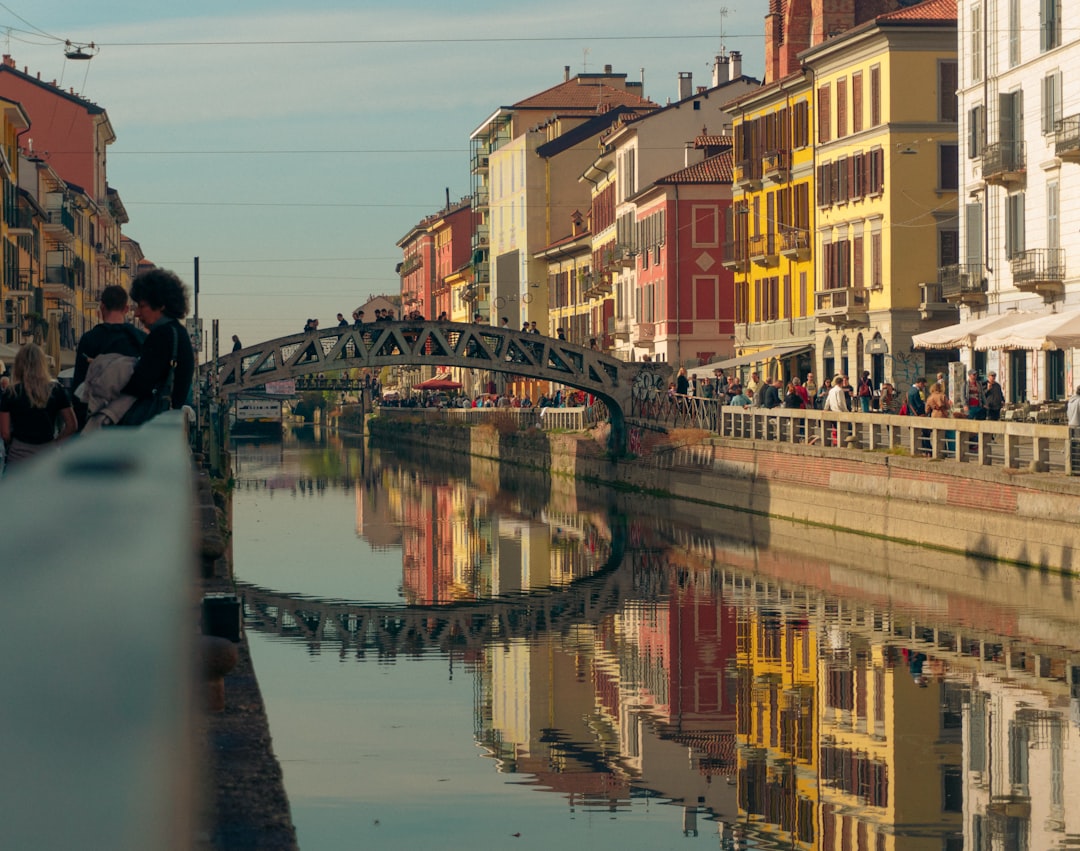
- Navigli Canal District — A 14th-century canal network lined with aperitivo bars where locals drink Campari spritz from €6 starting at 6 PM.
Scroll down for our complete travel guide with tips on getting there, where to stay, costs and more.
How to Reach Milan
How do I get to Milan?
Fly into Malpensa Airport (MXP), 45 km northwest of the centre, for intercontinental and most European routes. In my experience, it is the smartest entry point for first-time visitors. The Malpensa Express train runs directly to Cadorna or Centrale stations in 52 minutes for €13. Budget carriers land at Linate (LIN), just 7 km east of the centre — a taxi costs roughly €25. Orio al Serio (BGY), used by Ryanair, is 45 km away and served by a €10 bus but takes over 60 minutes in traffic. My honest caveat: never book BGY if you have an early connection — the road to it clogs badly.
Which airport is closest to Milan?
Linate (LIN) is closest to Milan at just 7 km from the city centre, making it ideal for domestic and short-haul European flights. In my experience, Linate is the most stress-free airport in the Milan system — the Line 4 metro connects it to San Babila station in 12 minutes for €1.50 since its 2023 opening. The trade-off: Linate has far fewer international routes than Malpensa, so you may need a connecting flight to use it. Malpensa (MXP) handles the widest range of long-haul and European routes and should be your default choice for transatlantic arrivals.
How long does the journey from the airport to central Milan take?
From Malpensa (MXP): the Malpensa Express train takes 52 minutes to Milano Centrale station for €13 — buy the ticket before boarding or face a €2 surcharge. From Linate (LIN): the Line 4 metro reaches San Babila in 12 minutes for €1.50. From Orio al Serio (BGY): a dedicated shuttle bus takes 60–90 minutes depending on motorway traffic for €10. My tip: always factor in 15–20 minutes of internal airport walking at Malpensa — it is genuinely vast, and I have missed the Express by underestimating that walk with luggage.
Do I need a car to explore Milan?
No — a car in Milan is a liability, not an asset. The city charges €5–€7 per day in the Area C congestion zone covering the historic centre, and parking garages average €4 per hour. In my experience, the ATM metro network (4 lines) and tram system cover every major sight. A single ticket costs €2 and a 48-hour pass costs €7. What most guides omit: driving in Milan requires an EU-standard emission sticker — older rental cars sometimes fail the check and you face an €80 fine. I recommend renting a car only if you plan day trips to Lake Como or the Franciacorta wine region.
Milan Public Transport Explained
What are the best areas to stay in Milan?
Brera is my top pick for first-timers — cobblestone streets, independent galleries, and a 10-minute walk to the Duomo. Navigli suits nightlife lovers; the canal bars run until 2 AM on weekends. Porta Venezia offers a quieter, local vibe with excellent Eritrean and Middle Eastern restaurants at half the tourist prices. Centrale is convenient for early train departures but feels impersonal. My honest warning: Duomo-adjacent hotels charge a 30–40% premium purely for location, and the piazza is gridlocked with tour groups from 9 AM to 7 PM. Staying 15 minutes away on the metro saves money without sacrificing access.
What does accommodation cost per night in Milan?
Budget accommodation in Milan runs around €80 per night for an economy hotel based on verified Numbeo data. Mid-range three-star hotels in Brera or Porta Garibaldi average €130–€180. Design-forward four-star properties around Corso Como push €220–€280. What surprised me: hostels in Navigli offer private rooms from €55–€65, which is exceptional value for the neighbourhood. My caveat: during Salone del Mobile (April design week) and Milano Fashion Week (February and September), prices across all categories spike 60–100% and rooms under €200 disappear entirely. Book 3–4 months ahead for those dates without exception.
How far in advance should I book hotels in Milan during high season?
For June through September (peak leisure months), book 6–8 weeks in advance for mid-range options in Brera or Navigli. For Salone del Mobile in April and both Fashion Weeks (February and September), book 3–4 months ahead — these are the hardest dates in Europe for hotel availability. In my experience, the Expo 2015 legacy left Milan with strong hotel supply, so last-minute deals genuinely exist outside trade events: I have snagged €95 rooms in Porta Venezia 72 hours out in late October. Use HotelTonight for those windows. The honest caveat: never gamble on last-minute availability during trade weeks — even outer suburbs sell out.
Are there special or unique accommodation types in Milan?
Milan offers converted Lombard industrial lofts in the Tortona and Isola districts — former textile and printing factories turned boutique apartments averaging €110–€150 per night on Airbnb. In my experience, these deliver far more character than standard hotels. Several historic palazzi in Brera rent rooms directly, bypassing platforms entirely for better rates. I recommend checking Dimora.it for curated Milanese apartments. The honest caveat: loft-style rentals in Isola often lack air conditioning — a genuine problem in July and August when temperatures regularly hit 33°C. Always confirm climate control before booking anything without a hotel-grade HVAC system.
Neighbourhoods of Milan
What are the must-see sights in Milan?
Duomo di Milano — climb to the rooftop for the city’s best skyline view; elevator access costs €13, stairs €7. Leonardo’s Last Supper at Santa Maria delle Grazie — book at least 3 weeks in advance on vivaticket.com since slots fill months ahead; tickets cost €15. Pinacoteca di Brera — one of Italy’s finest painting collections with Raphael and Caravaggio originals, entry €15. Galleria Vittorio Emanuele II is free to walk through and architecturally stunning. What I tell every visitor: skip the Leonardo Science Museum if time is tight — it is excellent for families but slow for solo art-focused travellers.
What can I experience for free in Milan?
Milan’s free highlights punch well above average for a major European city. Galleria Vittorio Emanuele II costs nothing to enter and is one of Europe’s finest 19th-century iron-and-glass arcades. Parco Sempione, behind the Castello Sforzesco (free entry to courtyards), is a genuine local park where Milanese families picnic on weekends. Sant’Ambrogio Basilica is free and predates the Duomo by 600 years. In my experience, the Navigli canal walk at sunset on a Tuesday evening, when locals outnumber tourists, is the most authentically Milanese free experience available. My caveat: the Castello Sforzesco museums cost €5 separately — budget for at least one.
Which day trips from Milan are worth the journey?
Lake Como is the standout day trip — Varenna is reachable in 1 hour by direct train from Centrale for €6.60 and is far less crowded than Bellagio. Bergamo Alta takes 47 minutes by train for €3.70 and offers a medieval hilltop city most Milan visitors miss entirely. Cremona, birthplace of Stradivari, is 1 hour by train and lets you watch violin-makers at work for free in the Piazza del Comune workshops. My honest caveat: Lake Garda is technically doable in a day but requires 2 hours each way — I recommend it only if you have a car and avoid summer weekends when the lakeside road turns into a car park.
What local food specialities must I try in Milan?
Risotto alla Milanese — saffron risotto with bone marrow — is the defining dish. In my experience, Trattoria del Nuovo Macello in Porta Romana serves the most honest version for €14 per portion. Cotoletta alla Milanese (bone-in breaded veal) is distinct from Viennese schnitzel — it is fried in butter, not oil, and must be thick-cut. Panzerotti from Luini near the Duomo cost €2.80 and locals queue at 11 AM to get them fresh. What most guides omit: Milan’s aperitivo culture between 6–9 PM is not just a drink — paying €8–€10 for a Negroni at Navigli bars includes a free buffet that substitutes dinner for many locals.
What to See in Milan
What makes Milan unique compared to other Italian cities?
Milan is the only major Italian city where business culture genuinely shapes daily life — lunch breaks are shorter, restaurants open earlier (noon, not 1 PM), and service is noticeably more efficient. It hosts Salone del Mobile, the world’s largest design fair with over 300,000 visitors annually, and two global fashion weeks that set trends 6 months in advance. What surprised me: Milan has Europe’s most extensive tram network still in active daily use, with historic 1920s trams running alongside modern lines. It is also the only Italian city where you can eat serious Moroccan, Eritrean, and Filipino cuisine within 10 minutes of each other in Porta Venezia — a cosmopolitanism Rome and Florence cannot match.
How many days should I spend in Milan to see it properly?
3 full days covers the essential Milan without feeling rushed. Day 1: Duomo rooftop, Galleria Vittorio Emanuele II, and Last Supper (book the slot before your trip). Day 2: Brera neighbourhood and Pinacoteca, Castello Sforzesco courtyards, Parco Sempione. Day 3: Navigli morning market, Tortona design district, and an aperitivo evening by the canals. In my experience, 5 days allows a day trip to Lake Como or Bergamo and proper exploration of Porta Venezia’s restaurant scene. The honest caveat: Milan rewards repeat visitors more than most cities — the first trip feels commercial, the second reveals the neighbourhood depth.
When is the best time to visit Milan?
June through September offers the best combination of weather and city energy based on 5-year climate analysis. June and September are my personal favourites — temperatures are comfortable, rooftop terraces are open, and trade-week crowds have cleared. July and August are hot but surprisingly pleasant since Milanese residents leave the city, making museums and restaurants less crowded and often cheaper. My honest caveat: avoid April unless you are attending Salone del Mobile — the city is genuinely overwhelmed, prices double, and accommodation is nearly impossible without advance booking. February brings Fashion Week chaos. October is underrated: crisp weather, autumn risotto menus, and shoulder-season pricing.
Are there local festivals in Milan worth attending?
Salone del Mobile in April is the world’s largest design and furniture fair — even without an industry pass, the Fuorisalone (off-site events) fill the entire city with free installations in Brera, Tortona, and Isola. Carnevale Ambrosiano runs 4 days longer than Venice’s Carnival due to a 4th-century Milanese tradition — celebrated in late February or early March with parades near the Duomo. Milano Film Festival in September shows international films at Anteo Palazzo del Cinema for €6–€8 per screening. In my experience, the Festa di Sant’Ambrogio on December 7th — Milan’s patron saint day — opens the opera season at La Scala, and tickets for the gala premiere sell out 6 months in advance.
Milan Food Scene
How does the weather in Milan affect what activities I can do?
Milan sits in the Po Valley, which creates foggy winters (November–January visibility can drop below 200 metres) and humid summers where 33°C feels like 38°C. In my experience, outdoor activities — rooftop Duomo walks, Navigli canal strolls, Parco Sempione picnics — are best in June, September, and October. Museum visits absorb rainy winter days well: the Pinacoteca Ambrosiana and Museo del Novecento are both within the historic centre. My honest warning: July heat makes the Duomo rooftop genuinely uncomfortable between noon and 3 PM — visit before 9:30 AM or after 5 PM. The fog in November is not just atmospheric; it delays trains and disrupts day trips to the lakes.
How crowded does Milan get in peak season?
Milan’s peak leisure crowds (July–August) are actually lighter than Rome or Florence because the city’s own residents leave for holidays, freeing up restaurants and transport. The Duomo queue reaches 45–60 minutes by 10 AM in July — arrive before 8:30 AM to walk straight in. The Last Supper is sold out weeks ahead year-round, regardless of season. What I have noticed: Salone del Mobile week in April creates the most severe crowding Milan ever sees — 300,000+ industry visitors overwhelm the metro, every restaurant, and every taxi app simultaneously. By contrast, August 10–20 is almost eerily quiet, with posted closures on 25–30% of neighbourhood restaurants.
How safe is Milan for travellers?
Milan is one of Italy’s safest large cities for tourists. Violent crime targeting visitors is rare. My honest caveat: Centrale station and the surrounding area attract pickpockets, especially on the Line 3 metro platforms during rush hour (8–9 AM and 6–7 PM). Piazza del Duomo has organised distraction thieves working in teams — the classic trick is someone dropping coins near your feet while an accomplice targets your bag. I recommend a crossbody bag worn in front and keeping phones in front pockets. The Navigli at 2 AM on weekends has occasional minor incidents near the canal bars — stay aware of your surroundings but it is not dangerous. Brera and Porta Venezia are genuinely relaxed at all hours.
Is English widely spoken in Milan?
English is more widely spoken in Milan than in any other Italian city outside of tourist contexts. In fashion, finance, and design industries — which dominate the city — English is a working language. In my experience, staff at hotels, most restaurants in Brera and Navigli, and all major museums speak confident English. The honest caveat: neighbourhood trattorias and local bars in Porta Romana or Corvetto often have Italian-only menus and owners who speak limited English — carry the Google Translate camera function and use it without embarrassment. Markets like Fiera di Senigallia on the canal operate almost entirely in Italian and Milanese dialect.
Local Know-How for Milan
What is a realistic daily budget for Milan?
Budget travellers spending carefully: €70–€90 per day covering a hostel private room (€55–€65), a panzerotto from Luini (€2.80) for lunch, a pizza dinner (€12–€15), and public transport (€4–€6). Mid-range comfort: €160–€200 per day with a Brera three-star hotel, a sit-down lunch averaging €23 per person, a mid-range dinner for two around €42, and one museum entry at €15. Verified Numbeo data confirms a cheap meal runs approximately $23 (roughly €21). My honest observation: Milan’s hidden budget-killer is aperitivo — those €9 Campari spritz drinks add up fast if you do the full Navigli bar crawl 3 nights running.
How does public transport work in Milan?
ATM (Azienda Trasporti Milanesi) operates 4 metro lines (M1–M4), 18 tram lines, and an extensive bus network. A single ticket costs €2 and is valid for 90 minutes across all modes. A 48-hour tourist pass costs €7 — buy it immediately if you plan more than 4 trips. In my experience, the M2 line connecting Garibaldi, Cadorna, and Centrale is the single most useful line for visitors. The M4 to Linate opened in 2023 and transformed airport access. My honest caveat: the metro closes at 12:30 AM on weekdays and 1:30 AM on weekends — after that, night buses run but are infrequent. Always download the ATM Milano app for real-time departures.
Which apps do you recommend for navigating Milan?
ATM Milano (official transport app) gives real-time metro and tram departures and lets you buy tickets digitally — it is essential. Google Maps works excellently for walking routes through Brera and Navigli and integrates ATM timetables accurately. TheFork (ElTenedor) secures restaurant reservations up to 50% off during lunch — I have eaten at €35-per-head restaurants for €18 using it. Duomo di Milano official app is useful for rooftop booking and audio guides. My honest caveat: Uber operates in Milan but only as Uber Black (premium cars) — it is roughly 3× the cost of a standard taxi hailed via the itTaxi app, which accesses the regulated white taxi fleet at metered rates averaging €12–€18 for cross-city rides.
Milan at a Glance
| Population | 1,354,196 |
|---|---|
| Currency | EUR (€) |
| Official language | Italian |
| Time zone | Europe/Rome |
Source: Wikidata, retrieved September 2026.
Related Travel Guides
Italy › Milan
More Destinations in Lombardy
More Destinations in Italy
Essential Resources for Planning Your Trip to Milan
- Official Tourist Information Office of the Municipality of Milan … — official visitor information, passes & events
- Wikipedia: Milan — history, geography & background
- Wikivoyage: Milan — community travel guide & practical tips
- Milan — Lonely Planet — expert itineraries & travel inspiration
- THE 15 BEST Things to Do in Milan (2026) — hotels, restaurants & traveller reviews
- What area to stay in Milan for sightseeing and airport … — how to get around
- Numbeo: Cost of Living in Milan — current prices & cost comparison
- Timeanddate: Milan Weather & Climate — forecasts & climate statistics
- Travel without leaving a trace – how to tackle overtourism I …
More Perspectives on Milan
- Milan Travel Guide
- A Local’s Favorite Things to Do in Milan
- Why you should visit Milan (and why not) a short guide
Milan Travel Videos
Watch these videos for a visual preview before your trip:
- 29 Tips I Wish I Knew Before Visiting Milan, Italy
- How to Spend 3 Days in MILAN Italy | Travel Itinerary
- Milan and Lake Como
Milan Travel Discussions on Reddit
Real traveller experiences and community advice:
- The Milan guide nobody asked for but everyone needs
- Why you should visit Milan (and why not) a short guide
- If we fly into Milan, is it worth spending a day in or should …
Data Sources
This page was compiled using data from Wikipedia, Wikidata, Open-Meteo (climate), Numbeo (cost of living) and REST Countries. Information is updated regularly.