
Oviedo: The Complete Travel Guide (2026)
Last reviewed: October 2026 · key facts checked against Wikidata
Oviedo Travel Guide: Everything You Need to Know (2026)
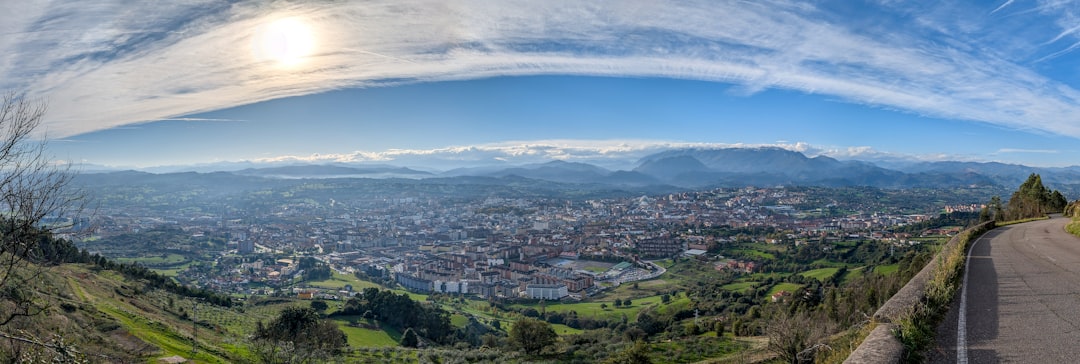
Oviedo, the 1,200-year-old capital of Asturias in northern Spain, sits at 241 metres above sea level and is home to 225,089 residents who take fierce pride in their pre-Romanesque heritage. Founded in 761 AD, the city contains three UNESCO World Heritage churches built before the 9th century — a concentration found nowhere else in Spain. It sits just 30 km from the Cantabrian coast and serves as the gateway to the Picos de Europa mountains, making it one of northern Spain’s most strategically positioned mid-size cities.
Top 3 Highlights at a Glance
- Cathedral of San Salvador — Houses the Holy Chamber (Cámara Santa), a UNESCO site containing a 1,000-year-old gold reliquary cross weighing 8 kg.
- Calle Gascona — Sidrería Street — A single block lined with 10+ traditional sidrerías where waiters pour cider from arm’s height — Asturias’s most atmospheric food ritual.
- Santa María del Naranco — A 9th-century pre-Romanesque palace-turned-church sitting on a hillside 3 km above the city with panoramic views over Oviedo.
Scroll down for our complete travel guide with tips on getting there, where to stay, costs and more.
Arrival & Airport
How do I get to Oviedo?
Fly into Asturias Airport (OVD), then take the ALSA bus or taxi into the city centre. In my experience, the cheapest overland option is the ALSA long-distance bus from Madrid (~5.5 hours, around $30–40) or the RENFE train from Madrid on the Alvia service (~4.5 hours, from $25 booked early). What surprised me: budget airlines including Vueling and Iberia serve OVD from Barcelona and Madrid, making flying competitive with rail when booked 6 weeks ahead. Warning most guides omit: the airport bus schedule is sparse — check timetables before landing or you’ll face a $35 taxi as your only option.
Which airport is closest to Oviedo?
Asturias Airport (OVD) is the closest airport, located 47 km west of Oviedo city centre near Avilés. I recommend it over Santander (160 km east) for every visit. My tip: the ALSA airport bus runs to Oviedo’s central bus station in ~45 minutes and costs around $8 — far cheaper than the $35–40 taxi. The caveat most guides skip: OVD has limited international routes beyond Spain, so travellers from outside Europe almost always connect through Madrid Barajas (MAD) or Barcelona El Prat (BCN) first. Book OVD-connecting flights at least 3 weeks ahead as capacity is genuinely small.
How long does the journey to Oviedo take from major Spanish cities?
From Madrid, the RENFE Alvia train takes ~4.5 hours and the ALSA bus takes ~5.5 hours. From Bilbao it’s ~2.5 hours by car or bus. From Gijón — Asturias’s largest city just 30 km away — the FEVE narrow-gauge train or bus takes ~35 minutes. In my experience, the train from Madrid is the best balance of comfort and price, especially booked via the RENFE app at least 2 weeks out. The honest trade-off: the mountain crossing through the Pajares Pass makes all surface routes from central Spain slow and winding — flying genuinely saves 3+ hours if your time is tight.
Do I need a car in Oviedo?
No — for the city itself, a car is a liability, not an asset. Oviedo’s historic centre is compact and almost entirely walkable within a 2 km radius. Local buses run frequently for $1.20 per journey. My tip: skip the car for your Oviedo base days entirely. However, if you plan day trips to the Picos de Europa or coastal villages like Cudillero (60 km west), a rental car unlocks experiences public transport simply cannot reach. I recommend hiring for 2 specific day trip days only rather than keeping one throughout. Warning: parking in the old town is metered and expensive — budget $15–20 per day if you do keep a car.
City Transport
What are the best areas to stay in Oviedo?
Stay in or immediately adjacent to Casco Antiguo (the old town) — walking distance to every major sight. The streets around Plaza del Fontán and Calle Mon put you inside the UNESCO heritage zone. For a quieter stay with slightly lower prices, El Centro neighbourhood just south of the old town is my recommendation — modern apartments, excellent restaurant access, 10-minute walk to the cathedral. What surprised me: Oviedo has no beach resort strip or flashy hotel zone — it’s an authentically lived-in Asturian city, so accommodation everywhere feels genuinely local rather than touristy. Avoid booking near the train/bus station on Calle Uría unless you prioritise transit convenience over atmosphere.
What does accommodation cost per night in Oviedo?
In my experience, Oviedo is genuinely affordable by Spanish city standards. A clean, well-located 2-star guesthouse (hostal) in the old town runs $50–70 per night. A solid 3-star hotel like those on Calle Uría costs $80–110. Boutique 4-star options in the historic centre reach $140–180. The honest caveat: prices spike 30–40% during the San Mateo festival in September and summer weekends when the Spanish themselves holiday in Asturias. My tip: Booking.com consistently shows better rates than direct booking for mid-range properties here, which is unusual compared to larger Spanish cities where direct often wins.
How far in advance should I book accommodation in Oviedo during high season?
Book at least 6–8 weeks ahead for July and August visits — Spaniards from Madrid and Galicia descend on Asturias during summer specifically to escape southern heat. For the San Mateo Festival (third week of September), book 3–4 months ahead as the city fills completely and rates double. In my experience, the worst mistake is assuming Oviedo is off the radar — northern Spain’s ‘green coast’ has surged in popularity since 2019. Outside of July–September, 2 weeks’ notice is usually sufficient. My tip: apartments on Airbnb near Plaza del Fontán offer better value than hotels for stays of 3+ nights, often at $60–80 per night for a full flat.
Are there special or unique accommodation types in Oviedo?
Yes — Asturias has a strong casas de aldea (rural house) tradition, and while these are technically outside the city, several operate within 15 km of Oviedo in the surrounding green hills. For urban stays, look for renovated 19th-century Asturian townhouse apartments — several operate as boutique guesthouses along Calle Cimadevilla and are unlisted on major platforms, so search ‘apartamentos turísticos Oviedo casco antiguo’ directly. What surprised me: Oviedo has a handful of former monastery guesthouses run by religious orders near the cathedral that offer spartan but atmospheric rooms from $35 per night — most guidebooks completely ignore these.
Accommodation & Neighbourhoods
What are the must-sees in Oviedo?
The Cathedral of San Salvador and its Holy Chamber (Cámara Santa) is non-negotiable — entry costs $8 and the gold reliquary crosses alone justify the visit. Santa María del Naranco (3 km uphill, free exterior, $3 interior) is a 9th-century building unlike anything else in Spain. Plaza del Fontán — the old market square — captures daily Oviedo life perfectly. The Fine Arts Museum of Asturias (MBAA) is free and houses an underrated El Greco. My honest caveat: skip the Woody Allen statue on Calle Milicias that every listicle mentions — it’s a bronze photo-op with zero cultural depth, and the 5 minutes spent there are better used eating sidra on Calle Gascona.
What can I experience for free in Oviedo?
Genuinely a lot. The Museum of Fine Arts of Asturias (MBAA) on Plaza de Santa María is completely free — it holds works by Ribera, Zurbarán, and Asturian masters. Walking the pre-Romanesque route connecting San Julián de los Prados, San Miguel de Lillo, and Santa María del Naranco costs nothing for exteriors. Plaza del Fontán hosts a free antique and coin market every Sunday morning. In my experience, the best free experience is simply wandering Calle Mon at dusk when the old town glows gold and locals fill the bar terraces. Warning: the Cathedral’s Holy Chamber costs $8 — don’t confuse the free nave entry with full access.
Which day trips from Oviedo are worth doing?
Three stand out clearly. Gijón (30 km, 35 minutes by FEVE train, $3) gives you Asturias’s biggest city and its urban beach, Playa de San Lorenzo. Covadonga and Lakes of Enol in the Picos de Europa (80 km, ~1.5 hours by car) is one of northern Spain’s most dramatic landscapes — no public transport reaches the lakes in summer. Cudillero (60 km west, 1 hour by FEVE + bus) is a fishing village built into a cliffside gorge and far less visited than Galician alternatives. My caveat: without a car, Picos de Europa day trips are nearly impossible — this single reason justifies a 1-day car rental costing ~$45.
What are the local specialities I must try in Oviedo?
Fabada asturiana is the non-negotiable dish — a white bean stew with chorizo, morcilla, and lacón pork that defines Asturian cuisine. Eat it at Casa Conrado or any sidrería on Calle Gascona for $10–14 per bowl. Cachopo — two veal fillets stuffed with ham and cheese, then breaded — is the showstopper main course locals order for celebrations. Asturian cider (sidra natural) must be drunk from a traditional pour: the waiter raises the bottle above their head and pours from height to oxygenate it — don’t ask for a straw. For dessert, arroz con leche here is creamier and more indulgent than anywhere else in Spain. My tip: skip restaurants on Plaza de la Catedral — tourist pricing inflates every dish by 30–40%.
Highlights & Must-Sees
What makes Oviedo unique compared to other Spanish cities?
Three things no other Spanish city matches simultaneously. First, three UNESCO pre-Romanesque monuments from before 900 AD in a single walkable cluster — this predates almost all other Spanish civic architecture. Second, the living cider culture: Oviedo has more sidrerías per capita than any other Spanish city, and the communal ritual of the escanciado pour makes every bar visit a performance. Third, the green, rain-fed landscape: Oviedo looks and feels fundamentally different from Castile or Andalusia — it’s lush, cool, and architecturally Baroque-meets-medieval. What surprised me most: locals here speak with fierce regional pride about Asturian identity distinct from Spain, and engaging with that conversation opens extraordinary hospitality.
How many days should I spend in Oviedo?
3 full days is the sweet spot for seeing the city properly plus one day trip. Day 1: old town, cathedral, Holy Chamber, Plaza del Fontán. Day 2: pre-Romanesque hill churches, Fine Arts Museum, Calle Gascona in the evening. Day 3: day trip to Gijón or Picos de Europa. A 4th day allows a second day trip to Cudillero. In my experience, 2 days feels rushed and you’ll miss the slower rhythm that makes Oviedo special — lingering over a long fabada lunch is not optional, it’s the point. My caveat: don’t pad beyond 4 days unless you’re using Oviedo as a base for wider Asturias exploration, as the city’s sights are genuinely completable in 3 days.
When is the best time to visit Oviedo?
July and August offer the most reliable weather — temperatures average 22–24°C with the lowest rainfall of the year. This is when northern Spain shines and the terraces fill. My personal preference is late June or early September, when crowds thin but weather remains excellent. The San Mateo Festival (3rd week of September) is Oviedo at its most alive — free concerts, sidra everywhere, and the entire city celebrating. The honest warning: Asturias is genuinely rainy October through May — not torrential, but persistent Atlantic drizzle that makes outdoor sightseeing uncomfortable for consecutive days. December brings Christmas lights that are legitimately spectacular and draw visitors from across Spain.
Are there local festivals in Oviedo worth attending?
San Mateo (September 17–21) is Oviedo’s biggest festival — free outdoor concerts on Plaza de la Catedral, traditional Asturian folk performances, and the entire city operating on festival time. Hotels book out 3 months ahead. La Ascensión (40 days after Easter) fills the city’s parks with funfair stalls and is deeply local. In my experience, the Sidra Festival in Gijón (mid-August, 30 km away) pairs perfectly with an Oviedo stay — you can combine both in a single trip. My tip: the Semana Negra crime fiction festival in Gijón (July) attracts international authors and is completely free to attend — an unexpected cultural bonus for literary travellers within easy day-trip range.
Food & Drink
How does Oviedo’s weather affect activities throughout the year?
Directly and significantly. Asturias has the highest rainfall of any Spanish region — the mountains trap Atlantic moisture year-round. October through April, expect rain on 12–18 days per month — indoor sights like the MBAA museum and sidrerías become your best friends. May and June bring erratic weather with beautiful clear intervals. July and August are the only months I’d confidently plan a majority of outdoor activities including the pre-Romanesque hilltop churches and Picos de Europa hikes. The trade-off: that rain is precisely why Asturias is gloriously green and relatively crowd-free compared to Andalusia. My tip: pack a compact waterproof jacket regardless of travel month — this is non-negotiable advice for northern Spain.
How crowded does Oviedo get in peak season?
Busy but never overwhelming — Oviedo lacks the mass-tourism crush of Barcelona or Seville. July and August see the city fill with Spanish domestic tourists (Madrileños fleeing 38°C heat) more than international visitors. Calle Gascona sidrerías queue from 9 PM onward in summer — arrive at 8:30 PM to get a table without waiting. The San Mateo festival week in September is the single most crowded period — the old town becomes genuinely packed on festival evenings. What surprised me: even at peak, the pre-Romanesque churches at Santa María del Naranco see fewer than 50 visitors simultaneously — the crowds concentrate in a very small zone around the cathedral and main squares.
How safe is Oviedo?
Oviedo is one of the safest mid-size cities in Spain — petty crime rates are low compared to coastal tourist hubs. In my experience walking the old town at 2 AM after sidrerías close, I felt completely at ease. The bus station area on Calle Uría and the parks near Campo de San Francisco see occasional minor pickpocketing — standard urban awareness applies. No areas of the city require avoidance. The honest caveat: Asturian traffic is aggressive by northern European standards — crosswalks are technically respected but pedestrians here are expected to wait, not assume right of way. Emergency number is 112, and English-speaking operators are available.
Is English widely spoken in Oviedo?
Less than in Madrid or Barcelona — be prepared for limited English outside hotels. At 3-star and above hotels, English is reliable. In sidrerías on Calle Gascona and local restaurants, Spanish (and sometimes Asturian) is the working language. In my experience, having 10 key Spanish phrases memorised transforms interactions completely — Oviedo locals are exceptionally warm to visitors who make any linguistic effort. My tip: download Google Translate with offline Spanish before arriving — menus in local sidrerías are often handwritten in Asturian dialect, which even mainland Spaniards can’t always read. The honest trade-off: this language barrier is also what keeps Oviedo authentically un-touristy, which is part of its appeal.
Practical Tips
What is the daily budget for visiting Oviedo?
A realistic budget traveller spends $60–75 per day (hostel at $25, cheap meals at $12 each, local transport at $1.20 per ride). A mid-range traveller in a 3-star hotel with sit-down meals budgets $130–160 per day. A comfortable traveller staying in a boutique hotel and dining well lands at $200–240. In my experience, food and drink are where Oviedo genuinely rewards — a full fabada lunch with sidra and dessert costs $18–22 at honest local restaurants, which is exceptional value. The hidden cost most miss: car rental for Picos de Europa day trips adds $45–55 to that specific day’s budget but is the only way to reach the best landscapes.
How does public transport work in Oviedo?
The city bus network (TUA) covers all neighbourhoods for $1.20 per single journey. For the compact old town, you’ll rarely need it — everything within Casco Antiguo is walkable in under 20 minutes. The FEVE narrow-gauge railway connects Oviedo to Gijón (35 min, ~$3) and Avilés (40 min, ~$3) multiple times daily — this is the essential regional link I use on every visit. Long-distance ALSA buses depart from the central bus station on Calle Pepe Cosmen to destinations across Spain. My tip: buy a 10-trip TUA card at any tobacconist (estanco) for around $10 if staying 4+ days — it saves both money and the hassle of exact change.
Which apps do you recommend for visiting Oviedo?
Five apps I actually use. RENFE app for train booking — essential for Madrid connections, book 2+ weeks ahead for best prices. ALSA app for bus routes and tickets including airport connections. Google Maps works excellently in Oviedo for walking navigation and has accurate opening hours. TripAdvisor is less useful here than in major cities — I use TheFork (ElTenedor) instead for restaurant reservations, which is how locals book tables at popular sidrerías. Google Translate with offline Spanish downloaded handles menus and signage. One app to avoid relying on: Uber — it has minimal coverage in Oviedo; use local taxi app MyTaxi (FREE NOW) or simply flag a cab on Calle Uría instead.
Spain › Oviedo
More Destinations in Spain
Oviedo at a Glance
| Population | 223,968 |
|---|---|
| Currency | EUR (€) |
| Official language | Spanish |
| Time zone | UTC+01:00 |
Source: Wikidata, retrieved October 2026.
Essential Resources for Planning Your Trip to Oviedo
- Tourism in Oviedo. What to see. Tourist information — official visitor information, passes & events
- Wikipedia: Oviedo — history, geography & background
- Wikivoyage: Oviedo — community travel guide & practical tips
- Oviedo travel – Lonely Planet | Spain, Europe — expert itineraries & travel inspiration
- THE 15 BEST Things to Do in Oviedo (2026) — hotels, restaurants & traveller reviews
- Oviedo – Pre-Romanesque UNESCO Capital of Asturias — how to get around
- Numbeo: Cost of Living in Oviedo — current prices & cost comparison
- Timeanddate: Oviedo Weather & Climate — forecasts & climate statistics
More Perspectives on Oviedo
- The Ultimate Travel Guide to Oviedo, Spain
- City guide: Oviedo – Edible Reading
- City guide: Oviedo : r/Asturias
Oviedo Travel Videos
Watch these videos for a visual preview before your trip:
- Why Oviedo Should Be on Your Travel List? ✈️ What to visit in Asturias, Spain 4k
- TOP 10 Things to do in Oviedo, Spain 2024!
- Oviedo Travel Guide: Things To do, Hidden Gems & Essential Tips!
Oviedo Travel Discussions on Reddit
Real traveller experiences and community advice:
- Itinerary Question (Oviedo or not?) : r/GoingToSpain
- City guide: Oviedo : r/Asturias
- A weekend in Oviedo, Spain : r/dreamingspanish
Data Sources
This page was compiled using data from Wikipedia, Wikidata, Open-Meteo (climate), Numbeo (cost of living) and REST Countries. Information is updated regularly.