
Crete: The Complete Travel Guide (2026)
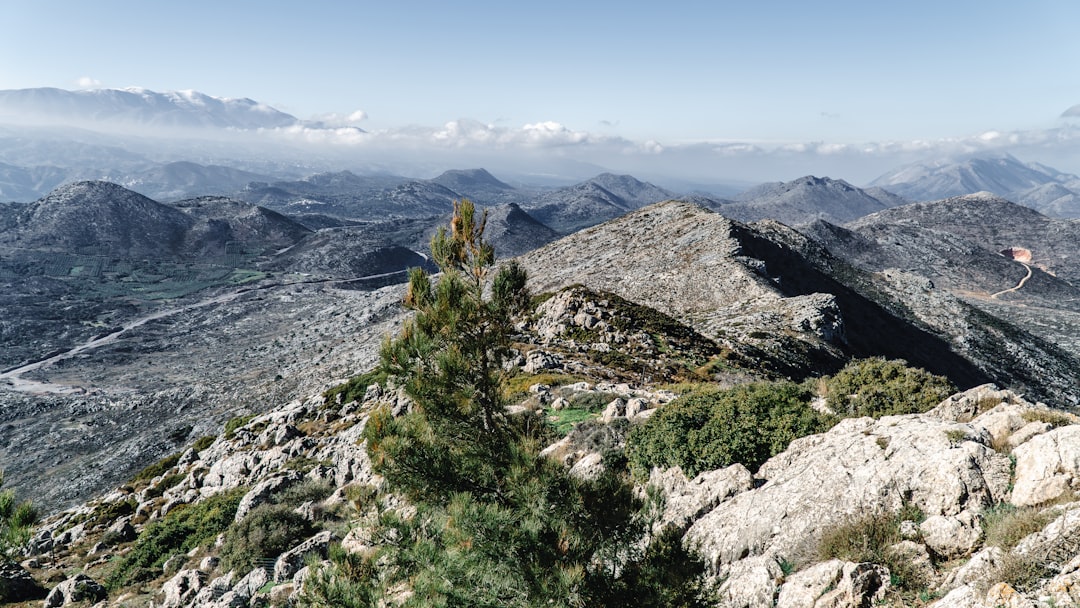
Crete Travel Guide: Everything You Need to Know (2026)
Crete is Greece’s largest island at 8,336 km², home to roughly 623,065 permanent residents and the birthplace of Europe’s oldest advanced civilization, the Minoans, who flourished here over 4,000 years ago. The island stretches 260 km from east to west, meaning the drive from Heraklion to Sitia alone takes nearly 2.5 hours — most visitors dramatically underestimate its scale. In 2026, Crete remains one of the Mediterranean’s most rewarding destinations precisely because its sheer size absorbs tourist crowds in ways that smaller Greek islands simply cannot.
Getting to the Island
How do I get to Crete — by flight or ferry?
Flying is faster and almost always cheaper for most visitors. Direct international flights land at Heraklion Nikos Kazantzakis (HER) or Chania International (CHQ) from across Europe, with flight times from London around 3.5 hours. The overnight ferry from Piraeus port in Athens takes 8–9 hours and is a legitimate romantic option — but my honest warning: July and August ferry cabins sell out weeks ahead and prices spike to €80–€120 per person for a basic cabin. In my experience, flying wins on cost and convenience for anyone not specifically wanting the sea journey.
Which airport or port is the best starting point for Crete?
Choose your entry point based on your itinerary, not habit. Heraklion (HER) gives you access to Knossos, Rethymno, and eastern Crete, while Chania (CHQ) is the superior choice for the Samaria Gorge, Balos Lagoon, and the laid-back west. What surprised me: Chania airport is only 14 km from the city centre compared to Heraklion’s 5 km — both are quick, but Chania’s road is slower in summer traffic. My tip: if you plan to drive west to east across the whole island, flying into Chania and out of Heraklion is a clean one-way route.
How long does the ferry crossing to Crete take?
The standard Piraeus–Heraklion ferry takes 8–9 hours overnight, departing around 21:00 and arriving at 06:00. The Piraeus–Chania route (via Souda port) runs similarly at 8–9 hours. Faster high-speed options occasionally appear but are not reliably scheduled year-round. The honest caveat: Cretan ferries are large, loud, and the lower-deck seating areas are genuinely uncomfortable — paying the extra €30–€40 for a private cabin is not a luxury, it’s a necessity if you want to function the next morning. Book through Minoan Lines or ANEK directly.
What does a flight or ferry to Crete cost in 2026?
Budget flights from northern Europe on Ryanair or easyJet start at €40–€80 one way if booked 3–4 months ahead; in peak July–August expect to pay €150–€250+. The Piraeus overnight ferry runs €35–€50 for a deck/seat ticket and €80–€130 for a basic twin cabin. Charter flights bundled with package deals often undercut standalone fares. My tip: avoid booking ferry tickets through third-party aggregators — they charge €8–€15 in hidden fees. Always book directly with Minoan Lines or ANEK Lines and you’ll save noticeably on the same crossing.
Are overnight ferries to Crete worth it?
Yes — but only with a private cabin. The Piraeus–Heraklion overnight crossing saves you one hotel night and delivers you fresh in Crete at dawn, which is genuinely wonderful for an early start. I recommend the 4-berth inner cabin at roughly €90–€110 total split among friends as excellent value. The warning most guides omit: the ship cafeteria food is overpriced and mediocre — bring your own dinner. Also, summer seas in the Cretan Sea can be choppy; if you’re prone to motion sickness, take a tablet before boarding. The Chania route through Souda Bay is slightly calmer on arrival.
Getting Around
Do I need a rental car or scooter to explore Crete?
Yes — a rental car is almost essential for experiencing Crete properly. The island is 260 km long and public buses only connect the main north-coast towns. Without a car, you’ll miss the Lasithi Plateau, Preveli Beach, the Dikteon Cave, and dozens of gorges. In my experience, renting through local agencies like Sunbird or Motor Plan in Heraklion saves 20–30% over international chains. Expect to pay €35–€55/day in shoulder season and €55–€80/day in August. Critical warning: Cretan mountain roads are genuinely narrow and unmarked — Google Maps will confidently send you down a dirt track. Download maps.me offline as a backup.
Are there buses between towns in Crete?
The KTEL Crete bus network connects the main north-coast cities — Heraklion, Rethymno, Chania, and Agios Nikolaos — reliably and cheaply. A Heraklion–Chania bus costs €15.60 and takes 2.5 hours. Buses run roughly every 30–60 minutes in summer on the main routes. My honest caveat: south-coast villages like Loutro, Hora Sfakion, and Paleochora are served by only 1–2 buses daily, and many run only Monday–Friday. KTEL is fine for hopping between major towns but will frustrate you the moment you want to explore beaches or mountain villages. I recommend buses for airport transfers, a car for everything else.
What does a rental car cost in Crete — and where do I hire one?
Expect to pay €40–€55/day in May–June or September–October, and €60–€85/day in July–August for a standard manual hatchback with basic insurance. I recommend booking local agencies at Heraklion or Chania airports — Europcar, Hertz, and local outfits like Auto Moto Holidays are reliable. Book at least 6–8 weeks ahead for July and August or availability genuinely disappears. The warning no one tells you: always photograph every pre-existing scratch before driving away, even tiny ones. Disputes over minor bodywork damage are the single most common tourist complaint in Crete, and local agencies occasionally play hardball. A dashcam is worth bringing.
Which parts of Crete are accessible by public transport alone?
The entire north-coast corridor from Kissamos to Sitia is reachable by KTEL buses, including Heraklion, Rethymno, Chania, Agios Nikolaos, and Elounda. Knossos is served by city bus Line 2 from Heraklion for just €1.50. However, the stunning south coast — Matala, Agia Galini, Frangokastello, Triopetra — is essentially inaccessible without your own wheels. What surprised me: Heraklion city itself is entirely walkable for sightseeing, so for a purely urban visit you genuinely don’t need a car. But the island’s greatest experiences — gorges, hidden beaches, mountain villages — all require independent transport.
Can I cycle around Crete?
Road cycling across Crete is possible but demanding — this is not flat terrain. The E4 European long-distance trail crosses the island on foot, but cyclists typically tackle the north coastal road (Old National Road) between Chania and Heraklion over 4–5 days. Mountain biking is genuinely excellent around the White Mountains (Lefka Ori) and above Rethymno. In my experience, the biggest deterrent is the heat — cycling in July or August above 35°C is punishing and I wouldn’t recommend it. April, May, and October are the ideal cycling months. Bike rental in Chania Old Town runs €15–€25/day for a decent hybrid, and Crete Cycling offers guided multi-day routes.
Accommodation
Which town in Crete should I base myself in?
Chania is my personal top pick — the Venetian harbour and Old Town are the most atmospheric in Crete, the food scene is excellent, and you’re within 45 minutes of the Samaria Gorge trailhead. Rethymno is the quieter, slightly cheaper alternative with an equally beautiful old town. Heraklion is practical for Knossos but honestly underwhelming as a base — the waterfront is congested. For beach-focused trips, base yourself in Elounda (east) or Plakias (south). The honest caveat: Chania’s Venetian harbour restaurants charge tourist premium prices — eat one street back in Splantzia neighbourhood for half the price and double the quality.
What does accommodation cost per night in Crete?
Budget guesthouses in Rethymno or Heraklion old towns run €45–€70/night for a double in shoulder season. Mid-range boutique hotels in Chania’s Splantzia cost €90–€140/night. A high-end resort in Elounda — home to Greece’s most exclusive hotels like Blue Palace or Elounda Beach Hotel — starts at €350–€600+/night. In July–August, add 30–50% across the board. My tip: small family-run agrotourism guesthouses in villages like Vamos or Argyroupoli offer exceptional value at €60–€90/night including breakfast, and you’ll be the only non-Greek there most nights.
Which area of Crete suits which travel style?
Chania and the west suits culture-seekers, hikers, and travellers who want charm over party scenes. Elounda and the east (Lasithi region) is best for luxury resort holidays and quieter beaches. Heraklion is for history-obsessed travellers focused on Knossos and the Archaeological Museum. Matala and the south coast attracts backpackers and free spirits — the cave-dweller hippie history is still palpable. Malia and Hersonissos are unambiguously party resort towns — fine if that’s your goal, but I’d warn culture-seekers to stay clear entirely. The honest trade-off: the quieter south coast has the best scenery but the worst roads and fewest amenities.
How far in advance do I need to book accommodation in Crete?
For July and August 2026, book anything decent in Chania, Elounda, or Rethymno by March at the latest. Popular boutique hotels in Chania’s Old Town sell out by February for peak weeks. Shoulder season (May–June, September–October) gives you more flexibility — 4–6 weeks ahead is usually sufficient. The caveat most guides skip: Crete has a strong last-minute cancellation rate in shoulder season, so checking platforms like Booking.com 1–2 weeks before arrival sometimes reveals freed-up inventory at reduced prices. For luxury resorts in Elounda, book 6 months ahead — the top properties like Domes of Elounda operate near full capacity all summer.
Are there good apartments or villas with sea views in Crete?
Absolutely — and this is where Crete outperforms most Greek islands for value. Private villas with pools and sea views around Akrotiri Peninsula near Chania or above Plakias on the south coast rent for €150–€350/night for a 2–3 bedroom property, which splits remarkably well among families or groups. Airbnb and Booking.com both have strong inventory, but I recommend also checking CretanVillas.com and SimplyCrete for handpicked properties with honest photography. The warning: many listings describe sea views that are technically partial or seasonal — always request the actual GPS location and verify the view angle on Google Earth before booking.
Best Time to Visit
When is the best time to visit Crete in 2026?
May and October are my unequivocal recommendations. May brings wildflowers, cool hiking temperatures around 22–25°C, open tavernas without crowds, and sea temperatures of 20–21°C — swimmable for most people. October is equally excellent with sea temperatures still reaching 24°C and the summer heat broken. September is the best compromise if you need guaranteed hot weather and fuller tourist infrastructure. I personally avoid July and August: Heraklion hits 35°C+, queues at Knossos stretch to 45 minutes, and rental car availability collapses. The honest trade-off: some south-coast restaurants and smaller village tavernas close entirely from November through March.
What is the weather like throughout the year in Crete?
Crete has the longest sunshine record in Europe, averaging 320 sunny days per year. Summer (June–September) is hot and dry with daytime highs of 28–36°C in Heraklion; the north coast gets the Meltemi wind in July–August which cools things but also makes boat trips choppy. Winter (December–February) is mild by European standards at 12–16°C but genuinely rainy, especially in the west around Chania which receives 700mm annually. The White Mountains receive snow above 1,500m from January to April — the Samaria Gorge stays closed until mid-May. Spring weather is delightfully unpredictable: warm sunny days interrupted by sharp afternoon showers.
When does Crete get overcrowded and how should I plan around it?
Peak saturation hits from late June to late August, when Chania Venetian harbour is wall-to-wall tourists and Balos Lagoon boat trips carry 500+ people per day. Knossos in July has a genuine crowd problem — arrive before 09:00 or after 16:00 to avoid tour group avalanches. The destination most catastrophically overwhelmed: Elafonisi beach, where summer weekends can see 3,000+ visitors on a beach designed for 400. My tip: visit Elafonisi on a Tuesday morning in late September — it’s genuinely one of Europe’s most beautiful beaches when it’s not a human carpet. The honest reality: Crete absorbs crowds better than Santorini or Mykonos, but the honeypots still suffer.
Is there a worthwhile shoulder season in Crete?
September and October are Crete’s best-kept secret. The sea is still 24–26°C, accommodation prices drop 25–40% from peak, and the main beaches like Falassarna and Balos are transformed from chaotic to genuinely beautiful. In my experience, early October is arguably the single best week of the Cretan year — harvest season means local wine festivals, fresh tsikoudia (raki) production begins, and tavernas are cooking at their best with the summer’s produce. The caveat: some tourist-oriented businesses in smaller resorts like Paleochora start closing after mid-October, so verify your specific restaurants and boat tours are still operating before booking a late trip.
When does the beach and watersports season begin in Crete?
Beach season officially kicks off around late April to early May, when water temperatures reach 19–20°C and the first sun lounger operators set up on Falassarna and Stavros. The full watersports season — windsurfing, kitesurfing, diving, boat trips — runs May through October. The best windsurfing is at Kouremenos Beach near Palekastro in the east, where the Meltemi wind creates near-ideal conditions from June through August. Diving visibility peaks in June and September. My tip: the dive site at Elephant Cave off Agia Pelagia is genuinely world-class and nowhere near as visited as sites near the main resorts — book with Crete’s Happy Diver for small-group trips.
Budget
What does a daily budget cost in Crete in 2026?
A genuine backpacker staying in hostels in Heraklion or Rethymno can survive on €55–€75/day including accommodation, local food, and bus transport. A comfortable mid-range independent traveller with a rental car, guesthouse, sit-down meals, and one paid attraction spends €120–€170/day per person. A luxury trip based in Elounda with resort accommodation and fine dining easily reaches €400–€600+/day. The hidden budget-killer I always warn people about: rental car fuel. Crete is large, petrol costs roughly €1.85–€2.00/litre, and if you’re driving the full island you can easily add €25–€35/day just in fuel costs alone.
Is Crete more expensive than mainland Greece?
For accommodation and dining, Crete’s tourist zones are 15–25% pricier than comparable mainland destinations like Thessaloniki. However, compared to Santorini or Mykonos, Crete is dramatically cheaper — a mid-range dinner for two in Chania runs €40–€60, versus €80–€120 for the same quality meal on Santorini. Local tavernas away from the harbourfront — try To Maridaki in Chania’s Splantzia — serve grilled fish, dakos, and local wine for €15–€20 per person. The honest trade-off: transport costs more here than on smaller islands simply because of the distances involved. A tank of fuel, a rental car, and a ferry to a day-trip island adds up faster than on Mykonos.
What expenses in Crete are unavoidable?
The rental car is the big one — you genuinely cannot see the real Crete without it, and at €45–€70/day plus fuel it will likely be your single largest expense. Knossos entry costs €15 and the Heraklion Archaeological Museum is another €12 — both are worth every cent but budget accordingly. Ferry transfers to day-trip destinations like Gramvousa/Balos run €35–€45 per person return. The expense most travellers don’t anticipate: parking fees in Chania Old Town — the paid lots near the harbour charge €2–€3/hour and there’s nowhere free within walking distance in summer. Budget roughly €10–€15/day just for car parking if you’re based in a city.
What does food cost in Crete — local vs tourist prices?
A Greek salad (horiatiki) costs €8–€10 at a harbourfront tourist restaurant in Chania and €5–€6 at an inland village taverna. A full grilled fish meal with wine for two ranges from €35 at a local spot to €90 on the Venetian harbour waterfront. Street gyros in Heraklion’s Plateia Kornarou area run €3.50–€4. Fresh Cretan olive oil, honey, and cheese at the Heraklion Central Market (1866 Street) are priced for locals — a 500ml bottle of exceptional extra-virgin olive oil costs €8–€12. My tip: the best-value meal in Crete is the daily lunch special (mageirefta) — a two-course cooked meal with bread and water for €9–€12.
What are the best beaches in Crete?
Elafonisi (southwest) is the postcard-perfect pink-sand lagoon, genuinely one of Europe’s finest but ruined in peak summer. Balos Lagoon (northwest, accessible by 4WD or boat) rivals it for colour and drama. Falassarna near Kissamos is a wide, dune-backed beach that handles crowds better. My personal favourite: Triopetra on the south coast — two semi-wild beaches joined by a rock promontory with just one taverna and crystalline turquoise water. For east Crete, Vai Palm Beach is famous but feels like a theme park in August. The honest warning: Elafonisi in July and August is not the experience the photos promise — the iconic photography requires September or very early morning arrivals.
Experiences & Beaches
What are the top sights in Crete beyond the beaches?
Knossos is non-negotiable — the reconstructed Minoan palace is genuinely breathtaking and the Heraklion Archaeological Museum (housing its finds) is one of the best archaeology museums in Europe. The Samaria Gorge (16 km walk, 5–7 hours) is Europe’s longest gorge and earns its reputation. Rethymno’s Venetian Fortress (Fortezza) offers outstanding views for €4 entry. The Lassithi Plateau at 840m altitude is a surreal high-altitude plain ringed by windmills. What surprised me most: the Byzantine frescoed churches of the Amari Valley near Rethymno are astonishing medieval art hidden in tiny villages — completely free, completely uncrowded, and completely ignored by mainstream tourism.
What watersports activities are available in Crete?
Crete offers the full Mediterranean watersports spectrum. Kitesurfing and windsurfing peak at Kouremenos Beach (Palekastro) where the Meltemi delivers consistent Force 4–5 winds from June to August — Freak Winds kite school there is well-regarded. Scuba diving is excellent around Agia Pelagia, Rethymno, and Plakias; visibility regularly exceeds 30m in summer. Sea kayaking along the Akrotiri Peninsula coast west of Chania is one of my favourite Crete experiences, with sea caves, deserted coves, and wild camping options. The honest caveat: jet ski rentals on crowded north-coast beaches like Hersonissos are expensive (€60–€80/30 min) and operate in congested areas. Head south for proper water experiences.
What is the culinary highlight of Crete?
Cretan cuisine is legitimately one of the Mediterranean’s greatest food cultures — not a marketing claim. The specific dish I recommend above all else: lamb or goat slow-roasted in a wood-fired oven (kleftiko) at a mountain village taverna — try Taverna Ta Douliana in Douliana village near Chania. Dakos (barley rusk with tomato, feta, and olive oil) is the perfect lunch. The Cretan extra-virgin olive oil is among the world’s best — book a tasting at an Elaiourgiki cooperative near Rethymno. The honest warning: the harbourfront restaurants in Chania and Rethymno look atmospheric but cook for volume — the best Cretan food is always found 10 minutes’ drive inland at places without English menus.
Which parts of Crete are still off the beaten track?
The Sfakia region on the southwest coast — including the car-free village of Loutro (accessible only by boat or hiking) — remains genuinely untouched. The Selino region in the far southwest, centred on Kandanos and Paleochora, sees a fraction of the tourist traffic of Chania despite being equally beautiful. The Sitia area in far east Crete — including the Toplou Monastery and Karphi Minoan mountaintop settlement — draws almost no foreign visitors. My personal revelation: the Amari Valley south of Rethymno — a 40 km loop through Byzantine villages with frescoed churches and family-run orchards — is one of the most beautiful drives in Greece and I’ve never seen another tourist there mid-week.
How many days do I need to experience Crete properly?
10–14 days is what Crete genuinely deserves, and I say this having rushed it in 7 days on my first visit and regretted it. A 7-day trip works only if you pick one region and go deep — either the west (Chania, Samaria, Elafonisi, Balos) or the east (Heraklion, Knossos, Spinalonga, Elounda). A 10-day itinerary lets you drive the full island with time for the Amari Valley, south coast, and one proper mountain hike. The honest caveat: Crete is not a place to tick off quickly. The island’s magic — its mountain villages, unmarked gorge trails, and family tavernas — only reveals itself once you stop rushing. Every traveller I know wishes they’d stayed longer.
Tours & Activities in Crete
More Destinations in Europe
Explore our complete travel guides for more Europe destinations: Cuenca Travel Guide (2026), Île dYeu Travel Guide (2026), Strasbourg Travel Guide (2026), Saint-Étienne Travel Guide (2026), Amsterdam Travel Guide (2026).
Crete at a Glance
| Population | 623,065 |
|---|---|
| Currency | EUR (€) |
| Official language | Greek |
| Time zone | UTC+02:00 |
Source: Wikidata, retrieved August 2026.
Useful Resources for Planning Your Trip to Crete
- Wikipedia: Crete — history, geography and background
- Lonely Planet: Crete — itineraries and travel inspiration
- TripAdvisor: Crete — hotels, restaurants and traveller reviews
🎥 Crete Travel Videos

Crete: The Don’ts of Visiting Crete, Greece
Wolters World

Guide to Visiting Crete, Greece | 2026 Guide
Drink Tea & Travel

CRETE TRAVEL GUIDE & COST GREECE’S ULTIMATE …
Jumping Places
You are currently viewing a placeholder content from Vimeo. To access the actual content, click the button below. Please note that doing so will share data with third-party providers.
More InformationYou are currently viewing a placeholder content from YouTube. To access the actual content, click the button below. Please note that doing so will share data with third-party providers.
More InformationYou need to load content from reCAPTCHA to submit the form. Please note that doing so will share data with third-party providers.
More InformationYou are currently viewing a placeholder content from GetYourGuide. To access the actual content, click the button below. Please note that doing so will share data with third-party providers.
More Information