
Cuenca: The Complete Travel Guide (2026)
Last reviewed: October 2026 · key facts checked against Wikidata
Cuenca Travel Guide: Everything You Need to Know (2026)
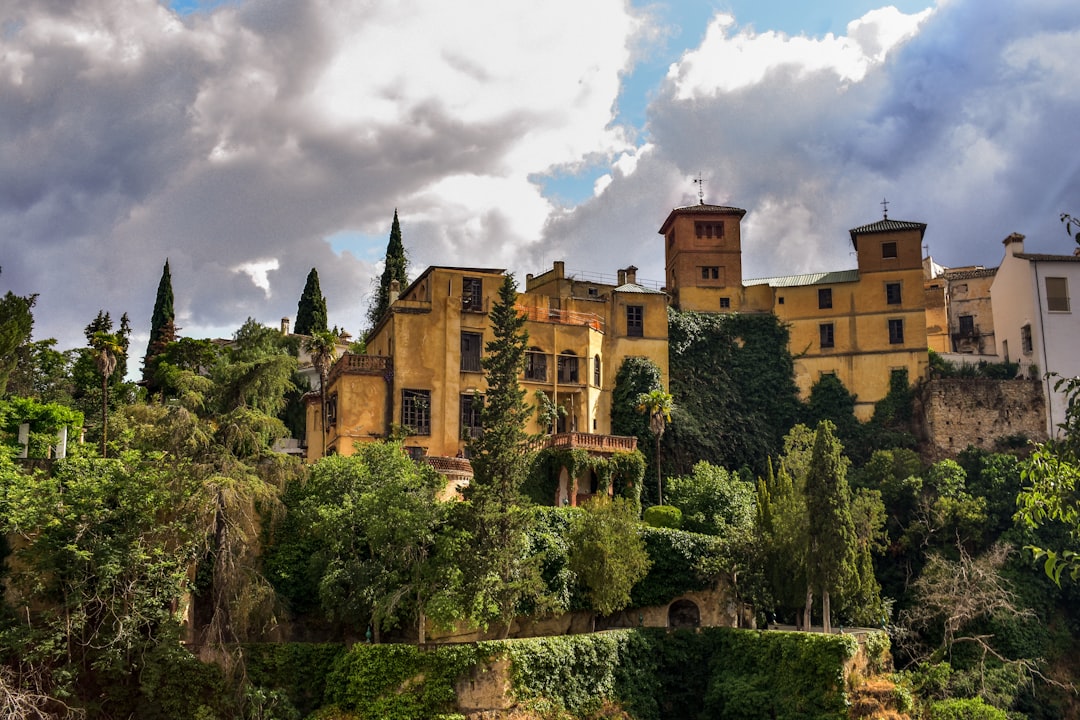
Cuenca, Spain sits dramatically atop a limestone gorge at roughly 1,000 metres above sea level, making it one of Europe’s highest provincial capitals. Founded during the Moorish period and reconquered by Alfonso VIII in 1177, it earned UNESCO World Heritage status in 1996 for its medieval old town and iconic Casas Colgadas — houses literally hanging over a 40-metre cliff. With a population of around 54,000, it remains compact enough to explore on foot in a weekend yet rich enough to reward a full week.
Top 3 Highlights at a Glance
- Casas Colgadas (Hanging Houses) — Medieval timber-balconied homes cantilevered over a 40-metre gorge — the most photographed image in Cuenca.
- Ciudad Encantada — A 70-hectare limestone rock-formation park 35 km from Cuenca sculpted by millennia of erosion into surreal shapes.
- Museo de Arte Abstracto Español — Housed inside the Hanging Houses, it holds Zóbel’s original abstract collection — one of Spain’s finest modern art museums.
Scroll down for our complete travel guide with tips on getting there, where to stay, costs and more.
Arrival & Airport
How do I get to Cuenca from Madrid or Valencia?
Take the high-speed AVE train from Madrid — it is the fastest and most practical option. In my experience, the Madrid Atocha to Cuenca-Fernando Zóbel station journey takes just 55 minutes and tickets cost as little as €9 one-way booked in advance on Renfe’s website. From Valencia, the regional train takes around 2 hours 15 minutes. By car, Cuenca is 165 km southeast of Madrid via the A-3. What surprised me: the Cuenca-Fernando Zóbel high-speed station sits 5 km outside the old town, so budget an extra €8-10 taxi ride or a connecting bus to reach your hotel — many visitors miss this detail and arrive unprepared.
Which airport is closest to Cuenca?
Madrid Barajas (MAD) is your practical gateway to Cuenca, located 165 km northwest. In my experience, flying into Madrid Adolfo Suárez-Barajas Airport and connecting by AVE train is the smoothest approach — the total door-to-door journey from Barajas to central Cuenca takes roughly 2 hours. Valencia Airport (VLC) is a secondary option at around 190 km, useful if you’re combining a coastal trip. My tip: avoid renting a car at the airport specifically to reach Cuenca — parking in the medieval upper town is a genuine nightmare on narrow medieval streets, and the train connection is frankly superior in both speed and cost.
How long does the journey to Cuenca take from Madrid?
By AVE high-speed train, Madrid to Cuenca takes 55 minutes — one of Spain’s most underrated rail connections. By car on the A-3 motorway, expect 1 hour 45 minutes in light traffic, though Madrid’s ring roads routinely add 30 minutes during rush hour. Bus from Madrid’s Avenida de América station takes around 2 hours 30 minutes with Avanzabus. I recommend the AVE above all other options: it is faster, stress-free, and often cheaper than petrol. The honest caveat: Cuenca’s high-speed station is not central, so factor in the 5 km transfer to the casco antiguo — a taxi costs roughly €8-10.
Do I need a rental car to explore Cuenca properly?
For Cuenca city itself, no — the old town is compact and entirely walkable within 20 minutes end to end. However, if you want to visit Ciudad Encantada (35 km away) or the Serranía de Cuenca natural park, a rental car transforms your trip dramatically. Public buses to these natural areas run infrequently — Ciudad Encantada has only 1-2 daily buses in summer and none reliably in winter. My tip: rent a car for just 1 day of your stay to cover the surrounding landscapes, then park up and walk for the rest. Rental rates in Cuenca start around €35-45 per day from local agencies near the new town.
City Transport
What are the best areas to stay in Cuenca?
Stay in the casco antiguo (UNESCO old town) without hesitation — waking up inside the medieval walls with views of the Huécar gorge is the entire point of visiting. The streets around Plaza Mayor and Calle Alfonso VIII put you within a 5-minute walk of every major sight. The lower new town around Paseo del Júcar is cheaper and more convenient for the train station, but you lose all atmosphere. I found that staying in the old town means climbing steep cobbled streets — some with 15-20% gradients — which can challenge travellers with mobility issues. My honest trade-off: old town for magic, new town for practicality and easier parking.
What does accommodation cost per night in Cuenca?
Cuenca offers genuinely good value by Spanish standards. A mid-range double room in the casco antiguo costs €60-90 per night, while boutique hotels like Parador de Cuenca — a converted 16th-century convent — charge €130-180. Budget guesthouses and hostals in the new town start around €35-45. In my experience, the Parador is worth splurging on for at least one night: its terrace directly faces the Hanging Houses across the gorge, a view that photos cannot capture. The caveat: old town hotels have limited parking (often non-existent), so arriving by train is genuinely advisable even if you plan to rent a car later.
How far in advance should I book accommodation in Cuenca during high season?
Book the casco antiguo hotels at least 6-8 weeks ahead for June through August and during Semana de Música Religiosa in Holy Week — the city’s most famous festival, which fills every room within a 30 km radius. The Parador de Cuenca regularly sells out 3 months in advance for Easter and summer weekends. What surprised me: Cuenca is a hugely popular weekend escape for Madrileños, meaning Friday and Saturday nights book out even in shoulder season. If you’re flexible, arriving on a Tuesday or Wednesday gives you much better room availability and sometimes 15-20% lower rates than weekend stays.
Are there special or unique accommodation types in Cuenca?
Yes — Cuenca has one of Spain’s most distinctive accommodation options: cave houses (casas cueva) carved into the cliffs of the Huécar gorge below the old town. Several rural turismo rural properties also operate in the surrounding Serranía de Cuenca, offering converted farmhouses with fireplaces for colder months. The Parador de Cuenca inside a 16th-century convent of San Pablo — with cloistered courtyard and gorge-facing suites — is genuinely unmissable for a special occasion. My tip: book a room explicitly facing the gorge when reserving; interior rooms at many old-town hotels miss the dramatic views entirely, which is the defining reason most people choose to sleep in the casco antiguo at all.
Accommodation & Neighbourhoods
What are the must-see sights in Cuenca?
Three sights are non-negotiable. First, the Casas Colgadas (Hanging Houses) on Calle Canónigos — 14th-century buildings projecting over a 40-metre cliff above the Huécar river. Second, the Museo de Arte Abstracto Español inside those same houses, holding works by Chillida, Tàpies, and Millares — entry costs just €3. Third, the Gothic Cathedral of Cuenca, begun in 1196 as one of Spain’s first Gothic cathedrals, with a striking half-finished façade that locals either love or debate endlessly. I also strongly recommend walking the Hoz del Huécar gorge path below the city — a 4 km circular trail that gives you the postcard view of the hanging houses from below.
What can I experience for free in Cuenca?
Cuenca rewards the budget traveller generously. The Puente de San Pablo footbridge — a pedestrian iron bridge over the gorge — costs nothing and delivers the iconic hanging-houses view. Walking the old town’s medieval streets, the Plaza Mayor, and the exterior of the cathedral are all free. The Hoz del Huécar gorge trail is a free 4 km walk with extraordinary geology. On Sunday mornings, entry to the Museo de Arte Abstracto Español is free between 11am and 2pm. My tip: the best free experience is simply sitting at a café on Plaza Mayor at dusk watching the cathedral façade glow golden — costs only a €1.80 coffee.
What day trips are possible from Cuenca?
Ciudad Encantada is the essential day trip: a 70-hectare park of limestone formations just 35 km north, open year-round, entry around €5. The medieval village of Alarcón — a 12th-century castle-town 85 km south, now home to another Parador — makes a magnificent half-day drive. Uclés monastery, 60 km west, offers a free-entry Renaissance cloister that genuinely rivals El Escorial with almost zero tourists. For a longer excursion, Toledo sits 150 km west and is reachable in under 2 hours by car. The honest trade-off: without a rental car, Ciudad Encantada is the only day trip served by any regular bus, limiting car-free travellers significantly.
What local specialities should I eat in Cuenca?
Cuenca has one of Spain’s most distinctive regional cuisines. Morteruelo is the signature dish — a rich, dark pâté of game meats (hare, partridge, liver) spiced with cumin and cinnamon, served on toast, utterly unlike anything else in Spain. Ajoarriero (salt cod with garlic and oil) is a Castilian classic done particularly well here. For cheese lovers, Manchego from nearby La Mancha is sold fresh and aged at the Cuenca market. My tip: eat at Mesón Casas Colgadas on Calle Canónigos for gorge views alongside local cooking — a full meal with wine costs around €25-35 per person. Avoid tourist menus on Plaza Mayor — they are overpriced and generic.
Highlights & Must-Sees
What makes Cuenca genuinely unique compared to other Spanish cities?
Cuenca’s combination of extreme vertical geography and preserved medieval architecture is unlike anywhere else in Spain. The city literally grew on a cliff edge between two gorges — the Huécar and Júcar rivers — meaning streets dead-end at precipices, buildings hang over drops, and the townscape changes completely depending on whether you view it from above or below. What surprised me most: the Museo de Arte Abstracto Español inside the Hanging Houses is world-class and almost always uncrowded — a top-10 modern art collection in a 14th-century house over a gorge. No other UNESCO city in Spain combines geology, medieval architecture, and serious contemporary art in such a compact, walkable area of under 0.5 square kilometres.
How many days should I spend in Cuenca?
2 full days covers the city’s essential sights comfortably; 3 days lets you add a day trip to Ciudad Encantada or the surrounding Serranía. Most Madrileños treat Cuenca as a weekend trip, arriving Friday evening and leaving Sunday afternoon — that rhythm works well. In my experience, trying to compress Cuenca into a single day is the most common traveller mistake: you rush the gorge walk, skip the museums, and miss the magical atmosphere of the illuminated old town after dark. If you combine Cuenca with Toledo or Valencia on a road trip, budget it as a 1-night minimum, ideally 2 nights to do it justice.
When is the best time to visit Cuenca?
June through September offer the best combination of warm weather, long daylight hours, and reliable sunshine based on climate analysis. My personal favourite is late September — the summer crowds thin out, temperatures sit around 22-24°C, and the golden light on the limestone cliffs is extraordinary for photography. Holy Week (Semana Santa) is worth the crowds: Cuenca hosts Spain’s most prestigious Semana de Música Religiosa festival during Easter, filling the cathedral and medieval streets with classical concerts. Avoid August weekends specifically — Madrid empties into Cuenca, prices spike, and the narrow casco antiguo streets become genuinely congested. Winter (December-February) is quiet, cold, and occasionally dusted in snow — beautiful but many restaurants close on weekdays.
Are there local festivals in Cuenca worth timing a visit around?
Semana de Música Religiosa during Holy Week is Cuenca’s signature cultural event — a world-class sacred and classical music festival held in the cathedral, churches, and open squares since 1963. Tickets for headline concerts sell out months in advance at around €15-30 per concert. In June, the Feria de San Julián (patron saint festival, late August) fills Plaza Mayor with traditional Castilian celebrations. What surprised me: Cuenca’s Bienal de Arte Contemporáneo — held in odd-numbered years — turns the city’s historic buildings into gallery spaces for contemporary artists, making 2025 and 2027 particularly interesting visits. For 2026, verify the exact Bienal calendar, as programming shifts annually.
Food & Drink
How does the weather in Cuenca affect what you can do there?
Cuenca’s 1,000-metre altitude creates a continental climate that catches visitors off guard. Summers are warm but not brutal — 25-30°C in July — and the gorge provides natural shade for walking. However, winters are genuinely cold, with temperatures regularly dropping below 0°C at night and occasional snowfall that makes the cobbled streets treacherously slippery. The Ciudad Encantada day trip is best in spring or autumn when lighting is softer and crowds are absent. My honest warning: Cuenca’s old town streets are steep and entirely cobblestoned — in wet conditions (autumn rain or winter ice) they become genuinely hazardous, especially on the descent toward the Puente de San Pablo. Pack grippy-soled shoes regardless of season.
How crowded does Cuenca get in peak season?
The casco antiguo is small enough that even moderate visitor numbers feel intense. August weekends see Plaza Mayor and Calle Canónigos packed with day-trippers from Madrid — queues at the Casas Colgadas viewpoint stretch 20-30 minutes. The Museo de Arte Abstracto Español rarely has long queues even in peak season, which is surprising given its quality. My tip: arrive at the Puente de San Pablo before 9am or after 7pm for crowd-free photos — the light at those hours is also dramatically better. Cuenca never reaches the visitor saturation of Toledo or Segovia, but its narrow streets amplify the feeling of crowding. Weekday visits in July are genuinely pleasant; Saturday in August is the worst scenario.
How safe is Cuenca for travellers?
Cuenca is extremely safe by any European standard — petty crime is rare and violent crime almost unheard of in this small provincial city. In my experience, the only realistic risk is slipping on the steep cobbled streets, particularly after rain or in winter frost. The gorge paths below the city have unfenced drops in places — follow marked routes and do not attempt them in poor light. The new town around the bus and train stations is unremarkable but entirely safe at any hour. Solo female travellers, families, and older visitors all navigate Cuenca without issue. My honest observation: the greatest risk most tourists face is stepping backwards for a photograph on the Puente de San Pablo and not watching the edge — genuinely, pay attention near the gorge.
Is English widely spoken in Cuenca?
English is spoken at a functional level in hotels, the Parador, and major tourist sites, but Cuenca is a genuinely Spanish provincial city where Spanish is essential for deeper interaction. Restaurant staff outside the main tourist drag on Calle Canónigos often speak minimal English. Museum staff at the Museo de Arte Abstracto Español can explain exhibits in English on request. My tip: download Google Translate with Spanish offline pack before arriving — menus, street signs, and market stalls are rarely bilingual. The Cuenca tourist office on Plaza Mayor has English-speaking staff during summer hours. Even basic Spanish phrases earn genuine warmth from locals, who are noticeably more relaxed and hospitable than staff in heavily-touristed cities like Barcelona.
Practical Tips
What is the daily budget for visiting Cuenca?
Budget traveller staying in a hostal: €60-70 per day including accommodation, meals, and entry fees. Mid-range traveller in a casco antiguo hotel with restaurant meals: €120-150 per day. Splurging at the Parador de Cuenca with full dining: €200-250 per day. Food is genuinely affordable — a menú del día (3-course lunch with wine) costs €12-15 at local restaurants away from Plaza Mayor. Museum entries are low: the cathedral costs €4.80, the abstract art museum €3, and Ciudad Encantada €5. The biggest variable is transport: renting a car for Ciudad Encantada adds €35-45 to one day’s budget but is the only realistic way to access the natural surroundings independently.
How does public transport work within Cuenca and to nearby areas?
Within the old town, you walk everywhere — the casco antiguo is under 0.5 km² and entirely pedestrian in its core. A local urban bus connects the Cuenca-Fernando Zóbel high-speed station to the city centre (€1.35, runs every 30-40 minutes). For Ciudad Encantada, a seasonal bus departs from the main bus station on Calle Fermín Caballero — check current schedules as services change annually and are limited to 1-2 daily departures in summer only. Avanzabus runs regular coaches to Madrid (€7-12, 2 hours 30 minutes). My honest assessment: Cuenca’s public transport beyond the city itself is thin. For anything beyond the old town and Ciudad Encantada, a rental car or organised tour is your realistic option.
Which apps do you recommend for visiting Cuenca?
Renfe app is essential — book your AVE tickets in advance and save them offline (tickets can be up to 60% cheaper booked 30+ days ahead). Google Maps works well for navigating the old town’s maze of medieval lanes. Tripadvisor is useful specifically for checking current restaurant hours, as Cuenca’s smaller establishments have irregular schedules and many close on Mondays and Tuesdays. Wikiloc has downloadable GPS tracks for the Hoz del Huécar gorge trail and longer Serranía de Cuenca hiking routes — download before arrival as mobile signal in the gorge is patchy. My personal recommendation: the Cuenca Ciudad Encantada regional tourism app provides offline maps and audio guides for the rock-formation park where signage is inconsistent.
More Destinations in Europe
Explore our complete travel guides for more Europe destinations: Toledo Travel Guide (2026), Savoie Mont Blanc Travel Guide (2026), Fuerteventura Travel Guide (2026), Ronda Travel Guide (2026), Great Advice for Ski Travelers.
Cuenca at a Glance
| Currency | EUR (€) |
|---|---|
| Official language | Spanish |
| Time zone | UTC+01:00 |
Source: Wikidata, retrieved October 2026.
Useful Resources for Planning Your Trip to Cuenca
- Wikipedia: Cuenca — history, geography and background
- Lonely Planet: Cuenca — itineraries and travel inspiration
- TripAdvisor: Cuenca — hotels, restaurants and traveller reviews
🎥 Cuenca Travel Videos
What We WISH WE KNEW BEFORE Visiting CUENCA …
Wattstraveling
Top 10 Things to Do in Cuenca Ecuador
Warren & Julie Travel – Slow Travel Nomad Expats
Cuenca Ecuador TRAVEL TOUR Guide 2025 4K
Island Hopper TV Travel Highlights
You are currently viewing a placeholder content from Vimeo. To access the actual content, click the button below. Please note that doing so will share data with third-party providers.
More InformationYou are currently viewing a placeholder content from YouTube. To access the actual content, click the button below. Please note that doing so will share data with third-party providers.
More InformationYou need to load content from reCAPTCHA to submit the form. Please note that doing so will share data with third-party providers.
More InformationYou are currently viewing a placeholder content from GetYourGuide. To access the actual content, click the button below. Please note that doing so will share data with third-party providers.
More Information