
Rhône-Alpes: The Complete Travel Guide (2026)
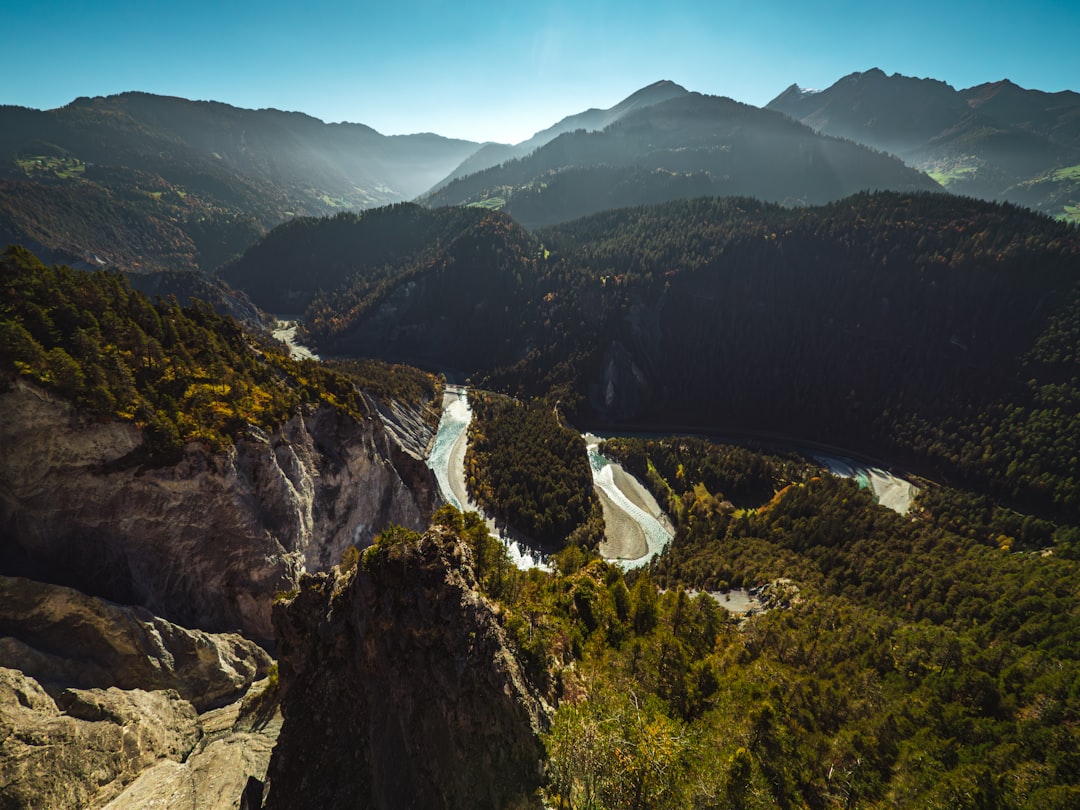
Rhône-Alpes Travel Guide: Everything You Need to Know (2026)
Rhône-Alpes, now officially part of the Auvergne-Rhône-Alpes region since January 2016, is home to 6,399,927 people and anchored by Lyon, France’s second-largest metropolitan area. The region stretches from the Rhône Valley’s vineyards to the Alps’ highest peaks, including Mont Blanc at 4,808 metres. Named after the Rhône River and the Alps themselves, this corner of eastern France packs more geographic and culinary diversity into one territory than most countries manage across their entire landmass.
Top 3 Highlights at a Glance
- Vieux Lyon (Old Town) — France’s largest Renaissance urban district, with 300+ traboules — secret passageways cutting through 15th-century silk merchants’ buildings.
- Chamonix-Mont-Blanc — Take the Aiguille du Midi cable car to 3,842 metres for a face-to-face view of the highest peak in the Alps.
- Gorges de l’Ardèche — A 30-km limestone canyon you can canoe through in 2 days, rivalling the Grand Canyon in drama at a fraction of the crowds.
Scroll down for our complete travel guide with tips on getting there, where to stay, costs and more.
Getting There
How do I best reach Rhône-Alpes?
Fly into Lyon-Saint Exupéry or drive via the A6/A7 autoroute from Paris. Lyon-Saint Exupéry (LYS) handles the bulk of international arrivals and connects directly to the region’s TGV rail network. From Paris, the TGV reaches Lyon Part-Dieu station in just 2 hours. If you’re targeting the Alps specifically, Geneva Airport (GVA, 60 km from Chamonix) is often cheaper for low-cost carriers. In my experience, flying into Geneva and taking the direct Mont Blanc Express train is the smartest move for an Alps-first itinerary. Warning most guides omit: Grenoble Airport (GNB) looks convenient on maps but has very limited international routes — don’t rely on it as a primary entry point.
Which airport is closest to Rhône-Alpes?
Lyon-Saint Exupéry (LYS) is the region’s primary airport, located 27 km east of Lyon city centre. It handles over 12 million passengers annually and connects to 130+ destinations. For the northern Alps, Geneva Airport (GVA) in Switzerland is genuinely closer to resorts like Chamonix and Megève. My tip: if your trip combines Lyon with mountain time, use LYS in and GVA out — or vice versa — to avoid backtracking. The honest caveat is that Rhône-Alpes is large; no single airport serves the entire region equally. Grenoble Airport (GNB) exists but operates mainly seasonal ski charter flights, making it unreliable for independent travellers in summer 2026.
How long is the journey from the French capital to Rhône-Alpes?
Paris to Lyon by TGV takes exactly 2 hours from Gare de Lyon — it’s one of France’s most reliable rail links. By car on the A6, expect 4.5 to 5 hours covering roughly 460 km, plus toll costs of around €35 one way. I recommend the train without hesitation: tickets booked 90 days ahead via SNCF can drop to €19 each way. What surprised me is how much the Alps add to journey times — Lyon to Chamonix is another 2 hours by car from the city, so factor that into your planning. Flying from Paris Charles de Gaulle saves almost nothing once airport transfers are included.
Are there direct bus connections into Rhône-Alpes?
Yes — FlixBus and BlaBlaBus run direct coaches from Paris to Lyon for as little as €9, though journey time is 5 to 6 hours. Within the region, Ouibus and regional TransIsère buses connect Lyon to Grenoble in 1 hour 15 minutes for under €10. Flixbus also runs Lyon–Annecy and Lyon–Geneva routes daily. My tip: for the Ardèche and Drôme areas, bus connections become sparse and infrequent — don’t plan to rely on coaches south of Valence. The trade-off with budget buses is that they drop you at inconvenient peripheral stops, not city centres. Book Ouigo TGV instead for Lyon–Grenoble if you value time over the cheapest possible fare.
Is a rental car necessary to explore Rhône-Alpes?
For Lyon, Grenoble, and Annecy — absolutely not. For the Ardèche gorges, Drôme Provençale, and rural Savoie valleys — yes, a car is essential. In my experience, the moment you want to visit the Gorges de l’Ardèche, the Vercors plateau, or small Beaujolais wine villages, public transport fails you entirely. Rental rates from Lyon-Saint Exupéry start around €35 per day for a compact car in summer 2026. The honest caveat: mountain driving in winter requires snow chains or winter tyres by law — rental companies charge extra for these. My tip: pick up a car only from day 3 or 4 after exploring Lyon on foot, then drive south or east into the backcountry.
Accommodation
Which towns make good bases in Rhône-Alpes?
Lyon is the undisputed base for the whole region — central, superbly connected, and packed with 3 Michelin-starred restaurants. Annecy is my top pick for the northern Alps: stunning lake, manageable size, and easy day trips to Chamonix and Megève. Grenoble suits active travellers wanting instant access to ski resorts and the Vercors. For the Ardèche, base yourself in Vallon-Pont-d’Arc — it sits at the canyon entrance. The trade-off: smaller bases like Annecy and Vallon-Pont-d’Arc have very limited accommodation in July and August, and prices spike sharply. Avoid basing yourself in Chambéry — it’s logistically convenient but underwhelming as a destination in its own right.
Where should I stay in Rhône-Alpes?
In Lyon, stay in the Presqu’île or Vieux Lyon neighbourhoods — both walkable to the main sights and the best restaurants. In Annecy, the Vieille Ville (Old Town) area puts you steps from the lake and canals. For mountain stays, Les Houches just outside Chamonix offers significantly cheaper rates than Chamonix itself with identical trail access. The Ardèche’s Gorges Camping sites are genuinely excellent — don’t dismiss them as budget-only; some glamping options here are exceptional. What surprised me: Lyon’s Confluence neighbourhood has stylish modern hotels at 20% lower rates than Vieux Lyon, with a direct tram to the centre in 8 minutes.
What does accommodation cost in Rhône-Alpes?
Expect to pay €90–€140 per night for a solid mid-range hotel in Lyon. Annecy runs slightly higher in summer: €110–€160 for lake-view rooms. Alpine resorts like Chamonix charge €130–€200 in peak summer, and that doubles in ski season. Budget hostels in Lyon start at €28 per dorm bed — HI Hostel Lyon Vieux Lyon is genuinely good. The honest caveat: ‘three-star’ in France still varies wildly — always check whether breakfast is included, as Lyon hotels often charge an extra €15–€18 for it. My tip: apartment rentals via Airbnb in Lyon’s 7th arrondissement frequently undercut hotels by 30% for stays of three nights or more.
How far in advance should I book accommodation in Rhône-Alpes?
For July and August in Annecy and Chamonix, book at least 3 months ahead — these towns genuinely sell out. Lyon is more forgiving; 4–6 weeks ahead secures good options except during major events. The Fête des Lumières in Lyon (December) is the extreme case — hotels book out 6 months in advance and prices triple. Grenoble and the Ardèche fall somewhere in between: 6–8 weeks for summer is safe. What most guides omit: ski season (January–March) in alpine resorts follows the French school holiday calendar rigidly — if your dates overlap with Zone A, B, or C school holidays, booking 4 months out is not excessive.
When is the best time to visit Rhône-Alpes?
Based on verified climate data, June, July, August, and September are the optimal travel months. June is my personal favourite: alpine wildflowers are peak, crowds haven’t fully arrived, and Lyon’s outdoor terraces are buzzing without the August heat. July and August deliver the best weather for the Gorges de l’Ardèche canoe route and lakeside Annecy. September is superb for Beaujolais and Rhône Valley wine harvest — I’ve joined grape-picking experiences here that cost nothing beyond a hostel stay. The honest trade-off: if you’re a skier, January–March in Méribel or Les Arcs is the reason to come, but this guide focuses on warm-season travel. Avoid early November — it’s grey, wet, and quiet in an uninspiring way.
Best Time to Visit
How does weather affect activities in Rhône-Alpes throughout the year?
The Alps and the Rhône Valley operate in almost opposite rhythms. Above 1,500 metres, hiking trails are snow-free from late June to early October — outside that window, high-altitude routes require crampons and experience. The Ardèche canyon canoe season runs May through September, with July being peak flow for beginners. Lyon’s city activities are year-round, though August sees many locals leave and some restaurants close. My tip: the Vercors plateau is spectacular in April and May when snowmelt creates waterfalls, yet it’s almost empty. What most guides omit: afternoon thunderstorms are common above 2,000 metres in July and August — always start alpine hikes before 8am and be below the treeline by 2pm.
Are there local festivals in Rhône-Alpes worth attending?
Absolutely — Lyon’s Fête des Lumières (December 5–8, 2026) is the world’s largest light festival, drawing 3 million visitors over 4 nights for free outdoor installations across the entire city. Nuits de Fourvière (June–July) transforms the Roman amphitheatre above Lyon into a world-class concert venue — tickets run €25–€60. In Annecy, the Festival du Film d’Animation in June is genuinely unmissable for film lovers. The Beaujolais Nouveau release (third Thursday of November) is celebrated loudest at the source in Villefranche-sur-Saône. My honest warning: Fête des Lumières accommodation becomes impossible to find unless booked by June — many visitors sleep in Paris and take the 2-hour TGV in for the evening.
When does Rhône-Alpes get crowded?
Peak crowds hit on three separate waves. July–August overwhelms Annecy’s old town and the Ardèche canyon — the canoe route queues at launch points can reach 90 minutes on a Saturday. December–February packs out alpine ski resorts, especially during French school holiday weeks. Fête des Lumières in December turns Lyon into controlled chaos for 4 days. In my experience, the third week of August is the absolute worst moment to visit Annecy — it’s the overlap of French summer holidays, European tourists, and local festivals simultaneously. My tip: visit Annecy in late June or early September instead — the lake temperature is still warm enough for swimming and you’ll find a parking space without a 45-minute wait.
What does a daily budget cost in Rhône-Alpes?
A realistic budget traveller spends €65–€85 per day covering a hostel dorm, supermarket lunches, one sit-down dinner at a Lyon bouchon, and public transport. Mid-range travellers should budget €130–€180 per day including a decent hotel, two restaurant meals, and one paid attraction. I comfortably travelled Rhône-Alpes at €110 per day mid-range in my last visit, eating at genuine bouchons rather than tourist-facing restaurants. The honest caveat: cable cars inflate your daily spend fast — the Aiguille du Midi return ticket from Chamonix costs €67 per adult. Alpine activities (paragliding, ski lifts, guided hikes) can add €80–€150 to any single day without blinking.
Is Rhône-Alpes cheaper or more expensive than other French regions?
More expensive than Brittany or Burgundy, cheaper than Paris and the Côte d’Azur. Lyon specifically sits at roughly 15% below Paris prices for accommodation and food. Alpine resorts like Méribel and Courchevel are among the most expensive ski destinations in Europe — a coffee in Courchevel 1850 genuinely costs €8. The Ardèche and Drôme areas are the budget sweet spots: a full lunch menu at a village restaurant runs €14–€16 with wine included. What surprised me: Grenoble is noticeably cheaper than Lyon for accommodation, with decent hotels at €70–€90 per night — it’s an underrated budget base for exploring the surrounding mountains.
Budget
What free highlights are there in Rhône-Alpes?
More than you’d expect from a region this prestigious. Walking the traboules of Vieux Lyon is entirely free — pick up the official trail map from Lyon tourist office at no charge. The Basilique Notre-Dame de Fourvière overlook offers the best city panorama in France at zero cost. Annecy’s lakeside promenade and Jardins de l’Europe are free and stunning. The Fête des Lumières installations across Lyon are 100% free to walk through. In the Ardèche, the Pont d’Arc natural arch — a 54-metre-high rock bridge — requires no ticket. My tip: Lyon’s Musée des Beaux-Arts on Place des Terreaux is free every first Sunday of the month, and it rivals Paris’s Musée d’Orsay in quality.
What do local specialities cost in Rhône-Alpes?
A traditional Lyon bouchon three-course lunch menu (formule) costs €18–€25 and is the single best value meal in France. A plate of gratin dauphinois as a side dish runs €6–€9. Raclette in a mountain refuge costs around €18–€22 per person. A glass of Côtes du Rhône wine at a Lyon bar is €4–€6; the same wine at a Chamonix resort bar doubles to €9–€12. The Ardèche’s famous chestnut cream (crème de marrons) in a village épicerie costs €4 for a jar. What most guides omit: Lyon’s covered market Les Halles de Lyon Paul Bocuse is tourist-priced — the same charcuterie costs 30% less at Marché de la Croix-Rousse on Saturday mornings.
Which route do you recommend for 5–7 days in Rhône-Alpes?
Day 1–2: Lyon — Vieux Lyon traboules, Fourvière hill, dinner at a Presqu’île bouchon. Day 3: Drive or train to Annecy (2 hours) — old town and lake swim. Day 4: Day trip from Annecy to Chamonix (1 hour) — take the Aiguille du Midi cable car. Day 5: Drive south via Grenoble to the Vercors plateau for a half-day scenic loop. Day 6–7: Head to Vallon-Pont-d’Arc and canoe through the Gorges de l’Ardèche. My honest trade-off: this route requires a rental car from day 3 onwards and covers serious distances — roughly 550 km total. If you want a slower experience, cut the Ardèche and add a second night in Annecy or a Beaujolais wine village instead.
What are the must-see sights in Rhône-Alpes?
Vieux Lyon — the largest Renaissance district outside Italy, with its 15th-century traboules. Aiguille du Midi above Chamonix — a cable car to 3,842 metres with views of Mont Blanc. Gorges de l’Ardèche — the 30-km canyon with the natural Pont d’Arc arch. Palais Idéal du Facteur Cheval in Hauterives — a single postman’s 33-year hand-built dream palace, utterly unlike anything else in France. Annecy’s Vieille Ville and Lake — the most Instagrammed town in France for good reason. My tip: Palais Idéal is the sight most travellers skip and universally regret missing — it’s a 1-hour drive from Lyon and costs just €8 entry.
What natural highlights does Rhône-Alpes offer?
The sheer range is staggering. Mont Blanc (4,808 m) is Europe’s highest peak and visible from the Aiguille du Midi cable car in Chamonix. Lac d’Annecy is consistently ranked the cleanest lake in Europe, with visibility to 12 metres depth. The Vercors Regional Natural Park covers 206,000 hectares of limestone plateaus and gorges. The Gorges de l’Ardèche form a 30-km river canyon with walls reaching 300 metres high. In my experience, the Belledonne mountain range east of Grenoble is underrated — fewer crowds than Chamonix, same dramatic scenery. The honest caveat: many of these natural highlights require a car or guided tour to access independently; public transport ends where the wilderness begins.
Routes & Highlights
What local specialities should I try in Rhône-Alpes?
Start with quenelles de brochet — pike fish dumplings in Nantua cream sauce, Lyon’s most iconic dish. Gratin dauphinois (potato gratin with cream and garlic, never cheese — the authentic version) originated in Grenoble. Raclette and fondue savoyarde are mountain essentials in Savoie — the cheese comes from cows at above 1,500 metres altitude. Bugnes lyonnaises are fried pastry ribbons sold at every Lyon boulangerie during carnival season. From the Ardèche, marrons glacés (candied chestnuts) are the best edible souvenir at around €12 for a 100g box. My tip: eat at Café Comptoir Abel on Rue Guynemer — one of Lyon’s oldest bouchons, open since 1928, and still genuinely locals-focused.
What activities are available in Rhône-Alpes?
The list is longer than most European regions can match. Skiing and snowboarding across the Three Valleys (largest ski area in the world, 600 km of pistes). Hiking on the Tour du Mont Blanc, a 170-km circuit through France, Italy, and Switzerland. Canoeing through the Gorges de l’Ardèche over 2 days. Paragliding from Annecy’s Col de la Forclaz — tandem flights cost €120–€150. Mountain biking in the Vercors and Chartreuse massifs. Via ferrata routes near Grenoble accessible to complete beginners. Wine tourism along the Côtes du Rhône route from Vienne to Valence. In my experience, paragliding over Lac d’Annecy is the single activity that delivers the most jaw-dropping value for money in the entire region.
What distinguishes Rhône-Alpes from other French regions?
No other French region combines Europe’s highest mountain, the country’s second-largest city, an award-winning culinary tradition, and a UNESCO-listed Renaissance old town within a 3-hour drive. Lyon holds more Michelin-starred restaurants per capita than any city in France except Paris. The Alps provide a completely different travel experience to anything in Mediterranean France. What surprised me most: the cultural contrast within the region itself — a Sunday morning in a Beaujolais wine village feels entirely different from a Tuesday evening in Lyon’s Croix-Rousse neighbourhood, which feels different again from a mountain refuge dinner in Savoie. This internal diversity is genuinely unique in Europe.
Which day trips are possible from within Rhône-Alpes?
From Lyon: Beaujolais wine villages (45 minutes north), the Roman amphitheatres at Vienne (30 minutes south), and Pérouges medieval village (35 minutes northeast). From Annecy: Chamonix (1 hour), Geneva (45 minutes), and the Aravis mountain range for hiking. From Grenoble: Vercors plateau (30 minutes), Chartreuse monastery (45 minutes), and Alpe d’Huez (1 hour). My top recommendation: the day trip from Lyon to Pérouges is criminally underrated — a perfectly preserved medieval walled village with fewer than 1,000 residents that most Lyon tourists never visit. Entry is free and the famous galette de Pérouges costs just €5 at the village inn.
Are there language barriers in Rhône-Alpes?
In Lyon, Grenoble, and Annecy, English is widely spoken in hotels, restaurants, and tourist offices — no meaningful barrier exists. In rural areas like the Ardèche, Drôme, and smaller Savoie villages, English proficiency drops significantly. My honest experience: at a village market in the Drôme I managed entirely on broken French and pointing — it worked fine. Learning 10 key French phrases makes a substantial difference to how locals treat you. The honest caveat most guides skip: menus in rural bouchons and auberges are often French-only with no photos — download the Google Translate camera function before leaving home. Savoyard dialects in remote mountain valleys can even confuse French speakers from Paris.
Practical Tips
Which apps do you recommend for travelling Rhône-Alpes?
SNCF Connect — non-negotiable for booking TGV and regional trains; book 90 days ahead for cheapest fares. TCL (Transports en Commun Lyonnais) — Lyon’s official transit app covering metro, tram, and bus with real-time updates. Komoot — essential for hiking and cycling route planning in the Alps and Vercors; download offline maps before heading into mountain areas. La Fourchette (TheFork) — restaurant reservations in Lyon; top bouchons book out 2 weeks ahead in summer. MetéoFrance — the most accurate mountain weather forecast app for France. Google Maps offline for the Ardèche where data signal drops to zero in the gorge. My tip: download the Viamichelin app for toll cost calculations before any long autoroute drive.
Are there medical facilities in Rhône-Alpes?
Lyon has Hôpital Édouard Herriot, one of France’s top-ranked university hospitals with full emergency capability. Grenoble’s CHU Grenoble Alpes is internationally respected for mountain rescue and trauma — it handles over 1,200 alpine rescue cases per year. Annecy has Centre Hospitalier Annecy Genevois — solid general care, 30 minutes from Chamonix. In remote areas, emergency mountain rescue (PGHM — Peloton de Gendarmerie de Haute Montagne) is highly professional and responds within 20–45 minutes by helicopter from Chamonix base. The honest caveat: European EHIC/GHIC cards cover EU citizens in French hospitals but private mountain rescue helicopters can cost €3,000–€8,000 without specialist insurance — buy dedicated mountain sports cover before hiking above 2,000 metres.
How safe is Rhône-Alpes?
Overall, very safe. Lyon’s main tourist areas — Vieux Lyon, Presqu’île, and Fourvière — are safe day and night. The metro is reliable and well-patrolled. The genuine risk areas in Lyon concentrate around Gare de Perrache at night and the outer 8th and 9th arrondissement estates — neither of which tourists have reason to visit. Pickpocketing at Lyon Part-Dieu station is the most common tourist incident — use a money belt in the station concourse. Mountain safety is the bigger concern: 10 to 15 hikers die annually in the Mont Blanc massif from weather changes and poor preparation. In my experience, the region is as safe as anywhere in Western Europe for tourists following basic urban common sense and mountain safety protocols.
What are common traveller mistakes in Rhône-Alpes?
The biggest mistake: underestimating distances. Rhône-Alpes is enormous — Chamonix to the Ardèche gorges is a 3.5-hour drive. Travellers try to do both in a day and enjoy neither. Second mistake: eating at Place des Terreaux tourist restaurants in Lyon instead of walking 5 minutes to Rue Mercière or Rue des Marronniers for genuine bouchon pricing. Third mistake: arriving in Annecy on a Saturday in August without a hotel booking — the town is full by February. Fourth mistake: starting a high-altitude hike after 10am in July — afternoon thunderstorms build fast above 2,500 metres. My final tip: don’t skip Grenoble — it has a bad reputation as a ‘university city’ that it doesn’t deserve, and its setting surrounded by three mountain ranges is genuinely spectacular.
Which accommodation types suit Rhône-Alpes best?
The region rewards matching accommodation type to location. In Lyon, boutique hotels in Vieux Lyon or the Presqu’île deliver the most authentic experience — I recommend Fourvière Hôtel for the panoramic terrace view. In Annecy and mountain villages, gîtes and chambres d’hôtes (French B&Bs) give access to local breakfast culture for €80–€120 per night for a double. In the Alps, mountain refuges (refuges de montagne) at €50–€70 per night including dinner and breakfast are an experience in themselves — Refuge du Goûter at 3,817 metres is the highest permanently staffed refuge in France. In the Ardèche, riverside campsites are genuinely excellent and cost €18–€30 per pitch — not a compromise, a feature.
More Destinations in Europe
Explore our complete travel guides for more Europe destinations: Paris und Île-de-France Travel Guide (2026), Picardie Travel Guide (2026), Avignon Travel Guide (2026), Île de Boëd Travel Guide (2026), Lille Travel Guide (2026).
Useful Resources for Planning Your Trip to Rhône-Alpes
- Wikipedia: Rhône-Alpes — history, geography and background
- Lonely Planet: Rhône-Alpes — itineraries and travel inspiration
- TripAdvisor: Rhône-Alpes — hotels, restaurants and traveller reviews
🎥 Rhône Travel Videos
A Winelover’s Travel Guide to the Southern Rhône and …
Hourglass of Wine – Jacqueline & Andrea

Insider Video: What to Do, What to See and What to …
Insider Travel Report
You are currently viewing a placeholder content from Vimeo. To access the actual content, click the button below. Please note that doing so will share data with third-party providers.
More InformationYou are currently viewing a placeholder content from YouTube. To access the actual content, click the button below. Please note that doing so will share data with third-party providers.
More InformationYou need to load content from reCAPTCHA to submit the form. Please note that doing so will share data with third-party providers.
More InformationYou are currently viewing a placeholder content from GetYourGuide. To access the actual content, click the button below. Please note that doing so will share data with third-party providers.
More Information