
Albania: The Complete Travel Guide (2026)
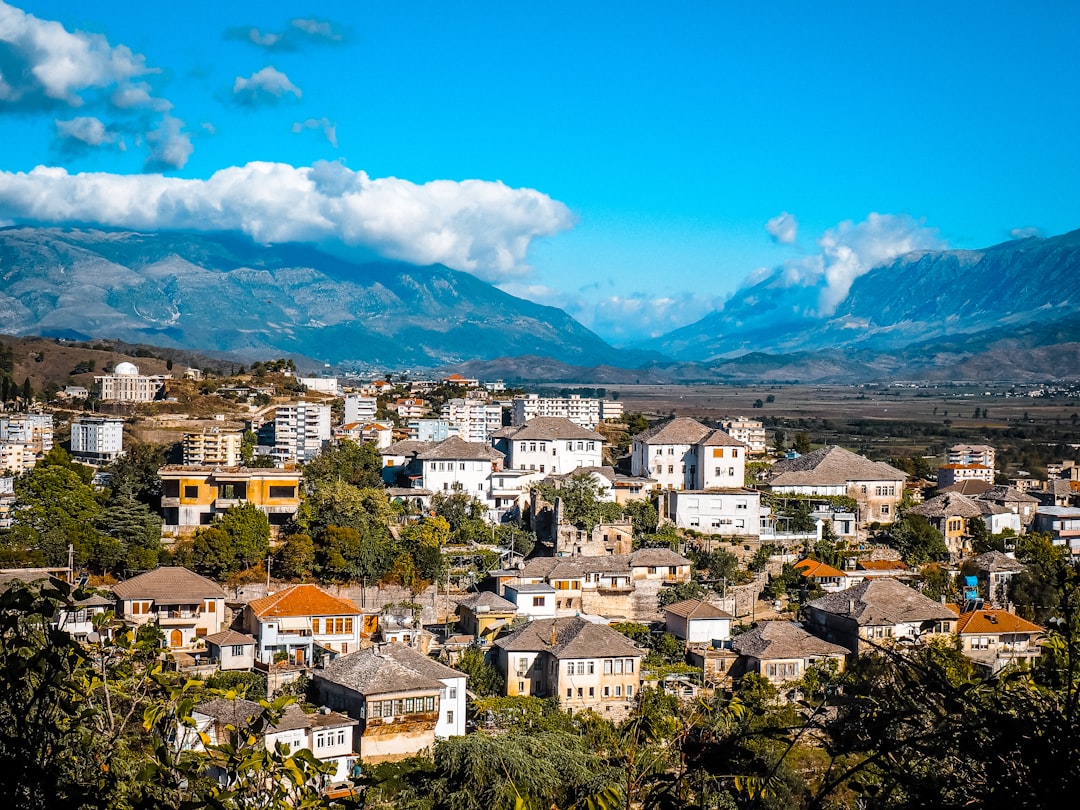
Albania Travel Guide: Everything You Need to Know (2026)
Albania, a country of 2,811,655 people wedged between the Adriatic and Ionian Seas in Southeast Europe, covers 28,748 km² of coastline, mountain ranges, and ancient ruins that most European travelers have never set foot in. Founded as a modern republic in 1912 after centuries of Ottoman rule, it shares borders with Montenegro, Kosovo, North Macedonia, and Greece — making it a natural hub for Balkan multi-country itineraries. What surprised me most: Albania consistently ranks as one of Europe’s last genuinely underpriced destinations, where a full day of sightseeing, eating, and sleeping costs less than a single restaurant meal in Paris.
Three Things Not to Miss in Albania
- Gjirokastër Old City — A UNESCO-listed Ottoman stone city perched at 300 m altitude, with a hilltop castle that dates to the 13th century.
- Riviera Beaches — Ksamil — Four tiny islands sit just 300 m offshore, reachable by a short swim in crystal-clear Ionian water.
- Valbona Valley National Park — The Albanian Alps here rival the Dolomites, with a legendary 3-day hiking trail to Theth village.
Scroll down for our complete travel guide with tips on getting there, where to stay, costs and more.
How to Reach Albania
Which airports are the best entry points into Albania?
**Tirana International Airport Nënë Tereza (TIA)** is your primary entry point — it handles virtually all international flights into Albania. In my experience, it is the only major commercial airport in the country, located **17 km northwest of Tirana city centre**. A handful of budget carriers including **Wizz Air and Ryanair** serve TIA from major European hubs like London Stansted, Rome, and Vienna, with fares as low as **L 4,500 (approx. €40)** booked well in advance. My tip: if you are coming from Greece, the crossing at **Kakavijë border on the E90** is perfectly efficient and sometimes cheaper than flying. Corfu Airport (CFU) combined with a ferry to Sarandë is a genuinely scenic alternative entry for southern Albania.
How do I get from Tirana airport to my first accommodation in Albania?
The fastest option is the **airport bus (Rinas Express)** costing **L 300 (approx. €3)** to **Sheshi Skënderbej** in central Tirana — the journey takes **35 minutes** in normal traffic. In my experience, this bus runs every 30 minutes and is reliable enough that I have never needed a taxi from TIA. However, the honest caveat: after **22:00** the bus stops running, and you will need a taxi or rideshare. **Bolt** operates from TIA and consistently quotes **L 1,200–1,800 (€11–16)** to the centre, which is fair. Avoid unmarked taxis outside arrivals — they charge 3–4 times more. My tip: pre-download Bolt before landing, because airport Wi-Fi can be slow.
What transport options are there within Albania?
Albania’s internal transport runs primarily on **furgons** — shared minivans that depart when full from designated city terminals. In my experience, furgons are fast, cheap (Tirana to Gjirokastër costs roughly **L 1,000/€9**), and the most authentic way to travel. Intercity buses connect **Tirana, Durrës, Shkodër, Korçë, and Sarandë** daily. Albania has no functional passenger rail worth using — trains exist but are painfully slow and infrequent. Renting a car unlocks the entire country, especially the **Riviera coast road SH8** and mountain routes north. Bolt works reliably in Tirana and Durrës. What surprised me: even remote villages in the **Accursed Mountains** are accessible if you hire a local 4WD driver for around **L 5,000/day**.
Do I need a rental car to travel around Albania?
You do not need a car for Tirana, Sarandë, or Shkodër — but a car transforms Albania into a completely different trip. My tip: rent one for at least **4 days** if you plan to explore the **Riviera between Vlorë and Sarandë**, the **Berat region**, or the north. Rental rates start at **L 4,500/day (€40)** from local agencies at TIA. The honest caveat most guides omit: Albanian mountain roads like the **SH20 to Theth** are unpaved, steep, and punishing — a standard sedan will bottom out. Always book a high-clearance vehicle for northern routes. International licenses are accepted, but insurance excess policies from Albanian agencies are inconsistent — read the contract carefully before signing.
How good is the public transport network between regions of Albania?
Between major cities, public transport in Albania is workable but not elegant. The furgon network connects **Tirana’s Zogu i Zi terminal** to most regional towns, with departures from early morning until roughly **17:00**. In my experience, the **Tirana–Sarandë route (280 km)** takes about **4 hours** by direct bus and costs **L 1,200 (€11)**. The Tirana–Shkodër route runs every hour and costs **L 400 (€3.50)**. The real gap: no reliable evening services exist between cities, so plan daytime moves. For the far north — **Valbona, Bajram Curri, or Theth** — you will need a combination of furgon plus a local boat on **Lake Koman**, which is spectacular but adds a full travel day.
Finding a Base in Albania
Which regions of Albania should I stay in?
Stay in **Tirana** for your first night to orient yourself — the **Blloku neighbourhood** has the best concentration of restaurants, cafes, and accommodation. For beaches, base yourself in **Sarandë or Himara** on the Ionian Riviera. Himara is quieter with better-value guesthouses. For culture and UNESCO heritage, **Gjirokastër and Berat** both deserve **2 nights minimum** — Berat especially rewards slow exploration. For mountain adventure, **Valbona or Theth** in the Albanian Alps are the finest. In my experience, Berat is the single most underrated base: central enough for day trips, beautiful at night, and priced at roughly **half of what Sarandë charges** in high season.
What does good accommodation cost per night in Albania?
A solid mid-range guesthouse or boutique hotel in Albania costs **L 5,500–8,000/night (€50–72)** including breakfast. In **Tirana’s Blloku**, a well-reviewed 3-star hotel runs **L 7,000–9,000 (€63–81)**. In Berat or Gjirokastër, charming Ottoman-era guesthouses charge **L 4,000–6,000 (€36–54)**. Budget travelers sleeping in hostels pay **L 1,800–2,500 (€16–22)** per dorm bed in Tirana. Sarandë commands the highest prices in summer — a sea-view room hits **L 12,000–15,000 (€108–135)** in August. My tip: guesthouses in smaller towns like **Himara or Permet** often include a home-cooked dinner in the rate, making them extraordinary value. Always check whether breakfast is included before comparing prices.
When should I book hotels in Albania — how far in advance?
For Tirana, booking **2–3 weeks ahead** is usually sufficient outside of major Albanian holidays. However, the Albanian Riviera — particularly **Ksamil and Sarandë** — needs booking **3–4 months in advance** for July and August. In my experience, I tried booking a waterfront apartment in Ksamil in late June once and found nothing under **L 18,000/night (€162)**. For Theth and Valbona mountain guesthouses, availability is limited to around **20 beds per village** at quality spots — book as soon as your dates are fixed, ideally **5–6 months out** for summer. The honest caveat: many Albanian guesthouses do not list on Booking.com — WhatsApp or direct email is how locals actually fill beds.
When is the best time to travel to Albania?
**July, August, and September** are the best months based on climate data — warm, dry, and reliably sunny across all regions. My personal preference is **late September**: crowds thin dramatically after Albanian school holidays end, sea temperature stays at **24°C**, and accommodation prices drop **30–40%** overnight. June is excellent for the Riviera before the peak rush. For mountain hiking in the **Albanian Alps**, the window is strictly **June to September** — snow closes the Valbona–Theth trail in May. Winter in Albania is underrated for **Tirana city breaks** — mild at **10–12°C** in December — but the Riviera is ghost-town quiet from November through March, which is either a feature or a bug depending on your preference.
How does peak season affect prices in Albania?
Peak season — **July and August** — inflates Riviera accommodation prices by **60–100%** compared to May or October. A room in Sarandë that costs **L 6,000 (€54)** in May can hit **L 12,000–15,000 (€108–135)** in August. Restaurants near the beach add tourist menus at higher price points, though local tavernas 200 m inland rarely change pricing. In my experience, the sharpest price spike is for **beachfront apartments in Ksamil** — these book out entirely by late April. The honest caveat most guides skip: Albanian roads on the **Riviera’s SH8 between Vlorë and Sarandë** become seriously congested on Friday evenings in August, with queues stretching **15+ km**. Travel midweek or start before 08:00.
When to Travel to Albania
Which regions of Albania have different climate zones?
Albania packs three distinct climate zones into **28,748 km²**. The **Adriatic and Ionian coastal strip** — including Durrës, Vlorë, Sarandë — has a classic Mediterranean climate: hot, dry summers above **30°C** and mild, wet winters. The **central lowlands** around Tirana have a transitional continental-Mediterranean mix with more variable spring weather. The **northern Albanian Alps** — Shkodër, Valbona, Theth — have an alpine climate entirely: summer temperatures rarely exceed **25°C**, and snow closes high passes from November to May. In my experience, you can surf in Durrës in October and see snow on **Maja e Jezercës (2,694 m)** the same afternoon — that contrast is one of Albania’s most astonishing features.
What are the rainy seasons in Albania?
Albania’s rainy season runs from **November through March**, with the heaviest precipitation hitting the **northern mountains and Shkodër** — which receives up to **3,000 mm/year**, making it one of the wettest cities in Europe. The coast around Sarandë dries out significantly by April. In my experience, February in Tirana means **12–15 rainy days per month** with grey skies and cold evenings — the city still functions but outdoor sightseeing suffers. The honest caveat: the mountain road to **Theth becomes impassable** from October to late May due to snow and mud — do not attempt it in a regular vehicle off-season. Plan any Albanian mountain itinerary strictly between **June and September**.
What does a trip to Albania cost per person per day?
A comfortable mid-range budget for Albania runs **L 8,000–12,000/day (€72–108)** covering accommodation, meals, local transport, and entry fees. Budget backpackers can survive on **L 3,500–5,000/day (€32–45)** using hostels and eating at burek shops. In my experience, I traveled Albania for **10 days on €65/day** — guesthouses included breakfast, furgons cost almost nothing, and three-course dinners with wine rarely topped **L 2,500 (€22)**. The biggest daily variable is accommodation: cut that cost and everything else stays very manageable. Splurge travelers at boutique hotels in Sarandë can spend **L 20,000+ (€180+)** per day, but that requires genuine effort in Albania — it’s simply not an expensive country.
How expensive is food in Albania?
Food in Albania is genuinely affordable by any European standard. A plate of **tavë kosi** (baked lamb with yogurt) or grilled fish at a local restaurant costs **L 600–1,000 (€5–9)**. A full sit-down lunch with salad, main, and a local **Korca beer** runs **L 1,200–2,000 (€11–18)**. Street food — **burek** (flaky pastry with cheese or meat) costs **L 80–150 (€0.70–1.35)**. In my experience, the best-value meals are at **qebaptore** (grill houses) in the backstreets of Tirana’s **Pazari i Ri market area**. The honest caveat: seafood restaurants right on the waterfront in **Ksamil and Sarandë** charge **L 3,000–5,000 (€27–45)** for a fish platter — move one block inland and the same dish costs half.
What hidden costs should I expect when traveling in Albania?
Three hidden costs caught me off guard in Albania. First: **Lake Koman ferry** to reach the Albanian Alps costs **L 1,500/person (€13.50)** each way — beautiful but not mentioned in most basic itineraries. Second: parking fees at Riviera beaches are unregulated — local landowners charge **L 300–500/hour (€2.70–4.50)** with no signage or receipts. Third: **car rental insurance gaps** — Albanian agencies often sell bare-bones coverage that excludes gravel road damage, which is relevant given that northern routes are unpaved. My tip: budget an extra **L 2,000–3,000 (€18–27)** per day as a buffer. Also, **entrance fees at Butrint National Park** are **L 1,000 (€9)** per person — worth every lek, but factor it in.
Daily Costs in Albania
How much cash should I bring to Albania?
Bring **L 20,000–30,000 (€180–270)** in cash for a week-long trip, especially if you plan to go beyond Tirana. In my experience, guesthouses in Theth and Valbona are **cash-only**, furgon drivers accept only leks, and market vendors in Gjirokastër’s bazaar won’t swipe a card. ATMs are widely available in **Tirana, Durrës, Sarandë, and Shkodër**, but genuinely scarce in villages. Withdraw cash before heading north or into rural areas — the nearest ATM to **Theth village** is a 2-hour drive away. The honest caveat: Albanian ATMs frequently run out of cash on August weekends when tourist demand spikes — withdraw on a Thursday or Friday morning to be safe. Euros are widely accepted alongside leks near the coast.
Which credit cards are accepted in Albania?
**Visa and Mastercard** are accepted at hotels, supermarkets, and restaurants in Tirana, Durrës, Vlorë, and Sarandë. In my experience, **American Express** is rarely accepted outside of 4-star Tirana hotels — do not rely on it. Outside major cities, card acceptance drops sharply: guesthouses, mountain huts, local tavernas, furgons, and street markets are **cash-only**. My tip: use a **Revolut or Wise card** to withdraw leks with minimal fees — standard bank cards charge **2–3% foreign transaction fees** on Albanian withdrawals. The honest caveat: contactless payment terminals exist in Tirana’s **Blloku cafes and supermarkets**, but even there a power cut or connection failure can leave you stranded — always carry **L 3,000–5,000 (€27–45)** in cash as backup.
Which regions of Albania must I not miss?
Do not leave Albania without seeing **Berat** — the ‘city of a thousand windows’ UNESCO site is the single most photogenic place in the country. The **Albanian Riviera between Himara and Sarandë** is mandatory for beach and clear-water lovers, with **Ksamil** as the headline act. The **Theth–Valbona hiking corridor** in the Albanian Alps rewards adventure travelers with scenery rivaling Switzerland at a fraction of the cost. In my experience, **Gjirokastra** completes an essential southern triangle with Berat and Butrint. Shkodër in the northwest is underrated — its **Rozafa Castle** overlooking Lake Shkodër is one of the finest castle views in the Balkans. Five regions, none replaceable by any other.
What are the tourist highlights of Albania?
Albania’s undisputed highlights are **Butrint National Park** (UNESCO, 2,500 years of layered Greek, Roman, Byzantine, and Venetian ruins on a lagoon peninsula), **Berat Old City** (UNESCO, Ottoman architecture climbing a hillside topped by a 4th-century BC castle), and **Ksamil beaches** (Ionian waters so clear they look edited). In my experience, **Blue Eye Spring (Syri i Kaltër)** near Sarandë — a 50-meter-deep natural spring that glows electric blue — produces a reaction in every traveler the first time they see it. **Skanderbeg Square** in Tirana is worth an evening stroll. The **Llogara Pass at 1,027 m** on the Riviera drive delivers one of Europe’s great coastal views. Each of these is genuinely world-class.
What experiences in Albania are found nowhere else?
Three experiences are uniquely Albanian. First: the **Lake Koman ferry — a 2.5-hour boat ride through a fjord-like gorge** carved by the Drin River into the Albanian Alps — looks like Norway but costs **L 1,500 (€13.50)**. Second: spending the night in a **sworn-in besa guesthouse in Theth**, where the host’s hospitality code means you are treated as family, fed home-cooked lamb, and offered rakija distilled from the family’s own orchard. Third: walking through **Gjirokastër’s Bazaar**, where artisans still produce traditional **qeleshe felt caps** by hand in the same workshops used for 200 years. In my experience, none of these experiences can be replicated or approximated elsewhere in Europe — they are the reason Albania will keep drawing travelers back.
Albania Region by Region
Which areas of Albania are overcrowded — and what are quieter alternatives?
**Ksamil and Sarandë** are genuinely overcrowded in July and August — beach umbrellas are packed shoulder-to-shoulder and restaurants queue out the door. My recommended alternatives: **Borsh beach** (the longest beach in Albania at **7 km**, rarely mentioned in guides, **40 minutes north of Sarandë** and largely local) and **Dhermi**, which is livelier than Borsh but far calmer than Ksamil. For mountain hiking, **Valbona** receives more visitors than **Shishtavec or the Lurë National Park**, which are barely on any tourist map and equally beautiful. In my experience, arriving in **Ksamil before 09:00 or after 18:00** is the only way to appreciate its actual beauty — midday in August it is pure chaos.
How many days do I need to see Albania properly?
A minimum viable Albania trip is **7 days**, giving you Tirana (2 nights), Berat or Gjirokastër (2 nights), and the Riviera including Sarandë and Ksamil (3 nights). To add the Albanian Alps — which you absolutely should — budget **10–12 days** total. In my experience, 14 days is the sweet spot: it allows the **Tirana–Shkodër–Lake Koman–Valbona–Theth** northern loop combined with the south without feeling rushed. The honest caveat most itineraries ignore: Albanian road travel takes longer than Google Maps predicts — mountain roads add **30–50% to estimated driving times** due to hairpin bends and surface quality. Factor that into every daily plan or you will arrive at guesthouses after dark on unlit roads.
Do I need a visa to enter Albania?
Citizens of **EU, UK, USA, Canada, Australia, and most Western nations do not need a visa** for Albania — you get 90 days visa-free on arrival. In my experience, crossing from Greece at **Kakavijë** or from Montenegro at **Muriqan** involves a quick passport check with zero hassle. The honest caveat: Albania is **not in the Schengen Area**, so your Albania days do NOT count against your 90-day Schengen allowance — this makes it ideal to slot into a broader European trip. Citizens of some Asian, African, and Middle Eastern countries do require a visa — check the **Albanian Ministry of Foreign Affairs e-visa portal** well in advance. Passports must be valid for at least **6 months** beyond your entry date.
What languages are spoken in Albania?
**Albanian (Shqip)** is the sole official language — it is a linguistic isolate with no close European relatives, making it almost impossible to pick up casually. In my experience, **English is widely spoken by anyone under 40** in Tirana, Sarandë, and tourist-facing businesses. Italian is surprisingly common on the coast — decades of Italian TV broadcasts created a generation of fluent Italian speakers, and many older Albanians communicate confidently in it. Greek is spoken near the southern border. In rural northern villages, expect **zero English** — learn five Albanian phrases: ‘faleminderit’ (thank you), ‘ju lutem’ (please), ‘sa kushton?’ (how much?), ‘mirëmëngjes’ (good morning), and ‘shëndet’ (cheers). Locals respond warmly to any attempt.
What cultural rules do I need to know before visiting Albania?
Albania operates on a deep hospitality code called **besa** — a guest is sacred and refusing food or drink is mildly offensive. Accept the first offer. In my experience, hosts in mountain villages will refill your plate before you finish — decline gently after the second helping or you will eat for two hours. The **head nod for ‘no’ and head shake for ‘yes’** is real in older Albanians and rural areas — it has caused genuine confusion for me. Dress modestly when visiting **mosques and Orthodox churches** — shoulders and knees covered. Albania is a **majority-Muslim country (57%)** but secular in practice — alcohol is everywhere and no dress codes apply in public spaces. The honest caveat: **photographing military infrastructure and border areas** is still technically restricted.
Local Know-How for Albania
How safe is Albania for travelers?
Albania is **very safe for tourists** — safer in practice than most Western European capitals for petty theft. In my experience across 4 visits, I have never felt threatened or had anything stolen. The UK Foreign Office and US State Department both rate Albania as a **Level 1 (exercise normal caution)** destination. The honest caveat: **blood feuds (gjakmarrja)** are a real, documented phenomenon in isolated northern areas — they do not target foreigners, but if you are invited to mediate a dispute by a local, politely decline. Road safety is the genuine risk: Albania’s traffic fatality rate is among the highest in Europe — drive defensively, do not drive at night on mountain roads, and treat every unmarked junction as a potential hazard. Kanë ndodhur aksidente shumë here.
What health precautions should I take before visiting Albania?
No special vaccinations are required for Albania, but I recommend being current on **hepatitis A, hepatitis B, and tetanus** — standard for all Balkan travel. In my experience, tap water in Tirana is technically treated but tastes heavily chlorinated — drink bottled water (costs **L 50–80/1.5L**) or use a **filtered bottle like LifeStraw**. Outside major cities, tap water quality is inconsistent. Pack a **basic first aid kit** including blister plasters — essential for the Theth–Valbona hike. The honest caveat: **public hospitals in Albania are severely under-resourced** — in a genuine medical emergency, evacuation to **Greece (Ioannina University Hospital, 170 km from Sarandë)** may be preferable. Always carry **comprehensive travel insurance** that covers helicopter evacuation if you plan mountain hiking.
What SIM card or eSIM options are available in Albania?
The two main Albanian carriers are **ALBtelecom and Vodafone Albania** — both sell tourist SIM cards at TIA airport and city-centre shops for **L 1,000–1,500 (€9–13.50)** including **10–15 GB of data**. In my experience, **Vodafone Albania** has better coverage in coastal and mountain areas, including partial signal in Valbona. For the **Theth valley**, signal disappears entirely — download offline maps on **Maps.me or Google Maps** before arriving. My tip: an international **eSIM from Airalo or Holafly** covering Albania costs around **€12 for 5 GB** and activates before you land — ideal if you do not want to queue at the airport. The honest caveat: no Albanian SIM roams in Kosovo on the same package — buy a separate Kosovo SIM at the border if your itinerary crosses north.
Which apps do you recommend for traveling in Albania?
My essential app stack for Albania: **Bolt** for taxis in Tirana and Durrës — it is reliable, priced fairly, and available in English. **Maps.me** with offline Albania maps downloaded — better than Google Maps on rural roads and hiking trails. **WhatsApp** is how Albanian guesthouses communicate — you will use it to confirm bookings, ask for directions, and arrange pickups. **XE Currency** for quick lek-to-euro conversions. **Google Translate** with Albanian downloaded offline — the camera translation function works on menus. In my experience, **Wikiloc** has a solid collection of GPS-tracked hiking routes for the **Valbona–Theth trail and Llogara area**. Download everything before leaving Tirana — rural Albania has insufficient signal to download anything on the road.
What are the most common traveller mistakes in Albania?
The biggest mistake: **underestimating driving times** — the **180 km Sarandë–Tirana route** takes **3.5–4 hours**, not 2, due to mountain switchbacks. Second mistake: visiting **Ksamil in mid-August** expecting a hidden paradise — it is a packed beach town in peak summer. Go in **June or September**. Third: **not booking the Valbona ferry-bus combo in advance** — the Lake Koman connection has limited seats and fills fast in July. Fourth mistake I see constantly: **exchanging euros at hotels** — hotel rates are **8–12% worse** than exchange offices (these are called ‘kambio’) in any Albanian city centre. In my experience, the most avoidable frustration is arriving in Theth on a **Sunday evening** when every guesthouse is fully booked and there is no plan B for 30 km in any direction.
Albania at a Glance
| Population | 2,811,655 |
|---|---|
| Currency | Albanian lek (L) |
| Official language | Albanian |
| Time zone | UTC+01:00 |
Source: Wikidata, retrieved September 2026.
Explore Albania by Region
- Albanian Alps
- Historic Albania
- Lake Ohrid Region
- Central Albania
- Berat
- Gjirokastra
- Ksamil
- Saranda
- Shkodra
- Tirana
- Vlora
- Durres
Essential Resources for Planning Your Trip to Albania
- What are the best ways to visit Albania for tourism? — official visitor information, passes & events
- Wikipedia: Albania — history, geography & background
- Wikivoyage: Albania — community travel guide & practical tips
- Albania Travel 2026 – Lonely Planet | Europe — expert itineraries & travel inspiration
- THE 15 BEST Things to Do in Albania (2026) — hotels, restaurants & traveller reviews
- What’s It Like To Travel in Albania? An Honest Guide. — how to get around
- Numbeo: Cost of Living in Albania — current prices & cost comparison
- Timeanddate: Albania Weather & Climate — forecasts & climate statistics
More Perspectives on Albania
- 22 Travel Tips for Albania: Things to Know Before You Go
- What’s It Like To Travel in Albania? An Honest Guide.
- Tips for traveling in Albania : r/AskBalkans
Albania Travel Videos
Watch these videos for a visual preview before your trip:
- Top 10 Places To Visit in Albania – Travel Guide
- Albania Travel Guide: How to Travel Europe’s Best Kept Secret
- 17 Things I Wish I knew Before Travelling To Albania
Albania Travel Discussions on Reddit
Real traveller experiences and community advice:
- Post Albania trip… Not quite as friendly as everybody says. …
- Traveling in Albania – is it safe? : r/solofemaletravellers
- Everything you need to know about Albania: A realistic …
Data Sources
This page was compiled using data from Wikipedia, Wikidata, Open-Meteo (climate), Numbeo (cost of living) and REST Countries. Information is updated regularly.