
Albanian Alps: The Complete Travel Guide (2026)
Albanian Alps Travel Guide: Everything You Need to Know (2026)
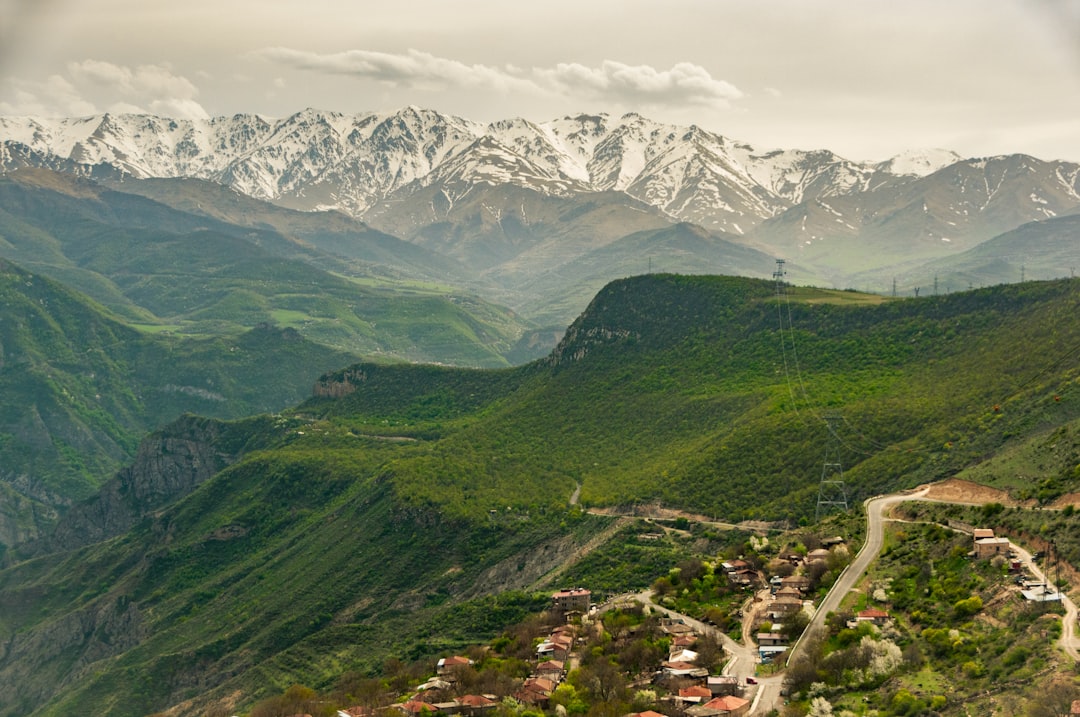
The Albanian Alps — locally called the Bjeshkët e Namuna, meaning ‘Accursed Mountains’ — cover 2,240 km² in northern Albania and contain the country’s highest peaks, including Mount Jezercë at 2,694 m. The region remained almost entirely closed to foreigners until the 1990s, making it one of Europe’s last genuinely undiscovered highland frontiers. In 2026, it draws adventurous trekkers from across the continent drawn by the Peaks of the Balkans trail and near-zero commercial tourism infrastructure.
Three Things Not to Miss in Albanian Alps
- Valbona Valley National Park — A glacier-carved valley with peaks topping 2,500 m — the dramatic entry point for the Peaks of the Balkans trail.
- Theth Village — A stone-locked village at 900 m altitude housing a 19th-century blood feud lock-in tower still standing today.
- Grunas Waterfall — A 30 m freefall cascade reachable on a 45-minute hike from Theth — visited by almost no tour groups.
Scroll down for our complete travel guide with tips on getting there, where to stay, costs and more.
Getting to Albanian Alps
How do I best reach the Albanian Alps?
Fly into Tirana’s **Rinas Airport (TIA)** and take a bus or hired van north. In my experience, the fastest overland route runs through **Shkodër**, which sits roughly **2 hours** from Tirana by furgon (shared minivan, **L400–500**). From Shkodër, a second furgon or jeep transfer takes you to **Valbona** or **Theth** — expect another **3–4 hours** on mountain roads. No train reaches this region. My tip: book a private jeep transfer from Shkodër for **L5,000–7,000** if you arrive with luggage or outside furgon schedules, which are morning-only. Arriving via Montenegro through **Gjakova** is also possible but adds border complexity.
Which airport is closest to the Albanian Alps?
**Tirana International Airport Nënë Tereza (TIA)** is the primary gateway, roughly **160 km** south of Shkodër. What surprised me: there is no regional airport in the north — **Kukes Airport** exists on paper but has no scheduled commercial flights in 2026. For travellers coming from Kosovo, **Pristina International Airport (PRN)** is a legitimate alternative, sitting approximately **100 km** east of the Valbona Valley via the Tropojë corridor. I recommend TIA for most international arrivals due to vastly better flight connections. The honest caveat: onward transport from TIA to the Alps is never door-to-door — plan a **Shkodër overnight** to catch morning transfers.
How long is the journey from Tirana to the Albanian Alps?
Expect **6–8 hours total** from Tirana’s Rinas Airport to Theth or Valbona. In my experience the journey breaks into three legs: TIA to Tirana city (**30 min**), Tirana to Shkodër by furgon (**2 hrs**, **L400**), and Shkodër to the valley by jeep or furgon (**3–4 hrs**). The road into **Valbona** was partially paved as of 2024 but the final stretch into **Theth** remains gravel and steep — rockslides occasionally close it in early spring. My tip: do not attempt the full journey in one day if your flight arrives after noon. Budget an overnight in **Shkodër’s Rozafa area** and leave fresh at 7 a.m.
Are there direct bus connections to the Albanian Alps?
No direct bus runs from Tirana into the valleys — the network does not reach this far. In my experience, the most reliable public option is a furgon from **Shkodër’s main bus terminal** departing at **7 a.m. daily** toward Bajram Curri, which passes near Valbona (**L1,000–1,200**, roughly **4 hrs**). A separate morning furgon serves **Theth** from Shkodër (**L800**, **3 hrs**). Both run once per day, sometimes cancelling in low season. My honest warning: schedules are informal — drivers leave when the van is full, not at a fixed time. For Theth specifically, booking a private jeep through your guesthouse for **L4,000–5,000** eliminates the anxiety entirely.
Is a rental car necessary to explore the Albanian Alps?
A rental car is not essential but dramatically expands your flexibility. In my experience, the core Theth–Valbona circuit is doable without one using furgons and the summer ferry across **Koman Lake**. However, side valleys like **Gryka e Hapit** and villages beyond Boga are unreachable without your own wheels. Renting a standard 4WD in Tirana costs **L6,000–9,000 per day** — avoid bringing a low-clearance car onto mountain tracks, most rental contracts prohibit it anyway. My tip: if you plan to stay in one valley and hike, skip the car. If you want to loop through the region independently, a **Toyota RAV4 or similar** from **Tirana’s Hertz or Sixt branch** is worth every lek.
Where to Stay in Albanian Alps
Which towns make good bases for exploring the Albanian Alps?
**Shkodër** is the essential staging post — a genuine city of roughly 130,000 with ATMs, pharmacies, gear shops, and reliable accommodation. For deep immersion, **Theth** and **Valbona** are the two primary in-valley bases. Theth suits hikers wanting the Peaks of the Balkans trail and a quieter, more traditional atmosphere. Valbona has a slightly broader guesthouse selection and faster access from Bajram Curri. What surprised me: **Bajram Curri**, the main town in Tropojë, is often overlooked — it has a cash machine, a hardware store, and a weekly market, making it a practical resupply stop. I recommend using Theth for 2–3 nights and Valbona for 2 nights minimum.
Where should I stay in the Albanian Alps?
Stay in traditional stone **guesthouses (bujtina)** — they are the backbone of local tourism and far more authentic than any hotel. In **Theth**, **Guesthouse Polia** and **Bujtina Gjeloshi** are well-run with half-board included. In **Valbona**, **Hotel Tradita** and **Guesthouse Rragami** sit directly on the river with mountain views. What I strongly advise against: assuming you can walk in without a reservation in July or August — the valley has fewer than 30 guesthouses total and they fill completely. In my experience, beds are more comfortable than you’d expect, with fresh-cooked dinners of **fergese** (baked offal with peppers) and local lamb included in most rates.
What does accommodation cost in the Albanian Alps?
A half-board guesthouse bed costs **L3,500–5,500 per person per night** (roughly €30–48), which includes dinner and breakfast. Dormitory-style rooms in some guesthouses drop to **L1,500–2,000**. What surprises most travellers: there are no international hotel chains and no hostels in the Western sense — accommodation is entirely family-run. In **Shkodër**, mid-range hotel rooms run **L5,000–8,000** for a double. My honest trade-off: the cheaper guesthouses in remote hamlets offer extraordinary hospitality but squat toilets and cold showers are still common. Paying the upper end of the range (**L5,000+**) almost always guarantees hot water and an en suite bathroom.
How far in advance should I book accommodation in the Albanian Alps?
Book **at least 6–8 weeks ahead** for July and August stays — this is non-negotiable. In my experience, the top guesthouses in Theth fill by May for peak summer weeks. Shoulder months — **June and September** — require **3–4 weeks** notice. Off-peak (October to May), the region is largely closed: most guesthouses shut November through April due to snow and road closures. My tip: contact guesthouses directly via **WhatsApp** — the number is often the only booking channel. Don’t rely on booking platforms; fewer than 10 properties in the entire region list on Booking.com, and those fill fastest. Confirm your reservation the week before arrival.
When is the best time to visit the Albanian Alps?
**June through September** offers the most reliable weather and fully open trails. In my experience, **late June and September** are the sweet spot — snow has cleared from high passes, temperatures hover at **18–25°C** in the valleys, and guesthouses are open without the August crush. July and August bring the most visitors but also afternoon thunderstorms that can close the Valbona–Theth pass temporarily. What surprised me: **early October** is spectacular for colour, with cooler days around **10–14°C** and almost empty trails — but verify each guesthouse is still open before booking. Avoid May — the high passes often hold snowpack until mid-month and some roads remain impassable.
Best Time to Visit Albanian Alps
How does the weather affect activities in the Albanian Alps?
Weather dictates everything above 1,500 m. The Valbona–Theth crossing sits at **2,060 m** at its highest point — afternoon thunderstorms arrive with almost no warning in July and August, typically between **2–5 p.m.** In my experience, start any high-altitude crossing before **8 a.m.** to be descending before storms build. Rain makes the limestone trails dangerously slippery. The valleys themselves stay drier than the peaks — **Theth receives around 1,900 mm of annual rain**, most falling November–March. My honest warning: the region has no mountain rescue helicopters on standby; poor decisions in bad weather have led to serious incidents. Always carry a **waterproof layer and emergency bivvy** regardless of morning skies.
Are there local festivals in the Albanian Alps worth attending?
The most authentic event is the informal **Kuvendi i Kelmendit** gathering in Vermosh village, usually held in **late July**, celebrating Kelmendi tribal culture with music, traditional dress, and communal meals. It is not marketed to tourists — I stumbled on it through a guesthouse owner’s tip. In **Shkodër**, the **Shkodër Jazz Festival** runs in August and draws regional crowds. The Feast of **Shna Ndou (Saint Anthony)** on June 13 is observed in Catholic mountain villages with processions and communal cooking. My tip: ask your guesthouse host two to three days ahead if anything local is happening — the best experiences here are never listed online.
When does the Albanian Alps get crowded, and how should I plan around it?
**August 1–20** is peak congestion — the Theth–Valbona trail sees 200+ hikers per day, guesthouses are at 100% capacity, and the Koman Ferry queues start before **6 a.m.** In my experience, the valley feels genuinely crowded by Albanian and Balkan standards in mid-August, though it still bears no comparison to Alpine tourist volumes. My tip: arrive in **the last week of June or the first two weeks of September** — identical landscapes, 40–50% fewer hikers. The honest trade-off: September occasionally brings early rain and a small number of guesthouses begin closing after September 20, so confirm availability before booking late.
What does a daily budget cost in the Albanian Alps?
A comfortable day costs **L5,500–8,000 per person** (roughly €45–68) including guesthouse half-board, snacks, and one drink. Budget travellers sharing dormitories and cooking can manage **L2,500–3,500**. In my experience, the Albanian Alps are one of Europe’s most affordable mountain destinations — a full dinner with wine at a guesthouse rarely exceeds **L1,200**. Hidden costs add up: jeep transfers between valleys cost **L2,000–4,000 per vehicle**, and the **Koman Ferry costs L600 per person** one way. My tip: withdraw cash in Shkodër before heading into the mountains — there are zero ATMs in Theth or Valbona, and card payments are accepted almost nowhere.
Is the Albanian Alps region cheaper or more expensive than other Albanian regions?
The Albanian Alps are cheaper than the Albanian Riviera (Sarandë, Ksamil) for accommodation but more expensive for transport. In my experience, a guesthouse half-board at **L4,500** in Theth compares favourably to a beach hotel room in Sarandë at **L7,000–12,000** in August. Food costs less — a full dinner costs **L800–1,200** versus **L1,500–2,500** on the coast. The real cost difference is logistics: jeep transfers, ferry rides, and the occasional guide add **L2,000–4,000 per day** that coastal visitors never face. My honest assessment: for the experience you receive per lek spent, the Albanian Alps offer better value than virtually anywhere else in the Balkans.
What Albanian Alps Costs
What free highlights are there in the Albanian Alps?
The **Valbona–Theth trail** itself is entirely free to walk — no national park entry fee exists as of 2026. The **Grunas Waterfall** near Theth is a free **45-minute return hike**. The **Blue Eye of Theth (Syri i Kaltër)** — a cold-water spring pool of startling turquoise — costs nothing to visit and remains one of the most photogenic spots in the region. In my experience, simply sitting in a village **kulla** (tower house) courtyard with a raki offered by your host is a cultural experience money cannot buy. My tip: the viewpoint above the **Valbona Valley** accessed via a **2-hour climb from the guesthouse area** delivers 360-degree panoramas with zero crowds and zero cost.
What do local specialities cost in the Albanian Alps?
A full guesthouse dinner with **tavë kosi** (baked lamb with yoghurt), cornbread, and salad costs **L800–1,200** per person. Homemade **raki** (grape or mulberry brandy) runs **L150–200 per glass** and is often offered free as hospitality. **Djathë i bardhë** (white cheese) from local flocks costs **L300–400 for a generous portion**. In my experience, the mountain cheese and honey here — particularly the dark forest honey sold in recycled jars — are of exceptional quality and far cheaper than equivalent artisan products in Western Europe. My tip: buy **L500–1,000 worth of local honey directly from guesthouse families** — it travels well and makes the best souvenir in the region.
Which route do you recommend for 5–7 days in the Albanian Alps?
Day 1: Overnight in **Shkodër**, explore Rozafa Castle. Day 2: Morning furgon to Koman, take the **Koman Ferry (L600, 2.5 hrs)** to Fierza, jeep to Valbona. Days 3–4: Hike the **Valbona–Theth crossing (6–7 hrs, 2,060 m pass)**, overnight in Theth. Day 5: Day hike to **Grunas Waterfall** and **Syri i Kaltër**. Day 6: Explore the **Ndërlysaj area** above Theth or optional climb toward **Maja Arapit**. Day 7: Return furgon to Shkodër by 8 a.m. In my experience, this loop delivers maximum variety — water, altitude, culture, and solitude — without backtracking. The honest caveat: the Valbona–Theth crossing requires reasonable fitness; the pass section gains **900 m elevation** in under 3 hours.
What are the must-see sights of the Albanian Alps?
The **Koman Lake Ferry** is unmissable — a 2.5-hour boat journey through fjord-like gorges that rank among Europe’s most dramatic river landscapes. The **Valbona–Theth Trail** over the 2,060 m pass is the signature experience of the entire Balkans trekking circuit. **Theth’s Kulla e Ngujimit** (lock-in tower) is a sobering historical monument to the Kanun blood feud code that governed these mountains for centuries. In my experience, the view from the **Rrogam valley lookout** above Valbona at sunrise — before any other hiker is on the trail — is the single most powerful image I have taken in Albania. Do not skip it for an extra hour of sleep.
What natural highlights does the Albanian Alps region offer?
The region contains Albania’s highest peak, **Mount Jezercë at 2,694 m**, and a landscape of karst limestone that drops into canyons over **1,000 m deep**. The **Valbona River** runs glacier-green through a valley flanked by near-vertical walls — I have seen nothing quite like it elsewhere in the Balkans. The **Shala River Canyon**, accessible by motorboat from **Koman**, reveals beaches of white pebble surrounded by 500 m cliffs — dubbed the ‘Maldives of Albania’ locally. Wolves, brown bears, and lynx still inhabit the remoter zones of the **2,240 km² Albanian Alps massif**. My tip: bring binoculars — golden eagles circle above the Theth pass nearly every morning.
Routes & Highlights in Albanian Alps
What local specialities should I try in the Albanian Alps?
Start with **fërgesë** — a cast-iron skillet of peppers, tomatoes, and offal (sometimes cottage cheese) that is the definitive northern Albanian mountain dish. **Tavë kosi**, baked lamb slow-cooked under yoghurt and eggs, is the region’s Sunday centrepiece. **Petulla** (fried dough) served with local honey and white cheese is the universal breakfast. In my experience, the **mountain lamb** here — raised on alpine herbs above 1,500 m — has a depth of flavour I have not found on the Albanian coast. My honest tip: decline politely if offered **raki** before a high-altitude hike. Albanian hospitality makes saying no awkward, but starting a **900 m ascent** after breakfast raki is a genuine mistake.
What activities are available in the Albanian Alps?
Multi-day trekking on the **Peaks of the Balkans trail** (a 192 km circuit crossing Albania, Kosovo, and Montenegro) is the headline activity. Day hikes from Theth and Valbona suit all fitness levels — the **Grunas Waterfall hike is 45 minutes** return, while the full valley crossing is **6–7 hours**. Via ferrata routes on limestone walls above Valbona opened in 2023. **Motorboat trips up the Shala River** from Koman cost **L2,500–3,500** per boat. Mountain biking is possible on lower tracks but largely undeveloped. In winter (December–March), the region theoretically offers backcountry skiing but zero infrastructure exists — only for expert off-piste skiers with avalanche equipment and self-sufficiency.
What distinguishes the Albanian Alps from other Albanian regions?
The Albanian Alps are the only region in Albania where the **Kanun of Lekë Dukagjini** — the medieval customary law governing hospitality, honour, and blood feuds — still shapes daily social life. Hospitality here is codified: a guest is considered sacred and a host is legally (by Kanun) obligated to protect them. No other Albanian region retains this. The landscape is also categorically different — vertical limestone massifs above 2,000 m versus the rolling hills of central Albania or the Mediterranean coast. In my experience, the absence of mass tourism infrastructure (no McDonald’s, no chain hotels, no tour buses within 100 km) creates a rawness that the rest of the country is rapidly losing.
Which day trips are possible from the Albanian Alps?
From **Shkodër**, the day trip to **Komani Lake** via the morning ferry and back is the single best introduction to the region — budget **L600 ferry + L2,000 jeep** for the day. From Valbona, the boat trip up the **Shala River canyon** takes a full day (**L2,500–3,500 per boat, up to 8 people**). From Theth, crossing into the side valley of **Ndërlysaj** and returning the same day is a serious hike (8 hrs, 1,200 m gain) rewarding fit walkers. The border village of **Vermosh** — the most remote inhabited settlement in Albania — is a half-day jeep excursion from the Shkodër area on unpaved tracks. My tip: always confirm road conditions with locals before attempting unmapped tracks.
Are there language barriers in the Albanian Alps?
Albanian is the sole language here — specifically the **Gheg dialect**, which differs significantly from southern Tosk Albanian. English is spoken by younger guesthouse owners in Theth and Valbona, particularly those active on Instagram promoting their properties. Beyond those hubs, expect almost zero English. In my experience, a printed sheet of **10–15 Albanian phrases** with phonetic pronunciation earned me more goodwill than any translator app. Italian is occasionally understood by older residents due to historical TV and economic migration links. My honest warning: in remote hamlets, even body language and pointing have limits. **Google Translate’s Albanian offline pack** is worth downloading before leaving Shkodër’s Wi-Fi range.
Practical Tips for Albanian Alps
Which apps do you recommend for the Albanian Alps?
Download **Maps.me or Organic Maps** with Albania offline maps — these show trails and tracks that Google Maps omits entirely. **komoot** has reasonable trail coverage for the Peaks of the Balkans route. **WhatsApp** is the primary communication tool for guesthouse bookings — essentially every host communicates this way. **XE Currency** keeps you accurate on lek conversions when negotiating transfers. **Google Translate with Albanian offline** is essential outside major guesthouses. In my experience, mobile data (an **Albanian eSIM from Vodafone Albania or ALBtelecom**, available in Tirana for **L1,500–2,000**) is patchy above 1,200 m — download everything before entering the valleys. Do not rely on any app that requires live data on the trail.
Are there medical facilities in the Albanian Alps?
There are no hospitals in Theth, Valbona, or anywhere in the inner mountain valleys. The nearest functioning hospital is in **Shkodër, roughly 100–160 km away** depending on your valley. A health post exists in **Bajram Curri** for basic care. In my experience, helicopter evacuation is not guaranteed — a serious injury in the Theth valley could mean a **4–5 hour jeep extraction** to reach hospital-level care. My mandatory advice: purchase travel insurance with **helicopter evacuation cover** before arrival — standard EU health cards provide minimal practical benefit here. Carry a personal first-aid kit including blister treatment, ibuprofen, an ace bandage, and rehydration sachets. The nearest pharmacy with reliable stock is in **Shkodër**.
How safe is it to travel in the Albanian Alps?
For hikers and tourists, the Albanian Alps are genuinely safe — I have never felt threatened in any village or on any trail. The **Kanun hospitality code** means strangers are treated as protected guests, not targets. Petty crime is extremely rare. The real risks are environmental: **unmarked trails, sudden weather changes, and flash floods** in narrow canyons after rain. Unexploded ordnance from WWII-era conflicts has been found in remote areas — stick to established paths. The honest caveat: blood feud violence, while statistically declining, still occasionally affects local family disputes in Tropojë district — travellers are not involved, but local tensions do exist. Stay on marked trails, hire a local guide for remote routes, and always tell your guesthouse your planned itinerary.
What are common traveller mistakes in the Albanian Alps?
The biggest mistake is arriving in **Shkodër without cash** and assuming ATMs exist in the mountains — they do not. Second: attempting the **Valbona–Theth crossing without an early start** — hikers who leave after 9 a.m. regularly get caught in afternoon lightning above the pass. Third: booking no accommodation and hoping to find beds on arrival in August. Fourth: underestimating the **Koman Ferry schedule** — it departs at **9 a.m. from Koman** and at **10 a.m. from Fierza**; missing it means a 5-hour road detour. In my experience, the mistake I see most is bringing road shoes instead of proper hiking boots — the limestone trail surface destroys trainers within two days and creates serious ankle-roll risk.
Which accommodation types suit the Albanian Alps best?
Traditional **bujtina (family guesthouses)** are the definitive and most appropriate option — they support local families directly, include home-cooked meals, and deliver authentic mountain hospitality unavailable anywhere else in Europe at this price point. Half-board arrangements (**L3,500–5,500 per person**) are standard and I strongly recommend taking them — cooking independently is impractical and local food is superb. A small number of **glamping tents** have appeared near Valbona since 2023, costing **L6,000–8,000 per night** — pleasant but unnecessary given guesthouse quality. Camping wild is technically possible and free but offers no safety net if weather turns. In my experience, the best nights of any Albanian Alps trip happen around a guesthouse dinner table, not inside a tent.
Albanian Alps at a Glance
| Currency | Albanian lek (L) |
|---|---|
| Official language | Albanian |
| Time zone | UTC+01:00 |
Source: Wikidata, retrieved September 2026.
Albania › Albanian Alps
Essential Resources for Planning Your Trip to Albanian Alps
- Tours to the Albanian Alps, ignite your adventure spirit. — official visitor information, passes & events
- Wikipedia: Albanian Alps — history, geography & background
- Wikivoyage: Albanian Alps — community travel guide & practical tips
- How to spend 4 days exploring Albania’s Accursed … — expert itineraries & travel inspiration
- Albanian Alps — TripAdvisor — hotels, restaurants & traveller reviews
- Airport transfers and all necessary transfers as per itinerary — how to get around
- Numbeo: Cost of Living in Albanian Alps — current prices & cost comparison
- Timeanddate: Albanian Alps Weather & Climate — forecasts & climate statistics
More Perspectives on Albanian Alps
- How to Spend 7 Days in the Albanian Alps
- Hiker’s Guide to the Albanian Alps: Trails, Planning, …
- Albanian Alps Hiking: 3-6 Day Itinerary for Valbona & Theth …
Albanian Alps Travel Videos
Watch these videos for a visual preview before your trip:
- Albania Travel Guide: How to Travel Europe’s Best Kept Secret
- WONDERS OF ALBANIA | Most Amazing Places in Albania | 4K Travel Guide
- 17 Things I Wish I knew Before Travelling To Albania
Albanian Alps Travel Discussions on Reddit
Real traveller experiences and community advice:
- After a year without doing any major hike, I went to the …
- The Albanian Alps has got a piece of my heart : r/travel
- r/hiking – Balkans. Albania Alps
Data Sources
This page was compiled using data from Wikipedia, Wikidata, Open-Meteo (climate), Numbeo (cost of living) and REST Countries. Information is updated regularly.