
Azrou: The Complete Travel Guide (2026)
Last reviewed: September 2026 · key facts checked against Wikidata
Azrou Travel Guide: Everything You Need to Know (2026)
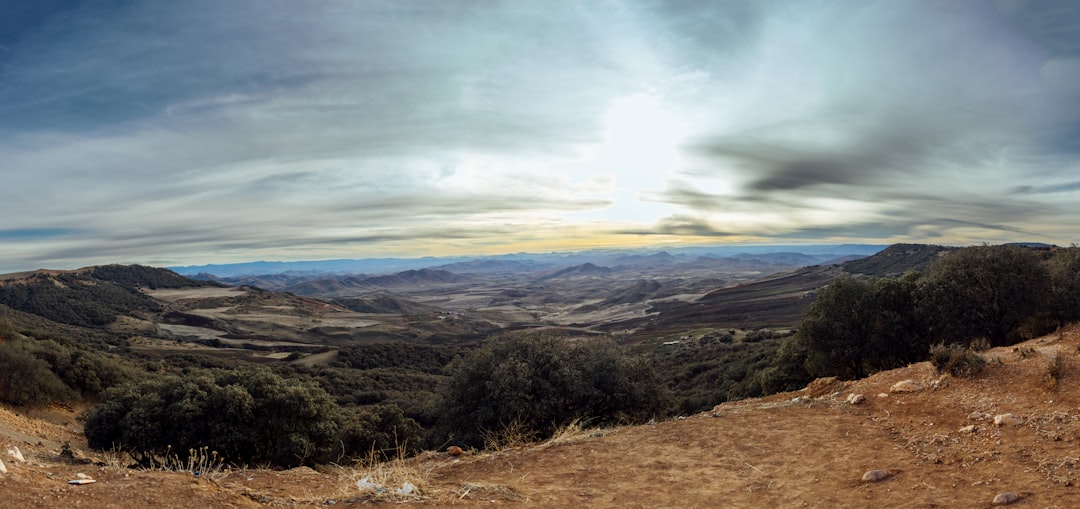
Azrou is a mid-sized Berber market town of 57,657 residents sitting at 1,330 metres above sea level in Morocco’s Middle Atlas mountains, roughly 80 km south of Fez. Founded as a Berber stronghold — its name literally means ‘rock’ in Tamazight — it anchors the Ifrane Province and serves as the gateway to the cedar forests of the Azrou Forest Reserve. What surprised me most: this is one of the few Moroccan towns where Tamazight is more commonly heard on the street than Darija Arabic.
Three Things Not to Miss in Azrou
- Azrou Cedar Forest (Cèdre Gouraud) — Home to Morocco’s famous Barbary macaques and cedars over 800 years old — a genuinely wild encounter 5 km from town.
- Azrou Souk (Tuesday Market) — One of the most authentic Berber weekly markets in the Middle Atlas, drawing carpet weavers and livestock traders from surrounding villages.
- Lac Aguelmame Sidi Ali — A crater lake at 2,000 metres altitude, just 35 km from Azrou, offering surreal stillness and year-round snow-capped backdrops.
Scroll down for our complete travel guide with tips on getting there, where to stay, costs and more.
Arriving in Azrou: Airport & Transfers
How do I get to Azrou — what are my transport options?
Buses and shared taxis are your best bet into Azrou. CTM and Supratours buses connect Fez to Azrou in roughly 2 hours, costing around DH 35–50. Shared grand taxis from Fez’s Bab Ftouh terminal are faster at about 1.5 hours and cost DH 45–60 per seat. In my experience, the grand taxi is the smarter choice — more flexible departure times and door-to-closer drop-offs. The caveat most guides omit: if you arrive from the south via Midelt, bus frequency drops sharply — only 1–2 daily departures on that route, so time your connections carefully.
Which airport is closest to Azrou?
Fez-Saïss Airport (FEZ) is your closest gateway, approximately 80 km north of Azrou. Marrakech Menara (RAK) is a distant second at over 350 km. I strongly recommend flying into FEZ — it has direct European connections from Paris, Brussels, and Amsterdam, and the airport-to-Azrou journey is manageable in under 2.5 hours by grand taxi. The honest warning: FEZ has limited budget airline slots, so fares spike fast. Book Ryanair or Transavia tickets at least 6–8 weeks ahead to avoid paying double.
How long does the journey to Azrou take from Fez or Marrakech?
From Fez, plan on 1.5 to 2 hours by road — grand taxi being the fastest option. From Marrakech, the drive runs approximately 5.5 to 6 hours via the N8 through Beni Mellal, and there is no direct bus — you’ll transfer in Khenifra or Fez. From Casablanca, it’s roughly 4 hours by private car or a combination of train to Meknes then bus. My tip: break the Marrakech route with a night in Beni Mellal — the single-day push is exhausting and you miss the Aït Benhaddou detour if you rush.
Do I need a rental car to explore Azrou and the surrounding Middle Atlas?
Yes — a rental car transforms your Azrou experience completely. The cedar forest, Lac Aguelmame Sidi Ali, Michlifen ski area, and the Cascades d’Ouzoud are all awkward or impossible by public transport. Budget DH 350–500 per day for a basic Dacia Duster from agencies in Fez or Ifrane — pick-up in Ifrane is convenient if driving straight from the airport. The trade-off: mountain roads between Azrou and Midelt via the Tizi n’Ait Oufella pass (2,905 m) can ice over November through March. Check road conditions before committing to that route in winter.
Getting Around Azrou
What are the best areas to stay in Azrou?
Stay within walking distance of the Place Mohammed V in the town centre — everything you need is within a 10-minute walk: the Tuesday souk, cafes, and transport links. The medina quarter just east of the square has the most atmospheric guesthouses. For a quieter base with forest access, a handful of small maisons d’hôtes sit 2–3 km out along the Ifrane road. I recommend the centre for first-timers: Azrou is compact and walkable, and being near the main square means catching grand taxis easily without the morning scramble most visitors complain about.
What does accommodation cost per night in Azrou?
Azrou is genuinely affordable. A clean, en-suite guesthouse room runs DH 200–350 per night — that’s roughly €18–32. The best mid-range maisons d’hôtes with Berber decor and breakfast included hover around DH 400–550. There are no international chain hotels in Azrou, which keeps prices honest. My tip: Hôtel Azrou and similar family-run places near the centre offer the best value; avoid booking through third-party sites that add a 15–20% markup — walk in or call direct. The caveat: top rooms in the handful of forest lodges book out weeks ahead in July and August.
How far in advance should I book accommodation in Azrou during high season?
Book at least 3–4 weeks ahead for July and August visits — Moroccan domestic tourism surges into the Middle Atlas during summer, when lowland cities like Fez and Marrakech become brutally hot. The small stock of quality guesthouses — Azrou has fewer than 15 bookable properties on major platforms — fills faster than you’d expect. For the Tuesday souk weekend (Monday night arrival), lead times can stretch to 6 weeks during peak summer. Off-season from November through March, walk-in is almost always possible and you can negotiate rates down by 20–30%.
Are there special or unique accommodation types worth trying near Azrou?
Absolutely — forest bivouac camps in the Cèdre Gouraud cedar forest are unlike anything else in Morocco. Local guides set up traditional Berber tent camps roughly 5–8 km from town, with campfire dinners and the sound of macaques at dawn, typically costing DH 300–450 per person including dinner and breakfast. In winter, the ski lodges around Michlifen (22 km away) offer a surreal Moroccan-alpine experience that almost no foreign travellers know exists. My honest warning: forest camping is unregulated — insist on a guide with documented Eaux et Forêts permission to avoid fines.
Where to Stay in Azrou
What are the absolute must-sees in Azrou?
Three experiences define Azrou. First, the Cèdre Gouraud forest — walk the marked trail to encounter wild Barbary macaques; the largest individual cedar is estimated at over 800 years old. Second, the Tuesday souk — arrive before 9 AM to see carpet weavers, spice traders, and livestock sections that tourists rarely reach. Third, the drive to Lac Aguelmame Sidi Ali at 2,000 m altitude — a 35 km loop that also passes through the ghost-town village of Timahdite. What surprised me: the souk’s carpet section offers the most authentic Middle Atlas Zemmour and Beni M’Guild pieces I’ve seen anywhere in Morocco.
What can I experience for free in Azrou?
Quite a lot — and free in Azrou means genuinely free, not ‘free with a purchase’. Walking the cedar forest trails costs nothing (the macaques will find you within minutes). The Tuesday market has no entry fee. Wandering the old Berber medina quarter east of Place Mohammed V is entirely free and largely tourist-free. The panoramic viewpoint above town looking south toward the Ifrane plateau takes under 20 minutes to reach on foot and is one of the best atlas panoramas I’ve found without a guide. The only honest caveat: macaque handlers near the forest car park will pressure you for DH 20–50 tips — it’s optional but persistent.
Which day trips from Azrou are worth taking?
Ifrane is the most popular — a bizarre French-colonial ski town just 17 km north, sometimes called ‘Morocco’s Switzerland’, worth 3–4 hours maximum. Lac Aguelmame Azigza (40 km west) is a smaller, greener crater lake than Sidi Ali and almost completely untouched by tourism. The waterfall circuit near Ain Leuh village (25 km) runs through carved canyon gorges and is accessible by a rough piste. My favourite day trip is the Midelt loop via the mountain pass at 2,178 m — a 4-hour drive with staggering cedar-to-arid-steppe scenery. Renting a car for this specific loop pays for itself in experience.
What local specialities should I eat in Azrou?
Azrou’s Berber identity shows clearly on the plate. Barley harira (not the standard chickpea version) is the warming breakfast soup locals eat before market. Mechoui — whole roasted lamb cooked in a clay pit — is available at the Tuesday souk for roughly DH 60–80 per portion. Amlou (almond, argan oil, and honey paste) made in the Souss style is sold in the covered market. My tip: eat at the unmarked workers’ cafes on Rue du Souk for a bowl of smen-buttered msemen flatbread with mint tea for under DH 25 — these places have no English menus but point and smile works perfectly.
Azrou Highlights & Must-Sees
What makes Azrou unique compared to other Moroccan towns?
Three things make Azrou genuinely different. At 1,330 metres altitude, it escapes the crushing summer heat that makes Fez and Marrakech unbearable in July and August — daytime highs rarely exceed 28°C. It is one of the few Moroccan towns where Tamazight Berber culture hasn’t been diluted by mass tourism — the Tuesday souk is a working agricultural market, not a performance. And the cedar forest with its Barbary macaques — a species found nowhere else on earth outside Gibraltar — sits literally on the town’s doorstep. No other Moroccan mid-size town combines alpine forest, authentic Berber market culture, and that altitude comfort in one place.
How many days should I plan to spend in Azrou?
Plan 2 full days minimum, 3 days ideally. Day one: cedar forest in the morning, Tuesday souk if the timing aligns, town wander in the afternoon. Day two: full-day loop to Lac Aguelmame Sidi Ali and Timahdite. Day three: Ifrane day trip or the Ain Leuh canyon circuit. Most travellers I’ve spoken to regret giving Azrou only a single night as a ‘stop between Fez and Marrakech.’ The honest caveat: if you arrive without a car, your radius shrinks dramatically — 2 days on foot is the realistic maximum before the limited walkable sights are exhausted.
When is the best time to visit Azrou?
June through October is the sweet spot, with July and August offering the most reliable clear skies and warm (not hot) days. September is my personal favourite — the cedar forest glows amber, tourist numbers drop, and temperatures hover around a perfect 22–25°C during the day. Spring (April–May) brings wildflower meadows across the plateau but also unpredictable rainfall. Winter from December to February brings snow — the Michlifen ski slopes open, which is a genuinely fun experience, but expect road closures on passes above 2,000 m and some guesthouses shutting entirely in January.
Are there local festivals or events worth attending in Azrou?
The Moussem of Sidi Lahcen is the most significant local religious festival, typically held in late summer — exact dates shift with the Islamic calendar, so verify the year before booking. The Ifrane Province cultural festival in July celebrates Amazigh (Berber) music, poetry, and craft, drawing performers from across the Middle Atlas to venues in both Ifrane and Azrou. For the Tuesday souk, the largest markets of the year fall in August and September when highland shepherds bring summer livestock to trade — arriving for one of these is the single best cultural experience the region offers. I’d book specifically around those market peaks.
Eating & Drinking in Azrou
How does the weather in Azrou affect what activities I can do?
Altitude rules everything here. Summer brings perfect hiking and forest-walking conditions — 25°C days, cool nights dropping to 12°C, zero humidity compared to the Moroccan coast. Winter transforms Azrou into Morocco’s least-expected ski destination: Michlifen resort (22 km) opens when snowfall permits, usually December through February, with lift passes around DH 150–200 per day. The problematic window is November through March for driving — the Tizi n’Ait Oufella pass route to Midelt regularly closes after snowfall with zero advance warning. Always check with your guesthouse host before attempting high-altitude road loops in shoulder season.
How crowded does Azrou get in peak season?
Peak crowding hits in July and August when Moroccan families escape coastal and lowland heat — the cedar forest parking area can hold 50+ cars on weekends, and the macaque photo spots become genuinely chaotic. The Tuesday souk is always busy but absorbs crowds well due to its size. The honest surprise: Azrou sees almost no package-tour foreign visitors even at peak — the crowds are overwhelmingly domestic Moroccan tourists, which means the atmosphere stays authentic but accommodation books out fast and prices at forest-adjacent cafes creep up 30–40% compared to off-season rates. Arrive midweek if you want forest solitude.
How safe is Azrou for travellers?
Azrou is one of the safer towns in Morocco for independent travellers. Petty crime is low and the harassment dynamic common in Marrakech’s medina is largely absent — locals are accustomed to tourists passing through but not dependent on tourist spend. The main safety concern is road-related: mountain passes ice without warning, and the cedar forest tracks are unmarked. Solo women travellers report Azrou as one of the more comfortable Moroccan towns, though the Tuesday souk gets crowded and opportunistic pickpocketing has been reported near the livestock section. Keep your bag across your body, not on your back, and you’ll have zero problems.
Is English widely spoken in Azrou?
Bluntly: no — Azrou is not an English-speaking town. French is the essential second language here — virtually every guesthouse owner, shopkeeper, and cafe owner speaks functional to fluent French. Arabic (Moroccan Darija) and Tamazight are the dominant street languages. English is spoken at maybe 5–10% of tourist-facing businesses. My tip: learn 10 Tamazight phrases before arriving — even basic greetings like ‘Azul’ (hello) and ‘Tanmirt’ (thank you) open doors and faces in a way that French alone does not. Download Google Translate with Arabic and French offline packs before leaving home — it’s genuinely necessary, not optional.
Practical Tips for Azrou
What is the daily travel budget for Azrou?
A realistic budget traveller spends DH 300–400 per day (roughly €27–36) covering a guesthouse dorm or cheap private room, three local meals, market snacks, and no car hire. A mid-range independent traveller with a private room, breakfast, lunch at a workers’ cafe, dinner at a sit-down restaurant, and a taxi excursion spends around DH 600–800 per day (€55–73). Add DH 350–500 daily if renting a car for regional exploration. What most guides omit: if you visit during the Tuesday souk, budget an extra DH 100–200 — the carpet and craft sections are extraordinary and buying direct from weavers is genuinely fair value.
How does public transport work in and around Azrou?
Azrou’s transport hub is the grand taxi and bus station near the central market — you can reach it on foot from any guesthouse in town in under 15 minutes. CTM buses run to Fez (DH 35–50), Meknes (DH 30–40), and Khenifra (DH 25–35). Grand taxis cover the same routes faster for marginally more cost. Within the town itself, there are no internal bus routes — Azrou is small enough that everything is walkable. The critical gap: no public transport runs to the cedar forest, Lac Sidi Ali, or Michlifen — these require a taxi hire (negotiate DH 150–250 for a half-day) or a rental car.
Which apps do you recommend for visiting Azrou?
Five apps earn their storage space in Azrou. Maps.me with Morocco downloaded offline — OpenStreetMap data covers the cedar forest trails better than Google Maps. Google Translate with Arabic and French offline packs — essential, not optional. Taxi Maroc or InDriver for negotiating grand taxi fares from Fez airport without the standard tourist markup. Windy for checking mountain weather before attempting the high-altitude passes — the app shows wind and snow forecasts at 2,000 m altitude specifically. Finally, WhatsApp — virtually every Moroccan guesthouse communicates exclusively via WhatsApp for reservations, and calling a local SIM number without it creates unnecessary friction.
Azrou at a Glance
| Population | 57,657 |
|---|---|
| Currency | Moroccan dirham (DH) |
| Official language | Arabic, Standard Moroccan Tamazight |
| Time zone | UTC+01:00 |
Source: Wikidata, retrieved September 2026.
Morocco › Azrou
More Destinations in Morocco
Essential Resources for Planning Your Trip to Azrou
- Visiting Azrou, Morocco – Your Destination Guide — official visitor information, passes & events
- Wikipedia: Azrou — history, geography & background
- Wikivoyage: Azrou — community travel guide & practical tips
- Souq | Morocco | Attractions — expert itineraries & travel inspiration
- THE 15 BEST Things to Do in Azrou (2026) — hotels, restaurants & traveller reviews
- Azrou Travel Guide 2026: Cedar Forest, Barbary … — how to get around
- Numbeo: Cost of Living in Azrou — current prices & cost comparison
- Timeanddate: Azrou Weather & Climate — forecasts & climate statistics
More Perspectives on Azrou
- 2026 Recommended Guides in Azrou (Updated August)
- Azrou Travel Guide – Expert Picks for your Vacation
- Advice on a Family Trip to Azrou and the Surrounding Region
Azrou Travel Videos
Watch these videos for a visual preview before your trip:
- THE MOST RANDOM MOROCCAN STOP: MONKEYS OUTSIDE THE MEDINA | AZROU, MOROCCO TRAVEL GUIDE
- The journey to Azrou, Morocco
- Road to Morocco, day 11. Monkeys of Azrou and first night in a kasbah
Azrou Travel Discussions on Reddit
Real traveller experiences and community advice:
- Advice on a Family Trip to Azrou and the Surrounding Region
- Azrou To Marrakech : r/Morocco
- Where to stay in azrou ? : r/Morocco
Data Sources
This page was compiled using data from Wikipedia, Wikidata, Open-Meteo (climate), Numbeo (cost of living) and REST Countries. Information is updated regularly.