
Beni Mellal: The Complete Travel Guide (2026)
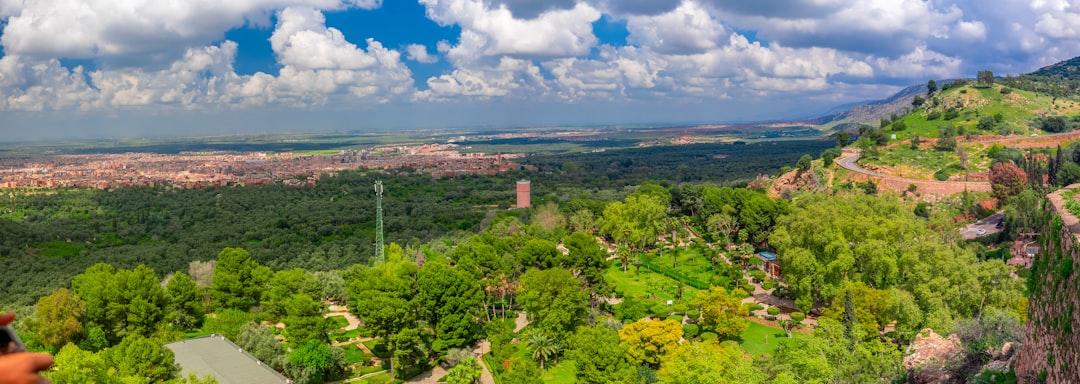
Beni Mellal Travel Guide: Everything You Need to Know (2026)
Beni Mellal is a north-central Moroccan city of 209,594 people, sitting at 620 metres above sea level at the foot of Jbel Tassemit — a location that gives it a noticeably cooler microclimate than the scorching plains below. Founded in 1688 when Sultan Moulay Ismaïl built a kasbah here, it serves as the capital of the Béni Mellal-Khénifra Region and acts as a major gateway between the Atlantic plains and the Middle Atlas mountains. Most travellers bypass it entirely in favour of Marrakech or Fès, which means you get an authentically Moroccan mid-sized city with almost zero tourist hustle.
Three Things Not to Miss in Beni Mellal
- Kasbah Ras El-Ain — A 17th-century fortress built by Moulay Ismaïl, set above terraced gardens fed by natural springs just 1 km from the city centre.
- Bin El Ouidane Reservoir — One of Morocco’s largest lakes, just 35 km south, offering dramatic Atlas scenery, boat trips, and near-zero crowds year-round.
- Aïn Asserdoun Springs — Ancient natural springs powering a cascading garden park — the social heart of Beni Mellal and completely free to enter.
Scroll down for our complete travel guide with tips on getting there, where to stay, costs and more.
Getting to Beni Mellal from the Airport
How do I get to Beni Mellal?
The fastest option is a **3.5-hour CTM or Supratours bus from Marrakech**, costing around **DH 80–100**. In my experience, the Marrakech bus station at Bab Doukkala is the most convenient departure point. From Casablanca, buses take roughly **4 hours** and cost **DH 100–130**. A grand taxi shared between six passengers from Marrakech runs **DH 90–110 per seat** and is faster but less comfortable. The honest caveat: Beni Mellal has no train station — the nearest rail hub is **Béni Mellal-adjacent Kasba Tadla**, which is still **30 km away** and poorly connected, so the bus is genuinely your best bet.
Which airport is closest to Beni Mellal?
**Beni Mellal Airport (BEM)** sits just **4 km north of the city centre** and technically serves the city, but in 2026 scheduled commercial flights remain extremely limited — mostly domestic hops operated sporadically by Royal Air Maroc. My tip: don’t bank on flying directly into BEM. Instead, fly into **Marrakech Menara Airport (RAK)**, which is **175 km away**, and take a direct CTM bus. RAK has daily international connections from Europe, including budget carriers like Ryanair and easyJet. What surprised me is how many travellers waste time searching for flights to BEM when the bus from Marrakech is genuinely quicker door-to-door than a connecting flight.
How long does the journey to Beni Mellal take from major Moroccan cities?
From **Marrakech by bus it’s 3.5 hours**; from **Casablanca roughly 4 hours**; from **Fès around 4.5 hours**. I recommend the morning CTM departure from Marrakech — it leaves at **07:30** and gets you into Beni Mellal with the full day ahead. The road via the **Oued El-Abid gorge** is genuinely scenic but winding, so if you’re prone to motion sickness, take a front seat and bring ginger chews. Grand taxis trim 30–45 minutes off the bus time but require six passengers to fill before departing, which at low-traffic hours can mean a frustrating wait at the taxi stand.
Do I need a rental car in Beni Mellal?
Yes — if you want to explore the surrounding Atlas properly, a rental car is worth it. The city itself is walkable, but **Bin El Ouidane (35 km), Ouzoud Falls (95 km), and Kasba Tadla (30 km)** are all poorly served by public transport. Local agencies near the central market rent small cars from around **DH 350–450 per day** including insurance. My tip: avoid the cheapest no-name agencies — I recommend checking **Europcar’s Beni Mellal branch** for reliable vehicles. The honest warning: mountain roads south toward the Atlas are narrow and steep, so request a car with decent ground clearance and never assume guardrails exist on switchbacks.
Moving Around Beni Mellal
What are the best areas to stay in Beni Mellal?
Stay near the **Aïn Asserdoun springs district or the Avenue Mohammed V corridor** — both put you within walking distance of the medina, the Kasbah gardens, and the main souks. The springs area is quieter and leafier, ideal if you want evening walks without traffic noise. The Mohammed V strip has more restaurants and cafes within **5 minutes on foot**. I’d avoid booking anything on the industrial eastern outskirts — it saves you **DH 30–50** per night but adds a tedious commute to everything interesting. What surprised me is how compact the city is: the distance from the Kasbah to the main market is under **1.5 km**, so neighbourhood choice matters less than in larger Moroccan cities.
What does accommodation cost in Beni Mellal?
A clean, mid-range hotel in Beni Mellal runs **DH 300–500 per night** for a double room with private bathroom and Wi-Fi. Budget guesthouses near the medina go as low as **DH 150–200** — perfectly adequate but expect cold showers in winter given the **620 m elevation**. There is no five-star luxury hotel in the city as of 2026; the best upper-mid option is **Hôtel Ain Asserdoun**, which charges around **DH 600–750** and has a pool. In my experience, prices here are **30–40% cheaper** than equivalent hotels in Marrakech. The caveat: breakfast is often not included at budget spots — budget an extra **DH 25–40** for a coffee and msemen at a nearby café.
How far in advance should I book accommodation in Beni Mellal during high season?
Book **2–3 weeks ahead for March–April and September–October**, which are the busiest travel months and coincide with regional agricultural festivals and school holidays. For July–August, surprisingly, **one week’s notice is usually fine** — Beni Mellal sees almost no foreign tourist surge in summer despite intense heat. The honest warning: during the **Moussem of Moulay Abdallah Amghar** regional religious festival, every guesthouse within 50 km fills fast — check exact dates each year before arriving. My tip: book directly with hotels via phone or WhatsApp to negotiate a better rate; most Beni Mellal properties are family-run and respond within hours.
Are there special or unique accommodation types in Beni Mellal?
Beni Mellal itself has limited riad options compared to Fès or Marrakech, but **Bin El Ouidane, 35 km south**, has a handful of lakeside eco-lodges and simple auberges that are genuinely special — waking up to Atlas reservoir views for around **DH 400–600** per night. In the city, a few traditional Moroccan guesthouses near the old kasbah offer rooftop terraces overlooking the spring gardens. My tip: if you want a riad experience, **Azilal, 60 km southeast**, has small family-run riads in a much quieter Berber-town setting. What surprised me is how few travellers combine a Beni Mellal city stay with a lake night at Bin El Ouidane — it makes for an excellent two-base itinerary.
Choosing a Neighbourhood in Beni Mellal
What are the must-sees in Beni Mellal?
**Kasbah Ras El-Ain** is non-negotiable — the 17th-century fortress and its spring-fed terraced gardens are the city’s defining sight. **Aïn Asserdoun Park** is where locals actually spend their evenings and gives you unfiltered Moroccan city life. Outside the city, **Bin El Ouidane Reservoir** is genuinely stunning and criminally undervisited. The **weekly Tuesday souk** on the city’s edge is one of the largest regional markets in north-central Morocco, drawing Berber traders from surrounding mountain villages — arrive before **09:00** to see it at full intensity. I recommend combining the Kasbah and springs in one morning walk of under **2 km**. What surprised me: the Kasbah admission is free, no ticket booth, no queue.
What can I experience for free in Beni Mellal?
Quite a lot, honestly. **Kasbah Ras El-Ain and the Aïn Asserdoun spring gardens** are free to enter. The **Tuesday regional souk** costs nothing to wander. The panoramic walk above the Kasbah along the hillside trail offers views across the Beni Amir plains for zero cost. Sitting in a local café on **Place de la Liberté** nursing a **DH 6** mint tea while watching city life is one of the most rewarding free experiences in Morocco. My tip: the evening promenade along the springs park between **18:00 and 20:00** is a daily ritual for residents — join it and you’ll understand the city’s social rhythm far better than any paid tour could show you.
Which day trips from Beni Mellal are possible?
**Ouzoud Falls (95 km, roughly 1.5 hours by car)** is the headline day trip — Morocco’s highest waterfall at **110 metres**, best visited on a weekday to avoid weekend crowds. **Bin El Ouidane Reservoir (35 km, 45 minutes)** is ideal for a half-day. **Kasba Tadla (30 km)** has a well-preserved 17th-century twin-kasbah complex that almost nobody visits. **Azilal (60 km)** is a gateway into the High Atlas and pairs well with Ouzoud. The honest caveat: without a rental car, day trips become complicated — grand taxis to Ouzoud exist but require negotiation and cost **DH 300–400** for a return charter. I recommend renting a car for at least **2 days** to do these properly.
What local specialities should I try in Beni Mellal?
Beni Mellal sits in olive country — the **Béni Mellal-Khénifra region produces some of Morocco’s finest olive oil**, and you’ll find it drizzled over everything. Try **tangia beldia** (slow-cooked lamb in a clay pot, a Central Morocco staple), **harira soup with msemen flatbread** for breakfast, and fresh **amlou** (almond-argan-honey paste) sold at the souk. The region’s almonds from Atlas foothills are exceptional. My tip: eat lunch at one of the **hole-in-the-wall restaurants behind the central market** — a full plate of tagine with bread and tea costs **DH 35–50** and the quality beats anything near the tourist zones. What surprised me: the local olive oil sold loose at the Tuesday souk is far superior to anything in supermarkets.
Top Sights in Beni Mellal
What makes Beni Mellal unique compared to other Moroccan cities?
Beni Mellal is one of Morocco’s largest cities that receives virtually no international tourism — and that is precisely its appeal. You get a fully functioning, proud Moroccan urban centre at **620 m altitude** with Atlas mountain access, ancient kasbahs, natural springs, and a massive regional souk, entirely without being treated as a walking wallet. In my experience, interactions with locals here are more genuine than anywhere in the tourist circuit. The city also sits at a geographic crossroads — **3.5 hours from Marrakech, 4 from Casablanca** — making it a logical but overlooked stop on any trans-Morocco itinerary. What surprised me: despite a population of **209,594**, it has the relaxed pace of a much smaller town.
How many days should I spend in Beni Mellal?
**2 nights and 2 full days** is the ideal stay. Day one: Kasbah Ras El-Ain, Aïn Asserdoun gardens, the medina, and an evening promenade. Day two: a car day to **Bin El Ouidane (35 km)** and **Ouzoud Falls (95 km)**, returning by early evening. If you arrive on a Monday evening, add a morning for the **Tuesday souk** — it alone is worth the extra half-day. The honest caveat: Beni Mellal is not a place to linger for five days — the city sights can be exhausted in a day, and its value lies in using it as a base for the surrounding Atlas landscape. Treat it as a **2-night strategic base**, not a destination in its own right.
When is the best time to visit Beni Mellal?
**March, April, September, and October** are the sweet spots. Spring brings green Atlas foothills, wildflowers, and temperatures of **18–24°C** — perfect for walking the Kasbah gardens. October offers post-harvest olive and almond season at the souks, golden light, and crowd-free roads to Ouzoud. My tip: **June is also good** — long days, manageable heat before the July–August peak, and lush reservoir water levels at Bin El Ouidane. Avoid **July and August** when temperatures regularly hit **38–42°C** on the plains below the city; at 620 m it’s marginally cooler but still brutal for sightseeing. January–February can bring cold nights and occasionally snow on Jbel Tassemit directly above town — atmospheric but cold.
What are local festivals and events worth attending in Beni Mellal?
The **Moussem of Sidi Aissa** held annually near **Béni Mellal in spring** is a major Aissawa Sufi brotherhood gathering drawing pilgrims from across Morocco — an extraordinary cultural spectacle involving music, trance rituals, and communal feasting. The exact date shifts with the Islamic calendar, so verify in advance. The **Tuesday regional souk** is a weekly event year-round and the most accessible cultural immersion. In **October**, olive harvest festivals animate villages in the surrounding foothills. My honest caveat: tourist infrastructure around these events is essentially zero — no English signage, no guided tours available locally. That rawness is the appeal, but go with flexibility and ideally a French or Darija phrase book.
Where to Eat in Beni Mellal
How does the weather in Beni Mellal affect activities throughout the year?
The **620 m elevation** gives Beni Mellal a more temperate climate than Morocco’s lowland cities — a genuine relief compared to Marrakech’s punishing summer. Spring and autumn allow full-day outdoor activity without heat stress. Summer afternoons above **38°C** push sightseeing into early mornings before **10:00** and post-**17:00** evenings. Winter between December and February is cold at night — below **5°C** is possible — making the spring-fed garden walks less pleasant but the mountain backdrops dramatic with snow. Ouzoud Falls is at its most powerful **March–May** when Atlas snowmelt swells the river. Bin El Ouidane Reservoir is best visited **April–June** before water levels drop in the dry season.
How crowded does Beni Mellal get in peak season?
By Moroccan standards, Beni Mellal is **never crowded with tourists** — even in peak months. What you will notice in July–August is heavy **domestic Moroccan tourism**: Casablancans and Rabatis escaping coastal humidity come here for the slightly cooler Atlas air. This drives hotel prices up by **20–30%** and fills the better restaurants on weekends. The Tuesday souk gets extremely busy year-round — that’s locals, not tourists. Ouzoud Falls, **95 km away**, gets genuinely packed on summer weekends with Moroccan day-trippers — go on a Tuesday or Wednesday to avoid the worst of it. My tip: Beni Mellal city itself will never feel overrun; the pressure is on the day-trip destinations around it.
How safe is Beni Mellal for travellers?
Beni Mellal is **genuinely safe for solo and family travellers**, including solo women. In my experience, the absence of a tourist economy means there are almost no touts, scammers, or fake guides — the constant irritations of Marrakech and Fès medinas simply don’t exist here. Standard urban caution applies: keep bags zipped in the busy souk areas and don’t flash expensive cameras in crowds. The **Kasbah district and springs area are safe at night**. The honest caveat: Beni Mellal has limited English-speaking locals, and a communication breakdown in a misunderstanding can escalate through embarrassment rather than malice — carry your hotel’s address written in Arabic. Police presence around the town centre is visible and professional.
Is English widely spoken in Beni Mellal?
**English is rarely spoken in Beni Mellal** — far less so than in Marrakech or Agadir. The working languages are **Moroccan Arabic (Darija), Tamazight Berber, and French**. Hotel staff at mid-range properties usually manage basic French and occasionally broken English. At the souk, market stalls, and local restaurants, French gets you 80% of the way; Darija basics get you the rest. My tip: download **Google Translate with Arabic and French offline packs** before arriving, and learn five Darija phrases — “bshhal” (how much?), “shukran” (thank you), “la” (no) — they open doors immediately. What surprised me: many younger Moroccans in Beni Mellal speak good French but are genuinely surprised and delighted when a foreigner makes any effort in Darija.
Before You Go to Beni Mellal
What is the daily budget for travelling in Beni Mellal?
**DH 300–400 per day (roughly €27–36) covers everything comfortably** for a solo budget traveller including a guesthouse bed, three meals, café stops, and local transport. A mid-range traveller spending on a decent hotel and restaurant meals needs **DH 600–900 per day**. Breakdown: budget guesthouse **DH 150–200**, three local meals **DH 80–120**, café mint teas **DH 15–25**, local taxi hops **DH 20–40**. The biggest variable cost is day trips — a rental car for Ouzoud adds **DH 350–450** to your day. In my experience, Beni Mellal is **25–35% cheaper** than Marrakech for equivalent quality, and you’ll spend less simply because there’s almost nothing tourist-priced to tempt you.
How does public transport work within Beni Mellal?
Within the city, **petits taxis** (small red or orange taxis) are the primary transport — a cross-town ride costs **DH 8–15** by meter. They are metered but drivers sometimes resist using it; insist on “il compteur, s’il vous plaît” in French. Local buses exist but routes are confusing without local knowledge and not worth the effort for a short visit. For trips to surrounding villages and souks, **grands taxis** operate from the main taxi stand near the market — fixed shared fares to destinations like **Kasba Tadla (DH 20 per seat)** or **Azilal (DH 35–45 per seat)**. My tip: the taxi stand is chaotic but efficient — just name your destination loudly and drivers will direct you to the right vehicle.
Which apps do you recommend for visiting Beni Mellal?
**Google Maps** works well in Beni Mellal for navigation — download the offline map of the Béni Mellal-Khénifra region before arriving since data can be patchy on Atlas roads. **Google Translate** with Arabic and French offline packs is essential given the low English penetration. **Inshallah.ma or CTM’s own website** for booking onward buses. **Booking.com** has the widest hotel selection in the city. **XE Currency** for quick dirham conversions at the souk. My tip: **WhatsApp** is the primary communication tool in Morocco — every guesthouse, taxi driver, and tour guide you might need prefers WhatsApp calls and messages over any other channel. Save your hotel’s WhatsApp number before you arrive; it will save you repeatedly.
Beni Mellal at a Glance
| Population | 209,594 |
|---|---|
| Currency | Moroccan dirham (DH) |
| Official language | Arabic, Standard Moroccan Tamazight |
| Time zone | UTC+01:00 |
Source: Wikidata, retrieved September 2026.
Morocco › Beni Mellal
More Destinations in Morocco
Essential Resources for Planning Your Trip to Beni Mellal
- Visiting Beni Mellal and Ouzoud Waterfall in Morocco — official visitor information, passes & events
- Wikipedia: Beni Mellal — history, geography & background
- Wikivoyage: Beni Mellal — community travel guide & practical tips
- Villa des Arts | Rabat, Morocco | Attractions — expert itineraries & travel inspiration
- THE 15 BEST Things to Do in Béni Mellal-Khénifra (2026) — hotels, restaurants & traveller reviews
- Beni Mellal-Khenifra Travel Guide 2026: Top Cities, Places … — how to get around
- Numbeo: Cost of Living in Beni Mellal — current prices & cost comparison
- Timeanddate: Beni Mellal Weather & Climate — forecasts & climate statistics
More Perspectives on Beni Mellal
- What to expect for a solo female traveler in Beni Mellal …
- Things to Do in Beni Mellal – Morocco
- Beni Mellal-Khenifra Travel Guide 2026
Beni Mellal Travel Videos
Watch these videos for a visual preview before your trip:
- BENI MELLAL: 😱🇲🇦👇The Hidden Gem of the Atlas Mountains👑😱🔥👇@EnglishFairyTales
- Discover Beni Mellal, Morocco | Nature, City & Local Life
- A Day in the région of béni Mellal khenifra
Beni Mellal Travel Discussions on Reddit
Real traveller experiences and community advice:
- How to travel from Casablanca international airport to Bni …
- Is there any skatepark in Beni Mellal? : r/Morocco
- Travelling Morocco for 2 weeks! Could you help me with …
Data Sources
This page was compiled using data from Wikipedia, Wikidata, Open-Meteo (climate), Numbeo (cost of living) and REST Countries. Information is updated regularly.