
Verona: The Complete Travel Guide (2026)
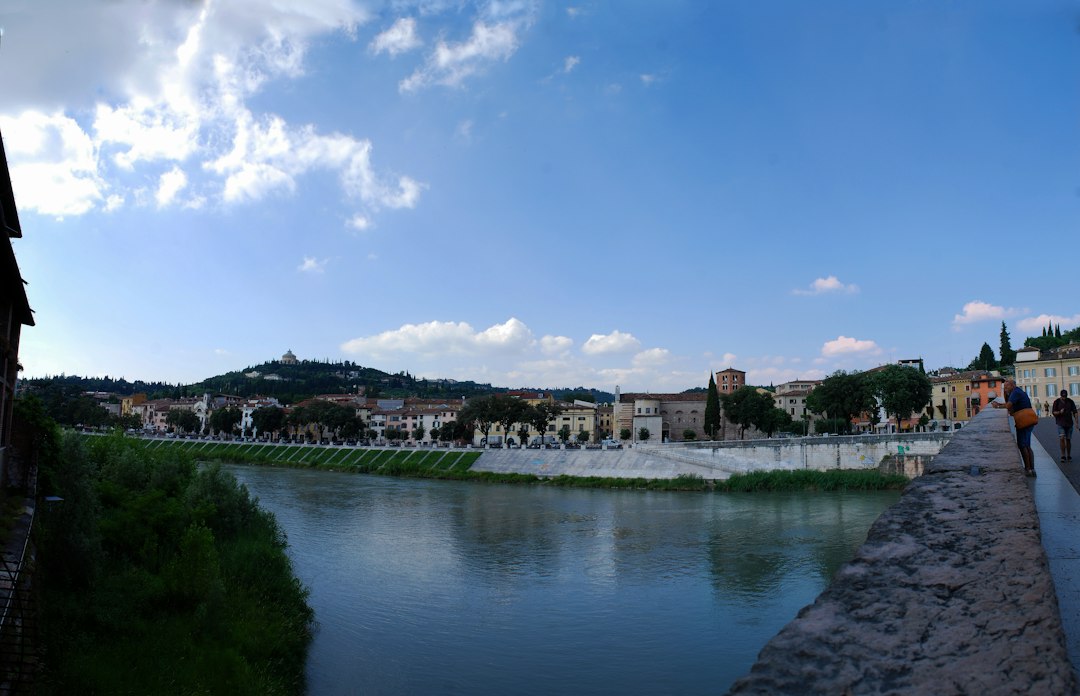
Last reviewed: September 2026 · key facts checked against Wikidata
Verona Travel Guide: Everything You Need to Know (2026)
Verona, Italy’s 8th-largest city with a population of 255,588, sits in the Veneto region at just 59 metres above sea level on the banks of the Adige River. Founded by the Romans around 89 BC, it reached architectural greatness under the Scaligeri dynasty in the 13th and 14th centuries, leaving behind one of Europe’s best-preserved Roman arenas. The city is a UNESCO World Heritage Site since 2000 and welcomes over 3.5 million visitors annually, yet still manages to feel lived-in and genuinely Italian.
Three Things Not to Miss in Verona
- Arena di Verona — A Roman amphitheatre built in 30 AD that still hosts opera performances for up to 15,000 people each summer.
- Piazza delle Erbe — Verona’s oldest square, built on the Roman forum, lined with frescoed medieval palaces and a daily market running for 2,000 years.
- Castel San Pietro viewpoint — A hilltop terrace reached by 200 steps offering the definitive panoramic view over Verona’s terracotta roofscape and the Adige bend.
Scroll down for our complete travel guide with tips on getting there, where to stay, costs and more.
How to Reach Verona
How do I get to Verona — by plane, train, or car?
Train is the best way to reach Verona for most travellers. Verona Porta Nuova station sits right in the city centre and receives high-speed Frecciarossa trains from Milan (70 minutes), Venice (75 minutes), and Rome (under 3 hours). I recommend the train over flying for anyone already in Italy — it drops you within walking distance of the historic core. The caveat most guides skip: if you are coming from a small northern European city, a flight might actually save you half a day. In my experience, combining Verona with Milan and Venice by rail is the most efficient circuit in northeast Italy.
Which airport is closest to Verona?
Verona Villafranca Airport (VRN), officially called Aeroporto Valerio Catullo, is your closest option — just 12 km southwest of the city centre. It handles flights from London, Amsterdam, Munich, and a growing list of European hubs. My tip: it is small enough that you clear baggage reclaim in under 20 minutes, which I genuinely appreciate after chaotic Marco Polo in Venice. The honest trade-off is that flight frequency is limited, so if your dates are rigid you may get better deals flying into Milan Bergamo (BGY) and taking a 90-minute FlixBus or regional train instead.
How long does the journey from Verona Airport to the city centre take?
Door to hotel in under 25 minutes is realistic from Verona Villafranca Airport (VRN). The Aerobus shuttle runs every 20 minutes and costs around €6 to Porta Nuova station — that is the value choice. A taxi costs roughly €25–30 and takes the same time in normal traffic. What surprised me: there is no direct rail link from the terminal, so if you land late at night, a taxi is your only real option since the Aerobus stops around 11 pm. I recommend the Aerobus for daytime arrivals and budgeting a taxi for anything after 10 pm.
Do I need a rental car to explore Verona?
No — a car is a liability inside Verona’s historic centre, not an asset. The entire UNESCO-protected old town is a ZTL zone (Limited Traffic Zone), and fines of €80–150 are automatically mailed home via rental company data sharing. In my experience, every sight worth seeing in the city is within a 20-minute walk of Piazza Bra. A car only makes sense if you plan day trips to Lake Garda (30 km west) or the Valpolicella wine region — for those, I recommend renting specifically for those days rather than keeping one for your full stay.
Verona Public Transport Explained
Which areas of Verona are best to stay in?
Stay within the old town loop formed by the Adige River — specifically around Piazza Bra or Piazza delle Erbe — and you will wake up already inside the action. The Veronetta neighbourhood across the river is my personal favourite: fewer tourists, excellent aperitivo bars, and accommodation running 20–30% cheaper than the centro storico. Avoid booking anything near the train station on Via Mazzini unless you are on a tight budget — it is perfectly safe but a characterless 15-minute walk from the highlights. What most guides omit: rooms directly on Piazza Bra get serious noise from the Arena concert season in July and August.
What does accommodation cost per night in Verona?
Budget on €80–120 per night for a clean, well-located 3-star hotel in the centro storico. Design boutique hotels like Hotel Gabbia d’Oro near Piazza delle Erbe push €220–350. Apartment rentals in Veronetta run €60–90 and are my recommendation for stays longer than 3 nights because of kitchen access. The honest caveat: during the Arena Opera Festival (July–August) and Vinitaly wine fair (April), prices spike by 40–60% and availability collapses. A cheap meal costs around €19 and a mid-range dinner for two around €34, so total daily spend climbs fast during peak periods.
How far in advance should I book accommodation in Verona during high season?
For July and August, book at least 4–5 months ahead — non-negotiable if you want anything near the Arena or Piazza Bra. The Arena Opera Festival runs from late June through early September and draws opera lovers from across Europe who book the moment programmes are announced in January. In my experience, waiting until 6 weeks out in peak season means choosing between overpriced rooms and inconvenient locations. For shoulder months like April, May, or October, 3–4 weeks is usually enough. The one exception nobody mentions: Vinitaly in April fills the entire city — book 3 months ahead for that week specifically.
Are there special or unique accommodation types in Verona worth considering?
Yes — Verona has a handful of accommodation experiences that go well beyond standard hotels. Agriturismo stays in Valpolicella, just 15 km northwest, let you sleep among Amarone vineyards for €70–100 per night including breakfast with estate wine. Several converted medieval palazzi in the city centre rent as apartments, complete with original frescoed ceilings — check platforms like Airbnb filtering for historic buildings. My tip: the Gardaland Resort hotels are targeted at families visiting Lake Garda and are surprisingly affordable at €90–130, though the drive into Verona itself takes 35 minutes. The trade-off with agriturismo is that a car becomes essential.
Neighbourhoods of Verona
What are the absolute must-sees in Verona?
The Arena di Verona (entry €10 standard, opera tickets from €30) is the undeniable anchor — a Roman amphitheatre from 30 AD in near-perfect condition. Piazza delle Erbe with its medieval towers and frescoed facades is Verona’s living room and costs nothing to enjoy. The Scaligeri tombs (Arche Scaligere) are among Italy’s finest Gothic funerary monuments and are almost always crowd-free. I also strongly recommend Castelvecchio museum (€6 entry) — Carlo Scarpa’s 1960s renovation of a 14th-century fortress is an architecture lesson in itself. What surprised me: most visitors skip Castel San Pietro entirely, which has the best panoramic view in the city.
What can I experience for free in Verona?
Verona rewards walkers with genuinely free beauty at every turn. Piazza delle Erbe, Piazza dei Signori, and the Scaligeri tombs (viewable through the gate at no cost) are all free. The climb to Castel San Pietro via the Roman-era steps costs nothing and delivers the city’s best panorama. Juliet’s House courtyard on Via Cappello is free to enter — the balcony costs €6, which I consider skippable. In my experience, the city’s greatest pleasure is simply walking across the Ponte Pietra Roman bridge at sunset, a ritual that costs exactly €0 and beats any paid attraction for atmosphere.
Which day trips from Verona are worth doing?
Lake Garda is the obvious choice — Sirmione with its Roman Grotte di Catullo sits just 35 km west and is reachable by bus from Verona’s bus station in 50 minutes. The Valpolicella wine route (15 km northwest) is my personal favourite day trip — wineries like Bertani and Allegrini offer tastings from €15. Mantua (Mantova) is a UNESCO city just 40 minutes by regional train, chronically undervisited and genuinely beautiful. The caveat most guides omit: trying to do Lake Garda by public transport in summer means crowded buses and long waits — rent a car for that specific day to keep your sanity.
What local specialities should I eat and drink in Verona?
Start with Risotto all’Amarone — risotto cooked in Amarone della Valpolicella, a wine produced on Verona’s doorstep. Pastissada de Caval (horse meat stewed in wine) is the city’s oldest dish and still served at traditional osterie like Osteria al Duca near Piazza dei Signori. For antipasto, Soppressa Veronese salami and Monte Veronese DOP cheese are non-negotiable. Drink Valpolicella, Amarone, or the lighter Bardolino — all grown within 30 km of the city. My tip: a glass of Amarone at a bar near Piazza delle Erbe costs €6–9; the same wine in a tourist trap on Piazza Bra costs €14.
What to See in Verona
What makes Verona unique compared to other Italian cities?
Verona is the only city in the world that hosts large-scale opera inside a functioning Roman amphitheatre built in 30 AD. That alone separates it from every other destination in Italy. Unlike Florence or Venice, it has a real local population of 255,588 people going about daily life — the daily market on Piazza delle Erbe is genuinely for Veronesi, not performers. The Valpolicella and Soave wine zones literally begin at the city limits, making it Italy’s most accessible wine-touring base. What surprised me: Verona has more intact Roman monuments per square kilometre than anywhere in Italy outside Rome itself — including two Roman theatres, a triumphal arch, and a complete city gate.
How many days do I need to see Verona properly?
2 full days covers the essential city highlights without rushing. Day 1: Arena, Piazza delle Erbe, Castelvecchio, Ponte Pietra, Castel San Pietro. Day 2: Scaligeri tombs, Duomo, Veronetta neighbourhood, and a half-day winery visit in Valpolicella. Add a 3rd day if you want Lake Garda. I have visited Verona 4 times and still find new corners, but honest advice for a first visit is that 2 days is the sweet spot — long enough to feel the city’s rhythm, short enough that you leave wanting to return. The trade-off of staying longer is diminishing returns unless you specifically love wine, opera, or cycling the Adige river path.
When is the best time to visit Verona?
September is the optimal month based on climate analysis — temperatures around 22–24°C, post-August crowds already thinning, and the tail end of the opera season still running. May and early June are my second choice: warm days, green Valpolicella hillsides, and hotels at pre-summer prices. I personally love Verona in October during the wine harvest — the city smells of fermenting grapes and the light on the Arena’s pink limestone is extraordinary. The honest caveat: July and August bring oppressive heat above 35°C and the largest crowds of the year, though the opera season is undeniably spectacular if that is your priority.
Are there local festivals in Verona worth planning around?
Absolutely. The Arena Opera Festival (late June to early September) is the city’s defining event — tickets from €30 for unreserved stone seats up to €250 for prime stalls, and the experience of watching Aida under the stars is genuinely transformative. Vinitaly in April is one of the world’s largest wine trade fairs, held at the Veronafiere exhibition centre — public access days allow visitors in for €25. Tocatì in September is a free street festival of traditional games from across Europe, completely authentic and not at all touristy. My tip: book opera tickets 3–4 months ahead — the best performances sell out by March.
Verona Food Scene
How does Verona’s weather affect what I can do there?
Summer heat above 35°C in July and August means outdoor sightseeing becomes uncomfortable between noon and 4 pm — I structure those days with museums and churches in the afternoon and outdoor exploration in the morning and evening. The Arena opera performances start at 9 pm precisely to avoid the worst heat. Winter (December–February) is cold and occasionally foggy, but Verona’s Christmas market on Piazza Bra is genuinely atmospheric and hotels drop to €60–80. Rain is heaviest in November and March, which can make the open Roman theatre (Teatro Romano) feel bleak. Spring and autumn give you the best combination of walkable temperatures and manageable visitor numbers.
How crowded does Verona get in peak season?
Very crowded — but manageable compared to Venice. July and August bring the largest visitor volumes, with Juliet’s House on Via Cappello seeing queues of 45–60 minutes on weekday mornings. The Arena amphitheatre gets similarly congested between 10 am and 1 pm. My strategy: arrive at the Arena when it opens at 9 am and you will have it nearly to yourself for the first hour. Piazza delle Erbe is packed all summer but never feels as claustrophobic as Venice’s Rialto. What most guides omit: Verona actually empties noticeably on weekdays in late August as Italian domestic tourists return to work, making the last 10 days of August surprisingly pleasant.
How safe is Verona for tourists?
Verona is one of Italy’s safer cities — petty crime exists but is not a defining feature. Pickpocketing is the primary risk, concentrated around the Arena perimeter during opera evenings and on Piazza delle Erbe at the height of summer. The train station area around Via Mazzini at night is worth moderate awareness but not avoidance. In my experience walking Verona late at night — including through Veronetta — I have always felt comfortable. The honest caveat: opera nights create large, distracted crowds at 11 pm as thousands exit the Arena simultaneously, which is prime pickpocket territory — keep bags in front and phones in inner pockets for those specific 20 minutes.
Is English widely spoken in Verona?
Better than you might expect for a mid-sized Italian city. English is reliably spoken in hotels, restaurants near the Arena, tour agencies, and the main museums. What surprised me: Veronetta neighbourhood bars and local osterie often have staff with limited English — I recommend learning 5 phrases in Italian (ordering, asking for the bill, saying thank you) which generates enormous goodwill. The tourist information office at Piazza Bra has English-speaking staff and excellent free city maps. Young locals under 35 almost universally speak functional English. The honest trade-off: venturing into the Valpolicella wine region to smaller family wineries, you will encounter Italian-only staff — bring a translation app.
Local Know-How for Verona
What is a realistic daily budget for visiting Verona?
Budget traveller: €70–90 per day (hostel dorm at €30, cheap meals around €19, Arena entry, and local transport at €1.85 per ride). Mid-range traveller: €150–200 per day covering a 3-star hotel, sit-down lunches and dinners, and 1–2 paid attractions. The verified local transport ticket costs €1.85 per journey, making buses cheap for reaching outlying spots. My tip: the biggest budget variable is wine — a bottle of Amarone at a restaurant adds €35–60 instantly. The hidden cost most guides omit: luggage storage at Porta Nuova station costs €6 per bag for 5 hours, and there is no left-luggage facility at Villafranca Airport, which catches many travellers off guard on departure day.
How does public transport work within Verona?
ATV buses run the city network, with a single ticket costing €1.85 valid for 90 minutes. The historic centre is compact enough that buses are only necessary for reaching the train station from outlying accommodation or for trips to the Veronafiere exhibition centre. Day passes cost €4.50 and are worth it if you plan more than 3 journeys. My honest assessment: within the old town you will walk everywhere — the distance from the Arena to Ponte Pietra is only 800 metres. The Aerobus to Villafranca Airport runs from Porta Nuova station for €6 every 20 minutes during daytime hours. No metro exists, but the city’s compact scale makes this irrelevant.
Which apps do you recommend for visiting Verona?
Trenitalia or Italo apps are essential for booking trains to Venice, Milan, or Bologna — book at least 3 days ahead for the best fares. Google Maps works reliably for walking navigation in the centro storico. ArenaOpera.it (official site rather than an app) is where I book Arena tickets directly — third-party resellers add 15–25% markup. Moovit handles ATV bus timetables accurately. Vivino is useful in Valpolicella wine country for scanning labels when winery staff have limited English. My single most practical tip: download an offline map of Verona on Maps.me before arrival — the old town’s winding medieval streets confuse GPS signals in narrow lanes near Via Mazzini.
What are common tourist mistakes when visiting Verona?
The most costly mistake: driving into the historic centre without checking ZTL restrictions and receiving a €80–150 fine weeks later via your rental company. The most common disappointment: paying €6 to go up to Juliet’s balcony expecting romance and finding a selfie queue of 40 people in a small courtyard. I recommend skipping it entirely and spending that time at the free Scaligeri tombs instead. What most guides omit: buying Arena opera tickets from touts or secondary sites at inflated prices when official tickets are still available on the Arena website. Finally, underestimating how good the Valpolicella region is — most visitors do zero wine tourism and leave Verona without tasting the city’s greatest cultural product.
Verona at a Glance
| Population | 255,588 |
|---|---|
| Currency | EUR (€) |
| Official language | Italian |
| Time zone | Europe/Rome |
Source: Wikidata, retrieved September 2026.
Italy › Verona
More Destinations in Veneto
More Destinations in Italy
Essential Resources for Planning Your Trip to Verona
- Explore more and save with Verona Card — official visitor information
- Wikivoyage: Verona — community travel guide & practical tips
- Wikipedia: Verona — history, geography & background
- Verona Airports & Travel — how to get there and around
- Verona travel – Lonely Planet | The Veneto, Italy, Europe — itineraries & inspiration
Data Sources
Key facts on this page (population, currency, language, time zone) come from Wikidata, climate figures from Open-Meteo. The retrieval date is shown next to the facts table.