
Turin: The Complete Travel Guide (2026)
Last reviewed: September 2026 · key facts checked against Wikidata
Turin Travel Guide: Everything You Need to Know (2026)
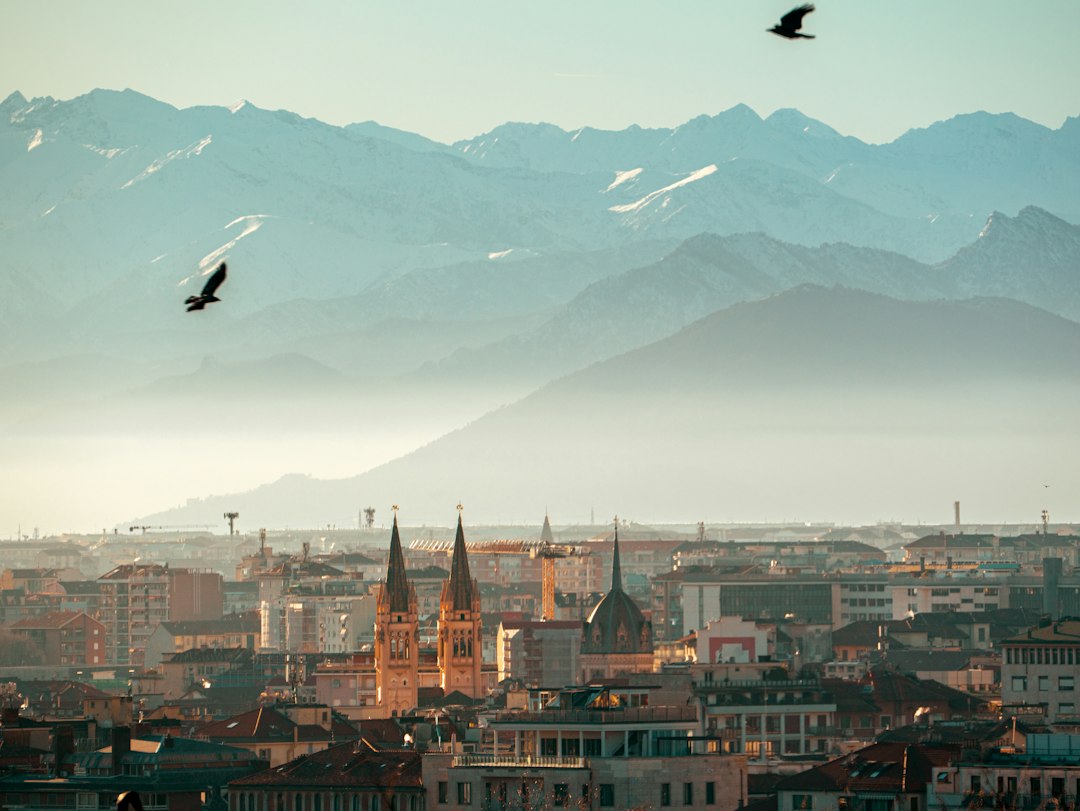
Turin sits at 239 metres above sea level in Piedmont, northwest Italy, with a population of 841,600 — making it Italy’s fourth-largest city. Founded as the Roman colony Augusta Taurinorum around 28 BC, it served as the first capital of unified Italy from 1861 to 1865. Framed by the Alps to the west and the Po river to the east, Turin rewards travellers who skip Rome and Milan with world-class baroque architecture, the finest chocolate culture in Europe, and a food scene that invented both the aperitivo and Slow Food.
Three Things Not to Miss in Turin
- Museo Egizio — The world’s second-largest Egyptian collection after Cairo, housing over 40,000 artefacts in a stunning 18th-century palazzo.
- Mole Antonelliana & Cinema Museum — Turin’s 167-metre iron spire contains the world’s only cinema museum inside a former synagogue — unmissable at dusk.
- Porta Palazzo Market — Europe’s largest open-air market sprawls across 50,000 square metres every single morning — a raw, edible portrait of the city.
Scroll down for our complete travel guide with tips on getting there, where to stay, costs and more.
How to Reach Turin
How do I get to Turin?
Fly into Turin Airport (TRN), located 16 km northwest of the city centre in Caselle. Direct connections run from London, Paris, Amsterdam, and major German hubs. My tip: Ryanair and easyJet dominate cheap routes, but flight frequency is lower than Milan’s airports. What surprised me is how many travellers actually find it cheaper and faster to fly into Milan Malpensa (MXP), then take the direct FlixBus or Itabus coach (roughly 1.5 hours, from €5–€12) to Turin’s Porta Nuova station. That workaround opens up far more flight options. Warning: Turin Airport handles far fewer routes than Milan, so check both cities before booking.
Which airport is closest to Turin?
Turin Airport (TRN), Caselle Torinese, is the closest — exactly 16 km north of the city centre. The Sadem express bus runs directly from TRN to Porta Nuova railway station every 30–45 minutes, costs €7.50 one-way, and takes around 45 minutes. In my experience, taxis cost a flat €35 to the city centre, which is only worth it if you have heavy luggage and are travelling in a group of three or more. The honest caveat most guides skip: TRN has a genuinely small terminal, and during summer delays, the lack of seating and restaurants becomes painful — pack snacks.
How long does the journey from the airport to central Turin take?
By Sadem express bus from TRN to Porta Nuova station, count on 40–50 minutes without traffic. By taxi, expect the same time or slightly less, for a flat €35. What most guides omit: morning rush hour between 7:30 and 9:00 can push the bus ride to 70 minutes — I recommend the 9:15 am bus if you land on an early flight and need a reliable connection onward. If you arrive at Milan Malpensa, the Itabus or FlixBus coach to Turin Porta Nuova takes 90–100 minutes and costs as little as €5 booked in advance.
Do I need a car in Turin?
No — Turin’s city centre is extremely walkable and well-served by trams and the Metro Line 1. A single public transport ticket costs €2.20 and covers 90 minutes of travel. I navigated the Quadrilatero Romano, Crocetta, and the entire historic core entirely on foot and by tram. The honest caveat: if you want to reach La Mandria Regional Park (24 km away) or the Langhe wine region (70 km south), a rental car becomes essential — public connections to those areas are infrequent and slow. For a pure city break of 3–4 days, skip the car entirely.
Turin Public Transport Explained
Which are the best areas to stay in Turin?
I recommend the Centro Storico (historic centre) around Piazza Castello for first-timers — everything is walkable and the baroque streetscape is stunning. For a more local vibe, San Salvario is Turin’s best neighbourhood: young, diverse, packed with aperitivo bars, and 10 minutes’ walk from Porta Nuova station. Crocetta suits those wanting quieter, residential elegance near the Egyptian Museum. Avoid booking in Barriera di Milano unless you specifically know the area — it is far from sights and not recommended for tourists unfamiliar with the city. My tip: San Salvario offers the best value-to-atmosphere ratio in the entire city.
What does accommodation cost per night in Turin?
Budget travellers can find clean hostels and B&Bs in San Salvario from €45–€65 per night. A solid mid-range hotel near Piazza Vittorio Veneto runs €90–€140. Design hotels in the Quadrilatero Romano push €160–€220. What surprised me: Turin is significantly cheaper than Milan for equivalent quality — you often get a four-star property here for the price of a three-star in Milan. The caveat most guides skip: during Salone del Gusto (Slow Food festival in October) and Torino Film Festival (November), prices spike 30–50% and rooms sell out weeks ahead.
How far in advance should I book accommodation in Turin during high season?
For July and August, book at least 6–8 weeks ahead, especially in San Salvario and around Piazza Castello where mid-range inventory is thin. For event periods — Salone del Gusto (October), Torino Film Festival (November), and Artissima art fair (November) — I strongly recommend booking 3–4 months ahead. In my experience, last-minute availability exists in Turin more than in Florence or Rome, but you will be pushed to overpriced peripheral properties or cramped rooms. My tip: Booking.com has better Turin inventory than Expedia for independent hotels in the historic centre.
Are there special or unique accommodation types in Turin?
Yes — Turin has a strong tradition of residenze d’epoca, apartments inside historic noble palazzi, particularly around Via Po and Via Lagrange. Several 18th-century frescoed apartments rent on Airbnb for €80–€120 per night — a genuinely unique experience unavailable in most Italian cities at that price. I stayed in one near Piazza San Carlo and the coffered ceilings were extraordinary. The caveat: elevator access is rare in these buildings and staircases are steep — confirm accessibility before booking if mobility matters. Agriturismo options appear only once you leave the city toward the Langhe, 60–70 km south.
Neighbourhoods of Turin
What are the must-sees in Turin?
The Museo Egizio is non-negotiable — it holds 40,000 Egyptian artefacts and is genuinely the world’s second-finest Egyptian collection. The Mole Antonelliana (167 metres tall) houses the National Cinema Museum and offers a glass elevator to the top. Palazzo Reale and the connected Galleria Sabauda reveal the full Savoy royal history. Do not skip Porta Palazzo market — Europe’s largest open-air market, running every morning. My honest caveat: the Shroud of Turin is displayed only on rare occasions and is not reliably viewable — confirm before making it a trip centrepiece. Budget €15 per museum on average.
What can I experience for free in Turin?
Quite a lot. The Parco del Valentino along the Po riverbank is free and spectacular — 500,000 square metres of gardens with a fake medieval castle (Borgo Medievale, free entry). Walking the Portici di Torino — the world’s longest continuous arcade network at over 18 km — costs nothing. The GAM (Galleria d’Arte Moderna) offers free entry on the first Tuesday of every month. The panoramic view from the Superga Basilica hill (672 metres) is free once you reach the top. In my experience, the free morning wander through Porta Palazzo and a €1.20 espresso at a standing bar counter is the best introduction to real Turinese life.
Which day trips from Turin are worth taking?
The Langhe wine region (Barolo, La Morra — 70 km south) is the finest day trip, best done by rental car since trains to Alba take 90 minutes with a connection. Sacra di San Michele abbey, perched dramatically on a cliff 40 km west, is reachable by train to Sant’Ambrogio and a 45-minute uphill hike — stunning and underrated. Milan is 140 km east — a direct train from Porta Nuova takes 55 minutes for around €10–€25. The honest caveat: the Royal Residences circuit (Venaria Reale, Stupinigi) is best visited by car or taxi — public bus connections exist but are infrequent and slow.
What are Turin’s local food specialities?
Turin is arguably Italy’s most underrated food city. Start with bagna cauda — a hot anchovy-and-garlic dip eaten communally with raw vegetables. Vitello tonnato (cold veal with tuna sauce) was invented here. The bicerin — a layered drink of espresso, chocolate, and cream — is served only in Turin and originated at Caffè Al Bicerin in Piazza della Consolata, open since 1763. Gianduja chocolate (hazelnut-chocolate blend) was created in Turin in 1865 and is still made by Caffè Baratti & Milano on Piazza Castello. Budget €18–€25 for a proper lunch of local food at a neighbourhood trattoria in San Salvario.
What to See in Turin
What makes Turin unique compared to other Italian cities?
Turin is the only major Italian city where industrial heritage, royal baroque grandeur, and a world-class food culture coexist without mass tourism distorting them. It was the headquarters of Fiat and still houses the Museo Nazionale dell’Automobile — one of the world’s great car museums. The aperitivo culture started here: from 5 pm to 9 pm, paying €8–€12 for a drink gets you unlimited access to a full buffet of hot food — a tradition that does not exist in this form anywhere else in Italy. In my experience, the city feels authentically Italian in a way Florence and Rome no longer do — locals outnumber tourists in every restaurant.
How many days should I spend in Turin?
3 full days is the minimum to cover the Museo Egizio, Mole Antonelliana, Porta Palazzo, Parco del Valentino, and the royal palaces without feeling rushed. 4–5 days lets you add a day trip to the Langhe wine country or Sacra di San Michele. In my experience, Turin is consistently under-visited relative to what it offers, so 4 days is the sweet spot — you leave feeling satisfied rather than overwhelmed. The caveat most guides skip: Turin’s sights are genuinely spread across the city, and even with good transport, trying to cram everything into 2 days means exhaustion rather than enjoyment.
When is the best time to visit Turin?
July is the best single month based on climate data — warm, reliably sunny, and the city empties of locals (who flee to the coast), meaning shorter queues at the Museo Egizio. May and June are my personal preference: temperatures sit at a comfortable 22–26°C, the Alps still have snow for dramatic backdrops, and prices are lower than July. October is excellent for the Salone del Gusto food festival but hotels fill fast. Avoid August if you dislike closed restaurants — many family-run trattorias in San Salvario shut for 2–3 weeks. Winter is cold (sub-5°C in January) but Turin’s Christmas market on Piazza Vittorio is genuinely lovely.
Are there local festivals in Turin worth attending?
Yes — Salone del Gusto / Terra Madre (October, biennial), Slow Food’s flagship event, transforms Turin into a global food pilgrimage drawing 250,000 visitors over 5 days. Torino Film Festival (November) is Italy’s second-most-important film festival after Venice. Luci d’Artista, Turin’s winter light art installation across the city centre, runs from November to January and is completely free. In summer, Traffic Free Festival (June/July) brings international acts to the Po riverbanks. My honest caveat: during Salone del Gusto, hotel prices increase 40–60% and the central tram routes get genuinely crowded — book everything at least 3 months ahead.
Turin Food Scene
How does Turin’s weather affect activities throughout the year?
Turin sits at 239 metres in an Alpine basin, which means weather is more extreme than Rome or Naples. Summer days in July hit 30–34°C with occasional thunderstorms in the late afternoon — plan outdoor sightseeing before 3 pm. Winter (December–February) averages 2–6°C and fog is frequent in the Po valley, which creates an atmospheric but sometimes grey city. Spring (April–May) is excellent for cycling in Parco del Valentino and along the Po. The honest caveat: Turin’s fohn wind from the Alps can bring rapid temperature swings of 10°C in a single afternoon — always pack a layer even in July.
How crowded does Turin get in peak season?
Compared to Florence or Venice, Turin never feels truly overwhelmed — even in July. The Museo Egizio is the one exception: weekend queues without pre-booking can reach 45–60 minutes. I recommend booking museum tickets online at least 48 hours ahead for €15 per adult. Porta Nuova station gets congested on Friday evenings when day-trippers return from Milan. The honest truth most guides avoid: Turin receives a fraction of the tourism of comparable Italian cities — in my experience, you can walk into most restaurants without a reservation even in July, which is virtually impossible in Rome. This is precisely why it should be on every serious Italy itinerary.
How safe is Turin for travellers?
Turin is safe for the vast majority of travellers. The historic centre, San Salvario, and Crocetta are all comfortable to walk at night. The honest caveat most guides omit: Barriera di Milano (far north) and parts of Aurora neighbourhood near Porta Palazzo after dark have higher petty crime rates and are not recommended for solo tourists unfamiliar with the city. Porta Nuova station has the typical pickpocket risk of any major Italian train hub — keep bags in front and avoid phone distraction. In my experience walking Turin at 11 pm in San Salvario, the atmosphere felt more like a lively local neighbourhood than anywhere threatening.
Is English widely spoken in Turin?
Less so than in Milan or Rome — Turin is a working Italian city and proud of it. In hotels, museums, and tourist-facing businesses in the Centro Storico, English is reliable. In neighbourhood bars, markets like Porta Palazzo, and trattorias in San Salvario, Italian is the working language. My tip: learning 5 basic Italian phrases (ordering coffee, asking for the bill, basic numbers) earns genuine warmth from locals here in a way that does not happen in over-touristed cities. What surprised me: younger Turinese under 35 speak solid English, but older generations rarely do — the Google Translate camera function is genuinely useful at menus.
Local Know-How for Turin
What is the daily budget for travelling in Turin?
A realistic budget breakdown: a cheap meal costs around €19–21 (Numbeo verified), a mid-range dinner for two runs roughly €37–40, and a single public transport ticket is €2.20. On a tight budget — hostel, self-catering breakfast, one museum, aperitivo buffet dinner — expect €65–€80 per day. A comfortable mid-range day (B&B, two sit-down meals, one museum, afternoon gelato) runs €130–€170 per person. My honest assessment: Turin is the best-value major city in northern Italy — equivalent experiences in Milan cost 25–35% more. Splurge on the Museo Egizio (€15) and a proper bicerin at Caffè Al Bicerin (€4.50) — both are worth every cent.
How does public transport work in Turin?
Turin’s public transport is run by GTT and includes Metro Line 1 (running east–west through the centre), an extensive tram network, and buses. A single ticket costs €2.20 and is valid for 90 minutes across all modes. A 24-hour pass costs €5, and a 48-hour pass is €8 — good value if you plan more than three journeys per day. In my experience, the tram network is the most useful for tourists, especially lines 4, 15, and 16 which connect Porta Nuova to the centre and riverfront. The caveat: Metro Line 1 covers only one corridor — it will not take you everywhere. Always have the GTT app downloaded for real-time departures.
Which apps do you recommend for visiting Turin?
Download GTT Torino for real-time tram, bus, and metro departures — essential and free. Trenitalia or Italo for booking day trips to Milan (€10–€25) or connections onward. TheFork (ElTenedor) gets you 20–30% discounts at participating Turin restaurants — I used it to book a trattoria in San Salvario and saved €14 on a two-person dinner. Google Maps works reliably for Turin navigation. Musei Reali Torino has its own booking app for the Royal Museums complex. The honest caveat: Turin is not as digitally streamlined as London or Amsterdam — some smaller museums still require in-person cash payment, so carry €30–€50 in cash at all times.
Turin at a Glance
| Population | 841,600 |
|---|---|
| Currency | EUR (€) |
| Official language | Italian |
| Time zone | Europe/Rome |
Source: Wikidata, retrieved September 2026.
Italy › Turin
More Destinations in Italy
Essential Resources for Planning Your Trip to Turin
- Wikivoyage: Turin — community travel guide & practical tips
- Wikipedia: Turin — history, geography & background
- Private Airport Transfers in Turin — how to get there and around
- Turin travel – Lonely Planet | Italy, Europe — itineraries & inspiration
Data Sources
Key facts on this page (population, currency, language, time zone) come from Wikidata, climate figures from Open-Meteo. The retrieval date is shown next to the facts table.