
Kalymnos: The Complete Travel Guide (2026)
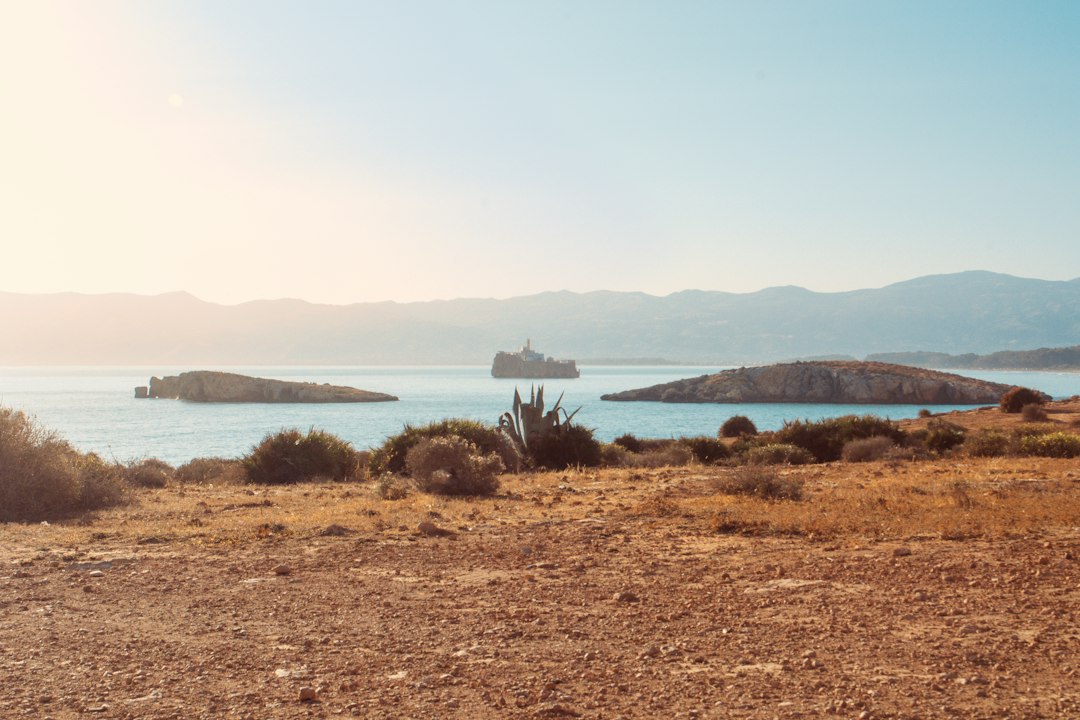
Last reviewed: October 2026 · key facts checked against Wikidata
Kalymnos Weather by Month: When to Go
| Month | Day | Night | Sea | Rain days | Rain mm | Wind km/h | Good for |
|---|---|---|---|---|---|---|---|
| Jan | 12° | 9° | 19° | 14 | 122 | 34 | – |
| Feb | 13° | 9° | 18° | 9 | 63 | 33 | – |
| Mar | 14° | 10° | 17° | 8 | 51 | 32 | – |
| Apr | 18° | 13° | 18° | 5 | 24 | 28 | Hike |
| May | 21° | 16° | 19° | 4 | 17 | 26 | Hike |
| Jun | 26° | 20° | 23° | 1 | 9 | 27 | Swim |
| Jul | 28° | 22° | 24° | 0 | 0 | 31 | Swim |
| Aug | 28° | 23° | 26° | 0 | 0 | 28 | Swim |
| Sep | 25° | 21° | 24° | 1 | 6 | 28 | Swim |
| Oct | 21° | 17° | 23° | 3 | 28 | 26 | Hike |
| Nov | 18° | 14° | 22° | 9 | 79 | 28 | – |
| Dec | 14° | 11° | 20° | 12 | 104 | 32 | – |
Sources: ERA5 reanalysis via Open-Meteo, 2016–2025 (10-year average) for air temperature, rain and wind (average daily maximum); Open-Meteo Marine API, 2023–2025 for sea surface temperature. A rain day has at least 1 mm. Area averages; individual years vary.
Kalymnos Travel Guide: Everything You Need to Know (2026)
Kalymnos is a Greek island in the Dodecanese chain, situated at roughly 760 m elevation at its highest peaks in the southeastern Aegean Sea between Kos and Leros. Known internationally as one of Europe’s premier rock-climbing destinations, the island has drawn climbers since the sport took hold there in the 1990s. The nearest major hub is Kos, from which ferries reach Kalymnos in under an hour, making it an accessible yet genuinely off-the-beaten-track alternative to its more crowded neighbour.
Three Things Not to Miss in Kalymnos
- Grande Grotta & Spartacus climbing sectors — World-class limestone sport climbing on overhanging caves with routes graded up to 9b, drawing elite climbers every October for the Kalymnos Climbing Festival.
- Telendos Islet — A car-free islet a 10-minute boat ride from Myrties with a ruined medieval castle and crystal-clear swimming coves.
- Pothia Sponge Market — The island’s historic capital has sold natural sponges for centuries; divers still harvest them from the seabed around Kalymnos.
Scroll down for our complete travel guide with tips on getting there, where to stay, costs and more.
Reaching Kalymnos
How do I reach Kalymnos — by flight or ferry?
Ferry is the most common route; flights are limited but exist. Kalymnos has a small airport (JKL) that receives seasonal flights, primarily from Athens (about 50 minutes) operated by Sky Express — check their timetable directly as schedules change each season. Alternatively, fly into Kos Island International Airport (KGS), then take a ferry from Kos Town or Mastichari to Pothia or Myrties on Kalymnos. The Kos–Kalymnos crossing takes roughly 45–60 minutes by fast catamaran. Worth knowing: the ferry option adds flexibility but requires coordinating two legs of travel.
Which airport or port is the best starting point for Kalymnos?
Kos Airport (KGS) is the most practical gateway. It receives far more international charter and scheduled flights than Kalymnos’s own airport (JKL), including direct connections from northern Europe during summer. From KGS, shared taxis or local buses reach Mastichari port in about 30 minutes, where Dodekanisos Seaways and Blue Star Ferries run regular crossings to Pothia, Kalymnos’s capital. Worth knowing: if you arrive late at Kos, the last ferry may have departed — book an overnight in Kos Town or check the Dodekanisos Seaways evening schedule in advance.
How long does the ferry crossing to Kalymnos take?
The Kos–Kalymnos crossing takes approximately 45–75 minutes depending on the route and vessel. Fast catamarans from Mastichari reach Pothia in about 45 minutes, while conventional ferries from Kos Town can take up to 75 minutes. From Rhodes, the journey is considerably longer — between 2 and 5 hours depending on how many intermediate islands the ferry calls at. Dodekanisos Seaways and Blue Star Ferries serve the route; check their official websites for the 2026 timetable. Tip: the Mastichari crossing is the shortest and most frequent in summer.
What does a flight or ferry to Kalymnos cost?
Ferry fares from Kos to Kalymnos start at roughly €10–€18 for a deck-class ticket; flights vary more widely. Fast catamaran tickets on Dodekanisos Seaways typically cost about €12–€18 per person one way; conventional Blue Star Ferries are at the lower end. Sky Express flights from Athens (ATH) to Kalymnos (JKL) can range from about €40–€120 depending on booking lead time — check directly on sky-express.gr. Worth knowing: charter flights to Kos from northern Europe can be cheaper than routing through Athens, making the Kos + ferry combination often the most economical international option.
Are overnight ferries to Kalymnos worth considering?
Overnight ferries from Piraeus (Athens) are worth it if you want to save a night’s accommodation. Blue Star Ferries operate the Piraeus–Dodecanese route, calling at Kalymnos with a sailing time of approximately 10–12 hours from Piraeus. Cabin berths cost roughly €40–€80 above the base deck fare; book through bluestarferries.com. Worth knowing: the ferry also calls at Leros before Kalymnos, so arrival times shift depending on season and schedule. This option suits travellers combining Kalymnos with Leros or Kos into a multi-island itinerary rather than those on a tight schedule.
Transport on Kalymnos
Do I need a rental car or scooter on Kalymnos?
A scooter or small car is strongly recommended for exploring beyond Pothia and the main west-coast villages. The island is about 23 km long, and climbing crags, beaches like Emporios in the north, and the interior village of Chorio are poorly served by bus outside peak hours. Rental scooters start at roughly €15–€25 per day; small cars at about €35–€55. Tip: most climbing sectors are accessible by scooter on paved roads. Worth knowing: roads to the northern end of the island (past Arginonta) become narrow and steep — ask your rental agency about road conditions before heading there.
Are there buses between towns on Kalymnos?
Yes, a local bus network connects Pothia to the main west-coast villages, but service is infrequent. The primary route links Pothia to Massouri via Myrties, roughly a 20-minute ride, with buses running several times daily in summer and far less in winter. Fares are a few euros. The east coast and northern villages like Emporios have minimal or no scheduled service. Worth knowing: if you plan to visit climbing sectors or remote beaches daily, relying solely on buses will be restrictive — combine buses for the Pothia–Myrties corridor with a rented scooter for other excursions.
What does a rental car cost on Kalymnos, and where should I hire one?
Small car rentals on Kalymnos cost approximately €35–€55 per day in high season. Local agencies clustered around Pothia port and in Massouri offer the widest choice; well-known names such as Avis or Europcar may operate through local partners — confirm on their websites for 2026. Booking at least 2–3 weeks ahead in July and August is advisable, as supply is limited on a small island. Worth knowing: international booking platforms sometimes quote lower rates than walk-in prices, but also verify fuel policy and insurance excess before signing. A scooter at €15–€25 per day covers most touring needs at lower cost.
Which parts of Kalymnos are accessible by public transport?
The Pothia–Myrties–Massouri corridor on the west coast is the only reliably bus-served stretch. This 8 km strip covers the main accommodation zone for climbers and beach visitors. The capital Pothia has taxi services and is the ferry hub, making it easy to reach without a vehicle. However, the inland monastery of Agios Savvas, the northern coast around Emporios, and most climbing crags outside the Massouri area require private transport. Tip: water taxis from Myrties to Telendos islet run frequently in summer and cost about €2–€3 return — no rental needed for that excursion.
Can I cycle around Kalymnos?
Cycling on Kalymnos is feasible on the west-coast flat sections but challenging island-wide due to steep terrain. The road from Pothia to Massouri along the coast is manageable on a hybrid bike, but the interior and northern roads climb sharply — the island peaks at 760 m — making them strenuous without an e-bike. E-bike rentals are available from a handful of shops in Massouri; confirm availability and pricing for 2026 locally. Worth knowing: roads are narrow and shared with fast scooters and cars in summer — cyclists should ride with caution, especially on bends. Kalymnos is far better suited to climbing and hiking than cycling as a primary activity.
Accommodation on Kalymnos
Which town on Kalymnos should I base myself in?
Massouri or Myrties is the best base for most visitors, especially climbers. The twin villages on the west coast sit directly below the main limestone crags and face the striking silhouette of Telendos islet. Restaurants, gear shops, and accommodation are concentrated here within walking distance. Pothia, the capital in the south, suits travellers prioritising ferry connections, the sponge market, and urban services; it has a wider range of shops but less beach access. Compared to the bustling port of Kos Town — about 45 minutes away by ferry — both Massouri and Pothia feel noticeably quieter and more authentically Greek.
What does accommodation on Kalymnos cost per night?
Budget studios in Massouri start at roughly €35–€55 per night; mid-range guesthouses run €60–€100. The climbing community is well-served by basic studios and small apartments rented by the week, which reduce the nightly rate significantly — expect around €250–€400 per week for a two-person studio during October’s climbing festival. Boutique hotels with sea views towards Telendos command €90–€150 per night in peak July–August. Worth knowing: Kalymnos is generally 10–20% cheaper than comparable accommodation on Kos, making it better value for longer stays. Always confirm whether breakfast is included, as many guesthouses offer room-only pricing.
Which area of Kalymnos suits which travel style?
**Massouri–Myrties suits climbers, hikers, and couples; Pothia suits culture-focused travellers; Emporios suits those seeking isolation. The Massouri strip offers the most dining, nightlife, and beach access alongside the crags. Pothia has the historic waterfront, the Archaeological Museum, and the sponge trade heritage. Emporios** in the far north is a tiny village with a pebble beach and almost no commercial infrastructure — ideal for those wanting genuine quiet but requiring a rental vehicle. Families with children may prefer the calmer, shallower waters near Kantouni beach on the west coast, which is accessible by road.
How far in advance should I book accommodation on Kalymnos?
Book at least 2–3 months ahead for the October Kalymnos Climbing Festival; 4–6 weeks for July–August. The climbing festival, held each October (exact dates vary — check kalymnos-climbing.com for 2026), fills nearly every studio and guesthouse in Massouri weeks before the event. Outside that peak, shoulder months like May, June, and September allow booking 2–4 weeks in advance without difficulty. Worth knowing: many small studios around Myrties are not listed on major booking platforms — local Facebook groups and direct contact with owners often uncover better rates and availability.
Are there good apartments or villas with sea views on Kalymnos?
Yes — the hillside above Myrties offers studios and apartments with direct views of Telendos islet. Properties on this slope often have terraces facing west, giving sunset views across the 300 m channel separating Kalymnos from Telendos. Weekly rentals typically range from about €300–€600 for a two-bedroom apartment in summer, though prices vary by amenity. Platforms like Airbnb and Booking.com list options, but also check local agencies in Massouri for unlisted properties. Worth knowing: the hillside location means a 5–10 minute uphill walk to the beach — factor this in if mobility is a concern.
Kalymnos Season by Season
When is the best time to visit Kalymnos?
May, June, September, and October are the optimal months for most visitors. Climate data points to a favourable travel window from May through October. May and June offer warm temperatures, uncrowded crags, and open tavernas without the intensity of peak summer. September brings sea temperatures at their warmest after months of summer sun — ideal for swimming. October is the island’s most famous month due to the Kalymnos Climbing Festival, attracting elite athletes worldwide. Worth knowing: July and August are hot and busy, with the west-coast villages noticeably more crowded than quieter months — and temperatures regularly above 30°C.
What is the weather on Kalymnos like throughout the year?
Kalymnos has a classic Aegean Mediterranean climate — hot dry summers and mild winters. Summers (June–August) are reliably sunny with temperatures regularly reaching 30–35°C at sea level; the interior hills are cooler given the island’s elevation reaching 760 m. Spring (April–May) and autumn (September–October) are warm (around 20–26°C) with occasional brief showers. Winter months (December–February) see temperatures dropping to 10–15°C with more rainfall, but the island does not experience snow at lower elevations. Worth knowing: strong meltemi winds blow across the Aegean in July and August, which cool temperatures pleasantly but can disrupt ferry schedules.
When does Kalymnos get overcrowded?
July and August bring the highest visitor numbers; the October climbing festival creates a secondary surge. In peak summer, the strip from Myrties to Massouri fills with visitors, and popular beaches like Linaria and Kantouni become noticeably busy. The Kalymnos Climbing Festival in October concentrates hundreds of international climbers into a small area of Massouri for roughly 10 days. Compared to Kos — which receives mass package tourism — Kalymnos remains relatively calm, but accommodation is still tight in these windows. Tip: arriving mid-week rather than on weekends during peak season improves both accommodation availability and ferry comfort.
Is there a worthwhile shoulder season on Kalymnos?
May and September are the best shoulder-season months on Kalymnos. In May, nearly all businesses have reopened after winter, climbing sectors are uncrowded, and temperatures hover around 22–25°C — ideal for outdoor activity. September maintains warm sea temperatures for swimming while the August crowds have thinned. Accommodation prices in May and September are typically 15–25% lower than August peaks. Worth knowing: some smaller tavernas in villages like Emporios may still be closed in early May — the main Massouri–Myrties strip has fuller service. For climbers specifically, May is arguably the prime month: good rock temperatures and long daylight hours.
When does the beach and watersports season on Kalymnos begin?
The practical swimming season runs from late May through October. Sea temperatures in the southern Aegean around Kalymnos reach comfortable swimming levels of about 22°C by late May, peaking at around 27–28°C in August–September. Watersports operators — offering kayaking, snorkelling, and boat trips — typically open in June and operate through September; confirm with operators in Myrties and Masouri for 2026 start dates. Worth knowing: pebble beaches like Plati Yialos and Emporios are less crowded than sandy ones and remain enjoyable into October. Strong meltemi winds in July–August can limit open-water swimming days on exposed northern beaches.
Budgeting for Kalymnos
What does a daily budget cost on Kalymnos?
A realistic daily budget is €60–€90 per person for mid-range travel. This breaks down as roughly €35–€55 for a studio split between two people, €15–€25 for meals (two sit-down meals at local tavernas), and €5–€10 for transport or boat trips. A backpacker staying in the cheapest studios and cooking occasionally can manage around €40–€50 per day. A comfort traveller at a sea-view guesthouse with restaurant dining and excursions should budget €100–€140 per day. Worth knowing: climbing gear shops and guided tours are an additional expense — a single-day guided climbing introduction costs roughly €50–€80 per person.
Is Kalymnos more expensive than the Greek mainland?
**Kalymnos is broadly comparable to mid-range Greek mainland destinations but cheaper than popular islands like Mykonos or Santorini. A sit-down taverna meal with wine costs about €15–€22 per person — similar to an Athenian neighbourhood restaurant. Accommodation is generally 20–30% cheaper than equivalent rooms on Kos**, Kalymnos’s nearest major neighbour. Island logistics (ferry add-ons, limited supermarket competition) do push certain goods slightly above mainland prices. Worth knowing: fresh fish and locally caught octopus are priced at a premium in restaurants; asking for the daily catch rather than menu-listed fish avoids the highest tourist prices.
What expenses on Kalymnos are unavoidable?
Ferry fares, scooter or car rental, and restaurant meals are the unavoidable core costs. Even visitors who self-cater will pay at least €12–€36 return in ferry fares just to reach the island from Kos. A scooter rental for a week adds roughly €100–€175. Port taxes and fuel surcharges on ferry tickets add a few euros per crossing. Worth knowing: drinking-water quality from taps varies across the island — many guesthouses advise buying bottled water, which adds a minor daily cost. Sunscreen and climbing chalk, if not brought from home, carry tourist-area markups of roughly 30–50% at local shops.
What does food cost on Kalymnos — local versus tourist prices?
**A full meal at a local taverna in Pothia costs about €10–€14 per person; tourist-facing restaurants in Massouri charge €16–€25. The gap is noticeable. In Pothia, workers’ lunch spots near the market serve grilled fish, salad, and bread for around €10–€12 including a carafe of house wine. In the Massouri–Myrties strip, identical dishes often cost €5–€8 more. A Greek coffee is typically €2–€3; a beer about €3–€4. Worth knowing: buying produce at the small market in Pothia and self-catering even one meal per day can reduce food costs by roughly €10** per person daily.
What are the best beaches on Kalymnos?
Plati Yialos, Emporios, and Linaria are among the most praised beaches on Kalymnos. Plati Yialos, on the northwest coast, offers clear turquoise water and pebbles with a small taverna nearby — accessible by scooter in about 20 minutes from Massouri. Emporios in the far north is a long pebble bay with dramatic mountain backdrop and very few visitors. Linaria, near Myrties, is the most convenient beach for those staying on the west coast and has basic facilities. Worth knowing: Kalymnos has few sandy beaches — most are pebble or rock, which actually keeps water exceptionally clear but may disappoint those expecting Aegean sand.
What to Do on Kalymnos
What top sights beyond the beaches does Kalymnos offer?
**The medieval castle of Chrisocheria, the cave of Kefala, and the island’s sponge-diving heritage are the main non-beach draws. The hilltop ruins of Kastelli above Chorio village offer panoramic views and date to the Byzantine era. The Cave of Kefala near Pothia contains prehistoric remains and can be visited with a local guide. The Nautical and Folklore Museum in Pothia documents the island’s sponge-diving tradition, once its economic backbone. Worth knowing: the island of Telendos, a 10-minute** boat ride from Myrties, has its own ruined monastery and castle — combining it with a swim makes for a full day without any motorised transport on arrival.
What watersports activities are available on Kalymnos?
Snorkelling, scuba diving, sea kayaking, and boat trips are the main watersports on Kalymnos. The clear Aegean water around the island has visibility exceeding 20 m in calm conditions, making snorkelling productive even without a guide. Licensed dive centres operate in Myrties and Pothia, offering introductory dives at approximately €50–€70 and PADI courses over multiple days. Sea-kayaking rentals and guided coastal tours are available from operators near Massouri. Worth knowing: organised boat trips to the sea caves on the northeast coast (around Skalia) are a highlight unique to Kalymnos — book through local agencies as no scheduled public service covers this route.
What is the culinary highlight of Kalymnos?
Octopus dried and grilled over charcoal is the signature dish of Kalymnos. Fishermen still hang octopus on lines along the Pothia waterfront to dry in the sun — a scene closely tied to the island’s diving and fishing identity. Tavernas in Pothia and Myrties serve it grilled with olive oil and lemon for about €8–€14 per portion. Fresh swordfish and local maridha (fried whitebait) are also staples. Worth knowing: Kalymnian honey, produced from wild thyme in the island’s hills, is regarded as among the finest in Greece — small producers in Chorio sell it directly, usually at €8–€12 for a 450 g jar.
Which parts of Kalymnos are still off the beaten track?
The northern coast around Emporios and the eastern side of the island see very few tourists. The village of Emporios, roughly 20 km from Pothia by road, has a handful of permanent residents and one or two family-run tavernas open in summer — no organised tourism infrastructure. The east-coast road south of Vathy (a fjord-like valley famed for its mandarin orchards) becomes a rough track beyond Rina village, passable by scooter only in dry conditions. Compared to the west-coast strip, these areas feel entirely different. Worth knowing: Vathy itself — a narrow fjord with a small beach at its end — is accessible by road and is the single most dramatic landscape feature on Kalymnos.
How many days do you need on Kalymnos?
3–4 days covers the main highlights; 7–10 days suits climbers or those seeking genuine relaxation. In 3 days, a visitor can explore Pothia and the sponge market, take the boat to Telendos, visit Vathy fjord, and spend time on Plati Yialos beach. A week allows thorough exploration of the northern coast including Emporios, multiple climbing sectors, a dive trip, and day excursions to Kos — about 45 minutes by ferry. Worth knowing: Kalymnos also works well as a base for visiting Leros (roughly 1 hour north by ferry) and Pserimos islet — combining two or three Dodecanese islands over 10–12 days is a popular itinerary.
Kalymnos at a Glance
| Currency | EUR (€) |
|---|---|
| Official language | Greek |
| Time zone | UTC+02:00 |
Source: Wikidata, retrieved October 2026.
Greece › Kalymnos
More Destinations in South Aegean Region
More Destinations in Greece
Essential Resources for Planning Your Trip to Kalymnos
- Kalymnos Island in Greece Emerges as a Year-Round … — official visitor information
- Wikivoyage: Kalymnos — community travel guide & practical tips
- Wikipedia: Kalymnos — history, geography & background
- Kalymnos Travel Groups: Climbing, Stays, Transport & Day … — how to get there and around
Data Sources
Key facts on this page (population, currency, language, time zone) come from Wikidata, climate figures from Open-Meteo. The retrieval date is shown next to the facts table.