
Kos: The Complete Travel Guide (2026)
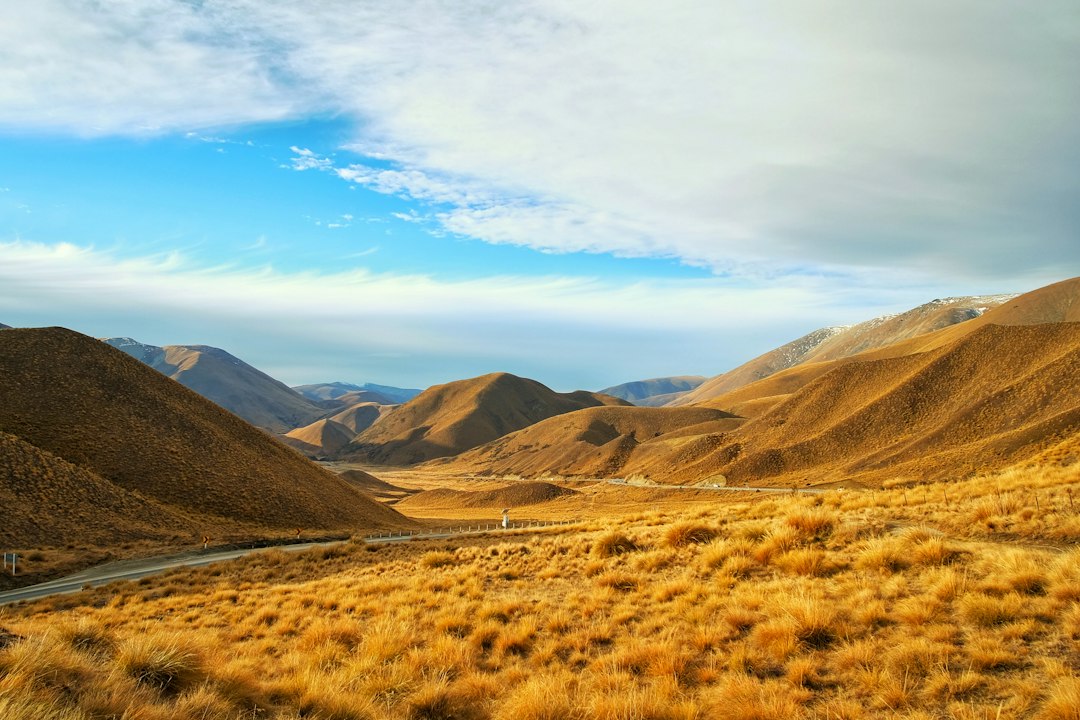
Last reviewed: October 2026 · key facts checked against Wikidata
Kos Weather by Month: When to Go
| Month | Day | Night | Sea | Rain days | Rain mm | Wind km/h | Good for |
|---|---|---|---|---|---|---|---|
| Jan | 12° | 9° | 19° | 14 | 144 | 28 | – |
| Feb | 13° | 9° | 17° | 9 | 72 | 27 | – |
| Mar | 14° | 10° | 17° | 8 | 56 | 26 | – |
| Apr | 17° | 12° | 18° | 5 | 28 | 23 | Hike |
| May | 21° | 15° | 20° | 4 | 16 | 22 | Hike |
| Jun | 26° | 20° | 22° | 1 | 6 | 23 | Swim |
| Jul | 28° | 22° | 24° | 0 | 0 | 27 | Swim |
| Aug | 28° | 22° | 26° | 0 | 2 | 23 | Swim |
| Sep | 26° | 20° | 25° | 1 | 8 | 24 | Swim |
| Oct | 22° | 17° | 24° | 3 | 29 | 21 | Hike |
| Nov | 18° | 14° | 22° | 9 | 104 | 23 | – |
| Dec | 14° | 11° | 20° | 12 | 134 | 26 | – |
Sources: ERA5 reanalysis via Open-Meteo, 2016–2025 (10-year average) for air temperature, rain and wind (average daily maximum); Open-Meteo Marine API, 2023–2025 for sea surface temperature. A rain day has at least 1 mm. Area averages; individual years vary.
Kos Travel Guide: Everything You Need to Know (2026)
Kos is a Greek island in the southeastern Aegean Sea, part of the Dodecanese chain, sitting just 4 kilometres off the Turkish coast near Bodrum. With a population of 33,387 and an area measuring 42.1 by 11.5 kilometres, it is the third largest island in the Dodecanese after Rhodes and Karpathos. Kos is also the birthplace of Hippocrates, the father of medicine, making it one of the historically richest islands in the entire Aegean.
Three Things Not to Miss in Kos
- Asklepion of Kos — Ancient healing sanctuary dedicated to Asclepius, built on three terraced levels 4 km from Kos Town.
- Hippocrates Plane Tree, Kos Town — One of Europe’s largest plane trees, traditionally linked to Hippocrates, shading the Plateia Platanou square.
- Kefalos Beach — A sweeping 8-kilometre sandy bay on the island’s southwestern tip, dramatically quieter than the northern resort strips.
Scroll down for our complete travel guide with tips on getting there, where to stay, costs and more.
Getting to Kos: Ferry or Flight
How do I get to Kos — by flight or ferry?
Flying is the fastest and most practical option for most visitors. Kos Island International Airport (KGS) receives direct charter and scheduled flights from across Europe, with flight times of roughly 3.5 hours from London and 2.5 hours from Frankfurt. Ferry connections from Athens (Piraeus) take approximately 10–12 hours overnight and suit travellers combining island-hopping. Ferries also run from nearby Bodrum in Turkey in under 1 hour, making a cross-border day trip straightforward. Worth knowing: ferry frequency drops sharply outside May–October, so winter arrivals by sea are limited.
Which airport or port is the best starting point for Kos?
Kos Island International Airport (KGS) is the single airport and unambiguous starting point. It sits roughly 24 km from Kos Town, the island’s capital and main hub. The port of Kos Town handles all ferry arrivals and is centrally located, making it an equally convenient entry point if you arrive by sea. Worth knowing: the airport handles enormous charter volumes in July and August, so immigration queues can stretch to 45 minutes or more — factor this into transfer planning. Mastichari port on the north coast offers an alternative ferry link to Kalymnos.
How long does the ferry crossing to Kos take from Athens or nearby islands?
From Piraeus (Athens), conventional ferries take 10–12 hours; high-speed catamarans take around 6–7 hours. Crossings from Rhodes take roughly 2.5 hours by high-speed vessel. The short hop from Kalymnos is just 30–45 minutes. The Bodrum–Kos crossing by hydrofoil takes under 1 hour. Tip: check schedules and book tickets via Ferryhopper or ANEK Lines well in advance for July and August departures, as popular routes sell out. Sailing times vary by operator and season, so always verify the timetable directly with the carrier.
What does a flight or ferry to Kos cost?
Charter flights from Northern Europe typically cost €80–€250 return depending on season and booking lead time. Scheduled flights via Athens (ATH) with Olympic Air or Aegean Airlines add a domestic leg of roughly €40–€80 each way. The Piraeus–Kos overnight ferry costs approximately €40–€55 for a deck seat and €80–€120 for a cabin; check Blue Star Ferries for exact fares. The Bodrum–Kos day crossing is typically around €20–€30 one-way. Worth knowing: prices spike by 30–50% in July and August, so booking early saves significantly.
Are overnight ferries to Kos worth it?
Yes, overnight ferries are worth it for travellers on a budget or combining Kos with Athens. The Piraeus–Kos route departs late evening and arrives in the morning, saving a night’s accommodation. A cabin berth costs roughly €80–€120 — comparable to a budget hotel — but you travel and sleep simultaneously. Blue Star Ferries operates this route with comfortable cabins and a restaurant on board. Worth knowing: deck seats are significantly cheaper but uncomfortable for a 10–12 hour crossing. If you are travelling as a family or with luggage, a four-berth cabin is the practical choice.
Getting Around Kos
Do I need a rental car or scooter on Kos?
A rental car or scooter is strongly recommended for exploring beyond the resort strips. The island is 42.1 km long, and bus frequency drops considerably outside the main Kos Town–Kardamena–Kefalos corridor. A scooter allows access to inland villages like Zia and the quieter southwestern coast. Rental cars cost roughly €30–€60 per day in shoulder season, rising to €70–€100 in August — check local operators in Kos Town or international chains at the airport. Worth knowing: the main coastal road is flat and ideal for cycling, but rural roads become steep and unpaved toward the mountainous interior.
Are there bus connections between towns on Kos?
Yes, KTEL Kos operates a public bus network connecting the main settlements. The primary route runs from Kos Town south to Kardamena and on to Kefalos, passing resort areas including Tingaki and Mastichari. A single ticket costs approximately €1.40–€3.50 depending on distance — confirm fares with KTEL Kos directly. Buses run several times daily in summer but become infrequent after October. Worth knowing: bus schedules do not always align well with returning from beach excursions in the afternoon, which is why many visitors combine a day pass with a bicycle for maximum flexibility within Kos Town itself.
What does a rental car cost on Kos — and where do I hire one?
**Rental cars on Kos cost roughly €30–€60 per day in May–June and September–October, rising to €70–€100 in peak July–August. International chains including Hertz and Europcar operate desks at Kos Island International Airport (KGS), while local agencies concentrated along the Vasileos Georgiou waterfront in Kos Town often undercut airport prices. Booking at least 4–6 weeks** before a July or August trip is essential to secure availability. Worth knowing: petrol stations are concentrated around Kos Town and Kardamena — fill up before heading toward the remote southwestern tip near Kefalos, where options are scarce.
Which parts of Kos are accessible by public transport?
**The northern coastal strip from Kos Town to Tingaki and the main south-coast route to Kardamena are the best-served areas by public transport. KTEL buses cover this corridor reliably in summer. Kos Town itself is easily walkable and served by a local mini-train tourist circuit. The ferry port links to Kalymnos from Mastichari with a dedicated bus connection. Worth knowing: villages in the interior — particularly Zia, Pyli, and Asfendiou** — have no practical public bus service. Reaching them without a rental vehicle means relying on taxis from Kos Town, which charge approximately €15–€25 for the journey.
Can I cycle around Kos?
**Kos is one of the most cycle-friendly islands in Greece, and cycling is genuinely practical along the flat northern coast. A dedicated cycle path runs approximately 15 km from Kos Town west toward Tingaki and Marmari. Rental bikes cost roughly €5–€10 per day** from numerous shops in Kos Town. The flat terrain makes the northern route accessible for all fitness levels. Worth knowing: the southern half of the island, including the climb toward Zia and the route to Kefalos, involves serious elevation gain and is unsuitable for standard hire bicycles — a mountain bike or e-bike is needed for those sections.
Where to Stay on Kos
Which town on Kos should I base myself in?
**Kos Town is the best base for first-time visitors, combining historical sights, ferry connections, and a wide range of restaurants. It offers the Neratzia Castle, the ancient agora, and the Hippocrates Plane Tree all within walking distance. Kardamena suits package holiday-makers seeking nightlife and an all-inclusive resort atmosphere. Kefalos** appeals to those wanting quiet beaches and fewer crowds. Worth knowing: Kos Town’s central location means you can reach the Asklepion (4 km) or the beach at Tigaki (12 km) easily by bicycle or local bus, making it the most versatile base regardless of travel style.
What does accommodation cost per night on Kos?
Economy hotels average around €60 per night based on Numbeo data. Budget guesthouses and studios in Kos Town can be found for €40–€55 in May and October. Mid-range hotels in the Psalidi coastal strip east of town run €80–€130 in peak season. Luxury resorts — particularly the all-inclusive complexes near Marmari — reach €200–€350 per night in July and August. Worth knowing: accommodation on Kos is heavily package-dominated, meaning walk-in rates at resort hotels are often inflated — booking through platforms like Booking.com or directly with the property yields better rates than arrival prices.
Which area of Kos suits which travel style?
Kos Town suits culture and history lovers; Kardamena suits nightlife seekers; Kefalos suits quiet-beach travellers. Families with young children do well in Marmari or Tigaki, where shallow, calm water and flat cycling paths create a relaxed environment. Mastichari appeals to watersports enthusiasts and those catching ferries to Kalymnos. The hillside village of Zia — roughly 15 km from Kos Town — draws those seeking authentic tavernas and sunset views over the Aegean. Worth knowing: all-inclusive resorts dominate the stretch between Psalidi and Lambi, which can feel isolated from the genuine local character of the island.
How far in advance do I need to book accommodation on Kos?
Book at least 3–4 months ahead for July and August; 4–6 weeks is sufficient for May, June, September, and October. Kos is heavily dependent on charter tourism, which means that the best-value rooms in Kos Town and the main resort areas are absorbed by tour operators early in the year. Peak week availability — especially around Greek Orthodox Easter and mid-August — can disappear by February. Worth knowing: late cancellations do appear on Booking.com in late July, but relying on this strategy during peak season means risking very limited choice. Last-minute availability is more realistic for Kefalos and the quieter western villages.
Are there good apartments or villas with sea views on Kos?
**Yes — self-catering studios and villas with sea views are widely available and represent excellent value outside peak season. The coastal road between Kos Town and Psalidi has numerous studio complexes with Aegean-facing terraces, often available for €50–€80 per night in shoulder months. Private villa rentals through Airbnb or HomeAway in the Kefalos and Tigaki areas provide more space and privacy, typically from €100–€180 per night** for a two-bedroom property in June or September. Worth knowing: villas without air-conditioning become uncomfortable in July and August when temperatures regularly exceed 35°C, so confirm cooling facilities before booking.
Best Time to Visit Kos
When is the best time to visit Kos?
June, September, and October offer the best balance of warm weather, lower crowds, and better prices. Based on verified climate analysis, the best travel months are June through October. July and August deliver reliable sunshine but bring peak crowds and the highest prices. September is particularly recommended: sea temperatures remain warm after summer, tourist numbers drop noticeably after mid-August, and accommodation prices fall by 20–30%. Worth knowing: October can still see comfortable days above 22°C, though some smaller beach bars and watersports operators close by mid-month. Avoid January and February — many hotels and restaurants on the island close entirely.
What is the weather on Kos like throughout the year?
Kos has a classic Mediterranean climate — hot, dry summers and mild, wetter winters. July and August are the peak summer months with temperatures regularly reaching 33–36°C and almost no rain. The meltemi wind blows from the north across the Aegean in July and August, which cools the heat but can make the northern beaches choppy. Spring (April–May) brings mild temperatures around 18–22°C with occasional showers. Winter months from November to March see temperatures around 12–16°C with rainfall. Worth knowing: the island sits at 846m elevation in its interior peaks, so the Dikeos mountain range is noticeably cooler than the coast even in summer.
When does Kos get overcrowded?
Kos reaches peak crowding between mid-July and the third week of August, when charter flights arrive daily from across Northern Europe. Kos Town, the Asklepion, and the beach at Paradise Beach near Kardamena become genuinely congested during these weeks. The port area and main archaeological sites see queues. Worth knowing: the meltemi wind peaks in late July and early August — this is simultaneously the hottest, most crowded, and windiest period. If July or August is unavoidable, base yourself in Kefalos or Mastichari, which receive a fraction of the footfall of the northern resort corridor despite being on the same island.
Is there a worthwhile shoulder season on Kos?
Yes — May and October are the strongest shoulder months on Kos. In May, wildflowers cover the hillsides, the Asklepion is almost tourist-free, and beach temperatures are swimable at around 22–24°C in the sea. October retains warm evenings and a quieter atmosphere, though some operators begin closing after the first week. Accommodation prices in shoulder season are 20–35% lower than August peaks. Worth knowing: compared to neighbouring Rhodes, which maintains significant tourism into November due to its larger city infrastructure, Kos shuts down more completely in winter — making October a genuine deadline for a comfortable visit rather than just a preference.
When does the beach and watersports season begin on Kos?
The beach season practically begins in May, with sea temperatures around 21–22°C and most beach bars open. Watersports operators — concentrated at Mastichari, Tingaki, and Paradise Beach near Kardamena — typically open in late April or early May and operate until mid-October. Windsurfing and kitesurfing peak in July and August when the meltemi provides consistent wind; Marmari beach is particularly popular with windsurfers. Worth knowing: some beach infrastructure — sunbeds, water taxis, rental equipment — is not fully operational until the first week of June, so an early May visit means a more stripped-back beach experience with fewer services.
What Kos Costs
What does a daily budget cost on Kos?
A realistic daily budget on Kos runs €50–€70 for a budget traveller, €100–€150 for a mid-range stay. Based on Numbeo data, a cheap meal costs approximately €10 and a mid-range dinner for two around €18. Local transport is roughly €1.40 per bus journey. A budget hotel or studio averages €55–€65 per night. Add €10–€15 for entrance fees and water activities on a typical day. Worth knowing: all-inclusive resort packages often undercut this figure in pure food and drink terms, but they lock you into one location and eliminate the flexibility to eat at local tavernas in Kos Town’s Plateia Diagoras square, where local cooking is significantly better value.
Is Kos more expensive than the Greek mainland?
Kos is moderately more expensive than mainland Greece but cheaper than Santorini or Mykonos. A cheap meal at around €10–€11 matches Athens prices, but tourist-facing restaurants in Kos Town harbour charge closer to €15–€18 for a main course. Accommodation runs 10–20% higher than equivalent mainland cities outside Athens. Compared to Rhodes Town (roughly 80 km by fast ferry), pricing is broadly similar. Worth knowing: the island’s reliance on package tourism means imported goods — particularly alcohol in resort bars — carry a significant markup. Buying wine or beer from a supermarket in Kos Town cuts drinks costs by 60–70% compared to resort pool bars.
What unavoidable expenses should I budget for on Kos?
Ferry transport, sunbed hire, and entrance fees to archaeological sites are the core unavoidable costs. Sunbed pairs at popular beaches cost €8–€15 per day in season; free public beach space exists but is limited at the busiest spots like Lambi. Entry to the Asklepion costs approximately €8 per adult — confirm current rates with the Greek Ministry of Culture. A return taxi from Kos Town to Zia runs around €25–€30. Worth knowing: the Bodrum day trip by ferry is a popular add-on costing roughly €20–€30 one way — Turkish customs require a valid passport (not just an EU ID card), which some visitors discover too late.
What does food cost on Kos — local versus tourist prices?
Local tavernas serve a full meal for €10–€15; tourist-facing harbour restaurants charge €18–€30 per person. A gyros wrap from a street kiosk in Kos Town costs around €3–€4. Greek salad runs €5–€7 in inland village tavernas like those in Zia, compared to €9–€12 on the harbour front. Based on Numbeo data, a mid-range dinner for two costs approximately €18–€20. Worth knowing: the neighbourhood of Kos Town around Plateia Eleftherias (Freedom Square) and the market area has a cluster of family-run restaurants used by locals — prices here are noticeably lower than the tourist waterfront strip, with quality often equal or better.
What are the best beaches on Kos?
Kefalos Beach (also called Kamari) and Tigaki Beach are among the island’s finest, each with a distinct character. Kefalos stretches nearly 8 km along the southwestern coast with clear water and limited development — the best option for quiet sand. Tigaki is flat, family-friendly, and served by the cycle path from Kos Town (12 km away). Paradise Beach near Kardamena draws a livelier crowd with beach bars and watersports. Agios Stefanos near Kefalos sits opposite a small islet with a ruined basilica visible from the shore. Worth knowing: the northern beaches between Lambi and Psalidi are the most accessible from Kos Town but also the most crowded in peak season.
Beaches & Experiences on Kos
What are the top sights on Kos beyond the beaches?
The Asklepion, the ancient agora of Kos Town, and the medieval Neratzia Castle form the essential cultural itinerary. The Asklepion — a healing sanctuary built in the 4th century BC — sits on a hillside 4 km from Kos Town with panoramic views toward Turkey. The Neratzia Castle, a Knights Hospitaller fortress, stands at the harbour entrance in Kos Town. The ancient agora ruins are embedded into the town centre and free to view from outside. The hillside village of Zia offers a traditional atmosphere and sunset views. Worth knowing: the Archaeological Museum of Kos near Plateia Eleftherias houses a significant Hellenistic and Roman collection — often bypassed by beach-focused visitors.
What watersports activities are available on Kos?
Windsurfing, kitesurfing, scuba diving, and jet skiing are all available, with Marmari as the island’s windsport hub. The consistent meltemi wind makes Marmari beach one of the most reliable windsurfing locations in the Aegean — the Kos Aktis and local surf centres rent boards and offer lessons. Scuba diving operators are concentrated in Kos Town and Kardamena, with dive sites including underwater caves and wrecks within 10–15 km offshore. A single dive typically costs €40–€60. Worth knowing: the sea near Kefalos is calmer and clearer than the windier north coast, making it better for snorkelling — bring your own equipment for the best value.
What is the culinary highlight of Kos?
**Fresh grilled fish and the local speciality of loukoumades (honey-drenched dough balls) are the standout culinary experiences. Kos sits adjacent to Turkey and the Dodecanese tradition blends Greek and Eastern Aegean influences — look for imam bayildi (stuffed aubergine) alongside standard Greek mezedes. The fishing harbour at Kos Town** supplies restaurants with daily-caught sea bream, red mullet, and octopus. A fresh fish meal at a harbour taverna costs roughly €18–€25 per person including house wine. Worth knowing: the inland village of Zia is heavily promoted for dining but prices are inflated by its tourist reputation — the tavernas on Plateia Eleftherias in Kos Town offer comparable quality at lower cost.
Which parts of Kos are still off the beaten track?
**The southwestern peninsula around Kefalos and the inland villages of Pyli and Asfendiou receive a fraction of the tourist footfall of the northern coast. The Pyli Castle — a ruined Byzantine hilltop fortress roughly 20 km from Kos Town — sees few visitors despite impressive views and a short walking trail. The coastal track beyond Agios Stefanos beach leads to isolated coves accessible only by foot or boat. Mastichari retains a genuine fishing-village character despite having a ferry port. Worth knowing: compared to Kardamena, which has been entirely reshaped by package tourism, the area west of Kefalos village** feels largely untouched — reach it by rental car, as no bus service operates here.
How many days do I need to see Kos properly?
**5–7 days is the ideal length to cover the key sights, sample multiple beaches, and make a day trip to Bodrum or Kalymnos. Three days covers Kos Town’s archaeological highlights and the nearby beaches at Tigaki and Lambi. Day four is best spent at Kefalos and the southwestern coast. Day five suits a crossing to Bodrum (Turkey) — under 1 hour by ferry — or the short hop to Kalymnos (30–45 minutes) for its dramatic cliff scenery. Worth knowing: a week on Kos does not require a car for every day — Kos Town and Tigaki** are manageable by bicycle, so combine cycling days with one or two car hire days for the more distant southwestern areas.
Kos at a Glance
| Population | 33,387 |
|---|---|
| Currency | EUR (€) |
| Official language | Greek |
| Time zone | UTC+02:00 |
Source: Wikidata, retrieved October 2026.
Greece › Kos
More Destinations in South Aegean Region
More Destinations in Greece
Essential Resources for Planning Your Trip to Kos
- Airport Transportation — official visitor information
- Wikivoyage: Kos — community travel guide & practical tips
- Wikipedia: Kos — history, geography & background
- Kos Island Airport Transportation, Shuttles & Taxis — how to get there and around
- Kos travel – Lonely Planet | Greece, Europe — itineraries & inspiration
Data Sources
Key facts on this page (population, currency, language, time zone) come from Wikidata, climate figures from Open-Meteo. The retrieval date is shown next to the facts table.