
Almería: The Complete Travel Guide (2026)
Almería Travel Guide: Everything You Need to Know (2026)
Almería is a sun-drenched Andalusian city of 191,443 residents sitting at just 20 meters above sea level on Spain’s southeastern Mediterranean coast, receiving more annual sunshine hours — over 3,000 — than almost any other European city. Founded by the Moors in the 10th century as a major silk and trade port, it remains one of Spain’s most underrated coastal capitals. The city backs onto Europe’s only true desert, the Tabernas, making it a destination unlike anywhere else on the continent.
Top 3 Highlights at a Glance
- Alcazaba of Almería — A 10th-century Moorish fortress larger than Granada’s Alhambra, with panoramic views over the city and harbor.
- Tabernas Desert — Europe’s only true desert, just 30 km north, filmed for Spaghetti Westerns like The Good, the Bad and the Ugly.
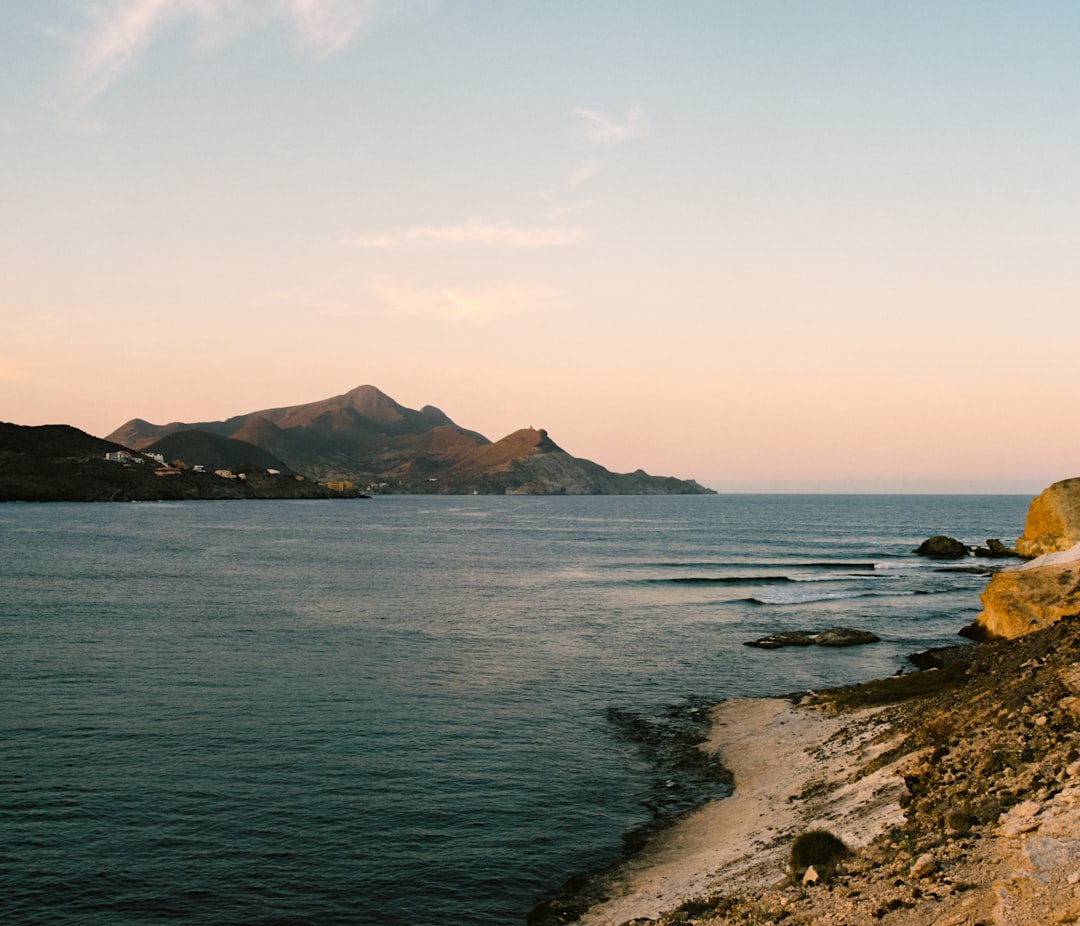
- Cabo de Gata-Níjar Natural Park — 40 km of volcanic coastline with crystalline coves and zero mass-tourism development, protected since 1987.
Scroll down for our complete travel guide with tips on getting there, where to stay, costs and more.
Arrival & Airport
How do I get to Almería?
Fly directly into Almería Airport (LEI), located 9 km east of the city center — it’s the easiest entry point. In my experience, Vueling, Ryanair, and Iberia connect Almería to major Spanish hubs and several European cities, with flights from Madrid taking under 1 hour 15 minutes. You can also arrive by high-speed ALVIA train from Madrid in roughly 5.5 hours, or by bus from Granada (2.5 hours). The honest caveat: direct international connections are limited compared to Málaga, so many travelers fly into Málaga Airport (AGP) and drive 2.5 hours east on the A-7 — a scenic but occasionally traffic-heavy coastal route.
Which airport is closest to Almería?
Almería Airport (LEI) is the closest airport, sitting 9 km east of the city center. In my experience, the taxi from LEI to the old town costs roughly €15–18 and takes 15 minutes without traffic. There is a public bus (Line Bus Aeropuerto) connecting the airport to the Rambla de Almería for around €1.40, though it runs infrequently — roughly every 45 minutes. My honest warning: LEI has limited routes, so check fares early. If Ryanair is not operating your preferred route that season, Málaga (AGP) at 200 km west often has far cheaper fares to northern Europe.
How long does the journey to Almería take from major hubs?
From Madrid by ALVIA train, expect 5.5 hours direct to Almería’s Estación Intermodal. From Málaga, the drive along the A-7 takes 2.5 hours by car or 2 hours 45 minutes by direct bus. From Granada, it’s just 2.5 hours by bus or car via the A-92 — and I recommend this combination as a two-city Andalusian trip. The flight from Madrid is under 1 hour 15 minutes, but factoring in airport time, the train is often more practical. What surprised me: Almería is more isolated than other Andalusian capitals, so budget extra time if connecting through Seville, which adds 4+ hours overland.
Do I need a car in Almería?
For the city itself, no — the historic center is compact and walkable. But for the surrounding region, yes, a car is essential. Cabo de Gata-Níjar Natural Park, the Tabernas Desert, and hilltop villages like Níjar are effectively inaccessible without one. My tip: pick up a rental on day 2 or 3 and use it for excursions. Compact cars start at €25–35 per day from agencies at LEI Airport or Hertz on Avenida del Mediterráneo. The honest caveat: parking in the old town around Calle Reyes Católicos is genuinely stressful — use the paid underground car parks near the Alcazaba instead, around €1.50 per hour.
City Transport
What are the best areas to stay in Almería?
Stay in the Centro Histórico for maximum walkability — you’ll be within 10 minutes on foot of the Alcazaba, the Cathedral, and the Paseo de Almería main boulevard. The Pescadería neighborhood (old fishermen’s quarter) is my personal favorite: authentic tapas bars, colorful facades, and locals who outnumber tourists 20-to-1. The Zapillo beach district, about 2 km east of center, suits families wanting sand at the doorstep. I recommend avoiding hotels directly on Avenida del Mediterráneo near the port — it’s noisy with truck traffic at night and lacks atmosphere. For the most atmospheric stay, the streets between the Alcazaba and the Cathedral are unbeatable.
What does accommodation cost in Almería?
Almería is excellent value compared to Málaga or Seville. A solid 3-star hotel in the Centro Histórico costs €55–80 per night in shoulder season. Boutique hotels near the Alcazaba, like Hotel Catedral, run €90–130 per night for a double. Budget travelers can find clean guesthouses (hostales) in the Pescadería district for €35–50. In peak July–August, add 25–35% to all those figures. My honest warning: Almería has far fewer upscale 5-star options than Granada or Málaga — if you need a luxury resort experience, Cabo de Gata private villas (€150–250/night) are a better fit than the city itself.
How far in advance should I book accommodation in Almería during high season?
For July and August, book at least 8–10 weeks ahead — the city fills with Spanish domestic tourists and Almería goes from quiet to completely full almost overnight in late June. The Feria de Almería in late August is the single busiest week of the year; I’ve seen hotels near the Paseo de Almería sell out 3–4 months in advance for that period. For shoulder months like April, June, September, and October — which are genuinely the best travel months here — 2–3 weeks advance booking is usually sufficient. What surprised me: last-minute deals in November through February are real, with rooms dropping to €40–55 even in well-reviewed properties.
Are there special or unique accommodation types in Almería?
Yes — cave houses (cuevas) in the inland villages around Guadix, about 90 km northwest, are one of the most unique sleeping experiences in Spain. In Almería city itself, several Arab-style boutique guesthouses (casas árabes) built inside restored Moorish townhouses near the Alcazaba offer something you won’t find in most Spanish cities. Along the Cabo de Gata coast, eco-friendly rural hotels (cortijos) and converted farmhouses offer extreme isolation and stunning sea views — Cortijo El Sotillo in San José is particularly well-regarded. My tip: these rural options require a car but deliver an experience utterly unlike the standard hotel stay.
Accommodation & Neighbourhoods
What are the must-see sights in Almería?
The Alcazaba is non-negotiable — a 10th-century Moorish fortress with 3 distinct walled precincts, free for EU citizens and €1.50 for non-EU visitors, open Tuesday–Sunday 9am–6pm. The Cathedral of Almería is the city’s other crown jewel, a Renaissance-Gothic hybrid built in 1524 with fortress-like defensive walls — entry costs €5. The Refugios de la Guerra Civil (Civil War underground shelters beneath the city) are genuinely gripping — guided tours cost €3 and run from the Plaza Manuel Pérez García. The Paseo de Almería and the Old Quarter around Calle Tenor Iribarne are best explored on foot in the early evening.
What can I experience for free in Almería?
Quite a lot. The Alcazaba is free for all EU passport holders — one of the best-value fortress visits in Spain. The Cathedral exterior and surrounding plaza cost nothing to appreciate from outside. The entire old medina quarter and Barrio de la Chanca — a striking hillside neighborhood with painted cave dwellings — are free to walk through. The Cabo de Gata beaches like Playa de Mónsul charge no entry fee (though parking costs €6 in summer). In my experience, simply joining locals for the evening paseo along the Rambla de Almería and hopping between free tapas bars — where a drink earns you a free tapa — is the city’s best and cheapest social ritual.
Which day trips from Almería are worth doing?
Tabernas Desert (30 km north) is the top day trip — Europe’s only true desert, with Western film sets like Mini Hollywood that are genuinely fun for €18 entry. Cabo de Gata-Níjar Natural Park starts just 30 km southeast; drive to San José village and walk the coastal trail to Cala de Enmedio — allow a full day. The hilltop village of Mojácar (90 km northeast) is picturesque but touristy in summer. My honest recommendation: combine Tabernas in the morning with a Cabo de Gata beach in the afternoon — both are under 45 minutes from Almería. What surprised me: Guadix and its cave houses at 90 km is an exceptional and almost tourist-free excursion.
What are the local food specialities of Almería?
Almería’s signature dish is ajoblanco — a cold almond and garlic soup predating gazpacho — served at nearly every traditional restaurant in the Pescadería neighborhood. The pescaíto frito (mixed fried fish) here uses ultra-fresh Mediterranean catch landed same-day at the port. Gurullos con conejo (a pasta-like stew with rabbit) is a hyper-local inland specialty found in village ventas. Almería is also Spain’s leading greenhouse vegetable producer — the fresh salads are outstanding. My tip: the tapas culture here means a €2.50 beer or wine at bars like Casa Puga on Calle Jovellanos earns you a substantial free tapa — something that barely exists anymore in Seville or Granada.
Highlights & Must-Sees
What makes Almería truly unique compared to other Spanish cities?
Three things make Almería genuinely one-of-a-kind. First, it borders Europe’s only desert — the Tabernas, a landscape that has stood in for Arabia, Mexico, and the American West in over 600 films. Second, its Alcazaba is larger in footprint than Granada’s Alhambra yet sees a fraction of the visitors. Third, the free tapas culture is alive here in a way it has died in most Spanish cities — bars in the old quarter and Zapillo still serve generous plates with every drink. What surprised me most: Almería is one of Europe’s sunniest cities with over 3,000 annual sunshine hours, yet it has almost none of the overtourism that has consumed the Costa del Sol just 200 km west.
How many days are worthwhile in Almería?
3 full days is the sweet spot for Almería city plus its two essential excursions. Day 1: the Alcazaba, Cathedral, Civil War shelters, and an evening in the Pescadería tapas bars. Day 2: a full day at Cabo de Gata — drive to San José, walk to Cala de Enmedio, swim, and return for sunset. Day 3: Tabernas Desert in the morning, then Guadix cave houses on the return. My honest caveat: 2 days works if you skip one excursion, but 1 day is not enough — the city itself needs at least half a day just for the Alcazaba and Cathedral, and the surroundings are too extraordinary to rush. I would not extend beyond 5 days unless you’re using it as a base for serious hiking in Cabo de Gata.
When is the best time to visit Almería?
Based on verified climate analysis, April, June, September, and October are the optimal months. In my experience, October is the single best month — temperatures sit around 24–26°C, the sea is still warm enough to swim (around 22°C), crowds from summer have vanished, and prices drop 20–25% from peak. April is excellent for hiking Cabo de Gata before beach season begins. Avoid July and August if you hate heat — Almería regularly hits 38–40°C and the city is packed with Spanish domestic tourists. What surprised me: even February and March are pleasant here at 16–18°C, perfect for sightseeing, though the sea is too cold for swimming at 14°C.
What local festivals in Almería are worth attending?
The Feria de Almería in mid-to-late August is the city’s biggest event — a week of flamenco, casetas (temporary party tents), horse parades, and fireworks centered on the Recinto Ferial grounds. It’s spectacular but causes hotel prices to spike 40–60% and rooms sell out months ahead. The Semana Santa (Holy Week) processions in March or April are deeply atmospheric in the old quarter — Almería’s brotherhoods carry some of the oldest pasos (floats) in Andalusia. My tip: the smaller Feria de Roquetas de Mar (30 km west, September) offers a similar local festival experience without Almería’s accommodation crunch. What surprised me: Almería’s Moors and Christians festival in some nearby towns is more theatrical than anything in the city itself.
Food & Drink
How does the weather in Almería affect what activities I can do?
Almería’s 3,000+ annual sunshine hours mean outdoor activities are viable nearly year-round. Beach and swimming season runs effectively from late May through October; outside that window, the Cabo de Gata coves are eerily beautiful but cold. Hiking the Cabo de Gata volcanic trails is best in October through April — summer heat above 38°C makes serious hiking dangerous. The Tabernas Desert can be visited any month but is brutal in July–August midday; go early morning (before 10am) in summer. What surprised me: Almería receives so little rain — under 200mm annually — that weather almost never disrupts a visit. Even in January, I’ve had perfectly clear, 17°C days ideal for walking the Alcazaba and the old quarter.
How crowded does Almería get in peak season?
Far less crowded than you’d expect for an Andalusian capital with this quality of attractions. In July and August, the city is busy with Spanish domestic tourists but nowhere near the overtourism of Málaga, Seville, or Granada. The Alcazaba — which would have hour-long queues in Granada — rarely has more than 30–40 people even on August weekends. The real crowd pressure is on the Cabo de Gata beaches: Playa de los Genoveses and Playa de Mónsul limit daily car access to around 200 vehicles in summer, so arrive before 9am or take the seasonal shuttle bus from San José village. My honest caveat: the Feria de Almería week in August is genuinely chaotic — avoid it unless you came specifically for that.
How safe is Almería?
Almería is one of the safer mid-sized Spanish cities — petty theft is far less common here than in Málaga, Barcelona, or Seville. In my experience walking the old quarter, Pescadería, and Zapillo at all hours, I’ve felt completely relaxed. The Barrio de la Chanca (hillside cave neighborhood) has a rougher reputation and I’d avoid it after dark, though it’s fine during daytime. Standard precautions apply: don’t leave valuables visible in rental cars, especially near Tabernas trailheads where car break-ins occasionally occur. Pickpocketing around the Paseo de Almería increases in August. The emergency number throughout Spain is 112, and there is a Policía Nacional station on Calle General Tamames.
Is English widely spoken in Almería?
Less so than in Málaga or Barcelona — Almería sees fewer international tourists, so English proficiency is lower. In my experience, staff at hotels, the Alcazaba ticket office, and restaurants in the Centro Histórico manage functional English. Outside those zones — in neighborhood tapas bars, local markets, and smaller towns around Tabernas — expect Spanish only. My tip: download Google Translate with the Spanish offline pack before arriving, and learn 10 key Spanish phrases — locals genuinely appreciate even minimal effort. What surprised me: French and German speakers fare no better than English speakers here, unlike parts of the Costa del Sol. The city’s relative isolation from mass international tourism is both its charm and its practical communication challenge.
Practical Tips
What is the daily budget for visiting Almería?
Almería is one of Spain’s most affordable cities. A budget traveler spending nights in a hostal (€40), eating the menú del día lunch (€11–13), and visiting free or cheap sights can manage €60–75 per day total. A mid-range traveler at a 3-star hotel (€70), restaurant dinners (€20–25), and excursions can expect €120–150 per day. The free tapas culture is a genuine money-saver — 3 rounds of drinks in Pescadería bars can cost €7.50 and leave you surprisingly full. My honest caveat: renting a car for Cabo de Gata or Tabernas adds €30–40 per day but is essentially unavoidable if you want the best of the region — factor it in from day one.
How does public transport work in Almería city?
The Almería urban bus network (operated by SURBUS) covers the city well, with key lines linking the Estación Intermodal (combined bus and train terminal) to the Centro Histórico, Zapillo beach, and residential districts. A single urban fare costs €1.40; a 10-trip rechargeable card drops it to €0.73 per journey. The Estación Intermodal on Plaza de la Estación serves intercity buses to Granada, Málaga, Murcia, and Madrid. My honest caveat: for the best day trips — Cabo de Gata villages and Tabernas — public bus connections are infrequent (sometimes 1 bus per day to remote Cabo de Gata coves) and genuinely not practical. A rental car transforms your Almería experience for these excursions.
Which apps do you recommend for visiting Almería?
Google Maps works reliably throughout Almería and is essential for navigating the Cabo de Gata coastal tracks — download the offline map before leaving the city. Moovit covers the SURBUS urban bus timetables accurately. Renfe (Spain’s national rail app) is the correct booking platform for trains to Madrid or Granada from the Estación Intermodal. ALSA is the app for intercity bus tickets. For restaurant and tapas bar selection in Pescadería and the old quarter, TheFork (called ElTenedor in Spain) carries genuine local reviews. My tip: the Red Cross App (Cruz Roja) provides emergency protocols in Spanish and English — worth having if you’re hiking remote Cabo de Gata trails more than 5 km from the nearest village.
More Destinations in Europe
Explore our complete travel guides for more Europe destinations: Valencia Travel Guide (2026), Île de Kerners Travel Guide (2026), León Travel Guide (2026), Île aux Oiseaux Travel Guide (2026), Mérida Travel Guide (2026).
Useful Resources for Planning Your Trip to Almería
- Wikipedia: Almería — history, geography and background
- Lonely Planet: Almería — itineraries and travel inspiration
- TripAdvisor: Almería — hotels, restaurants and traveller reviews
🎥 Almería Travel Videos
BEST things to do in Almería, Spain | A day in Almería City …
MillieMoments
Almeria Spain: 7 Bucket List Experiences You Can’t Miss
10Minutes-Travel
Almeria, Spain Travel Guide – 19 Must Visit Spots in Almería
Destination Perfect
You are currently viewing a placeholder content from Vimeo. To access the actual content, click the button below. Please note that doing so will share data with third-party providers.
More InformationYou are currently viewing a placeholder content from YouTube. To access the actual content, click the button below. Please note that doing so will share data with third-party providers.
More InformationYou need to load content from reCAPTCHA to submit the form. Please note that doing so will share data with third-party providers.
More InformationYou are currently viewing a placeholder content from GetYourGuide. To access the actual content, click the button below. Please note that doing so will share data with third-party providers.
More Information