
Jerez de la Frontera: The Complete Travel Guide (2026)
Last reviewed: October 2026 · key facts checked against Wikidata
Jerez de la Frontera Travel Guide: Everything You Need to Know (2026)
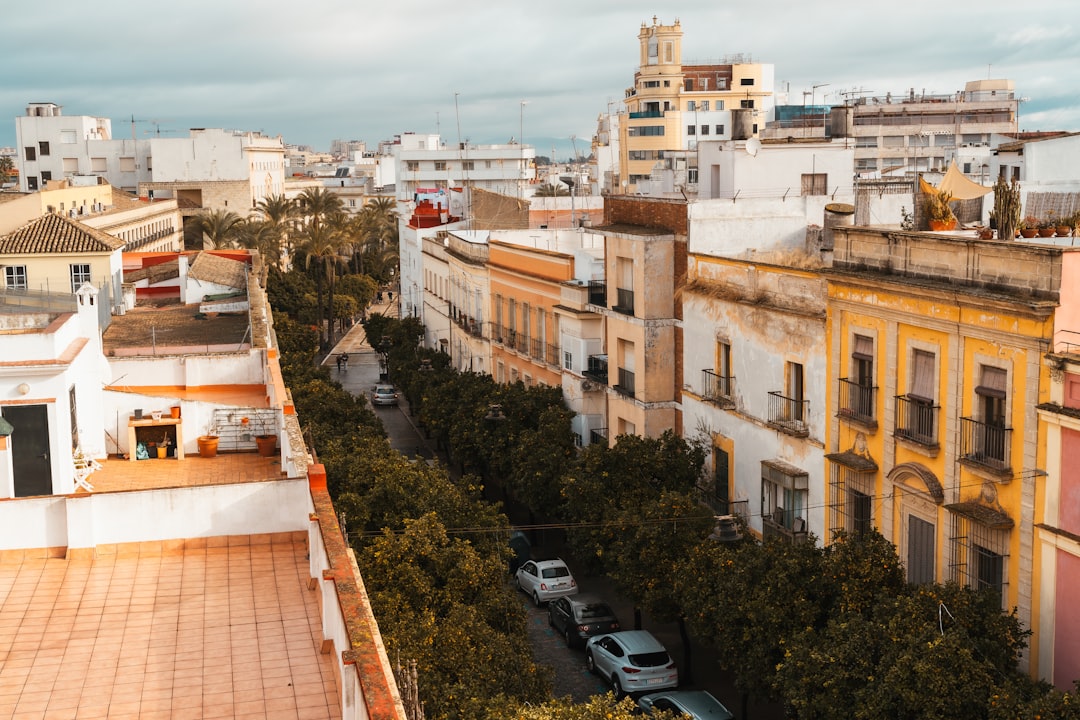
Jerez de la Frontera, a city of 211,670 inhabitants sitting at just 58 meters above sea level in the province of Cádiz, is the undisputed world capital of sherry wine and the birthplace of flamenco’s purest form. The city’s Moorish old town, horse culture, and motorcycle racing heritage at the Circuito de Jerez make it one of Andalusia’s most layered destinations. Most visitors flying into Seville or Cádiz completely overlook it — which is exactly why you should not.
Top 3 Highlights at a Glance
- Real Escuela Andaluza del Arte Ecuestre — World-class equestrian school where Carthusian horses perform choreographed shows every Tuesday and Thursday.
- Tío Pepe González Byass Bodega — The world’s largest sherry cellar, storing over 30,000 barrels since its founding in 1835.
- Barrio de Santiago Flamenco Quarter — The historic gypsy quarter that birthed flamenco, home to the legendary Centro Andaluz de Flamenco museum.
Scroll down for our complete travel guide with tips on getting there, where to stay, costs and more.
Arrival & Airport
How do I get to Jerez de la Frontera?
Fly directly into Aeropuerto de Jerez (XRY), which is just 8 km from the city centre. In my experience, this is the most underrated airport in Andalusia — Ryanair and Vueling operate routes from London, Madrid, and Barcelona, with fares as low as €25 if booked early. Alternatively, fly into Seville Airport (SVQ), 90 km away, and take a direct Renfe train from Seville Santa Justa in under 1 hour 15 minutes for around €12. The honest caveat: XRY has very limited international connections, so most non-Spanish travellers will transit through Seville or Madrid first.
Which airport is closest to Jerez de la Frontera?
Aeropuerto de Jerez de la Frontera (XRY) is the closest airport, located just 8 km from the city centre — a €12–15 taxi ride or a €1.10 bus ride on Line L6. What surprised me is how small and stress-free XRY is: zero queues, fast baggage claim. However, flight options are limited, especially outside summer. Seville Airport (SVQ) at 90 km is the practical fallback for most international travellers, offering far more connections to European hubs. I recommend checking both airports when booking — the price difference can be substantial.
How long does the journey from major hubs to Jerez de la Frontera take?
From Seville, the Renfe train takes 1 hour 10 minutes and costs €10–14. From Madrid Atocha, the high-speed AVE to Jerez via Seville takes around 3 hours 30 minutes and costs €30–70 depending on booking time. Driving from Seville takes 1 hour via the A-4 motorway. My tip: book Renfe tickets at least 2 weeks in advance on the Renfe app for the cheapest prices. What most guides omit: the Jerez train station is a beautiful 1930s building just 10 minutes’ walk from the cathedral, making arrival genuinely pleasant.
Do I need a rental car in Jerez de la Frontera?
No — the old town is entirely walkable within a 20-minute radius. In my experience, a car is unnecessary unless you plan day trips to the white villages of the Sierra de Grazalema or the Doñana National Park, both over 60 km away. Rental cars from Europcar at XRY airport start at around €30 per day. The honest trade-off: Jerez’s historic centre has severe parking restrictions and one-way streets that punish unfamiliar drivers. I recommend arriving by train or taxi, hiring a car only for a specific rural day trip, then returning it before exploring the city.
City Transport
What are the best areas to stay in Jerez de la Frontera?
Stay in the Casco Histórico (old town), specifically near the Catedral de Jerez or Alameda Cristina boulevard. This puts you within walking distance of every major bodega, the equestrian school, and the Barrio de Santiago flamenco quarter. My tip: the streets around Plaza de las Angustias are quieter than the tourist-heavy Plaza del Arenal area but still central. Avoid booking accommodation near the Circuito de Jerez unless you are attending the MotoGP — it is isolated and requires a car. For a local atmosphere, the San Miguel neighbourhood has excellent tapas bars and genuinely residential streets.
What does accommodation cost per night in Jerez de la Frontera?
Budget hostels in the old town run €20–35 per person in a dorm. A clean, well-located mid-range hotel like Hotel Palacio Garvey or NH Avenida Jerez costs €70–110 per night for a double. Boutique hotels in converted bodegas or palaces, such as Hotel Casa Palacio María Luisa, go from €120–180. What most guides omit: Jerez is significantly cheaper than nearby Seville, often by 30–40%, making it excellent value for Andalusia. During MotoGP weekend at the Circuito de Jerez (usually May), prices triple and availability collapses — book at least 6 months ahead for that window.
How far in advance should I book accommodation in Jerez de la Frontera during high season?
For standard summer travel in July and August, book 4–6 weeks ahead — Jerez is less pressured than Seville or Granada. However, two events require extreme advance planning: MotoGP at Circuito de Jerez (typically first weekend of May) and the Feria del Caballo (Horse Fair, first week of May), which fills the entire city. In my experience, 6 months ahead is not an exaggeration for those dates — hotels sell out and prices quadruple. For shoulder months like April or September, booking 2–3 weeks out is sufficient, and you will find genuine last-minute deals on Booking.com for weekdays.
Are there special accommodation types unique to Jerez de la Frontera?
Yes — Jerez has a handful of hotels converted from historic bodegas (sherry cellars), a genuinely unique accommodation type found almost nowhere else. Hotel Bodega Tío Pepe (attached to González Byass) and several boutique guesthouses in converted señorial palaces in the Casco Histórico offer enormous patios, exposed stonework, and barrel-lined corridors. My tip: search for ’casa palacio’ properties on Booking.com or direct — they rarely appear prominently in generic searches. The trade-off: these heritage buildings often lack elevators and air conditioning can be inconsistent, which matters when July temperatures hit 38°C or above in Jerez.
Accommodation & Neighbourhoods
What are the must-see sights in Jerez de la Frontera?
Three sights are non-negotiable. First, the Real Escuela Andaluza del Arte Ecuestre — equestrian shows run Tuesdays and Thursdays at 12:00, tickets cost €21 adults. Second, the González Byass Tío Pepe Bodega — tours start at €18 and include 3 sherry tastings; book online to avoid selling out. Third, the Alcázar of Jerez with its 11th-century Moorish baths, entry just €5. What surprised me: the Barrio de Santiago quarter rewards aimless walking more than any guided tour — the street art, the cave-like tablaos, and impromptu flamenco at Peña La Buena Gente are priceless and free.
What can I experience for free in Jerez de la Frontera?
More than most Andalusian cities. The Barrio de Santiago flamenco quarter is entirely free to walk and absorb. The Centro Andaluz de Flamenco museum on Plaza de San Juan is free entry and houses an extraordinary archive of flamenco history. Every Sunday at 12:00, the Catedral de Jerez opens free for mass, which doubles as a chance to hear its famous 18th-century organ. My tip: the Alameda Cristina park and the Plaza del Arenal market area are locals’ daily gathering points — sit at a terrace and spend nothing. The Alcázar gardens are partially free to walk through without paying museum entry.
Which day trips are possible from Jerez de la Frontera?
Cádiz is the best day trip — just 35 km by train (€5.30, 45 minutes), offering Atlantic beaches, a 3,000-year-old old town, and the best seafood in southern Spain. El Puerto de Santa María, only 20 km away and reachable by ferry from Cádiz, is famous for its 22 bodegas and fresh seafood market. Arcos de la Frontera, the most dramatic of the white villages, is 30 km east by car. I recommend Sanlúcar de Barrameda for manzanilla sherry culture and its beach where horse races are held in August — just 25 km north. All are doable in a half-day without a car.
What local specialities should I try in Jerez de la Frontera?
Sherry (vino de Jerez) in all its forms — fino, manzanilla, amontillado, oloroso — is the defining food experience. Drink it where locals do: at Bar Juanito on Calle Pescadería Vieja, the city’s most celebrated tapas bar since 1945. Order carrillada al Jerez (braised pork cheeks in sherry sauce), coquinas (tiny clams), and tortillitas de camarones (shrimp fritters). A full tapa plate costs €3–5 in the old town versus €7–9 near tourist bodegas. My tip: ask for a rebujito (fino sherry mixed with lemon Fanta) — the local summer drink that sounds wrong but tastes right.
Highlights & Must-Sees
What makes Jerez de la Frontera truly unique compared to other Andalusian cities?
Jerez is the only city in the world where sherry wine, Carthusian horses, and flamenco all originate from the same square kilometre of historic streets. This is not marketing — the Barrio de Santiago simultaneously birthed flamenco’s gypsy tradition, housed the horse breeders who created the Pura Raza Española, and sits minutes from cellars that have been producing sherry since the 16th century. What surprised me most: despite this extraordinary cultural density, Jerez receives a fraction of Seville’s tourists, meaning you can visit the González Byass bodega on a Tuesday morning and be one of 30 people rather than 300.
How many days are worthwhile in Jerez de la Frontera?
3 full days is the sweet spot. Day 1: old town, Alcázar, Barrio de Santiago, evening tapas at Bar Juanito. Day 2: bodega tour at González Byass or Bodegas Lustau, equestrian show at the Real Escuela (Tuesday or Thursday), evening flamenco at Tablao Puro Arte. Day 3: day trip to Cádiz or Sanlúcar de Barrameda. Four days works well if you add the Circuito de Jerez motorsport museum and a wine-tasting bicycle tour through the albariza vineyards. The honest caveat: Jerez goes quiet on Sunday afternoons — plan accordingly, as many bodegas and restaurants close.
When is the best time to visit Jerez de la Frontera?
April and May are the best months — mild temperatures around 22–26°C, the Feria del Caballo in May, and the vineyards green before harvest. July and August are peak beach season for Spanish tourists and reliably sunny but very hot at 36–40°C — genuinely uncomfortable for afternoon sightseeing. Based on 5-year climate analysis, April, May, July, and August are the verified best travel months. My recommendation: choose April for culture-focused visits and late September for harvest season, when the sherry grape harvest (vendimia) fills the city with festivals and the heat drops to a perfect 28°C.
What are the local festivals worth attending in Jerez de la Frontera?
The Feria del Caballo (Horse Fair) in the first week of May is the most spectacular event — 6 days of equestrian parades, flamenco dresses, and rebujito drinking that locals prepare for all year. It is held at El Arenal fairground, free to enter. The Festival de Jerez in February-March is the world’s premier flamenco festival, drawing masters from across Spain for 2 weeks of performances at venues including the Teatro Villamarta; tickets from €15. The Vendimia (grape harvest festival) in September celebrates the sherry harvest with free tastings at the Plaza del Arenal — genuinely unmissable and far less touristy than the main fairs.
Food & Drink
How does the weather affect activities in Jerez de la Frontera?
Summer heat is the main factor to plan around. July and August afternoons regularly hit 38–40°C, making outdoor sightseeing between 13:00–17:00 genuinely unpleasant — this is not exaggeration. In my experience, structure summer days around an early start (9:00 bodega tours), a long midday break in air conditioning, and late afternoon/evening activities from 18:00 onwards. Spring and autumn are ideal for the equestrian school shows, vineyard walks, and the old town’s shaded streets. Winter (December–February) sees temperatures of 14–17°C — cool but functional, with the Festival de Jerez in February being a cultural bonus during low season.
How crowded does Jerez de la Frontera get in peak season?
Significantly less crowded than Seville or Granada — this is Jerez’s genuine competitive advantage. Even in August, the González Byass bodega tour group sizes stay under 40 people compared to Alhambra-style crowds. The real crunch point is Feria del Caballo week in May, when the city’s population of 211,670 effectively doubles with domestic Spanish tourists. The equestrian school shows in May sell out 4–6 weeks ahead. What surprised me: even in July, walking the Barrio de Santiago at 10am, I encountered more locals hanging laundry than tourists. Jerez is one of Spain’s best-kept secrets for avoiding overtourism.
How safe is Jerez de la Frontera?
Jerez is generally safe for tourists in the historic centre and main attractions. The Casco Histórico around the Catedral, Plaza del Arenal, and bodega district is low-risk at all hours. The honest caveat: the city has higher unemployment than the Spanish average, and certain peripheral neighbourhoods — particularly parts of Barriada de La Paz and the outskirts toward the train station after midnight — warrant standard urban caution. Petty theft (bag snatching, pickpocketing) occurs at the Feria del Caballo due to crowds. My tip: use a crossbody bag, don’t flash expensive cameras in quiet side streets after dark, and stick to the central districts for evening walks.
Is English widely spoken in Jerez de la Frontera?
Less so than in Seville or Málaga — and this is part of Jerez’s authentic charm. At the González Byass bodega, Real Escuela, and Centro Andaluz de Flamenco, English-speaking staff and guides are standard. However, at local tapas bars like Bar Juanito or the Mercado Central de Abastos, expect Spanish only. In my experience, even basic Spanish phrases — ‘una copa de fino, por favor’ or ‘la cuenta’ — dramatically improve service and reception from locals. Download Google Translate with Spanish offline pack before arrival. Younger staff in restaurants (under 35) typically have functional English; older generation bar owners often have none.
Practical Tips
What is the daily budget for visiting Jerez de la Frontera?
Budget traveller: €55–70 per day covering hostel dorm (€25), 3 tapas meals with wine (€20), one bodega entry (€18), and local transport. Mid-range: €110–150 per day for a boutique hotel double (€90), sit-down meals at Restaurante La Carboná or El Bosque (€35 for two), and one paid attraction. Comfort level: €180–250 including a casa palacio hotel and private bodega tasting. The honest advantage: Jerez undercuts Seville by roughly 25–30% across food and accommodation. A glass of fino sherry at a local bar costs €1.50–2 — arguably the world’s best value for the quality involved.
How does public transport work within Jerez de la Frontera?
The city has a functional urban bus network operated by TUSSAM Jerez, with single fares at €1.10 and a 10-trip card for €7. However, the Casco Histórico is compact enough that most visitors never need a bus — the cathedral, bodegas, equestrian school, and Barrio de Santiago are all within a 25-minute walk of each other. The main exception: reaching the Circuito de Jerez race track, which requires a taxi (€12) or the race-day shuttle bus. For the airport, Line L6 runs every 30 minutes and costs €1.10. Taxis are affordable at €5–8 for cross-city journeys and widely available at Plaza del Arenal.
Which apps do you recommend for visiting Jerez de la Frontera?
Renfe (iOS/Android) for train bookings to Seville and Cádiz — always buy tickets in advance through the app for cheapest fares. Google Maps works reliably for walking navigation in the old town. Moovit covers the urban bus network with real-time departures. For bodega and equestrian school tickets, book directly on gonzalezbyass.com and realescuela.org — third-party booking sites charge commissions. TheFork (ElTenedor) is essential for restaurant reservations, especially at Restaurante La Carboná which fills up fast. My tip: download Google Translate with the Spanish camera feature — menus in local tapas bars are handwritten in Andalusian Spanish and genuinely hard to parse without it.
More Destinations in Europe
Explore our complete travel guides for more Europe destinations: Zamora Travel Guide (2026), Île de Kerners Travel Guide (2026), Île dAix Travel Guide (2026), Île Cézembre Travel Guide (2026), Nancy Travel Guide (2026).
Jerez de la Frontera at a Glance
| Population | 213,634 |
|---|---|
| Currency | EUR (€) |
| Official language | Spanish |
| Time zone | UTC+01:00 |
Source: Wikidata, retrieved October 2026.
Useful Resources for Planning Your Trip to Jerez de la Frontera
- Wikipedia: Jerez de la Frontera — history, geography and background
- Lonely Planet: Jerez de la Frontera — itineraries and travel inspiration
- TripAdvisor: Jerez de la Frontera — hotels, restaurants and traveller reviews
🎥 Jerez de la Frontera Travel Videos

Jerez de la Frontera | TRAVEL GUIDE #194
ROAD TRIP Spain and Portugal

JEREZ DE LA FRONTERA, Spain | What to Do in Jerez, Spain …
MY Travel BF

Travel Guide to Jerez de la Frontera, Spain | What to Do, Eat …
The Nest
You are currently viewing a placeholder content from Vimeo. To access the actual content, click the button below. Please note that doing so will share data with third-party providers.
More InformationYou are currently viewing a placeholder content from YouTube. To access the actual content, click the button below. Please note that doing so will share data with third-party providers.
More InformationYou need to load content from reCAPTCHA to submit the form. Please note that doing so will share data with third-party providers.
More InformationYou are currently viewing a placeholder content from GetYourGuide. To access the actual content, click the button below. Please note that doing so will share data with third-party providers.
More Information