
Vigo: The Complete Travel Guide (2026)
Last reviewed: October 2026 · key facts checked against Wikidata
Vigo Travel Guide: Everything You Need to Know (2026)
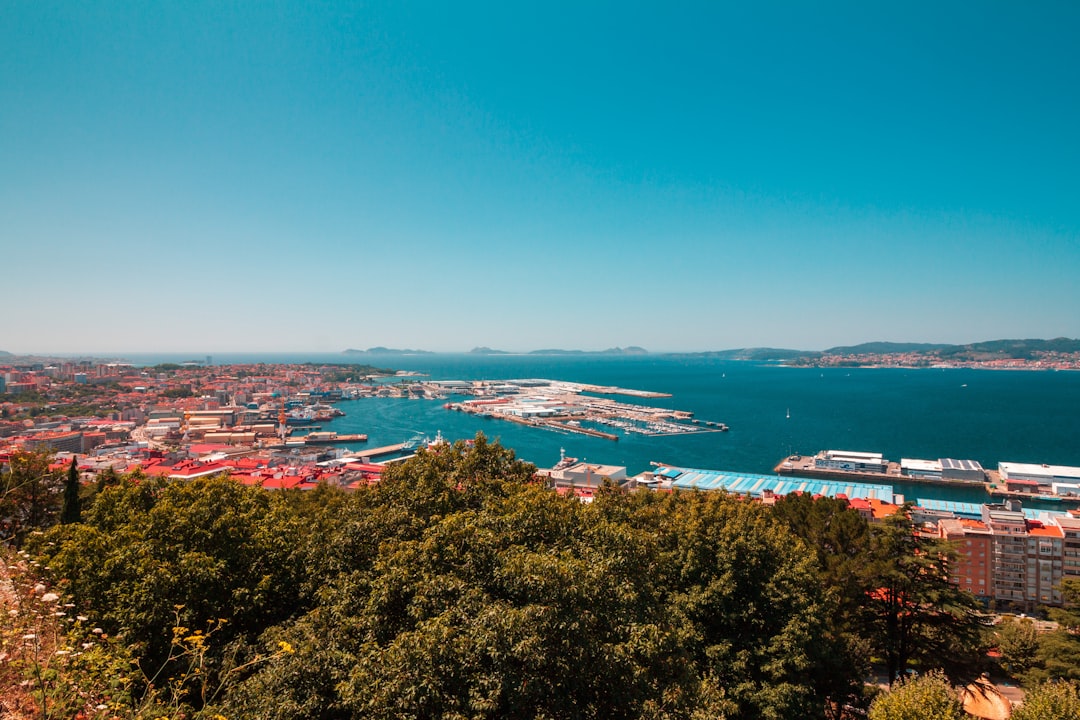
Vigo is Galicia’s largest city with a population of 296,479, sitting just 28 metres above sea level on the dramatic southern shore of the Ría de Vigo — one of the most beautiful natural harbours in Europe. Founded as a Roman settlement and later fortified by the Spanish Crown, today it is Spain’s biggest fishing port by volume, landing over 200,000 tonnes of seafood annually. The city punches well above its weight for culture, gastronomy, and wild Atlantic scenery, yet remains firmly off the mass-tourism radar.
Top 3 Highlights at a Glance
- Mercado da Pedra (Oyster Market) — Local women shuck fresh Galician oysters tableside for as little as €1 each — a ritual found nowhere else in Spain.
- Casco Vello (Old Quarter) — A labyrinth of granite lanes dating to the 15th century, packed with tapas bars and stone-arch doorways.
- Islas Cíes (Atlantic Islands National Park) — A protected archipelago 14 km offshore with beaches ranked among Europe’s most pristine, accessed only by ferry.
Scroll down for our complete travel guide with tips on getting there, where to stay, costs and more.
Arrival & Airport
How do I best get to Vigo?
Fly directly into Vigo Peinador Airport (VGO), just 9 km from the city centre. In my experience, this is the most convenient entry point, with connections from Madrid Barajas taking around 1 hour 10 minutes. Alternatively, Porto Francisco Sá Carneiro Airport (OPO) in Portugal is 130 km south and often has cheaper fares, with frequent bus and taxi transfers to Vigo. The Spanish high-speed AVE train from Madrid Chamartín is also excellent, covering the route in around 2 hours 20 minutes. My honest caveat: budget airlines rarely serve VGO directly from northern Europe, so Porto is often the smarter and cheaper gateway if you’re flying from the UK or Germany.
Which airport is closest to Vigo?
Vigo Peinador Airport (VGO) is the closest, sitting just 9 km from the city centre in the Peinador district. In my experience, it’s a refreshingly small and stress-free airport — you clear baggage claim in under 20 minutes. A taxi to the old town costs around €12–15 and takes 15 minutes. The caveat most guides omit: VGO has limited international routes and often no low-cost carriers from key European hubs. Porto Airport (OPO), 130 km south, frequently offers cheaper fares and is connected to Vigo by direct ALSA buses in around 2 hours for roughly €12.
How long does the journey from the airport to central Vigo take?
From Vigo Peinador Airport (VGO), the city centre is 15 minutes by taxi — a flat fare of roughly €12–15. I recommend taking a taxi over the bus here; the urban bus connection (Line 12A) exists but takes 35–40 minutes with stops and costs around $1.50 per ride. What surprised me is that there is no dedicated airport express shuttle, which is the one genuine gap in Vigo’s otherwise solid urban transport. If you arrive from Porto Airport (OPO), budget 2 hours on the ALSA bus to reach Vigo’s bus station at Estación de Autobuses de Vigo, from where the old quarter is a 10-minute taxi ride.
Do I need a car to explore Vigo?
No — for Vigo city itself, a car is a handicap, not a help. The Casco Vello (old quarter) is pedestrianised, parking is scarce and expensive near the waterfront, and the local bus network covers all major districts for just $1.50 per journey. My tip: skip the car for the city, but rent one for 2–3 days if you want to explore the broader Rías Baixas coastline — villages like Baiona and A Guarda are genuinely hard to reach by public transport. Car hire from the airport costs around €35–50 per day for a compact. The honest trade-off: Galician roads are narrow and often wet, so nervous drivers should stick to buses and ferries.
City Transport
What are the best areas to stay in Vigo?
I recommend basing yourself in or adjacent to the Casco Vello (old town) for maximum walkability and atmosphere — this puts you within 5 minutes on foot of the oyster market, waterfront, and best tapas bars. Calle Marqués de Valladares is the main commercial spine nearby with good mid-range hotels. Budget travellers do well in the Travesía de Vigo corridor just uphill. What surprised me: the Gran Vía district is modern and polished but feels corporate and lacks charm. Avoid staying near the port industrial zone — it’s noisy and has zero restaurant life. For a splurge with water views, the area around Praza do Rei delivers the best Ría de Vigo panoramas.
What does accommodation cost per night in Vigo?
Vigo is genuinely affordable by Spanish city standards. A solid 3-star hotel in the Casco Vello runs €65–90 per night. Mid-range 4-star hotels near the waterfront cost €100–140. Budget hostels like Hostel Roots offer dormitory beds from €18–22. My tip: Airbnb apartments in the old quarter average €70–100 per night for a one-bedroom and often provide better value than hotels if you plan to self-cater even occasionally. The honest caveat: prices spike 30–40% in July and August, especially during the Festas da Reconquista and summer seafood festival weekends. Book early for those dates or you’ll face slim pickings.
How far in advance should I book accommodation in Vigo during high season?
For July and August — Vigo’s peak months — book at least 8–10 weeks in advance, especially for anything near the waterfront or Casco Vello. In my experience, the week of the Festas de la Reconquista (historically in March) and the Vigo International Film Festival in October fill good hotels within days of announcements. Shoulder months like May, June, and September allow comfortable 2–3 week lead times. What surprised me: Vigo is not a classic tourist-circuit city, so mid-week stays in spring or autumn can be booked with almost no notice at excellent prices. I always check Booking.com and Hotusa for Spanish-chain deals that don’t appear on global aggregators.
Are there special or unique accommodation types in Vigo?
Yes — pazos are the standout Galician option. These are restored granite manor houses, typically set in the countryside just 15–25 km outside Vigo in villages like Gondomar or Mos, and they offer a genuine taste of rural Galician aristocratic life. Expect rates around €90–160 per night including breakfast. In the city itself, the Gran Hotel Nagari on Praza de Compostela is the most architecturally distinctive luxury stay, with a rooftop pool overlooking the ría — rates start at €140. My honest caveat: boutique hotel culture is still underdeveloped in Vigo compared to San Sebastián or Bilbao, so truly design-led small hotels are rare — apartments fill that gap better here.
Accommodation & Neighbourhoods
What are the must-see sights in Vigo?
Three sights I consider non-negotiable: First, the Islas Cíes — take the 45-minute ferry from the Vigo passenger terminal (around €21 return) to reach beaches that rival the Caribbean in clarity. Second, the Mercado da Pedra in the old town, where local women called mariscadoras have sold and shucked oysters on the street for centuries — a living cultural tradition. Third, the Castro de Vigo hillfort, a pre-Roman settlement with panoramic views over the entire Ría de Vigo and the Atlantic. My tip: the Museo do Mar de Galicia in Alcabre is also worth 2 hours for its honest account of Vigo’s fishing industry history.
What can I experience for free in Vigo?
Genuinely free highlights are abundant in Vigo. The Casco Vello street network, the Praza da Constitución, and the seafront Paseo de Alfonso XII cost nothing and take a full morning to properly explore. The Parque de Castrelos — Vigo’s largest park at 120,000 m² — hosts the open-air Museo Quiñones de León with free entry on weekends. Every Sunday, the sprawling Mercado do Berbés flea market on the waterfront is free to wander. What surprised me: Vigo’s street art scene in the Churruca neighbourhood is world-class and completely free — works by internationally recognised artists cover entire building facades. Most municipal parks also have free outdoor gym equipment, popular with locals year-round.
Which day trips from Vigo are worth the effort?
My top three: Baiona (20 km south, 30 minutes by bus or car) — a fortified medieval town where Columbus’s Pinta first returned with news of the Americas. A Guarda (60 km south, 1 hour by car) sits where the Miño River meets the Atlantic and has extraordinary Celtic hill fort ruins at Monte de Santa Tegra. And Pontevedra city (30 km north, 30 minutes by train for around €3.50) is arguably more beautiful than Vigo’s old centre — a traffic-banned granite gem. My honest caveat: the Islas Cíes are technically a day trip but should be treated as the single most important excursion — prioritise it above all others and book ferry permits well in advance in summer.
What are Vigo’s local food specialities?
Vigo’s cuisine is built around the sea. Percebes (goose barnacles) are the prestige item — brutally expensive at €60–100 per kg but unforgettable in flavour. Zamburiñas (Galician scallops) grilled with garlic and white wine cost around €8–12 per ración in the old town. Pulpo á feira (octopus with paprika and olive oil on wooden plates) is the regional icon — €12–15 per portion at a proper pulpería. In my experience, the Mercado da Pedra oysters at €1–1.50 each with a glass of local Albariño white wine are the single best-value food moment in all of Galicia. Avoid tourist-trap menus on the waterfront promenade — head two streets back for honest local pricing.
Highlights & Must-Sees
What makes Vigo unique compared to other Spanish cities?
Vigo is Spain’s largest fishing port — a working industrial city with genuine grit that San Sebastián or Valencia simply don’t have. What surprised me most is the contrast: you can eat world-class seafood from women shucking oysters on the street at 9am, then take a 45-minute ferry to what National Geographic called one of the world’s most beautiful beaches on the Islas Cíes. Vigo also has one of Spain’s most celebrated Christmas light displays — the Vigo Nadal installation, which draws over 1 million visitors annually to a city most Europeans couldn’t locate on a map. The Galician language (Galego) is actively spoken here, giving daily life a cultural texture entirely distinct from Castilian Spain.
How many days should I spend in Vigo?
I recommend a minimum of 3 full days and ideally 4–5 days. Day 1: Casco Vello, oyster market, Castro hillfort, waterfront. Day 2: Islas Cíes (full day — leave by the 10:30am ferry). Day 3: day trip to Baiona and A Guarda. Days 4–5 add Pontevedra, the Rías Baixas wine country, and deeper exploration of local restaurants. My honest caveat: first-timers often underestimate Vigo and allocate only 1–2 days. That’s enough to see the sights but not enough to eat your way through the city properly — and the food is arguably the main reason to come. Don’t rush the Islas Cíes either; the last ferry back departs at 8pm in summer.
When is the best time to visit Vigo?
July and August are the prime months based on climate data — warmest, driest, and when ferry access to the Islas Cíes runs at full frequency. Average summer temperatures sit around 22–25°C with long Atlantic evenings. My personal preference, however, is late May or early June: the city is quiet, prices are 20–30% lower, the seafood markets are at peak supply, and the surrounding hills are impossibly green. September is excellent too — warm water, thinner crowds, and the grape harvest in the Albariño wine region of Rías Baixas makes day trips especially rewarding. Avoid January to March if outdoor activity is your priority — Atlantic storms are frequent and the Islas Cíes ferry is suspended.
What local festivals in Vigo are worth attending?
Three festivals I’d actively travel to Vigo for: The Festas da Reconquista (historically in March) commemorates the city’s liberation from Napoleonic forces with costumed battles, bagpipes, and fireworks — genuinely spectacular and deeply local. The Semana Grande in late June is Vigo’s biggest summer party — 10 days of free outdoor concerts, fireworks over the ría, and non-stop street food. The Vigo International Film Festival (OUFF) each October screens independent world cinema across 5 city venues and draws a creative crowd that transforms the city’s bars. My honest caveat: the Vigo Nadal Christmas light display (December) is famous across Spain but brings serious crowds — book accommodation 3–4 months in advance if you plan to attend.
Food & Drink
How does the weather in Vigo affect activities?
Vigo sits on the Atlantic coast at 28 metres elevation, and the weather is genuinely unpredictable outside peak summer. The Islas Cíes ferry only operates reliably from June to September, so any trip centred on beach activity must fall within that window. Rainfall is high from October through April — Galicia is Spain’s wettest region, earning it the nickname España Verde (Green Spain). What surprised me: even in July, Atlantic fog can roll in for a full morning, then clear to blazing sun by noon. Indoor alternatives — the Museo do Mar, the old town’s covered granite arcades, pulperías, and wine bars — mean a rainy day is never wasted in Vigo. Pack a waterproof layer regardless of the month.
How crowded does Vigo get in peak season?
Vigo is refreshingly uncrowded by Spanish city standards — it simply doesn’t appear on most European tourist itineraries. The Islas Cíes, however, are a different matter: the national park limits daily visitors to 2,200 people, ferry tickets sell out weeks in advance in July and August, and the permit system is strict. Book Islas Cíes ferry tickets the moment they go on sale in April at Naviera Mar de Ons. The Casco Vello gets lively in July and August but never feels overwhelmed. What surprised me: the busiest time in the city itself is actually Christmas week due to the famous light display — even more intense than mid-summer, with weekend crowds exceeding those of any summer Saturday.
How safe is Vigo?
Vigo is safe — I walked the Casco Vello at 2am without concern and found it lively rather than threatening. The city’s crime rate is low by European standards. The one area requiring awareness is the zone around Rúa Urzáiz and the bus station after midnight, where petty theft and street drinking occasionally create discomfort. Standard urban precautions apply: don’t leave bags unattended on restaurant terraces, use a money belt in crowded markets like Mercado da Pedra on busy weekends. The Islas Cíes is among the safest natural environments I’ve visited anywhere — no roads, no cars, and a strict camping permit system keeps overnight behaviour orderly. Emergency number throughout Spain is 112.
Is English widely spoken in Vigo?
English is spoken in tourist-facing businesses — hotel receptions, tour operators, and upscale restaurants — but Vigo is fundamentally a Galician-Spanish bilingual city where Galego and Castilian Spanish dominate daily life. In my experience, venturing even two streets from the main tourist zone into local bars and markets means you’ll need basic Spanish. What surprised me: Galego (the local language, closer to Portuguese than Castilian) is the first language of many older locals — menus, street signs, and market vendors often use it exclusively. My tip: download Google Translate with Spanish AND Galego language packs offline before you arrive. A few words of Spanish — percebes, unha cunca de viño (a cup of wine) — earn enormous goodwill in this proudly local city.
Practical Tips
What is the daily budget for travelling in Vigo?
Vigo is one of Spain’s better-value cities. A tight budget of $60–70 per day covers a hostel bed ($20–25), a cheap meal at around $12, local transport at $1.50 per ride, and entry to paid attractions. My recommended comfortable mid-range budget is $120–150 per day per person — this gets you a 3-star hotel room, a proper seafood lunch with Albariño wine, a dinner in the old town, and the Islas Cíes ferry (€21 return). A splurge day — including the Gran Hotel Nagari, percebes, and a private boat charter — can hit $300+. What surprised me: eating and drinking well in Vigo costs 30–40% less than in Barcelona or Madrid for equivalent quality.
How does Vigo’s public transport network work?
Vigo’s urban bus network (Vitrasa) covers the entire city with 28 lines at a flat fare of $1.50 per journey — exact change or a Tarjeta Bono rechargeable card makes it seamless. I use the Vitrasa app to track real-time arrivals. Taxis are metered, abundant, and cheap — a cross-city ride rarely exceeds €8. The Islas Cíes ferry departs from the Estación Marítima (passenger terminal) at the port. Regional connections to Pontevedra and Redondela are served by frequent Renfe Cercanías commuter trains from Vigo-Urzáiz station — a €3.50 ticket gets you to Pontevedra in 30 minutes. My honest caveat: Sunday bus frequency drops significantly — plan accordingly or budget for taxis on weekend mornings.
Which apps do you recommend for getting around and enjoying Vigo?
My essential app list for Vigo: Vitrasa (official Vigo bus network — real-time tracking, indispensable). Renfe for commuter train tickets to Pontevedra and regional destinations — book ahead for discounts. Naviera Mar de Ons for Islas Cíes ferry booking — this is non-negotiable in summer, as tickets genuinely sell out. Google Maps works excellently in Vigo for walking and bus navigation. TheFork (called ElTenedor in Spain) for restaurant reservations, especially seafood restaurants near Praza da Constitución that fill up fast on weekends. Glovo for food delivery if your accommodation has a kitchen. My honest caveat: Bolt (ride-hailing) operates in Vigo but coverage is thinner than in Madrid or Barcelona — traditional taxis hailed on the street remain faster and more reliable in this city.
More Destinations in Europe
Explore our complete travel guides for more Europe destinations: Santiago de Compostela Travel Guide (2026), Île de Houat Travel Guide (2026), Bilbao Travel Guide (2026), Antibes Travel Guide (2026), Nice Travel Guide (2026).
Vigo at a Glance
| Population | 294,489 |
|---|---|
| Currency | EUR (€) |
| Official language | Spanish |
| Time zone | UTC+01:00 |
Source: Wikidata, retrieved October 2026.
Useful Resources for Planning Your Trip to Vigo
- Wikipedia: Vigo — history, geography and background
- Lonely Planet: Vigo — itineraries and travel inspiration
- TripAdvisor: Vigo — hotels, restaurants and traveller reviews
🎥 Vigo Travel Videos

Vigo, Galicia: The hidden gem of Spain you MUST visit
Alina
Our Day in Vigo, Spain
As Good As It Gets

I Knew Nothing About Vigo, Spain… Then We Went
LifeWithVetta
You are currently viewing a placeholder content from Vimeo. To access the actual content, click the button below. Please note that doing so will share data with third-party providers.
More InformationYou are currently viewing a placeholder content from YouTube. To access the actual content, click the button below. Please note that doing so will share data with third-party providers.
More InformationYou need to load content from reCAPTCHA to submit the form. Please note that doing so will share data with third-party providers.
More InformationYou are currently viewing a placeholder content from GetYourGuide. To access the actual content, click the button below. Please note that doing so will share data with third-party providers.
More Information