
Valencia: The Complete Travel Guide (2026)
Last reviewed: October 2026 · key facts checked against Wikidata
Valencia Travel Guide: Everything You Need to Know (2026)
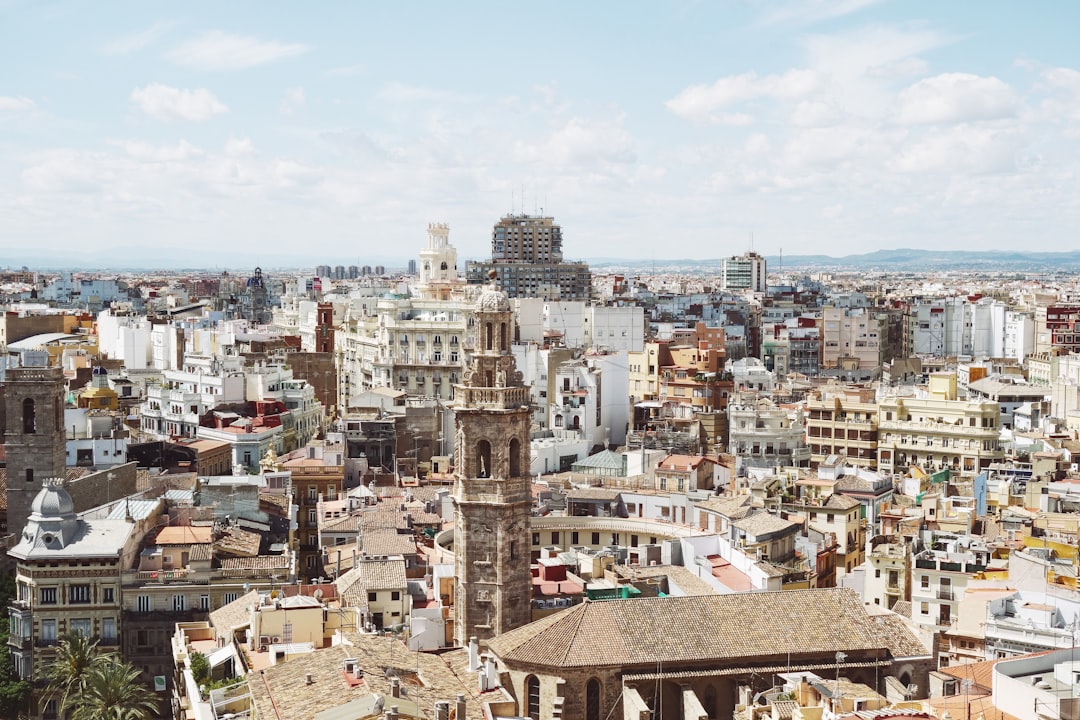
Valencia, Spain’s third-largest city with a population of 840,792, sits at just 15 meters above sea level on the Mediterranean coast, roughly 350 km southeast of Madrid. Founded by the Romans in 138 BC as Valentia Edetanorum, it now draws millions annually with its blend of futuristic architecture, ancient old town, and the birthplace of paella. The city hosted the 2007 America’s Cup and regularly ranks among Europe’s most liveable cities for its combination of affordability and year-round sunshine.
Top 3 Highlights at a Glance
- City of Arts and Sciences — Santiago Calatrava’s futuristic complex spanning 350,000 m² is Valencia’s architectural icon, housing a planetarium and Europe’s largest aquarium.
- La Malvarrosa Beach — A 4-km urban beach minutes from the city centre where locals eat authentic paella at waterfront restaurants that have operated since the 1970s.
- Mercado Central — One of Europe’s largest covered markets, built in 1928 under a stunning Art Nouveau iron-and-tile roof with over 1,200 vendors inside.
Scroll down for our complete travel guide with tips on getting there, where to stay, costs and more.
Arrival & Airport
How do I get to Valencia — by plane, train, or bus?
Fly into Valencia Airport (VLC), just 9 km from the city centre — it’s the fastest and cheapest entry point. In my experience, Ryanair and Vueling offer routes from across Europe for under $50 if booked 6-8 weeks out. If you’re coming from Madrid, the AVE high-speed train from Madrid Atocha to Valencia Joaquín Sorolla station takes just 1 hour 35 minutes and costs around $25-45. The honest caveat: VLC is a compact airport with limited long-haul routes, so travelers from North America typically connect through Madrid (MAD) or Barcelona (BCN) first.
Which airport is closest to Valencia?
Valencia Airport (VLC) is your airport — it sits just 9 km west of the city centre in the Manises district. In my experience, it’s one of Spain’s most stress-free airports: compact, easy to navigate, and connected to the city by Metro Line 3 and Line 5 in around 20 minutes for $2.50. A taxi from VLC to the old town costs roughly $20-25. The trade-off: VLC has fewer direct international connections than Madrid or Barcelona, so budget airline deals can be inconsistent outside summer months.
How long does the journey from Valencia Airport to the city centre take?
The metro takes 20 minutes from the airport to the city centre — it’s the option I always recommend. Metro Line 3 runs from Valencia Airport directly to Xàtiva station, right at the edge of the old town, every 20 minutes. Cost is approximately $2.50 per journey. A taxi covers the same 9 km in 15-20 minutes depending on traffic and costs $20-25. What most guides omit: the metro requires a platform-specific Metrovalencia card ($1.50 deposit) which you load credit onto — don’t try to buy a single-use ticket, as the card is better value.
Do I need a rental car to explore Valencia?
No — Valencia is completely manageable without a car. The city centre, Ruzafa neighbourhood, and beachfront are all walkable or metro-accessible. My tip: the EMT bus network covers 60+ lines, and Valenbisi, the city bike-share system, has 275 stations citywide for around $2.50 per day. The honest caveat: if you want to day-trip to L’Albufera Natural Park (15 km south) or explore inland wine regions like Utiel-Requena, a rental car for 1-2 days at around $35-50/day genuinely adds value. For the city itself, leave the car at the hotel.
City Transport
What are the best areas to stay in Valencia?
I recommend El Carmen for first-time visitors — it’s the medieval heart of the old town, walkable to everything, and atmospheric day and night. Ruzafa suits travellers who want a hipper, local-feeling neighbourhood with independent cafés and zero tourist-tat shops — it’s also 15 minutes on foot from the train station. Cabanyal, the former fishing district near La Malvarrosa beach, is rapidly gentrifying and offers good value. What surprised me: the area directly around Valencia Nord train station is perfectly safe and convenient but costs 20-30% less than El Carmen for equivalent hotels.
What does accommodation cost per night in Valencia?
An economy hotel in Valencia runs around $60/night based on verified Numbeo data — genuinely one of Western Europe’s best-value capitals. Mid-range hotels in El Carmen or Ruzafa average $90-130/night for a solid 3-star property. Boutique 4-star options, particularly around Calle Colón, start at $150/night. In my experience, Airbnb apartments in Cabanyal offer the best value for stays over 4 nights — expect $70-100/night for a full apartment. The trade-off: budget hostels in El Carmen can be noisy given the neighbourhood’s nightlife — bring earplugs or pay the $15-20 premium for a quieter street.
How far in advance should I book accommodation in Valencia during high season?
Book at least 8-10 weeks ahead for June through August and during Las Fallas in March — this is non-negotiable. Las Fallas (March 15-19) is Valencia’s biggest festival, and the city sells out entirely; I’ve seen rooms that cost $80 in April jump to $250+ during Fallas week. For shoulder months like October — one of the best travel months based on climate data — 3-4 weeks advance booking is usually sufficient. What most guides miss: the Formula 1 Grand Prix (held nearby at Circuit Ricardo Tormo in late October some years) also causes a full city sellout, so check the events calendar before assuming autumn is low-season.
Are there special or unique accommodation types in Valencia?
Yes — Valencia’s converted palaces in El Carmen are genuinely special. Several 15th and 16th-century noble houses have been turned into boutique hotels, like Palacio Vallier, where rooms sit around original stone courtyards. For a beach experience, the Cabanyal neighbourhood has fishermen’s terraced houses (known locally as barracas inspired) converted into vacation rentals — sleeping in a house whose walls date to the 1890s for $80-100/night is unbeatable value. My honest caveat: Valencia lacks truly standout luxury hotels compared to Barcelona or Madrid — if five-star service is your priority, you may find the local top-tier options underwhelming.
Accommodation & Neighbourhoods
What are the must-see sights in Valencia?
The City of Arts and Sciences (Ciutat de les Arts i les Ciències) is unmissable — Calatrava’s complex includes the Oceanogràfic aquarium, Europe’s largest, entry $35. The Mercado Central, open since 1928, is a 45-minute sensory experience even if you buy nothing. The Cathedral of Valencia houses what many claim is the Holy Grail — entry $4. What surprised me: the Turia Gardens, an 8-km-long park built in the former river bed that cuts through the entire city, is completely free and one of Europe’s most remarkable urban parks. Most tourists rush past it to reach the City of Arts and Sciences without realising the garden IS the journey.
What can I experience for free in Valencia?
More than in almost any other Spanish city. The Turia Gardens — 8 km of free parkland — connects the old town to the City of Arts and Sciences at zero cost. The Mercado Central interior is free to enter and browse. La Malvarrosa Beach and El Cabanyal beachfront promenade cost nothing. In my experience, the most overlooked free experience is the Silk Exchange (La Lonja de la Seda), a UNESCO World Heritage Site with free entry on Sundays. The IVAM (Institut Valencià d’Art Modern) offers free entry on Sundays too. Even window-shopping through Ruzafa’s independent boutiques on a Sunday morning is genuinely enjoyable without spending a cent.
Which day trips from Valencia are worth taking?
L’Albufera Natural Park, just 15 km south, is where the original paella was invented and where you can take a boat through Europe’s largest lagoon — half-day trip. Xàtiva, a medieval hilltop town 60 km south reachable by train in 45 minutes for $6, has a stunning castle and near-zero tourists. Gandia (60 km south, 50-minute train) offers a quieter beach alternative to the city. My honest caveat: Barcelona is 3.5 hours by AVE train and feels too far for a comfortable day trip — budget a separate overnight instead. What surprises most visitors: Sagunto’s Roman theatre, just 25 km north, is more impressive than many Roman sites in Italy and takes under 30 minutes by train.
What local specialities should I try in Valencia?
Paella Valenciana is the obvious answer, but eat it only at lunch — Valencians never eat paella for dinner, and any restaurant serving it at 8 PM is cooking from frozen. The authentic version contains rabbit and chicken, not seafood. Go to Restaurant La Pepica on La Malvarrosa beach where Hemingway ate, or Casa Roberto in the city centre. Horchata (tiger nut milk) with fartons (sweet pastry) at the historic Horchatería de Santa Catalina is a $4 experience unlike anything else in Europe. All i pebre (eel with garlic and paprika) in L’Albufera is the local dish most tourists never discover — find it in the lakeside village of El Palmar.
Highlights & Must-Sees
What makes Valencia genuinely unique compared to other Spanish cities?
Valencia is the only major European city that rerouted an entire river — the Turia river, after 1957 floods, was diverted south and the original 8-km riverbed transformed into a public garden. No other city has anything like it. It’s also the undisputed birthplace of paella, with a protected Denominació d’Origen for authentic recipes. What surprised me most: Valencia genuinely functions as a city for locals, not tourists — the Ruzafa market on Sundays, the neighbourhood fallas celebrations, and the Horchata bars in Alboraya (8 km north) are all experiences where you’re the only non-Valencian in sight. That ratio of authentic-to-touristy life is increasingly rare in Spain.
How many days are worthwhile in Valencia?
4 full days is the sweet spot — enough to do the City of Arts and Sciences, old town, beach, Mercado Central, and one day trip without rushing. In my experience, 3 days feels rushed; you end up skipping Ruzafa or L’Albufera, which are genuinely the best parts. 5-6 days rewards slower travelers with time to explore Cabanyal’s street art, visit Xàtiva, and eat properly (multiple meals at neighbourhood spots rather than tourist restaurants). The honest trade-off: Valencia’s nightlife is centred around El Carmen and Ruzafa and runs until 5 AM — if you’re a late-night traveller, factor in slow mornings and extend to 5 days.
When is the best time to visit Valencia?
June, July, August, and October are the best travel months based on verified climate data. My personal preference is late September to mid-October — the sea is still warm enough to swim (around 23°C), crowds thin by 40% after August, and accommodation prices drop significantly. June is excellent before the August peak. What most guides omit: March is extraordinary if you time it for Las Fallas (15-19 March), one of the world’s most spectacular city festivals, but the city triples in price and noise. January and February are mild (rarely below 10°C) and genuinely pleasant for city exploration — Valencia’s 270 annual sunshine days mean even winter is workable.
What local festivals in Valencia are worth attending?
Las Fallas (March 15-19) is unmissable on a global scale — the city erects over 700 giant satirical sculptures citywide, then burns them all on the final night in a controlled city-wide bonfire called La Cremà. It’s a UNESCO Intangible Cultural Heritage event. La Tomatina in Buñol (45 km west, last Wednesday of August) is globally famous but genuinely wild — 20,000 people throw 125,000 kg of tomatoes in 1 hour. My honest caveat: Las Fallas involves daily 2 PM firecracker explosions (La Mascletà) loud enough to rattle windows — if you’re sensitive to noise or travelling with young children, it’s genuinely overwhelming. Book accommodation 6+ months ahead for Fallas week.
Food & Drink
How does Valencia’s weather affect what activities I can do?
Valencia’s Mediterranean climate means outdoor activities work almost year-round. Beach swimming is realistic from June through October; the sea hits 26°C in August. Cycling the Turia Gardens is pleasant even in January when temperatures average around 12-15°C. The key weather warning most guides omit: Valencia is prone to DANA events (cold drop storms), typically in October-November, which can bring flash flooding — the catastrophic November 2024 floods that killed over 200 people in the province were a DANA event. Always check weather forecasts if visiting in autumn. Summer afternoons hit 32-35°C, making midday sightseeing uncomfortable — plan museums for 1-4 PM and outdoor activities for morning or evening.
How crowded does Valencia get in peak season?
August is genuinely packed — the City of Arts and Sciences queues reach 45-60 minutes without pre-booked tickets, and La Malvarrosa beach becomes wall-to-wall from 11 AM. In my experience, the old town of El Carmen feels congested from late July through August but never reaches the suffocating tourist density of Barcelona’s Gothic Quarter or central Rome. What surprises most visitors: Valencians themselves leave the city in August, so while tourist numbers are high, the neighbourhood life in Ruzafa actually quietens. The Mercado Central closes on Sunday afternoons and all day Sunday — a detail that blindsides many first-timers who plan their market visit for a Sunday morning stroll.
How safe is Valencia?
Valencia is one of Spain’s safest large cities — violent crime is rare. The main risk is pickpocketing, concentrated in El Carmen at night, around Valencia Nord train station, and on the Metro Line 5 during peak tourist hours. In my experience, keeping a money belt or cross-body bag closed is sufficient protection. La Malvarrosa beach has occasional bag theft when swimmers leave belongings unattended — use the paid locker facilities ($2-3/day). The honest caveat: the November 2024 DANA floods revealed significant infrastructure vulnerabilities in the Valencia province — while the city itself was less affected than surrounding areas like Paiporta, it’s worth checking official alerts if visiting in autumn.
Is English widely spoken in Valencia?
More than you’d expect for a non-capital Spanish city, but less than Barcelona or Madrid. In tourist areas — the City of Arts and Sciences, Mercado Central, and hotels in El Carmen — English is reliable. In my experience, Ruzafa’s independent restaurants and bars have limited English, and locals genuinely appreciate any attempt at Spanish or Valencian. The local language is Valencian (a dialect of Catalan), not just Spanish — menus and street signs are often in Valencian first. My honest tip: download the Google Translate offline Spanish pack before you arrive. Interactions at the Valenbisi bike-share kiosks and metro ticket machines are Spanish-only and can frustrate first-time visitors expecting English interfaces.
Practical Tips
What is the daily budget for travelling in Valencia?
Budget travellers can manage on $60-70/day covering a hostel dorm ($20-25), a cheap meal ($13 per Numbeo data), metro transport ($1.50/ride), and one paid sight. Mid-range travellers spending $130-160/day can afford a solid 3-star hotel, two restaurant meals, and entry to the Oceanogràfic. Comfortable travel with a 4-star hotel, paella lunch at a good restaurant, and no price-checking runs $200-250/day. What surprised me: Valencia undercuts Barcelona by 30-40% for equivalent experiences — a mid-range dinner for two costs around $25 (Numbeo verified) versus $50+ in central Barcelona. The biggest budget killer is the Oceanogràfic aquarium at $35 entry — it’s worth it, but it blows a budget day’s entire activities budget in one ticket.
How does Valencia’s public transport network work?
Valencia runs an integrated Metrovalencia metro/tram network (9 lines), EMT city buses (60+ lines), and Valenbisi bike-share under one unified system. A single metro ride costs $1.50; a 10-trip T-10 card costs around $8 and is shareable. The tram Line 4 is the most scenic route, running along the coast to Cabanyal and beyond. In my experience, the metro covers all major sights except L’Albufera (bus-only). The honest caveat: frequency drops sharply after 10 PM on most metro lines — last trains on some lines run at 11:30 PM, which catches out nightlife visitors. Night buses (marked N) cover the gap but are slower. Download the Metrovalencia app for real-time schedules.
Which apps do you recommend for getting around and enjoying Valencia?
Metrovalencia (official metro app) for real-time departures — essential. EMT Valencia for bus routes and live tracking. Valenbisi app for locating the nearest bike-share station (275 stations citywide). For food, TheFork (ElTenedor) gets you 30-50% discounts at mid-range restaurants that rarely advertise it — I’ve saved $15 on a two-person dinner using it. Google Maps works well for navigation but occasionally misses local shortcuts through the Turia Gardens. My honest caveat: Citymapper doesn’t cover Valencia as comprehensively as it covers Madrid or Barcelona — stick with the official EMT and Metrovalencia apps rather than relying on third-party transit aggregators for accurate local schedules.
More Destinations in Europe
Explore our complete travel guides for more Europe destinations: Île Berder Travel Guide (2026), Granada Travel Guide (2026), Île dOléron Travel Guide (2026), Île de Ré Travel Guide (2026), Provence Travel Guide (2026).
Valencia at a Glance
| Population | 840,792 |
|---|---|
| Currency | EUR (€) |
| Official language | Valencian, Spanish |
| Time zone | UTC+01:00 |
Source: Wikidata, retrieved October 2026.
Useful Resources for Planning Your Trip to Valencia
- Wikipedia: Valencia — history, geography and background
- Lonely Planet: Valencia — itineraries and travel inspiration
- TripAdvisor: Valencia — hotels, restaurants and traveller reviews
🎥 Valencia Travel Videos
The Ultimate Guide to Valencia
Patrick Guide Barcelona

Valencia Travel Guide 2026 – Watch This BEFORE You Go!
Burak’s Journey

VALENCIA TRAVEL GUIDE 🇪🇸 BEST Things To Do in …
CJ Explores
You are currently viewing a placeholder content from Vimeo. To access the actual content, click the button below. Please note that doing so will share data with third-party providers.
More InformationYou are currently viewing a placeholder content from YouTube. To access the actual content, click the button below. Please note that doing so will share data with third-party providers.
More InformationYou need to load content from reCAPTCHA to submit the form. Please note that doing so will share data with third-party providers.
More InformationYou are currently viewing a placeholder content from GetYourGuide. To access the actual content, click the button below. Please note that doing so will share data with third-party providers.
More Information