
Livorno: The Complete Travel Guide (2026)
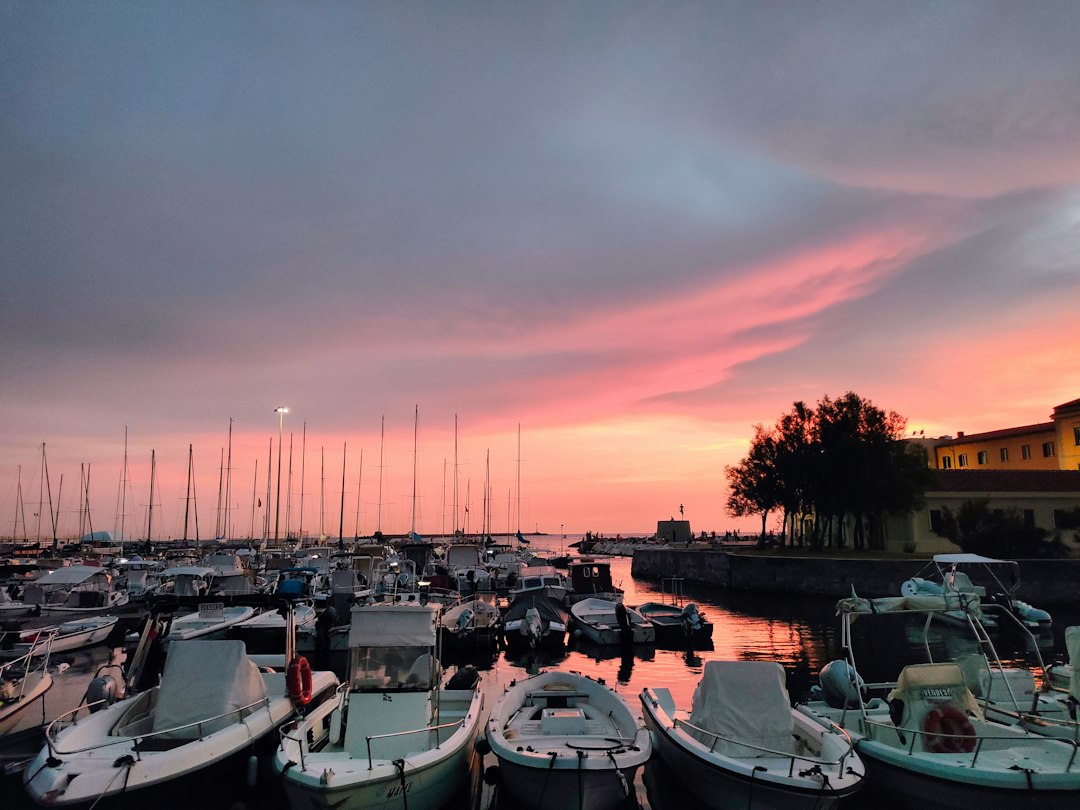
Last reviewed: September 2026 · key facts checked against Wikidata
Livorno Travel Guide: Everything You Need to Know (2026)
Livorno is a working Tuscan port city of 152,914 residents sitting at just 3 metres above sea level on the Tyrrhenian Sea, founded as a major naval base by the Medici in 1577. Unlike Florence or Siena, it has never been a tourist darling, which means you get authentic Tuscany without the selfie sticks. The city’s historic canal district, the Venezia Nuova, and its fierce local pride make it one of central Italy’s most underrated urban destinations.
Three Things Not to Miss in Livorno
- Venezia Nuova Canal District — A 17th-century canal quarter with 4 interconnected waterways where locals still row flat-bottomed boats called schifetti.
- Fortezza Vecchia — A Medici fortress dating to 1521 rising directly from the harbour — free to enter and largely ignored by outsiders.
- Mercato Centrale — Livorno’s central market built in 1894 where you can eat a full plate of cacciucco fish stew for under €10.
Scroll down for our complete travel guide with tips on getting there, where to stay, costs and more.
How to Reach Livorno
How do I get to Livorno?
Take a direct train from Florence Santa Maria Novella — it runs every hour and costs €8–€12. From Rome Termini, the fastest Intercity connection takes around 2 hours 30 minutes via Pisa. By car, Livorno sits on the A12 and A11 motorways, roughly 340 km from Rome. In my experience, the train is the best option: Livorno Centrale station sits in the heart of the city and saves you the nightmare of port-adjacent parking. One caveat most guides skip: the secondary station Livorno Calambrone is useless for tourists — confirm your ticket stops at Livorno Centrale.
Which airport is closest to Livorno?
Pisa Galileo Galilei Airport (PSA) is the closest, just 20 km north of Livorno — roughly 30 minutes by car or shuttle. A direct shuttle, the LAM Rossa bus, runs between PSA and Livorno’s city centre for about €3. My tip: book the shuttle rather than a taxi — taxis charge a fixed rate of €35–€45 for the same trip and offer zero time advantage. Florence Airport (FLR) is a viable alternative at 90 km away, but adds a full extra hour of travel. The honest caveat: Ryanair and EasyJet dominate PSA routes, so flight times can be inconvenient.
How long does the journey from Florence to Livorno take?
By regional train from Florence Santa Maria Novella, the journey is 1 hour 20 minutes to 1 hour 40 minutes depending on stops, and costs €8.90. Driving takes about 1 hour 15 minutes on the A11/SGC Fi-Pi-Li road, though the latter is toll-free and cuts through pretty Tuscan landscape. What surprised me: the SGC (Superstrada Firenze–Pisa–Livorno) is faster in morning traffic than the motorway. The caveat most guides omit: Friday afternoon trains from Florence are packed with university students returning home — book your seat in advance or stand the whole way.
Do I need a car to explore Livorno?
No — Livorno’s city centre is entirely walkable and a car is more hindrance than help. The Venezia Nuova district, the Terrazza Mascagni, and the Fortezza Vecchia are all within a 20-minute walk of Livorno Centrale station. Buses run by CTT Nord cover the wider city for €1.30 per ride. I recommend renting a car only if you plan day trips to Castiglioncello or Bolgheri vineyards, where public transport is thin. The honest warning: parking near the Porto Mediceo is chaotic and the ZTL restricted zone will trigger an automatic fine if you drive into the historic centre without a permit.
Livorno Public Transport Explained
What are the best areas to stay in Livorno?
Stay in the Venezia Nuova neighbourhood for the most atmospheric experience — canal views, local trattorias, and a 10-minute walk to the harbour. The Centrale–Mercato area around Via Grande suits those who want to be steps from the train station and main shopping street. I recommend avoiding the Ardenza seafront suburb unless you specifically want a quieter beach-town feel, as it adds 4 km between you and the sights. What surprised me: the area around Piazza della Repubblica looks scruffy but hides genuinely good mid-range hotels at prices 30% below Florence equivalents.
What does accommodation cost per night in Livorno?
A solid 3-star hotel in Livorno runs €70–€100 per night in mid-season. Boutique B&Bs in the Venezia Nuova district average €60–€85. You can find clean 2-star options near Livorno Centrale for €45–€60. What surprised me: Livorno has almost no luxury hotel inventory above 4 stars — if you need a 5-star experience, base yourself in Castiglioncello (22 km south) instead. The honest caveat: apartment rentals on Airbnb average €55–€80 per night and often represent better value than hotels, especially for 3-night stays, because most include a kitchen — a real saving given Livorno’s excellent local markets.
How far in advance should I book accommodation in Livorno during high season?
Book at least 6 weeks ahead for July and August, when the city fills with Italian domestic tourists heading to the Tuscan coast. My tip: the sweet spot is booking in late April for a September visit — you lock in the best rates before the shoulder-season surge and September in Livorno is genuinely the finest month to visit. The honest warning most guides skip: Livorno hosts the Effetto Venezia festival in late July–early August, a 4-night music and arts event in the Venezia Nuova district that books the entire neighbourhood’s accommodation 12 weeks in advance. Always check festival dates before assuming rooms are available.
Are there special or unusual accommodation types in Livorno?
Yes — Livorno has a handful of genuinely distinctive options. Agriturismo stays are available in the hills of Montenero just 8 km south, offering vineyard views and breakfast for €65–€90 per night. The Villa Fabbricotti park area has one historic guesthouse converted from a 19th-century noble residence. For something truly different, a small number of operators offer boat accommodation moored in the Porto Mediceo — expect to pay €80–€110 per night and book months ahead. What surprised me: there are no hostel dorms of real quality in Livorno itself — budget solo travellers are better served by small family-run B&Bs in the Piazza Cavour area.
Neighbourhoods of Livorno
What are the must-sees in Livorno?
The Venezia Nuova canal district is non-negotiable — rent a schifetto boat for €12 per hour and see it from the water. The Fortezza Vecchia (1521) is free, photogenic, and almost always quiet. The Museo di Storia Naturale del Mediterraneo charges €5 and houses a genuine blue whale skeleton. The Terrazza Mascagni is a 4,500-square-metre seafront mosaic terrace where locals stroll at sunset — completely free. My honest caveat: the Duomo di Livorno is frequently described in guides as a highlight, but the interior is unremarkable after its WWII reconstruction — I’d skip it in favour of an hour in the Mercato Centrale instead.
What can I experience for free in Livorno?
More than you’d expect. The Terrazza Mascagni seafront promenade, the Fortezza Vecchia exterior and grounds, and the entire Venezia Nuova neighbourhood cost nothing to explore. The Villa Fabbricotti park is free and largely unknown to tourists. Every Sunday morning, the Mercato delle Pulci flea market at Via Buontalenti is a free and fascinating window into local life. In my experience, Livorno’s single best free experience is simply sitting with a caffè corretto (espresso with grappa, the local ritual) at a bar on Piazza della Repubblica and watching the city go about its business — it costs €1.50 and tells you more about Livorno than any museum.
Which day trips from Livorno are worth doing?
Bolgheri (45 km south) is the home of Sassicaia wine and one of Tuscany’s most underrated villages — reachable by car in 50 minutes. Capraia island is a 3-hour ferry ride from Livorno’s harbour for €20 return and offers dramatic volcanic scenery with zero mass tourism. Pisa is just 20 km north and under 20 minutes by train — stop for the tower, eat lunch, and return by afternoon. My honest caveat: Cinque Terre is frequently promoted as a Livorno day trip but involves 2.5 hours each way by train via La Spezia — it works only if you take the 7:00am departure and accept a rushed visit.
What are the local specialities to eat in Livorno?
Cacciucco is Livorno’s defining dish — a thick, spicy fish stew made with at least 5 species of seafood, served over stale bread, and ordered at Trattoria da Galileo on Via della Campana for around €14 a bowl. Triglie alla livornese (red mullet in tomato sauce) is the lighter alternative. Street food is anchored by torta di ceci — a thin chickpea flatbread, sold for €1.50 a slice at hole-in-the-wall shops called friggitorie. What surprised me: Livorno’s Jewish ghetto history produced schiaccia briaca, a dense cake made with wine, dried figs, and pine nuts — impossible to find outside the city and worth buying at Forno Genovesi on Via Santa Fortunata.
What to See in Livorno
What makes Livorno unique compared to other Tuscan cities?
Livorno was built from scratch by Cosimo I de’ Medici in 1577 as a planned, cosmopolitan free port — which means it has no medieval core, no ancient Roman ruins, and no art-church circuit. It was one of the first cities in Europe to grant legal equality to Jews, Greeks, Armenians, and Moors in its 1593 Livornina charter, creating a uniquely layered cultural identity. In my experience, what truly sets it apart is the absence of tourist performance: restaurants don’t have picture menus, English is less common, and prices reflect Italian reality rather than visitor markup. The honest caveat: that authenticity also means fewer English-language signs and a steeper learning curve for non-Italian speakers.
How many days should I spend in Livorno?
2 full days cover the city’s core highlights comfortably. Day 1: Venezia Nuova canals, Fortezza Vecchia, Mercato Centrale lunch, Terrazza Mascagni at sunset. Day 2: Museo di Storia Naturale, a morning at the Spiaggia delle Ghiaie pebble beach, and dinner at a friggitoria. Add a 3rd day if you plan a day trip to Bolgheri or Capraia. My honest assessment: Livorno doesn’t reward a week-long stay on its own, but it works brilliantly as 3 nights anchoring day trips across southern Tuscany — it’s far cheaper than Florence and far less crowded than Siena as a regional base.
When is the best time to visit Livorno?
September is the single best month — sea temperatures stay at 24°C, tourist numbers drop sharply after August, and the light on the canals in the evening is extraordinary. July is the warmest and liveliest month but brings Italian domestic tourism at full force. Spring (April–May) is my second recommendation: the Terrazza Mascagni is pleasant without crowds, and coastal accommodation costs 30% less than peak summer. The honest caveat: avoid the last week of July and first week of August at all costs — the Effetto Venezia festival makes Venezia Nuova impassable on festival nights and accommodation prices spike by 40% with no added value for non-festival visitors.
Are there local festivals in Livorno worth attending?
Effetto Venezia in late July–early August is the headline event — a free 4-night festival turning the Venezia Nuova canal district into an open-air stage with live music, theatre, and street food. It draws over 100,000 visitors across its run and is genuinely spectacular if you book accommodation far in advance. Palio Marinaro in mid-July features rowing teams competing on the Porto Mediceo in traditional boats, a deeply local event with huge civic passion. My tip: the Sagra del Pesce (fish festival) in spring at the Ardenza waterfront lets you eat grilled local fish for €5–€8 a plate — it’s aimed entirely at locals and is one of the most honest food events in Tuscany.
Livorno Food Scene
How does Livorno’s weather affect activities throughout the year?
Livorno’s coastal position keeps winters mild — January rarely drops below 8°C — but the sea wind (the Libeccio from the southwest) makes waterfront walks genuinely cold from November to February. Summer heat peaks in August at around 30°C, when the canal district can feel airless by midday. My tip: plan outdoor activities before 11am or after 5pm in July–August. The Terrazza Mascagni and canal walks are pleasant year-round except in November–December when short rainfall bursts make cobblestones slippery. What surprised me: the Spiaggia delle Ghiaie is swimmable from mid-May, a full month before most tourists arrive — a genuine local secret for spring visitors.
How crowded does Livorno get in peak season?
Livorno never reaches Florence-level saturation, but August is noticeably busy. The Terrazza Mascagni and Venezia Nuova fill with Italian holidaymakers — restaurants have queues by 8pm and parking near the port is gridlocked. The Effetto Venezia festival nights (4 days in late July–early August) are the single most crowded moments of the year, with the Venezia Nuova district becoming shoulder-to-shoulder. What surprised me: despite the summer buzz, you can always find quiet by heading to the Montenero hillside sanctuary (6 km south) or the lesser-visited Fortezza Nuova park — both are empty even in peak August because most visitors stay near the waterfront.
How safe is Livorno for travellers?
Livorno is safe for tourists by any objective measure. Violent crime is rare and the main risk is petty theft — specifically bag snatching near the Mercato Centrale and pickpocketing on the bus from Pisa airport. Keep bags on your lap on the LAM Rossa shuttle and avoid displaying cameras on the walk from the central market toward the train station after dark. The Quartiere di Shangai (between Via San Marco and the canal) has a rough local reputation but poses no realistic threat to tourists passing through by day. In my experience, Livorno feels more relaxed and less predatory toward tourists than Rome or Florence — locals are direct but not hostile.
Is English widely spoken in Livorno?
Less so than in Florence or Rome — and that’s part of the charm. At hotels, the train station, and tourist-facing businesses, English is serviceable. In local trattorias, friggitorie, and markets, expect Italian-only menus and staff who will mime enthusiastically but communicate little. My tip: download Google Translate with Italian offline before arrival and learn 5 phrases — locals respond warmly to any attempt at Italian. The honest caveat: ordering cacciucco by pointing at the menu and mispronouncing it will still get you a perfect bowl — Livornese hospitality runs deeper than language barriers. University students in the Piazza Cavour area typically speak passable English and are happy to help.
Local Know-How for Livorno
What is the daily travel budget for Livorno?
A realistic mid-range daily budget in Livorno is €80–€110 per person, including accommodation, meals, and transport. Budget breakdown: accommodation €50–€70 (B&B or 2-star hotel), lunch at a trattoria €12–€16, dinner with wine €22–€28, coffee and snacks €5, bus or walking €0–€3. Budget travellers staying in family B&Bs, eating torta di ceci for lunch (€3) and a fixed-price evening menu (€12–€15) can survive on €55–€65 per day. What surprised me: Livorno is genuinely 25–30% cheaper than Florence for equivalent quality — the same meal that costs €18 in a Florentine tourist zone runs €12 here with better fish.
How does public transport work in Livorno?
CTT Nord buses run the city network with a flat fare of €1.30 per journey or a €3.50 day pass. The most useful line for tourists is Line 1, linking the train station, the Venezia Nuova district, and the seafront Terrazza Mascagni. Buses run from 5:30am to 11pm on main routes. In my experience, Livorno’s compact centre means you’ll walk most of the time — the bus is mainly useful for reaching Ardenza (beach suburb, 4 km south) or the Montenero sanctuary (served by a vintage funicular for €1.20 that dates to 1899). The honest caveat: bus stops have limited English signage — screenshot the route map at cttnord.it before boarding.
Which apps do you recommend for visiting Livorno?
Trenitalia (iOS/Android) is essential for booking trains to Florence or Pisa — buy tickets in the app to avoid €2 machine surcharges. Moovit maps CTT Nord bus routes in real time and saves considerable confusion at unmarked stops. Google Maps works reliably for walking navigation in the Venezia Nuova district. TheFork lists Livorno restaurants with genuine Italian reviews — filter by price to find trattorias below €15 per person. My tip: download iTranslate as a backup camera-translation app for market signs and handwritten menus. One app to avoid: TripAdvisor surfaces tourist-trap restaurants near the harbour disproportionately — the TheFork Italian reviews give a far more accurate read of local quality.
Livorno at a Glance
| Population | 152,914 |
|---|---|
| Currency | EUR (€) |
| Official language | Italian |
| Time zone | Europe/Rome |
Source: Wikidata, retrieved September 2026.
Italy › Livorno
More Destinations in Italy
Related Travel Guides
Essential Resources for Planning Your Trip to Livorno
- Livorno: what to see and do — official visitor information, passes & events
- Wikipedia: Livorno — history, geography & background
- Wikivoyage: Livorno — community travel guide & practical tips
- Livorno travel – Lonely Planet | Italy, Europe — expert itineraries & travel inspiration
- THE 15 BEST Things to Do in Livorno (2026) — hotels, restaurants & traveller reviews
- Exploring Livorno, Florence, Pisa, and Viareggio in Italy — how to get around
- Numbeo: Cost of Living in Livorno — current prices & cost comparison
- Timeanddate: Livorno Weather & Climate — forecasts & climate statistics
More Perspectives on Livorno
- Livorno: Insider’s Guide to the Vibrant Port City in Tuscany
- My favourite things to do in Livorno
- What are some tips for visiting Livorno, Italy?
Livorno Travel Videos
Watch these videos for a visual preview before your trip:
- Best Things To Do In Livorno | Italy Travel Guide
- Livorno Cruise Port (Florence & Pisa)10 Things YOU NEED TO KNOW!
- If You Only Have a Day in Port…Livorno, Italy
Livorno Travel Discussions on Reddit
Real traveller experiences and community advice:
- Travelling tips for Livorno : r/ItalyTravel
- How is life in Livorno, Italy? : r/howislivingthere
- Any tips for Livorno region? : r/florence
Data Sources
This page was compiled using data from Wikipedia, Wikidata, Open-Meteo (climate), Numbeo (cost of living) and REST Countries. Information is updated regularly.