
Madrid: The Complete Travel Guide (2026)
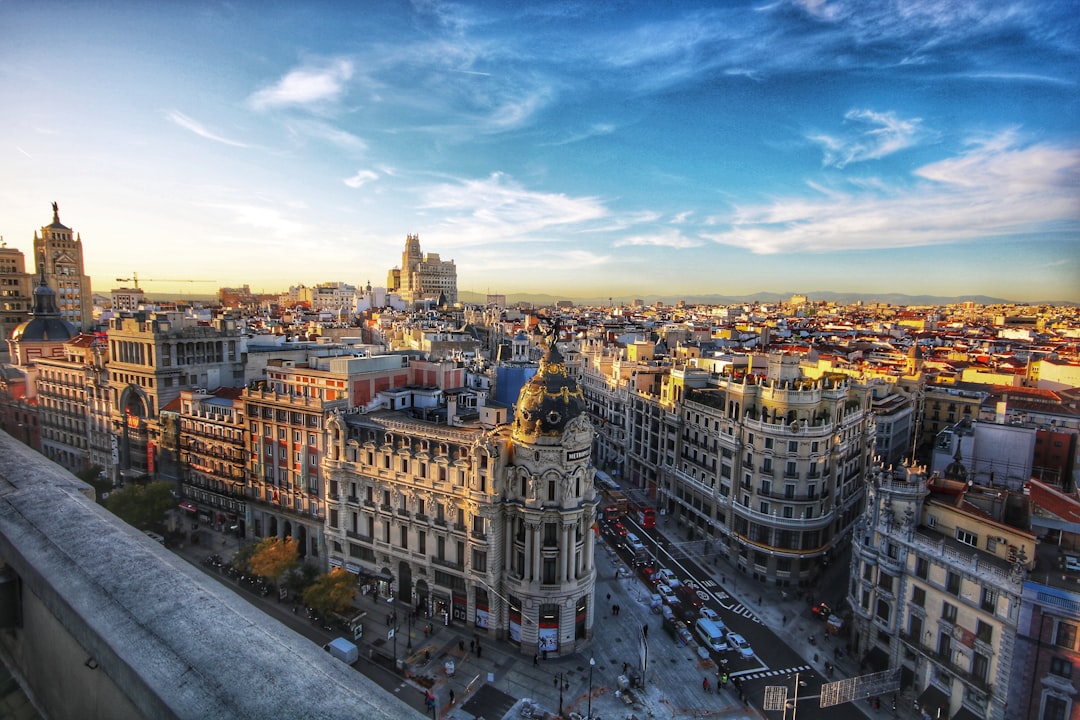
Last reviewed: October 2026 · key facts checked against Wikidata
Madrid Travel Guide: Everything You Need to Know (2026)
Madrid sits at 663 metres above sea level, making it the highest capital city in the European Union, and its 3.2 million residents make it the second-largest EU city after Berlin. Founded as a Moorish fortress settlement in the 9th century, the city was elevated to Spanish capital by Philip II in 1561. What surprised me most: Madrid rewards slow exploration — the Prado alone holds over 8,000 paintings, yet crowds are a fraction of the Louvre’s.
Top 3 Highlights at a Glance
- Museo del Prado — Home to over 8,000 works including Velázquez’s Las Meninas — one of the world’s densest collections of European masterpieces.
- Mercado de San Miguel — Madrid’s iconic iron-and-glass market, open since 1916, packs 33 stalls of pintxos, jamón, and local vermouth into one block.
- Retiro Park — 350-acre royal park featuring the Crystal Palace, a rowing lake, and street performers — free entry and central to the city.
Scroll down for our complete travel guide with tips on getting there, where to stay, costs and more.
Arrival & Airport
How do I get to Madrid?
Fly into Adolfo Suárez Madrid-Barajas Airport (MAD), the only practical gateway. In my experience, most transatlantic and European routes land at Terminal 4, which is purpose-built for high volume. From there, the Metro Line 8 runs directly to Nuevos Ministerios in central Madrid in 13 minutes for $1.50. My tip: avoid taxis from the departures hall — the flat-rate fare to the city centre is $33, which is fair but unnecessary when the metro is this fast. The one honest caveat: Line 8 stops at Nuevos Ministerios, not Plaza Mayor — budget an extra connection or a short walk.
Which airport is closest to Madrid?
Adolfo Suárez Madrid-Barajas (MAD) is the only commercial airport serving Madrid, located 12 km northeast of the city centre. It is Spain’s busiest airport and one of Europe’s top-5 hubs. In my experience, Terminal 4 handles most international flights and has excellent signage in English. What surprised me: the airport has four terminals connected by a free shuttle bus — confirm your terminal before booking a pickup. The Cercanías train Line C1 also connects Terminals 1–3 to Atocha station in 25 minutes for roughly $3.50, a good alternative to the metro if you’re staying in the south of the city.
How long does the journey from the airport to Madrid’s centre take?
Metro Line 8 takes 13 minutes to Nuevos Ministerios, then one further stop on Line 10 or 6 to reach Gran Vía or Sol. Total door-to-platform time: 25–30 minutes realistically. The Cercanías C1 train to Atocha takes 25 minutes but departs only from Terminals 1–3. Taxis guarantee 20–30 minutes off-peak but can stretch to 50 minutes in morning rush hour on the M-40 ring road. My honest caveat: the metro requires a single-use card at $3 extra on top of the $1.50 fare — buy a 10-trip Tarjeta Multi at $12 if you plan to use transit throughout your stay.
Do I need a car in Madrid?
No — a car in central Madrid is actively counterproductive. The Madrid Central low-emission zone restricts non-resident vehicles in the entire historic core, and fines start at $100. In my experience, the metro’s 13 lines cover every major sight, and a 10-trip Tarjeta Multi card at $12 handles all of it. My tip: if you plan a day trip to Toledo (33 km south) or Segovia (87 km north), use RENFE trains from Atocha — both are under 40 minutes on the high-speed AVE and cost under $15 return. Renting a car only makes sense for driving into rural Castilla, not for the city itself.
City Transport
What are the best areas to stay in Madrid?
Sol–Centro puts you within 10 minutes’ walk of the Prado, Retiro, and Gran Vía — ideal for first-timers. Malasaña (3 km northwest of Sol) is my personal recommendation: independent restaurants, zero tourist menus, and hotels at $20–40 less per night than the centre. Lavapiés suits budget travellers comfortable with a grittier, multicultural atmosphere. Salamanca is Madrid’s upscale district — boutique hotels and Michelin-starred restaurants, but expect to pay 40% more for accommodation. My honest warning: avoid booking in Gran Vía itself — the nightclub noise makes sleep difficult until 4 a.m. on weekends.
What does accommodation cost per night in Madrid?
Economy hotels average $65 per night based on current Numbeo data. In my experience, a clean 3-star in Malasaña or Chueca runs $75–110, while a 4-star near Retiro Park costs $130–180. Budget hostels in Lavapiés offer dorm beds from $22. Airbnb apartments average $90–120 per night for a one-bedroom in a central neighbourhood. My tip: the genuine price spike happens only during Real Madrid Champions League home legs — rates can jump 60% overnight when fixtures are announced. What surprised me: mid-week stays (Tuesday–Thursday) are consistently $15–25 cheaper than weekend rates, even outside peak season.
How far in advance should I book accommodation in Madrid during high season?
Book at least 6 weeks ahead for June–August and during Semana Santa (Easter week). In my experience, the most competitively priced rooms in Malasaña and Chueca disappear within days of going live for peak-summer dates. Real Madrid match weekends at the Bernabéu (capacity 81,000) sell out nearby hotels within 48 hours of fixture confirmation — check the La Liga calendar before you travel. My honest caveat: last-minute deals in Madrid do exist in November and January, but peak-season gamblers will pay a 30–50% premium or get pushed out to the M-40 suburb belt, adding a 40-minute daily commute.
Are there special accommodation types worth trying in Madrid?
Yes — paradores are not available in Madrid itself, but the city has a strong tradition of boutique aparthotels in converted 19th-century buildings, particularly in Barrio de las Letras (the literary quarter). I stayed in one near Calle Huertas that had original tile floors and a rooftop terrace for $95/night — genuinely memorable. Roof terrace hotels on Gran Vía are worth considering in summer purely for the sunset views; brands like Only You and Room Mate do this well. My caveat: ‘design hotels’ in Madrid often charge a $30–40 premium for aesthetics over comfort — read mattress reviews carefully before booking.
Accommodation & Neighbourhoods
What are the must-sees in Madrid?
The Prado Museum is non-negotiable — Velázquez, Goya, and El Greco under one roof, with a collection of over 8,000 works. Reina Sofía (free after 7 p.m.) holds Picasso’s Guernica, which is far larger and more arresting in person than any reproduction suggests. Retiro Park on a Sunday morning is the most authentically Madrileño experience available — rowing boats on the lake cost $8 for 45 minutes. My tip: the Thyssen-Bornemisza completes what the Prado lacks — Impressionism, American art, and Expressionism — and is worth the $15 entry. Skip the Palacio Real interior unless you love baroque rooms; the exterior courtyard is free.
What can I experience for free in Madrid?
Genuinely free and genuinely good: Retiro Park, the exterior of the Almudena Cathedral, the Egyptian Temple of Debod (open Tuesdays–Sundays, free), and the Reina Sofía museum after 7 p.m. weekdays and all day Sunday. The Prado is also free Monday–Saturday 6–8 p.m. — I queue there 30 minutes early and walk straight to Velázquez without the midday crowds. What surprised me: El Rastro flea market in Lavapiés every Sunday morning costs nothing to wander and is one of Europe’s oldest street markets, running since the 16th century. The Gran Vía architecture walk at night is free and spectacular.
Which day trips from Madrid are worth taking?
Toledo is the strongest day trip — 33 km south, reachable in 33 minutes on the AVE high-speed train from Atocha station for $12 return. The entire old city is a UNESCO World Heritage Site. Segovia (87 km north, 27 minutes by AVE, $14 return) has a 1st-century Roman aqueduct still standing 28 metres tall. El Escorial is 45 minutes by Cercanías train and suits those interested in Habsburg history. My honest caveat: Ávila is often marketed heavily but feels exhausted by tourism — its medieval walls are impressive from outside and the entry fee ($6) is skippable if time is short. Pick Toledo or Segovia, not both on one day.
What are Madrid’s local specialities?
Cocido madrileño is the definitive Madrid dish — a slow-cooked chickpea stew with chorizo, morcilla, and beef served in three courses. I had the best version at La Bola near the Palacio Real for $22 per person, a restaurant open since 1870. Bocadillo de calamares (fried squid sandwich) is Madrid’s street food icon, eaten at the bars around Plaza Mayor for $4–5. Vermouth (vermut) before Sunday lunch is a genuine local ritual, not a tourist performance — try it at Bar Cock in Chueca. My warning: anything labelled ‘paella’ in central Madrid is a tourist trap — paella is Valencian, and Madrid’s version is usually frozen and overpriced at $18–25.
Highlights & Must-Sees
What makes Madrid unique compared to other European capitals?
Madrid is the only major European capital where dinner genuinely does not start until 9:30–10 p.m. — restaurants are empty at 8 p.m. and packed at midnight. At 663 metres above sea level, it also has the crispest, driest air of any EU capital, which makes the summer heat feel more tolerable than coastal cities. What surprised me most: Madrid has 3 world-class art museums within 800 metres of each other — the Prado, Reina Sofía, and Thyssen — a concentration found nowhere else on Earth. The city also has the world’s oldest restaurant according to the Guinness Book: Sobrino de Botín, founded in 1725, still serving roast suckling pig at $28 per portion.
How many days are worthwhile in Madrid?
3 full days is the minimum to cover the three major museums without rushing, plus Retiro, Malasaña, and one evening of authentic tapas. 4–5 days allows a day trip to Toledo or Segovia and a deeper dive into Lavapiés and the Rastro market (Sunday only). In my experience, most travellers underestimate the Prado — budget 3 hours minimum for a focused visit, not a sprint. My honest caveat: Madrid has no single ‘wow’ landmark like the Eiffel Tower or Colosseum — its appeal is cumulative and cultural, which means it rewards longer stays far more than a rushed 48-hour visit. A week feels genuinely unhurried and never boring.
When is the best time to visit Madrid?
June, July, and August offer the most reliable sunshine and the full festival calendar, though July–August temperatures hit 35–38°C regularly. In my experience, May and September–October are the practical sweet spot — temperatures of 18–24°C, fewer crowds, and hotel rates 15–25% lower than peak summer. November through February is underrated for museum tourism: the Prado has near-empty rooms on weekday mornings and hotels dip to $55–70/night. My honest warning: August sees many small family-run restaurants and tabernas close for their own holidays — the best neighbourhood spots in Malasaña sometimes shut for 2–3 weeks, leaving only tourist-facing businesses open.
Are there local festivals in Madrid worth attending?
San Isidro (mid-May) is Madrid’s patron saint festival — 10 days of free outdoor concerts, traditional bullfighting at the Plaza de Las Ventas (the world’s largest bullring, capacity 23,798), and street parties throughout the centre. Veranos de la Villa runs all summer with free open-air cinema and concerts in parks. Semana Santa (Holy Week, March/April) is visually striking with processions through Centro — but book accommodation 3 months in advance as it is the single most popular domestic travel week in Spain. My tip: La Paloma festival in La Latina (mid-August) is a hyper-local neighbourhood party that tourists rarely find, with free live music and $3 cañas.
Food & Drink
How does Madrid’s weather affect activities?
The July–August heat (35–38°C) genuinely reorganises your day: museums in the morning, a long lunch and siesta from 2–6 p.m., then outdoor exploration from 6 p.m. onwards. This is not a tourist construct — it is how Madrileños actually live. Retiro Park is brutal in midday August heat but magical from 7 p.m. Winter (December–February) sees occasional snow at this altitude and frost overnight — pack layers. What surprised me: the dry air at 663 metres means even 34°C feels less oppressive than 28°C in Barcelona or Lisbon. My tip: schedule all three art museum visits for the hottest midday hours and save evenings for tapas crawls in Lavapiés.
How crowded does Madrid get in peak season?
The Prado queues peak between 10 a.m. and 2 p.m. in July–August — I’ve seen 45-minute waits at the ticket desk; buy online for $16 and walk straight in. Plaza Mayor and Mercado de San Miguel are uncomfortably dense on summer Saturday afternoons. However, Madrid’s crowds are distributed across a genuinely large city — unlike Prague or Amsterdam where overtourism is concentrated in a tiny medieval core. My honest caveat: the metro at Sol station during rush hour (8–9:30 a.m., 6–8 p.m.) is legitimately overwhelming — sweaty, packed, and slow. Switch to walking or a $6 taxi for short hops during those windows and your day runs dramatically smoother.
How safe is Madrid?
Madrid is safe by Western European standards — violent crime targeting tourists is rare. The honest risk is pickpocketing, concentrated in three specific areas: El Rastro market on Sundays, the Sol metro station, and around Atocha train station. In my experience, wearing a crossbody bag and keeping your phone in a front pocket is sufficient protection. Lavapiés has a rougher reputation that is largely overblown — it is safe to walk at any hour. My tip: the one genuine caution is unlicensed taxi touts outside nightclubs in Chueca and Malasaña after 2 a.m. — always use the mytaxi/FREE NOW app or flag official white taxis with the red diagonal stripe.
Is English widely spoken in Madrid?
English is functional in tourist zones, patchy everywhere else. Hotel receptionists and museum staff in the Paseo del Prado corridor speak excellent English. In neighbourhood restaurants in Malasaña or Carabanchel, menus are often Spanish-only and staff may speak zero English. In my experience, this is actually one of Madrid’s charms — it rewards basic Spanish more than any other major European capital. My tip: learn five phrases (Una cerveza, La cuenta, Dónde está, Sin gluten, Cuánto cuesta) and Madrileños respond with immediate warmth. What surprised me: younger Spaniards under 35 in Madrid speak functional to strong English — the language barrier is largely a generational one.
Practical Tips
What is the daily budget for travelling in Madrid?
Budget traveller: $75–90/day. This covers a hostel dorm ($22), a cheap restaurant meal ($15.50 per Numbeo), a metro day pass ($8.50), and one museum entry ($16). Mid-range: $140–180/day — a 3-star hotel in Malasaña ($85), lunch at a neighbourhood restaurant ($18), dinner with wine ($30 for two, split), and transport. Comfortable: $220–280/day adds a 4-star hotel near Retiro and one splurge dinner. My honest tip: Madrid’s daily menu (menú del día) — a 3-course lunch with wine for $13–16 — is the single most powerful budget tool in the city. Use it as your main meal and eat light in the evening.
How does Madrid’s public transport work?
Madrid’s metro has 13 lines covering 294 km — it is genuinely one of Europe’s best urban networks. A single ticket costs $1.50 but requires a card fee of $3 at first purchase. The Tarjeta Multi 10-trip card at $12 is the smart buy for a 3-day visit. Cercanías commuter trains connect to Atocha, Chamartín, and day-trip destinations. The EMT bus network covers gaps the metro misses, particularly in Lavapiés and Usera. My tip: download the Metro de Madrid app — it has real-time disruptions and offline maps. What surprised me: the metro runs until 1:30 a.m. daily, and 24 hours on Friday and Saturday nights — the night bus network is rarely necessary.
Which apps do you recommend for visiting Madrid?
Metro de Madrid (official, offline maps and real-time delays — essential). FREE NOW for licensed taxis — never hail from the street near clubs. Google Maps works reliably throughout the city for walking routes. TheFork (ElTenedor in Spanish) gets you 30–50% discounts at genuine mid-range restaurants — I’ve booked a $28 dinner for $17 this way. Civitatis for day-trip booking to Toledo and Segovia at competitive prices. My honest caveat: Citymapper covers Madrid but is less complete than in London or Paris — Google Maps is actually more reliable here. Download Spanish-English offline dictionary (WordReference) before you land; neighbourhood menus assume zero English.
More Destinations in Europe
Explore our complete travel guides for more Europe destinations: Tours Travel Guide (2026), Île dOléron Travel Guide (2026), Jerez de la Frontera Travel Guide (2026), Montpellier Travel Guide (2026), Korsika Travel Guide (2026).
Madrid at a Glance
| Population | 3,506,730 |
|---|---|
| Currency | EUR (€) |
| Official language | Spanish |
| Time zone | UTC+01:00 |
Source: Wikidata, retrieved October 2026.
Useful Resources for Planning Your Trip to Madrid
- Wikipedia: Madrid — history, geography and background
- Lonely Planet: Madrid — itineraries and travel inspiration
- TripAdvisor: Madrid — hotels, restaurants and traveller reviews
🎥 Madrid Travel Videos

Madrid Travel Guide 2026: Tips from a Local (Madrileña)
NALBA TRAVELS
41 Tips I Wish I Knew Before Visiting Madrid, Spain
Camden David
WATCH THIS before your trip to MADRID Madrid Travel Guide …
Johlene Orton
You are currently viewing a placeholder content from Vimeo. To access the actual content, click the button below. Please note that doing so will share data with third-party providers.
More InformationYou are currently viewing a placeholder content from YouTube. To access the actual content, click the button below. Please note that doing so will share data with third-party providers.
More InformationYou need to load content from reCAPTCHA to submit the form. Please note that doing so will share data with third-party providers.
More InformationYou are currently viewing a placeholder content from GetYourGuide. To access the actual content, click the button below. Please note that doing so will share data with third-party providers.
More Information