
Córdoba: The Complete Travel Guide (2026)
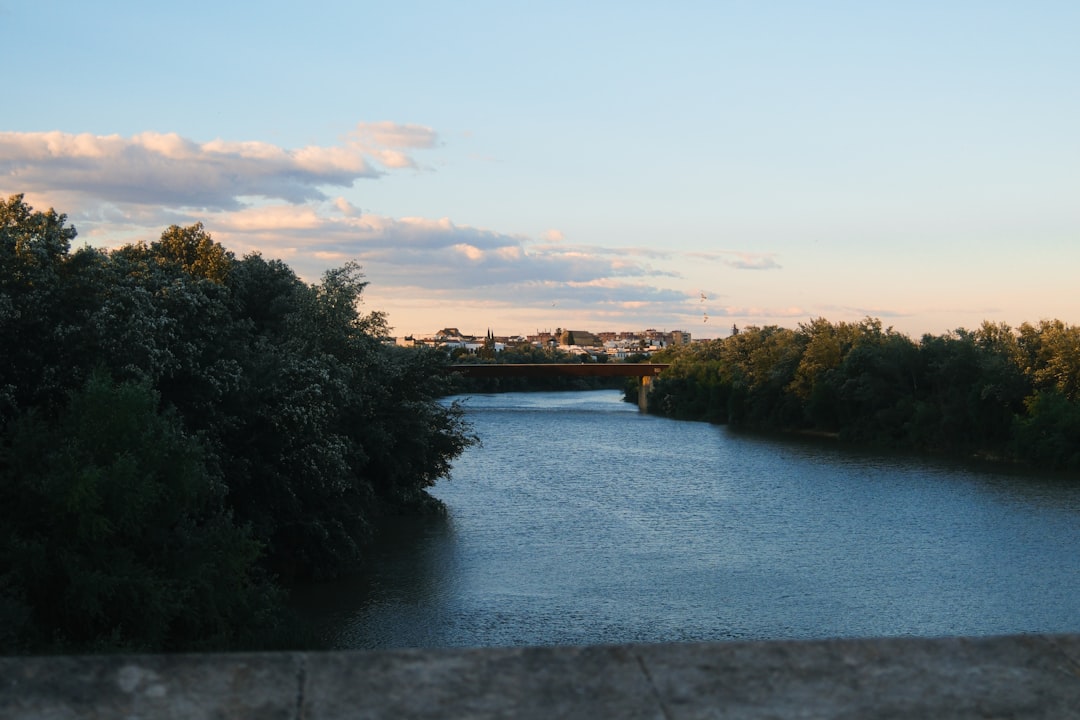
Córdoba Travel Guide: Everything You Need to Know (2026)
Córdoba was founded as a Roman colony around 169 BC and served as the capital of the Umayyad Caliphate of Córdoba, reaching a population of roughly 500,000 in the 10th century — making it the largest city in Western Europe at the time. Today it is home to approximately 325,000 residents and sits in Andalusia, southern Spain, at about 110 metres above sea level. The UNESCO-listed Mezquita-Catedral alone draws over 1.5 million visitors annually, making advance planning essential.
Top 3 Highlights at a Glance
- Mezquita-Catedral de Córdoba — A forest of 856 striped arches built in 785 AD — one of the world’s most breathtaking architectural hybrids.
- Alcázar de los Reyes Cristianos — A 14th-century royal fortress with Roman mosaics and terraced gardens that Columbus pitched his voyage here.
- Patios Festival (May) — Private courtyards explode with flowers every May — a UNESCO-listed tradition unique to Córdoba’s old quarter.
Scroll down for our complete travel guide with tips on getting there, where to stay, costs and more.
Arrival & Airport
How do I get to Córdoba from major Spanish cities?
The AVE high-speed train from Madrid takes just 1 hour 45 minutes and is by far the best option. In my experience, trains from Madrid’s Atocha station run frequently and cost €25–€55 one-way booked in advance on Renfe. From Seville, it’s only 45 minutes by AVE. From Barcelona, expect around 5 hours with one connection. My tip: book Renfe tickets at least 2 weeks ahead — last-minute fares can triple. The honest caveat most guides skip: Córdoba’s bus station is a 10-minute walk from the centre, while the train station drops you just 15 minutes on foot from the Mezquita.
Which airport is closest to Córdoba?
Córdoba Airport (ODB) exists but operates almost no commercial flights in 2026 — treat it as non-functional for most travellers. In my experience, the two practical gateways are Seville Airport (SVQ), roughly 135 km away, and Málaga Airport (AGP), around 165 km away. From Seville airport, a connecting train via Seville Santa Justa to Córdoba takes under 2 hours total. From Málaga, direct trains to Córdoba run in 1 hour. What surprised me: flying into Málaga is often cheaper than Seville and the Córdoba train connection is actually faster. Avoid renting a car at the airport — parking in Córdoba’s old city is a genuine nightmare.
How long does the journey to Córdoba take from Madrid or Seville?
From Madrid Atocha, the AVE takes 1 hour 45 minutes — faster than many city-to-city commutes. From Seville, the journey is just 45 minutes. My tip: if you’re doing a southern Spain loop, slot Córdoba between Madrid and Seville rather than backtracking. The honest caveat: Renfe’s app can be glitchy for foreign credit cards — use the desktop site or buy tickets at the station kiosk to avoid failed payments. I recommend arriving before 10:00 to beat tour groups at the Mezquita, which means taking an early 07:30 departure from Madrid if needed.
Do I need a car to explore Córdoba properly?
No — absolutely not for the city itself. Córdoba’s UNESCO historic core is entirely walkable within a 1.5 km radius. In my experience, a car is a liability here: the old Jewish Quarter (Judería) has streets barely 1.5 metres wide and parking near the Mezquita costs €2.50 per hour. The honest trade-off: if you want to explore Medina Azahara (the ruined caliphate palace 8 km west) independently or visit olive oil estates in the surrounding Sierra Morena, a car for one day makes sense. Otherwise, taxis and the local bus line 3 cover all major sites. I recommend skipping the rental entirely if you’re staying 3 nights or fewer.
City Transport
What are the best areas to stay in Córdoba?
Stay in or immediately adjacent to the Judería (Jewish Quarter) for maximum atmosphere and walkability. Waking up 5 minutes from the Mezquita before the crowds arrive is genuinely magical. My second recommendation is the Centro/Plaza de las Tendillas area — slightly more affordable, still central, and where locals actually live. What surprised me: the San Basilio neighbourhood, just southwest of the Alcázar, is quieter than the Judería and has some of the city’s best patio houses. Avoid booking anything beyond the Avenida del Gran Capitán corridor if you want to walk everywhere — distances stretch quickly in 35°C heat and the city’s layout is disorienting.
What does accommodation cost per night in Córdoba?
Expect to pay €70–€110 per night for a solid 3-star hotel in the Judería during shoulder season. Boutique guesthouses (casas de huéspedes) in historic buildings run €85–€140. Budget hostels near Plaza de la Corredera offer dorm beds from €18–€25. My tip: Córdoba is notably cheaper than Seville or Granada for comparable quality — a 4-star hotel that would cost €180 in Seville runs about €120 here. The honest caveat: smaller hotels in medieval buildings often lack elevators and air conditioning in top-floor rooms, which matters enormously in July when temperatures hit 40°C. Always confirm AC is present — don’t assume.
How far in advance should I book accommodation in Córdoba during high season?
Book 3–4 months ahead for May (Patios Festival) — that week is the single hardest time to find rooms in the entire city. For June through August, book at least 6–8 weeks in advance for any property in the Judería. My experience: I once arrived in late May without a reservation and every hotel within a 2 km radius of the Mezquita was full. The honest warning most guides omit: May’s Patios Festival week sees prices jump 40–60% above standard rates, and cancellation policies tighten. For October and November, 2–3 weeks’ notice is usually sufficient. Use Booking.com with free cancellation as a baseline, then compare directly with the hotel.
Are there special or unique accommodation types in Córdoba?
Yes — Córdoba is one of Spain’s best cities for staying in a casa patio, a traditional Andalusian house built around a flower-filled central courtyard. Properties like Hotel Balcón de Córdoba (a converted 16th-century mansion) or smaller guesthouses in San Basilio offer this experience from €95 per night. In my experience, staying in a patio house is the single best accommodation decision you can make here — you essentially get a private version of the famous Patios Festival year-round. The caveat: these properties are old buildings. Expect thick walls, modest natural light in ground-floor rooms, and occasionally uneven stone floors. Families with pushchairs should ask specifically about accessibility.
Accommodation & Neighbourhoods
What are the absolute must-sees in Córdoba?
Three non-negotiables: the Mezquita-Catedral (entry €13, book online to skip the 45-minute queue), the Alcázar de los Reyes Cristianos (€4.50, stunning Roman mosaics inside), and the Judería neighbourhood, which is free to walk. My tip: enter the Mezquita at 08:30 when it opens — the light through the arches before tour groups arrive is extraordinary. What surprised me: the Puente Romano (Roman Bridge) at dusk is arguably more photogenic than anything in Seville’s riverfront and costs nothing. Don’t skip Medina Azahara, the ruined 10th-century palace complex 8 km west — it’s as significant historically as Pompeii and far less visited.
What can I experience for free in Córdoba?
Quite a lot, genuinely. The Judería and its flower-lined alleys are free to wander 24 hours. The Puente Romano and its views of the Mezquita are free. Plaza de la Corredera, Córdoba’s only porticoed square, costs nothing. The Mezquita’s exterior and bell tower can be partially appreciated from the Calle del Cardenal Herrero without paying. My tip: every Monday to Saturday from 08:30 to 09:30, the Mezquita admits visitors free of charge — this is the single best-kept secret in Córdoba and most online guides don’t mention it prominently. The city’s Alcázar gardens are free on Sundays. A full morning of sightseeing can cost €0 if you plan around these windows.
Which day trips from Córdoba are worth taking?
Medina Azahara is the essential day trip — only 8 km west, accessible by Bus Line 01 from Avenida del Alcázar for €3 return, and it deserves 3 hours minimum. The ruined Umayyad palace complex is genuinely jaw-dropping and sees a fraction of the crowds of Granada’s Alhambra. Seville is 45 minutes by AVE and pairs perfectly for a long day. My personal favourite underrated option: Priego de Córdoba, a whitewashed baroque town 103 km southeast, reachable by bus in 2 hours — its fountains and churches rival anything in Ronda but with barely a tourist in sight. The honest caveat: Granada is only 2.5 hours away but is better as an overnight than a day trip.
What local specialities should I try in Córdoba?
Salmorejo — Córdoba’s thick, creamy cold tomato soup topped with jamón and hard-boiled egg — is the city’s signature dish and superior to gazpacho in my opinion. Order it at Taberna El Rincón de Carmen in the Judería for about €4.50. Rabo de toro (braised oxtail) is the city’s classic main course and costs €14–€18 at any serious restaurant. My tip: flamenquín, a fried pork roll stuffed with jamón, is a Córdoba-specific tapa you won’t find authentically elsewhere. Wash everything down with Montilla-Moriles wine — the local DO produces fino-style wines similar to sherry but slightly sweeter, often served from €1.80 per glass in local bars. Skip any restaurant with photos on its menu near the Mezquita.
Highlights & Must-Sees
What makes Córdoba unique compared to other Andalusian cities?
Córdoba is the only city in the world where a mosque, cathedral, synagogue, and Roman temple exist within a 500-metre walk of each other — a physical legacy of La Convivencia, the medieval coexistence of Islam, Christianity, and Judaism. In my experience, it has a more intimate, less performative feel than Seville or Granada — fewer flamenco tourist traps, more locals in the tapas bars. What surprised me: Córdoba has the highest density of Renaissance palaces of any Spanish city outside Madrid, yet most visitors skip them entirely. The city also holds the Guinness record for most UNESCO-listed monuments per square kilometre in Spain. It rewards slow, curious travel more than any other Andalusian city.
How many days are worthwhile in Córdoba?
3 nights and 3 full days is the sweet spot. Day 1: Mezquita at opening (08:30), Judería, Alcázar. Day 2: Medina Azahara in the morning, Palacio de Viana in the afternoon. Day 3: day trip to Priego de Córdoba or a slow morning in San Basilio and the Roman temple area. In my experience, 2 days feels rushed and 4 days is only justified during the May Patios Festival week when the entire city transforms. The honest caveat: Córdoba in July and August can feel brutally hot — 38–42°C at midday. If visiting in summer, you’ll naturally extend your trip by hiding indoors from 13:00 to 17:00, which actually adds a day to your effective sightseeing time.
When is the best time to visit Córdoba?
October and November are my personal top picks — temperatures of 18–24°C, no queues, lower prices, and the city glows in autumn light. March and April are excellent too: spring flowers are blooming and the Patios Festival buildup adds festivity. The verified best travel months based on climate data are June through September, but I’d push back on July and August specifically — Córdoba is one of the hottest cities in Europe, regularly hitting 42°C. If you must visit in summer, arrive by 08:00 at major sites and retreat between 13:00 and 18:00. The honest warning: May’s Patios Festival is unmissable culturally but accommodation sells out 3–4 months ahead and prices surge 50%.
Are there local festivals in Córdoba worth attending?
The Festival de los Patios Cordobeses in early May is UNESCO Intangible Cultural Heritage and genuinely unlike anything else in Spain — private homeowners open their flower-filled courtyards for free, and the city feels electrified for 2 weeks. Book accommodation by January for this. Semana Santa (Holy Week, March/April) is deeply atmospheric — Córdoba’s processions are less touristy than Seville’s, more emotionally raw, and hotels are still available with 3–4 weeks’ notice. My tip: the Guitar Festival in late June draws world-class performers to outdoor venues for €15–€35 per concert — an extraordinary value for the quality. What surprised me: the Feria de Mayo (Fair) happens the week after the Patios Festival and is largely a local celebration, not a tourist event.
Food & Drink
How does the weather in Córdoba affect activities?
Córdoba sits in a natural heat basin and holds the record for the highest officially recorded temperature in Spain — 46.9°C in August 2021. This is not an abstraction: outdoor sightseeing from 13:00 to 18:00 in July and August is genuinely miserable and potentially dangerous. In my experience, summer visits require a complete restructuring of your day — early morning starts by 08:00, a long lunch and rest break, then evening activity from 19:00 onwards. Spring and autumn allow normal all-day sightseeing. The honest caveat: winter (December–February) is mild at 10–15°C but many restaurant terraces close and the city feels quieter. The Mezquita is magnificent year-round, but its stone interior stays cool even in peak summer heat.
How crowded does Córdoba get in peak season?
The Mezquita receives over 1.5 million visitors annually — at peak (May–August), queues without pre-booked tickets can reach 45–60 minutes. The Judería’s main street, Calle de los Judíos, becomes a shoulder-to-shoulder bottleneck from 10:00 to 14:00 daily in summer. My tip: arrive at the Mezquita at 08:30 when it opens — you’ll have the hypostyle hall nearly to yourself for 30 minutes before tour buses unload. What surprised me: the city thins out dramatically by 09:30 in the evening — most day-trippers from Seville and Madrid leave by 17:00, giving you the old city streets almost entirely to yourself for dinner. Córdoba is genuinely less overwhelmed than Granada or Seville even at peak.
How safe is Córdoba for travellers?
Córdoba is very safe by European standards — petty crime is low compared to Seville or Barcelona. In my experience walking the Judería at midnight, I’ve felt entirely comfortable. The main risk is opportunistic pickpocketing around the Mezquita entrance and on the Puente Romano at sunset — keep your phone in a front pocket in those specific locations. The honest caveat most guides skip: the area around Córdoba train station and Avenida de América after dark is notably rougher than the historic centre — not dangerous, but noticeably less comfortable. For solo female travellers: the city is generally respectful and I’ve received consistent positive feedback from women travelling alone here. Emergency number is 112.
Is English widely spoken in Córdoba?
English is workable in tourist zones but patchy outside them. At the Mezquita, Alcázar, and major hotels, staff speak functional to good English. In my experience, most restaurants in the Judería have English menus and some English-speaking staff. The honest caveat: step two streets off the tourist circuit into local tapas bars like those around Plaza de la Magdalena and you’ll encounter virtually no English — which is actually charming, not a problem. Basic Spanish phrases go an enormous way here. Google Translate’s camera function handles menus perfectly. What surprised me: Córdoba’s tourist infrastructure is less polished than Seville or Barcelona, so audio guides and information panels at minor monuments are sometimes Spanish-only even in 2026.
Practical Tips
What is the daily budget for a trip to Córdoba?
Budget traveller: €55–€70 per day (hostel dorm, self-catering breakfast, 2 restaurant meals, 1 paid sight). Mid-range: €120–€160 per day (3-star Judería hotel, breakfast included, lunch and dinner at sit-down restaurants, 2 paid sights). Comfortable: €200–€260 per day (boutique patio hotel, all meals out, private Medina Azahara tour). In my experience, Córdoba is 15–20% cheaper than Seville for equivalent quality. The honest hidden costs: bottled water in restaurants adds up fast in the heat — carry a refillable bottle and use the city’s drinking fountains. A €13 Mezquita ticket plus €4.50 Alcázar plus €8 Medina Azahara means a single sightseeing day already costs €25.50 before food.
What public transport options exist within Córdoba?
Córdoba’s AUCORSA city bus network covers the entire city with single tickets at €1.30 and a 10-trip card for €8.50. In my experience, visitors rarely need buses — the historic core is entirely walkable in 20 minutes end-to-end. The exception is Bus Line 01 to Medina Azahara, which departs from Avenida del Alcázar and saves a €12 taxi ride. Taxis are metered, reliable, and a cross-city fare rarely exceeds €8. There is no metro. My tip: the horse-drawn carriage rides advertised near the Alcázar cost €35–€45 for 30 minutes and are a tourist trap — skip them. For the city itself, your feet are genuinely the best transport.
Which apps do you recommend for visiting Córdoba?
Renfe app (or website) is essential for booking AVE trains — download it before arrival and store tickets offline. Google Maps works well for Córdoba’s street navigation but note that some Judería alleyways are too narrow to appear correctly — zoom to maximum zoom. TripAdvisor is useful for restaurant filtering but apply scepticism to anything near the Mezquita with hundreds of reviews. My tip: Civitatis has decent guided Córdoba walking tours bookable in-app from €12 per person, and their Medina Azahara guided option is genuinely better than going solo. Booking.com for accommodation. Google Translate with camera for menus. What surprised me: the Mezquita’s own website (catedraldecordoba.es) is the only reliable place to book skip-the-line tickets — third-party resellers charge €3–€5 extra.
More Destinations in Europe
Explore our complete travel guides for more Europe destinations: Nîmes Travel Guide (2026), Île Berder Travel Guide (2026), Arles Travel Guide (2026), Île dYeu Travel Guide (2026), Ronda Travel Guide (2026).
Useful Resources for Planning Your Trip to Córdoba
- Wikipedia: Córdoba — history, geography and background
- Lonely Planet: Córdoba — itineraries and travel inspiration
- TripAdvisor: Córdoba — hotels, restaurants and traveller reviews
🎥 Córdoba Travel Videos

The Don’ts of Visiting Cordoba, Spain
Wolters World
How To Spend 2 Days In CÓRDOBA Spain | The Perfect …
Exotic Vacation

CÓRDOBA, SPAIN | 10 Incredible Things To Do In & Around …
World Wild Hearts
You are currently viewing a placeholder content from Vimeo. To access the actual content, click the button below. Please note that doing so will share data with third-party providers.
More InformationYou are currently viewing a placeholder content from YouTube. To access the actual content, click the button below. Please note that doing so will share data with third-party providers.
More InformationYou need to load content from reCAPTCHA to submit the form. Please note that doing so will share data with third-party providers.
More InformationYou are currently viewing a placeholder content from GetYourGuide. To access the actual content, click the button below. Please note that doing so will share data with third-party providers.
More Information