
Côte d’Azur: The Complete Travel Guide (2026)
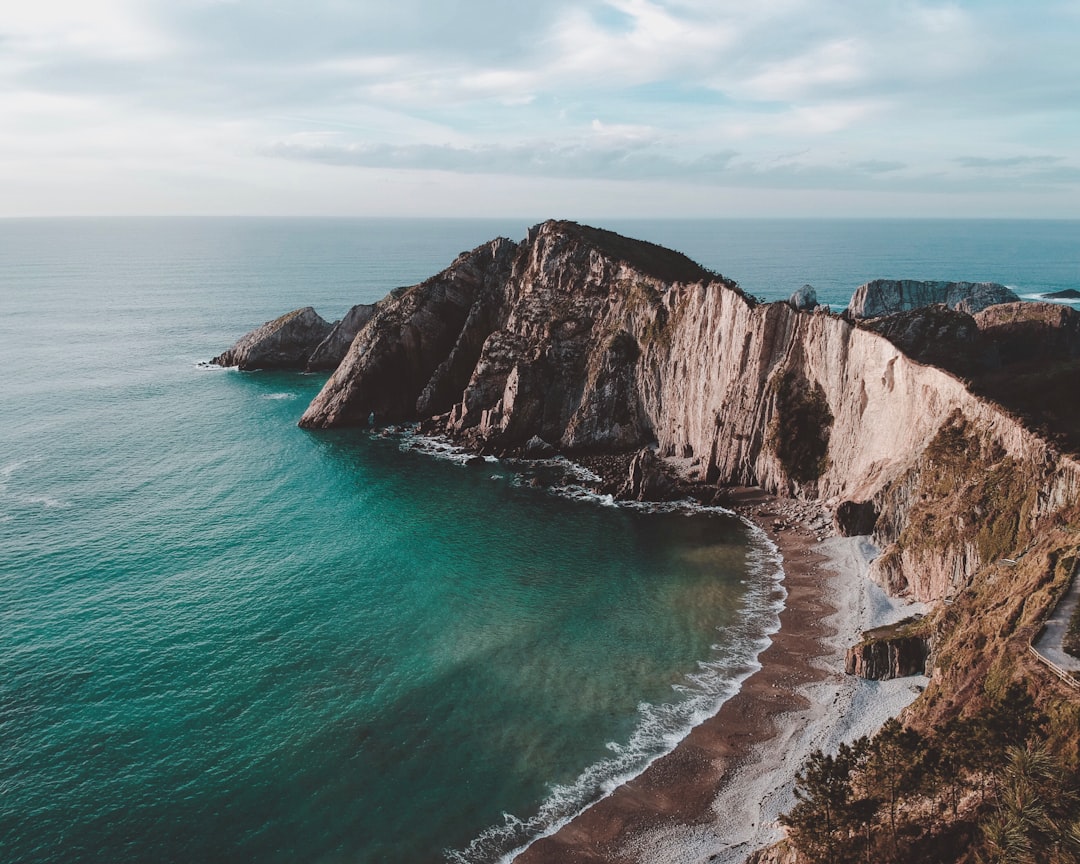
Côte d’Azur Travel Guide: Everything You Need to Know (2026)
The Côte d’Azur stretches roughly 300 km along France’s Mediterranean southeast coast, from the Massif de l’Esterel cliffs to Menton on the Italian border. Nice, its de facto capital, sits at sea level and receives over 300 days of sunshine per year — one of the highest counts in metropolitan France. This corridor has been a magnet for European aristocracy since the 1860s, when the railway first connected Paris to Nice in under 10 hours.
Top 3 Highlights at a Glance
- Monaco’s Monte-Carlo Casino — Opened in 1863, this gilded palace of gambling defines Riviera glamour — entry to the main rooms costs €17.
- Èze Village — A medieval hilltop perch at 427 metres altitude with panoramic views stretching to Corsica on clear days.
- Calanques de Marseille & Esterel Coastline — Flame-red volcanic cliffs plunge directly into turquoise water — no beach resort on earth replicates this colour contrast.
Scroll down for our complete travel guide with tips on getting there, where to stay, costs and more.
Getting There
How do I best reach the Côte d’Azur?
Fly into Nice — it is by far the easiest entry point. Nice Côte d’Azur Airport (NCE) handles direct flights from over 100 international cities, including frequent connections from London, Amsterdam, and Frankfurt. If you’re coming from Paris, the TGV high-speed train reaches Nice Ville station in roughly 5 hours 30 minutes and costs €40–€110 depending on booking lead time. In my experience, the train beats flying when you factor in airport faff — you arrive directly in the city centre. Driving from Paris via the A7/A8 autoroute takes about 9 hours and tolls add roughly €60 each way. I recommend the train for most first-timers.
Which airport is closest to the Côte d’Azur?
Nice Côte d’Azur Airport (NCE) is the primary gateway, located just 7 km west of Nice city centre — France’s third-busiest airport. For the western Riviera around Cannes and Saint-Tropez, Marseille Provence Airport (MRS), roughly 170 km away, is a secondary option but adds significant transfer time. What surprised me is that Toulon–Hyères Airport (TLN) serves budget carriers like Ryanair and puts you within 80 km of Saint-Tropez — useful if you’re targeting that western pocket. My tip: unless you’re based exclusively around Saint-Tropez, NCE is the overwhelmingly logical choice with the widest airline options.
How long is the journey from Paris to the Côte d’Azur?
By TGV from Paris Gare de Lyon to Nice, journey time is 5 hours 30 minutes — booked 6 weeks ahead, fares drop to €40–€60 one way. Fly from Paris Charles de Gaulle to NCE and the flight itself is only 1 hour 40 minutes, but airport processing on both ends realistically makes it a 5-hour door-to-door experience. The honest caveat most guides omit: TGV trains fill to capacity in July and August — seats on Friday afternoon departures can sell out 4 weeks in advance. I recommend booking TGV tickets the moment your dates are confirmed, especially for the Nice-bound leg.
Are there direct bus connections to the Côte d’Azur?
Yes, but only for budget travellers with patience. FlixBus runs direct coaches from Paris to Nice for as little as €15–€30, but the journey takes 9–10 hours overnight. From Marseille to Nice, the bus takes roughly 2 hours 30 minutes and costs around €10–€20 — not bad for a scenic coastal route. Within the region, Zou! regional buses connect Nice, Cannes, Antibes, and Menton with fares capped at €1.50 per journey — extraordinary value. My tip: the Zou! bus network is massively underused by tourists who default to taxis. Line 200 (Nice–Menton) hugs the coast beautifully for just €1.50.
Is a rental car necessary on the Côte d’Azur?
No — for the main coastal strip between Nice and Menton, a car is a liability. Parking in Nice, Cannes, and Monaco costs €3–€6 per hour and summer traffic on the Corniche roads can add 45 minutes to a 10 km journey. In my experience, the train and Zou! buses handle 80% of Riviera sightseeing. However, rent a car if you want to explore inland villages like Gorges du Verdon, Grasse, or Peillon — those are genuinely inaccessible by public transport. A compact rental from Nice Airport costs roughly €35–€55 per day in shoulder season, jumping to €70–€90 in August. Book through Rentalcars.com 6 weeks ahead.
Accommodation
Which towns make the best bases on the Côte d’Azur?
Nice is the best all-round base — excellent transport links, a genuine city with the Vieux-Nice neighbourhood, and accommodation at every price point. Antibes is my personal favourite: quieter than Nice, surrounded by yacht harbours and the Cap d’Antibes peninsula, and centrally positioned between Nice and Cannes. Cannes suits film-crowd types and those wanting pure beach-and-glamour without Monaco prices. Menton, at the Italian border, is the most underrated base — lower prices, extraordinary gardens, and you’re 20 minutes by train from Monaco. Avoid basing yourself in Monaco unless budget is genuinely not a concern — hotel rates start at €300 per night.
Where should I stay on the Côte d’Azur?
Stay in Vieux-Nice (Old Town) for atmosphere — pedestrian lanes, local markets, and walking distance to the Promenade des Anglais. For a beach-access priority, the Juan-les-Pins area near Antibes has free public beaches unlike much of central Nice. In Cannes, the Rue d’Antibes corridor keeps you within 10 minutes walk of both the beach and the Palais des Festivals. What most guides omit: the Cimiez neighbourhood in Nice is a calm, elegant hillside area with Roman ruins and the Musée Matisse — hotel rates run 20–30% lower than Promenade-facing properties, and the tram connects you downtown in 15 minutes.
What does accommodation cost on the Côte d’Azur?
Budget accommodation in Nice starts at €30–€50 per night for a hostel dorm or basic guesthouse. A comfortable mid-range hotel in the Vieux-Nice or Antibes areas runs €90–€140 per night in shoulder season. Expect to pay €180–€300 per night for a quality 4-star in July or August. Monaco hotels start at €300 and rise steeply — the Hôtel de Paris exceeds €1,500 in peak season. My honest caveat: platform fees on Airbnb have inflated Riviera apartment prices by 15–20% since 2022 — a direct booking through Booking.com or the hotel website often beats it. Budget at minimum €120 per night for a decent double room in summer.
How far in advance should I book accommodation on the Côte d’Azur?
For July and August, book at least 3–4 months ahead — waterfront properties in Nice and Cannes sell out by April. The Cannes Film Festival fortnight in May is a separate crisis: every hotel within 30 km of Cannes doubles or triples in price and books solid by January. In my experience, booking Menton or Antibes in February for a June trip still gives you good options at fair prices. Shoulder season (May, June, September, October) has more flexibility — 4–6 weeks lead time is usually sufficient. My tip: always book free-cancellation rates when you can; Riviera weather disruptions and strike actions are real.
When is the best time to visit the Côte d’Azur?
June and September are the sweet spots — warm Mediterranean temperatures around 25–28°C, manageable crowds, and hotel rates 30–40% below August peaks. July and August deliver guaranteed sunshine but bring 2 million additional tourists to the coast. In my experience, late September offers the best overall value: the sea is at its warmest (around 23°C), beach clubs thin out, and restaurant tables are actually available. The official best travel months based on climate data are July, August, and September, but personally I’d rank June first for the balance of conditions. Winter (December–February) is mild at 10–14°C but many beach-facing businesses close entirely.
Best Time to Visit
How does the weather affect activities on the Côte d’Azur?
Summer heat (July–August peaks at 30–35°C inland) pushes most outdoor activity to early morning or evening. Coastal temperatures stay 3–5°C cooler thanks to sea breezes, making the Promenade des Anglais and Cap d’Antibes walkable even at noon. The Mistral wind — a dry, powerful northwest wind — occasionally hits the western Riviera in spring, making boat trips uncomfortable and closing some beaches. In my experience, the Mistral is most disruptive March through May. Rain is rare June through September but October and November bring heavy Mediterranean downpours — the Var River flooding of 2019 was a reminder that autumn storms can be severe. Hiking the Mercantour National Park is best late June to mid-September.
Are there local festivals on the Côte d’Azur worth attending?
Nice Carnival (February, 2 weeks) is the third-largest carnival in the world — the Battle of Flowers parade on the last Sunday is genuinely spectacular and free to watch from street level. Cannes Film Festival (May) is worth experiencing from the outside — the Palais steps are publicly accessible in the evenings and celebrity-watching is a legitimate sport. Monaco Grand Prix (late May) is a bucket-list motorsport event; grandstand tickets start at €200 and must be booked a year ahead. Menton Lemon Festival (February) celebrates the town’s famous citrus with elaborate sculptures — entry costs around €10. My tip: the Jazz à Juan festival in Antibes (July) draws world-class acts and tickets start at just €30.
When does the Côte d’Azur get most crowded?
July 14 to August 20 is peak saturation — French school holidays combine with European vacation season and the population of Nice effectively doubles. The Promenade des Anglais becomes a slow-moving parade, restaurant wait times hit 45–60 minutes, and beach space in front of public sections shrinks dramatically. What most guides don’t warn: Monaco is worst on Grand Prix weekend in May — hotel prices spike to 3–4× normal rates within 40 km. In my experience, the second week of July is the single worst week for crowds and prices combined. Arriving before June 28 or after August 25 makes an enormous quality-of-trip difference.
What does a daily budget cost on the Côte d’Azur?
A realistic mid-range daily budget is €120–€180 per person, covering a mid-range hotel share (€90–€140 double), two restaurant meals, local transport, and one paid attraction. Budget travellers staying in Nice hostels (from €30), using Zou! buses at €1.50, eating at socca stalls in Vieux-Nice and a sit-down lunch can manage €60–€75 per day. At the luxury end — beach club sunbeds (€30–€50 each), seafood dinners in Cannes, and 4-star hotels — expect €300+ per person daily. My honest warning: beach club minimum spends in Saint-Jean-Cap-Ferrat routinely hit €80 per person in summer — factor this in before assuming the coast is affordable.
Is the Côte d’Azur cheaper or more expensive than other French regions?
More expensive than almost every other French region except central Paris. A café espresso costs €2.50–€3.50 versus €1.50–€2 in Lyon or Bordeaux. A simple plat du jour lunch in Nice runs €15–€22 compared to €12–€15 in provincial France. However, the Var department (western Riviera, Hyères area) and inland villages like Valbonne run noticeably cheaper — restaurant meals average €5–€8 less per person. In my experience, Menton is the most affordable town on the coast proper, with genuine local restaurants where a three-course dinner with wine costs €35–€45 per person — roughly half the Monaco equivalent.
Budget
What free highlights are there on the Côte d’Azur?
The Promenade des Anglais in Nice is 7 km of free waterfront walking. The Colline du Château (Castle Hill) above the Old Port offers the best panoramic view of Nice — the elevator up costs €1.50 but the stairs are free. Èze village charges nothing to walk its medieval streets (the botanical garden atop costs €6). The Musée Matisse in Nice and the Musée National Marc Chagall are free on the first Sunday of each month. Antibes Market (Marché Provençal) runs Tuesday–Sunday mornings — free to browse and taste. In my experience, simply walking Cap d’Antibes coastal path (Sentier du Littoral, 5 km) is the single best free afternoon on the entire Riviera.
What do local specialities cost on the Côte d’Azur?
Socca (chickpea flour pancake) at a Vieux-Nice stall costs €2.50–€3.50 — it is the definitive Niçois street food. A plate of salade niçoise in a mid-range restaurant runs €14–€18, though tourist-strip versions near the Promenade inflate to €22–€28. Pissaladière (onion and anchovy tart) is €3–€5 per slice at a boulangerie. A glass of local Bellet wine (grown in hills just above Nice) costs €7–€12 in a restaurant — one of France’s smallest appellations. My tip: Chez René Socca on Rue Miralheti in Vieux-Nice is the most authentic and cheapest socca spot; arrive before noon to avoid the queue.
Which route do you recommend for 5–7 days on the Côte d’Azur?
Day 1–2: Base in Nice — explore Vieux-Nice, Colline du Château, and the Musée Matisse. Take the coastal tram to Villefranche-sur-Mer for an afternoon swim. Day 3: Train to Monaco (28 minutes, €4) — walk the Rock, visit the Oceanographic Museum (€21), and splurge on one drink at Café de Paris. Day 4: Bus or train to Èze and Beaulieu-sur-Mer — walk the Sentier Nietzsche trail connecting them. Day 5–6: Head west to Antibes — Musée Picasso, Cap d’Antibes walk, and a morning at the Marché Provençal. Day 7: Cannes for the Palais des Festivals, Île Saint-Honorat ferry (€16 return), and a final rosé on La Croisette.
What are the must-see sights on the Côte d’Azur?
Monaco’s Old Town (Le Rocher) is genuinely unmissable — the Oceanographic Museum (€21) founded by Prince Albert I in 1910 contains one of Europe’s finest marine collections. Vieux-Nice with its baroque churches and morning market on Cours Saleya is the most photogenic urban neighbourhood on the coast. Èze Exotic Garden at 427 metres offers views to the sea below. The Villa Ephrussi de Rothschild on Cap Ferrat (entry €17) is a Belle Époque fantasy with 9 themed gardens. In my experience, most tourists skip Grasse — the world’s perfume capital, 30 km inland — where factory tours at Galimard or Fragonard cost €0–€12 and explain Riviera culture more than any beach.
What natural highlights does the Côte d’Azur offer?
The Massif de l’Esterel west of Cannes delivers the most dramatic scenery on the Riviera — red rhyolite cliffs drop into turquoise water along trails accessible from Agay village. Mercantour National Park, roughly 90 km north of Nice, contains the Vallée des Merveilles with over 40,000 Bronze Age rock engravings at 2,000 metres altitude — a guided hike costs €30–€50. The Gorges du Cians, a narrow blood-red gorge near Beuil, is a superb half-day drive from Nice. In my experience, the Calanques near Cassis (technically west of the classic Riviera boundary) are the single most spectacular natural feature in the entire region — the boat tour from Cassis port costs €18–€28.
Routes & Highlights
What local specialities should I try on the Côte d’Azur?
Socca is non-negotiable — this thick chickpea pancake is eaten standing at Chez Thérésa stall on Cours Saleya market. Pan bagnat is the Niçois answer to a sandwich — tuna, hard-boiled egg, olives, and anchovies in a round roll for €5–€8 at any boulangerie. Daube niçoise (braised beef with olives and orange peel) is the hearty local braise — order it at La Merenda in Vieux-Nice for around €22. Tapenade and anchoïade (anchovy paste) appear on every aperitif platter. Wash everything down with Côtes de Provence rosé — you can buy a decent bottle at a Monoprix supermarket for €6–€9 rather than paying €30+ at a beach club.
What activities are available on the Côte d’Azur?
Sailing: charter a skippered day-boat from Antibes Port Vauban from €600 for a group of 8. Scuba diving: the Îles de Lérins off Cannes have underwater WWI wrecks; a guided dive costs €50–€70. Hiking: the Grande Randonnée 51 (GR51) ridge trail above the coast runs from Menton to Théoule — sections above Roquebrune offer sea views with zero crowds. Cycling: the Nice to Monaco coast route (19 km) is flat and spectacular, using dedicated cycle paths most of the way. Paragliding: launching from Col de la Madone above Menton delivers a 20-minute glide to the beach for €120–€150. In my experience, paddleboarding rentals at €15–€20 per hour are the most underrated activity on the coast.
What distinguishes the Côte d’Azur from other French regions?
The light — Matisse said it himself after moving to Nice in 1917: the quality of Mediterranean luminescence is physically different from northern France. But beyond aesthetics, the Riviera is genuinely transnational — Italian, Niçois, and Provençal cultures overlap in the food, dialect (Niçard, a Ligurian language, is still spoken by elders), and architecture. No other French region has its own reigning monarchy next door (Monaco), a Formula 1 street circuit, and a perfume industry capital (Grasse) all within 50 km. The concentration of museum-quality private art — Chagall, Matisse, Picasso, Léger — in a 60 km stretch is unmatched anywhere in France outside Paris.
Which day trips are possible from the Côte d’Azur?
Monaco: 28-minute train from Nice for €4 — the most obvious and worthwhile. Ventimiglia (Italy): cross the border in 40 minutes by train for €6 — the Friday market is a legendary bargain for leather goods and produce. Gorges du Verdon: a 2.5-hour drive from Nice — Europe’s deepest canyon at 700 metres depth is a full-day commitment. Grasse: 45 minutes by bus 500 from Cannes for €1.50 — the perfume capital is a genuine half-day. Îles de Lérins (from Cannes): ferry takes 15 minutes and costs €16 return — the Abbaye de Lérins on Île Saint-Honorat serves wine made by monks. In my experience, Ventimiglia Friday is the single best-value day trip on the entire coast.
Are there language barriers on the Côte d’Azur?
English is widely spoken in tourist-facing businesses throughout Nice, Cannes, Monaco, and Antibes — the international population of the Riviera means hotel staff, restaurant servers, and museum guides are almost always bilingual. However, venture into inland villages like Lucéram or Peillon and English competence drops sharply. My honest warning: French locals genuinely appreciate a minimal effort — opening with “Bonjour, parlez-vous anglais?” before defaulting to English will markedly improve your experience. In Monaco, English is effectively co-official given the resident expat population. Italian is also useful near Menton and Ventimiglia, where many shopkeepers are more comfortable in Italian than English.
Practical Tips
Which apps do you recommend for visiting the Côte d’Azur?
Zou! app (Région Sud): official bus and transport planner covering all regional Zou! routes — essential for €1.50 buses between towns. SNCF Connect: book and store TGV and regional train tickets — set price alerts for Nice-Paris routes. Waze: still outperforms Google Maps for Riviera driving, especially on the Corniches where road closures are common. Too Good To Go: I have saved €8–€12 on bakery and restaurant surplus in Nice — the app works particularly well in Vieux-Nice. Météo-France: local weather precision for Riviera microclimates is superior to general apps — critical for boat day planning. MyFerryLink / Trans Côte d’Azur: for booking Îles de Lérins and coastal boat trips directly.
Are there medical facilities on the Côte d’Azur?
Yes — excellent by European standards. CHU de Nice (Hôpital Pasteur), with 1,700 beds, is a full university hospital handling major emergencies. Cannes has Hôpital de Cannes-Simone Veil, a modern facility with English-speaking staff. Monaco’s Centre Hospitalier Princesse Grace is among the most technically advanced hospitals in Europe. EU citizens with a valid EHIC/CEAM card receive treatment at French public hospital rates — typically €0–€30 for a consultation. Non-EU travellers must have travel insurance — uninsured emergency treatment can cost €500–€1,500 per day. My tip: pharmacies (identified by green crosses) are exceptional first-stop resources in France — pharmacists can treat minor conditions directly and save you hours of waiting.
How safe is the Côte d’Azur?
Generally very safe — but pickpocketing is a genuine concern in specific spots. Nice train station (Gare de Nice-Ville), the Promenade des Anglais in July–August, and Monaco casino surroundings have the highest concentration of opportunistic theft on the coast. In my experience, bag snatching on mopeds near the Promenade increased noticeably after 2021 — keep bags on your inside shoulder facing away from the road. The Vieux-Nice backstreets after midnight require normal urban awareness. Political demonstrations occasionally affect Nice city centre — check local news on travel days. Women travelling solo: the coast is safe but catcalling is more prevalent than in northern France, particularly around Cannes beach clubs.
What are common traveller mistakes on the Côte d’Azur?
Renting a car for the coastal strip — traffic on the Basse Corniche in August turns a 20 km drive into 90 minutes; the train does it in 25 minutes for €4. Eating on the Promenade des Anglais — every restaurant on the seafront charges €5–€8 more per dish for the view; walk 3 streets inland for the same quality at normal prices. Skipping Menton — most itineraries stop at Monaco but Menton’s Jardin Serre de la Madone and Palais Carnolès are world-class and nearly empty. Assuming all Riviera beaches are free — the private beach clubs dominate central Nice and Cannes La Croisette; you need to walk to Villefranche or Beaulieu for quality free sand. Visiting Monaco only for the casino — the Oceanographic Museum is the real treasure.
Which accommodation types suit the Côte d’Azur best?
Boutique hotels in Vieux-Nice (10–30 rooms) offer the best atmosphere-to-price ratio — properties like those on Rue de la Préfecture put you inside the market quarter without the Promenade premium. Apartment rentals work best for stays of 5+ nights with a group — having a kitchen saves €20–€30 per person daily on breakfast and lunch. Mas (Provençal farmhouses) in the Var hills above Fréjus are extraordinary for couples in spring or autumn — private pools and olive groves for €150–€200 per night. Camping: the Riviera has exceptional campsite infrastructure — Camping La Baie des Anges near Antibes has direct beach access from €40 per night for a pitch. Avoid large chain hotels on the Promenade — they charge for the name, not the experience.
More Destinations in Europe
Explore our complete travel guides for more Europe destinations: Rome Travel Guide (2026), Bayonne Travel Guide (2026), Rome Travel Guide (2026), Huelva Travel Guide (2026), Colmar Travel Guide (2026).
Useful Resources for Planning Your Trip to Côte dAzur
- Wikipedia: Côte dAzur — history, geography and background
- Lonely Planet: Côte dAzur — itineraries and travel inspiration
- TripAdvisor: Côte dAzur — hotels, restaurants and traveller reviews
🎥 Côte d’Azur Travel Videos
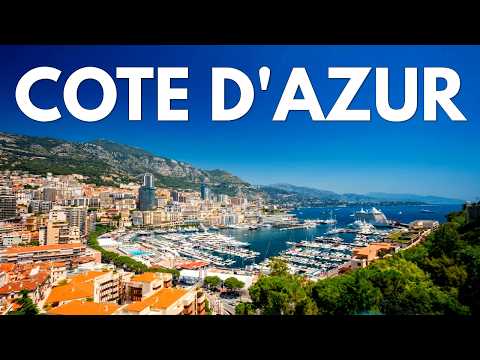
COTE D’AZUR – Is the French Riviera Worth It?
World Travel Guide

Côte d’Azur: A Guide to the World’s Most Glamorous Playground
From Abruzzo, With Love
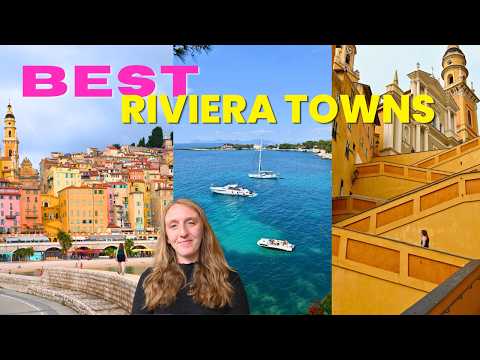
The Best Towns in the South of France (Honest Côte d’Azur …
Erin Parro – The Scenic Route Traveler
You are currently viewing a placeholder content from Vimeo. To access the actual content, click the button below. Please note that doing so will share data with third-party providers.
More InformationYou are currently viewing a placeholder content from YouTube. To access the actual content, click the button below. Please note that doing so will share data with third-party providers.
More InformationYou need to load content from reCAPTCHA to submit the form. Please note that doing so will share data with third-party providers.
More InformationYou are currently viewing a placeholder content from GetYourGuide. To access the actual content, click the button below. Please note that doing so will share data with third-party providers.
More Information