
Demnate: The Complete Travel Guide (2026)
Last reviewed: September 2026 · key facts checked against Wikidata
Demnate Travel Guide: Everything You Need to Know (2026)
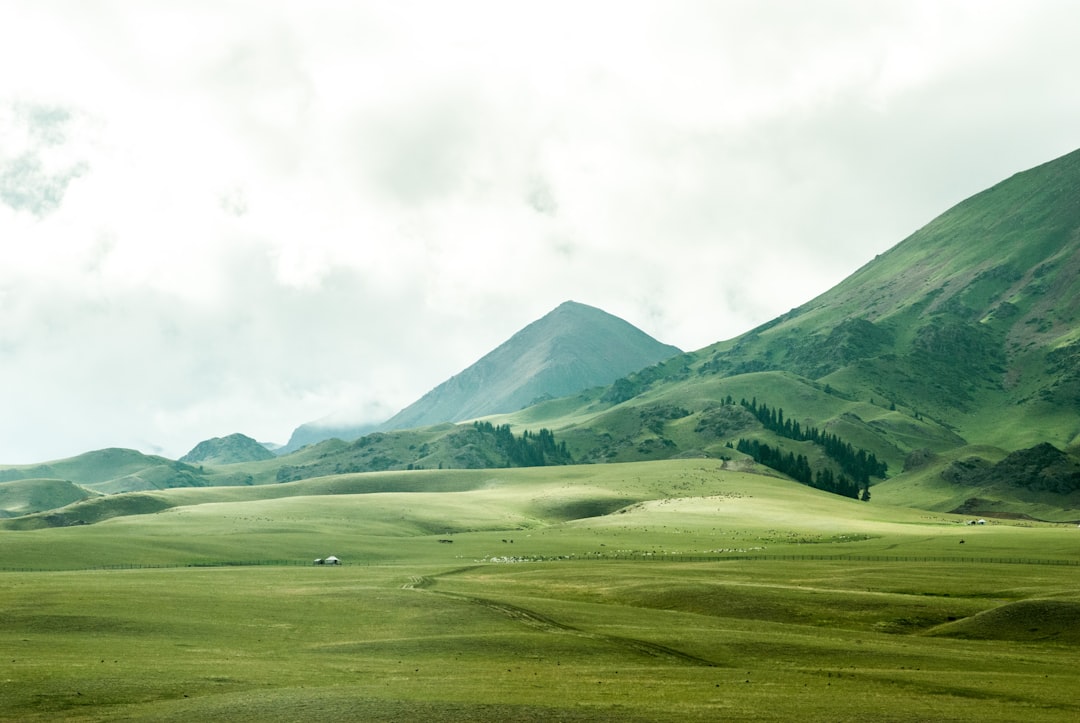
Demnate is a Berber market town of 33,635 people perched at 968 metres in the foothills of the High Atlas, roughly 110 km east of Marrakesh. Founded as one of the oldest settlements in southern Morocco, it served for centuries as a vital caravan crossroads linking the Saharan south to the imperial north. What surprised me most was how few foreign travellers make it here — the medina, the olive groves, and the dramatic Imi n’Ifri natural bridge are almost entirely yours.
Three Things Not to Miss in Demnate
- Imi n’Ifri Natural Bridge — A collapsed doline forming a cathedral-like arch over an underground river — swallows nest in its 40-metre vault year-round.
- Demnate Sunday Souk — One of the High Atlas foothills’ oldest weekly markets, trading live livestock, argan oil, and hand-woven Tashelheit textiles since medieval times.
- Demnate Medina & Kasbah — An unwalled Berber old town with a working pottery quarter producing distinctive terracotta pieces fired in wood kilns on site.
Scroll down for our complete travel guide with tips on getting there, where to stay, costs and more.
Getting to Demnate from the Airport
How do I get to Demnate — what are my transport options?
The fastest route is a grand taxi from Marrakesh, covering 110 km in roughly 2 hours for about DH 60–80 per seat. I recommend taking a shared grand taxi from Marrakesh’s Bab Doukkala station — they fill up fast on Sunday mornings because of the famous souk. CTM buses do not serve Demnate directly; you transfer in Azilal or El Kelaâ des Sraghna. Driving your own car gives you freedom to stop at the Atlas foothills en route, but the road after Aït Attab narrows significantly — that’s the caveat most itineraries skip entirely.
Which airport is closest to Demnate?
Marrakesh Menara Airport (RAK) is the closest international gateway, approximately 120 km west of Demnate — about 2.5 hours by road. In my experience, flying into RAK and taking a grand taxi the same day works perfectly; the airport is compact and ground transport is immediate. Casablanca Mohammed V Airport (CMN) is a secondary option at roughly 340 km, only worth it if you are doing a wider Morocco circuit. No shuttle connects RAK directly to Demnate, so budget DH 400–600 for a private transfer or DH 60–80 for a shared taxi from central Marrakesh.
How long does the journey from Marrakesh to Demnate take?
The drive from central Marrakesh to Demnate takes 1 hour 45 minutes to 2 hours 15 minutes depending on traffic through the Marrakesh ring road. My tip: leave before 8:00 a.m. to avoid the suburban crawl on the N8 highway. The road is fully paved and in good condition all the way to the town centre. What surprises most travellers is the final 30 km — the landscape shifts dramatically from flat agricultural plains to Atlas foothill switchbacks, and that stretch alone is worth the trip.
Do I need a rental car to explore Demnate and its surroundings?
Yes, a car is strongly recommended if you plan to explore beyond the medina. Imi n’Ifri is only 3 km from the town centre and walkable in good weather, but the Cascades d’Ouzoud (44 km northwest) and the Aït Benhaddou–direction villages require your own wheels. Renting in Marrakesh costs DH 250–400 per day for a small 4×4, which I recommend over a saloon car given the rural tracks. The honest caveat: Demnate itself has no rental agencies, so you must arrange the car in Marrakesh before arriving.
Moving Around Demnate
What are the best areas to stay in Demnate?
Stay as close to the medina centre or the Imi n’Ifri road as possible — the town is compact enough that location matters mainly for early morning ambience, not commute time. The cluster of guesthouses on the eastern edge near the olive groves offers quiet nights and Atlas views. I recommend avoiding the main commercial strip along Avenue Mohammed V for accommodation — noise from early market deliveries starts at 5:30 a.m. There are no formal hotel zones; it is all small riads and maisons d’hôte, which is precisely what makes Demnate charming.
What does accommodation cost per night in Demnate?
Budget DH 150–250 per night for a clean guesthouse room with breakfast included — that is approximately €14–23 at current exchange rates. A private riad room with en-suite bathroom and Atlas views runs DH 300–500. There are no international chain hotels in Demnate, which keeps prices honest. My tip: always negotiate directly with the owner rather than booking through aggregator platforms — you save DH 50–80 and often get a free tagine dinner thrown in. The caveat: hot water reliability varies between November and February at the cheaper end.
How far in advance should I book accommodation in Demnate during high season?
Book at least 3–4 weeks ahead for visits in April and October, when Atlas hiking season peaks and the best guesthouses — particularly around Imi n’Ifri — fill fast. For the Sunday souk, book the Saturday night at least 2 weeks in advance regardless of season, as day-trippers from Marrakesh sometimes stay over. In summer (July–August) advance booking of 1–2 weeks is sufficient since heat deters casual tourists. The honest warning: many Demnate guesthouses do not list on Booking.com — WhatsApp contact via local tourism Facebook groups is often the only reservation channel.
Are there special or unique accommodation types in Demnate?
The standout option is staying in a Berber maison d’hôte — a family-run stone house where meals are prepared on a wood-fired kanoun stove and the host speaks Tashelheit as a first language. In my experience, these places cost DH 200–350 per night with half-board and give you a completely different perspective from a Marrakesh riad. One guesthouse near Imi n’Ifri has rooms carved partly into the cliff face overlooking the gorge — genuinely unlike anything in the Atlas tourist circuit. Camping is also possible in the olive groves for DH 40–60 per tent if you ask local farmers directly.
Choosing a Neighbourhood in Demnate
What are the must-see sights in Demnate?
Three sites are non-negotiable. First, Imi n’Ifri — a collapsed underground river cave forming a natural arch 40 metres high, with a colony of alpine swifts and an optional local guide for DH 50. Second, the Sunday Souk — the largest weekly market in this part of the Atlas foothills, trading everything from live goats to hand-pressed argan oil. Third, the Demnate pottery quarter in the medina, where you can watch artisans throw terracotta on foot-powered wheels. The honest caveat: Imi n’Ifri has no safety railings along the gorge edge — take serious care with children.
What can I experience for free in Demnate?
Walking the medina alleys costs nothing and rewards you with authentic Berber market life completely unpolished for tourists. The panoramic viewpoint above the town looking south toward the High Atlas is a 15-minute walk from the centre and entirely free. Imi n’Ifri itself has no entrance fee — the DH 50 is for a voluntary local guide, which I strongly recommend for safety and context. The Sunday souk is free to wander; just budget for whatever you inevitably want to buy. What most visitors miss: the old Jewish mellah quarter near the southern medina wall, a completely free and historically rich 20-minute walk.
Which day trips from Demnate are most worthwhile?
Cascades d’Ouzoud (44 km northwest, about 1 hour by car) is the most spectacular day trip — Morocco’s highest waterfall at 110 metres drops into a turquoise pool. In my experience, arriving before 9:00 a.m. means you have the lower pools almost to yourself. Aït Benhaddou is 180 km south via the Tizi n’Tichka pass — a full day but iconic. Closer to home, the village of Aït Attab (22 km east) sits dramatically above a reservoir and sees virtually no foreign visitors. The caveat: Ouzoud is heavily commercialised on weekends — go on a Tuesday or Wednesday.
What local specialities should I eat in Demnate?
Order amlou — a thick paste of roasted almonds, argan oil, and honey that locals eat with msemen flatbread for breakfast, costing DH 20–30 at market stalls. The Demnate area produces some of the finest argan oil in Morocco; buy cold-pressed oil directly from cooperatives for DH 80–120 per 250ml, roughly half the Marrakesh tourist price. For lunch, a lamb tagine with preserved lemon and olives from a medina cook costs DH 35–50. What surprised me: the local fig jam sold at the Sunday souk is extraordinary — dried Atlas figs, nothing added — and costs DH 15 per jar.
Top Sights in Demnate
What makes Demnate unique compared to other Moroccan towns?
Demnate sits at the precise cultural and geographic crossroads between Berber Atlas mountain culture and the pre-Saharan trade routes — a combination you feel physically walking the medina. Unlike Ouarzazate or Zagora, it has no tour-bus infrastructure; the souk is a genuine weekly economic event, not a performance. The Tashelheit Berber dialect is the primary language on the street, giving you immediate insight into non-Arab Morocco. At 968 metres elevation, summer temperatures stay 8–12°C cooler than Marrakesh. The honest trade-off: that authenticity comes with minimal English signage, no tourist office, and restaurants that close between 14:00 and 18:00 without warning.
How many days should I spend in Demnate?
2 full days is the sweet spot: Day 1 for the medina, pottery quarter, and Imi n’Ifri gorge; Day 2 for the Sunday souk (if timing aligns) or a day trip to Cascades d’Ouzoud. A 3rd day is worthwhile if you want to hike into the lower Atlas foothills above town — the trail to Aït Attab village takes about 4 hours round trip. My tip: arrive on a Saturday evening so your first full day coincides with Sunday market. The caveat: more than 3 days requires an active hiking or biking agenda — the town itself is thoroughly walkable in a single morning.
When is the best time to visit Demnate?
Based on climate data, April, June, September, and October are the optimal months. April brings Atlas wildflowers and temperatures of roughly 20–24°C — perfect for walking and gorge exploration. October is equally pleasant with harvest activity in the olive groves. Avoid July and August if you dislike heat — temperatures can reach 38°C in the valley despite the altitude. January and February bring cold nights below 5°C and occasional snow on the surrounding ridges, which is atmospheric but limits road access to higher villages. My recommendation: the last week of April, when the Souk draws regional producers from across the Atlas.
Are there local festivals in Demnate worth attending?
The Moussem de Demnate — a regional religious and cultural festival honouring local saints — typically takes place in late spring or early summer, drawing Berber communities from across the High Atlas for music, horse displays (fantasia), and communal feasting. Exact dates shift with the Islamic calendar, so confirm locally or via the Azilal Province tourism office before booking. In my experience, arriving 2 days early means you witness the setup — which is as fascinating as the event itself. There is no ticketed entry; it is a community gathering. The caveat: accommodation within 10 km fills completely during the moussem — book 6 weeks ahead.
Where to Eat in Demnate
How does the weather in Demnate affect what activities I can do?
At 968 metres, Demnate’s climate is noticeably more temperate than the Marrakesh plain. Spring (April–May) and autumn (September–October) allow full outdoor activity — hiking, souk wandering, gorge exploration — without heat stress. Summer afternoons above 35°C push activity to early mornings before 10:00 a.m. and evenings after 18:00. Winter (December–February) closes higher Atlas trails above 1,500 metres but keeps the town itself accessible; Imi n’Ifri is open year-round. The specific warning most guides skip: flash floods can fill the Imi n’Ifri gorge floor within minutes after upstream rain — ask locals about conditions before descending into the cave.
How crowded does Demnate get in peak season?
Demnate remains remarkably uncrowded by Moroccan standards even in peak April and October. The Sunday souk is the only reliably busy event, drawing several hundred regional visitors — though foreign tourists remain a small minority. Imi n’Ifri sees perhaps 30–50 day visitors on a busy weekend, compared to thousands at Cascades d’Ouzoud. In my experience, you will rarely queue for anything in Demnate. The one congestion point: the single main road through the medina on Sunday mornings becomes impassable for vehicles between 8:00 and 11:00 a.m. — park on the periphery and walk in.
How safe is Demnate for travellers?
Demnate is genuinely safe — petty crime and tourist-targeting are minimal compared to Marrakesh’s medina. In my experience, solo female travellers report feeling comfortable walking the souk and medina during daylight hours. The main safety concern is natural rather than social: the Imi n’Ifri gorge has unguarded drops and slippery paths after rain — I recommend sturdy shoes and a local guide (DH 50) for the descent. At night, the medina streets are poorly lit, so carry a torch. The broader caveat: Demnate has no hospital — the nearest adequate medical facility is in Azilal (40 km) or Marrakesh (110 km).
Is English widely spoken in Demnate?
No — French is the practical second language in Demnate, used in shops, guesthouses, and with educated locals. Arabic (Darija dialect) is the street language. Tashelheit Berber is what you will hear most in the souk between locals. English is understood by perhaps 10–15% of guesthouse owners and almost nobody in the market. My tip: download Google Translate with Arabic and French offline packs before arriving — it is genuinely useful here. Learning 5 phrases in Darija (salam, shukran, bghit, b’shal, mezyan) will open doors that English never will. The honest trade-off: the language gap is real but creates more authentic interactions than any tourist-circuit town.
Before You Go to Demnate
What is a realistic daily budget for visiting Demnate?
Budget travellers can manage DH 250–350 per day covering a guesthouse bed (DH 150), three meals (DH 80), entry to sites (DH 50 guide at Imi n’Ifri), and transport. Mid-range comfort — private riad room, restaurant dinners, and a day trip to Ouzoud — runs DH 500–700 per day. In my experience, DH 600 (roughly €56) gives you an excellent experience with zero compromises. The hidden cost most budgets miss: grand taxi fares are per-seat and non-negotiable — if you want a taxi to yourself for flexibility, expect to pay 6 times the per-seat rate, which adds DH 360–480 per inter-city journey.
How does public transport work in and around Demnate?
Public transport within Demnate itself is entirely on foot — the town is walkable end-to-end in 20 minutes. For regional connections, grand taxis are the backbone: shared rides to Marrakesh cost DH 60–80 per seat, departing from the central taxi stand near the main souk square. There is no local bus network within the town. Occasional Supratours coaches pass through on the Marrakesh–Azilal route but with limited schedules — check 48 hours in advance. My tip: for Imi n’Ifri, the 3 km walk from the medina takes 35 minutes on a paved road, or a moto-taxi will take you for DH 10–15.
Which apps do you recommend for visiting Demnate?
Maps.me with Morocco downloaded offline is essential — Google Maps has gaps in the Atlas foothill tracks. WhatsApp is how every guesthouse, taxi driver, and local guide communicates; have it installed and data-ready. Google Translate with Arabic and French offline packs handles 90% of communication situations. For navigation to Imi n’Ifri specifically, the coordinates 31.7295°N, 6.9047°W in Maps.me are more accurate than the named search. XE Currency gives live DH conversion rates — useful at the argan oil cooperative where prices are quoted per litre. The one app I do NOT recommend relying on: Booking.com has fewer than 5 Demnate properties listed and misses the best family guesthouses entirely.
Demnate at a Glance
| Population | 33,635 |
|---|---|
| Currency | Moroccan dirham (DH) |
| Official language | Arabic, Standard Moroccan Tamazight |
| Time zone | UTC+01:00 |
Source: Wikidata, retrieved September 2026.
Morocco › Demnate
More Destinations in Morocco
Essential Resources for Planning Your Trip to Demnate
- Moroccan National Tourist Office: Travel to Morocco – Official … — official visitor information, passes & events
- Wikipedia: Demnate — history, geography & background
- Wikivoyage: Demnate — community travel guide & practical tips
- Demnate — Lonely Planet — expert itineraries & travel inspiration
- Demnate — TripAdvisor — hotels, restaurants & traveller reviews
- Ouarzazate to Demnate via Amezri for a real Morocco … — how to get around
- Numbeo: Cost of Living in Demnate — current prices & cost comparison
- Timeanddate: Demnate Weather & Climate — forecasts & climate statistics
More Perspectives on Demnate
Demnate Travel Videos
Watch these videos for a visual preview before your trip:
- A tour in the city of Demnate
- Morocco Travel Guide: Hidden Gem of Demnate 🌄
- Marrakesh, Demnat, Bin El Ouidane, Rabat. We rent a car and start exploring Morocco
Data Sources
This page was compiled using data from Wikipedia, Wikidata, Open-Meteo (climate), Numbeo (cost of living) and REST Countries. Information is updated regularly.
Demnate Travel Discussions on Reddit
Real traveller experiences and community advice: