
El Hierro: The Complete Travel Guide (2026)
Last reviewed: October 2026 · key facts checked against Wikidata
El Hierro Weather by Month: When to Go
| Month | Day | Night | Sea | Rain days | Rain mm | Wind km/h | Good for |
|---|---|---|---|---|---|---|---|
| Jan | 18° | 12° | 21° | 4 | 17 | 15 | Hike |
| Feb | 18° | 12° | 21° | 4 | 19 | 17 | Hike |
| Mar | 18° | 12° | 21° | 6 | 22 | 17 | Hike |
| Apr | 19° | 13° | 21° | 5 | 22 | 15 | Hike |
| May | 20° | 14° | 21° | 3 | 11 | 16 | Hike |
| Jun | 22° | 16° | 23° | 3 | 12 | 17 | SwimHike |
| Jul | 24° | 17° | 24° | 0 | 1 | 19 | SwimHike |
| Aug | 25° | 18° | 24° | 1 | 4 | 18 | SwimHike |
| Sep | 24° | 18° | 24° | 3 | 24 | 16 | SwimHike |
| Oct | 23° | 17° | 25° | 6 | 17 | 13 | SwimHike |
| Nov | 21° | 15° | 24° | 6 | 25 | 14 | Hike |
| Dec | 19° | 13° | 22° | 7 | 22 | 15 | Hike |
Sources: ERA5 reanalysis via Open-Meteo, 2016–2025 (10-year average) for air temperature, rain and wind (average daily maximum); Open-Meteo Marine API, 2023–2025 for sea surface temperature. A rain day has at least 1 mm. Area averages; individual years vary.
El Hierro Travel Guide: Everything You Need to Know (2026)
El Hierro, the smallest of Spain’s eight inhabited Canary Islands at just 268 km², sits at 1,501 metres above sea level at its highest peak, Malpaso, and holds a population of 11,806 souls across its rugged volcanic terrain. Declared a UNESCO Biosphere Reserve in 1947 and renowned as the Isla del Meridiano, it was once considered the edge of the known world — the prime meridian ran through it until 1884. Unlike its flashier Canarian siblings, El Hierro remains one of Europe’s most genuinely untouched island destinations.
Top 3 Highlights at a Glance
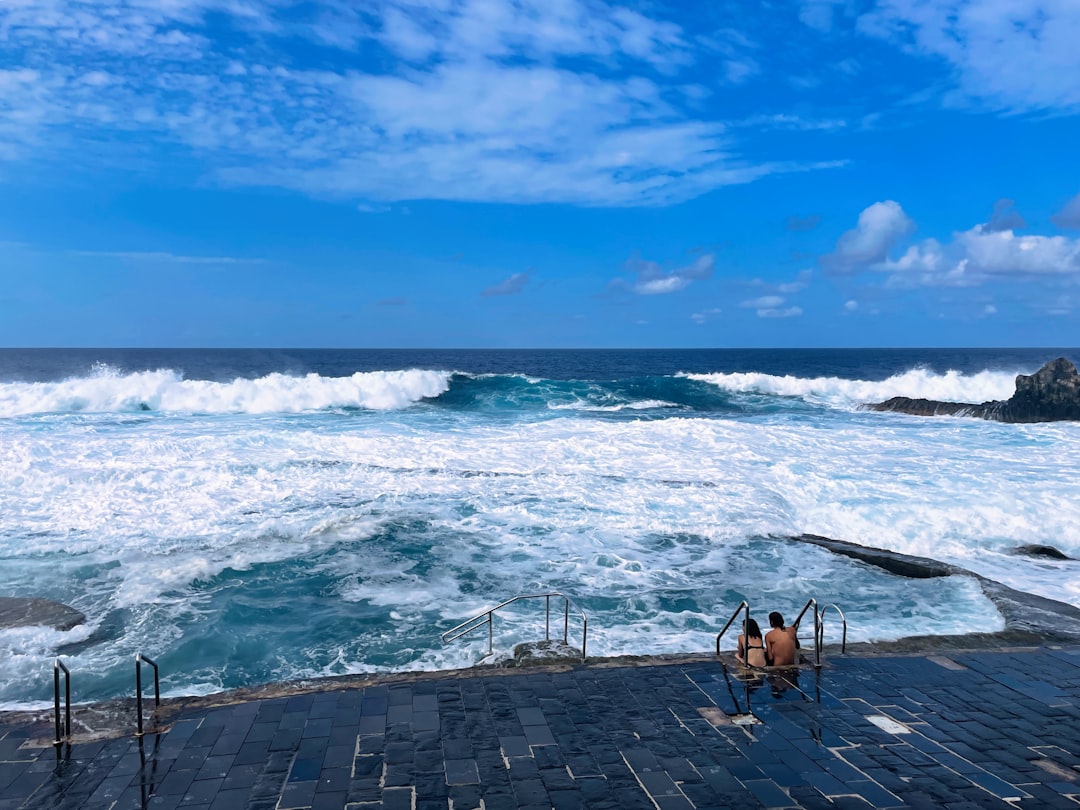
- Charco Azul Natural Pools — Volcanic rock pools carved by lava flows, filled by the Atlantic — no crowds, no entrance fee, pure geology.
- El Sabinar Juniper Forest — Ancient wind-twisted junipers up to 800 years old, sculpted into surreal horizontal shapes by trade winds.
- La Restinga Marine Reserve — One of Europe’s top dive sites, with visibility exceeding 30 metres and endemic angel sharks year-round.
Scroll down for our complete travel guide with tips on getting there, where to stay, costs and more.
Arrival & Airport
How do I get to El Hierro?
Fly directly — El Hierro has no practical ferry connection from mainland Spain. Binter Canarias and Canary Fly operate daily flights from Gran Canaria (LPA) and Tenerife North (TFN), taking roughly 45 minutes. Return fares start at €60 but average €110–€150 during high season. In my experience, booking through Binter’s website directly beats any aggregator price. What surprised me: inter-island connections are surprisingly frequent, but if you miss the last flight, you are genuinely stranded — El Hierro’s ferry from Los Cristianos, Tenerife takes 3 hours and runs only a few times weekly, not daily.
Which airport serves El Hierro and how close is it to town?
El Hierro Airport (VDE) is the island’s only airport, located 10 km south of the capital Valverde. The drive takes roughly 15 minutes on a winding mountain road. There is a basic bus service (Line 2) but it runs infrequently — around 4 departures per day. In my experience, the bus is not reliable enough if you have onward plans. A taxi from VDE to Valverde costs approximately €15–€18. My tip: arrange a rental car pickup at the airport the moment you land, because there is no ride-hailing app on this island and taxis are scarce outside Valverde.
How long does the journey to El Hierro take from major hubs?
From Madrid, budget a minimum of 4 hours total — a 2-hour 20-minute flight to Gran Canaria or Tenerife, then a 45-minute inter-island hop. From London, add another 2.5 hours to reach the Canary hub first, making it a 7-hour door-to-door journey realistically. Direct flights from mainland Spain to VDE do not exist in 2026. What surprised me is how dramatically the connection window matters: if your inter-island layover at TFN is under 90 minutes, a small delay can strand you overnight — I recommend 2+ hours minimum between legs.
Do I need a rental car to explore El Hierro?
Yes — unambiguously. El Hierro’s public bus network (Transportes El Hierro) covers only 4 main routes, leaves huge parts of the island unreachable, and stops running by 8 pm. The island measures only 268 km² but its roads are steep, winding, and not cycle-safe in most areas. Rental cars at VDE airport cost €35–€55 per day through local operators like Hertz El Hierro or Top Car. My tip: book at least 3 weeks ahead in July and August — the island has a tiny fleet and cars sell out completely. A small 4WD is worth the extra €10/day for dirt tracks to viewpoints.
City Transport
What are the best areas to stay in El Hierro?
Frontera in the El Golfo valley is my top pick — it sits in a dramatic volcanic crater valley at sea level, has the best restaurants, and gives central access to both the north and south coasts. La Restinga in the south suits divers and snorkellers who want to wake up at the marine reserve. Valverde, the capital, is the most practical for logistics and grocery runs but lacks atmosphere. What most guides omit: staying in Las Puntas near the tiny Hotel Puntagrande — once listed in Guinness World Records as the world’s smallest hotel — gives you extraordinary isolation but requires fully planning every meal in advance.
What does accommodation cost per night in El Hierro?
Expect to pay €70–€110 per night for a solid mid-range rural house or apartment in Frontera or Las Puntas. Budget guesthouses in Valverde start at €45. The island has almost no large hotels — it runs on casas rurales (rural houses), which are typically better value and more atmospheric. A private villa with a sea view costs €130–€200 per night. In my experience, the Parador de El Hierro in Las Playas is the premium option at roughly €180–€220, perched directly above the ocean — genuinely special, but book it as a treat, not a base.
How far in advance should I book accommodation in El Hierro during high season?
Book 3–4 months ahead for July and August — non-negotiable. El Hierro has under 600 registered tourist beds across the entire island, which is extraordinarily limited for a Canary Island. The UNESCO Biosphere status is deliberately used to restrict mass tourism development. In my experience, the best casas rurales in Frontera and Las Puntas sell out by April for summer. Shoulder months — October and November — need only 4–6 weeks lead time. The honest caveat: if you find a great option last-minute in peak season, it almost certainly means another guest cancelled or it has a serious flaw.
What special accommodation types does El Hierro offer?
El Hierro’s standout accommodation type is the casa rural — traditional stone-built Canarian farmhouses converted into self-catering apartments, typically with private terraces, wood-burning stoves, and vineyard or ocean views. Hotel Puntagrande in Las Puntas is a converted 18th-century fishing pier building — tiny, atmospheric, and genuinely historic. The Parador de El Hierro is the only resort-style option, with a pool and ocean-facing rooms. What surprised me: several working farms near Sabinosa offer agritourism stays where you eat produce grown on-site. Camping is technically possible at designated spots near El Pinar but facilities are extremely basic — bring everything yourself.
Accommodation & Neighbourhoods
What are the must-see sights in El Hierro?
Three are non-negotiable. Charco Azul natural pools on the north coast — volcanic lava pools connected to the open Atlantic, free entry, and genuinely wild. El Sabinar juniper forest near Sabinosa — trees up to 800 years old bent horizontal by trade winds, unlike anything else in Europe. And the Mirador de la Peña viewpoint, designed by César Manrique, overlooking the entire El Golfo valley from 700 metres — the view is among the best in the Canaries. My tip: arrive at Mirador de la Peña before 10 am to beat the tour bus crowd from Tenerife day-trippers.
What can I experience for free in El Hierro?
More than you’d expect. Charco Azul and La Maceta natural lava pools on the north coast cost nothing and rival any paid beach club. All hiking trails — including the GR 131 long-distance route across the island — are free. The El Sabinar juniper forest has no entrance fee. Every Sunday morning, the small market in Valverde is free to browse and excellent for local cheese tasting. In my experience, the most memorable free experience is watching the sunset from Punta Orchilla lighthouse at the island’s western tip — the exact spot once marking the world’s prime meridian — with zero other tourists present.
Which day trips are possible from El Hierro?
El Hierro itself is better treated as a day-trip destination from Tenerife than a base for day trips, given its small size. The island is entirely explorable in a single ambitious day, though 3–5 days does it justice. The ferry to Los Cristianos, Tenerife takes 3 hours — technically a day trip, but you lose 6 hours in transit. In my experience, the better approach is using El Hierro’s compact size for themed single-day circuits: the North Coast Loop (Charco Azul → El Sabinar → Sabinosa thermal baths) takes a full day. The Southern Dive Day from La Restinga fills another completely. No island day trips are practical.
What are the local specialities to eat and drink in El Hierro?
Queso de El Hierro — the island’s semi-cured goat and sheep cheese — is legally protected with a DOP designation and unlike any Canarian cheese I’ve tried: smoky, dense, and slightly sweet. Pair it with vino de El Hierro, the island’s volcanic-soil wine, produced in tiny quantities around Frontera and rarely exported. Escaldón de gofio (toasted grain porridge with fish broth) is the Canarian staple done best here. In my experience, the restaurant La Higuerita in Frontera serves the definitive local meal for under €20. The honest trade-off: the culinary scene is authentic but tiny — expect 8–10 restaurants island-wide, not a dining scene.
Highlights & Must-Sees
What makes El Hierro unique compared to other Canary Islands?
El Hierro runs on 100% renewable energy — it became the world’s first energy self-sufficient island through its Gorona del Viento wind-hydro power plant in 2014, a genuine world first. It has no mass tourism infrastructure: no all-inclusive hotels, no airport charter flights, no beach clubs. The marine reserve around La Restinga is one of Europe’s strictest, with angel sharks, barracuda, and endemic species in 30-metre visibility water. In my experience, what sets it apart most is silence — you can hike the GR 131 trail for 4 hours and see nobody. The trade-off: you must be self-sufficient; this island will frustrate anyone expecting Lanzarote-style convenience.
How many days should I spend in El Hierro?
4–5 days is the ideal — enough to cover the north coast, El Golfo valley, the south diving area, and high-altitude forest without rushing. In 3 days you can hit the highlights with a rental car but you’ll feel slightly breathless. 7 days suits divers doing daily dives from La Restinga or hikers completing multi-day sections of the GR 131. I recommend a minimum of 4 nights to justify the flight connections. The honest caveat: boredom is a real risk for travellers expecting nightlife or beach-club culture — by day 3, non-hikers and non-divers may exhaust the island’s entertainment.
When is the best time to visit El Hierro?
October and November are my personal top picks — temperatures sit around 22–24°C, the summer crowds have cleared, and the marine visibility at La Restinga peaks after the summer thermocline. July through September is high season with the best guaranteed sunshine but the most booked accommodation. January and February are mild (18°C) compared to mainland Europe but can bring cloud cover and wind. What surprises most visitors: El Hierro’s trade wind inversion layer means the north can be overcast while the south basks in sun simultaneously — check which zone your accommodation is in before booking.
Are there local festivals in El Hierro worth attending?
The Bajada de la Virgen de los Reyes is El Hierro’s defining festival — held every 4 years (next in 2029), it involves carrying a 400-year-old statue of the Virgin across the island on foot over several days. Missing the 4-year cycle is a real loss. Annual highlights include the Fiestas de Nuestra Señora de Candelaria in Valverde each February, with Canarian wrestling (lucha canaria) tournaments. In my experience, the Fiesta del Queso (Cheese Festival) in Frontera in late spring draws islanders together for tastings of DOP Queso de El Hierro — low-key, authentic, and zero tourist staging.
Food & Drink
How does the weather affect activities in El Hierro?
El Hierro’s geography creates 4 distinct microclimates across 268 km². The trade winds make the north coast consistently cloudier and greener — hiking in El Sabinar and Frontera is best done year-round. The south around La Restinga stays sunnier and calmer, making it the reliable diving base. Wind is the biggest variable for water sports: the Punta Restinga marine area can close to boats during Levante wind episodes (typically 3–5 days in winter). In my experience, always check AEMET (Spain’s official weather agency) the day before coastal activities — not a generic forecast app, which misses the microclimate detail entirely.
How crowded does El Hierro get in peak season?
Crowded by El Hierro standards, invisible by Tenerife standards. In July and August, popular spots like Charco Azul and Mirador de la Peña see day-tripper buses from Tenerife arriving between 10 am and 2 pm — arrive before 9:30 am or after 3 pm to avoid them. The island receives roughly 60,000 visitors annually — compare that to Tenerife’s 6 million and the scale is clear. Accommodation is the real bottleneck, not sightseeing. In my experience, even in August, you can hike for half a day without seeing another person on trails beyond Hoya del Morcillo in the central forest reserve.
How safe is El Hierro?
Extremely safe — one of the safest places I’ve visited in Europe. Petty crime is essentially non-existent; the local population of 10,968 knows each other, and tourism is low-volume. Leave your rental car unlocked at trailheads and nobody will touch it — though I wouldn’t recommend testing that theory. The primary genuine risks are volcanic activity (El Hierro had an underwater eruption in 2011–2012 off La Restinga), cliff-edge hiking without marked paths, and ocean rip currents at unguarded swimming spots. My tip: always tell your accommodation where you’re hiking — mobile coverage drops to zero in the El Pinar forest and central highlands.
Is English widely spoken in El Hierro?
Less than on any other Canary Island. Spanish is essential — English is spoken at the Parador de El Hierro and a handful of dive shops in La Restinga, but most restaurants, rural accommodation, and petrol stations operate entirely in Spanish. German is actually more useful than English in some tourist-adjacent businesses, reflecting the island’s visitor demographics. In my experience, downloading Google Translate with the Spanish offline pack is non-negotiable. What surprised me: locals respond warmly to any attempt at Spanish, however broken — a simple ’gracias’ and ’perdone’ goes an extraordinary distance in this tight-knit community.
Practical Tips
What is a realistic daily budget for El Hierro?
Budget traveller: €70–€90/day (hostel/shared casa rural, self-catering, hiking). Mid-range: €130–€170/day (private casa rural, lunch and dinner out, rental car share). Comfort: €220–€300/day (Parador de El Hierro, full restaurant meals, guided dive). Food costs are reasonable — a 3-course menú del día lunch in Frontera runs €12–€15. The unavoidable cost spike is the rental car at €35–€55/day, which is effectively mandatory. In my experience, the biggest budget surprise is that supermarkets are limited and expensive — the single Spar in Valverde has mainlander pricing plus a 15–20% island transport surcharge on most packaged goods.
How does public transport work in El Hierro?
Transportes El Hierro runs 4 bus lines connecting Valverde to Frontera, La Restinga, and the airport. A single ticket costs roughly €1.55–€3.50 depending on distance. Service frequency is the problem: buses on most lines run 3–5 times daily, with the last departure typically around 8 pm. In my experience, the bus is useful for the Valverde–Frontera route if you’re basing yourself in the capital, but useless for reaching Charco Azul, El Sabinar, or any coastal trail. The honest trade-off: public transport saves money but costs you half your island experience — a car changes El Hierro from a limited to a limitless destination.
Which apps do you recommend for visiting El Hierro?
Wikiloc — download the El Hierro trail pack offline before you arrive; mobile data is unreliable in the highlands. AEMET (Spain’s official weather app) for the only accurate microclimate forecasts — critical for dive days and cliff hikes. Google Maps offline for the entire island downloaded before landing at VDE; GPS works without signal. Binter Canarias app for managing your inter-island connections and real-time delay alerts. In my experience, iNaturalist is a bonus for the biosphere reserve — photographing endemic lizards and laurisilva plants and having them identified instantly adds a rewarding layer to hikes that no guidebook matches.
El Hierro at a Glance
| Population | 11,806 |
|---|---|
| Currency | EUR (€) |
| Official language | Spanish |
| Time zone | UTC±00:00 |
Source: Wikidata, retrieved October 2026.
Essential Resources for Planning Your Trip to El Hierro
- El Hierro – Travel guide at Wikivoyage — official visitor information, passes & events
- Wikipedia: El Hierro — history, geography & background
- Wikivoyage: El Hierro — community travel guide & practical tips
- El Hierro, the little-explored Canary Island that breaks all … — expert itineraries & travel inspiration
- THE 15 BEST Things to Do in El Hierro (2026) — hotels, restaurants & traveller reviews
- Hierro Airport (VDE) Guide – Transport & Services — how to get around
- Numbeo: Cost of Living in El Hierro — current prices & cost comparison
- Timeanddate: El Hierro Weather & Climate — forecasts & climate statistics
- El Hierro UNESCO Global Geopark
More Perspectives on El Hierro
- El Hierro: The Best Things to Do on the Canary Islands …
- Ultimate guide: 21+ best things to do and see in El Hierro …
- El Hierro | Green Traveller’s Guide
El Hierro Travel Videos
Watch these videos for a visual preview before your trip:
- El Hierro Canary Islands 🇪🇸 4K Drone Tour – Travel Guide – TOP 25 Things to Do
- El Hierro: Exploring the end of the World
- A Slow Film on walking holidays on El Hierro with Inntravel
El Hierro Travel Discussions on Reddit
Real traveller experiences and community advice:
- My trip to El Hierro : r/travel
- Travelling to El Hierro at the end of March! Do you guys …
- What’s it like living on the island El Hierro, Santa Cruz de …
Data Sources
This page was compiled using data from Wikipedia, Wikidata, Open-Meteo (climate), Numbeo (cost of living) and REST Countries. Information is updated regularly.
Spain › El Hierro