
Errachidia: The Complete Travel Guide (2026)
Last reviewed: September 2026 · key facts checked against Wikidata
Errachidia Travel Guide: Everything You Need to Know (2026)
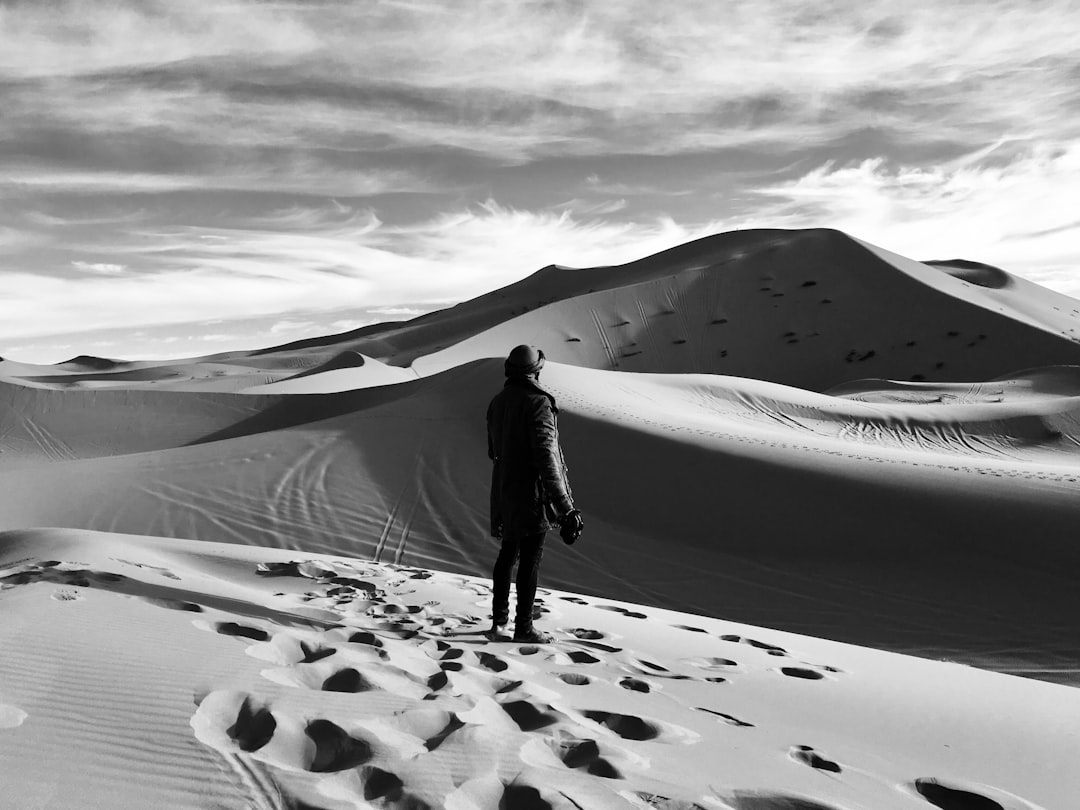
Errachidia, formerly Ksar es-Souk, sits at 1,009 metres above sea level in southeastern Morocco and serves as the capital of the Drâa-Tafilalet region, home to 97,687 residents. It is the primary gateway to the Saharan dune fields of Merzouga, roughly 100 km to the southeast. Founded as a French garrison town, it has evolved into a functional desert crossroads rarely visited by tourists who skip straight to the dunes — which is precisely what makes it interesting.
Three Things Not to Miss in Errachidia
- Source Bleue de Meski — A natural spring oasis 23 km from Errachidia with turquoise pools carved into red cliffs — genuinely stunning and rarely crowded.
- Tunnel du Ziz — A colonial-era road tunnel cut through the High Atlas at the gorge entrance — dramatic gorge views stretch for 60 km southward.
- Errachidia Central Souk — Thursday market draws Amazigh traders from across the Tafilalet with dates, saffron, and fossils priced well below Marrakech tourist shops.
Scroll down for our complete travel guide with tips on getting there, where to stay, costs and more.
Getting to Errachidia from the Airport
How do I get to Errachidia?
Fly into Moulay Ali Cherif Airport (ERH) — the only real option. CTM and Supratours buses connect Errachidia to Meknes (roughly 7 hours, DH 120–150) and Fès (8 hours). In my experience, the overnight bus from Fès arriving early morning is the most efficient use of travel time. The honest caveat: road quality between Midelt and Errachidia through the Ziz Gorges is spectacular but potholed in stretches, so grand taxi rides feel brutal if you are prone to motion sickness. I recommend bringing anti-nausea medication regardless.
Which airport is closest to Errachidia?
Moulay Ali Cherif Airport (ERH) sits just 3 km southeast of the city centre — one of the few Moroccan regional airports genuinely close to town. Royal Air Maroc operates seasonal flights from Casablanca (CMN) taking approximately 1 hour 45 minutes, with fares starting around DH 600 one-way if booked 6 weeks ahead. What most guides omit: schedules are thin — sometimes only 3 flights per week — and get cancelled without much warning. Always have a bus backup plan. My tip: check the RAM website directly rather than aggregators for the most current schedule.
How long does the journey to Errachidia take from major Moroccan cities?
From Fès, count on 8 hours by CTM bus or roughly 6 hours by private car via the N13 highway through Midelt. From Marrakech, the southern route via Ouarzazate takes approximately 7 hours by car. Grand taxis from Er-Rachidia bus station to Merzouga cost around DH 80 per seat and take 2 hours. What surprised me: the mountain scenery through the Ziz Gorges makes even a long bus ride feel worthwhile. The caveat is that journey times can stretch significantly in winter when snow blocks the Tizi n-Talrhemt pass above Midelt.
Do I need a car in Errachidia?
Yes — for the surrounding region, a car is essential. The city itself is walkable within the Hassan II Avenue corridor, but Source Bleue de Meski (23 km), Ziz Gorges (40 km north), and Merzouga (100 km southeast) are inaccessible without wheels. Car rental from local agencies near the bus station starts at DH 350 per day for a basic Dacia Logan. My tip: book in advance — inventory in Errachidia is thin, with only 3–4 rental operators in town. The caveat: international rental companies like Europcar have no presence here, so inspect the car thoroughly before accepting it.
Moving Around Errachidia
What are the best areas to stay in Errachidia?
Stay near Avenue Hassan II or the Ziz neighbourhood adjacent to the palmerie — both put you within 10 minutes’ walk of the bus station, souk, and restaurants. The palmerie edge specifically gives you a quieter atmosphere with views of date palms rather than concrete. Avoid the industrial outskirts near the Route de Goulmima, which offers nothing of interest and adds taxi costs. In my experience, the smaller family-run riads near the old administrative quarter are cleaner and better maintained than the larger hotels catering to group tours.
What does accommodation cost per night in Errachidia?
Budget guesthouses charge DH 150–220 per night for a double room with private bathroom — genuinely cheap even by Moroccan standards. Mid-range hotels like Hôtel Rissani or Hôtel Kenzi Rissani run DH 400–600. A decent three-star property with air conditioning costs around DH 500. What most guides omit: air conditioning is non-negotiable June through August when temperatures exceed 40°C — always confirm the unit works before paying. My tip: negotiate directly at the reception desk, as walk-in rates are routinely 20% lower than anything listed online.
In high season, how far in advance should I book accommodation in Errachidia?
Book 3–4 weeks ahead for March to May and September to October — the shoulder seasons when most overland travellers pass through en route to Merzouga. In my experience, Errachidia itself never sells out the way Merzouga does, so last-minute is usually possible outside festival weekends. The honest caveat: group tour operators block-book the mid-range hotels during Moroccan school holidays (late October and mid-February), which leaves independent travellers with bottom-end options at short notice. During the Erfoud Date Festival in October, budget an extra week of lead time for anything decent.
Are there special accommodation types worth trying in Errachidia?
Yes — the palmerie guesthouses on the southern edge of town offer a genuinely different experience: rooms built into traditional mud-brick compounds surrounded by 15,000-hectare Ziz palmerie. Prices run DH 250–350 per night, breakfast included. What surprised me: several of these family-run maisons d’hôtes serve homemade Amazigh tagines that are dramatically better than anything the hotel restaurants produce. The caveat: most have no signage in Latin script, so navigation without a local contact or Google Maps pinpoint is frustrating. Ask your guesthouse owner to share a WhatsApp location pin when you book.
Choosing a Neighbourhood in Errachidia
What are the must-see sights in Errachidia?
Source Bleue de Meski (23 km south) is the undisputed highlight — a spring-fed swimming pool inside a canyon that costs DH 10 to enter and is visually extraordinary. The Ziz Gorges stretching north toward Rich offer 60 km of dramatic cliff scenery. The Thursday souk in the city centre is the best market between Fès and the Sahara for fossils, saffron, and Medjool dates at honest prices. In my experience, the French colonial-era administrative quarter near Boulevard Mohammed V is worth 30 minutes for its faded Art Deco details — largely ignored by every guidebook.
What can I experience for free in Errachidia?
Walking the Ziz palmerie paths costs nothing and takes a full afternoon — the date palm groves stretch for kilometres south of town with irrigation channels and mud-brick villages that feel unchanged for centuries. The Thursday souk is free to browse. Sunset from the roof of any guesthouse in the palmerie zone over the ochre desert is genuinely spectacular without a ticket. My tip: the Mohammed V mosque exterior and surrounding square are photogenic at golden hour. The honest caveat: the city museum, if it opens in 2026, may charge DH 20 — but as of 2025 it remained closed for renovation.
Which day trips from Errachidia are worth doing?
Merzouga and Erg Chebbi (100 km, 2 hours) for the iconic orange dunes — hire a grand taxi for DH 80 per seat or DH 480 for the whole car. Erfoud (77 km) is the fossil capital of Morocco with workshops where you watch artisans cut trilobite slabs. Goulmima (45 km east) has one of the best-preserved ksour (fortified villages) in the Tafilalet. What most guides omit: the drive through Aoufous between Errachidia and Erfoud passes 10 distinct palm oases — pull over at Km 30 for the best panoramic view across the valley.
What local specialities should I try in Errachidia?
Order méchoui (slow-roasted lamb) at any of the licensed restaurants on Rue Moulay Ismail — a whole shoulder costs DH 120–150 and feeds two people generously. Tagine with dried apricots and Medjool dates is the Tafilalet signature dish. Rghaif (flaky Amazigh flatbread) eaten with argan oil and local honey at breakfast costs DH 15 from street vendors near the souk. In my experience, the rooftop restaurant at Hôtel Meski serves the most consistent harira soup in town. The caveat: avoid the tourist-facing restaurants near the bus station — overpriced and underwhelming.
Top Sights in Errachidia
What makes Errachidia unique compared to other Moroccan cities?
Errachidia is Morocco’s highest-altitude Saharan gateway at 1,009 metres — cool enough at night even in summer that you genuinely need a jacket after sunset, unlike Merzouga or Ouarzazate. It is also the administrative capital of Drâa-Tafilalet, meaning it has functional infrastructure — hospitals, supermarkets, ATMs — without being packaged for tourism. What surprised me: the Amazigh cultural identity here is stronger and less diluted than in northern cities; you hear Tamazight spoken more than Darija in the souk. The honest caveat: it lacks the theatrical medina atmosphere of Fès or Marrakech, so those seeking that specific experience will be disappointed.
How many days are worthwhile in Errachidia?
2 nights is the ideal base if you use Errachidia as a hub for day trips. Day one: Source Bleue de Meski and the palmerie. Day two: Merzouga dunes. With a car, you could push to 3 nights to add Goulmima ksar and a drive through the full Ziz Gorges to Rich. In my experience, travellers who stay only one night consistently regret skipping the palmerie walk. The caveat: there is no nightlife and limited evening entertainment — if a busy social scene is important to you, Errachidia will feel slow after 9 pm.
When is the best time to visit Errachidia?
March through June and September through October are the optimal months — temperatures range from 18°C to 28°C during the day, nights are comfortable, and desert light is extraordinary. July and August are brutal, with daytime highs regularly hitting 42°C in the valley. I recommend avoiding December through February unless you specifically want cold desert nights — temperatures drop below 5°C and the Midelt mountain pass occasionally closes with snow. My tip: late March specifically coincides with the almond blossom in the Ziz Valley, creating a photogenic pink-and-ochre landscape that lasts only 2–3 weeks.
Are there local festivals in Errachidia worth attending?
The Erfoud Date Festival (77 km away, October) is the biggest regional event, celebrating the Medjool harvest with Amazigh music and camel processions — free to attend, though accommodation books out fast. In Errachidia itself, the Mouloud (Prophet’s birthday, date varies by Islamic calendar) brings street celebrations and communal meals that feel genuinely participatory rather than staged. What surprised me: the Tinejdad Cultural Festival (60 km east, usually June) features live Gnawa music and is almost entirely unattended by foreign tourists — one of the most authentic musical experiences I have had in Morocco.
Where to Eat in Errachidia
How does the weather in Errachidia affect which activities I can do?
Heat dictates everything from June through August — camel treks, palmerie walks, and gorge drives should start before 7 am and pause between noon and 4 pm. Spring and autumn allow full-day outdoor activity comfortably. The Source Bleue de Meski swimming pool is genuinely refreshing only May through September when water temperature is tolerable. Winter evenings at 1,009 metres altitude are cold enough to make outdoor dining uncomfortable after 7 pm. My tip: always carry 3 litres of water per person per day regardless of season — the desert altitude dehydrates faster than the heat alone suggests.
How crowded does Errachidia get in peak season?
Errachidia itself never reaches the saturation of Merzouga or Chefchaouen. Peak flow is October when overland travellers cross between Fès and the dunes. The souk on Thursdays gets genuinely busy with local traders and a handful of tourists. Source Bleue de Meski sees 50–80 visitors on a busy spring weekend — crowded by desert standards but nothing like a Mediterranean beach. In my experience, arriving at the spring before 9 am gives you near-solitude. The honest caveat: the hammam near the bus station gets packed on Friday mornings — go Thursday afternoon instead for a calm visit.
How safe is Errachidia?
Errachidia is very safe — I walked the palmerie alone at dawn and the souk at midnight without any issues. Petty theft is rare compared to Marrakech or Tangier. The main practical risk is traffic on the N13 highway, where truck speeds are erratic. Women travelling solo report occasional unwanted attention near the bus station, but nothing beyond verbal — the palmerie neighbourhood and city centre are calm. The caveat: unofficial guides at the bus station aggressively pitch desert tours; a firm no is enough, but they can be persistent for 5–10 minutes. Book tours before arrival to sidestep this entirely.
Is English widely spoken in Errachidia?
No — Arabic and Tamazight dominate, with French being the practical second language for transactions. In my experience, French at even a basic level unlocks dramatically better service and pricing at local restaurants and guesthouses. English is understood by perhaps 10–15% of hotel staff and almost no souk vendors. My tip: learn 10 key phrases in Moroccan Darija — even mispronounced, they generate immediate goodwill. The caveat: Google Translate handles Moroccan Arabic poorly; the camera translation function works better for written signs than the microphone function for spoken conversation.
Before You Go to Errachidia
What is the daily budget for visiting Errachidia?
Budget travellers can manage on DH 250–350 per day covering a guesthouse bed (DH 150), three meals (DH 80), and transport within town. A comfortable mid-range day — private room, sit-down restaurant lunches, and one paid attraction — costs DH 550–700. A car rental adds DH 350 which is best split between 2–3 people. What most guides omit: fuel costs between Errachidia and Merzouga add DH 80–100 in petrol each way, which catches self-drive travellers off guard. My tip: withdraw DH 1,000 per person at the Banque Populaire ATM on Avenue Hassan II — the most reliable machine in town.
How does public transport work in Errachidia?
CTM and Supratours buses serve the main bus station on Avenue Mohammed V, connecting to Fès (8 hours, DH 120), Meknes (7 hours), and Ouarzazate (4 hours). Grand taxis to Erfoud (DH 25 per seat) and Merzouga (DH 80 per seat) depart from the taxi rank adjacent to the bus station throughout the day until approximately 4 pm. Within the city, petit taxis cost a flat DH 7–10 per ride. In my experience, the grand taxi system is faster and more flexible than the bus for regional hops, though it requires waiting for the car to fill with 6 passengers before departing.
Which apps do you recommend for visiting Errachidia?
Download Maps.me with the Morocco offline map before you arrive — Google Maps has coverage gaps in the Tafilalet valley roads and palmerie tracks. InDrive works for negotiated taxi rides within Errachidia city and is cheaper than flagging street taxis. CTM’s official app lets you book bus seats to Fès or Meknes 48 hours ahead without queuing at the counter. My tip: WhatsApp is the universal communication tool — every guesthouse, car rental, and tour guide in southeastern Morocco prefers it over email or phone calls. The caveat: mobile data signal drops to 2G in the palmerie and inside the Ziz Gorges — download everything before heading out.
Errachidia at a Glance
| Population | 97,687 |
|---|---|
| Currency | Moroccan dirham (DH) |
| Official language | Arabic, Standard Moroccan Tamazight |
| Time zone | UTC+01:00 |
Source: Wikidata, retrieved September 2026.
Morocco › Errachidia
More Destinations in Morocco
Essential Resources for Planning Your Trip to Errachidia
- Wikipedia: Errachidia — history, geography & background
- Wikivoyage: Errachidia — community travel guide & practical tips
- Errachidia — Lonely Planet — expert itineraries & travel inspiration
- Errachidia — TripAdvisor — hotels, restaurants & traveller reviews
- Safest way to get to Merzouga from Errachidia airport? — how to get around
- Numbeo: Cost of Living in Errachidia — current prices & cost comparison
- Timeanddate: Errachidia Weather & Climate — forecasts & climate statistics
More Perspectives on Errachidia
Errachidia Travel Videos
Watch these videos for a visual preview before your trip:
- Scarlett in Errachidia : Gateway to the Sahara 🌵🔥
- MOROCCO TRAVEL | 10 Beautiful Places To Visit In Morocco (+ Itinerary Suggestions)
- Errachidia to Merzouga desert tour 2 days | Unforgettable Desert Experience
Data Sources
This page was compiled using data from Wikipedia, Wikidata, Open-Meteo (climate), Numbeo (cost of living) and REST Countries. Information is updated regularly.
Errachidia Travel Discussions on Reddit
Real traveller experiences and community advice: