
Granada: The Complete Travel Guide (2026)
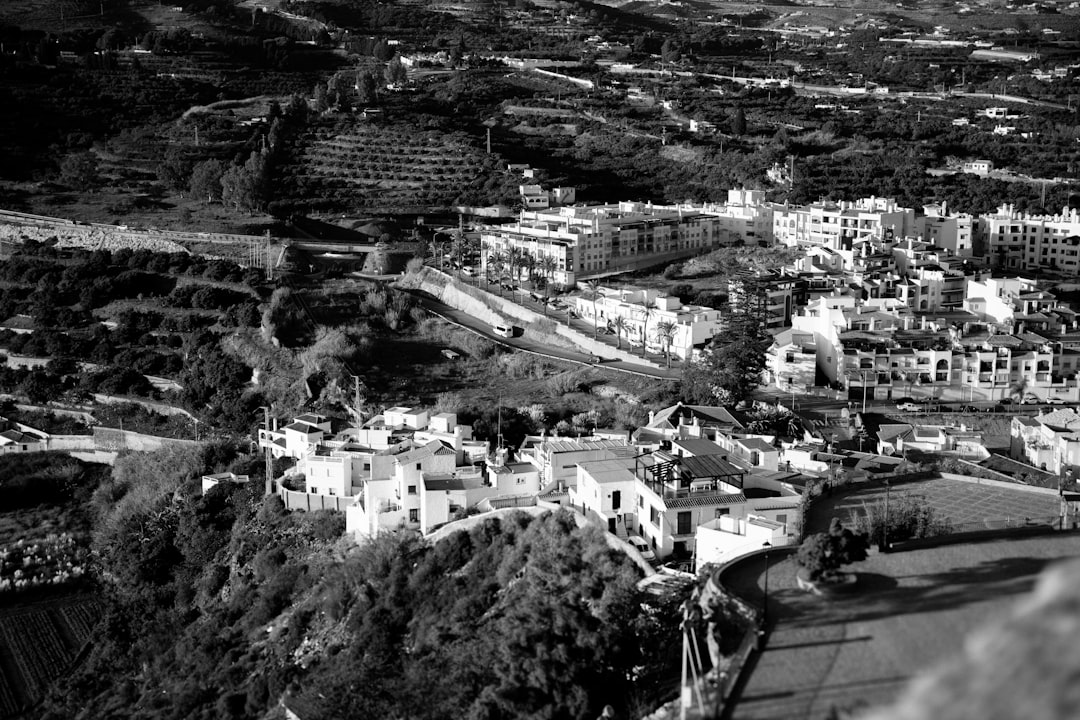
Last reviewed: October 2026 · key facts checked against Wikidata
Granada Travel Guide: Everything You Need to Know (2026)
Granada, home to 237,818 residents, sits at 693 metres above sea level at the foot of the Sierra Nevada in Andalusia — the last Moorish kingdom to fall to the Spanish Crown in 1492. The Alhambra palace complex alone draws over 2 million visitors annually, making it Spain’s most visited monument. Granada rewards travellers who dig beyond the Alhambra into its Arab quarter, university district, and legendary free tapas bar culture.
Top 3 Highlights at a Glance
- Alhambra & Generalife Gardens — Spain’s most visited monument: a UNESCO Nasrid palace complex with intricate stucco work dating to the 13th century.
- Albaicín Quarter — A UNESCO-listed Moorish hillside neighbourhood with viewpoints offering direct sightlines to the Alhambra across the Darro gorge.
- Free Tapas Culture — Every drink order comes with a free tapa — Granada is one of the last Spanish cities where this tradition remains universal.
Scroll down for our complete travel guide with tips on getting there, where to stay, costs and more.
Arrival & Airport
How do I get to Granada?
Fly, take the AVE high-speed train, or catch a bus — all three work well. Federico García Lorca Granada–Jaén Airport (GRX) handles direct flights from Madrid, Barcelona, and several European cities, though connections are limited compared to Málaga. From Málaga Airport (AGP), a direct bus with ALSA takes around 1 hour 45 minutes and costs roughly $15. The AVE from Madrid Puerta de Atocha reaches Granada Santa Fe station in 3 hours — book early for fares as low as $25. Caveat: GRX has no long-haul routes, so most international travellers connect through Madrid or Málaga. In my experience, flying into Málaga and bussing over is the smoothest option for Europeans.
Which airport is closest to Granada?
Granada–Jaén Airport (GRX) is the closest, located just 15 km west of the city centre. A taxi from GRX to the Albaicín or city centre takes around 20 minutes and costs approximately $25–$30. The airport bus (Line 33) costs roughly $4 but runs infrequently and doesn’t operate late at night. What surprises most visitors: GRX has fewer direct international routes than you’d expect for a city this popular, so check Málaga AGP first — it’s only 125 km away with far better connectivity. My tip: if you’re flying from the UK or Germany, budget airlines often serve Málaga far cheaper, making the bus transfer the smarter play.
How long does the journey to Granada take from major cities?
Journey times vary significantly by origin. From Madrid, the AVE high-speed train takes 3 hours and leaves from Puerta de Atocha — the fastest and most comfortable option. From Seville, buses via ALSA take roughly 3 hours and cost around $20. From Barcelona, expect a 5-hour AVE journey with a connection in Madrid or Antequera Santa Ana. From Málaga, the direct ALSA bus is 1 hour 45 minutes for about $15. Caveat most guides skip: Granada’s main train station is located about 1.5 km from the centre — manageable on foot with light luggage, but budget an extra $8 for a taxi if you’re loaded down.
Do I need a rental car in Granada?
No — for Granada city itself, a car is a liability. The historic centre is heavily pedestrianised, parking is scarce and expensive, and the Albaicín and Sacromonte neighbourhoods have streets too narrow for most vehicles. Local buses cost just $1.40 per journey, and the centre is compact enough to walk between most sights. However, if you want to explore the Sierra Nevada ski slopes (35 km away), the Alpujarras villages, or coastal towns like Almuñécar, renting a car for 1–2 days makes real sense. My tip: collect any rental from GRX Airport or a city office, drive out to the Sierra Nevada or Alpujarras, then return it before checking into your central hotel — street parking in Granada will eat your budget and patience.
City Transport
What are the best areas to stay in Granada?
Stay in or around the Realejo neighbourhood for the best balance of atmosphere, walkability, and price. Realejo (the old Jewish quarter) is 10 minutes on foot from the Alhambra and packed with tapas bars. Centro — Gran Vía de Colón puts you in the commercial heart but can feel generic. The Albaicín is atmospheric and closest to the Moorish heritage — but book a guesthouse carefully because the cobbled lanes and limited vehicle access make luggage arrival genuinely difficult. Avoid hotels on Calle Recogidas if you’re a light sleeper — it’s a lively nightlife street. Economy hotels start at around $50 per night, so even the nicer neighbourhoods are affordable by Western European standards.
What does accommodation cost per night in Granada?
Economy hotels average $50 per night based on current Numbeo data, making Granada noticeably cheaper than Madrid or Barcelona. A clean, centrally located 3-star hotel in Realejo or Centro runs $70–$100 per night. Boutique cave hotels in Sacromonte — genuinely unique to Granada — start at around $80 per night and are worth budgeting for at least one night. A mid-range dinner for two costs approximately $26, and cheap meals come in at around $13. Honest caveat: Alhambra-view rooms in the Albaicín carry a 30–50% premium over standard rooms — the view is real, but so is the price jump. I recommend booking at least 6 weeks out in spring and autumn when demand spikes sharply.
How far in advance should I book accommodation in Granada during high season?
Book at least 6–8 weeks ahead for April, June, September, and October — Granada’s confirmed best travel months. During Semana Santa (Holy Week) in April, the city fills completely; I’ve seen decent hotels fully booked 3 months in advance at that point. The International Festival of Music and Dance in late June and early July adds another demand spike. Budget guesthouses in the Albaicín go first because supply is thin — only a handful of licensed guesthouses operate in that neighbourhood due to heritage restrictions. What most guides omit: Alhambra tickets are even harder to secure than hotel rooms — book those on the official Alhambra website the moment they open (90 days out) before worrying about accommodation.
Are there special or unique accommodation types in Granada?
Yes — cave hotels in Sacromonte are genuinely unique to Granada and the surrounding area. These whitewashed cave dwellings carved into the hillside above the Darro ravine have been inhabited for centuries; today, several are licensed as boutique hotels or holiday rentals. Temperatures inside stay a natural 18°C year-round, meaning no air conditioning is needed even in Granada’s hot July and August. Cuevas El Abanico is one well-reviewed option starting around $85 per night. A second distinctive option: restored carmenes — Granadan mansions with private walled gardens in the Albaicín — rented as self-catering villas. Honest caveat: Sacromonte is about 25 minutes on foot from the city centre and has no direct bus stop at most cave entrances, so you’re walking steep paths in the dark after dinner.
Accommodation & Neighbourhoods
What are the absolute must-sees in Granada?
The Alhambra and Generalife are non-negotiable — Spain’s most visited monument and legitimately deserving of every superlative. Entry costs around $18 for the general ticket; book exactly 90 days ahead on the official site or you will not get in during peak months. The Albaicín UNESCO quarter rewards a full half-day of wandering, ending at Mirador de San Nicolás for the classic Alhambra panorama at sunset. Granada’s Cathedral and Royal Chapel — where Ferdinand and Isabella are buried — is a $7 entry and takes about 1 hour. My tip: spend at least one evening doing the tapas circuit on Calle Navas or around Plaza Nueva — free tapas with every drink is not a myth here, it is a living daily reality.
What can I experience for free in Granada?
Quite a lot — Granada is one of Spain’s most generous cities for free experiences. The Albaicín quarter and Sacromonte cost nothing to wander, and the Mirador de San Nicolás viewpoint is free at any hour. Every drink at a traditional bar — from $2.50 for a beer — comes with a free tapa, meaning you can eat a full evening’s worth of food for the price of 3–4 drinks. The Alhambra exterior walls and gardens of the Bosque de la Alhambra (not the palace interior) are freely accessible. The Monastery of San Jerónimo is often overlooked but free on Sundays. Caveat: the Royal Chapel and Cathedral interiors charge entry — they are not free even on Sundays, unlike many Spanish cathedrals.
Which day trips from Granada are worth doing?
The Sierra Nevada is the most dramatic day trip — at 3,479 metres, Mulhacén is mainland Spain’s highest peak, and the ski resort Pradollano is just 32 km from the city. In summer, the Sierra Nevada trails open for hiking and mountain biking. The Alpujarras villages — particularly Capileira, Bubión, and Pampaneira — are a 1.5-hour drive into the southern Sierra Nevada slopes and feel genuinely remote. Nerja on the Costa del Sol is 1 hour 45 minutes by bus and pairs a good beach with the spectacular Cueva de Nerja. My honest caveat: Córdoba is often sold as a day trip from Granada (2.5 hours by bus), but it deserves its own overnight stay — cramming the Mezquita into a day trip sells both cities short.
What local specialities should I try in Granada?
Start with pionono — a tiny cylindrical sponge cake soaked in syrup and topped with cream, invented in the village of Santa Fe just outside Granada and found in every pastelería. Remojón granadino is a cold salad of salt cod, orange, olives, and egg — unusual and worth ordering. For mains, plato alpujarreño (fried egg, black pudding, chorizo, and potatoes from the Alpujarras region) is hearty mountain food at its best. The free tapas culture means you’ll inevitably eat well: bars around Calle Elvira typically serve more generous tapas than the tourist-heavy spots on Plaza Nueva. A cheap local meal costs around $13, and a mid-range restaurant dinner for two runs approximately $26.
Highlights & Must-Sees
What makes Granada unique compared to other Andalusian cities?
Three things set Granada apart. First, its Moorish heritage is deeper and more intact than any other Spanish city — the Alhambra was the last Nasrid palace, surrendered in 1492 after 780 years of Arab rule, and the Albaicín still follows its original Moorish street grid. Second, the free tapas tradition — abolished in most Spanish cities decades ago — survives here as a genuine daily custom, not a tourist gimmick. Third, Granada sits at 693 metres altitude with the Sierra Nevada’s 3,000m+ peaks visible from the city centre, giving it a dramatic mountain backdrop no other Andalusian city can match. What surprised me most: the city has a thriving university population of 233,975 students that keeps bar prices low and the nightlife scene genuinely local rather than tourist-oriented.
How many days are worthwhile in Granada?
3 full days is the sweet spot for Granada’s city highlights without rushing. Day 1: Alhambra (book the morning slot — afternoon light is harsh on the Nasrid Palaces) plus the Generalife gardens. Day 2: Albaicín, Sacromonte cave neighbourhood, Cathedral, and Royal Chapel. Day 3: free roaming, market visits, tapas deep-dives, and a day trip to the Alpujarras or Sierra Nevada. A fourth day works well if you add Córdoba or the coast. Honest caveat: travellers who skip ahead of 3 days often say they wished they’d stayed longer — Granada is a city where you stumble into extraordinary experiences on unplanned streets, and that rewards slow travel. Don’t attempt Granada as a day trip from Seville — it’s 3 hours each way and you’ll barely scratch the surface.
When is the best time to visit Granada?
April, June, September, and October are Granada’s confirmed best months based on climate data. Spring (April–May) brings warm days around 20–22°C, wildflowers in the Alpujarras, and the dramatic Semana Santa processions — though Holy Week also means peak crowds. June offers long days and dry heat before July and August push temperatures above 35°C in the city. September is my personal favourite: the heat eases, Alhambra queues thin slightly, and the harvest season brings fresh produce to the markets. October stays pleasant at around 18°C with almost no rain. Avoid July and August for city sightseeing — the Alhambra bakes, streets empty at midday, and accommodation prices peak despite the uncomfortable heat.
Are there local festivals in Granada worth attending?
Yes — Semana Santa (Holy Week) in April is one of Andalusia’s most theatrical, with candlelit processions through the narrow Albaicín streets that feel genuinely medieval rather than staged. The International Festival of Music and Dance, held annually in late June and early July, takes place inside the Alhambra and Generalife itself — performances in the Nasrid Palaces courtyard are among the most atmospheric concert venues in Europe, with tickets from around $35. Corpus Christi (late May or June) brings a week of bullfighting, flamenco, and street fairs. My honest caveat: flamenco shows marketed to tourists in the Sacromonte cave venues vary wildly in quality — the best authentic performances happen in the Peña La Platería club in the Albaicín, a members’ venue that occasionally opens to visitors.
Food & Drink
How does Granada’s weather affect what activities I can do?
Granada’s 693-metre altitude creates a split personality: hot, dry summers above 35°C that make midday Alhambra visits genuinely unpleasant, and cold winters with occasional snow visible on the Sierra Nevada peaks year-round. In summer, I recommend shifting all outdoor sightseeing to before 11am or after 6pm — the afternoon gap is perfect for the Cathedral or a long lunch. In winter (December–February), the Alhambra is quiet, prices drop, and you can combine a city visit with skiing at Pradollano (Europe’s most southerly ski resort, 32 km away). Spring and autumn bring ideal 18–22°C temperatures for walking the Albaicín’s steep lanes without overheating. Caveat: Granada’s position between mountains means afternoon thunderstorms can develop quickly in May and September — pack a light layer.
How crowded does Granada get in peak season?
Extremely crowded around the Alhambra — over 2 million visitors per year pass through, and the Mirador de San Nicolás at sunset becomes so packed in July and August that the viewpoint loses much of its magic. The Albaicín’s main lanes (Calle Calderería Nueva, known as ‘Tea Street’) are clogged with tour groups from 10am to 5pm daily in summer. Honest caveat: Alhambra tickets sell out completely months in advance in July and August — arriving without a pre-booked ticket means zero chance of entry. My strategy: book the first entry slot at 8:30am for the Nasrid Palaces — crowds are thinnest, light is cooler, and the experience is incomparably better than midday. The Realejo neighbourhood and Calle Elvira tapas bars stay relatively uncrowded even in peak season because few guidebooks feature them prominently.
How safe is Granada for travellers?
Granada is safe — violent crime against tourists is rare. The main risks are pickpocketing around the Alhambra ticket queues, Plaza Nueva, and the Gran Vía tram stop, where distraction theft is common in summer. The Sacromonte hillside feels isolated after dark and solo travellers — particularly women — sometimes report feeling uncomfortable on the unlit upper paths; go in pairs or take a taxi back after cave flamenco shows. The Realejo and Centro are safe at any hour. My tip: keep your phone off the café table — opportunistic grabs from passing scooters are the most common theft I’ve heard reported. Overall, for a city of 237,818 people with a large student population, it feels lively and safe rather than threatening, including late at night around the university bars.
Is English widely spoken in Granada?
In tourist zones, yes — outside them, less so than you’d expect. Staff at the Alhambra, major hotels, and restaurants around Plaza Nueva speak functional to good English. However, Granada is far less internationally oriented than Barcelona or Madrid — the city’s large Spanish student population means most social life runs in Spanish. Bars in the Realejo and local markets like the Mercado de San Agustín operate almost entirely in Spanish, and attempting even basic Spanish earns noticeably warmer service. Caveat: Alhambra audio guides are available in English for around $7 — worth it, because the historical context transforms what you’re looking at from pretty tilework into readable political architecture. Download Google Translate with the Spanish offline pack before arrival; it handles menus reliably.
Practical Tips
What is the daily budget for travelling in Granada?
Budget travellers can manage $60–$75 per day in Granada. Breakdown: economy accommodation at $50 per night, local transport at $1.40 per ride (rarely needed in the compact centre), a cheap meal at $13, and 3–4 drinks at tapas bars for roughly $10 total — with free food attached to each drink. A mid-range day — 3-star hotel, sit-down lunch for two at $26, Alhambra entry at $18, and evening tapas — runs around $100–$120 per person. The hidden multiplier: if you don’t pre-book your Alhambra ticket ($18) through the official site and are forced to use a third-party tour, costs jump to $45–$60 for the same visit. Granada is one of Andalusia’s most affordable cities — noticeably cheaper than Seville or Málaga for food and accommodation.
How does Granada’s public transport work?
City buses are the primary network, run by LAC (Líneas de Autobuses Ciudad de Granada), with a single journey costing $1.40. The C30 and C31 minibuses are essential — these small vehicles navigate the narrow Albaicín and Sacromonte lanes that regular buses cannot reach, running every 10–15 minutes from Plaza Nueva. A 10-trip card saves money and is available at kiosks near Gran Vía. The city tram (metro ligero) connects the northern suburbs to the city centre but is largely irrelevant for tourists. Caveat: there is no metro system in Granada, and the Alhambra hill has no direct bus from most central hotels — the Alhambra minibus departs from Cathedral Plaza and costs $2 each way. Walking is genuinely the best option for most central sightseeing.
Which apps do you recommend for visiting Granada?
Five apps I use personally in Granada: 1) Alhambra tickets app (official Patronato de la Alhambra) — essential for managing your pre-booked entry slots; 2) Google Maps with offline Granada download — the Albaicín’s lanes are a genuine maze and even locals get lost; 3) Moovit — shows real-time LAC bus arrivals including the critical C30/C31 Albaicín minibuses; 4) TheFork (El Tenedor) — books restaurants and often shows 20–30% discounts at quality local spots; 5) Komoot — if you’re heading to the Sierra Nevada for hiking, it has detailed trail maps for the GR-7 long-distance route that passes through the Alpujarras. Honest caveat: mobile coverage in Sacromonte’s cave district drops to 2G on some networks — download maps before heading up the hill.
More Destinations in Europe
Explore our complete travel guides for more Europe destinations: Almería Travel Guide (2026), Chamonix-Mont-Blanc Travel Guide (2026), Lyon Travel Guide (2026), Rome Travel Guide (2026), Annecy Travel Guide (2026).
Granada at a Glance
| Population | 233,975 |
|---|---|
| Currency | EUR (€) |
| Official language | Spanish |
| Time zone | UTC+01:00 |
Source: Wikidata, retrieved October 2026.
Useful Resources for Planning Your Trip to Granada
- Wikipedia: Granada — history, geography and background
- Lonely Planet: Granada — itineraries and travel inspiration
- TripAdvisor: Granada — hotels, restaurants and traveller reviews
🎥 Granada Travel Videos

GRANADA in 2 Days: Ultimate Travel Guide: Hidden Gems …
Sophie Nadeau

GRANADA, SPAIN | 10 Incredible Things To Do In & Around …
World Wild Hearts

10 BEST Things To Do in Granada, Spain (Hidden Gems + …
Divine Eye Adventures
You are currently viewing a placeholder content from Vimeo. To access the actual content, click the button below. Please note that doing so will share data with third-party providers.
More InformationYou are currently viewing a placeholder content from YouTube. To access the actual content, click the button below. Please note that doing so will share data with third-party providers.
More InformationYou need to load content from reCAPTCHA to submit the form. Please note that doing so will share data with third-party providers.
More InformationYou are currently viewing a placeholder content from GetYourGuide. To access the actual content, click the button below. Please note that doing so will share data with third-party providers.
More Information