
San Sebastián: The Complete Travel Guide (2026)
Last reviewed: August 2026 · key facts checked against Wikidata
San Sebastián Travel Guide: Everything You Need to Know (2026)
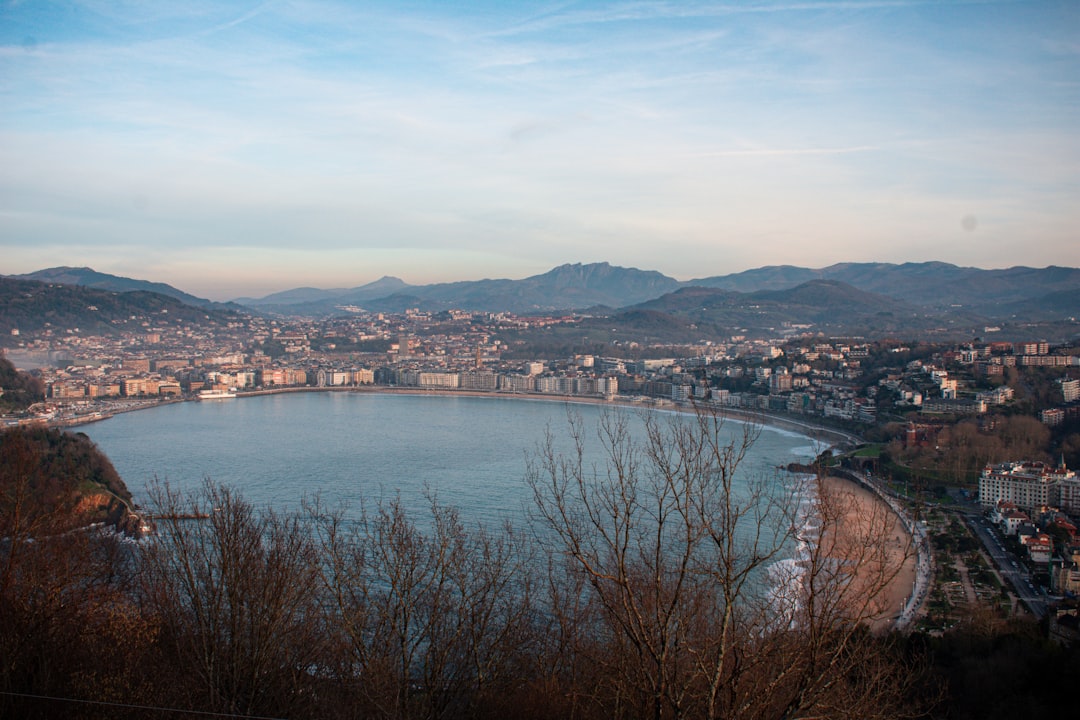
San Sebastián (Donostia) sits on the Bay of Biscay just 20 km from the French border, with a population of 186,500 packed into one of Europe’s most celebrated food cities. Founded as a fortified town in the 12th century, it sits at only 6 metres above sea level, wrapping around the near-perfect shell of La Concha Bay. It holds more Michelin stars per square kilometre than almost anywhere on earth, making it a destination where eating IS the itinerary.
Top 3 Highlights at a Glance
- La Concha Beach — A perfect crescent of golden sand rated one of Europe’s top urban beaches, just 1.8 km long and steps from the Old Town.
- Parte Vieja Pintxos Crawl — The Old Town packs over 100 pintxos bars into 4 streets — the highest bar density in the Basque Country.
- Monte Urgull & Miramar Palace — A 123-metre hilltop fortress with a Christ statue offering panoramic views of La Concha Bay for free.
Scroll down for our complete travel guide with tips on getting there, where to stay, costs and more.
Arrival & Airport
How do I get to San Sebastián?
Fly into Bilbao Airport (BIO), 100 km away, or Biarritz Airport (BIQ) in France, just 50 km away. In my experience, Biarritz is the smarter choice for budget airlines like Ryanair — a taxi or Uber from Biarritz costs around €60-70 and takes under an hour. From Bilbao, the PESA bus runs directly to San Sebastián’s bus station every 30 minutes for €17. What most guides omit: San Sebastián’s own airport, Hondarribia (EAS), handles only limited regional flights and is rarely useful for international visitors. My tip: the Madrid to San Sebastián train via Renfe takes 5h 20min and is a genuinely scenic, comfortable option if you’re combining regions.
Which airport is closest to San Sebastián?
Biarritz Airport (BIQ) in France is the closest at just 50 km, roughly 45 minutes by road. In my experience, it serves more useful routes than people expect — Vueling, easyJet, and Ryanair all fly there from major European hubs. The honest caveat: there is no direct public bus between Biarritz Airport and San Sebastián city centre, so you’ll need a taxi (€60-70) or a pre-booked private transfer. Bilbao Airport (BIO) at 100 km is the larger hub with more intercontinental connections and a direct PESA bus for €17. My tip: for non-European travellers connecting through Madrid or Barcelona, the AVE high-speed train to San Sebastián is the most comfortable final leg.
How long does the journey from the airport to San Sebastián take?
From Biarritz (BIQ): 45 minutes by taxi, no direct bus. From Bilbao (BIO): 75-90 minutes by PESA bus, which drops you at San Sebastián’s Amara Bus Station, a 10-minute walk or short taxi ride from the Old Town. What surprised me: the PESA bus from Bilbao is genuinely reliable and comfortable — I’d choose it over renting a car for this leg every time. The hidden cost most guides skip: taxis from Bilbao airport run €90-110, which feels punishing when the bus costs €17. My tip: if you land at Biarritz and travel light, French TGV trains connect Bayonne to San Sebastián (Irún) in 35 minutes for around €15 — but you need to connect by local bus or taxi the last stretch.
Do I need a car to explore San Sebastián?
No — San Sebastián is entirely walkable and a car is a liability, not an asset. La Parte Vieja (Old Town), La Concha Beach, Gros, and Centro are all within a 20-minute walk of each other. In my experience, the biggest mistake visitors make is renting a car for the city itself — parking costs €3-4 per hour in central garages and traffic in summer is genuinely frustrating. My tip: use the city on foot and rely on Dbus (the local bus network) for outlying areas like Ondarreta Beach or Antiguo. If you want to explore the Basque countryside — Hondarribia, Getaria, or the Rioja Alavesa wine region — then rent a car for day trips only, picking up from Europcar or Hertz near Amara station.
City Transport
What are the best areas to stay in San Sebastián?
Parte Vieja (Old Town) puts you inside the pintxos action but expect noise until 2am on weekends — earplugs are essential. Centro is my top recommendation: quieter, elegant 19th-century architecture, 5 minutes from La Concha Beach, and hotel prices run 10-15% lower than Old Town. Gros, east of the Urumea River, is the neighbourhood locals actually live in — younger, edgier, excellent pintxos scene on Calle Zabaleta, and accommodation runs cheapest here. What surprised me: Ondarreta, at the western end of La Concha, is almost unknown to tourists despite being a 15-minute walk from everything. I recommend Centro or Gros for a first visit — both offer the authentic San Sebastián experience without the worst tourist-area markups.
What does accommodation cost per night in San Sebastián?
Budget honestly: San Sebastián is expensive by Spanish standards. A solid 3-star hotel in Centro or Gros runs €110-160 per night in shoulder season. In July and August, the same room hits €180-250. In my experience, the best-value stays are apartment rentals in Gros via Airbnb, averaging €90-130 per night for a studio, giving you a kitchen to offset food costs. Pension-style guesthouses (pensiones) in Parte Vieja start at €70-90 for a double but are often compact with shared bathrooms. Luxury options like Hotel Maria Cristina (a Starwood property steps from the Film Festival venue) start at €350+. The trade-off: cheaper accommodation in the nearby coastal town of Zarautz (30 km away) runs €60-80 but requires a car or train.
How far in advance should I book accommodation in San Sebastián during high season?
Book at least 3-4 months ahead for July and August — San Sebastián’s summer fills fast due to Spanish domestic tourism plus French and international visitors. The San Sebastián International Film Festival in September (second week) requires 6 months’ advance booking minimum — the entire city sells out. In my experience, mid-September to early October after the festival is one of the best windows: weather still warm (18-22°C), beaches emptier, and last-minute hotel rates drop 25-30%. What most guides omit: the Tamborrada festival on January 20th also causes a full city sellout — don’t underestimate it. My tip: for July, if you miss the booking window, check Hondarribia (15 km away, accessible by bus) as an overflow base.
Are there special or unique accommodation types in San Sebastián?
Yes — caseríos (traditional Basque farmhouses converted to rural guesthouses) in the hills 10-15 km outside the city offer a genuinely different experience. Expect stone walls, farmhouse breakfasts with local cheese and txakoli wine, and rates around €80-110 per night. In my experience, staying in a caserío in the Aiako Harriak Natural Park area gives you hiking access to dramatic granite peaks while being just a 20-minute drive from La Concha. The honest caveat: you absolutely need a rental car. In the city itself, several Belle Époque grand hotels along La Concha promenade — particularly Hotel de Londres y de Inglaterra — offer balcony rooms overlooking the bay that justify their €200-280 price premium for a splurge night.
Accommodation & Neighbourhoods
What are the must-see sights in San Sebastián?
Three non-negotiables: La Concha Beach (the 1.8 km crescent, genuinely as beautiful as advertised), Monte Igueldo (take the 1912 funicular for €4.50 to panoramic views over the bay), and the Parte Vieja pintxos circuit (start on Calle 31 de Agosto, work through Bar Txepetxa for anchovy pintxos and La Cuchara de San Telmo for hot bites). What surprised me: the San Telmo Museum — a 16th-century Dominican convent housing Basque history — is one of the most underrated city museums in Spain for €6 entry. My tip: walk across the Puente de Zurriola to Gros to see Playa de la Zurriola — the surf beach where international competitions are held and crowds are half those of La Concha.
What can I experience for free in San Sebastián?
More than most expensive cities. La Concha and Zurriola beaches are free (sunbeds cost €8/day but are skippable). Monte Urgull — the 123-metre hill with the castle and Christ statue — is free and takes 30 minutes to climb with stunning bay views. The Aquarium exterior walkway and harbour in the Old Town costs nothing; fishermen still unload catches at the Puerto Pesquero (fishing port) early mornings. In my experience, simply walking the Paseo de la Concha promenade at golden hour is the single best free activity in the city. What most guides omit: Museo San Telmo is free on Tuesdays after 14:00, and the Tabakalera contemporary art centre (a converted tobacco factory) has free permanent exhibitions daily.
Which day trips from San Sebastián are worth doing?
Hondarribia (15 km, 30 minutes by bus No. E20, €2.75) is a walled medieval fishing village with extraordinary pintxos and almost no tourists — my top day trip. Bilbao and the Guggenheim Museum (100 km, 1h 15min by PESA bus) is an obvious pairing. Zarautz and Getaria (25-30 km along the coast) combine a championship surf beach with the home village of Juan Sebastián de Elcano (the first man to circumnavigate the earth) and the Txomin Etxaniz txakoli winery — reachable by Euskotren train in 40 minutes for €3.50. The caveat: Pamplona during San Fermín (July 6-14) is just 80 km by bus but accommodation books out a year in advance. My tip: the Rioja Alavesa wine region (90 km) is an underused day trip requiring a rental car but rewarding with world-class bodegas.
What local specialities should I try in San Sebastián?
San Sebastián is the undisputed food capital of Europe per capita. Pintxos (not tapas — locals will correct you) are the defining experience: small bites on bread, typically €2-3.50 each, ordered at the bar with a glass of txakoli (local sparkling white wine, €2.50-3). Must-orders: gilda (olive, anchovy, pickled pepper — the original pintxo, invented here), kokotxas al pil-pil (cod cheeks in gelatinous olive oil sauce), and idiazabal cheese from Basque sheep. In my experience, the best single pintxo in the city is the foie gras with apple compote at Bar Zeruko on Plaza de la Constitución. The honest caveat: sit-down restaurants are genuinely expensive — a Michelin-starred dinner at Arzak or Mugaritz runs €250-350 per person with wine.
Highlights & Must-Sees
What makes San Sebastián unique compared to other Spanish cities?
Three things set it apart completely. First, the pintxos culture: no other Spanish city has this density and quality of bar food — it is genuinely a city where eating at a bar is as refined as a restaurant meal. Second, Basque identity: San Sebastián is culturally closer to a Basque city-state than a generic Spanish destination — Euskara (Basque language) appears on every sign, and the culture, architecture, and cuisine are distinct from Castilian Spain. Third, the physical setting: the combination of a sheltered bay, two surf beaches, two hills with panoramic viewpoints, and a compact old town within walking distance of each other is architecturally rare. What surprised me most: this is one of the few European cities where three-Michelin-star restaurants exist alongside €2.50 bar snacks at equal quality levels.
How many days do I need in San Sebastián?
3 full days is the minimum to do the city justice; 5 days is ideal if you add day trips. Day 1: arrive, walk La Concha, pintxos crawl in Parte Vieja. Day 2: Monte Igueldo funicular, San Telmo Museum, Gros surf beach, dinner in Gros neighbourhood. Day 3: Hondarribia day trip. Days 4-5: add Bilbao/Guggenheim or the coastal Euskotren route to Getaria. In my experience, most visitors under-allocate time because they assume a city of 186,500 people is easily covered — but the food culture alone warrants extra days. The honest caveat: 5+ days is hard to justify on a tight budget given accommodation costs; if you’re cost-conscious, 3 days in the city plus a return to a cheaper base like Bilbao makes more financial sense.
When is the best time to visit San Sebastián?
July is the optimal month based on climate data — warm enough for the beach, long daylight hours, and the city is alive but not at absolute peak crush. June and September are my personal preferences: shoulder-season prices (15-20% cheaper than August), fewer crowds, and the sea is still warm enough to swim comfortably at 19-21°C. What most guides omit: San Sebastián works year-round because the pintxos culture and indoor food scene is independent of weather. January is cold (8-10°C) but the Tamborrada drum festival on January 20th is a genuinely extraordinary local event. The honest caveat: August is relentless — Spanish families arrive en masse, La Concha is shoulder-to-shoulder by 11am, and queues at top pintxos bars exceed 45 minutes on weekends.
What are the local festivals in San Sebastián worth attending?
Tamborrada (January 20th) is the most authentic: 120 drum battalions march through the city for 24 hours non-stop to celebrate the city’s patron saint. Locals consider it their most important festival and it fills the city with genuine civic pride rather than tourist spectacle. The San Sebastián International Film Festival (second week of September) is one of Europe’s top 5 film festivals — red carpets on Boulevard de Zubieta, free outdoor screenings, and the city transforms completely. In my experience, arriving the day the festival ends (usually Sunday of week 2) means you catch the atmosphere with collapsing hotel prices. Semana Grande (Aste Nagusia, mid-August) brings fireworks competitions over La Concha Bay nightly — spectacular but accommodation is at peak pricing of €200-280 per night.
Food & Drink
How does the weather affect activities in San Sebastián throughout the year?
San Sebastián sits on the Atlantic coast at 6 metres elevation — this means it’s wetter than Mediterranean Spain. The Basque coast receives rain year-round, and even summer has overcast days. The payoff: green hills, clean air, and the landscape never browns out like Andalucía. Beach season runs June to September — sea temperatures peak at 21-22°C in August. Surfing at Zurriola Beach is year-round, with the best waves October to March when Atlantic swells peak. In my experience, a rainy day in San Sebastián is actually a gift — you spend it moving between pintxos bars, which is exactly what you should be doing anyway. The practical caveat: waterproof layers are essential even in July — afternoon Atlantic fronts arrive without warning and can drench you in minutes.
How crowded does San Sebastián get in peak season?
August is genuinely overwhelming — La Concha Beach is at capacity by 10am, Old Town bar queues are 30-45 minutes, and parking is essentially non-existent. The city of 186,500 receives roughly 3 million visitors annually, most concentrated May to September. In my experience, the crowds at Parte Vieja on a Saturday night in August are so dense that comfortable pintxos-hopping becomes difficult — bars are three-deep. My honest tip: visit Gros neighbourhood instead, which is less tourist-saturated even in peak season. The lesser-known trade-off: French visitors dominate in July and August (the border is only 20 km away), meaning you’ll hear more French than English and many menus are trilingual in Spanish, Basque, and French. This actually makes it feel less like a generic tourist city.
How safe is San Sebastián?
San Sebastián is one of Spain’s safest cities — petty crime is low by European coastal standards. In my experience walking the Old Town at midnight alone, the vibe is relaxed and local rather than predatory. Pickpocketing does occur on La Concha Beach (leave valuables at the hotel, not on the sand) and occasionally in Parte Vieja during festivals. What most safety guides skip: the Parte Vieja at 3am on weekend nights attracts a noisy drinking crowd, mostly young Spaniards and French tourists — it’s not dangerous but it’s loud and can feel chaotic. The Basque separatist movement (ETA) formally disbanded in 2018 — this is no longer a security consideration for visitors. My tip: use the same common-sense precautions you’d apply in Barcelona or Madrid and you’ll have zero issues.
Is English widely spoken in San Sebastián?
English is workable but not universal — significantly less common than in Barcelona or Madrid. In the Old Town tourist areas, restaurant and hotel staff speak adequate English. Outside these zones, in local bars in Gros or Amara, you’ll navigate in Spanish (or Basque). In my experience, learning 5 Basque phrases (eskerrik asko = thank you, kaixo = hello, agur = goodbye) earns disproportionate goodwill from locals — Basques are proud of their language and respond warmly to any attempt. The honest caveat: ordering pintxos at busy bars is fast-paced and chaotic — pointing confidently at the bar display works better than asking in any language. French is actually more useful than English here given the proximity to the border, so if you speak French, use it freely.
Practical Tips
What is the daily budget for San Sebastián?
Budget realistically for €100-130 per person per day at a moderate level. Breakdown: accommodation €55-80 (shared double room), pintxos and meals €30-40 (feasible eating exclusively at bars — €2.50-3.50 per pintxo, 8-10 pintxos per day), transport €5-8 (Dbus day pass €4.50), activities €10-15 (funicular, museum entry). A shoestring approach eating at pintxos bars, staying in a Gros pensión, and using only free sights comes in at €70-85 per day. The splurge end — luxury hotel, one sit-down Basque restaurant dinner, wine — hits €300+ easily. What most budget guides hide: food quality at the €2.50 pintxos level is genuinely world-class, meaning you don’t need to spend €200 on a tasting menu to eat extraordinarily well in San Sebastián.
How does public transport work in San Sebastián?
Dbus is the city bus network — reliable, frequent (every 8-12 minutes on main lines), and cheap at €1.85 per ride or €4.50 for a day pass loaded on a Mugi card (available at Amara Bus Station). The city is compact enough that most visitors use buses only 2-3 times per day — walking dominates. Euskotren (local rail) connects San Sebastián to coastal towns like Zarautz (€3.50, 40 min) and Hendaye in France (€3.20, 35 min) — one of the most scenic railway rides in northern Spain. In my experience, the No. 16 bus from Amara to Monte Igueldo is the most useful single bus route for visitors. The honest caveat: there is no underground metro — the city is too small to have one — so buses stop running around 11pm and late-night returns from Gros to Centro mean a €6-8 taxi.
Which apps do you recommend for visiting San Sebastián?
Google Maps works well for navigation but pair it with Dbus app (official city bus app, real-time tracking, route planner in English). For food — the most critical planning tool here — El Tenedor (TheFork) is essential for booking restaurant reservations; top Basque restaurants fill 4-6 weeks in advance. Yelp is useless in Spain — locals use TripAdvisor reluctantly but the real insider source is the Comer en Donostia Facebook group and local food blog Donostia Food. In my experience, Maps.me offline maps are worth downloading before arrival as a backup for the inevitable moments you lose signal in the Old Town’s narrow streets. For transport to/from Bilbao airport, book via PESA’s website directly — the bus app is Spanish-only but the web booking works in English and saves you queuing.
More Destinations in Europe
Explore our complete travel guides for more Europe destinations: Korsika Travel Guide (2026), Teneriffa Travel Guide (2026), Mont Saint-Michel Travel Guide (2026), Lugo Travel Guide (2026), Antibes Travel Guide (2026).
San Sebastián at a Glance
| Population | 189,866 |
|---|---|
| Currency | EUR (€) |
| Official language | Spanish |
| Time zone | UTC+01:00 |
Source: Wikidata, retrieved August 2026.
Useful Resources for Planning Your Trip to San Sebastián
- Wikipedia: San Sebastián — history, geography and background
- Lonely Planet: San Sebastián — itineraries and travel inspiration
- TripAdvisor: San Sebastián — hotels, restaurants and traveller reviews
🎥 San Sebastián Travel Videos
✳️ what to do in SAN SEBASTIÁN | travel guide #195
ROAD TRIP Spain and Portugal
What to See First in San Sebastián | 8 Must-See Attractions
Julia Gonzales Travels
THIS IS THE SPAIN YOU SHOULD KNOW ABOUT! (San …
Dots on a Map
You are currently viewing a placeholder content from Vimeo. To access the actual content, click the button below. Please note that doing so will share data with third-party providers.
More InformationYou are currently viewing a placeholder content from YouTube. To access the actual content, click the button below. Please note that doing so will share data with third-party providers.
More InformationYou need to load content from reCAPTCHA to submit the form. Please note that doing so will share data with third-party providers.
More InformationYou are currently viewing a placeholder content from GetYourGuide. To access the actual content, click the button below. Please note that doing so will share data with third-party providers.
More Information