
Imilchil: The Complete Travel Guide (2026)
Last reviewed: September 2026 · key facts checked against Wikidata
Imilchil Travel Guide: Everything You Need to Know (2026)
Imilchil sits at 2,119 metres above sea level in the High Atlas Mountains of Morocco’s Midelt Province, making it one of the highest permanently inhabited towns in the country. With a population of around 9,164 people, it remains genuinely off the standard tourist circuit — most visitors who do arrive come specifically for the legendary annual Imilchil Marriage Festival, the Moussem. The town is roughly 350 km southeast of Casablanca, reachable only by mountain roads that wind through some of the most dramatic Berber landscapes in all of North Africa.
Three Things Not to Miss in Imilchil
- Imilchil Marriage Festival (Moussem) — The world-famous Berber betrothal festival draws thousands to Imilchil each September — one of Morocco’s most authentic cultural events.
- Lac Tislit and Lac Isli — Two crater lakes flanking Imilchil at over 2,000 m altitude, linked by a Berber legend of star-crossed lovers — strikingly beautiful and almost always empty.
- Jaffar Gorge (Gorges du Todra approach via Imilchil) — The dramatic 40 km piste south toward the Gorges du Todra cuts through near-vertical canyon walls virtually no package tourists ever see.
Scroll down for our complete travel guide with tips on getting there, where to stay, costs and more.
Arriving in Imilchil: Airport & Transfers
How do I get to Imilchil?
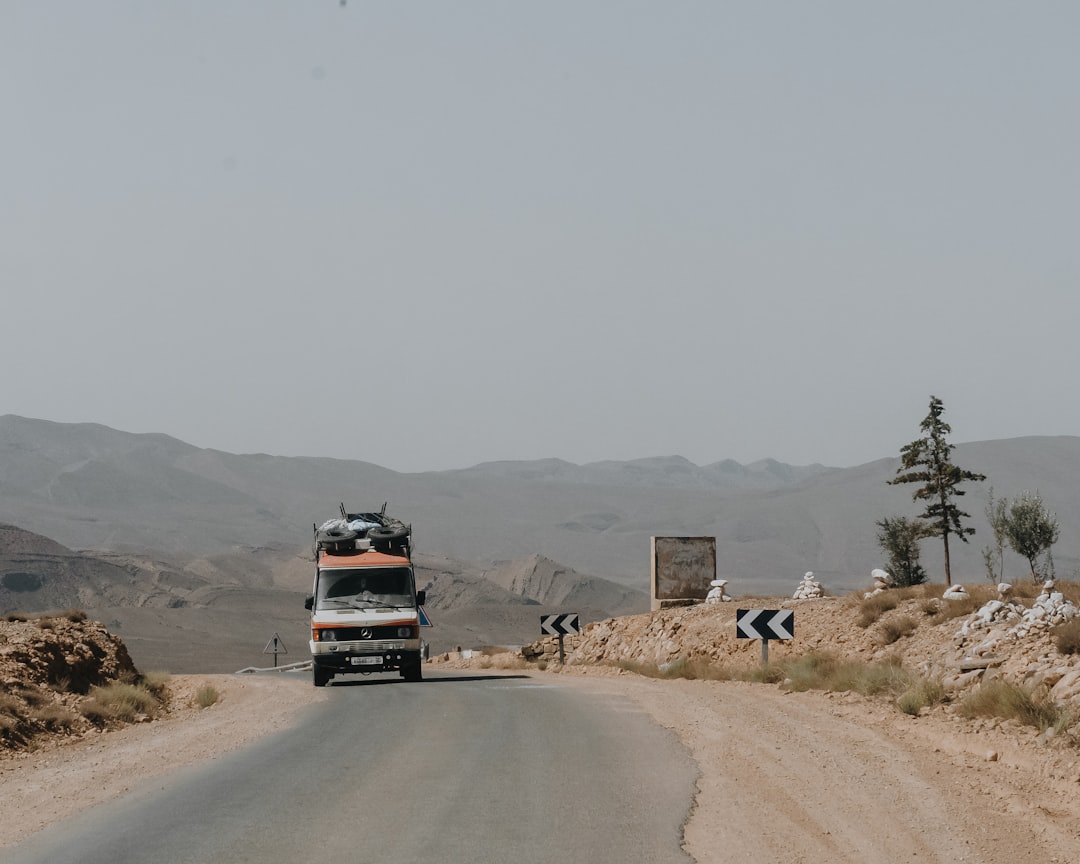
Drive or hire a 4WD — there is no realistic alternative. In my experience, the most practical approach is renting a car in Marrakech (roughly 320 km away) or Errachidia (180 km away) and driving mountain roads, of which the last 80 km from Aït Hani are unpaved piste requiring high clearance. A CTM or Supratours bus will get you as far as Midelt, but from there you are dependent on a grand taxi or private vehicle. My tip: arrange your 4WD in Midelt’s central taxi rank — drivers charge around DH 400–600 for the full run to Imilchil. The honest caveat is that the piste becomes genuinely dangerous in winter snowfall and is occasionally impassable between December and February.
Which airport is closest to Imilchil?
Errachidia Airport (ERH) is the closest, sitting roughly 180 km southeast of Imilchil. However, Royal Air Maroc operates only limited domestic flights into ERH from Casablanca, and schedules are thin — sometimes just 3 flights per week. In my experience, most international travellers fly into Marrakech Menara Airport (RAK), which has far better international connections and puts you about 320 km from Imilchil. What surprised me: even with the longer ground transfer from Marrakech, total travel time is often shorter than waiting for a connecting domestic flight into Errachidia, plus ERH car rental options are extremely limited. Budget DH 600–900/day for a 4WD rental at Marrakech airport.
How long does the journey to Imilchil take from Marrakech or Errachidia?
From Marrakech, budget a full 7–8 hours driving even in good conditions — the last stretch on mountain piste alone takes 2–3 hours. From Errachidia, the drive is shorter at 4–5 hours but road quality is identical. I recommend breaking the Marrakech journey overnight in Ouarzazate or Boumalne Dadès, which are each roughly halfway and have decent guesthouses from DH 250/night. The key caveat most guides skip: Google Maps consistently underestimates Imilchil journey times by 30–40% because it cannot account for the piste surface, livestock crossings, and seasonal road damage. Never plan arrival after dark on the mountain roads.
Do I need a rental car to explore Imilchil and the surrounding area?
Yes, absolutely — a rental car or hired 4WD is not optional here. My tip: rent in Marrakech or Errachidia rather than expecting to find vehicles in Imilchil itself, where rental infrastructure simply does not exist. A standard 4WD costs DH 700–1,000/day in Marrakech from agencies like Europcar or local operators around Avenue Mohammed V. Two-wheel-drive vehicles can technically reach Imilchil in dry summer months, but the piste from Aït Hani is rocky enough that I would not risk it — one flat tyre on those roads is a half-day ordeal. The trade-off: fuel costs add up quickly at around DH 12–13/litre for the round trip, adding DH 400–600 to your total.
Getting Around Imilchil
What are the best areas to stay in Imilchil?
Imilchil is small enough that neighbourhood distinctions barely apply — the town centre around the central souk square puts you within walking distance of everything. I recommend staying at one of the small maisons d’hôtes on the outskirts with Atlas views rather than the few basic hotels right on the main road, which face truck noise at night. Lac Tislit (3 km east of town) has one guesthouse that offers extraordinary sunrise views over the crater lake — worth the slight distance. For the Moussem festival in September, accommodation fills completely within 1 km of the main festival ground, so proximity to the Ait Haddidou tribal tents matters during that specific week.
What does accommodation cost per night in Imilchil?
Budget guesthouses and basic hotels in Imilchil run DH 150–250/night for a double room, often including a simple Berber breakfast. Mid-range maisons d’hôtes with private bathrooms and hot water charge DH 300–450/night. What surprised me: hot water is not guaranteed at budget level even in summer — the altitude means nights drop to 5–8°C year-round, so confirm shower conditions before booking. During the September Moussem festival, prices roughly double and rooms at every level sell out weeks in advance. I recommend the Auberge Tilouguite style of rural guesthouse — family-run, meals included, and around DH 350/night full board, which is genuinely good value given the remoteness.
How far in advance should I book accommodation in Imilchil during high season?
For the September Moussem Marriage Festival, book at least 2–3 months in advance — I am not exaggerating when I say the 15–20 guesthouses in and around Imilchil sell out entirely. Outside festival week, you can often book 1–2 weeks ahead in July and August. For winter travel (November–February), spontaneous arrival is fine since almost no tourists visit. The honest warning: most Imilchil guesthouses do not list on Booking.com or Airbnb — you must contact them directly by phone or WhatsApp, which means having a +212 Moroccan number or using WhatsApp Web from home. My tip: the Midelt tourism office keeps an updated contact list for Imilchil accommodation and will happily share it.
Are there special or unusual accommodation types in Imilchil?
In my experience, the most memorable stay near Imilchil is a Berber tent camp set up by Ait Haddidou nomadic families at Lac Isli during July and August. These charge around DH 200–280/night including dinner of tagine and mint tea, and sleeping under Milky Way skies at 2,100 m with zero light pollution is genuinely extraordinary — one of the clearest night skies I have encountered anywhere in Africa. A few guesthouses also offer traditional Amazigh (Berber) architecture with earthen walls and carved cedar ceilings. The caveat: tent camps have zero mobile signal and basic shared toilet facilities; if you need reliable connectivity or private bathrooms, stick to the town-centre guesthouses.
Where to Stay in Imilchil
What are the must-see sights in and around Imilchil?
Three experiences define Imilchil and I would not skip any of them. First, Lac Tislit and Lac Isli — twin crater lakes each roughly 1 km across, sitting on either side of town with views that rival anything in the Swiss Alps at a fraction of the crowds. Second, the Imilchil souk held every Saturday, where Ait Haddidou Berber women in distinctive black-and-white woollen cloaks trade saffron, dried herbs, and handwoven rugs — completely uncommercialized. Third, the drive south through Gorges du Tilouguite, a 60 km route through red rock canyon walls to the Dadès Valley below. The honest caveat: without a local guide or at least offline Maps.me mapping, the gorge piste is disorienting and navigation errors cost hours.
What can I experience for free in Imilchil?
Quite a lot, actually. The Saturday souk has no entry fee and is the real cultural heart of the region — I spent 3 hours there without spending a dirham beyond one glass of tea at DH 5. Both Lac Tislit and Lac Isli are freely accessible with no gate or ticket. Hiking the ridge directly behind Imilchil to a 2,400 m viewpoint overlooking the entire Assif Melloul valley is free, takes about 90 minutes round trip, and is almost never mentioned in guidebooks. The kasbah ruins east of town are open and unguarded — wander through freely. The only costs that creep in are hiring a local kid as informal guide for the lakeshore path, which I recommend at DH 30–50 as it genuinely helps and supports local families.
Which day trips are possible from Imilchil?
The Gorges du Dadès at Boumalne Dadès is the standout day trip — roughly 100 km south by piste and tarmac, taking 2.5–3 hours each way, but the canyon scenery justifies every minute. The Cirque de Jaffar near Midelt is a spectacular limestone basin 80 km north, excellent for a half-day. Closer in, the Plateau des Lacs loop linking four smaller mountain lakes north of Imilchil takes 4 hours by 4WD and is almost entirely tourist-free. My honest warning: day trips from Imilchil require your own vehicle — there are no organized tour departures from town, and grand taxi drivers willing to do day-trip rates (around DH 500–700) must be negotiated the evening before at the main taxi stand near the souk entrance.
What local specialities should I try in Imilchil?
Imilchil’s Berber food culture is distinct from lowland Moroccan cuisine in ways most travellers never expect. Tafarnout — a thick round barley bread baked on a clay griddle — is the staple, eaten with argan oil and wild honey from Atlas beehives at around DH 15–20 for a full basket. The local tagine uses dried lamb or goat with preserved lemons and saffron from nearby Taliouine, not the tourist-version chicken. In cold months, harira (lentil and tomato soup) is served with dates for DH 10–15 a bowl. My tip: ask your guesthouse host for amlou — a traditional Berber spread of argan oil, almond paste, and honey — it is addictive and makes an excellent souvenir at around DH 50 per jar from market stalls.
Imilchil Highlights & Must-Sees
What makes Imilchil unique compared to other Moroccan destinations?
Imilchil offers something I have found almost nowhere else in Morocco: genuine, uncommercialized Berber highland culture with zero souvenir hawkers and no tourist-track infrastructure. At 2,119 m elevation, the landscape is alpine rather than desert — think wildflower meadows, snow-capped peaks, and crystal lakes, not sand dunes. The Ait Haddidou tribe who dominate this region maintain traditions — dress, dialect, marriage customs — that have barely changed in centuries. What surprised me most is that the famous Moussem marriage festival is not performed for tourists; it is a real tribal gathering where betrothals genuinely take place, and visitors are welcomed as observers, not customers. No other destination in Morocco gives you this combination of altitude, cultural authenticity, and near-total solitude outside festival week.
How many days are worthwhile in Imilchil?
I recommend a minimum of 3 nights / 4 days to do Imilchil justice. Day 1: recover from the long mountain drive and explore the town on foot. Day 2: full day circuit of both crater lakes and the Plateau des Lacs by 4WD. Day 3: drive the gorge south toward Boumalne Dadès and return. Day 4: Saturday souk if timing aligns, then depart. During the Moussem festival in September, add 2 extra days — the tribal gatherings, music, and ceremonial dress deserve unhurried attention. The honest trade-off: more than 5 days in town itself gets repetitive unless you are trekking or doing serious photography. In that case, a 7–10 day trekking circuit from Imilchil toward Jebel Ayachi (3,747 m) is excellent and still almost entirely guide-dependent.
When is the best time to visit Imilchil?
July and August offer the most reliable weather — clear skies, warm days around 22–26°C, and cool nights around 8–12°C — making them ideal for lake hiking and photography. September is exceptional if you target the Moussem festival (usually the third weekend of September), but book everything 3 months ahead. I avoid June and October due to unpredictable thunderstorms at altitude. Winter from November to March is genuinely cold — temperatures drop to -10°C overnight, snow blocks the piste regularly, and most guesthouses close. Spring (April–May) brings wildflowers and green meadows but also muddy, occasionally impassable roads. My personal recommendation is the first two weeks of August: crowds are manageable, wildflowers are still visible at altitude, and the lakes are at their deepest and most photogenic.
Are there local festivals in Imilchil worth attending?
The Imilchil Marriage Festival (Moussem d’Imilchil) is one of the most extraordinary cultural events in all of Africa — held annually for 3 days in September (exact dates shift each year by lunar calendar, so verify with Midelt Province tourism office before booking). Ait Haddidou tribal members travel up to 150 km by mule to attend. Women wear izars — distinctive black-and-white striped cloaks — and the betrothal ceremonies involve public declaration before tribal elders. Entrance to the festival ground costs around DH 20–30. My honest warning: international media coverage has grown significantly since 2015, and the outer edge of the festival has become slightly more commercialized, but the inner tribal ceremonies remain completely authentic. Photography requires discretion and always asking permission.
Eating & Drinking in Imilchil
How does the weather in Imilchil affect what activities I can do?
At 2,119 m, weather dictates everything. In July and August, the Lac Tislit and Lac Isli hike is comfortable in a light jacket — mornings are crisp but afternoons warm to 20–24°C. The piste roads to the gorges are dry and passable for any 4WD. In winter, the same roads become impassable ice and snow from December to February, cutting Imilchil off for days at a time — I have heard of travellers stranded for 4–5 days after unexpected snowfall. Summer afternoon thunderstorms (July–August) develop fast at altitude — always start hikes before 10 AM and be off exposed ridges by 2 PM. Spring mud season (March–April) turns the Aït Hani piste into a serious 4WD challenge even for experienced off-road drivers.
How crowded does Imilchil get in peak season?
Outside the September Moussem, Imilchil in peak summer (July–August) sees perhaps 50–100 foreign visitors per day — negligible by any Moroccan standard. There are no tour buses, no souvenir streets, and no queue at the lakes. During the Moussem festival week, population swells dramatically — estimates suggest 30,000–40,000 tribal members and visitors descend on a town of under 10,000, which means accommodation within 20 km is completely exhausted and road access becomes genuinely chaotic. My tip: if attending the Moussem, consider camping at a designated area 3 km north of town and arriving a day early before the main crowd peaks on day 2. Outside festival week, Imilchil is one of the least-crowded genuinely interesting destinations in Morocco.
How safe is Imilchil for travellers?
Imilchil is extremely safe — in my experience, one of the most hassle-free destinations in Morocco. There is no tourist hustling, no fake guide pressure, and theft is essentially unheard of in a tight-knit Berber community where everyone knows everyone. The Ait Haddidou people are famously hospitable; being invited for tea within 10 minutes of arrival is not unusual. The real safety risks are environmental: altitude sickness (mild headaches are common your first night at 2,119 m), hypothermia from rapid weather changes, and the genuine danger of getting stuck on the piste roads without a spare tyre and emergency water. My tip: carry 5 litres of water, a spare tyre, and a basic toolkit when driving the mountain roads — not as a precaution but as a necessity.
Is English widely spoken in Imilchil?
No — and this is the most important practical preparation most visitors miss. The working languages in Imilchil are Tachelhit Berber (Tamazight) and Moroccan Arabic (Darija). French is understood by educated guesthouse owners and younger residents, but standard French school vocabulary does not cover negotiating a 4WD hire or explaining dietary restrictions. English is spoken by perhaps 5–10% of guesthouse staff, almost nobody in the souk, and zero taxi drivers. I strongly recommend downloading Google Translate with Arabic and French offline packs before losing signal on the mountain road, and learning 10–15 Tamazight phrases (azul = hello, tanmirt = thank you) — they generate genuine warmth and open doors that no amount of French achieves.
Practical Tips for Imilchil
What is a realistic daily budget for Imilchil?
Budget travellers can manage on DH 300–400/day covering a dorm or basic guesthouse bed (DH 150), three local meals (DH 80–120), and incidental costs. Mid-range travellers spending on a private guesthouse room with meals should budget DH 500–700/day. The largest single cost driver is transport — if you hired a 4WD in Marrakech at DH 800/day, that alone doubles any budget. My honest caveat: Imilchil has almost no shops selling tourist goods, no ATM, and no bank — the nearest ATM is in Midelt (130 km away). Bring all the cash in dirhams you will need for your entire stay before leaving Midelt. I recommend carrying a minimum of DH 2,000 per person beyond accommodation costs already paid.
What public transport is available in and around Imilchil?
Public transport within the Imilchil area is limited to grand taxis — shared Mercedes sedans — that run irregularly between Imilchil and Aït Hani (40 km, about DH 30–50 per seat) and occasionally to Midelt when enough passengers gather. There is no municipal bus service within town — the town is small enough to walk entirely in 20 minutes. The only reliable public transport connection is the CTM bus from Marrakech and Meknès to Midelt, from where you must arrange onward transport. My experience: grand taxis to Imilchil from Midelt depart roughly when 6 passengers assemble (often 1–3 times per day), or you pay for all 6 seats yourself at DH 300–400 total for a private run. Do not count on any public transport after 3 PM.
Which apps do you recommend for visiting Imilchil?
Maps.me with Morocco downloaded offline is non-negotiable — it carries the Imilchil piste tracks that Google Maps either omits or misroutes. WhatsApp is how every guesthouse owner, taxi driver, and local guide communicates — without it you simply cannot book anything remotely. Google Translate with Arabic and French offline packs handles basic communication when French fails. AccuWeather with hourly mountain forecasts is useful, though signal to refresh it disappears 50 km before Imilchil on all approach roads. For the Moussem festival dates, the Visit Morocco official app (or the Midelt Province Facebook page) posts confirmed dates each year in June. My honest addition: download iOverlander if driving the piste — it has GPS-tagged reports from other 4WD travellers on current road conditions, updated within days, which is genuinely life-saving information on those tracks.
Imilchil at a Glance
| Population | 9,164 |
|---|---|
| Currency | Moroccan dirham (DH) |
| Official language | Arabic, Standard Moroccan Tamazight |
| Time zone | UTC+01:00 |
Source: Wikidata, retrieved September 2026.
Morocco › Imilchil
More Destinations in Morocco
Essential Resources for Planning Your Trip to Imilchil
- Transport — official visitor information, passes & events
- Wikipedia: Imilchil — history, geography & background
- Wikivoyage: Imilchil — community travel guide & practical tips
- 31 unusual love and marriage customs from around the world — expert itineraries & travel inspiration
- THE BEST Things to Do in Imilchil (2026) — hotels, restaurants & traveller reviews
- Imilchil to Toubkal National Park – 4 ways to travel via taxi, … — how to get around
- Numbeo: Cost of Living in Imilchil — current prices & cost comparison
- Timeanddate: Imilchil Weather & Climate — forecasts & climate statistics
More Perspectives on Imilchil
- Imilchil Marriage Festival Travel Guide – Morocco
- Imilchil City Guide (Morocco, 2026)
- Can anyone advise who is doing trips to the Imilchil …
Imilchil Travel Videos
Watch these videos for a visual preview before your trip:
- From Desert to Mountains Lakes🌴Morocco’s Scenic Drive🚙Atlas 🏔️From Imilchil to Tislit & Isli – 4k
- S01E46 – Maroc 2026 – Imilchil ⛟ Agoudim – Un parcours au coeur de l’Atlas – 4K
- Traveling to MARRAKECH in 2026? You Need to Watch This Travel Guide!
Imilchil Travel Discussions on Reddit
Real traveller experiences and community advice:
- Every year in September North of my village in Imilchil they …
- Lakes Isli and Tislit in Morocco, what the legend says?
- r/Morocco – Imilchil Morocco
Data Sources
This page was compiled using data from Wikipedia, Wikidata, Open-Meteo (climate), Numbeo (cost of living) and REST Countries. Information is updated regularly.