
Kutaisi: The Complete Travel Guide (2026)
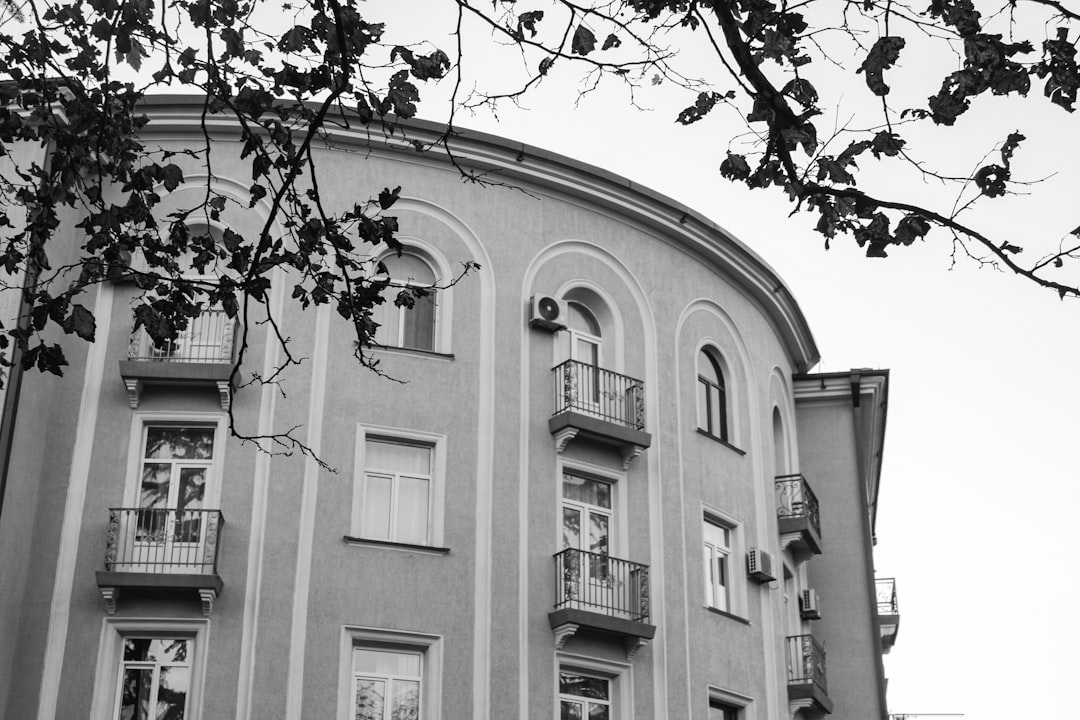
Kutaisi Travel Guide: Everything You Need to Know (2026)
Kutaisi sits at 120m above sea level on the Rioni River, 221 kilometres west of Tbilisi, and is one of the oldest continuously inhabited cities in the world — legend places it as the capital of ancient Colchis, where Jason sought the Golden Fleece. With a population of 147,900, it is Georgia’s third-largest city and the capital of the Imereti region. Since Wizz Air and other budget carriers turned Kutaisi International Airport into a European gateway, this underdog city has quietly become one of the Caucasus’s most rewarding stops.
Three Things Not to Miss in Kutaisi
- Bagrati Cathedral — An 11th-century UNESCO World Heritage cathedral perched on Ukimerioni Hill with panoramic views over the entire Rioni valley.
- Prometheus Cave — A 22-kilometre karst cave system just 20 km from the city, featuring a surreal underground boat ride through illuminated stalactite chambers.
- Gelati Monastery — A 12th-century royal monastery and medieval academy founded by King David the Builder, housing Georgia’s finest Byzantine-style mosaics.
Scroll down for our complete travel guide with tips on getting there, where to stay, costs and more.
Getting to Kutaisi from the Airport
How do I get to Kutaisi?
Fly directly into **Kutaisi International Airport (KUT)** — the fastest and cheapest option. Wizz Air operates routes from **20+ European cities** including Warsaw, Vienna, and Budapest, often with fares under **€30 one-way** if booked early. From **Tbilisi**, marshrutka minibuses depart from Didube Bus Station and cover the **221 km in roughly 3 hours** for about **₾15 (≈ $5.50)**. A direct train also runs twice daily from Tbilisi Central Station, taking **5 hours** for **₾12**. What most guides omit: marshrutkas leave when full, not on a fixed timetable — arrive by 9am to avoid a long wait.
Which airport is closest to Kutaisi?
**Kutaisi International Airport (KUT)** is your airport, located **16 km west of the city centre** — a **30-minute drive**. It is a budget-carrier hub, not a full-service airport, so food options airside are limited and overpriced. My tip: eat in the city before your departure. A taxi from KUT to the city centre costs **₾25–₾30 (≈ $9–$11)** via the Yandex Go app. The official airport shuttle runs for **₾3** but only synchronises with certain flight arrivals — confirm the schedule on the airport website before relying on it. There is no Tbilisi Airport connection to Kutaisi by flight.
How long does the journey to Kutaisi take from Tbilisi?
By marshrutka from **Tbilisi’s Didube terminal**, expect **3 to 3.5 hours** depending on traffic through the Surami Pass. The direct train from **Tbilisi Central Station** takes **5 hours** but is more comfortable and scenic. If you rent a car or hire a private transfer, the **221 km drive** takes around **2.5 hours** via the E60 highway. In my experience, the morning marshrutka at around **8am** is the most reliable departure and arrives before lunch, giving you a full afternoon in Kutaisi. Warning: the Surami mountain stretch can add **30–45 minutes** in winter due to snow or ice — factor this in November through February.
Do I need a car to explore Kutaisi?
No — the city centre of Kutaisi is entirely walkable. **Bagrati Cathedral**, the Old Town, and the central market are all within a **2 km radius**. However, for day trips to **Prometheus Cave** (20 km), **Gelati Monastery** (11 km), or **Okatse Canyon** (60 km), a car genuinely transforms your trip. Marshrutkas serve Gelati for **₾1**, but Prometheus and Okatse have no reliable public transport. Car rental from local companies near the city centre starts at **₾60/day (≈ $22)**. My tip: book through **Sixt or a local Imereti agency** rather than airport counters, which charge a **20–30% premium**. Roads to Okatse include unpaved sections — take a compact SUV.
Moving Around Kutaisi
What are the best areas to stay in Kutaisi?
Stay in the **Old Town (Galavani Street area)** for character — guesthouses here occupy renovated 19th-century houses with wooden balconies, and you can walk to the river and cathedral. The **city centre around Davit Aghmashenebeli Square** offers more hotels and is convenient for restaurants and minibus connections. I recommend first-timers base themselves on or near **Tskaltubo Road**, which splits the difference — close to transport and within a 15-minute walk of the river. Avoid the Soviet-era residential blocks of the **Nikea district** to the north — nothing is wrong with it, but it adds unnecessary taxi rides to everything worth seeing.
What does accommodation cost in Kutaisi?
Kutaisi is genuinely affordable. A clean, well-reviewed **guesthouse with breakfast** costs **₾60–₾90/night (≈ $22–$33)**. Mid-range hotels with private bathroom and AC run **₾120–₾180/night (≈ $44–$66)**. The best-value option in my experience is booking a room in a family guesthouse on **Galavani Street** — hosts often include homemade wine, churchkhela, and dinner conversation at no extra charge. There is currently no international chain hotel in Kutaisi, which keeps prices competitive. What most guides skip: some guesthouses charge a **10% extra fee for single-night stays** during harvest festivals in October — always ask upfront.
How far in advance should I book accommodation in Kutaisi during high season?
Book at least **3–4 weeks ahead** for July and August, when Kutaisi sees its peak domestic and European tourist traffic thanks to budget flights. The city has a **limited stock of quality guesthouses** — perhaps 30–40 well-reviewed options — so popular spots on **Booking.com and Airbnb fill fast**. For the **Imereti harvest season in October**, book **6–8 weeks ahead** as Georgian domestic tourists flood the region for wine and walnut festivals. In my experience, last-minute arrivals in August end up in overpriced or poorly located options. Low season — November through March — needs no advance booking; you can walk in and negotiate **15–20% off listed rates** directly with hosts.
Are there special or unique accommodation types in Kutaisi?
Yes — **family guesthouses** are the defining accommodation experience in Kutaisi, and they are genuinely unlike anything in Western Europe. Hosts serve multi-course supras (Georgian feasts) at shared tables, pour homemade **Rkatsiteli or Tsitska wine**, and often treat guests as extended family. Several guesthouses on **Galavani Street and Pushkin Street** have been run by the same families for three generations. What surprised me: many hosts include a **free homemade breakfast of khachapuri, honey, and matsoni yogurt** without advertising it — just ask. For a more independent stay, renovated apartments on **Airbnb around Rioni Embankment** start at **₾80/night (≈ $29)** and feel local rather than touristy.
Choosing a Neighbourhood in Kutaisi
What are the must-sees in Kutaisi?
Three sights are non-negotiable. **Bagrati Cathedral** on Ukimerioni Hill is an 11th-century UNESCO site with sweeping Rioni valley views — free to enter, open daily. **Gelati Monastery**, 11 km east, is a 12th-century complex where King David the Builder is buried and Georgia’s finest Byzantine mosaics survive intact — entry is **₾3**. **Prometheus Cave**, 20 km away, is a 22-km karst system with a boat ride through lit stalactite chambers — tickets cost **₾30 (≈ $11)**. My tip: combine Gelati and Bagrati in one morning, then drive to Prometheus in the afternoon. What most guides miss: the **Kutaisi State Historical Museum** on Tamar Mepe Square holds original Golden Fleece-era artefacts for just **₾5**.
What can I experience for free in Kutaisi?
Quite a lot. **Bagrati Cathedral** has free entry and the hill walk itself is a highlight — the 360-degree view over Kutaisi’s terracotta rooftops is one of Georgia’s best urban panoramas. The **Rioni Embankment walk** from the White Bridge to Colchis Fountain costs nothing and reveals the city’s layered architecture. The **Kutaisi Green Market** (central bazaar) charges no entry — explore stalls of churchkhela, dried fruit, and fresh walnuts. In my experience, simply wandering **Galavani Street in the morning** when locals hang laundry from carved wooden balconies is more atmospheric than any paid attraction. The **Colchis Fountain** in the central square is free and best photographed at golden hour.
Which day trips from Kutaisi are worth taking?
**Okatse Canyon** (60 km, **₾15 entry**) is the region’s most dramatic landscape — a suspension walkway hangs over a 16-metre-wide, 40-metre-deep gorge through ancient forest. **Martvili Canyon** (80 km, **₾20 entry**) offers a boat ride through a turquoise river canyon — arrive before **10am** to avoid tour-bus crowds. **Motsameta Monastery**, just 6 km from Kutaisi along a cliff above the Rioni gorge, takes **90 minutes** and costs nothing. In my experience, combining Okatse and Martvili in one day requires a car and a full **8 hours** — do not attempt it by public transport. The village of **Vani**, 40 km south, has an archaeological museum revealing Colchian gold artefacts for **₾5**.
What local specialities should I try in Kutaisi?
Imereti has its own culinary identity distinct from Tbilisi. **Imeruli khachapuri** — flatter and saltier than the Adjarian boat-style version — is the regional staple and costs **₾4–₾6** at any local bakery. **Gebzhalia** is a fresh cheese rolled with mint in cream sauce, found almost nowhere outside Imereti — order it at **Palaty Restaurant** on Tskaltubo Road. **Badrijani nigvzit** (fried aubergine with walnut paste) and **chikhirtma** (saffron egg broth) are local favourites. In my experience, the best single food experience is a **supra dinner at a family guesthouse** — 12 to 15 dishes, homemade wine, and toasts that last until midnight. Do not leave without trying **Tsitska-Tsolikouri** white wine, the flagship grape blend of Imereti.
Top Sights in Kutaisi
What makes Kutaisi unique compared to other Georgian cities?
Kutaisi is Georgia’s mythological heartland — ancient Colchis, where Jason and the Argonauts sought the Golden Fleece, was centred here. No other Georgian city carries that layer of Greek mythology alongside medieval Christian heritage. Unlike **Tbilisi**, which has been heavily gentrified, Kutaisi still feels authentically lived-in — peeling Soviet facades, neighbourhood wine cellars, and women selling matsoni from front gates. It also sits within **45 minutes** of more UNESCO-adjacent monasteries per square kilometre than almost anywhere in the Caucasus. What surprised me most: Kutaisi is home to the **Georgian Parliament building** (relocated here in 2012), making it a de facto second capital — a political detail most visitors never realise.
How many days are worthwhile in Kutaisi?
**3 full days** is the sweet spot. Day 1: walk the Old Town, Bagrati Cathedral, and Rioni Embankment. Day 2: Gelati Monastery in the morning, Prometheus Cave in the afternoon. Day 3: Okatse Canyon or Martvili Canyon as a full-day excursion. If you have a **4th day**, add Motsameta Monastery and the Kutaisi State Historical Museum. In my experience, one day is not enough — you spend it just getting oriented. Five or more days requires a car and a deliberate circuit into the wider Imereti countryside, visiting village wineries and lesser-known monasteries like **Katskhi Pillar** (120 km, accessible by car only), where a medieval church sits atop a 40-metre limestone monolith.
When is the best time to visit Kutaisi?
**August** is the statistically optimal month based on climate data — warm, dry, and with long daylight hours for canyon and monastery visits. **May through June** is my personal preference: temperatures sit around **22–25°C**, wildflowers cover the Imereti hills, and tourist numbers are lower than peak summer. **October** is spectacular for the grape harvest — you can join a **rtveli** (harvest) at family wineries and taste Tsitska straight from the qvevri clay vessel. Avoid **January and February** unless you love empty streets and wood-stove guesthouses — temperatures drop near freezing and several canyon attractions reduce hours or close. The honest caveat: August weekends bring **Georgian domestic tourists** in large numbers, filling the best guesthouses and pushing Prometheus Cave wait times to **45 minutes**.
Are there local festivals in Kutaisi worth attending?
Yes — **Imeroba** is Imereti’s annual regional festival held in **October**, centring on Kutaisi and celebrating local wine, food, and crafts. Market stalls around **Davit Aghmashenebeli Square** sell churchkhela, amber wine, and hand-woven textiles, and folk ensembles perform polyphonic Georgian chant — a UNESCO Intangible Heritage tradition. The **Kutaisi International Jazz Festival** runs each summer, typically in **July**, drawing musicians from across the South Caucasus for free and low-cost outdoor concerts. In my experience, timing your visit around **Imeroba** in early October adds extraordinary texture to an already compelling destination. What most guides miss: monastery feast days — particularly **Gelati’s feast on October 4** — draw local pilgrims and are moving, uncrowded, and completely free to attend.
Where to Eat in Kutaisi
How does the weather in Kutaisi affect activities?
Kutaisi at **120m elevation** has a humid subtropical climate with warm summers and mild but wet winters. Canyon visits to Okatse and Martvili are best **May through October** — winter rains raise river levels and some walkways close. Prometheus Cave maintains a constant **14°C interior temperature** year-round, making it a good rainy-day option. Monastery visits are pleasant in all seasons — **Gelati in morning mist** in November is actually beautiful. My tip: carry a light rain jacket even in summer, as Imereti receives afternoon showers with little warning. The honest caveat: **July and August** can feel oppressively humid on steep uphill walks to Bagrati — start before **9am** to beat both heat and tour buses.
How crowded does Kutaisi get in peak season?
Kutaisi is not yet overrun, but **Prometheus Cave in July and August** sees genuine queues — peak wait times hit **45 minutes** for boat rides on summer weekends. **Gelati Monastery** gets busy with Georgian school groups on weekday mornings in September. The Old Town and embankment remain uncrowded even at peak season compared to Tbilisi’s Abanotubani or Batumi’s seaside strip. In my experience, arriving at Prometheus Cave before **10am** on a weekday eliminates any wait. **Martvili Canyon** crowds are almost entirely tour-bus-driven — go after **3pm** when the buses have left. Kutaisi’s overall tourist infrastructure is still developing, which means peak season brings pressure on the **30–40 quality guesthouses** more than on the sights themselves.
How safe is Kutaisi?
Kutaisi is very safe for tourists — Georgia consistently ranks among the **top 20 safest countries** in the world by the Global Peace Index. Violent crime against tourists is exceptionally rare. The main risks are **traffic** (Georgian drivers treat red lights as suggestions, especially on the E60 highway bypass) and **uneven pavements** in the Old Town that cause twisted ankles after dark. In my experience, solo female travellers report feeling comfortable walking the embankment and Old Town at night. One honest warning: the area around the **central bus station** after midnight attracts petty theft — keep bags close and use Yandex Go rather than walking. Tap water in Kutaisi is safe to drink.
Is English widely spoken in Kutaisi?
Less than in Tbilisi — that is the honest answer. In **guesthouses, hotels, and tourist-facing restaurants**, English is functional. At the **central market, local bakeries, and marshrutka stations**, Russian is far more useful than English, and Georgian is expected. Younger Kutaisians (under 35) often speak conversational English, while older residents speak Russian as a second language. My tip: download **Google Translate with Georgian offline**, and learn five words — **gmadlobt (thank you), gamarjoba (hello), ara (no), ki (yes), and ra ghirs (how much)** — which will open doors and generate genuine warmth. Restaurant menus in tourist areas increasingly have English translations, but photograph menus without English and run them through Google Lens for accuracy.
Before You Go to Kutaisi
What is the daily budget for visiting Kutaisi?
Kutaisi is one of Europe’s cheapest destinations. A **budget traveller** spending nights in a guesthouse dorm, eating at local canteens, and taking marshrutkas manages on **₾60–₾80/day (≈ $22–$29)**. A **mid-range traveller** with a private guesthouse room, sit-down restaurant meals, and one paid attraction per day spends **₾150–₾200/day (≈ $55–$73)**. A **comfortable traveller** hiring a car for day trips, dining well, and staying in a quality guesthouse with wine spends **₾250–₾350/day (≈ $91–$128)**. What most guides undercount: **Prometheus Cave (₾30) + Okatse Canyon (₾15) + car hire (₾60/day)** in a single day adds **₾105** to your budget — plan excursion days separately from your base daily spend.
How does public transport work in and around Kutaisi?
Within the city, **minibuses (marshrutkas)** cost **₾0.80 per ride** and cover all main neighbourhoods — pay the driver in cash. City buses on fixed routes cost **₾0.50** with a reloadable card available from the bus station. To **Gelati Monastery**, marshrutka #30 from the central station runs for **₾1**. To **Tbilisi**, marshrutkas from **Kutaisi Bus Station** leave roughly every 30 minutes from 7am and cost **₾15**. The honest caveat: there is **no reliable public transport** to Prometheus Cave, Okatse Canyon, or Martvili Canyon — you need a taxi (negotiate **₾60–₾80 return** with wait time) or a rental car. **Yandex Go** works well within the city; rides rarely exceed **₾8 (≈ $3)**.
Which apps do you recommend for visiting Kutaisi?
**Yandex Go** is the essential taxi app — more reliable than street taxis and always cheaper, with fares displayed before booking. **Maps.me** works offline and includes Georgian trails, canyon paths, and monastery roads that Google Maps misses. **Google Translate** with the Georgian language downloaded handles menus, signs, and market conversations through the camera lens. **Booking.com** has the widest selection of Kutaisi guesthouses with verified reviews. For navigation to off-road attractions like **Okatse Canyon**, download **Organic Maps** as a backup — it carries better trail data than Google for rural Imereti. One app most travellers miss: **GoPay Georgia**, which lets you top up local transport cards and pay some utilities — useful if you stay longer than a week.
Kutaisi at a Glance
| Population | 147,900 |
|---|
Source: Wikidata, retrieved August 2026.
More Destinations in Georgia
Essential Resources for Planning Your Trip to Kutaisi
- Tourism in Georgia: Explore Mountains, Culture, and History — official visitor information, passes & events
- Wikipedia: Kutaisi — history, geography & background
- Wikivoyage: Kutaisi — community travel guide & practical tips
- Kutaisi travel – Lonely Planet | Georgia, Europe — expert itineraries & travel inspiration
- THE 15 BEST Things to Do in Kutaisi (2026) — hotels, restaurants & traveller reviews
- What to see in Georgia in two days including Tbilisi — how to get around
- Numbeo: Cost of Living in Kutaisi — current prices & cost comparison
- Timeanddate: Kutaisi Weather & Climate — forecasts & climate statistics
More Perspectives on Kutaisi
- Best Things to Do in Kutaisi in 1-4 Days: The Ultimate Guide
- Is it worth to visit Kutaisi? Best things to do in Kutaisi, Georgia
- 16 Best Things To Do in Kutaisi, Georgia in 2026
Kutaisi Travel Videos
Watch these videos for a visual preview before your trip:
- What to Do in Kutaisi, Georgia 🇬🇪 | Top Attractions, Day Trips & Local Food
- Kutaisi in 2 days – Georgia Diaries 🇬🇪 | Bagrati Cathedral, Martvili Canyon, Okatse Canyon
- Is Kutaisi Worth Visiting? Georgia’s Hidden Gem 🇬🇪
Kutaisi Travel Discussions on Reddit
Real traveller experiences and community advice:
- Is Kutaisi a good base for Georgia? : r/Sakartvelo
- Is it worth it to visit Kutaisi? : r/Sakartvelo
- Need help with Georgia first visit (Kutaisi) : r/solotravel
Data Sources
This page was compiled using data from Wikipedia, Wikidata, Open-Meteo (climate), Numbeo (cost of living) and REST Countries. Information is updated regularly.