
Merzouga: The Complete Travel Guide (2026)
Last reviewed: September 2026 · key facts checked against Wikidata
Merzouga Travel Guide: Everything You Need to Know (2026)
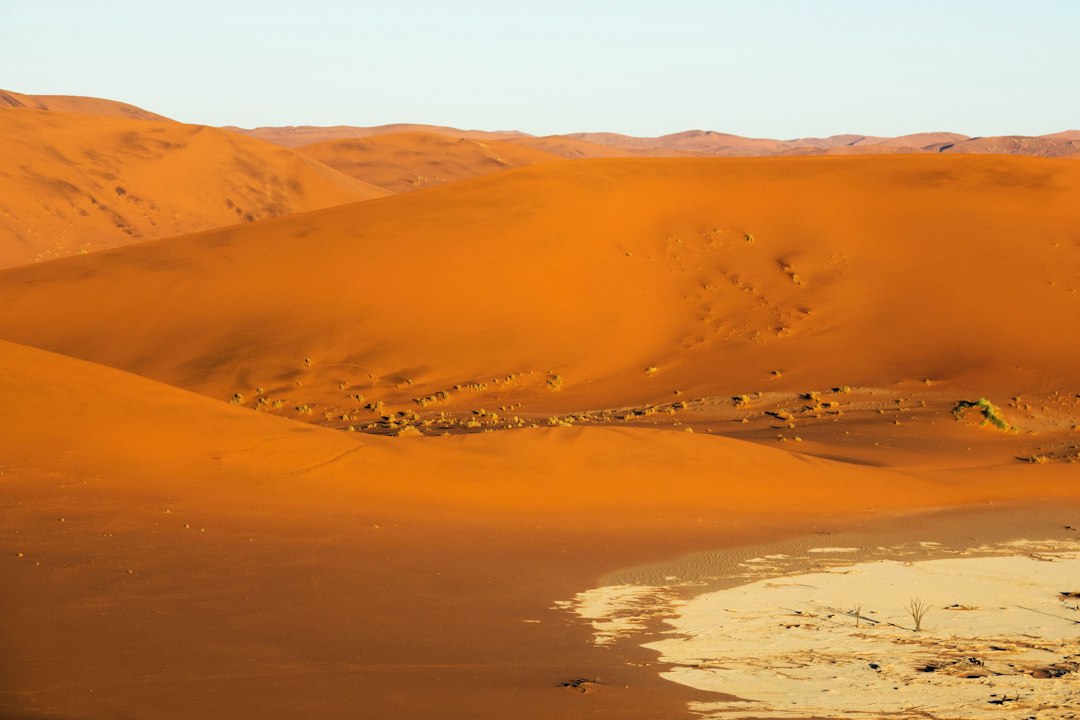
Merzouga is a remote desert village in southeastern Morocco, sitting at roughly 1,000 metres altitude just 50 kilometres from the Algerian border. The village is the gateway to Erg Chebbi, home to dunes that rise up to 150 metres — among the tallest in the entire Sahara. Founded as a caravan stop on ancient trans-Saharan trade routes, Merzouga today draws visitors from across the globe who come specifically to sleep under stars in the dunes.
Three Things Not to Miss in Merzouga
- Erg Chebbi Sunrise Camel Trek — Riding a camel into 150-metre dunes at dawn is a once-in-a-lifetime experience found nowhere closer than this.
- Desert Bivouac Overnight Camp — Luxury Berber tents inside the dunes offer zero light pollution and a sky dense with stars every clear night.
- Merzouga Fossil Market — This open-air market sells genuine 380-million-year-old Devonian trilobite fossils sourced from local mines.
Scroll down for our complete travel guide with tips on getting there, where to stay, costs and more.
Getting to Merzouga from the Airport
How do I get to Merzouga?
Fly into Errachidia Airport (ERH), roughly 145 km north, then hire a grand taxi for around DH 400–600 for the full journey. In my experience, shared grand taxis from Rissani (35 km away) cost around DH 30–50 per seat and are the cheapest last-mile option. CTM buses run to Rissani from Marrakech, but the final stretch requires a taxi. My tip: book a private transfer in advance through your riad or camp — drivers are reliable and the road through Erfoud is fully paved, but signage beyond Rissani gets sparse. What surprised me: no major bus line drops directly into the village, so budget an extra DH 100–200 for the final connection.
Which airport is closest to Merzouga?
Errachidia Moulay Ali Cherif Airport (ERH) is the closest at roughly 145 km, with limited connections primarily from Casablanca on Royal Air Maroc. In my experience, Ouarzazate Airport (OZZ), about 350 km west, gives more flight options from Europe in winter charter season, especially from France and Spain. Marrakech Menara Airport (RAK), 560 km away, is the most connected hub with direct European routes year-round. My tip: flying ERH saves 3 hours of road time, but fares run DH 1,200–2,500 one-way from Casablanca. The honest caveat — ERH flights cancel in heavy winds more often than the larger hubs, so build buffer days into your itinerary.
How long does the journey to Merzouga take from Marrakech or major cities?
From Marrakech, expect 8–10 hours by road (560 km) via the Draa Valley route through Ouarzazate. The CTM overnight bus takes roughly 10 hours and costs around DH 200–250. From Fes, the drive through Midelt and Errachidia takes 7–8 hours (490 km) and is genuinely scenic. In my experience, a private driver hired in Marrakech for DH 1,500–2,500 one-way is worth every dirham — the winding mountain passes through the High Atlas demand confident driving. My warning: do not attempt the Marrakech–Merzouga drive at night; mountain roads after Agdz are narrow and poorly lit, and one wrong turn adds hours to your trip.
Do I need a rental car in Merzouga?
Inside Merzouga village, a car is unnecessary — everything is walkable within 2 km. However, for reaching Khamlia village (8 km away) for Gnawa music performances, the fossil mines near Alnif (60 km), or Rissani’s Tuesday souk (35 km), a car transforms your trip. Rentals from Errachidia start at DH 350–500 per day for a small 4×4. My tip: a standard city car handles the paved road to Merzouga fine, but sandy tracks between dune camps require high clearance. The caveat most guides skip — fuel stations are rare beyond Erfoud, so fill the tank there and carry 5 extra litres before heading south toward the Algerian border zone.
Moving Around Merzouga
Which areas of Merzouga make good bases?
Merzouga village centre suits budget travellers — auberges and guesthouses cluster here within walking distance of the dune base. Hassilabied, 4 km north along the dune edge, offers quieter, upmarket desert camps and boutique riads with direct dune access. Tanamoust, further south, is where the most exclusive luxury bivouacs sit, priced DH 1,500–3,500 per night. In my experience, staying in Hassilabied gives the best balance — fewer trinket shops, better sunset angles over Erg Chebbi, and a genuine Berber village atmosphere. My tip: the village centre is fine for one night, but if you are spending 3+ days, Hassilabied rewards you with significantly less tourist noise.
What does accommodation cost per night in Merzouga?
Budget auberges in Merzouga village run DH 150–300 per person, often including breakfast. Mid-range guesthouses and desert camps cost DH 400–900 per room. For luxury glamping tents inside the dunes with private bathroom facilities, expect DH 1,500–3,500 per night. In my experience, the DH 600–800 sweet spot buys you a comfortable en-suite room, excellent Berber cooking, and often a free short camel ride at sunset. My honest warning: prices triple during Christmas week and New Year, with many camps requiring a 2-night minimum. Book directly with the property rather than through booking platforms — you typically get a 10–15% discount and better tent placement inside the dunes.
How far in advance should I book accommodation in Merzouga during high season?
For March–April and October–November (peak months), book 6–8 weeks ahead for mid-range guesthouses and 3–4 months ahead for popular dune camps. For Christmas and New Year, the best bivouacs sell out by September. In my experience, January and February are genuinely quiet — I walked into a beautiful camp in Hassilabied with zero reservation and negotiated 30% off rack rate. My tip: Moroccan guesthouses in Merzouga respond fastest to WhatsApp (country code +212), often within the hour. The hidden caveat — some camps listed online are under renovation or seasonally closed without updating listings; always call to confirm 48 hours before arrival.
Are there special accommodation types unique to Merzouga?
Merzouga is one of the few places on earth where you can sleep inside the Sahara dunes themselves, in a Berber-style canvas tent with woven rugs, lanterns, and a fire pit outside your door. These overnight bivouacs are the defining experience — prices run DH 800–2,500 including dinner, breakfast, and a camel ride. Beyond tents, Maison Merzouga and similar riads blend traditional pisé architecture with rooftop terraces facing the dune wall. In my experience, the mid-range bivouacs at DH 1,000–1,500 are near-identical in quality to luxury camps — the real differentiator is location (how deep into the dunes you sleep) and guide quality, not thread count.
Choosing a Neighbourhood in Merzouga
What are the absolute must-sees in and around Merzouga?
Erg Chebbi at sunrise is non-negotiable — the golden light hitting 150-metre dunes from the east is genuinely one of Africa’s great sights. Khamlia village (8 km south) hosts authentic Gnawa music sessions with descendants of sub-Saharan slaves; a session with tea costs around DH 50–80 and is deeply moving. The fossil workshops in Erfoud (55 km north) show craftsmen cutting trilobite-rich limestone slabs into furniture — free to watch, extraordinary to see. In my experience, most visitors only do the camel ride and miss Khamlia entirely — that is the single biggest missed opportunity in the entire Draa-Tafilalet region. My tip: combine all three into one full day.
What can I experience for free in Merzouga?
Walking directly to the Erg Chebbi dune base from the village costs nothing — the dunes are open public land and you can climb them freely. Watching sunset from the ridge above Hassilabied without a guide or camel is spectacular and free. The Merzouga palmery walk along the oasis edge takes about 90 minutes and passes working wells and traditional mud-brick architecture with no admission fee. In my experience, the free sunrise dune climb — setting off at 5:30 AM in summer, 6:30 AM in winter — rivals anything a paid camp experience delivers. My honest caveat: do bring your own water (at least 1.5 litres per person); no vendors operate at the dune crest and dehydration risk is real above 38°C.
Which day trips from Merzouga are worth the effort?
Rissani (35 km, 40 minutes) hosts Morocco’s most authentic desert souk on Sundays, Tuesdays, and Thursdays — it is where Berber traders have gathered for centuries, with no tourist performance involved. Todra Gorge (160 km west) is a 300-metre-deep canyon that can be done in a long day; hire a driver for around DH 600–800 return. Erg Chegaga, Morocco’s other great dune system, requires an overnight 4×4 expedition — not a day trip. In my experience, the Rissani souk day trip delivers more cultural authenticity per dirham than almost anything in southeastern Morocco. My warning: Tuesday is the biggest market day — arrive before 10 AM or the best stalls are already packing up.
What are the local specialities to eat in Merzouga?
Medfouna — a thick flatbread stuffed with spiced minced lamb, onion, and herbs — is Merzouga’s signature dish, sometimes called Berber pizza, and costs around DH 50–80 at local restaurants. Slow-cooked tagine with dried apricots is the desert camp staple and genuinely excellent after a sunset camel ride. Fresh mint tea with argane honey served at guesthouses is non-negotiable. In my experience, the best medfouna I ate in all of Morocco was at a nameless cookfire in Khamlia after the Gnawa session — ask your host to arrange it. My honest caveat: vegetarians are well-served (tagine with preserved lemon and olives is excellent), but vegans will struggle beyond bread, olives, and harira soup.
Top Sights in Merzouga
What makes Merzouga unique compared to other Moroccan destinations?
Merzouga offers something no Marrakech riad or Fes medina can replicate — total sensory silence. At 3 AM in the dunes, there is zero light pollution, zero road noise, and temperatures drop to 5°C in January, making the Milky Way visible with the naked eye. The town itself sits at the edge of the largest purely Saharan erg (continuous sand sea) accessible by road in Morocco, with dunes reaching 150 metres. In my experience, the emotional impact of waking before dawn inside the dunes and watching the sky turn orange and pink over an ocean of sand is unlike anything else in North Africa. What surprised me: even in summer (July–August), nights in the desert cool to a bearable 22–25°C, making it more survivable than Marrakech at the same time.
How many days should I spend in Merzouga?
2 nights minimum to experience both a sunset camel ride and a dawn dune climb without rushing. 3–4 nights allows day trips to Rissani, Khamlia, and Todra Gorge while still savouring slow desert mornings. In my experience, most travellers who stay only 1 night spend half of it recovering from the long journey and leave without experiencing anything beyond the standard camel-and-sunset package. My tip: if you are driving the classic Marrakech–Merzouga–Fes circuit, budget at least 3 nights here versus 1–2 in Ouarzazate — the dunes reward time. The honest trade-off: staying longer than 5 days in peak heat (June–August) becomes genuinely uncomfortable unless you plan all activity before 9 AM.
When is the best time to visit Merzouga?
March, April, May, October, and November are the optimal months — daytime temperatures sit between 20–32°C, nights are cool but not cold, and the dune light is rich and golden. In my experience, October is the single best month: post-summer calm, crowds reduced by 40% versus March, and occasional dramatic storm light over the dunes. December and January are popular for clear skies and New Year ambience but nights drop to 0–5°C in the dunes — bring a real sleeping bag. My honest warning: July and August hit 45°C by midday and even the most enthusiastic camel refuses to move — activity windows shrink to 5–9 AM and 5–8 PM only. The shoulder months deliver 90% of the beauty at 60% of the price.
Are there local festivals in Merzouga worth timing a visit around?
The Merzouga International Rally (typically January) brings 4×4 and motorcycle competitors from across Europe through the dunes — accommodation fills completely and prices double, but the spectacle is extraordinary. Eid al-Adha timing shifts annually with the Islamic calendar; in 2026 it falls around June 6, when the region slows down beautifully and locals are generous with invitations. The Erfoud Date Festival (October, 55 km north) celebrates the Tafilalet palm harvest with camel races and traditional music. In my experience, timing your trip around the Erfoud Date Festival plus Merzouga dunes gives the richest combination of culture and landscape in the whole southeastern circuit. My tip: book 8–10 weeks ahead for festival overlap weeks.
Where to Eat in Merzouga
How does weather affect activities in Merzouga throughout the year?
Sandstorms (chergui winds) can roll in with zero warning between April and June, reducing visibility to 30 metres and making dune climbing dangerous — your camp will advise you to stay inside. In my experience, I was caught in a 2-hour storm in April near Hassilabied: sand penetrates everything including zipped bags, so pack electronics in double-sealed bags. Rain is rare but flash floods through desert wadis can temporarily cut the Erfoud–Merzouga road for 12–24 hours in winter. Summer heat makes noon–4 PM activity genuinely harmful without shade and 3 litres of water per hour. My tip: whatever month you visit, plan any dune activity before 9 AM or after 5 PM — the midday glare flattens the landscape photographically anyway.
How crowded does Merzouga get in peak season?
At Easter and during March school holidays, the dune base near Merzouga village becomes visibly busy — camel trains queue 15 deep and the famous ‘lone dune’ photos require creative framing. In my experience, walking 2 km south along the dune wall toward Tanamoust instantly reduces crowds by 80% — most visitors never move more than 500 metres from where their camel dropped them. Christmas week is the single most crowded period, with European and Moroccan domestic tourists combining. My honest warning: the Instagram-famous dune ridge shots are nearly impossible to get crowd-free between December 23 and January 4 without starting your climb by 5:45 AM. The alternative — October and November — gives the same landscape with a fraction of the visitors.
How safe is Merzouga for travellers?
Merzouga is genuinely safe for solo travellers, couples, and families — violent crime is essentially absent. The primary risks are environmental: heat exhaustion, dehydration, and disorientation inside the dunes after dark. In my experience, the only real hassle is persistent but non-aggressive touting near the village entrance — a firm but polite ’la shukran’ (no thank you) ends it instantly. Solo women travellers report feeling comfortable in the village and in reputable camps. My honest caveat: the Algerian border zone (50 km east) is off-limits without special military permission — this is a hard rule enforced by Moroccan gendarmerie, and I have seen travellers turned back at checkpoints 30 km outside the village. Stick to the dunes and you are completely fine.
Is English widely spoken in Merzouga?
English is spoken adequately at virtually every guesthouse, camp, and tour operator in Merzouga — the tourist economy has trained local hosts well. In my experience, French is the real working language of the region; anyone over 40 defaults to French immediately, so even basic French phrases earn immediate warmth and often better prices. Arabic and Tamazight (Berber) are the daily village languages. My tip: learn 5 Tamazight words — ‘azul’ (hello), ‘tanmirt’ (thank you), ‘aynawn’ (how are you) — and watch the response from local Berber hosts; it transforms interactions. The honest caveat: English-only travellers will be fine in tourist-facing roles but will struggle in Rissani souk or local pharmacies without a translation app.
Before You Go to Merzouga
What is the daily budget for travelling in Merzouga?
Budget travellers spending DH 300–500 per day cover a dorm bed or cheap auberge, local meals, and one paid camel ride. Mid-range travellers spending DH 800–1,400 per day get a comfortable en-suite guesthouse, 3 meals, a guided sunset trek, and mineral water. Luxury desert camp experiences including dinner and breakfast run DH 2,000–4,000 per day all-in. In my experience, DH 1,000–1,200 per day is the sweet spot — it covers everything meaningful without overpaying. My honest warning: ATMs are only reliably available in Erfoud (55 km north) and Rissani (35 km); carry sufficient cash in dirhams before arriving in the village, as card readers in Merzouga are inconsistent and sometimes non-functional for foreign cards.
How does public transport work in and around Merzouga?
There is no bus service that terminates in Merzouga itself — the closest reliable bus stop is Rissani (35 km), served by CTM and Supratours from Fes (DH 150–200, approximately 7 hours) and Marrakech (DH 200–250, approximately 10 hours). From Rissani, shared grand taxis take 40 minutes and cost DH 30–50 per seat. In my experience, grand taxis in Rissani fill up fastest between 8–10 AM — arrive early or negotiate a full cab for DH 200–250. My honest caveat: do not rely on public transport for day trips to Todra Gorge or Rissani souk without significant waiting — hiring a local driver for DH 600–800 per full day is far more efficient and most guesthouses arrange reliable drivers on request.
Which apps do you recommend for travelling in Merzouga?
Maps.me with Morocco downloaded offline is essential — Google Maps has significant gaps in the dune tracks and desert piste network south of Rissani. WhatsApp is the primary communication tool for guesthouses, drivers, and local guides (all quotes and bookings happen here). XE Currency handles live DH conversion for price negotiations. In my experience, downloading the iOverlander app gives offline GPS waypoints for desert camps and water sources that no mainstream app includes — critical if you are doing any 4×4 desert exploration. My tip: buy a Maroc Telecom SIM in Errachidia or Erfoud before arriving; coverage in Merzouga village is 3G at best and drops to zero inside the dunes, so download all maps and confirm bookings before leaving the main road.
Merzouga at a Glance
| Currency | Moroccan dirham (DH) |
|---|---|
| Official language | Arabic, Standard Moroccan Tamazight |
| Time zone | UTC+01:00 |
Source: Wikidata, retrieved September 2026.
Morocco › Merzouga
More Destinations in Morocco
Essential Resources for Planning Your Trip to Merzouga
- Moroccan National Tourist Office: Travel to Morocco – Official … — official visitor information, passes & events
- Wikipedia: Merzouga — history, geography & background
- Wikivoyage: Merzouga — community travel guide & practical tips
- Merzouga travel – Lonely Planet | Morocco, Africa — expert itineraries & travel inspiration
- THE 15 BEST Things to Do in Merzouga (2026) — hotels, restaurants & traveller reviews
- Safest way to get to Merzouga from Errachidia airport? — how to get around
- Numbeo: Cost of Living in Merzouga — current prices & cost comparison
- Timeanddate: Merzouga Weather & Climate — forecasts & climate statistics
More Perspectives on Merzouga
- The complete guide to Merzouga
- What you should know before visiting the desert of Merzouga
- The Sahara Desert With Kids: A Family Guide to Merzouga
Merzouga Travel Videos
Watch these videos for a visual preview before your trip:
- Merzouga, Morocco INCREDIBLE 3-Day Sahara Desert Tour: Tips for an UNFORGETTABLE Journey
- MERZOUGA, MOROCCO | Magical Merzouga Desert Trip Overview + Honest Review
- The TRUTH About the 3 Day Sahara Desert Tour From Marrakesh – Budget vs Reality
Merzouga Travel Discussions on Reddit
Real traveller experiences and community advice:
- Merzouga trip — better with a tour package or solo?
- Morocco – 3 Day Merzouga Desert Tour : r/travel
- SAHARA trip warning, company: Desert Family Tour. …
Data Sources
This page was compiled using data from Wikipedia, Wikidata, Open-Meteo (climate), Numbeo (cost of living) and REST Countries. Information is updated regularly.