
Nador: The Complete Travel Guide (2026)
Last reviewed: September 2026 · key facts checked against Wikidata
Nador Travel Guide: Everything You Need to Know (2026)
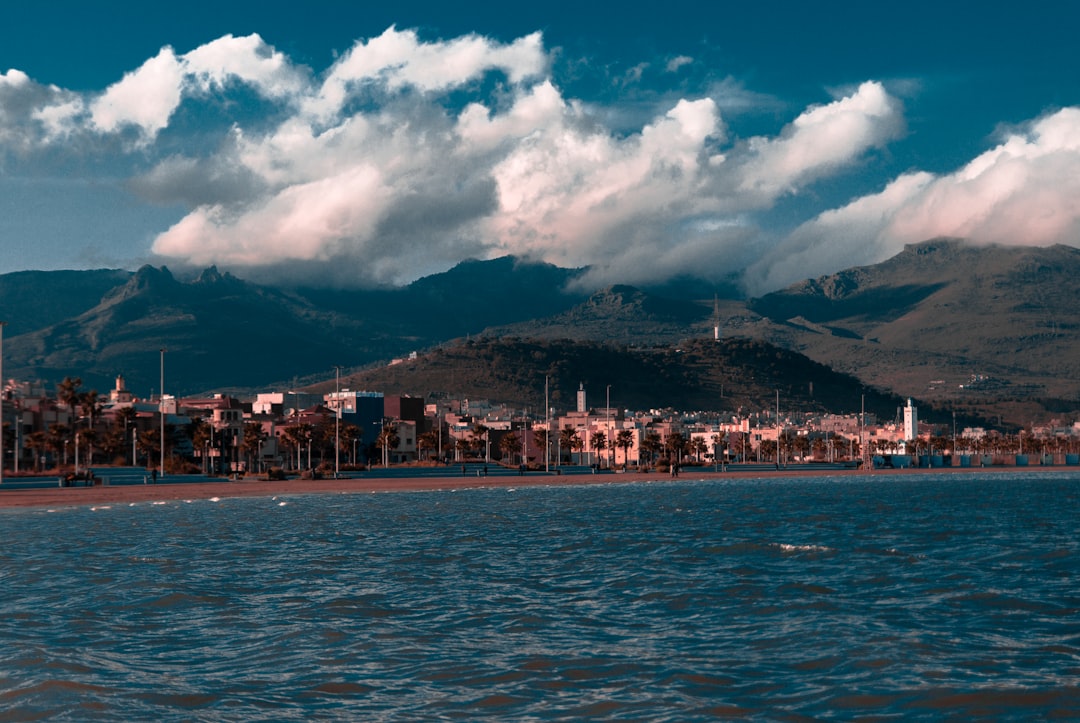
Nador is a northeastern Moroccan port city of 158,202 residents sitting at just 42 metres above sea level on the edge of the Beni Enzar lagoon, directly across from the Spanish enclave of Melilla. Founded as a modern administrative hub in the 20th century, it serves as the gateway for the Rif region and sees a surge of Moroccan diaspora returning every summer via the annual ‘Marhaba’ ferry operation from Europe. What surprised me most is how few international tourists stop here despite its strategic location between the Mediterranean coast and the dramatic Rif mountains.
Three Things Not to Miss in Nador
- Mar Chica Lagoon — A 25 km enclosed saltwater lagoon ideal for kitesurfing and birdwatching, virtually unknown outside Morocco.
- Beni Enzar Border Market — A chaotic, atmospheric cross-border trading zone where Moroccan and Spanish commerce collide daily.
- Cap des Trois Fourches — A dramatic rocky headland peninsula jutting into the Mediterranean with near-zero tourist infrastructure.
Scroll down for our complete travel guide with tips on getting there, where to stay, costs and more.
How to Reach Nador
How do I best get to Nador?
Fly directly into Nador Al Aroui Airport or take a ferry from Spain. Nador Al Aroui Airport (NDR) sits 23 km south of the city centre and receives direct flights from Paris, Brussels, Amsterdam, and several Spanish cities — mostly serving the Moroccan diaspora. My tip: Ryanair and Air Arabia Maroc both serve this route seasonally. Alternatively, cross by foot or car from Melilla via the Beni Enzar border crossing, which takes under 10 minutes on a good day. The caveat most guides skip: border queues in July and August can stretch to 4 hours, so plan crossings for early morning on weekdays.
Which airport is closest to Nador?
Nador Al Aroui Airport (NDR) is the dedicated airport, located 23 km from Nador city centre. It handles international routes primarily from France, Belgium, the Netherlands, and Spain. In my experience, the terminal is small and manageable — baggage claim rarely takes more than 20 minutes. The honest caveat: flight frequency drops dramatically outside summer, with some European routes operating only 2–3 times weekly between October and April. If you cannot find a direct flight, Oujda Angads Airport (OUD) is 170 km west and connects to more year-round international routes, with onward bus service to Nador.
How long does the journey from the airport to Nador city centre take?
From Nador Al Aroui Airport (NDR) to the city centre takes roughly 35–45 minutes by taxi. I recommend negotiating the fare before departure — expect to pay around DH 150–200 for the full taxi ride. There is no dedicated airport bus, which is the gap most guides gloss over. Grand taxis to Place du Marché in central Nador exist but require sharing with other passengers and can take longer. My tip: if you cross from Melilla, the city centre is reachable on foot or by a DH 5 local bus within 15 minutes of the border post.
Do I need a car in Nador?
For the city itself, no — Nador’s centre is compact and walkable within a 2 km radius. However, I strongly recommend hiring a car if you want to explore Cap des Trois Fourches, the Rif mountain villages, or the eastern beaches near Kariet Arkmane. Without a car, those destinations are effectively off-limits since bus connections are infrequent. Rental starts at around DH 300–400 per day from local agencies near the city centre. The trade-off: Nador’s traffic and parking are chaotic in summer, and international rental company presence is minimal — read contracts carefully at local agencies.
Nador Public Transport Explained
What are the best areas to stay in Nador?
Stay in the city centre around Avenue Mohammed V for walkability to restaurants, the corniche, and transport links. This strip concentrates the bulk of mid-range hotels and is safe to walk at night. For a quieter experience, the Corniche district along the lagoon offers a more relaxed atmosphere with views over Mar Chica. I recommend avoiding the industrial port-adjacent streets — they offer no tourist infrastructure and can feel unwelcoming after dark. Budget travellers cluster near Place du Marché, where basic guesthouses run cheaper but noise from early morning market activity is a real issue.
What does accommodation cost per night in Nador?
Budget guesthouses near Place du Marché start at DH 150–200 per night for a basic room. Mid-range hotels along Avenue Mohammed V — such as Hotel Rif — charge DH 350–550 per night and include private bathrooms and breakfast. A comfortable business-class hotel with air conditioning runs DH 700–900. In my experience, Nador offers genuinely good value compared to Fes or Marrakech for equivalent quality. The caveat: air conditioning is not universal in budget options, and summer temperatures make it a non-negotiable — always confirm before booking.
How far in advance should I book accommodation in Nador during high season?
Book at least 6–8 weeks ahead for July and August. Nador receives a massive influx of Moroccan diaspora during summer — particularly families returning from France, Spain, and Belgium — and mid-range hotels sell out entirely. What surprised me: this is not a standard tourist crowd, which means platforms like Booking.com have limited inventory compared to what exists locally. My tip: call hotels directly in late May for better rates and actual availability confirmation. Outside peak summer, 1–2 weeks advance booking is sufficient and you can often negotiate 15–20% off the listed rate.
Are there special or unique accommodation types in Nador?
Nador lacks the riads and boutique hotels that define Fes or Chefchaouen. The honest truth most travel content ignores: accommodation here is functional rather than characterful. That said, a small number of vacation apartments and beach bungalows around Kariet Arkmane on the Mar Chica lagoon offer a genuinely local experience, renting for around DH 400–600 per night in summer. These are booked almost entirely through word of mouth or Facebook groups in French and Moroccan Arabic. My tip: search “location vacances Nador” in Facebook groups for deals that do not appear on international platforms.
Neighbourhoods of Nador
What are the must-sees in Nador?
Mar Chica Lagoon is the centrepiece — a 25 km enclosed Mediterranean lagoon unique in Morocco and perfect for water sports and flamingo spotting. Cap des Trois Fourches is a wild peninsula with clifftop views across to Spain, accessible only by car along a 30 km coastal road. The Beni Enzar border market zone offers a fascinating cross-cultural trading atmosphere unlike anywhere else in Morocco. In my experience, the Nador corniche at sunset is genuinely underrated — locals promenade from around 6pm and the seafood restaurants fill up with families rather than tourists, keeping prices honest.
What can I experience for free in Nador?
The Nador corniche walkway along Mar Chica costs nothing and offers a full evening of local life. The Beni Enzar market area near the Spanish border is free to wander and genuinely fascinating — watch cross-border traders hauling goods through the checkpoint. Cap des Trois Fourches has no entrance fee; the only cost is fuel or a taxi fare. The central souk near Place du Marché is best visited on Friday mornings for maximum atmosphere. What most guides omit: the public beach at Atalayoun, just 8 km from the centre, is free and far less crowded than the better-known Moroccan resort beaches.
Which day trips are possible from Nador?
Melilla (Spain) is the obvious choice — cross the Beni Enzar border on foot in under 10 minutes on a quiet day and explore a Spanish city on African soil with free museums and a modernist old town. Al Hoceima lies 160 km west along a spectacular coastal road and is reachable in 2.5 hours by car. Saidia, Morocco’s so-called “Blue Pearl” beach resort, sits 90 km east and offers cleaner beaches. My tip: the drive to Driouch through Rif mountain villages takes only 1 hour and gives an authentic, completely tourist-free Berber market experience on Mondays.
What local specialities should I eat in Nador?
Nador’s coastal location means fresh fish dominates — order grilled sardines at any corniche restaurant for around DH 40–60 per plate, caught the same morning. Rfissa (a slow-cooked chicken dish with msemen flatbread and lentils) is the regional Rif comfort food and rarely appears on tourist menus. The Amazigh (Berber) couscous here uses lamb and dried vegetables in proportions you will not find in Marrakech. What surprised me: the Spanish influence from proximity to Melilla means good churros and café con leche are readily available near the border area for under DH 20. Skip the tourist-facing tajine restaurants near hotels — they are mediocre.
What to See in Nador
What makes Nador unique compared to other Moroccan cities?
Nador is the only Moroccan city sharing a land border with a Spanish enclave — Melilla sits literally adjacent, creating a dual-culture zone found nowhere else in the country. The Mar Chica lagoon is geographically unique in North Africa: a saltwater lagoon sealed from the open Mediterranean by a narrow sandbar, home to flamingos and an emerging kitesurfing scene. In my experience, Nador also offers a window into Rif Amazigh (Tarifit Berber) culture that feels completely unperformed — this is not a destination packaging itself for outsiders. The diaspora dynamic also means the city has strong French and Spanish linguistic layers on top of Arabic and Tarifit.
How many days are worthwhile in Nador?
2–3 full days covers Nador comfortably. Day one: explore the city centre, corniche, and the lagoon. Day two: drive to Cap des Trois Fourches and the eastern lagoon beaches. Day three: cross into Melilla for the morning and return for a long seafood lunch. Beyond three days, you are better served by pushing west to Al Hoceima or east to Saidia. The caveat for slow travellers: if you want to use Nador as a base for extended Rif mountain exploration, a 5–6 day stay makes sense with a rental car. Do not spend more than one day in the city itself without having a specific plan.
When is the best time to visit Nador?
April, May, June, and October offer the best balance of warm weather, manageable crowds, and lower prices. Based on verified climate analysis, these months consistently deliver the most favourable conditions. July and August are peak summer — hot, crowded with returning diaspora, and significantly more expensive. In my experience, May is the single best month: temperatures hover around a comfortable 22–26°C, the lagoon is calm for watersports, and accommodation is widely available. The honest trade-off: spring can bring brief Atlantic weather systems that cloud the coast for 2–3 days at a time, but these pass quickly.
Are there local festivals worth attending in Nador?
The Nador Cultural Festival, typically held in August, celebrates Amazigh Rif heritage with music, dance, and craft markets — though exact dates shift annually, so check the Commune de Nador Facebook page closer to your travel dates. Eid al-Adha transforms the city completely: streets empty in the morning then erupt with family gatherings, and almost all restaurants close for 2–3 days — a logistical issue most guides forget to mention. My tip: the Melilla Feria (typically in September) is a 5-minute border crossing away and offers a full Spanish festival experience with free outdoor concerts, completely free to attend.
Nador Food Scene
How does the weather in Nador affect activities?
Nador’s Mediterranean coastal climate means summers are hot and dry — ideal for lagoon swimming and beach days but punishing for city sightseeing between 12pm and 4pm in July and August. Spring and autumn are the sweet spots for hiking to Cap des Trois Fourches or exploring the Rif foothills. Winter brings occasional rain and cooler temperatures that make the corniche breezy rather than pleasant. The wind along the lagoon is consistent enough from April to June to make Mar Chica one of Morocco’s better kitesurfing spots — a fact almost entirely absent from mainstream travel content. Always carry water; shade is scarce outside the city centre.
How crowded does Nador get in peak season?
July and August are genuinely overwhelming. The returning Moroccan diaspora from Europe — primarily France and Spain — floods the city and surrounding beaches, with the population effectively doubling. The Beni Enzar border crossing sees queues stretching back 2–3 km on peak summer weekends. Accommodation sells out, restaurants are packed, and traffic through the city centre becomes gridlocked. In my experience, this is not a destination where peak season enhances the experience — it actively degrades it unless you are joining family here. If you visit in August, arrive before 8am for any border crossing and book a parking spot near Mar Chica in advance if driving.
How safe is Nador for travellers?
Nador is genuinely safe for tourists. Petty theft is the primary risk — pickpockets operate around the Beni Enzar border market and the central souk, so keep phones and wallets secured. The city is not on any standard high-risk travel advisory. Women travelling solo should be prepared for occasional unsolicited attention near the port and market areas — it is persistent rather than threatening, but real. The corniche and Avenue Mohammed V feel relaxed and safe at night. My tip: avoid hanging around the border area after dark, as the crowd dynamic near the checkpoint can become unpredictable during busy summer evenings.
Is English widely spoken in Nador?
English is not widely spoken in Nador — plan accordingly. The city operates primarily in Tarifit Berber (the local Rif dialect), Moroccan Darija Arabic, and French. Spanish is also common due to proximity to Melilla. In my experience, French gets you surprisingly far even in markets and smaller restaurants. I recommend downloading the Google Translate offline pack for Arabic and French before arrival — it is essential for reading menus and street signs. Hotel staff at mid-range properties along Avenue Mohammed V typically manage basic French and occasional Spanish. Do not expect English-language menus outside a handful of tourist-facing spots.
Local Know-How for Nador
What is a realistic daily budget for Nador?
A budget traveller spending carefully can manage on DH 250–350 per day — covering a basic guesthouse, street food, and local transport. A comfortable mid-range day including a decent hotel, sit-down meals, and a taxi excursion runs DH 600–900. A splurge day with the best hotel available, car hire, and a seafood dinner on the corniche tops out around DH 1,400. What most budget guides omit: the Melilla day trip costs almost nothing from Nador but tempts you to spend euros in Spanish shops — factor in a €30–50 buffer if you cross the border. Food is the best value here — a full grilled fish lunch with bread costs DH 60–80.
How does public transport work in Nador?
Within the city, petits taxis (small red taxis) are the primary option, with fares starting at DH 7 for a metered short trip. They are abundant and honest about using the meter in my experience. Local buses connect the city centre to Beni Enzar and Atalayoun beach for DH 4–5. For regional travel, CTM and Supratours buses connect Nador to Oujda in approximately 3 hours for DH 75–90 and to Al Hoceima in around 3.5 hours. The honest caveat: intercity bus schedules are infrequent — typically 2–3 departures daily — so check the CTM website the evening before and book online to guarantee a seat in summer.
Which apps do you recommend for visiting Nador?
Google Maps works well for navigation in Nador — offline maps are essential since data coverage is patchy near Cap des Trois Fourches. Download Maps.me as a backup with offline Moroccan maps. Google Translate with Arabic and French offline packs is non-negotiable. For transport, the CTM app lets you book intercity buses without queuing. WhatsApp is how virtually all local businesses — guesthouses, car rental agencies, restaurants — communicate, so have it ready. My tip: the XE Currency app for tracking the DH to EUR exchange rate is useful given the diaspora-driven cash economy and the fact that you will likely be exchanging euros brought from Europe.
Nador at a Glance
| Population | 158,202 |
|---|---|
| Currency | Moroccan dirham (DH) |
| Official language | Arabic, Standard Moroccan Tamazight |
| Time zone | UTC+01:00 |
Source: Wikidata, retrieved September 2026.
Morocco › Nador
More Destinations in Morocco
Essential Resources for Planning Your Trip to Nador
- Travel info – Getting around Morocco — official visitor information, passes & events
- Wikipedia: Nador — history, geography & background
- Wikivoyage: Nador — community travel guide & practical tips
- Morocco Travel 2026 – Lonely Planet | Africa — expert itineraries & travel inspiration
- THE 15 BEST Things to Do in Nador (2026) — hotels, restaurants & traveller reviews
- Travel info – Getting around Morocco — how to get around
- Numbeo: Cost of Living in Nador — current prices & cost comparison
- Timeanddate: Nador Weather & Climate — forecasts & climate statistics
More Perspectives on Nador
- Nador Travel Guide: Things to Do, What to Eat, and Our …
- What to do While in Nador
- Nador, Morocco (Safe to go?) Travel with Wendy
Nador Travel Videos
Watch these videos for a visual preview before your trip:
- 2026: What to do in Nador city, Morocco?
- WALKING TOUR IN NADOR CITY | 2025 | EXPLORE MOROCCO | VIDEO WALK ULTRA HD – 4K – WEYO TRIPPER 🇲🇦
- Our First Day in Nador Morocco 🇲🇦Pleasantly Surprised!
Nador Travel Discussions on Reddit
Real traveller experiences and community advice:
- What is Nador like? : r/Morocco
- Business trip in Nador : r/Morocco
- What do you think of Nador? : r/Morocco
Data Sources
This page was compiled using data from Wikipedia, Wikidata, Open-Meteo (climate), Numbeo (cost of living) and REST Countries. Information is updated regularly.