
Palermo: The Complete Travel Guide (2026)
Last reviewed: September 2026 · key facts checked against Wikidata
Palermo Travel Guide: Everything You Need to Know (2026)
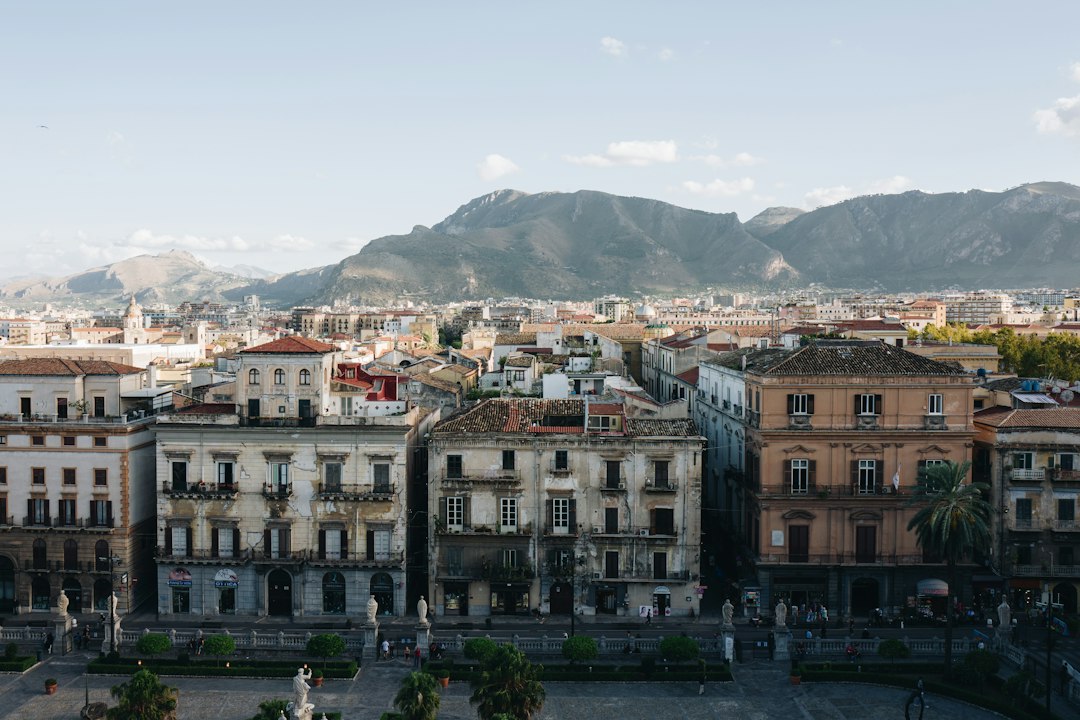
Palermo is Sicily’s capital and beating heart, home to 630,167 residents and founded roughly 2,700 years ago by Phoenician traders. Sitting just 14 metres above sea level on a stunning gulf facing the Tyrrhenian Sea, it packs Arab-Norman cathedrals, raucous street markets and some of Italy’s most underrated cuisine into a compact, walkable centre. What surprised me most: this is a major Mediterranean city that still feels genuinely local, not yet swamped by the mass tourism reshaping Naples or Florence.
Three Things Not to Miss in Palermo
- Mercato di Ballarò — Palermo’s oldest street market, running daily since Arab rule, sells everything from swordfish heads to €1 arancine in a single chaotic block.
- Cappella Palatina — A 12th-century royal chapel fusing Byzantine mosaics, Arab muqarnas ceilings and Norman arches into one breathtaking 30-metre interior.
- Cattedrale di Palermo — An 850-year-old cathedral whose exterior blends Gothic, Arab and Baroque layers into Sicily’s most architecturally layered single building.
Scroll down for our complete travel guide with tips on getting there, where to stay, costs and more.
How to Reach Palermo
How do I get to Palermo?
Fly directly into Palermo or take a train and ferry combination from mainland Italy. In my experience, flying is the fastest option — Falcone-Borsellino Airport (PMO) receives direct routes from most major European hubs including London Gatwick, Frankfurt and Amsterdam. Budget carriers like Ryanair and Wizair make fares competitive. Alternatively, Trenitalia runs overnight trains from Rome to Villa San Giovanni, where you board a ferry to Messina, then connect by regional train to Palermo — a scenic but 9-hour-plus journey. I recommend flying unless you specifically want the coastal rail experience. Ferry-only crossings from Genoa or Naples via Grandi Navi Veloci take around 20 hours but are surprisingly comfortable if you book a cabin.
Which airport is closest to Palermo?
Falcone-Borsellino Airport (PMO), also called Punta Raisi, is Palermo’s only commercial airport and sits 31 km west of the city centre near Cinisi. It handles both international and domestic flights. My tip: avoid the taxi rank unless you confirm a fixed fare upfront — licensed taxis charge a fixed €35 from the airport to the historic centre, which is fair. The caveat most guides skip: the airport is small and baggage reclaim can back up badly during peak summer arrivals. Allow extra time if you have a connecting transfer. A second option technically exists via Trapani Birgi Airport (TPS), 90 km away, which Ryanair uses seasonally — only worth it if the fare difference exceeds €40 after factoring in the longer bus transfer.
How long does the journey from the airport to central Palermo take?
By Trinacria Express train, the journey takes exactly 45 minutes and costs €5.90 — the smartest option in my experience. Trains run roughly hourly from the airport halt directly to Palermo Centrale station, dropping you walkable distance from most accommodation in the historic centre. By taxi with the fixed-rate fare of €35, the ride takes 30–45 minutes depending on traffic on the A29 motorway. The honest warning: midday in July and August, motorway congestion can push a taxi ride to 60 minutes while the train stays on schedule. Avoid the unlicensed shuttle vans that approach arrivals — they frequently overcharge and have no fixed stops.
Do I need a car to explore Palermo?
No — for Palermo city itself, a car is a liability, not an asset. The historic centre is dense, chaotic and riddled with ZTL restricted zones that auto-fine rental cars. In my experience, walking covers 90% of the key sights within a 3 km radius of Quattro Canti. Public buses (AMAT lines) handle the remaining gaps for €1.40 per ride. The honest trade-off: if you plan day trips to Monreale, Cefalù or the Segesta temples, renting a car for one or two specific days makes sense. Weekly rental rates from Hertz at PMO airport start around €180 for a compact, but book at least 3 weeks ahead in summer or prices double.
Palermo Public Transport Explained
What are the best areas to stay in Palermo?
I recommend basing yourself in the historic centre, specifically the Kalsa district or near Via Maqueda for the best balance of atmosphere and access. Kalsa sits closest to the waterfront and Ballarò market, with a mix of boutique B&Bs and restored palazzo apartments. Mondello, Palermo’s beach suburb 11 km north, suits families wanting sand access but adds commute time to sights. Viale della Libertà, the 19th-century boulevard district north of centre, is quieter and safer at night but loses the gritty charm that makes Palermo special. Avoid booking anything labelled ‘near the port’ without reading reviews — the La Cala marina area is fine by day but poorly lit at night.
What does accommodation cost per night in Palermo?
Economy hotels and basic B&Bs average €50 per night based on verified Numbeo data — genuinely good value for a European capital city. In my experience, that €50 bracket in Palermo gets you a clean en-suite room with air conditioning in the historic centre, something that would cost €90–120 in Rome. Mid-range boutique hotels in restored Baroque palazzi — my personal preference — run €80–130 per night. The honest caveat: budget accommodation in Palermo sometimes means thin walls, street noise from Vespas at 1am and steep stairways with no lift. Always filter for ‘air conditioning’ specifically — summer without it is brutal. Airbnb apartments in Kalsa offer excellent value at €60–90 for a full apartment.
How far in advance should I book accommodation in Palermo during high season?
Book at least 6–8 weeks ahead for July and August. In my experience, anything decent under €80 in the historic centre disappears within days of going live during summer. The annual Festino di Santa Rosalia on 15 July is a particular pinch point — the city fills entirely and prices spike 30–40% for that weekend. For the shoulder months of October and April, booking 2–3 weeks ahead is sufficient and you will find last-minute deals. My tip: use Booking.com for its free cancellation options, then check the hotel directly — some smaller Palermo B&Bs offer a 5–10% discount for direct payment in cash on arrival, which they will mention only if you email and ask.
Are there special or unique accommodation types in Palermo?
Palermo’s standout unique accommodation category is the palazzo apartment — 17th and 18th-century aristocratic townhouses subdivided into atmospheric flats with original frescoed ceilings, marble floors and internal courtyards. I stayed in one near Piazza Bellini for €85 per night and it was the single best accommodation decision of my Sicily trip. Several religious institutions also offer monastic guesthouse rooms — the Monastero di Santa Caterina near Quattro Canti offers simple, clean rooms for around €55. The honest warning: Sicilian palazzi are beautiful but maintenance varies wildly. Read recent reviews specifically mentioning hot water and Wi-Fi — Instagram aesthetics sometimes mask infrastructure that hasn’t been updated since the 1990s.
Neighbourhoods of Palermo
What are the must-see sights in Palermo?
Three sights are non-negotiable in my experience. First, Cappella Palatina inside the Norman Palace — a 12th-century royal chapel that is the greatest single room in Sicily, combining Byzantine gold mosaics, Arab stalactite ceilings and Norman columns in a space barely 30 metres long. Entry costs €12. Second, Mercato di Ballarò — Palermo’s oldest and most chaotic daily street market, alive from 7am, where buying a €1.50 pane ca’ meusa (spleen sandwich) is compulsory. Third, the Catacombe dei Cappuccini — 8,000 mummified bodies displayed in underground corridors, genuinely unlike anything else in Europe. Entry is €3 and the experience stays with you permanently.
What can I experience for free in Palermo?
More than almost any Italian city of comparable size. The exterior of the Cattedrale di Palermo costs nothing and rewards a full hour of architectural study. Piazza Pretoria, centred on a 16th-century Florentine fountain nicknamed the ‘Fountain of Shame’ by locals, is free and perpetually photogenic. All three historic street markets — Ballarò, Vucciria and Capo — are free to wander. In my experience, simply walking from Quattro Canti down Via Maqueda to the sea, then looping back through Kalsa, takes 3 hours and delivers more genuine urban spectacle than many paid attractions in Rome. The Orto Botanico botanical garden charges €6, but its riverside perimeter walk is free.
Which day trips from Palermo are most worthwhile?
Monreale is the most essential day trip — 8 km southwest of Palermo, its cathedral contains the world’s largest Byzantine mosaic cycle, covering 6,000 square metres of gold-ground interior. Bus 389 from Piazza Indipendenza runs there for €1.40 and takes 30 minutes. Cefalù, 70 km east by regional train (€6.40, 45 minutes), pairs a Norman cathedral with a genuinely beautiful beach town. My honest trade-off: Cefalù in July is overcrowded — go in October when the water is still warm at 22°C and the streets are breathable. Segesta’s Greek temple (70 km west, best by car or organised tour) is spectacular in isolation but difficult without your own transport.
What are the local specialities I must try in Palermo?
Palermo has one of Italy’s most distinctive and proudest street food cultures. Arancine (Palermitan dialect spells it without the final ‘o’) — saffron rice balls stuffed with ragù or butter and ham, fried to order — cost €1.50–2 each and are everywhere. Pane ca’ meusa (beef spleen sandwich) is the city’s culinary signature, eaten standing at a market stall for €2.50. Pasta con le sarde — bucatini with fresh sardines, wild fennel, pine nuts and raisins — is the essential sit-down dish. For dessert, cannoli from Pasticceria Alba on Piazza Don Bosco are a specific personal recommendation — the shells are fried to order and filled in front of you. Do not accept pre-filled cannoli anywhere.
What to See in Palermo
What makes Palermo unique compared to other Italian cities?
Palermo’s 2,700-year layering of Phoenician, Greek, Roman, Arab, Norman, Spanish and Italian cultures produces an architectural and culinary identity found absolutely nowhere else in Italy. What surprised me most: the Arab-Norman UNESCO sites — a civilisation that briefly made Palermo the most cosmopolitan city in 12th-century Europe — are so distinct from anything on the mainland that comparisons to Florence or Rome become meaningless. The city also maintains a genuinely ungentrified street energy; Ballarò market operates the same way it did under Arab rulers, with vendors shouting in a Sicilian dialect so distinct from standard Italian that mainland Italians sometimes struggle to follow. It is a city that refuses to perform for tourists, which is exactly its greatest quality.
How many days do I need in Palermo?
3 full days cover the city properly; 4–5 days allow day trips without feeling rushed. In my experience, Day 1 belongs entirely to the historic centre — Norman Palace, Ballarò market, Quattro Canti, Vucciria. Day 2: Catacombe dei Cappuccini in the morning, afternoon at Mondello beach (11 km north, €1.40 by bus). Day 3: day trip to Monreale and Cefalù. The honest caveat: Palermo rewards slow walking and spontaneous detours far more than checklist tourism. If you rush it in 2 days, you will miss the neighbourhood rhythm that makes it memorable. One week is not excessive if you use it as a base for exploring western Sicily, including Agrigento’s Valley of the Temples (130 km south).
When is the best time to visit Palermo?
October is my top recommendation based on verified climate analysis, followed by August if you specifically want beach days. October delivers warm temperatures around 22–24°C, post-summer crowd levels, and the harvest season that puts the best produce in restaurants. The sea stays swimmable at 23°C through late October. August is technically peak season but Palermitans themselves celebrate it enthusiastically — the Festino di Santa Rosalia on 15 July is actually worth the crowds if you plan ahead. My honest warning: June through August means daytime temperatures regularly hitting 34–38°C in the city — the stone streets radiate heat and sightseeing after 11am becomes genuinely exhausting. April and May are beautiful but room prices are rising as word spreads.
Are there local festivals in Palermo worth planning a trip around?
Festino di Santa Rosalia on 15 July is Palermo’s most important annual event and one of the largest religious festivals in Europe — a 4-hour nocturnal procession carries a giant float of the city’s patron saint through the historic centre to the sea, accompanied by fireworks, street food and an estimated 1 million participants. I attended in 2019 and it was genuinely overwhelming in the best possible sense. Ballarò Buskers, held each October, fills the market streets with free street performance over a long weekend. The Festino caveat: book accommodation 4–6 months ahead for 14–16 July — this is non-negotiable. Prices for a standard double room near the centre triple during that weekend.
Palermo Food Scene
How does Palermo’s weather affect what activities I can do?
Palermo’s Mediterranean climate creates two distinct activity windows. November through March, with temperatures averaging 10–15°C, is ideal for museum and market exploration — Cappella Palatina and the catacombs without summer queues, market food without the flies, no need for early starts to beat the heat. Summer is beach and evening culture: Mondello beach becomes a proper resort scene from June, and Palermo’s street life shifts entirely to after 7pm when the temperature drops to bearable. The honest trade-off: winter rain can be heavy and sudden — November and December see the wettest periods, and some smaller churches keep irregular hours. Carrying a compact umbrella is essential October through March. Outdoor dining, which is Palermo at its best, runs reliably from April through October.
How crowded does Palermo get in peak season?
Palermo gets busy but never reaches the suffocating density of Venice or Cinque Terre. In July and August, the Cappella Palatina queues run 45–60 minutes without pre-booked tickets, and Mondello beach is shoulder-to-shoulder on weekends. The city’s size — 630,167 residents in a dense urban sprawl — means tourists are absorbed into genuine street life rather than dominating it. My tip: the Catacombe dei Cappuccini and Oratorio di Santa Cita rarely have queues even in August, making them reliable hot-weather refuges. What most guides omit: Palermo’s airport handles summer volumes poorly — arrive 2.5 hours before departure in July and August, not the standard 2, because security lines can take 45 minutes alone.
How safe is Palermo for travellers?
Palermo is safe for tourists by any practical standard. Violent crime against visitors is extremely rare. The honest picture: petty theft and scooter bag-snatching are genuine risks in the Ballarò and Vucciria market areas and along Via Roma — use a crossbody bag worn across the chest, not a backpack, and keep your phone in your front pocket. In my experience, being alert in markets eliminates 95% of the risk. The Albergheria district around Ballarò feels rough visually but is not dangerous — it is simply un-gentrified. Avoid displaying expensive camera equipment conspicuously late at night near Piazza Garibaldi. Palermo’s reputation as a ‘mafia city’ has no practical relevance to tourist safety whatsoever — it is a city that prioritises hospitality as a point of local pride.
Is English widely spoken in Palermo?
Less so than in Rome or Milan — be prepared to engage Italian basics. In hotels, airports and tourist-facing restaurants in the historic centre, English is functional. At Ballarò market, in neighbourhood bars, and in smaller trattorias, Italian is the working language and staff will appreciate any attempt at basic phrases. In my experience, even broken Italian — ’Uno arancina, per favore’ — generates a warmth and helpfulness that English-only requests do not. The caveat: Sicilian dialect is genuinely a separate linguistic layer from Italian, and some older Palermitans speak a version that even native Italians struggle with. Download Google Translate with the Italian offline pack before arriving — the camera translation feature is genuinely useful for menus.
Local Know-How for Palermo
What is the daily budget for travelling in Palermo?
A realistic mid-range daily budget runs €80–110 per person including accommodation, meals and one paid sight. Breaking it down: €50 for a basic hotel room (Numbeo verified), €15–20 on food (street lunch at Ballarò plus a sit-down dinner), €5–10 on transport and entry fees. Budget travellers using hostels (€18–25 per dorm bed) and eating exclusively street food can manage €45–55 per day. The honest extra: aperitivo culture in Palermo means a €5–7 Aperol Spritz often comes with a spread of free snacks that substitutes for dinner — I used this trick regularly at bars on Piazza Olivella and ate well for almost nothing. Budget for €35 taxi from the airport as a fixed unavoidable cost on arrival day.
How does Palermo’s public transport system work?
AMAT buses cover the entire city with a single-ride ticket costing €1.40, valid for 90 minutes with transfers. A daily pass costs €3.50 and is worth buying if you plan more than 3 rides. In my experience, the bus system is functional but erratic — arrivals display on the Moovit app (download before arriving) but real-time accuracy drops in heavy traffic. The Trinacria Express train (€5.90) connects the airport to Palermo Centrale — the most reliable transport link in the network. Taxis are metered within the city; a cross-centre ride costs €8–12. My honest assessment: for the historic centre, walking beats every transport option. The sights cluster within 1.5 km of each other, and the chaotic Palermo streetscape is best experienced on foot.
Which apps do you recommend for visiting Palermo?
Four apps genuinely earn their space on your phone in Palermo. Moovit — real-time AMAT bus tracking; without it you are guessing at stop timing. Google Maps — reliable for walking navigation in the historic centre, though some small alley shortcuts are unmapped. Trenitalia — essential for booking day-trip trains to Cefalù and regional connections; buy tickets in-app to avoid ticket-office queues at Palermo Centrale. Google Translate with the Italian offline pack and camera mode — indispensable for menus in non-tourist trattorias. My honest addition: download TripAdvisor specifically for the Palermo restaurant filter set to ‘local cuisine’ — it surfaces places like Trattoria Ai Cascinari in the Borgo Vecchio neighbourhood that mainstream travel content consistently overlooks.
Palermo at a Glance
| Population | 630,167 |
|---|---|
| Currency | EUR (€) |
| Official language | Italian |
| Time zone | Europe/Rome |
Source: Wikidata, retrieved September 2026.
Italy › Palermo
More Destinations in Sicily
More Destinations in Italy
Related Travel Guides
Essential Resources for Planning Your Trip to Palermo
- Wikipedia: Palermo — history, geography & background
- Wikivoyage: Palermo — community travel guide & practical tips
- Palermo travel – Lonely Planet | Italy, Europe — expert itineraries & travel inspiration
- THE 15 BEST Things to Do in Palermo (2026) — hotels, restaurants & traveller reviews
- Palermo City ➝ Palermo Airport — how to get around
- Numbeo: Cost of Living in Palermo — current prices & cost comparison
- Timeanddate: Palermo Weather & Climate — forecasts & climate statistics
More Perspectives on Palermo
- 13 Wonderful Things to Do in Palermo, Italy | A City Break …
- Palermo Tourist Information: 22 Things to Know (Honest …
- I am planning a trip to Palermo and would like to request …
Palermo Travel Videos
Watch these videos for a visual preview before your trip:
- Palermo, Sicily bucket list: 10 best things to see & do on a day trip to Palermo
- How to Spend 3 Days in PALERMO Italy | Travel Itinerary
- Palermo, Sicily: Complicated History – Rick Steves’ Europe Travel Guide – Travel Bite
Palermo Travel Discussions on Reddit
Real traveller experiences and community advice:
- Visited Palermo, Sicily. Didn’t like it at all. : r/ItalyTravel
- My tips for other tourists after spending 5 days in Palermo
- Trip to Palermo : r/sicily
Data Sources
This page was compiled using data from Wikipedia, Wikidata, Open-Meteo (climate), Numbeo (cost of living) and REST Countries. Information is updated regularly.