
Peru: The Complete Travel Guide (2026)
Last reviewed: August 2026 · key facts checked against Wikidata
Peru Travel Guide: Everything You Need to Know (2026)
Peru, home to 9.9 million people, spans three dramatic ecosystems — Pacific coast, Andean highlands topping 6,768m at Huascarán, and Amazon jungle covering 60% of the country. Founded as a Spanish viceroyalty in 1542 on the ruins of the Inca Empire, it remains South America’s most historically layered destination. The best months to visit are April, October, November, and December, when you dodge both peak crowds and the worst of the rainy season.
Top 3 Highlights at a Glance
- Machu Picchu — A 15th-century Inca citadel at 2,430m — the most iconic archaeological site in the Western Hemisphere.
- Lake Titicaca — The world’s highest navigable lake at 3,812m, home to the floating Uros reed islands still inhabited today.
- Amazon Basin from Iquitos — The world’s largest tropical rainforest, accessible only by boat or plane — zero roads connect Iquitos to Peru’s highway network.
Scroll down for our complete travel guide with tips on getting there, where to stay, costs and more.
Getting There & Transport
Which airports are the best entry points into Peru?
Lima’s Jorge Chávez International Airport (LIM) is the primary entry point for Peru — it handles 95% of international arrivals. In my experience, flying into LIM and then taking a domestic connection is the most efficient strategy. Alejandro Velasco Astete Airport (CUZ) in Cusco is your second-best entry point if you’re flying from a hub like Bogotá or Miami with a Cusco stop. Iquitos (IQT) serves the Amazon but has no direct international flights. One honest warning: Lima’s airport has a chronic problem with taxi scams outside the arrivals terminal — always pre-book through the official taxi booth inside arrivals.
How do I get from the airport to my first accommodation in Peru?
Use the official taxi counters inside Jorge Chávez Airport — fares to Miraflores (the safest tourist district) are fixed at approximately S/65–80 (USD 17–21). The ride takes 35–60 minutes depending on Lima traffic, which can be brutal during rush hour (7–9am, 5–8pm). My tip: book Taxi Green or CMV Taxis directly at the counter — never accept a driver who approaches you in the terminal hall. There is no metro or train from LIM to the city. Airportexpress Lima (shared shuttle) costs around S/35 and drops to Miraflores hotels — slower but cheaper. Warning: Uber operates here but surge pricing near the airport is common.
What transport options are there within Peru?
Domestic flights are the smartest option for long distances — LATAM, Sky Airline, and StarPerú connect Lima to Cusco (1h 20min, from USD 45), Arequipa, and Iquitos. For the Lima–Cusco route, flying beats a 22-hour bus ride every time. Buses are the budget backbone: Cruz del Sur and Oltursa run comfortable, modern coaches with flat-bed seats on routes like Lima–Arequipa (16h, from S/120). The PeruRail and Inca Rail trains run Cusco–Aguas Calientes (for Machu Picchu) at around USD 70–150 return. What surprised me: Peru has no national passenger rail network beyond this tourist route — intercity buses are the real infrastructure.
Do I need a rental car in Peru?
For most Peru itineraries, no — skip the rental car. In my experience, Lima’s traffic is genuinely dangerous for unfamiliar drivers, Cusco’s streets are narrow and chaotic, and mountain roads between cities like Abancay and Andahuaylaillas have sheer drops and no guardrails. Buses and domestic flights cover all major tourist routes. However, renting a car is worthwhile specifically for the Colca Canyon region from Arequipa or exploring the Paracas coast and Huacachina independently. If you do rent, expect to pay around USD 45–80/day through Avis or Hertz at LIM airport. The honest caveat: international driving permits are technically required and rarely checked — until they are.
How good is the public transport network between regions of Peru?
It is functional but uneven — adequate for major tourist corridors, poor for remote areas. The Lima–Cusco–Puno–Arequipa circuit is well-served by reliable long-distance buses (Cruz del Sur, Oltursa) and domestic flights. The Panamericana Highway along the coast is fast and well-maintained. However, connections to the Amazon (Iquitos, Puerto Maldonado) require flying — there are literally no roads into Iquitos. Rural highlands like Chachapoyas or Kuelap involve 8–12 hour bus rides on mountain roads. My tip: use Rome2Rio to map routes in advance, then book buses directly through operator websites. Warning: budget bus companies skip safety standards — stick to Cruz del Sur for overnight routes.
Accommodation
Which regions of Peru should I stay in?
Miraflores or Barranco in Lima for your arrival — safest, best restaurants, walkable. Cusco’s Centro Histórico (around Plaza de Armas) for Inca and colonial immersion. Aguas Calientes only if you need an early-morning Machu Picchu slot — it’s a tourist trap town but strategically necessary. Arequipa’s Centro Histórico is underrated and gives access to Colca Canyon. For Amazon experiences, Puerto Maldonado beats Iquitos for accessibility and wildlife density at Tambopata National Reserve. What surprised me: Barranco in Lima has a genuine bohemian scene with far cheaper guesthouses than Miraflores — USD 30–50/night for solid rooms versus Miraflores’s USD 80+.
What does good accommodation cost per night in Peru?
In my experience, USD 60–120/night buys you a genuinely comfortable midrange hotel in most Peruvian cities. In Miraflores, Lima, expect USD 80–130 for a clean 3-star with breakfast. Cusco runs slightly cheaper — good boutique hotels in the San Blas neighborhood cost USD 55–90. Budget hostels start at USD 12–20/dormitory bed in Cusco and Aguas Calientes. Luxury lodges in the Amazon (Inkaterra Reserva Amazónica) jump to USD 300–600/night, which includes guided excursions. The caveat most guides omit: Aguas Calientes charges a premium for its captive audience — a basic double easily costs USD 80–120 with zero value compared to Cusco for the same price.
When should I book hotels in Peru — how far in advance?
Book at least 3–4 months ahead for June and July (Peru’s absolute peak season). For Machu Picchu specifically, entry tickets are capped and sell out — book the Machu Picchu entry permit on the official machupicchu.gob.pe website 6 months in advance for peak dates. For travel in April, October, or November (shoulder season), 4–6 weeks ahead is usually sufficient. The honest warning most guides skip: Inca Trail permits (500 people/day) sell out within hours of opening in January for the upcoming dry season — if this is your priority, set a calendar reminder and book the exact release date. Aguas Calientes hotels sell out faster than Cusco because the town is small.
When is the best time to travel to Peru?
The best months for Peru are April, October, November, and December — confirmed by 5-year climate analysis. This gives you dry or transitional weather across both the highlands and coast. May through September is the traditional dry season in the Andes and peak tourist season — spectacular clear skies but crowded trails and higher prices. June–August is Inca Trail high season with maximum visitor pressure. My recommendation: late April or October is the sweet spot — the landscape is lush after rains, crowds are thinner, and prices drop 15–25%. Warning: the Amazon has its own rhythm — October to April is high water season, which actually improves wildlife viewing on river excursions.
How does peak season affect prices in Peru?
June through August inflates costs by 20–40% across the board. Machu Picchu entry tickets hit their daily cap (4,500 visitors) — unavailable unless booked months ahead. Cusco hotels charge peak supplements, and PeruRail tickets to Aguas Calientes can jump from USD 70 to USD 150+ return. Domestic flights on the Lima–Cusco route spike to USD 120–200 compared to shoulder-season lows of USD 45–70. What surprised me: Lima itself sees almost no peak season pricing variation — it’s a year-round business hub and its coastal desert climate changes little. The honest trade-off: traveling in July guarantees dry Andes weather but means sharing the Sun Gate at Machu Picchu with thousands of other hikers.
Best Time to Visit
Which regions of Peru have different climate zones?
Peru has three distinct zones. The Coast (Costa): arid desert stretching from Tumbes south to Tacna — Lima averages only 8–12mm of rain annually, making it one of the driest capitals on earth. The Andes (Sierra): dry season May–October, rainy season November–April, temperatures dropping to -10°C at altitude (Cusco sits at 3,400m). The Amazon (Selva): hot and humid year-round, 25–35°C with 2,000–3,000mm of annual rainfall — high water from December to May, low water June to November. In my experience, travelers massively underestimate the cold in Cusco at night even in July — bring a serious jacket regardless of season.
What are the rainy seasons in Peru?
November through March is the rainy season in the Peruvian Andes — the Inca Trail closes entirely in February for maintenance. Rainfall in Cusco during January averages 150mm, making trail conditions muddy and some sites inaccessible. The Amazon receives heavy rain from December to April but this is actually the best time to spot wildlife from a boat as animals concentrate near flooded forests. Lima’s coast has virtually no rain year-round — its infamous garúa (sea fog from June to October) brings grey skies without actual rain. My honest caveat: February in the highlands is genuinely miserable for hiking — but the landscape is dramatically green and tourist numbers drop to their annual low, cutting prices significantly.
What does a trip to Peru cost per person per day?
Budget travelers in Peru can manage on USD 35–50/day (hostel dorm, local buses, set-lunch menus at S/15–20). Midrange travelers spending on private rooms, domestic flights, and guided tours should budget USD 100–160/day. Luxury travelers including high-end lodges and Inca Trail packages should plan for USD 300–500/day. The Machu Picchu circuit alone — train, entry ticket, and one night in Aguas Calientes — costs a minimum of USD 120–180 per person regardless of your overall budget level. What most guides omit: guided Amazon lodge packages (Tambopata Research Center, 4 nights) run USD 800–1,200 all-inclusive, which is genuinely good value given the remoteness and expertise involved.
How expensive is food in Peru?
Food in Peru is exceptional value at the local level. A menú del día (set lunch with soup, main, and drink) at a local restaurant in Cusco or Lima costs S/12–20 (USD 3–5). A sit-down meal at a mid-tier restaurant in Miraflores runs S/45–90 per person. World-class dining at Central or Maido in Lima — both in the global top 10 — costs around USD 150–200 per person for the tasting menu. Street food like anticuchos (beef heart skewers) runs S/4–6. What surprised me: Peruvian cuisine is genuinely one of the world’s great food cultures — skipping Lima’s restaurant scene to save money is a serious traveler mistake.
What hidden costs should I expect in Peru?
Entrance fees stack up fast in Peru’s archaeology circuit. The Cusco Tourist Ticket (Boleto Turístico) costs S/130 (USD 34) and covers 16 sites — but excludes Machu Picchu, which costs an additional S/152 (USD 40) for the basic entry. Machu Picchu Mountain add-on is another S/70. Inca Trail permits are USD 600–800 for guided 4-day treks including the permit fee. Tipping guides is expected — USD 5–10/day per guide is standard. Airport departure taxes are often included in tickets but verify. The honest warning: tourist-targeted ATMs in Cusco charge USD 8–12 per withdrawal — withdraw larger amounts at BCP or Interbank branches where fees are lower.
Budget & Costs
How much cash should I bring to Peru?
Bring USD 200–300 in small bills as backup and rely on Peruvian soles (PEN) withdrawn from local ATMs. The sole is the operating currency — USD is accepted at major hotels and some tourist businesses but at poor exchange rates. BCP and Interbank ATMs in Lima and Cusco are the most reliable, with fees around S/10–15 (USD 3–4) per withdrawal. Daily cash limit is typically S/700 (USD 185) per transaction. My tip: exchange USD to soles at cambistas (money changers) in Miraflores around Parque Kennedy — they offer better rates than airport exchange desks. Warning: counterfeit soles exist — always count change and avoid very large bills (S/200) at small vendors.
Which credit cards are accepted in Peru?
Visa is the most widely accepted card in Peru, followed by Mastercard. American Express works at upscale hotels and restaurants in Lima but fails at most provincial businesses. In Cusco’s San Blas artisan shops and local markets, cash is king — expect no card terminals. In Miraflores and San Isidro (Lima), nearly all restaurants and shops accept cards. The honest warning: a foreign transaction fee of 3–5% applies on most international cards, plus Peru’s banks sometimes add a currency conversion surcharge. I recommend getting a Wise or Revolut debit card before traveling — zero foreign transaction fees and mid-market exchange rates save USD 15–30 on a typical week compared to standard bank cards.
Which regions of Peru must I not miss?
Do not skip these four zones. First, Cusco and the Sacred Valley — the Inca heartland, essential regardless of itinerary length. Second, Lima’s Miraflores and Barranco districts — underestimated by travelers who treat it as a transit stop, but home to world-class cuisine and pre-Inca ruins at Huaca Pucllana (within the city). Third, Arequipa and Colca Canyon — the canyon is 3,400m deep, twice the Grand Canyon, and largely tourist-free outside the main Cruz del Cóndor viewpoint. Fourth, the Amazon Basin — either Puerto Maldonado (Tambopata) or Iquitos. What surprised me: the Chachapoyas and Kuelap fortress region in northern Peru is archaeologically as significant as Cusco, with virtually none of the crowds.
What are the tourist highlights of Peru?
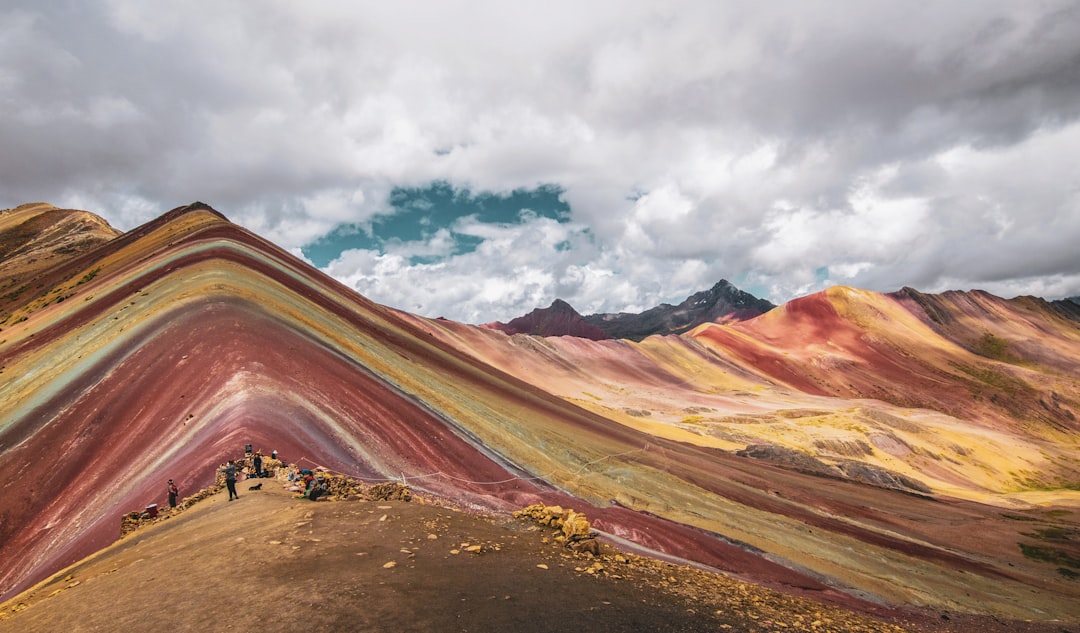
Machu Picchu tops every list — a 15th-century Inca citadel at 2,430m that genuinely lives up to its reputation. Lake Titicaca and the floating Uros Islands near Puno offer a completely unique cultural experience. Colca Canyon for condor sightings at Cruz del Cóndor viewpoint (best at 7–9am). The Nazca Lines — giant geoglyphs visible only from the air, a 30-minute flight from Ica. The Amazon at Tambopata for macaw clay licks and wildlife density. Lima’s food scene is a legitimate world highlight — Central restaurant ranked #1 globally in 2023. Rainbow Mountain (Vinicunca) at 5,200m for dramatic Andean scenery, though the hike is genuinely punishing at altitude.
What experiences in Peru are found nowhere else on earth?
Three experiences are truly unreplicable. First, the Inca Trail to Machu Picchu — a 4-day, 43km trek through cloud forest, Inca ruins, and mountain passes above 4,200m — no other route combines archaeology and wilderness like this. Second, staying overnight on the Uros Floating Islands on Lake Titicaca — communities built entirely on totora reeds, at the world’s highest navigable lake (3,812m), with host-family homestays. Third, the Amazon’s Colpa de Guacamayos (Macaw Clay Lick) in Tambopata — hundreds of scarlet macaws descending on a riverbank cliff at dawn to eat mineral clay — a David Attenborough scene you can witness for real. In my experience, nothing in any other destination matches this combination.
Regions & Highlights
Which areas of Peru are overcrowded — and what are the quieter alternatives?
Machu Picchu and the Inca Trail are at capacity June–August — sunrise at the Sun Gate feels like queuing at a theme park. Alternative: hike the Salkantay Trek (5 days) or Lares Trek to reach the same destination with 80% fewer people. Cusco’s Plaza de Armas is saturated with day-trippers by 11am — base yourself in San Blas and explore before 9am. Rainbow Mountain (Vinicunca) has exploded since 2016 — 400+ tour buses daily in peak season. Alternative: Pallay Punchu (also called the Second Rainbow Mountain), 3 hours from Cusco, sees fewer than 20 tourists daily and is equally colorful. My tip: Chachapoyas and Kuelap in Amazonas region is the single most undervisited major archaeological site in Peru.
How many days do I need for Peru?
Minimum 10 days for a meaningful Peru trip; 14–18 days is ideal. A 10-day trip covers Lima (2 nights), Cusco and Sacred Valley (4 nights), Machu Picchu (1 night in Aguas Calientes), and Puno/Lake Titicaca (2 nights). With 14 days, add Arequipa and Colca Canyon (3 nights). With 18+ days, incorporate the Amazon via Puerto Maldonado (3 nights). In my experience, travelers who allocate only 7 days rush every site and spend 2 of those days feeling altitude sickness in Cusco. The honest caveat: acclimatization is mandatory — budget your first day in Cusco (3,400m) as rest time, not sightseeing. Do NOT fly directly from sea level to Cusco without a plan.
Do I need a visa for Peru?
Citizens of USA, EU, UK, Canada, and Australia do not need a visa — you receive a free tourist stamp on arrival for up to 183 days. Over 80 nationalities enter visa-free. Citizens of some African and Asian countries require a pre-arranged visa — check the Peruvian Ministry of Foreign Affairs website before booking. At Lima’s Jorge Chávez Airport, immigration queues can run 45–90 minutes — factor this into connection times. My tip: fill in the migration form on the plane (distributed by flight crew) to save time. Warning: since 2023, Peru has increased scrutiny on travelers crossing by land from Ecuador and Colombia — carry printed proof of onward travel and sufficient funds (USD 50/day officially required).
What languages are spoken in Peru?
Spanish is the dominant language and essential for travel outside tourist corridors. Quechua is the second official language, spoken by approximately 4 million people in Andean communities — learning a few words (“allillanchu” = hello) earns genuine appreciation. Aymara is spoken around Lake Titicaca. In Miraflores, Cusco Centro, and Aguas Calientes, tourist-facing staff speak workable English. Outside these zones — in rural markets, local buses, and smaller towns — English is essentially absent. In my experience, a basic working knowledge of Spanish transforms the trip — being able to order food, ask directions, and negotiate at markets removes constant friction. Download Google Translate offline Spanish before you fly; it works without data.
What cultural rules do I need to know before visiting Peru?
Ask permission before photographing indigenous people — always. In communities around Cusco and Lake Titicaca, locals in traditional dress are often photographed without consent, which is considered deeply disrespectful. Many will ask for S/1–2 if you want a portrait — pay it. Dress modestly when entering churches — shoulders and knees covered; this applies year-round across Peru’s colonial churches. Altitude sickness is cultural context too: locals call it soroche and take it seriously — never brag about powering through it. When invited to a community ceremony or market, accept offered food graciously — refusing is an insult. In the Amazon, never pick plants or disturb wildlife — guides operate under strict conservation rules and expect guests to comply.
Practical Tips
How safe is Peru for travelers?
Peru is safe for prepared travelers but requires consistent situational awareness. The primary risk is petty theft and express kidnapping (brief forced ATM withdrawals) in Lima, especially in downtown Lima (Cercado) and Callao — avoid these areas entirely after dark. Miraflores and San Isidro are genuinely safe at most hours. Cusco sees pickpocketing around the main market and bus station. The honest warning: fake taxi kidnappings exist in Lima — use only app-based rides (Uber, InDriver) or official airport taxis. Political protests (paros) occasionally block highways between Cusco and Puno — check local news via El Comercio Peru before travel. The Amazon is safe within organized lodge frameworks.
What health precautions should I take before visiting Peru?
Get hepatitis A, typhoid, and yellow fever vaccines before arriving. Yellow fever vaccination is mandatory for entering the Amazon region and some border crossings — carry your international vaccination certificate. Altitude sickness affects most visitors at Cusco (3,400m) — consult your doctor about acetazolamide (Diamox) before departure. Drink only bottled or purified water — tap water in every Peruvian city is unsafe for foreign stomachs. Mosquito repellent with DEET 30%+ is non-negotiable in the Amazon and even coastal Paracas. Malaria prophylaxis is recommended for Amazon travel — start 1–2 weeks before arrival. My tip: Clinica Anglo Americana in San Isidro, Lima is the best private medical facility for tourists if something goes wrong.
What SIM card or eSIM options are available in Peru?
Buy a local SIM at Lima’s airport from Claro or Movistar — it’s the fastest, most reliable option. A 30-day tourist SIM with 15GB data costs approximately S/35–50 (USD 9–13). Claro has the best rural coverage in Andean areas. Movistar is strong in cities. In remote zones like the Amazon, neither network works — lodge operators use satellite communications. For eSIM users, Airalo’s Peru eSIM costs around USD 12 for 10GB and activates instantly before departure. My tip: buy the physical SIM inside the airport terminal (authorized stalls, not the parking lot vendors) to avoid fakes. Warning: phone coverage in the Sacred Valley between Pisac and Ollantaytambo is patchy — download offline Maps.me maps before you leave Cusco.
Which apps do you recommend for traveling in Peru?
These 6 apps are essential for Peru. First, Uber — works in Lima and Cusco, far safer than street taxis. Second, Maps.me — offline maps covering rural Andean roads where Google Maps fails. Third, machupicchu.gob.pe — official site for Machu Picchu ticket booking (no third-party substitute). Fourth, WhatsApp — every guesthouse, guide, and local business communicates via WhatsApp; it’s the national communication platform. Fifth, XE Currency — live PEN/USD rates for market negotiations. Sixth, iOverlander — crowd-sourced campsite and road condition data essential for off-the-beaten-track routes. My tip: download Google Translate offline Spanish before landing. Warning: no reliable domestic flight booking aggregator exists — book directly on LATAM.com or via Despegar.com.
What are common traveller mistakes in Peru?
Seven mistakes I see repeatedly. First, flying Lima→Cusco without acclimatization time — altitude sickness ruins the first 2 days. Fly to Cusco via Arequipa (lower altitude) or spend a night in Lima first. Second, booking the Inca Trail at the last minute — permits for April–October sell out months ahead. Third, using airport money exchange desks — rates are 15–20% worse than street cambistas in Miraflores. Fourth, dismissing Lima as just a transit city — Barranco and Miraflores deserve 2 full days. Fifth, accepting an unofficial taxi outside Lima airport. Sixth, underestimating distances — Cusco to Puno is 386km but takes 6–7 hours by bus on mountain roads. Seventh, skipping travel insurance — medical evacuation from the Amazon costs USD 20,000–50,000 without coverage.
Peru at a Glance
| Population | 34,157,732 |
|---|---|
| Currency | Nuevo sol (S/.) |
| Official language | Spanish, Aymara, Quechua |
Source: Wikidata, retrieved August 2026.
Related Travel Guides
Essential Resources for Planning Your Trip to Peru
- ‘Avoid’ Machu Picchu? Peru worries about the impact of … — official visitor information, passes & events
- Wikipedia: Peru — history, geography & background
- Wikivoyage: Peru — community travel guide & practical tips
- Peru travel – Lonely Planet | South America — expert itineraries & travel inspiration
- THE 15 BEST Things to Do in Peru (2026) — hotels, restaurants & traveller reviews
- Unesco demands answers from Peru over impact of new … — how to get around
- Numbeo: Cost of Living in Peru — current prices & cost comparison
- Timeanddate: Peru Weather & Climate — forecasts & climate statistics
More Perspectives on Peru
- 21 Peru Travel Tips to Know Before You Go
- Going to Peru? Here’s what you actually need to know …
- Peru made easy: First-timer tips for a seamless trip
Peru Travel Videos
Watch these videos for a visual preview before your trip:
- The Ultimate Peru Trip: 3 Weeks Across Peru (Best Travel Guide)
- 21 PERU Travel Tips for First-Timers (Learn from My Mistakes)
- Peru in 10 Days: A 6 MINUTE Travel Guide
Peru Travel Discussions on Reddit
Real traveller experiences and community advice:
- My Peru Travel Experience : r/solotravel
- Questions about Peru as an inexperienced traveller?
- r/GoingToPeru
Data Sources
This page was compiled using data from Wikipedia, Wikidata, Open-Meteo (climate), Numbeo (cost of living) and REST Countries. Information is updated regularly.