
Portofino: The Complete Travel Guide (2026)
Last reviewed: September 2026 · key facts checked against Wikidata
Portofino Travel Guide: Everything You Need to Know (2026)
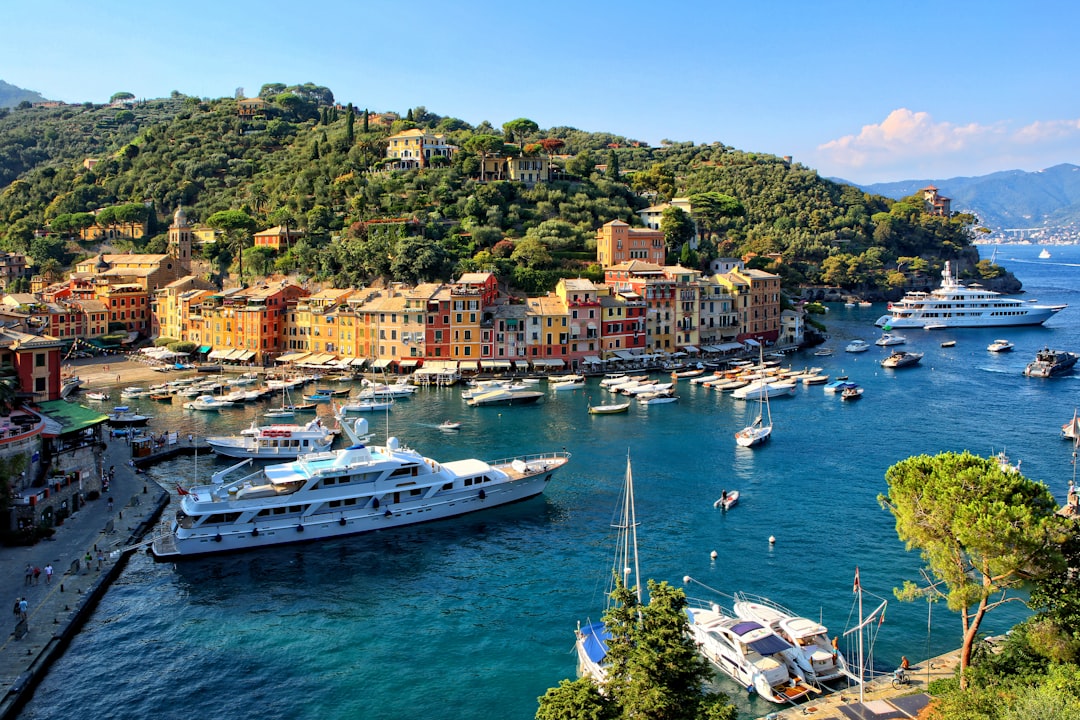
Portofino is a jewel of the Italian Riviera with a permanent population of just 355 residents, sitting at 18 metres above sea level on a narrow peninsula in the Metropolitan City of Genoa. First drawing European aristocracy in the late 19th century, it has evolved into one of the world’s most exclusive resort villages, with superyacht berths that command tens of thousands of euros per night. The harbour, framed by pastel-painted medieval buildings, is instantly recognisable — and visiting it properly requires more strategy than most guides admit.
Three Things Not to Miss in Portofino
- Portofino Harbour Promenade — The iconic pastel façades surrounding the tiny harbour have been a magnet for jet-setters since the 1800s — arrive before 9 am.
- Castello Brown — A 16th-century fortress perched 90 metres above the sea, offering the most photographed panoramic view of the entire peninsula.
- San Fruttuoso Abbey — A medieval Benedictine abbey reachable only by boat or a 2-hour hike — completely car-free and genuinely crowd-free by afternoon.
Scroll down for our complete travel guide with tips on getting there, where to stay, costs and more.
Arriving in Portofino: Airport & Transfers
How do I get to Portofino — by train, car, or ferry?
Take the train to Santa Margherita Ligure, then a bus or ferry — driving directly to Portofino is effectively banned. The nearest intercity rail station is Santa Margherita Ligure–Portofino, served by Trenitalia from Genoa in roughly 25 minutes. From the station, Bus 82 runs to Portofino in around 20 minutes and costs under €2. Alternatively, ferries from Santa Margherita and Rapallo run seasonally and take 15–20 minutes. In my experience, the ferry arrival is the most dramatic introduction to the harbour — worth the slight premium. Warning most guides omit: private cars are restricted beyond the village entrance, and parking fees in the surrounding area can hit €70 per day in July and August.
Which airport is closest to Portofino?
Genoa Cristoforo Colombo Airport (GOA) is the closest, approximately 35 km from Portofino. From GOA, take the Volabus shuttle to Genoa Brignole station, then a Trenitalia regional train to Santa Margherita Ligure — total journey time around 75 minutes. A direct taxi from GOA to Portofino costs approximately €80–€120. My tip: Nice Côte d’Azur Airport (NCE), about 160 km away in France, is often cheaper to fly into and well-connected by train via Ventimiglia. The honest caveat: GOA has a very short runway and limited international routes, so budget airlines rarely serve it directly.
How long does the journey to Portofino take from major Italian cities?
From Milan, the total journey takes roughly 2.5 hours door-to-door. Take a high-speed Frecciarossa to Genoa Piazza Principe (1 hour 20 minutes), then a regional train to Santa Margherita Ligure (30 minutes), then Bus 82 or a ferry to Portofino (20 minutes). From Rome, budget at least 5 hours total. What surprised me: the final leg — that last 20-minute bus ride along a cliff road — is genuinely nail-biting with coaches scraping past each other. I recommend the ferry alternative without hesitation if it’s running.
Do I need a rental car to explore Portofino and the surrounding area?
No — a rental car is a liability in Portofino specifically, and a limited asset for the Portofino peninsula. The village centre is pedestrianised, road access is restricted, and parking is exorbitantly priced. For exploring the wider Tigullio Gulf — including Camogli, Rapallo, and Chiavari — trains and ferries cover everything efficiently. In my experience, the only reason to hire a car is if you plan to venture into the Ligurian interior beyond Portofino Regional Nature Park. If so, pick it up from Santa Margherita Ligure rather than at the airport to save roughly €25 per day in airport surcharges.
Getting Around Portofino
What are the best areas to stay in Portofino — and where is actually worth the money?
Stay in Santa Margherita Ligure unless your budget is truly unlimited — it’s just 5 km away and far more practical. Portofino village itself has fewer than 10 hotels, and the entry price for even a 3-star room is around €300 per night in high season. Santa Margherita Ligure offers quality 4-star properties from €150–€220 per night and has its own lovely harbour, good restaurants, and direct bus and ferry connections. My tip: if you insist on sleeping in Portofino itself, book Splendido Mare for the harbour-front experience, but accept that breakfast alone will cost €40 per person.
What does accommodation in Portofino cost per night in 2026?
Budget at a minimum €280–€400 per night for a mid-range hotel room in Portofino village itself. Luxury properties like Hotel Splendido on the hillside above the harbour start at €900–€1,500 per night in July and August. In Santa Margherita Ligure, 3-star options start around €100–€140 off-peak. Apartment rentals in the wider peninsula through platforms like Airbnb average €180–€260 per night for a one-bedroom in summer. The caveat most guides omit: minimum stay requirements of 3–5 nights are common in peak season, which significantly increases your commitment before you even arrive.
How far in advance should I book accommodation in Portofino for high season?
Book 6–9 months in advance for July and August in Portofino village — the inventory of rooms is genuinely tiny given a population of just 355 residents. Santa Margherita Ligure and Rapallo are more forgiving; 3–4 months ahead is usually sufficient for quality options. In my experience, June and September availability collapses fast for Portofino village itself once Italian domestic holiday planning kicks in around February. My honest warning: fully refundable rates are rare at the top-end properties here — if you book Hotel Splendido, cancellation penalties apply from the moment you confirm.
Are there any special or unusual accommodation types worth considering in Portofino?
Yes — chartering a day-boat or small gulet moored in the harbour is an experience unavailable almost anywhere on the Italian Riviera at this scale. Prices for a crewed day-charter start around €600–€900 for 6 people. For overnight stays, several masserie and converted fishing cottages exist on the Portofino promontory walking trails. What surprised me: the National Park manages a handful of basic refugio-style beds near San Fruttuoso for hikers — these book out months ahead but cost under €60 per person including breakfast, making them the best value accommodation on the entire peninsula.
Where to Stay in Portofino
What are the absolute must-sees in Portofino?
Three sights are non-negotiable. First, Castello Brown — the 16th-century fortress above the harbour with the best 360-degree view on the peninsula; entry costs €5. Second, the Church of San Giorgio, a Romanesque chapel with alleged relics of St George, free to enter and serene before 9 am. Third, the hike or boat trip to San Fruttuoso Abbey — a 10th-century Benedictine monastery reachable only on foot (2 hours each way) or by seasonal ferry (€14 return). I strongly recommend combining the hike one way with the ferry back. Skip the overpriced boutique browsing on the piazzetta — it adds nothing.
What can I experience in Portofino completely for free?
Arriving by the 7:30 am ferry from Santa Margherita Ligure and walking the harbour front before the day-trippers descend is the single best free experience in Portofino. The Portofino Nature Reserve walking trails — including the trail to Punta del Capo lighthouse — are free and spectacularly scenic. The Church of San Giorgio charges no entry fee. Watching the superyacht parade from the harbour wall at sunset costs nothing. My honest caveat: even sitting at a café table on the piazzetta triggers a minimum spend of €8–€12 per person, so budget accordingly if you want to linger.
Which day trips from Portofino are genuinely worth your time?
Camogli is the best day trip — a working fishing village with none of Portofino’s pretension, reachable by ferry in 20 minutes or train via Santa Margherita in 30 minutes. Cinque Terre is reachable in under 2 hours by train from Santa Margherita and is often bundled into Portofino itineraries. Genoa — just 35 km away — offers the finest medieval caruggi alley network in Italy and is dramatically underrated; allow a full day. In my experience, the San Fruttuoso Abbey trip qualifies as a half-day excursion that most people treat as a day trip and never regret.
What local specialities must I try in Portofino?
Ligurian cuisine is the star: trofie al pesto made with genuine Genovese basil pesto is the non-negotiable dish, and Portofino’s restaurants take it seriously. Focaccia di Recco — a paper-thin cheese-filled flatbread from the nearby town of Recco — is worth a 20-minute detour in itself. Local seafood, particularly branzino al forno (whole baked sea bass) and acciughe (Ligurian anchovies), appears on almost every menu. My tip: eat your main meal in Santa Margherita Ligure where a full pasta course with wine runs €18–€25 versus €35–€50 for the same dish on Portofino’s piazzetta.
Portofino Highlights & Must-Sees
What makes Portofino genuinely unique compared to other Italian Riviera towns?
Portofino’s uniqueness lies in the collision of extraordinary natural beauty with extreme exclusivity within a village of just 355 permanent residents. No other Italian harbour simultaneously frames Mediterranean pine forest, Renaissance fortifications, and a superyacht-lined cove in a 10-minute walk. The Portofino Regional Nature Park — established in 1935 — has legally prevented overdevelopment, which is why the village still looks like a 19th-century painting. What surprised me: unlike Positano or Amalfi, Portofino has resisted mass hotel construction, meaning the atmosphere is genuinely more curated than commodified, even if the price tag reflects that.
How many days should I spend in Portofino to do it justice?
Two full days is sufficient to see everything Portofino itself offers — one day for the village, Castello Brown, and the promontory walk; one day for San Fruttuoso by ferry and hike. I recommend basing yourself for 4–5 days in the Santa Margherita Ligure area to also cover Camogli, Rapallo, and a Cinque Terre day trip. The honest caveat: spending more than 2 days in Portofino village specifically shows diminishing returns fast — the boutiques repeat themselves and dining options are limited to fewer than 12 restaurants in total.
When is the best time to visit Portofino in 2026?
June and September are the optimal months — warm enough for swimming (sea temperature reaches 24°C in September), significantly fewer day-trippers than July–August, and hotel rates 20–35% lower than peak. July and August are climatically perfect but overwhelmed: the piazzetta can hold 10,000 day-visitors against a population of 355, which is an almost absurd ratio. In my experience, the first two weeks of June are Portofino at its best — local businesses are fully open, the light is extraordinary for photography, and you can actually walk the harbour without physical contact with strangers.
Are there local festivals in Portofino worth timing your visit around?
Feast of San Giorgio on April 23rd is the village’s patron saint festival — a genuinely local event with processions, flowers strewn on the piazzetta, and no tourist production behind it. The Portofino Yacht Club regattas in May and September draw spectacular sailing traffic into the harbour. Camogli’s Sagra del Pesce — held the second Sunday of May — is one of Liguria’s most famous food festivals, 10 minutes by ferry, where fish is fried in a pan 4 metres in diameter and distributed free. My tip: plan around the Camogli festival if seafood matters to you — it’s a rare authentic Italian food event.
Eating & Drinking in Portofino
How does the weather in Portofino affect what activities are possible throughout the year?
Swimming is realistic from June through October, with the sea staying above 20°C through September. Hiking the Portofino promontory trails is year-round but can be slippery and dramatic in winter storms — the trail to San Fruttuoso involves exposed cliff sections. Spring (April–May) brings wildflowers across the nature reserve and is my preferred season for hiking. The ferry services to San Fruttuoso and Camogli operate reduced or suspended winter schedules from November through March, which cuts off the most scenic transit options. Winter is genuinely quiet and atmospheric but roughly 40% of restaurants close for the season.
How crowded does Portofino get at peak season — and is it manageable?
Peak season (mid-July through August) is genuinely overwhelming — day-tripper buses arrive from Genoa, Milan, and the cruise terminal at La Spezia simultaneously. The piazzetta, which measures roughly 50 metres across, can feel like a compressed crowd event by 11 am. Local authorities have discussed visitor caps but none were implemented as of 2025. My strategy: arrive by the 7:30 am ferry from Santa Margherita, do the Castello Brown first, walk the lighthouse trail before noon, and leave before 2 pm. What surprised me: weekday crowds in August are only marginally lighter than weekends — remote work has normalised mid-week travel here.
How safe is Portofino for tourists?
Portofino is extremely safe — petty crime rates in this corner of the Ligurian coast are among the lowest in Italy. The main risk is pickpocketing at the Santa Margherita Ligure train station and on crowded Bus 82 transfers in peak season, not in Portofino village itself. The cliff-edge walking trails in the Portofino Nature Reserve demand proper footwear — trail shoes minimum, not sandals — as the paths turn slick after rain. In my experience, the greatest physical danger most visitors face is the Bus 82 ride itself along an extremely narrow coastal road, which is driven at speeds that will make you grip your armrest.
Is English widely spoken in Portofino?
Yes — English proficiency in Portofino is higher than almost anywhere else in provincial Italy, driven entirely by the international clientele. Staff at every hotel, restaurant, and tour operator in the village speak functional to excellent English. In Santa Margherita Ligure, English coverage drops slightly but remains solid in tourist areas. Italian is the official language and learning a handful of phrases earns genuine warmth. My tip: always greet with ’Buongiorno’ before switching to English — in a village this small, locals notice and appreciate the gesture, and it visibly improves service quality.
Practical Tips for Portofino
What is a realistic daily budget for visiting Portofino in 2026?
Budget travellers staying in Santa Margherita Ligure and day-tripping can manage €80–€120 per day including accommodation share, ferry, lunch, and one dinner. Mid-range visitors staying in Santa Margherita with meals in Portofino should budget €200–€280 per day. Staying in Portofino village itself at mid-range properties with two restaurant meals pushes the daily total to €450–€600 per person. The hidden budget-breaker: the markup on drinks on the piazzetta is relentless — a glass of local white wine that costs €4 in Santa Margherita runs €14–€18 at the same harbourside table in Portofino.
How does public transport work in and around Portofino?
The system has three layers: Trenitalia regional trains connecting the coast from Genoa to La Spezia, Bus 82 operated by ATP Esercizio running hourly between Santa Margherita Ligure and Portofino (€1.70 per ride), and Tigullio ferry services running seasonally between Genoa, Camogli, Santa Margherita, Portofino, and San Fruttuoso. My tip: buy the ATP day pass for €5 if you plan multiple bus trips. What surprised me: the ferry timetable changes monthly through summer and is not well-publicised online — check directly with Servizio Marittimo del Tigullio the morning of your trip rather than relying on third-party apps.
Which apps do you recommend for getting around and planning a Portofino trip?
Trenitalia app for all rail bookings — always buy in advance as peak-season regional trains fill up. Moovit covers Bus 82 schedules reliably. Komoot is the best app for the Portofino promontory hiking trails, with accurate elevation profiles and offline maps. The Fork (TheFork) allows restaurant reservations in Santa Margherita Ligure with occasional discount codes — useful since Portofino restaurants rarely participate. In my experience, Google Maps underestimates walking times on the coastal trails by 20–30% because it ignores elevation gain — trust Komoot’s estimates over Google for any hike beyond the harbour promenade.
Portofino at a Glance
| Population | 355 |
|---|---|
| Currency | EUR (€) |
| Official language | Italian |
| Time zone | Europe/Rome |
Source: Wikidata, retrieved September 2026.
Italy › Portofino
More Destinations in Liguria
More Destinations in Italy
Essential Resources for Planning Your Trip to Portofino
- Portofino: Italy imposes restrictions on mass tourism — official visitor information
- Wikivoyage: Portofino — community travel guide & practical tips
- Wikipedia: Portofino — history, geography & background
- How to Get to Portofino, Italy: My Complete Guide — how to get there and around
- Portofino travel – Italy, Europe — itineraries & inspiration
Data Sources
Key facts on this page (population, currency, language, time zone) come from Wikidata, climate figures from Open-Meteo. The retrieval date is shown next to the facts table.