
Pompeii: The Complete Travel Guide (2026)
Last reviewed: September 2026 · key facts checked against Wikidata
Pompeii Travel Guide: Everything You Need to Know (2026)
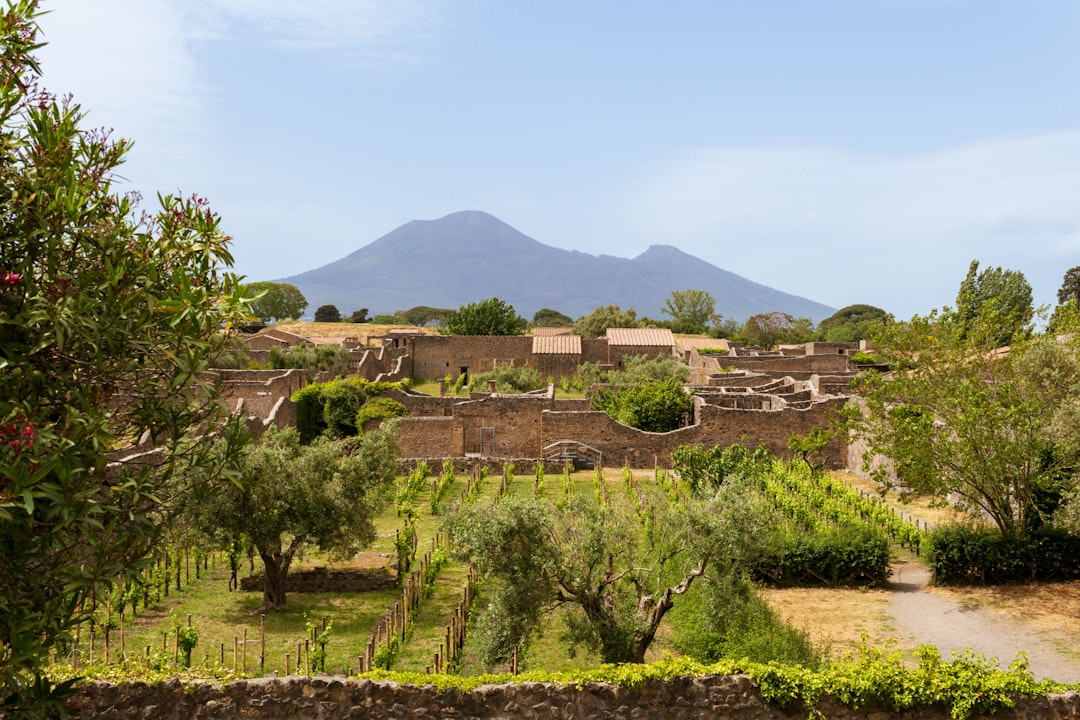
Pompeii is one of the world’s most remarkable archaeological sites, buried under 4 to 6 metres of volcanic ash when Mount Vesuvius erupted in 79 AD — a catastrophe that paradoxically preserved an entire Roman city in extraordinary detail. The modern municipality of Pompei (spelled without the double ‘i’) sits in the Campania region just 30 km southeast of Naples, making it one of Europe’s most accessible ancient wonders. With roughly 3.5 million visitors annually, planning your visit strategically is not optional — it is essential.
Three Things Not to Miss in Pompeii
- The Lupanar (Ancient Brothel) — The most visited single building in Pompeii, with 10 rooms and explicit frescoes still intact after 2,000 years.
- The Villa of the Mysteries — A stunning suburban villa preserving a 17-figure fresco cycle of Dionysian initiation rites, painted around 60 BC.
- The Plaster Cast Bodies in the Garden of the Fugitives — 13 haunting casts of victims frozen in their final moments, the largest single group found at Pompeii.
Scroll down for our complete travel guide with tips on getting there, where to stay, costs and more.
How to Reach Pompeii
How do I get to Pompeii — by train, car, or from Naples?
The Circumvesuviana train from Naples is your best option — hands down. In my experience, this is the fastest and cheapest route: the train departs from Naples Porta Nolana or Garibaldi station and reaches Pompeii Scavi–Villa dei Misteri station in approximately 35 minutes, costing around €3.20 one way. The station drops you directly at the main entrance. What surprises most travellers: the Circumvesuviana is old, often crowded, and pickpockets actively work this line — keep your bag in front of you. Driving is possible but parking near the site costs €5–8 per hour and the roads around the excavation fill up fast in summer.
Which airport is closest to Pompeii?
Naples International Airport (NAP), also called Capodichino, is your closest airport, sitting just 35 km northwest of Pompeii. In my experience, the smoothest connection is the Alibus shuttle from the airport to Naples Piazza Garibaldi (€5, around 20 minutes), then the Circumvesuviana train straight to the Pompeii Scavi stop. The honest caveat most travel blogs skip: NAP is a small, chaotic airport with limited gates — budget an extra 30 minutes for security during peak summer months. Rome Fiumicino (FCO) is 240 km away and only makes sense if you’re combining Pompeii with a Rome trip.
How long does the journey to Pompeii take from major Italian cities?
From Naples, you’re looking at 35–40 minutes by Circumvesuviana train. From Rome, the fastest option is a high-speed Frecciarossa to Naples (70 minutes, from €19) followed by the Circumvesuviana — total journey roughly 2 hours. From Sorrento, the Circumvesuviana runs in the opposite direction and reaches Pompeii in 30 minutes for €2.80. My tip: the Sorrento–Pompeii pairing is underused by travellers coming from Rome — staying in Sorrento gives you easy access to Pompeii, the Amalfi Coast, and Capri in a single base. The caveat: Circumvesuviana trains are not high-speed and delays of 15–20 minutes are common.
Do I need a rental car to explore Pompeii and the surrounding area?
For Pompeii itself, you absolutely do not need a car. In my experience, the Circumvesuviana connects Pompeii to Naples, Sorrento, Ercolano (Herculaneum), and Torre Annunziata with no car required. However, if you want to visit Mount Vesuvius crater, the Vesuvio Express bus runs from Pompeii Scavi for around €12 return. A car becomes genuinely useful only if you plan to visit rural Campania villages or the less-connected Phlegraean Fields. The honest warning: driving near Naples is stressful — aggressive traffic, limited parking, and ZTL restricted zones that generate €80–150 fines if you enter them unknowingly are real risks.
Pompeii Public Transport Explained
What are the best areas to stay when visiting Pompeii?
I recommend basing yourself in one of three places depending on your style. Naples (Mergellina or Chiaia neighbourhood) gives you a vibrant city with excellent food and easy Circumvesuviana access — best for travellers who want urban energy. Sorrento is my personal favourite base: charming, walkable, and only 30 minutes from Pompeii by train, with cliffside hotels and better air quality than Naples. Pompeii town itself works if you want to walk to the gates at opening time — the area around Via Sacra has solid mid-range hotels. Avoid staying directly on Via Roma in Pompei — tourist traps and overpriced restaurants are concentrated there.
What does accommodation cost per night near Pompeii?
Accommodation near Pompeii covers a wide range. In Pompei town, budget guesthouses start at €50–70 per night for a double room, while mid-range hotels like Hotel Maiuri or Forum Hotel run €90–140. Sorrento offers better quality for comparable money — expect €100–160 for a decent 3-star with sea views. Naples is cheaper: solid hotels in the Chiaia district cost €70–110 per night. The hidden cost most travellers miss: breakfast is rarely included in Italian hotels below €130 a night, and the bar next door charges €8–12 for a cappuccino-and-pastry breakfast. Budget that separately.
How far in advance should I book accommodation near Pompeii during high season?
For July and August — the absolute peak — book at least 3 months ahead, especially in Sorrento, which sells out fast. In my experience, waiting until 4 weeks before arrival in August means you’ll be choosing between overpriced rooms or inconvenient locations. September is the sweet spot: crowds thin slightly but the weather remains excellent, and you can often book 3–4 weeks ahead without panic. Spring (April–May) requires 4–6 weeks lead time. The caveat nobody mentions: many small Pompei-town hotels don’t list on major booking platforms — check Booking.com and then cross-check the hotel’s direct website, which often offers a 5–10% discount.
Are there special or unique accommodation types near Pompeii worth trying?
Yes — and they’re genuinely memorable. Masserie (fortified farmhouses) in the hills above Pompeii toward Nola or Sarno offer pool, garden, and local breakfast for around €120–180 per night — a completely different experience from town hotels. In Sorrento, converted lemon-grove guesthouses are unique to this stretch of Campania. For pure novelty, the agriturismo near Vesuvius National Park lets you wake up with direct volcano views. My honest caveat: these rural options require a car or a taxi budget of €20–30 each way. If you’re without a car and plan multiple Pompeii visits, stick to the Circumvesuviana corridor hotels.
Neighbourhoods of Pompeii
What are the absolute must-sees at Pompeii?
Three non-negotiables in my experience: First, the Villa of the Mysteries — located just outside the main excavation zone, its painted fresco cycle from 60 BC is the best-preserved ancient painting in existence and most visitors rush past it to get inside the main site. Second, the Forum and Basilica — the civic heart of the city gives immediate scale to how sophisticated Roman urban planning was. Third, the Garden of the Fugitives — the 13 plaster casts of victims in their final positions are genuinely moving. My tip: the Lupanar brothel draws massive queues mid-morning — visit it first thing or after 3 PM when crowds thin.
What can I experience for free in Pompeii?
The first Sunday of every month, Pompeii (and all Italian state museums) offer free entry — normally tickets cost €18 for adults. That’s real savings, but the trade-off is enormous crowds, sometimes 2-hour queue times at the gate. In my experience, arrive by 7:45 AM on free Sundays to beat the worst of it. Outside the paid site, the modern town of Pompei has the impressive Sanctuary of the Blessed Virgin of the Rosary of Pompei, a functioning basilica with stunning interior art — completely free. Walking the Via dei Sepolcri (Street of the Tombs) just outside the Herculaneum Gate gives a genuine ancient streetscape and is free to view.
Which day trips from Pompeii are most worthwhile?
Herculaneum (Ercolano) is my top recommendation — it’s only 12 minutes on the Circumvesuviana from Pompeii, costs €13 to enter, and is far less crowded despite being better preserved in many details. Mount Vesuvius crater is a 40-minute drive or bus ride from Pompeii and the summit hike takes just 30 minutes up from the car park — entry is €10. Sorrento makes an excellent half-day add-on. The honest warning: Capri is beautiful but from Pompeii requires a train to Sorrento plus a ferry (€20–25 each way) — it’s a long full day and Capri itself has a €30+ day-tripper fee structure built into every café and restaurant.
What local Campanian specialities should I eat in Pompeii?
Campania’s food is exceptional and Pompeii’s location means easy access to authentic dishes. Pizza Napoletana here is the real article — the DOP-certified version with San Marzano tomatoes and Fior di Latte cheese costs €6–10 at a proper pizzeria. In my experience, Ristorante President on Piazza Schettini in Pompei town serves outstanding pasta e fagioli and local Lacryma Christi wine grown on Vesuvius slopes. Try cuoppo (fried seafood cone) from street vendors near the train station for around €5. The warning: restaurants directly on Via Plinio near the main entrance charge inflated tourist prices — walk 5 minutes inland and prices drop by 30%.
What to See in Pompeii
What makes Pompeii genuinely unique compared to other archaeological sites?
No other site on earth shows an entire functioning Roman city frozen mid-life. What surprised me most is the specificity: you can read electoral campaign graffiti painted on walls, see ruts carved into stone roads by cart wheels, and walk through complete bakeries with grain mills still in place. The 13 plaster body casts in the Garden of the Fugitives make the 79 AD eruption viscerally real in a way no museum exhibit can replicate. Unlike the Colosseum or the Forum in Rome — which are stripped ruins — Pompeii has intact room arrangements, painted frescoes, and commercial signage. It is less a ruin than a time capsule, and that distinction is why it draws 3.5 million visitors per year.
How many days should I spend at Pompeii?
1 full day covers the main Pompeii excavation if you’re focused. In my experience, the site takes 4–5 hours to walk meaningfully — rushing it in 2 hours means missing the Villa of the Mysteries and the quieter eastern quarters near Porta Nocera. Add a second day if you want to combine Herculaneum (13 entry, 2–3 hours) and the Vesuvius crater hike. A 3-day base in Sorrento or Naples lets you do Pompeii on day one, Herculaneum and Vesuvius on day two, and Sorrento or the Amalfi Coast on day three. The honest caveat: trying to do Pompeii, Capri, AND Amalfi in 2 days is the most common traveller mistake in this region.
When is the best time to visit Pompeii?
September is my personal recommendation — it consistently combines excellent weather, fewer crowds than August, and lower accommodation prices. July and August are climatically fine (hot and sunny, 28–32°C) but Pompeii becomes genuinely punishing: exposed ancient streets with almost no shade, 35°C+ temperatures, and queues that can add 45 minutes before you even enter. April and May are underrated — mild temperatures around 18–22°C, spring wildflowers growing through ancient stones, and far more manageable crowds. The verified best travel months based on climate analysis are July, August, and September — but if you’re heat-sensitive, September or May are smarter choices.
Are there local festivals near Pompeii worth timing a visit around?
The Feast of the Blessed Virgin of the Rosary of Pompei on October 7th draws thousands of Italian pilgrims to the town’s famous Sanctuary — it’s a genuinely moving local event, not a tourist show. In July and August, the Estate a Pompei summer festival runs outdoor concerts and theatrical performances inside the archaeological park after closing hours — tickets start at €20 and the experience of watching theatre in a 2,000-year-old venue is extraordinary. My tip: check pompeiisites.org in spring for the summer programme. The honest caveat: during the October feast, accommodation in Pompei town fills completely — book 2 months ahead if timing around it.
Pompeii Food Scene
How does the weather at Pompeii affect what activities are possible?
The archaeological site is entirely outdoor and exposed — weather directly shapes your experience. In June through September, the stone pathways and lack of shade make midday visits genuinely uncomfortable, with temperatures regularly hitting 33–36°C. My tip: arrive at 9 AM (opening time) and plan to be out of the main site by 1 PM, then return after 4 PM when the heat drops. November through February brings cooler temperatures (10–15°C) and occasional rain — the site stays open but some areas may have wet, uneven surfaces. In my experience, a light rain in Pompeii is actually beautiful — the ancient stones darken, crowds disappear, and the site takes on an atmospheric quality that sunny-day photos never capture.
How crowded does Pompeii get in peak season, and how do I avoid the worst of it?
Peak August sees 15,000–20,000 visitors per day at Pompeii — that is a serious crowd in a finite space. The main entrance at Porta Marina creates a bottleneck that makes the first 30 minutes feel more like a theme park than an ancient city. My solution: enter via the Piazza Anfiteatro entrance on the eastern side — it’s the same ticket, zero queue, and deposits you near the Amphitheatre and Garden of the Fugitives first. Book tickets online at pompeiisites.org at least 2–3 days ahead in summer to skip the box office queue entirely. Tickets are €18 and timed-entry slots fill by mid-morning on busy days.
How safe is Pompeii and the surrounding area for tourists?
Pompeii is safe for tourists — petty theft is the main concern, not violent crime. The Circumvesuviana train is the most consistent hotspot: pickpockets target tourists with luggage or cameras, particularly between Naples Garibaldi and Torre Annunziata. In my experience, a cross-body bag worn in front eliminates 95% of the risk. The town of Pompei itself is calm and quiet — it’s a small Italian town, not a crime zone. The area around Naples Piazza Garibaldi (the station) warrants more caution at night, but during the day it’s simply busy. Never leave bags visible in a parked car — window smashing near tourist sites is a known issue throughout Campania.
Is English widely spoken in Pompeii?
At the archaeological site and in hotels, English is reliably spoken — Pompeii’s international visitor base means site staff, ticket offices, and most guides communicate comfortably in English. The audio guide app (€8) and the official Pompeii Sites app are fully available in English. In restaurants and shops in Pompei town away from the tourist corridor, English drops off noticeably — basic Italian phrases for ordering (un caffè, il conto, per favore) make interactions significantly warmer. What surprised me: German and French are almost as common as English among staff at the site, reflecting the visitor demographics. A translation app like Google Translate with camera function handles menus instantly.
Local Know-How for Pompeii
What is a realistic daily budget for visiting Pompeii?
A realistic mid-range day at Pompeii breaks down like this: €18 site entry, €8 audio guide (optional but worth it), €5 cuoppo or street lunch near the station, €12–15 for a proper sit-down dinner with wine in Pompei town, and €6.40 return Circumvesuviana train from Naples — totalling roughly €50–55 per day excluding accommodation. Budget travellers hitting free Sunday entry, packing lunch, and staying in a €60 guesthouse can do the day for €30. The honest caveat: the on-site café near Porta Marina charges €4.50 for a small water bottle — bring a 1.5-litre bottle from the town supermarket for €0.50 before entering.
How does public transport work around Pompeii?
The Circumvesuviana railway is the backbone of transport in this region, connecting Pompeii to Naples, Sorrento, Ercolano (Herculaneum), and smaller towns along the Vesuvian coast. Trains run every 20–30 minutes during the day. Single tickets cost €2.80–3.80 depending on the zone. The EAV Bus network supplements the train for village connections and runs the Vesuvio Express to the Vesuvius parking area for €12 return from Pompei. In my experience, the transport network covers every major sight in this zone without a car. The honest warning: the Circumvesuviana is not the slick Metro of Milan — trains are old, sometimes delayed, and air conditioning is unreliable in summer.
Which apps do you recommend for visiting Pompeii?
Three apps I personally use every Pompeii visit: First, the official Pompeii Sites app (free) — it includes an interactive map, building descriptions, and works partially offline, which matters because WiFi inside the site is patchy. Second, EAV Mobilità for Circumvesuviana train times and disruption alerts — the line has frequent schedule changes and this app gives real-time updates. Third, Google Maps offline downloaded for the Campania region before you arrive. For translation, Google Translate’s camera mode reads Latin inscriptions and Italian menus instantly. My caveat: the Pompeii Sites app is comprehensive but slightly slow to load on older phones — open the map before entering the gate while you still have signal.
Pompeii at a Glance
| Currency | EUR (€) |
|---|---|
| Official language | Italian |
| Time zone | Europe/Rome |
Source: Wikidata, retrieved September 2026.
Italy › Pompeii
More Destinations in Campania
More Destinations in Italy
Essential Resources for Planning Your Trip to Pompeii
- Pompeii Sites Official Pompeii Archaeological Site — official visitor information
- Wikivoyage: Pompeii — community travel guide & practical tips
- Wikipedia: Pompeii — history, geography & background
- Getting to Pompeii ruins, Herculaneum, and Mount Vesuvius — how to get there and around
- Pompeii travel – Lonely Planet | Campania, Italy, Europe — itineraries & inspiration
Data Sources
Key facts on this page (population, currency, language, time zone) come from Wikidata, climate figures from Open-Meteo. The retrieval date is shown next to the facts table.