
Tanger: The Complete Travel Guide (2026)
Last reviewed: September 2026 · key facts checked against Wikidata
Tanger Travel Guide: Everything You Need to Know (2026)
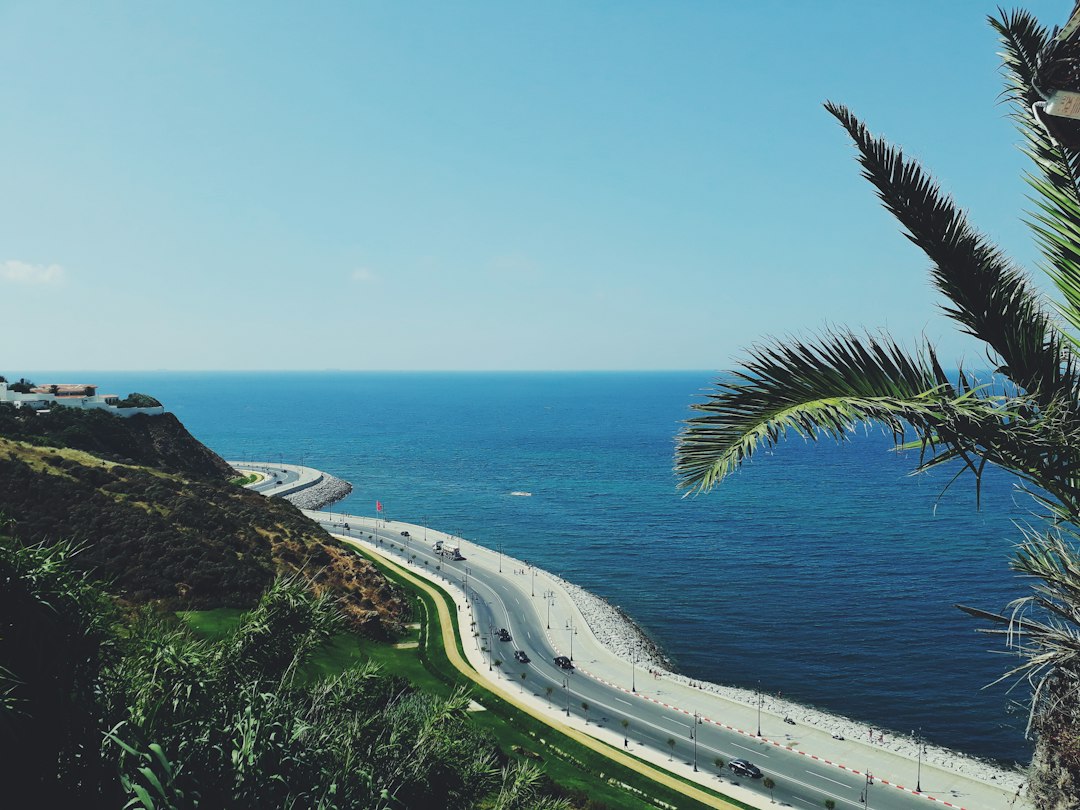
Tangier sits at the northwestern tip of Morocco where the Atlantic meets the Mediterranean, just 14 km across the Strait of Gibraltar from Spain, making it Africa’s closest city to Europe. Home to 1,275,428 residents, it has been a crossroads of civilizations for over 3,000 years — Phoenicians, Romans, Portuguese, Spanish, and French all left their mark here. Today Tangier is one of Morocco’s fastest-growing economic hubs, anchored by the massive Tanger Med port complex, the largest container port in Africa.
Three Things Not to Miss in Tanger
- Kasbah Museum & Medina — A 15th-century fortress overlooking both seas, with Roman mosaic floors and labyrinthine medina streets below.
- Cap Spartel — The exact point where the Atlantic and Mediterranean merge, just 14 km from the city centre.
- Café Hafa — A cliffside tea house open since 1921, where the Rolling Stones and Paul Bowles once sat overlooking Gibraltar.
Scroll down for our complete travel guide with tips on getting there, where to stay, costs and more.
Getting to Tanger from the Airport
How do I get to Tangier?
Flying into Tangier Ibn Battuta Airport (TNG) is the easiest option for most travellers. Ryanair, easyJet, and Royal Air Maroc connect it to London, Madrid, Paris, and Brussels. Alternatively, the high-speed ferry from Tarifa, Spain takes just 35 minutes and costs around DH 350–500 one way — I actually prefer this crossing for the drama of arriving by sea. The train from Casablanca on the Al Boraq high-speed rail reaches Tangier in 2 hours 10 minutes. My tip: the ferry from Tarifa is far more atmospheric than flying, but book 24 hours ahead in summer to guarantee your spot.
Which airport is closest to Tangier?
Tangier Ibn Battuta Airport (TNG) is your airport — it sits just 12 km southwest of the city centre. In my experience, a grand taxi from the airport to the medina costs around DH 150–200 for the whole cab (negotiate before you get in). A petit taxi should cost DH 80–100 on the meter, though drivers often resist using it. What surprised me: there is no direct bus from TNG to the city centre as of 2026 — the CTM intercity bus stop near the airport is for long-distance routes only, not a city shuttle. Pre-arrange a transfer if you arrive late at night.
How long does the journey to Tangier’s city centre take from the airport?
The drive from Tangier Ibn Battuta Airport to the medina takes 20–30 minutes without traffic. During Friday afternoons and summer weekends, the coastal road near Avenue Mohammed VI backs up and can stretch that to 45 minutes. In my experience, arriving before 3 pm on a weekday is the smoothest option. The new Tanger Med ferry terminal is 40 km east of the city — a common point of confusion. If you arrive by ferry at Tanger Med rather than the central Tangier City port, budget DH 200–300 for a grand taxi into town, which takes about 50 minutes.
Do I need a car to explore Tangier?
No — Tangier’s core sights are walkable and petit taxis are cheap. I explored the entire medina, Kasbah, Grand Socco, Café Hafa, and Cap Spartel without a rental car. Petit taxis charge DH 10–20 for most in-city trips. However, a rental car genuinely unlocks the surrounding region: Cap Malabata east of the city, the Rif Mountain villages, and Asilah (46 km south) become easy half-day trips. Rental costs start at DH 250/day for a basic Dacia Sandero. The honest caveat: parking in the medina area is chaotic and theft from cars is reported — never leave valuables visible.
Moving Around Tanger
What are the best areas to stay in Tangier?
I recommend three distinct zones depending on your travel style. The Medina and Kasbah area gives you the authentic experience — narrow alleys, riad guesthouses, and proximity to the Grand Socco — but streets are steep and can feel intense after dark. Boulevard Mohammed VI / Malabata is the modern beachfront strip with international hotels, clean pavements, and sea views, ideal for families or first-timers. The Marshan neighbourhood, perched on the plateau west of the medina, is where wealthy Tangerines and expats live — quieter, greener, and where Café Hafa sits. My honest warning: the area immediately around the Tanger Ville train station has petty theft issues and I would not base myself there.
What does accommodation cost per night in Tangier?
Budget travellers can find a clean hostel dorm in the medina for DH 120–180/night. A solid mid-range riad or guesthouse in the Kasbah — think tiled courtyards, included breakfast — runs DH 500–900/night for a double room. Boutique design hotels like La Tangerina or Dar Nour charge DH 900–1,500/night and are worth every dirham for their terraces alone. The international four-star hotels on Mohammed VI Boulevard (Hilton, Radisson) start at DH 1,100/night. My tip: riads in the medina consistently offer better value and atmosphere than chain hotels at the same price point — prioritise them.
How far in advance should I book accommodation in Tangier during high season?
For July and August, book your Tangier accommodation at least 6–8 weeks in advance — the city fills up with Moroccan diaspora returning from Europe for the summer, and good medina riads sell out fast. The Easter and Spanish Semana Santa week (late March/April) is a secondary crunch period given Tangier’s proximity to Spain, and Cap Spartel area guesthouses go first. Outside those windows, 2 weeks ahead is usually sufficient. What surprised me: Tangier has fewer beds than Marrakech or Fes, so scarcity hits harder here. I always book the first and last nights of any trip in advance and stay flexible in the middle.
Are there special accommodation types worth choosing in Tangier?
Tangier’s riads are the standout choice — traditional courtyard mansions converted into guesthouses, most concentrated in the Kasbah district. Unlike Marrakech riads which can feel over-commercialised, Tangier’s equivalents like Dar Sultan or Riad Dar Jameel still feel genuinely personal, often owner-run with 4–8 rooms. Several colonial-era villas in the Marshan and Mountain neighbourhoods are now boutique hotels, reflecting the city’s international legacy — these are unique to Tangier and offer a different atmosphere than anything in southern Morocco. My tip: ask specifically for a room with a strait view — you can literally see Spain from some bedroom windows, which costs nothing extra if you ask.
Choosing a Neighbourhood in Tanger
What are the must-sees in Tangier?
The Kasbah Museum (entry DH 20) is non-negotiable — Roman mosaics, panoramic terraces, and the old Sultan’s palace all in one. The American Legation Museum in the medina is the only US National Historic Landmark outside America and is completely free; I was the only visitor there for an hour. Cap Spartel lighthouse marks the Africa–Europe ocean junction and costs nothing to photograph from outside. The Caves of Hercules (DH 15 entry, 14 km from centre) are kitsch but genuinely dramatic — the Atlantic-shaped cave opening is iconic. Finally, the Grand Socco square at dusk, when the old city and new city intersect over mint tea, is an experience rather than a sight.
What can I experience for free in Tangier?
Tangier rewards walkers who simply wander without paying. The Kasbah walls and their views over the Strait are free to walk along. Café Hafa charges only for your tea (DH 10–15) and the cliffside setting is one of the great free views in North Africa. The Grand Socco market scene on Sunday mornings is free and vivid — Riffian women in traditional striped foutas sell produce. The American Legation Museum has no entry fee. Walking Rue de la Marine through the heart of the medina costs nothing and reveals more texture than any guided tour. My tip: the best free experience is simply sitting on the Terrasse des Paresseux (Lazy Man’s Terrace) and watching ferry traffic in the strait.
Which day trips from Tangier are worth it?
Asilah (46 km south, DH 25 by CTM bus) is my top recommendation — a whitewashed Atlantic port town with murals covering every wall and a small medina without Tangier’s intensity. Chefchaouen, the famous blue city, is 3.5 hours by bus (DH 60–80) and doable as a long day trip though I recommend staying overnight. Tetouan (1 hour, DH 30 by shared grand taxi) has a UNESCO-listed medina that receives a fraction of the tourist traffic of Fes. The honest caveat: Ceuta, the Spanish enclave (1 hour by taxi and border crossing), is visited by many but offers little beyond the novelty of crossing into EU territory on African soil.
What local specialities should I try in Tangier?
Tangier’s food reflects its Atlantic and Mediterranean position. Besara — a thick fava bean soup with cumin and olive oil — is the working-class breakfast of choice and costs DH 10–15 at medina stalls. Fresh grilled sardines on the port waterfront cost DH 40–60 for a full plate and are among the best I have eaten anywhere. Mint tea poured from height is the ritual — budget DH 10–20 per glass. The city’s Spanish heritage shows in tapas-style small plates at cafés around Rue du Prince Moulay Abdallah. My tip: avoid the tourist-facing restaurants on Place du Grand Socco and walk two streets deeper into the medina where the same tagine costs DH 50 instead of DH 120.
Top Sights in Tanger
What makes Tangier unique compared to other Moroccan cities?
Tangier is the only Moroccan city that was an International Zone (1923–1956), governed by 9 countries simultaneously, which produced a unique cosmopolitan identity found nowhere else in the country. This history created the literary café culture that attracted Bowles, Burroughs, and Matisse — and the city still wears that bohemian, slightly outsider character. You can see Spain from the city — 14 km across open water — and on clear days the Rock of Gibraltar is unmistakable. Unlike Marrakech or Fes, Tangier has never fully surrendered to mass tourism, which means the medina still functions as a real neighbourhood rather than a souvenir mall. That tension between modernity and tradition, Europe and Africa, is genuinely unlike anywhere else I have been in Morocco.
How many days in Tangier are worthwhile?
3 days covers Tangier’s core comfortably without rushing. Day 1: medina, Kasbah Museum, and Grand Socco. Day 2: Cap Spartel, Caves of Hercules, and Café Hafa at sunset. Day 3: Asilah day trip or the American Legation with an afternoon at leisure. Adding a 4th day allows Tetouan or Chefchaouen. I would not spend fewer than 2 full days here — Tangier needs walking time to reveal itself and first impressions from the busy port area can be deceiving. The honest trade-off: after 5 days, most travellers feel the medina’s relatively compact size and are ready to move on to Fes or Chefchaouen.
When is the best time to visit Tangier?
May, June, September, and early October are the ideal months — warm enough for the beach (22–26°C), low humidity, and manageable crowds. July and August are peak summer with temperatures hitting 32°C, packed beaches along Mohammed VI Boulevard, and the city buzzing with Moroccan diaspora from Europe — vibrant but chaotic. November through March brings Atlantic rain, grey skies, and a quiet city that feels genuinely local — I find this atmospheric rather than depressing, but beach plans are off. April can be beautiful but unpredictable. My tip: late September is arguably the single best week — summer heat fades, Europeans have gone home, and Tangier returns to itself.
Are there local festivals in Tangier worth attending?
The Tanjazz International Jazz Festival (typically September, 3 days) brings acts from across Africa and Europe to open-air venues including the Italian Theatre — many free concerts are accessible without tickets. The Moussem of Sidi Kacem, a Sufi saint’s festival held outside the city, offers a glimpse of traditional religious Morocco that most visitors never see. Eid al-Fitr and Eid al-Adha close most restaurants and shops — I was caught by this once and spent a hungry afternoon hunting for open establishments. My tip: check the Islamic calendar before booking, as Eid dates shift by 11 days each year and a city-wide closure for 2–3 days is a real logistical issue for food-focused travellers.
Where to Eat in Tanger
How does weather affect activities in Tangier?
Summer heat makes midday sightseeing exhausting by July and August — I structure those days around early morning medina walks (before 10 am) and late afternoon Cap Spartel visits. The Atlantic wind, called the Chergui, blows hot and dry from the east in June-July and can make outdoor dining unpleasant. Winter rain (November–February) does not stop the medina experience but the Caves of Hercules and Cap Spartel coastal walk become slippery and less photogenic. The honest caveat: Tangier’s north-facing position means it catches more Atlantic weather than Agadir or Marrakech — pack a light layer even in June. Spring wildflowers on the Cap Spartel headland in April are genuinely worth the changeable weather risk.
How crowded does Tangier get in peak season?
July and August transform Tangier dramatically. The Mohammed VI beach boulevard becomes as congested as any Spanish resort, and the medina fills with tour groups from Spain and France who cross by ferry for the day. The Kasbah Museum queue can reach 45 minutes without a pre-bought ticket. What surprised me: the day-tripper dynamic is intense — ferries from Tarifa and Algeciras dump hundreds of visitors into the city between 10 am and 4 pm, then they leave, and by evening Tangier is calm again. My tip: plan your medina and Kasbah visit for after 5 pm in summer to avoid the day-tripper rush entirely — the golden light is better anyway.
How safe is Tangier?
Tangier is safe for independent travel but requires street awareness. The main risk is persistent faux guides — unlicensed men who offer to show you the medina and then pressure you into carpet shops or demand payment at the end. My firm strategy: say “I have a guide meeting me at the hotel” and keep walking. The medina at night is fine on the main routes like Rue Es Siaghine, but narrow side alleys after midnight are best avoided solo. Petty theft on the beach boulevard in August is real — leave passports at the hotel. I felt safer in Tangier than in parts of Barcelona or Marseille. Women travelling solo report more harassment than men — confident body language and covering shoulders helps.
Is English widely spoken in Tangier?
Less so than you might hope. Tangier’s colonial legacy means French and Spanish dominate as second languages — most medina shopkeepers speak basic Spanish fluently given the proximity to the peninsula. English is growing, especially among under-30s and in the tourism industry, but I consistently needed French to navigate mid-range restaurants, pharmacies, and transport negotiations. In the Kasbah riad belt, English is fine. At the port taxi rank, Spanish works better than English. My tip: download the Google Translate Spanish–Arabic and French–Arabic packs offline before arriving — they function without data and have rescued me from more than one confusing negotiation in Tangier’s markets.
Before You Go to Tanger
What is the daily budget for visiting Tangier?
A budget traveller spending mindfully can manage on DH 300–400/day (roughly €27–36): hostel dorm at DH 150, medina meals at DH 30–60 each, petit taxis at DH 10–20, and a museum entry. A comfortable mid-range experience — riad double room, sit-down restaurant meals, a day trip to Asilah — runs DH 800–1,200/day per person. Splurge level (boutique riad, wine with dinner, private driver for Cap Spartel) hits DH 1,800–2,500/day. The honest caveat: alcohol is expensive relative to the rest of your spend — a beer at a licensed bar costs DH 40–60 and wine at a restaurant DH 180–300 per bottle, which catches budget travellers off guard.
How does public transport work in Tangier?
Tangier has two taxi tiers: petit taxis (small, metered, city limits only, DH 10–25 per trip) and grand taxis (shared or chartered, for longer routes and airport runs). The petit taxi fleet is the backbone of getting around — flag one on any main boulevard. City buses exist (routes 13, 16, and others) at DH 4 per ride but routes are confusing and schedules unreliable. I use buses only for the beach boulevard run in summer. The CTM bus station on Avenue Louis Van Beethoven handles intercity routes to Chefchaouen, Tetouan, and Casablanca. The Al Boraq high-speed train from Tanger Ville station is superb for Casablanca and Rabat connections — book on the ONCF app in advance.
Which apps do you recommend for visiting Tangier?
ONCF (Moroccan national rail app) is essential if you plan to use the Al Boraq high-speed train — book Tanger Ville to Casablanca tickets in advance and save DH 30–40 over station prices. inDrive works in Tangier as a ride-hailing alternative to negotiating with grand taxi drivers — fares are transparent and I have had zero overcharging incidents. Maps.me with Morocco offline maps is more reliable than Google Maps for medina alley navigation. WhatsApp is how every Moroccan business communicates — save your riad’s number and use it to confirm arrivals and ask local questions. My tip: the Moroccan operator Maroc Telecom sells DH 50 SIM cards at the airport with 5 GB data valid for 7 days — buy one before leaving the arrivals hall.
Tanger at a Glance
| Population | 1,275,428 |
|---|---|
| Currency | Moroccan dirham (DH) |
| Official language | Arabic, Standard Moroccan Tamazight |
| Time zone | UTC+01:00 |
Source: Wikidata, retrieved September 2026.
Morocco › Tanger
More Destinations in Northern Morocco
More Destinations in Morocco
Essential Resources for Planning Your Trip to Tanger
- Tangier, a mythical destination — official visitor information, passes & events
- Wikipedia: Tanger — history, geography & background
- Wikivoyage: Tanger — community travel guide & practical tips
- Tangier travel – Morocco, Africa — expert itineraries & travel inspiration
- THE 15 BEST Things to Do in Tangier (2026) — hotels, restaurants & traveller reviews
- Tourist Transport Tangier | Transfers, Tours & VIP Taxi – Northy — how to get around
- Numbeo: Cost of Living in Tanger — current prices & cost comparison
- Timeanddate: Tanger Weather & Climate — forecasts & climate statistics
More Perspectives on Tanger
- 20 Top Things To Do In Tangier Morocco – The Complete …
- Tangier – Looking for travel tips : r/Morocco
- Is Tangier Worth Visiting – An Ultimate Guide
Tanger Travel Videos
Watch these videos for a visual preview before your trip:
- Tangier Morocco Travel Guide: 10 BEST Things To Do In 2025
- Best Things To Do in Tangier Morocco Travel Guide 2026 4K
- Top 10 Best Things to Do in Tangier, Morocco [Tangier Travel Guide 2024]
Tanger Travel Discussions on Reddit
Real traveller experiences and community advice:
- Has anyone ever gone to Tangier, Morocco? Would you …
- Visiting Tangier : r/travel
- The mindblowing Medina (market) of Tangier, Morocco
Data Sources
This page was compiled using data from Wikipedia, Wikidata, Open-Meteo (climate), Numbeo (cost of living) and REST Countries. Information is updated regularly.