
Taroudant: The Complete Travel Guide (2026)
Last reviewed: September 2026 · key facts checked against Wikidata
Taroudant Travel Guide: Everything You Need to Know (2026)
Taroudant, a walled city of 83,496 inhabitants sitting at 240m in Morocco’s Sous Valley, is often called ‘Little Marrakesh’ — but it trades that city’s tourist circus for crumbling ramparts, orange groves, and a souq that still serves locals first. Founded well before the Saadian dynasty adopted it as their 16th-century capital, it sits roughly 80km east of Agadir on the road toward Ouarzazate. What surprised me most: the ochre medina walls here are arguably better preserved than Marrakesh’s, yet the crowds are a fraction of the size.
Three Things Not to Miss in Taroudant
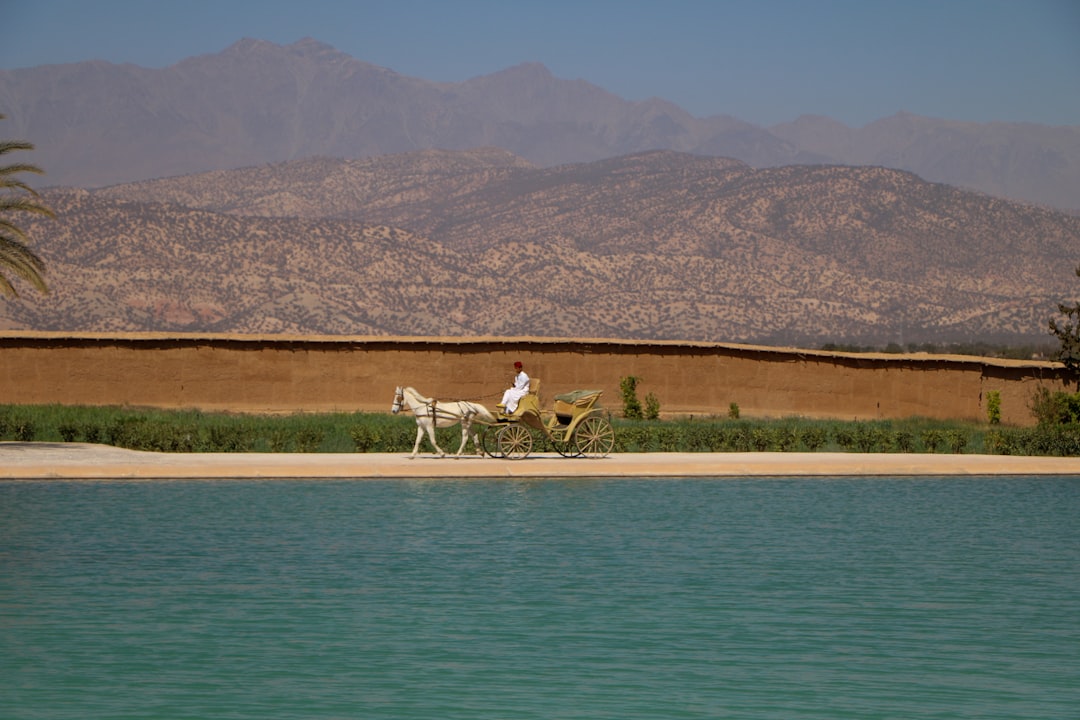
- Taroudant Ramparts — Seven kilometres of near-intact 16th-century ochre walls, best explored by calèche for DH 100 per circuit.
- Place Assarag Souq — The twice-weekly Berber market draws Atlas mountain traders selling saffron and argan for local prices, not tourist markup.
- Tioute Oasis & Kasbah — A 37km drive south reveals a palm-filled gorge and a ruined kasbah used as a set in a 1954 Ali Baba film.
Scroll down for our complete travel guide with tips on getting there, where to stay, costs and more.
Getting to Taroudant from the Airport
How do I get to Taroudant?
The fastest route is flying into Agadir Al Massira Airport (AGA), then taking a grand taxi or CTM bus 80km east — roughly 1.5 hours by road. My tip: grand taxis from Agadir’s Inezgane terminal depart when full (6 passengers) and cost around DH 40–55 per seat. Supratours also runs a scheduled coach. What most guides omit: if you’re coming from Marrakesh, the scenic Tizi n’Test mountain pass route is breathtaking but adds 2 hours and is treacherous after rain — stick to the N10 via Ait Benhaddou if you’re in a rental car.
Which airport is closest to Taroudant?
Agadir Al Massira Airport (AGA) is the closest at approximately 80km west of Taroudant — around 1 hour 15 minutes in good traffic. Marrakesh Menara Airport (RAK) is a secondary option at roughly 260km north, useful if you’re combining both cities. In my experience, AGA has direct Ryanair and easyJet flights from major European hubs, making it the practical choice for most Western European travellers. The honest caveat: AGA has limited long-haul connections, so North American travellers usually connect through Casablanca Mohammed V (CMN).
How long does the journey to Taroudant take from major hubs?
From Agadir AGA airport, count on 1.5 hours by grand taxi or bus. From Marrakesh city centre, the drive via the N8/N10 takes 3.5 to 4 hours — the mountain pass variant adds an hour. From Casablanca, plan at least 6 hours by car or a CTM long-haul bus overnight. I recommend the Agadir approach for speed; the Marrakesh approach for scenery. What surprises most visitors: there is no direct train to Taroudant — Morocco’s rail network doesn’t extend into the Sous Valley, so road transport is your only option once you’ve landed.
Do I need a rental car in Taroudant?
Inside Taroudant itself, no — the medina is 1.5km across and walkable, with calèches for DH 100 per circuit of the walls. However, for day trips to Tioute Oasis (37km), the Aït Benhaddou area, or the Anti-Atlas foothills, a car changes everything. I recommend renting from Agadir rather than Taroudant — selection is far better and prices average DH 300–450 per day for a small Dacia. The honest warning: roads into the Anti-Atlas deteriorate quickly after the first 20km, and standard insurance rarely covers unpaved tracks, so factor that into your decision.
Moving Around Taroudant
What are the best areas to stay in Taroudant?
Stay inside the medina walls for the full atmosphere — the area around Place Assarag and Place Talmoklate puts you within 10 minutes’ walk of every souq and the main gates. The riad belt along Derb Sidi Baïha is quieter and slightly more upscale. My tip: avoid the strip of budget hotels just outside Bab Zorgane gate — they’re cheaper but noisy from early-morning truck traffic. What surprised me: Taroudant has a small cluster of garden riads with genuine orange and argan orchards attached, a feature you simply don’t get inside Marrakesh’s medina.
What does accommodation cost per night in Taroudant?
Budget travellers can find a clean guesthouse room for DH 150–250 per night. A mid-range riad with breakfast runs DH 400–700. The benchmark luxury property, La Gazelle d’Or, charges upward of DH 4,500 per night — it’s a genuine 1940s palatial estate, not a boutique hotel with pretensions. In my experience, the sweet spot is a medina riad at DH 450–600 including a strong Moroccan breakfast with msemen and argan oil honey. The honest caveat: many riads add a DH 30–50 tourist tax per person per night that isn’t shown in online booking totals.
How far in advance should I book accommodation in Taroudant during high season?
For the March–May and October–November shoulder peaks, book quality riads at least 6–8 weeks ahead — the best 10–15 properties fill fast because supply is genuinely small. Christmas and New Year are the most pressured weeks; book 3–4 months out or accept whatever’s left. What most guides omit: Taroudant’s biggest accommodation squeeze isn’t tourists — it’s Moroccan domestic travellers from Casablanca and Marrakesh who treat it as a long-weekend escape, especially during Eid holidays. Check the Hijri calendar before you plan and add buffer weeks around those dates.
Are there special or unique accommodation types in Taroudant?
Yes — Taroudant’s standout option is the working argan orchard riad, where you stay on a farm that still presses oil. Riad Maryam and a handful of similar properties let you wake up to the sound of Berber women processing argan nuts by hand. La Gazelle d’Or deserves a separate mention: it’s a 1940s French baroness’s country estate turned hotel, set in 10 hectares of private gardens and completely hidden from the town — one of North Africa’s genuinely exceptional luxury addresses. Budget travellers can stay in a traditional hammam guesthouse where entry to the on-site steam room is included in room rates.
Choosing a Neighbourhood in Taroudant
What are the must-see sights in Taroudant?
The 7km of Saadian-era ramparts are the headline — rent a bicycle for DH 60 per half-day or take a calèche. Place Assarag and its twin square Place Talmoklate form the medina’s social core, with the best people-watching at dawn when market sellers arrive. The Berber souq (Thursdays and Sundays) is where real commerce happens: saffron from Taliouine, raw argan oil, and hand-hammered silver from Atlas craftsmen. My tip: the tanneries on the medina’s northeast edge are tiny and unpolished compared to Fez, but that rawness is exactly what makes them worth visiting — no perfume shop forces you upstairs first.
What can I experience for free in Taroudant?
Walking the full exterior circuit of the ramparts costs nothing and takes about 45 minutes on foot. The medina’s main souqs charge no entry fee, and the daily rhythm of Place Assarag — chess players, mint tea vendors, men debating football — is the best free theatre in the Sous. The Thursday and Sunday Berber market outside Bab El Khemis gate is free to browse. In my experience, the best free experience is arriving at the medina at 6:30am when the bread sellers, herbalists, and blacksmiths set up before any tourist is awake — the city is entirely and unapologetically itself at that hour.
Which day trips are possible from Taroudant?
Taliouine (60km northeast) is the saffron capital of Morocco, with small cooperative shops selling genuine grade-one saffron for DH 25–40 per gram — a fraction of European retail prices. Tioute Oasis (37km south) pairs a kasbah ruin with a palm canyon ideal for a 2-hour walk. Agadir (80km west) works as a half-day beach excursion. The Aït Benhaddou UNESCO kasbah is a long but doable 3-hour drive northeast. My honest caveat: the Anti-Atlas villages south of Taroudant require a 4WD after rain — I got a Dacia Logan irretrievably stuck on a piste that looked passable in dry weather.
What local specialities should I try in Taroudant?
Amlou is the essential Taroudant taste: a dense paste of argan oil, almonds, and honey eaten with flatbread at breakfast — it looks like peanut butter but tastes entirely its own. The Sous Valley’s lamb tagine with prunes and almonds is the regional benchmark; I’ve eaten better versions here than anywhere in Marrakesh. Saffron tea from Taliouine saffron is served in a few medina cafés for DH 10–15 per glass. Street-food note: msemen (layered flatbread) costs DH 3–5 from stalls on Place Talmoklate — order it with argan oil, not the industrial cheese some sellers push toward tourists.
Top Sights in Taroudant
What makes Taroudant unique compared to other Moroccan cities?
Taroudant operates as a Moroccan city first, tourist destination second — the ratio is inverted compared to Marrakesh or Chefchaouen. The souqs here price in dirhams for locals, not in euros for visitors. The medina walls, originally built under Sultan Saadi Mohammed al-Sheikh in the 1550s, are among the most complete in Morocco. What I found genuinely striking: the Amazigh (Berber) cultural presence is stronger here than in any other city I’ve visited in Morocco — Tamazight is heard as often as Darija Arabic in the market, and argan-based craft traditions are still economically central, not just tourist performance.
How many days are worthwhile in Taroudant?
2 nights / 3 days is the honest minimum to see the medina properly, do one day trip, and eat well without rushing. I recommend 3 nights if you plan to reach Taliouine or the Anti-Atlas villages. Taroudant does not have the museum density of Marrakesh or Fez — it rewards slow walking and market-watching more than checklist sightseeing. My tip: use Taroudant as a basecamp for 4–5 days if you’re building an itinerary that combines the Sous Valley, the Draa Valley via Tizi n’Test, and the Atlantic coast — it sits at the geographic pivot of all three routes.
When is the best time to visit Taroudant?
March to May and October to November are the optimal windows based on verified climate data. Spring brings the citrus harvest in full swing and temperatures around 22–28°C — perfect for walking the ramparts. Autumn delivers post-summer freshness with warm days and cool evenings. What most guides omit: July and August in Taroudant can hit 42–45°C at 240m elevation — it’s brutal, the medina empties at midday, and even Moroccan locals slow to a halt. I’d actively avoid those two months unless heat is genuinely something you enjoy.
Are there local festivals in Taroudant worth attending?
The Saffron Festival in Taliouine (60km away, held each November) is the most compelling regional event — a 3-day celebration of the harvest with cooperative tours, cooking demonstrations, and saffron auctions where 1kg lots trade from DH 10,000 upward. Inside Taroudant, the Moussem of Sidi Mohammed Ben Nasseur is a local religious gathering held annually in the medina — exact dates shift with the Islamic calendar, so check the Hijri year. My honest caveat: these festivals are not staged for tourists. Dress conservatively, don’t photograph without asking, and expect zero English-language programming — which, in my experience, is exactly what makes them worth attending.
Where to Eat in Taroudant
How does weather affect activities in Taroudant?
Spring and autumn allow full outdoor activity from dawn to dusk — the calèche circuit, medina walks, and Anti-Atlas day trips all work comfortably. Winter (December–February) sees cool nights dropping to 8–12°C, which is fine for walking but means some mountain pass roads (especially Tizi n’Test at 2,092m) can close with snow — check conditions before driving. Summer heat above 40°C forces a split-day rhythm: early morning activity before 10am, a full midday retreat, then evening from 5pm onward. In my experience, summer is actually the best time to understand how the city genuinely functions — the pace is honest and slow, not performed for visitors.
How crowded does Taroudant get in peak season?
Even in April and October, Taroudant never approaches the crowd density of Marrakesh. The medina’s main squares fill pleasantly on market days (Thursdays and Sundays) but the narrow derbs stay quiet. The single busiest moment I’ve encountered was a Eid al-Adha weekend when Casablanca families arrived en masse — every riad was full and restaurants had waits. For European tourists, the Christmas–New Year fortnight brings the highest foreign visitor concentration, though ‘high’ here means 200–300 extra visitors, not thousands. My tip: even at peak times, walking 200m off Place Assarag puts you in streets where you’ll see no other tourists.
How safe is Taroudant?
Taroudant is one of the safer destinations in Morocco for solo travellers, including women travelling alone. Violent crime is rare; the main friction is persistent but low-key souvenir hustle around Place Assarag and occasional faux guides offering unsolicited medina tours. My tip: a firm but polite ’La, shukran’ (no, thank you) ends most approaches immediately — unlike in Marrakesh, locals here generally accept the refusal on the first attempt. The honest caveat: scooter theft of bags has been reported in the central square at dusk — carry your bag cross-body rather than on your shoulder. Medina streets are safe to walk at night, but stay on lit routes.
Is English widely spoken in Taroudant?
No — French is the primary foreign language, followed by Spanish, reflecting historical ties with the former Spanish Sahara region. English is spoken in the better riads and a handful of tourist-facing restaurants, but outside those settings, it’s rare. In the souq and at market stalls, Darija Arabic and Tamazight dominate entirely. My tip: download Google Translate’s Arabic offline pack before arriving — the camera translation feature is genuinely useful for reading market signs and product labels. Learning 5 phrases in Darija (greeting, numbers, thank you, how much, no thank you) earns disproportionate goodwill from locals who are pleasantly surprised by the effort.
Before You Go to Taroudant
What is the daily budget for a trip to Taroudant?
Budget travellers can manage on DH 200–300 per day (roughly €18–27) covering a guesthouse bed, street food, and medina entry. A mid-range day — riad room, two restaurant meals, a calèche ride, and a coffee — runs DH 500–750. Comfortable independent travel with a good riad and occasional taxi day trips averages DH 900–1,200 per day. What most guides omit: Taroudant is noticeably cheaper than Marrakesh for equivalent quality — a DH 600 riad here matches what you’d pay DH 900–1,100 for in the Marrakesh medina. The hidden cost to build in is grand taxi fares for day trips, which add DH 100–300 per excursion depending on distance.
How does public transport work in and around Taroudant?
Within the medina, petit taxis (beige-coloured) operate on short hops for DH 8–15 per ride — they don’t use meters, so agree the price before getting in. Grand taxis to Agadir, Inezgane, and Taliouine depart from the Bab Zorgane taxi stand when full (6 passengers). CTM and Supratours buses connect Taroudant to Agadir and Marrakesh on fixed schedules — the Marrakesh bus costs approximately DH 80–100 and takes 4 hours. My honest caveat: there is no urban bus network inside Taroudant — on-foot and petit taxi are your only in-city options. For the Tioute Oasis day trip, a chartered grand taxi round-trip costs about DH 200–250 and is the only realistic transport.
Which apps do you recommend for visiting Taroudant?
Maps.me with the Morocco offline map downloaded is my first recommendation — it includes medina alley detail that Google Maps misses in Taroudant’s tighter derbs. Google Translate with the Arabic camera feature is essential for souq navigation. Booking.com has the widest riad inventory, though I cross-check with the riad’s own website since direct bookings often come 10–15% cheaper. WhatsApp is non-negotiable — Moroccan guesthouse owners, taxi drivers, and market contacts all communicate via it, and sharing your location pin through WhatsApp is the standard way to guide a driver to a riad with no visible street address. Download Wise before travel for the best DH exchange rate from your home currency.
Taroudant at a Glance
| Population | 83,496 |
|---|---|
| Currency | Moroccan dirham (DH) |
| Official language | Arabic, Standard Moroccan Tamazight |
| Time zone | UTC+01:00 |
Source: Wikidata, retrieved September 2026.
Morocco › Taroudant
More Destinations in Morocco
Essential Resources for Planning Your Trip to Taroudant
- Taroudant travel – Vacation in Morocco — official visitor information, passes & events
- Wikipedia: Taroudant — history, geography & background
- Wikivoyage: Taroudant — community travel guide & practical tips
- Taroudant travel – Lonely Planet | Morocco, Africa — expert itineraries & travel inspiration
- THE 15 BEST Things to Do in Taroudant (2026) — hotels, restaurants & traveller reviews
- Marrakesh Airport to Taroudant Private Transfer – Daytrip — how to get around
- Numbeo: Cost of Living in Taroudant — current prices & cost comparison
- Timeanddate: Taroudant Weather & Climate — forecasts & climate statistics
More Perspectives on Taroudant
- Taroudant, Morocco: the authentic alternative to Marrakesh
- Visit Taroudant, Morocco | Tailor-made Vacations
- MOROCCO OFF THE BEATEN TRACK | TAROUDANT
Taroudant Travel Videos
Watch these videos for a visual preview before your trip:
- MOROCCO TRAVEL GUIDE 2022 – TAROUDANT CITY AND OASIS – WHAT NOT TO MISS!
- TAROUDANT – HOW WE TRAVELED THERE + GREAT APARTMENT INSIDE THE MEDINA
- Taroudant, the Moroccan city
Taroudant Travel Discussions on Reddit
Real traveller experiences and community advice:
- Taroudant, Morocco . Morocco is honestly a heavenly …
- 5d left after Marrakech, Ouarzazate, Gorges, Taroudant
- My Morocco trip. What a place! : r/travel
Data Sources
This page was compiled using data from Wikipedia, Wikidata, Open-Meteo (climate), Numbeo (cost of living) and REST Countries. Information is updated regularly.