
Thessaloniki: The Complete Travel Guide (2026)
Last reviewed: September 2026 · key facts checked against Wikidata
Thessaloniki Travel Guide: Everything You Need to Know (2026)
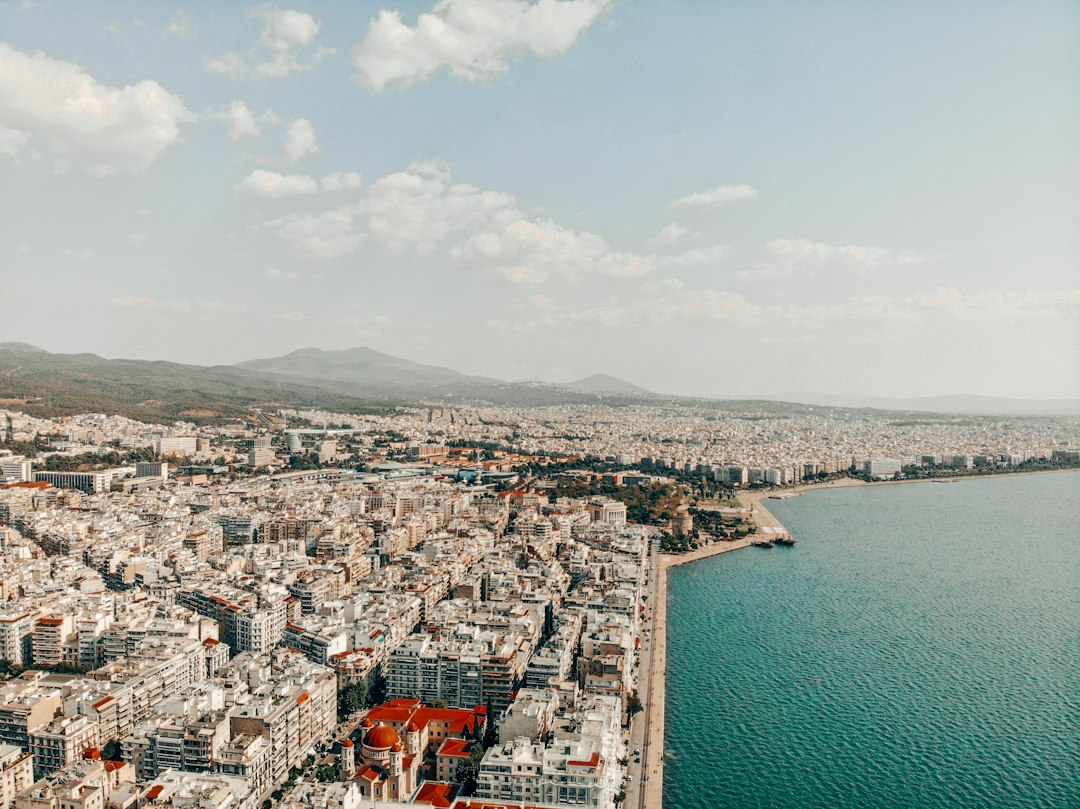
Thessaloniki, Greece’s second-largest city with a population of 309,617 in the city proper and over one million in its metropolitan area, sits at just 6 metres above sea level on the Thermaic Gulf. Founded in 315 BC by Macedonian King Cassander, it has been shaped by Roman, Byzantine, Ottoman, and Jewish civilisations over more than 2,300 years. The city’s waterfront stretches for nearly 6 kilometres and remains one of the most dramatically scenic urban promenades in southern Europe.
Three Things Not to Miss in Thessaloniki
- White Tower — Thessaloniki’s defining 15th-century Ottoman landmark rises 34 metres on the waterfront, housing a superb Byzantine history museum inside.
- Ano Poli (Upper Town) — The only surviving Ottoman-era neighbourhood offers Byzantine walls, timber-framed houses, and panoramic views over the entire city.
- Modiano Market — A covered 1920s market hall crammed with spice vendors, fresh fish, and tavernas serving bougatsa and local meze since the interwar period.
Scroll down for our complete travel guide with tips on getting there, where to stay, costs and more.
Getting to Thessaloniki from the Airport
How do I best get to Thessaloniki?
Fly directly into Thessaloniki International Airport Makedonia (SKG), the most practical entry point. In my experience, direct flights connect Thessaloniki to over 50 European cities, with journey times from London around 3 hours. If you are travelling from Athens, the intercity train takes roughly 4 hours 30 minutes and costs from €20 — a scenic and comfortable option through central Greece. Long-distance buses from Athens via KTEL take about 6 hours but are cheaper at around €15. My tip: flying in and out of SKG is the cleanest option for most international visitors. What surprised me is how well-served the airport is seasonally — capacity spikes sharply between June and September, so book early.
Which airport is closest to Thessaloniki?
Thessaloniki International Airport Makedonia (SKG) is the nearest airport, located just 13 km southeast of the city centre. In my experience, a taxi from SKG to the waterfront takes roughly 20–25 minutes outside rush hour and costs around €20–€25. Bus line 78 connects the airport to the main railway station (Thessaloniki Railway Station) for about €0.90 and runs frequently. The honest caveat most guides omit: Bus 78 stops running after 11 PM, so late-night arrivals must budget for a taxi or a pre-booked transfer. I recommend downloading the Thessaloniki Urban Transport app to track real-time bus arrivals before you land.
How long does the journey from the airport to central Thessaloniki take?
By taxi the ride is 20–25 minutes under normal conditions and costs around €20–€25. My tip: if you arrive during morning rush hour between 7:30 AM and 9:30 AM, add at least 15 extra minutes because the coastal road near the port backs up badly. Bus 78 takes closer to 40 minutes but costs only around €0.90 per person, making it the clear budget winner for solo travellers. What surprised me is that ride-hailing apps like Beat (previously Taxibeat) work well in Thessaloniki and often display the fare upfront, which removes the stress of negotiating or being overcharged at the taxi rank outside arrivals.
Do I need a car in Thessaloniki?
No — you absolutely do not need a car for Thessaloniki itself. The historic centre, Ladadika entertainment district, waterfront, and Ano Poli are all walkable or reachable by city bus. In my experience, the biggest reason visitors hire cars is to reach Halkidiki peninsula beaches, which sit 70–100 km to the southeast and have limited public transport. If Halkidiki or the ancient site of Vergina (70 km west) are on your list, renting for 1–2 days makes sense. Car hire from SKG Airport starts around €35–€50 per day. The honest caveat: Thessaloniki’s city-centre parking is a genuine nightmare, and fines are issued frequently, so never drive into the Aristotelous Square zone without a confirmed parking spot.
Moving Around Thessaloniki
What are the best areas to stay in Thessaloniki?
I recommend the Waterfront–Aristotelous Square corridor as the prime base — you are within walking distance of the White Tower, the Modiano Market, and dozens of restaurants. Ladadika, the former warehouse district just west of the port, is the top pick for nightlife lovers; it is lively until 3 AM on weekends. Ano Poli (Upper Town) is atmospheric and quieter, ideal for culture-focused visitors, though the steep climb home after dinner requires some fitness. What surprised me is how affordable the Thessaloniki waterfront hotels are compared to equivalent Athenian addresses — you get genuinely good design hotels here for prices Athens cannot match. Avoid budget hotels immediately around the central bus terminal area, which is scrappy and poorly located.
What does accommodation cost per night in Thessaloniki?
Budget travellers can find a clean economy hotel for around €45–€55 per night based on verified Numbeo data. Mid-range design hotels like those clustered near Aristotelous Square run €90–€140 per night. Boutique properties in Ano Poli average €110–€160, often including breakfast. In my experience, Thessaloniki offers meaningfully better value than Athens or Santorini at every price tier. The honest caveat: prices jump by 30–40% during the Thessaloniki International Film Festival in November and the Thessaloniki International Trade Fair in September — those two events fill the city overnight, so if your dates overlap, book at least 8 weeks in advance. Airbnb apartments near the Tsimiski Street shopping axis offer good value from around €60 per night.
How far in advance should I book accommodation in Thessaloniki during high season?
For peak summer (July–August), book at least 6–8 weeks ahead for mid-range hotels near the waterfront. In my experience, the Thessaloniki International Trade Fair in early September and the Film Festival in November are the two dates that catch visitors completely off guard — good rooms disappear 3 months in advance during those events. For shoulder season visits in October, 2–3 weeks is usually sufficient. My tip: properties directly on the Nikis Avenue waterfront sell out fastest because demand from Greek domestic tourists is intense in summer. The honest caveat most guides omit: Thessaloniki has a strong university presence — Aristotle University has over 90,000 students — which means late September when term starts creates a surprise crunch on mid-range apartments.
Are there special or unique accommodation types in Thessaloniki?
Yes — Thessaloniki has a genuinely distinctive neoclassical mansion hotel scene in Ano Poli and the Kastro neighbourhood, where 19th-century Ottoman-era timber houses have been converted into atmospheric boutique stays, sometimes with original painted ceilings and carved wooden interiors. In my experience, these are among the most characterful urban stays in all of Greece. Several restored townhouses near Rotonda offer rooms with direct views of Roman and Byzantine monuments — you can watch the floodlit Arch of Galerius from your window. Prices for these run €120–€180 per night. The honest caveat: buildings this old often lack lifts and have steep internal staircases, so confirm accessibility before booking if mobility is a concern.
Choosing a Neighbourhood in Thessaloniki
What are the must-see sights in Thessaloniki?
My non-negotiable list starts with the White Tower, the 15th-century Ottoman landmark that has become Thessaloniki’s universal symbol — entry costs €4 and the Byzantine museum inside is genuinely excellent. The Rotonda, a Roman mausoleum built around 306 AD that later became a church, then a mosque, then a monument, is one of the oldest standing domed buildings on Earth. Ano Poli requires a full half-day walk through Byzantine walls, Ottoman fountains, and neighbourhood tavernas. The Archaeological Museum of Thessaloniki holds extraordinary Macedonian tomb treasures, including gold from Vergina, for €8 entry. What surprised me is how few visitors bother with the Jewish Museum of Thessaloniki, which documents the once-massive Sephardic community that made up half the city’s population before 1943 — deeply moving and rarely crowded.
What can I experience for free in Thessaloniki?
Quite a lot — the entire 6-kilometre waterfront promenade from the port to the Concert Hall is free, endlessly walkable, and spectacular at sunset. The Byzantine Walls of Ano Poli and the Trigonion Tower viewpoint cost nothing to walk up to. Every Sunday is free entry day at the Archaeological Museum and the Museum of Byzantine Culture for EU citizens. The Modiano Market and Kapani Market are free to wander — both are working food markets, not tourist recreations. In my experience, the best free experience in Thessaloniki is simply sitting at a kafeneion on Aristotelous Square with a Greek coffee for €2 and watching the city pass by. The honest caveat: many Byzantine churches are technically free but close unpredictably between 1 PM and 5 PM — always visit in the morning.
Which day trips are possible from Thessaloniki?
Vergina (70 km west, about 1 hour by car) is the Royal Tombs of Philip II of Macedon — one of the most important archaeological sites in the world and unmissable. Pella (40 km west), the ancient Macedonian capital with extraordinary in-situ floor mosaics, pairs perfectly with Vergina in a single day. Halkidiki peninsula beaches are 70–90 km southeast — Sithonia is the most scenic prong, with pine trees meeting turquoise water. Mount Olympus sits 90 km southwest; the base village of Litochoro is reachable in 1 hour 20 minutes by car. The honest caveat: Halkidiki by public bus is slow and inconvenient — KTEL buses run but involve transfers and take over 2 hours each way, so for beach day trips, a rental car saves real time and frustration.
What are the local specialities I must eat in Thessaloniki?
Thessaloniki has a fierce local food identity, and locals will tell you — correctly — that the food here beats Athens. Bougatsa is the essential breakfast: a flaky pastry filled with semolina cream or cheese, served warm with powdered sugar, costing around €2–€3 at legendary spots like Bantis or Giannis in the city centre. Trigona Panoramatos — honey-soaked pastry cones filled with cream — are the city’s iconic sweet. For meze, taramosalata and htipiti (spicy red pepper and feta dip) arrive at every table in Ladadika tavernas. Grilled fish at the small tavernas of Aretsou neighbourhood on the coastal road is what I’d eat on my last night. The honest caveat: portion sizes are large and sharing is expected — ordering one dish each is a tourist mistake that leaves you overfull and overspending.
Top Sights in Thessaloniki
What makes Thessaloniki unique compared to other Greek cities?
Thessaloniki is the only major Greek city where Roman, Byzantine, Ottoman, and Sephardic Jewish layers coexist in the same urban fabric within walking distance of each other. The Arch of Galerius, the Rotonda, and Byzantine churches from the 4th to 14th centuries stand beside former Ottoman mosques and the site of the destroyed Jewish quarter — all within 1 km. In my experience, the city has a genuinely different cultural energy from Athens: more Balkan, more Central European in feel, with a café culture that is arguably the most intense in Greece. Aristotle University, with its 90,000-plus students, keeps the city intellectually alive year-round. What surprised me most: Thessaloniki was the birthplace of Mustafa Kemal Atatürk in 1881 — his preserved birth house is open to visitors and is one of the most historically charged small museums I have ever visited.
How many days are worthwhile in Thessaloniki?
3 full days covers the essential city highlights comfortably. Day 1: waterfront, White Tower, Aristotelous Square, Ladadika for dinner. Day 2: Ano Poli Byzantine walls, Rotonda, Arch of Galerius, Archaeological Museum. Day 3: Modiano and Kapani markets in the morning, Jewish Museum, Museum of Byzantine Culture. Add a 4th day if you plan a day trip to Vergina and Pella, which I consider essential context for understanding Macedonian history. In my experience, visitors who allocate only 1–2 days consistently say they wished they had stayed longer — the city reveals itself gradually through its neighbourhood tavernas and market rhythms. The honest caveat: Thessaloniki is not primarily a sightseeing checklist city; budget time to simply sit, eat, and drink, which is where its real character emerges.
When is the best time to visit Thessaloniki?
August, September, and October are the optimal months based on climate analysis. September is my personal favourite: temperatures are warm at around 25–28°C, the summer crowds have thinned, and the city returns to its normal rhythm after the summer tourist peak. October brings cooler evenings, golden light, and near-empty museums — perfect for walking Ano Poli without sweating. August is the hottest and busiest month but the waterfront and outdoor restaurants are at their most vibrant. The honest caveat: the Thessaloniki International Trade Fair in early September floods the city with business travellers and pushes hotel prices up sharply — if that event is not your interest, arrive mid-September or after. Winter (January–February) is mild but rainy, and some coastal tourism infrastructure closes.
What local festivals in Thessaloniki are worth attending?
The Thessaloniki International Film Festival (November, 66th edition in 2025) is one of the most respected film festivals in southeastern Europe, screening over 200 films across 10 days with many free outdoor screenings on the waterfront. The Thessaloniki International Trade Fair in September is the largest trade fair in Greece and has run annually since 1926. Agios Dimitrios Day on October 26 is the city’s patron saint celebration — the streets around the Basilica of Agios Dimitrios fill with processions and the city has a public holiday atmosphere. In my experience, visiting during Agios Dimitrios is wonderful: locals are out in full force, tavernas are packed with celebratory energy, and you witness Thessaloniki as a genuinely lived-in Greek city rather than a tourist destination.
Where to Eat in Thessaloniki
How does the weather in Thessaloniki affect what activities I can do?
Summer heat peaks in July and August, when midday temperatures regularly exceed 35°C — outdoor sightseeing at Ano Poli or the open archaeological sites should be finished by 11 AM. In my experience, the city genuinely shifts its rhythm in summer: everything slows between noon and 6 PM, then explodes back to life after sunset. Spring (April–May) is ideal for walking tours and the Vergina and Pella day trips. Winter brings occasional snow in Ano Poli and the upper hills, which is atmospheric but means some smaller Byzantine churches close without notice. The honest caveat: Thessaloniki sits at the head of a gulf and summer humidity can feel oppressive when combined with heat — the coastal breeze along Nikis Avenue is your best friend, and the waterfront restaurants with sea views justify the premium price.
How crowded does Thessaloniki get in peak season?
Thessaloniki does not suffer Athens-level tourist saturation, but August sees a noticeable spike driven heavily by Greek diaspora visitors, domestic tourists from Athens, and travellers connecting to Halkidiki. The White Tower queues reach 30–40 minutes on August weekend afternoons. In my experience, even at peak the city’s fabric absorbs visitors well because it is a functioning metropolis of over 1 million people in the metro area — you never feel the artificial tourist-bubble effect you get on the islands. The honest trade-off: September’s Trade Fair period creates a different kind of crowding — business-travel demand means hotel prices spike and good restaurants need reservations, even on weekdays. Outside those windows, Thessaloniki is refreshingly uncrowded for a city of its historical and cultural calibre.
How safe is Thessaloniki?
Thessaloniki is a safe city for travellers — in my experience, petty crime rates are low by European standards and solo travel, including for women at night, is comfortable in the main neighbourhoods. The Waterfront, Ladadika, and Ano Poli areas are safe at all hours. The zone around the central bus terminal and parts of Vardaris Square are rougher and worth avoiding after midnight — not dangerous, but uncomfortable. Pickpocketing is the main risk at the Modiano Market on busy weekend mornings. I recommend keeping your bag across your body rather than on your shoulder in market areas. The honest caveat: traffic in Thessaloniki is genuinely aggressive — Greek driving culture applies in full force, and pedestrian crossings are frequently ignored by drivers, so cross streets defensively even when you have right of way.
Is English widely spoken in Thessaloniki?
Yes — English is spoken confidently across hotels, restaurants, museums, and tourist businesses. In my experience, the large student population from Aristotle University means you will frequently encounter young locals who speak excellent English and are genuinely happy to help with directions or recommendations. Older shopkeepers in the Kapani Market may have limited English, but basic transactional Greek phrases go a long way and are warmly received. Museum signage at the Archaeological Museum and the Museum of Byzantine Culture is bilingual in Greek and English throughout. The honest caveat: taxi drivers are the one group where English can be patchy — I recommend showing your destination written in Greek on your phone rather than attempting to pronounce street names, which avoids confusion and occasionally dramatic detours.
Before You Go to Thessaloniki
What is the daily budget for visiting Thessaloniki?
Budget travellers can manage on €55–€70 per day covering a hostel or economy hotel (around €45), bougatsa breakfast (€3), a market lunch (€10), and a taverna dinner (€17 based on verified Numbeo pricing for a cheap meal). Mid-range travellers spending €130–€170 per day get a waterfront hotel, museum entries, sit-down meals, and local transport included. A mid-range dinner for two costs around €31 based on verified data. In my experience, Thessaloniki is one of the best-value city-break destinations in the eurozone — your money stretches noticeably further here than in Athens, and the food quality is, I would argue, superior. The honest caveat: local transport at €0.90 per ride is cheap, but taxis add up quickly if you rely on them for every trip.
How does public transport work in Thessaloniki?
Thessaloniki runs on a bus-only public transport network operated by OASTH — there is no metro, though construction of Line 1 has been underway for years. A single bus ticket costs €0.90 (validated on board) and a 24-hour pass costs around €4. In my experience, buses cover the city adequately but run on Greek time — meaning schedules are approximate and frequency drops after 10 PM. The Thessaloniki Urban Transport app shows real-time arrivals and route maps in English. The most useful lines for tourists are Bus 23 (waterfront to Ano Poli) and Bus 78 (airport to railway station). The honest caveat: the future metro is repeatedly delayed — the opening has been promised for years and remains uncertain as of 2026, so do not plan your trip assuming metro access that may not materialise.
Which apps do you recommend for visiting Thessaloniki?
I recommend 4 essential apps for Thessaloniki. First, Thessaloniki Urban Transport (OASTH) for real-time bus tracking — download before you arrive. Second, Beat (ride-hailing app dominant in Greece) for upfront-priced taxis when buses are slow or late. Third, e-food (the Greek equivalent of Deliveroo) if you want delivery to your accommodation or to browse local restaurant menus in English for price research. Fourth, Google Maps works excellently in Thessaloniki for walking navigation through Ano Poli’s maze of streets — I always drop pins on key sites before going offline. My tip: download an offline maps.me map of Thessaloniki as backup because the steep streets of the upper town can kill your signal unexpectedly. The honest caveat: Greek-language review apps like e-food show you restaurants locals actually use, which are not always the ones appearing at the top of TripAdvisor.
Thessaloniki at a Glance
| Population | 309,617 |
|---|---|
| Currency | EUR (€) |
| Official language | Greek |
| Time zone | UTC+02:00 |
Source: Wikidata, retrieved September 2026.
Greece › Thessaloniki
More Destinations in Macedonia
More Destinations in Greece
Related Travel Guides
Essential Resources for Planning Your Trip to Thessaloniki
- Thessaloniki Tourism – Home — official visitor information, passes & events
- Wikipedia: Thessaloniki — history, geography & background
- Wikivoyage: Thessaloniki — community travel guide & practical tips
- Thessaloniki travel – Greece, Europe — expert itineraries & travel inspiration
- THE 15 BEST Things to Do in Thessaloniki (2026) — hotels, restaurants & traveller reviews
- Moving around the city — how to get around
- Numbeo: Cost of Living in Thessaloniki — current prices & cost comparison
- Timeanddate: Thessaloniki Weather & Climate — forecasts & climate statistics
- Thessaloniki – Creative Cities Network
More Perspectives on Thessaloniki
- Guide for a cool city weekend in Thessaloniki.
- Travel Guide to Thessaloniki – Greece’s Second City
- Tips for anyone visiting Thessaloniki
Thessaloniki Travel Videos
Watch these videos for a visual preview before your trip:
- Thessaloniki Travel Guide 2025 – Best Places to Visit in Thessaloniki Greece in 2025
- Top 10 Best Things to Do in Thessaloniki, Greece [Thessaloniki Travel Guide 2025]
- What to do in Thessaloniki – A local’s tips!
Thessaloniki Travel Discussions on Reddit
Real traveller experiences and community advice:
- Is Thessaloniki worth a trip? : r/travel
- Thessaloniki: Experiences? Advice? : r/travel
- Travel tips from Thessaloniki : r/GreeceTravel
Data Sources
This page was compiled using data from Wikipedia, Wikidata, Open-Meteo (climate), Numbeo (cost of living) and REST Countries. Information is updated regularly.