
Larissa: The Complete Travel Guide (2026)
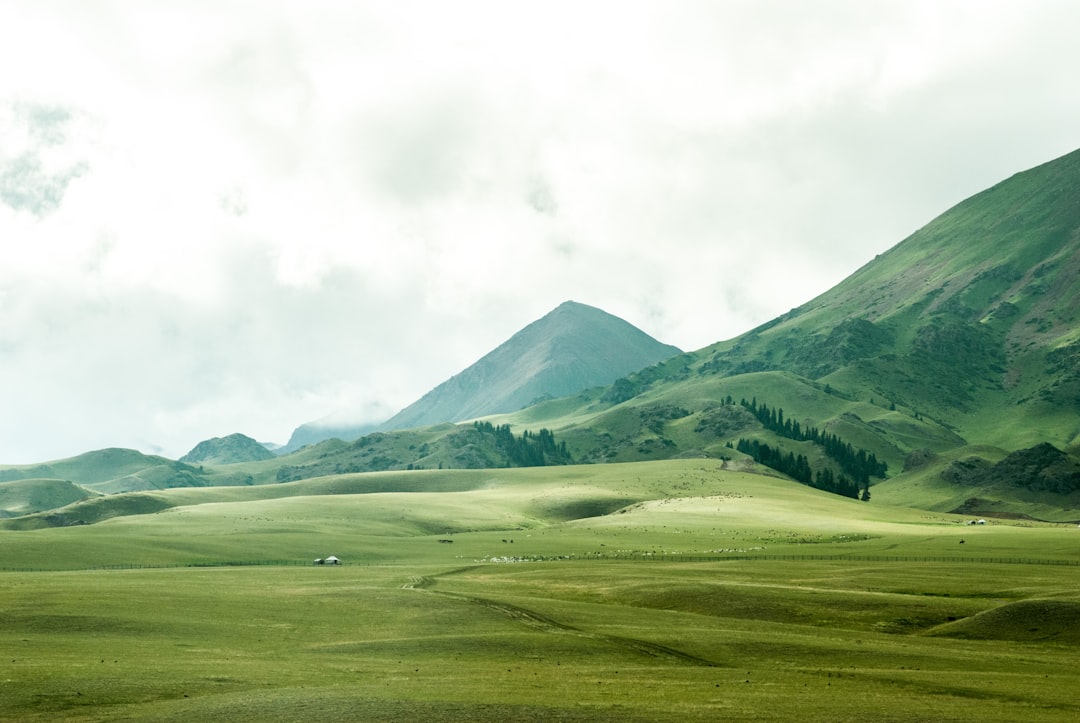
Larissa Travel Guide: Everything You Need to Know (2026)
Larissa, the capital of Thessaly and Greece’s fifth-most populous city with 146,377 residents, sits at just 85 metres above sea level on the banks of the Pineios River. Founded in antiquity and mentioned by Homer, it served as a key Macedonian stronghold and today functions as one of Greece’s most important agricultural and rail hubs. The city’s layered history — from ancient acropolis to Ottoman mosques — makes it a compelling stop that most international tourists still overlook entirely.
Three Things Not to Miss in Larissa
- Ancient Theatre of Larissa (First Ancient Theatre) — One of the largest ancient theatres in Greece, seating up to 10,000 spectators, still used for live performances today.
- Alcazar Park and Pineios Riverfront — A leafy 400-metre riverside promenade loved by locals, offering al fresco cafés and a genuine non-touristy Greek urban experience.
- Diachronic Museum of Larissa — Houses artefacts spanning 300,000 years of Thessalian history in a modern building opened in 2015.
Scroll down for our complete travel guide with tips on getting there, where to stay, costs and more.
How to Reach Larissa
How do I get to Larissa — by plane, train, or road?
Train or car is your best option for reaching Larissa. By rail from Athens, the **InterCity Express takes roughly 3.5 hours** and costs around **€25–€35** booked via trainose.gr. By car from Athens via the **E75 motorway**, it is approximately **215 km**, taking about **2.5 hours** without stops. The nearest airport is **Thessaloniki’s Makedonia Airport (SKG)**, roughly **150 km** north — a €20–€25 bus or rental car transfer away. In my experience, the train is the most relaxing and reliable choice; the new rolling stock on this route is genuinely comfortable. Caveat: the Larissa train station is **15 minutes walk from the city centre**, so budget for a short taxi.
Which airport is closest to Larissa?
**Thessaloniki Makedonia Airport (SKG)** is the most practical international airport, sitting **150 km north of Larissa**. Athens International Eleftherios Venizelos (ATH) is about **215 km south** and often has cheaper international fares. From SKG, a direct bus via **KTEL Thessaloniki** reaches Larissa in roughly **2 hours** for around **€15**. I recommend ATH if you are flying from western Europe — the flight frequency and competitive fares outweigh the extra road distance. What surprised me: Larissa does have its own small airport (LRS) but it operates only seasonal charter flights, so never rely on it for scheduled international travel.
How long does the journey to Larissa take from Athens?
Direct InterCity rail from **Athens Larissa Station** to Larissa city takes **3 hours 30 minutes** on a good day. By car via the **E75/A1 motorway**, expect **2.5 to 3 hours** depending on traffic near Athens. My tip: depart Athens before **8:00 am** to avoid the notorious Attica motorway congestion that can add a full hour. The KTEL Larissa bus from **Athens’ Liosion terminal** is a slightly cheaper option at around **€18**, but takes up to **4 hours**. Honest caveat: rail delays of **20–40 minutes** occur more often than Hellenic Train’s timetable suggests — always allow a buffer on connection days.
Do I need a rental car to explore Larissa?
No — for the city itself, you absolutely do not need a car. Larissa’s compact centre around **Plateia Tachidromiou** and the **Pineios riverfront** is entirely walkable within 20 minutes. Local buses cover the wider city for around **€1.17 per ride**. I recommend renting a car only if you plan day trips to **Meteora (90 km west)** or the **Pelion Peninsula (70 km east)**, where public transport is infrequent. Budget rental agencies near the train station quote around **€35–€45 per day** for a small car in 2025. Caveat: central Larissa parking is genuinely frustrating — paid street zones fill by 9:00 am on weekdays.
Larissa Public Transport Explained
What are the best areas to stay in Larissa?
Stay in the **city centre district around Plateia Laou and Kentraki Street** — you are within a 10-minute walk of the ancient theatre, main restaurants, and the lively café strip. The **Neapoli neighbourhood** offers quieter streets and slightly lower nightly rates while remaining walkable. I recommend avoiding the hotel strip near the **train station** unless you have an early departure — it is functional but lacks character. What surprised me is how pleasant the **Pineios riverfront area** is for an evening hotel: several mid-range boutique options have opened there since 2022, offering genuine local atmosphere rather than chain-hotel uniformity.
What does accommodation in Larissa cost per night?
Budget €50–€75 per night for a clean, well-located double room in Larissa. A solid **3-star hotel in the centre** — such as those on **Papanastasiou Street** — runs €60–€80. Boutique options near the riverfront sit at €80–€110. Airbnb apartments in the **Neapoli or Ampeloktipoi** neighbourhoods often undercut hotels at €40–€55 per night. In my experience, Larissa represents noticeably better value than Athens or Thessaloniki for equivalent quality. Honest caveat: the city has limited true luxury hotels — if you need a 5-star experience, you will be disappointed; the ceiling here is comfortable 4-star.
How far in advance should I book accommodation in Larissa during high season?
Book at least **3–4 weeks ahead** for visits in **July and August**, especially around the **Larissa Carnival period (February–March)** when hotels fill fast. For the shoulder months of **May, June, September**, a **1–2 week lead time** is usually sufficient. I was caught out once during a regional agricultural fair in **October** when every mid-range property within 5 km of the centre was fully booked — always check for local events on the **Larissa municipality events calendar** before assuming availability. Business travel peaks on **Tuesday–Thursday**, so weekends often yield 10–15% lower rates at the same hotels.
Are there any special or unique accommodation types in Larissa?
Larissa is not a villa-and-pool destination, but a few standout options exist. The **renovated neoclassical guesthouses in the Frourion (acropolis) area** offer rooms inside 19th-century stone buildings with views over the ancient theatre — genuinely special and priced around €75–€95 per night. For a rural alternative within **20 km of the city**, agrotourism stays in **Tempi Valley** provide olive-grove settings for €50–€65. My tip: search Greek booking platform **Airbnb Greece** and local site **e-larissa.gr** for unlisted properties that do not appear on international OTAs. Caveat: luxury spa resorts do not exist here — this is an authentic working Greek city, not a resort hub.
Neighbourhoods of Larissa
What are the must-see sights in Larissa?
Three sights earn an unmissable rating. The **First Ancient Theatre of Larissa**, one of Greece’s largest at 10,000 seats, is partially excavated and freely visible from street level — stunning at dusk. The **Diachronic Museum of Larissa** on **Plateia Laou** covers 300,000 years of regional history across two well-curated floors for just **€4 entry**. Finally, the **Ottoman Bezesteni** — a 15th-century covered market in the heart of the bazaar district — is one of the best-preserved Ottoman structures in mainland Greece and completely free to enter. I recommend spending a morning at all three in a single 3-hour loop from the centre.
What can I experience for free in Larissa?
Larissa punches well above its weight on free attractions. The **First Ancient Theatre** perimeter is open and photogenic at zero cost. **Alcazar Park**, the city’s riverside green lung along the **Pineios**, is free and perfect for a morning walk. The **Municipal Art Gallery of Larissa** on **Papanastasiou Street** charges no entry fee and hosts rotating contemporary Greek art exhibitions. The entire **old bazaar district (Bezesteni area)** rewards an hour of free wandering through covered alleys. My tip: the evening **volta** (promenade) culture on **Plateia Tachidromiou** from around 7:00 pm is quintessential Greek urban life — free, lively, and completely authentic.
Which day trips from Larissa are most worthwhile?
**Meteora** is the non-negotiable day trip — just **90 km west via the E92**, it takes under **90 minutes by car** and the monasteries perched on rock pillars are genuinely one of Greece’s top sights. The **Vale of Tempi and Mount Olympus base** lies only **50 km northeast** and combines a gorge walk with the mythological thrill of Europe’s highest peak at **2,917 metres**. For a beach day, **Agria on the Pelion coast** is **70 km east**, offering clear Aegean water. Honest caveat: Meteora by public bus from Larissa requires a **Kalambaka KTEL connection** that limits you to **5–6 hours** on site — a car gives you the full experience.
What local specialities should I eat in Larissa?
Thessaly’s agricultural heartland means Larissa’s food scene revolves around exceptional raw ingredients. Order **lamb giouvetsi** (slow-braised with orzo) at any traditional **psistaria (grill house)** in the **Neapoli neighbourhood** — it costs around **€9–€12 per portion**. **Tyropita Thessalias** (Thessalian cheese pie with local feta) from a street bakery runs **€1.50–€2** and is dramatically better than its Athens equivalent. Local **tsipouro** (grape pomace spirit) is served free with mezedes at traditional kafeneions near the bazaar. In my experience, the farmers’ market on **Saturday mornings at the central market hall** is the single best way to taste the region — fresh produce, honey, and aged Graviera cheese at genuine local prices.
What to See in Larissa
What makes Larissa unique compared to other Greek cities?
Larissa is one of the very few Greek cities where you experience genuinely **unfiltered everyday Greek urban life** without a tourist industry distorting it. The city has **4 distinct archaeological layers** visible simultaneously — Neolithic, Classical, Roman, and Ottoman — often within the same city block. As Greece’s **primary agricultural trading hub**, its central market (laiki) is a working commercial space, not a tourist market. What surprised me most: the **local café culture here is arguably richer than Athens** — the ratio of independent espresso bars and bougatsa shops to tourists is completely inverted. Larissa feels like the Greece Greeks actually live in.
How many days should I spend in Larissa?
**2 full days** covers the city itself comprehensively. Spend day one on the **ancient theatre, Diachronic Museum, and Bezesteni bazaar**, ending with a riverfront dinner. Use day two for the **Alcazar Park morning walk**, the Municipal Art Gallery, and an evening in the **Neapoli restaurant strip**. Add a third day if you plan a **Meteora day trip (90 km)** — it genuinely warrants its own full day. I would not recommend more than 3 nights based in Larissa unless you are using it as a Thessaly hub for Pelion, Meteora, and Olympus. Honest caveat: evening entertainment options beyond café culture are limited — nightlife-seekers will exhaust the options by day 2.
When is the best time to visit Larissa?
**August** is the climatically optimal month based on verified 5-year data, but my personal recommendation is **late May or early June**. Temperatures are pleasant at **24–27°C**, crowds are minimal, and the agricultural landscape around the city is at its greenest. August brings intense heat — Larissa sits inland and regularly exceeds **38°C** — which makes sightseeing genuinely uncomfortable between noon and 4:00 pm. **September** is an excellent compromise: warm enough for day trips to Pelion beaches, cooler for city walks, and meaningfully cheaper hotels. Avoid **July–August** if you are heat-sensitive; Larissa’s inland position intensifies summer temperatures compared to coastal Greek cities.
Are there local festivals in Larissa worth attending?
The **Larissa Carnival (Apokries)** in February–March is the city’s biggest annual event — a 3-week street festival with floats, costume parades, and free outdoor performances drawing visitors from across Thessaly. The **Larissa International Folklore Festival** in July brings dance troupes from across Europe to **Alcazar Park** for free evening performances. The **Thessaly Agricultural Fair (Agrotiká)** held annually in **October at the Larissa Exhibition Centre** is a fascinating window into the region’s farming identity — not touristy at all but genuinely interesting. My tip: book accommodation **6–8 weeks ahead** for Carnival — hotels within **10 km** of the centre fill completely, and prices jump **30–40%** above normal rates.
Larissa Food Scene
How does the weather in Larissa affect what I can do there?
Larissa has a **continental Mediterranean climate** — hot dry summers and cool, occasionally wet winters. Summer heat above **35°C** pushes outdoor sightseeing to the **7:00–11:00 am window** and after **5:00 pm**, making the midday museum visit essential rather than optional. Spring (April–May) and autumn (September–October) are ideal for day trips to **Meteora and Pelion**, when neither rain nor heat restricts you. Winter (December–February) is mild enough for city walking at **8–12°C** but occasional rain affects the Pineios riverfront paths. What surprised me: the **Tempi Valley gorge** 50 km north is actually best visited in **October–November** when the foliage turns and crowds are absent.
How crowded does Larissa get in peak season?
Not very — by Greek standards, Larissa barely registers as a tourist destination. Even in peak **July–August**, the ancient theatre and Diachronic Museum see **zero queuing**. The city’s 146,377 residents are its primary audience, not international tourists. The main crowding you will encounter is **local Greek visitors during Carnival (February–March)** and during **summer weekends** when Athenians and Thessalonians pass through en route to Pelion. In my experience, this is one of the few Greek cities where you can visit the main archaeological sights on a Saturday morning in August and have them entirely to yourself. That is rare and genuinely refreshing.
How safe is Larissa for travellers?
Larissa is safe — it is a working Greek regional capital with low violent crime. The **city centre, riverfront, and Neapoli neighbourhood** are comfortable to walk at any hour. The area around the **train station at night** attracts occasional petty opportunism — keep bags close and avoid displaying expensive equipment after dark there. Pickpocketing risk at the **Saturday market** is real, as in any busy Greek market. Standard precautions apply: use a crossbody bag, keep phone out of back pockets. Emergency number is **112** across Greece. My tip: the **local police station on Papakiriazi Street** has English-speaking officers — useful if you need assistance without a Greek speaker.
Is English widely spoken in Larissa?
English is spoken reliably in **hotels, larger restaurants, and the Diachronic Museum**, but less so in traditional kafeneions, local markets, and older neighbourhoods. Younger Larissans (under 35) almost universally speak functional English — Greece’s education system has prioritised it for decades. In my experience, a phrase or two of Greek — **”Efharisto” (thank you)** and **”Parakaló” (please)** — creates disproportionate goodwill and often unlocks better service. The **Saturday farmers’ market** is the main place where English fails completely; download **Google Translate with Greek offline pack** before you arrive. Outside the centre, particularly in the **Neapoli and Mezourlo districts**, expect Greek-only interactions.
Local Know-How for Larissa
What is a realistic daily budget for Larissa?
Budget **€60–€75 per person per day** covering a mid-range hotel (split double room at €65/night = €32.50 per person), **3 meals** (€5 breakfast at a bakery, €10 lunch at a taverna, €18 dinner with wine), local transport at **€1.17 per ride**, and a museum entry at **€4**. A shoestring traveller using Airbnb at €40/night and eating gyros (€2.80 each) can survive on **€35–€45 per day**. A comfortable traveller dining at better restaurants and taking one paid day trip to Meteora (€15 fuel share) should budget **€90–€110 per day**. Larissa is genuinely cheaper than Athens by approximately **25–30%** at equivalent quality levels.
How does public transport work within Larissa?
Larissa has a functioning urban bus network operated by **ASTEL** with tickets costing **€1.17 per ride** — paid on board with cash. The city centre is compact enough that most visitors walk everywhere within the historic core. Key bus lines connect the **train station to Plateia Laou (Line 1)** and the **university campus to the centre (Line 7)**. Taxis are metered, reliable, and cheap — a cross-city ride rarely exceeds **€5–€7**. My tip: use the **e-Go app** (Greek public transport app) for Larissa bus schedules — it has English-language support and live tracking. Honest caveat: buses stop running largely by **10:30 pm**, so late-night returns from restaurants require a taxi.
Which apps do you recommend for visiting Larissa?
Six apps earn a permanent place on your phone for Larissa. **Trainose/Hellenic Train app** for rail booking and real-time delays — essential. **e-Go** for local ASTEL bus schedules with English support. **Google Maps offline (Thessaly region downloaded)** — cell coverage in the **Tempi gorge** drops to zero. **Bolt** for taxis — available in Larissa and cheaper than street hails by roughly **15%**. **Google Translate with Greek offline pack** for market and backstreet interactions. Finally, **Greek Travel Pages (GTP)** for checking ferry connections if you extend your trip to the Aegean. In my experience, **Bolt** specifically has transformed getting around secondary Greek cities — it works reliably in Larissa even at 11:00 pm.
Larissa at a Glance
| Population | 146,377 |
|---|---|
| Currency | EUR (€) |
| Official language | Greek |
| Time zone | UTC+02:00 |
Source: Wikidata, retrieved September 2026.
Greece › Larissa
More Destinations in Greece
Essential Resources for Planning Your Trip to Larissa
- World Heritage and Sustainable Tourism Programme — official visitor information, passes & events
- Wikipedia: Larissa — history, geography & background
- Wikivoyage: Larissa — community travel guide & practical tips
- Ancient Theatre of Larissa | Greece | Attractions — expert itineraries & travel inspiration
- THE 15 BEST Things to Do in Larissa (2026) — hotels, restaurants & traveller reviews
- Analysis in a Spanish UNESCO World Heritage City – TRID — how to get around
- Numbeo: Cost of Living in Larissa — current prices & cost comparison
- Timeanddate: Larissa Weather & Climate — forecasts & climate statistics
- World Heritage and Sustainable Tourism Programme
More Perspectives on Larissa
- Life with Larissa – Welcome to My Side of the World!
- Are there Meteora day trips that don’t start or end at Larissa …
- Is Larissa Greece Worth Visiting? Complete Travel Guide
Larissa Travel Videos
Watch these videos for a visual preview before your trip:
- 🇬🇷Greece travel guide: Larissa, a magical place in Thessaly | attractions and traditional villages
- GREECE travel guide | EVERYTHING to know before you go🇬🇷😁
- The Ultimate Greece Travel Itinerary for First-Time Visitors 😍
Larissa Travel Discussions on Reddit
Real traveller experiences and community advice:
- Larissa won Travel influencer of the year!
- Larissa ko Travel Award?! Phir se? How? I remember she …
- Travel questions : r/GreeceTravel
Data Sources
This page was compiled using data from Wikipedia, Wikidata, Open-Meteo (climate), Numbeo (cost of living) and REST Countries. Information is updated regularly.