
Vulcano: The Complete Travel Guide (2026)
Last reviewed: October 2026 · key facts checked against Wikidata
Vulcano Weather by Month: When to Go
| Month | Day | Night | Sea | Rain days | Rain mm | Wind km/h | Good for |
|---|---|---|---|---|---|---|---|
| Jan | 15° | 9° | 16° | 13 | 110 | 19 | – |
| Feb | 15° | 9° | 15° | 9 | 78 | 18 | – |
| Mar | 17° | 10° | 16° | 12 | 102 | 20 | – |
| Apr | 19° | 12° | 17° | 8 | 55 | 18 | Hike |
| May | 23° | 15° | 20° | 8 | 64 | 16 | – |
| Jun | 28° | 20° | 25° | 5 | 33 | 13 | Swim |
| Jul | 31° | 23° | 28° | 3 | 17 | 13 | Swim |
| Aug | 31° | 23° | 28° | 6 | 28 | 13 | Swim |
| Sep | 27° | 21° | 26° | 11 | 58 | 14 | Swim |
| Oct | 24° | 17° | 24° | 10 | 79 | 16 | Swim |
| Nov | 20° | 13° | 21° | 12 | 95 | 17 | – |
| Dec | 16° | 10° | 18° | 12 | 96 | 18 | – |
Sources: ERA5 reanalysis via Open-Meteo, 2016–2025 (10-year average) for air temperature, rain and wind (average daily maximum); Open-Meteo Marine API, 2023–2025 for sea surface temperature. A rain day has at least 1 mm. Area averages; individual years vary.
Vulcano Travel Guide: Everything You Need to Know (2026)
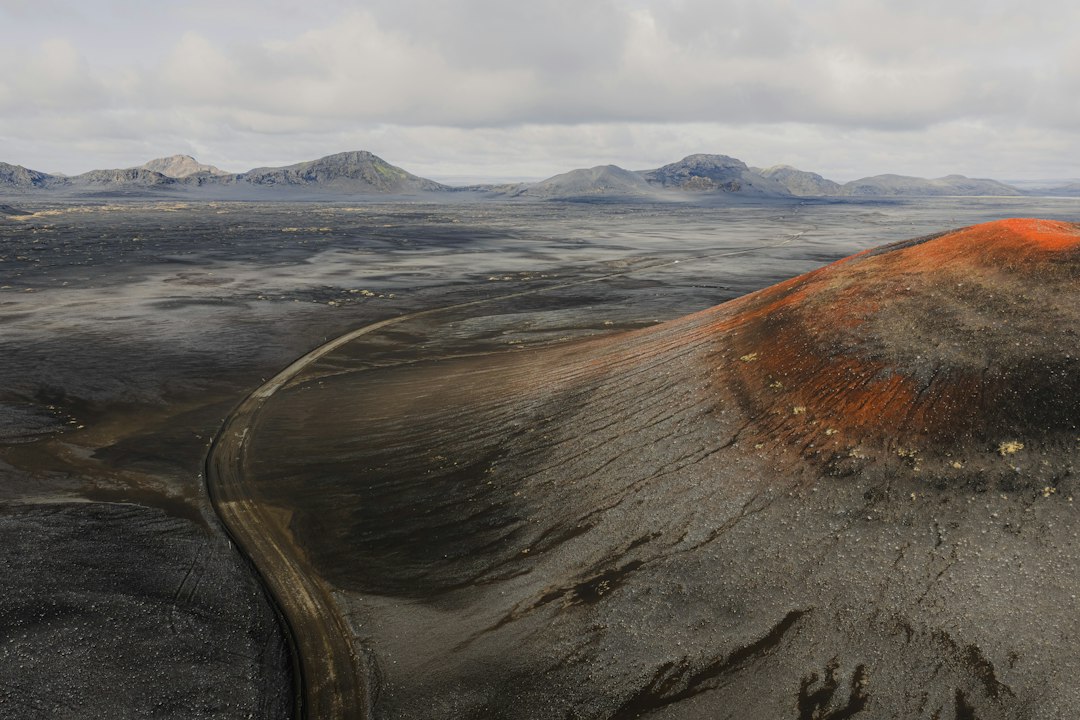
Vulcano is the southernmost of the seven Aeolian Islands, sitting roughly 20 km north of Sicily in the Tyrrhenian Sea and rising to about 500 m above sea level at the Gran Cratere. The island covers just 21 km² yet hosts one of only four active subaerial volcanoes in Italy, making it a scientifically significant destination that draws geology enthusiasts and beach-seekers alike. Sulphurous fumaroles, therapeutic mud baths, and a car-free culture on the main quayside give Vulcano a character entirely unlike its Aeolian neighbours Lipari and Stromboli.
Three Things Not to Miss in Vulcano
- Gran Cratere hike — A 2-hour return trail to the active crater rim at 386 m delivers panoramic views of all seven Aeolian Islands.
- Laghetto di Fanghi (mud pools) — Bubbling sulphurous mud baths at the crater base are a geological rarity used therapeutically for centuries.
- Spiaggia Sabbie Nere — Jet-black volcanic sand beach on the island’s north-east shore, unique in colour even among Aeolian beaches.
Scroll down for our complete travel guide with tips on getting there, where to stay, costs and more.
Getting to Vulcano: Ferry or Flight
How do I get to Vulcano — by flight or ferry?
Ferry from Milazzo is the standard and recommended route. Milazzo, on Sicily’s north-east coast, is the main departure hub for all Aeolian Islands. Siremar and Liberty Lines operate both slow ferries (about 1 hour 20 minutes to Vulcano Porto) and fast hydrofoils (45–55 minutes). Travellers arriving by air land at Catania Fontanarossa (CTA), roughly 165 km from Milazzo, or Palermo (PMO), roughly 240 km away. There is no airport on Vulcano itself. Worth knowing: summer sea conditions are generally calm, but autumn crossings can be disrupted by Scirocco winds, occasionally cutting service for 24–48 hours.
Which port is the best starting point for Vulcano?
Milazzo is the definitive gateway port. The harbour is well-organised, with ticket booths for Liberty Lines (hydrofoils) and Siremar (car ferries) side by side on the quayside. If you are coming from Catania airport, direct buses to Milazzo take approximately 2 hours via the A18/A20 motorway; check Interbus or SAIS Autolinee schedules. Reggio Calabria on the mainland also has seasonal hydrofoil links to the Aeolian Islands, but services are less frequent than from Milazzo. Arriving through Milazzo keeps connection times short and gives you access to the most departures per day, especially in July and August.
How long does the ferry crossing to Vulcano take?
The hydrofoil (aliscafo) from Milazzo to Vulcano Porto takes approximately 45–55 minutes. The slower car ferry takes around 1 hour 20 minutes to 1 hour 40 minutes depending on whether it calls at intermediate ports. From Lipari, Vulcano’s nearest Aeolian neighbour just 10 km away, the hydrofoil crossing is only about 10–15 minutes, making day-trip combinations very easy. Worth knowing: Liberty Lines hydrofoils do not carry cars, only passengers and light luggage. If you plan to bring a vehicle, book a Siremar car ferry well in advance for July and August, as space is limited and fills quickly.
What does a ferry or flight to Vulcano cost?
A Liberty Lines hydrofoil from Milazzo to Vulcano costs approximately €15–€22 per person one-way; check current fares at libertylines.it. The slower Siremar ferry is cheaper for foot passengers (around €10–€14) but transporting a car adds roughly €50–€80 each way depending on vehicle length; verify at siremar.it. Flights into Catania (CTA) from northern Italian cities start around €40–€90 one-way on Ryanair or ITA Airways in shoulder season, rising sharply in August. There are no direct international long-haul flights to Catania; travellers from outside Europe typically connect via Rome Fiumicino (FCO) or Milan Malpensa (MXP).
Are overnight ferries to Vulcano worth taking?
Overnight ferry service to Vulcano specifically is not a standard scheduled option — Vulcano Porto does not have a dedicated overnight crossing from the mainland. However, Grimaldi Lines and GNV operate overnight ferries from Naples or Genoa to Palermo, and from Palermo you travel overland to Milazzo for the day connection. This can save a hotel night for travellers coming from northern Italy. Worth knowing: the Naples–Palermo overnight crossing takes around 10–11 hours; add roughly 3 hours by bus or train from Palermo to Milazzo, so factor in a half-day of transit before you even board the Aeolian hydrofoil.
Getting Around Vulcano
Do I need a rental car or scooter on Vulcano?
No rental car is needed — and bringing one is actively discouraged. Vulcano is small (21 km²), the main sights around Vulcano Porto and Piano are walkable or reachable by scooter, and the island’s roads are narrow. We recommend renting a scooter or electric golf cart from local outfitters near the port — expect approximately €25–€50 per day for a scooter. Cycling is possible on flat stretches but the ascent to the Gran Cratere is on foot only. Worth knowing: parking a mainland car here requires booking a car-ferry spot and paying port fees, which adds cost and logistical complexity with minimal benefit over local hire.
Are there bus connections between villages on Vulcano?
A local minibus service connects Vulcano Porto to the village of Piano and a few other points on the island, but service is infrequent — typically a handful of departures per day. Schedules are managed locally and change seasonally; check the notice board at the Vulcano Porto ferry dock on arrival for current timetables. For most travellers, walking, scooter hire, or golf cart hire is far more practical. The hike from the port to the Gran Cratere trailhead takes about 20 minutes on foot. Tip: confirm bus times locally as no reliably updated online schedule exists for this service.
What does a rental scooter or car cost on Vulcano — and where do I hire one?
Scooter hire on Vulcano runs approximately €30–€50 per day depending on cc and season; several hire outfitters operate within 200 m of the Vulcano Porto ferry dock — no need to book ahead in shoulder season, but arrive early in July and August as fleet size is limited. Golf carts (typically seating 4) cost roughly €60–€80 per day. Bicycle hire is available for around €10–€15 per day and suits the flat coastal road between the port and Sabbie Nere beach. Worth knowing: petrol stations on Vulcano are limited, so check fuel levels before heading to the island’s less-visited southern roads near Vulcanello.
Which parts of Vulcano are accessible without a scooter or car?
The island’s main attractions are conveniently concentrated within easy walking distance of Vulcano Porto. The Laghetto di Fanghi mud baths are about a 5-minute walk from the ferry dock. Spiaggia Sabbie Nere (black sand beach) is roughly 15–20 minutes on foot along the coast road. The Gran Cratere trail starts within 25 minutes on foot from the port. The village of Piano and the more remote beaches on the island’s southern tip near Gelso require a scooter, golf cart or taxi. Tip: Gelso is worth the extra effort for its clear water and relative quiet, but confirm local taxi availability at the port.
Can I cycle around Vulcano?
Partial cycling is feasible; a full circuit is not comfortable. The flat coastal road from Vulcano Porto north-east to Spiaggia Sabbie Nere and around Vulcanello peninsula is suitable for a leisurely cycle of about 5–7 km. However, the road south towards Gelso involves significant gradients on rough tarmac, and the Gran Cratere is entirely a foot trail — no bikes allowed on the crater path. Bicycle hire costs around €10–€15 per day near the port. Compared to neighbouring Lipari, which also has steep terrain, Vulcano offers slightly more flat cycling near the port zone but is still predominantly a walking and scooter island.
Where to Stay on Vulcano
Which village should I base myself in on Vulcano?
Vulcano Porto is the only practical base for most visitors. It has the ferry connections, the highest concentration of accommodation (hotels, B&Bs, apartments), all restaurants, the mud baths, and the trailhead to the Gran Cratere. The smaller settlement of Piano on the island’s plateau offers a quieter, more local feel and cooler summer temperatures, but requires a scooter or the infrequent minibus to reach services. For first-time visitors, staying within 500 m of the Vulcano Porto dock balances convenience with access to everything the island offers. Worth knowing: sulphurous fumes near the mud-bath area of the port can be noticeable at night — light sleepers should choose accommodation at the port’s eastern end.
What does accommodation cost per night on Vulcano?
Expect to pay approximately €80–€150 per night for a mid-range double room in a B&B or small hotel near Vulcano Porto in shoulder season (June, September). In peak August, prices for the same rooms routinely rise to €150–€250+. Self-catering apartments can be found from around €70–€120 per night outside August. Luxury options such as Hotel Faraglione or Therasia Resort (on adjacent Vulcanello) run €200–€400+ per night in high season. Compared to Lipari, Vulcano’s accommodation range is narrower and overall slightly cheaper, but quality varies — read recent reviews on Booking.com or similar before committing.
Which area of Vulcano suits which travel style?
Vulcano Porto suits travellers who want quick access to the mud baths, black-sand beaches, crater hike, and ferry connections to other Aeolian Islands — effectively most visitors. Piano suits travellers seeking quiet, local atmosphere, cooler air (it sits higher than the port), and a sense of residential island life; you’ll need a scooter. The Gelso area on the southern tip is for travellers prioritising untouched swimming spots and minimal crowds, accepting that amenities are almost nonexistent. Worth knowing: Vulcano overall suits active, independent travellers more than resort-style holidaymakers — there are no all-inclusive resorts, and the island has a raw, volcanic character distinct from polished neighbours like Salina.
How far in advance do I need to book accommodation on Vulcano?
For July and August, book at least 3–4 months ahead — the island has a small accommodation stock and peak demand is intense. The last two weeks of August are the tightest; many properties are fully booked by April for that window. For June and September, booking 6–8 weeks ahead is generally sufficient. For October, you often have flexibility of 2–3 weeks, though some smaller B&Bs close after mid-October. Tip: ferry crossings in August also fill quickly — book your Milazzo–Vulcano hydrofoil at libertylines.it at the same time as your accommodation, as sold-out boats can strand you in Milazzo.
Are there good apartments or villas with sea views on Vulcano?
Yes, self-catering apartments with sea or crater views exist on Vulcano, primarily listed on Airbnb, Booking.com, and local agency Eolie Case Vacanze. Rates run approximately €80–€180 per night for a two-person apartment in June or September, rising to €150–€300+ in August. Most sea-view apartments are on the higher ground above Vulcano Porto or near Piano. Worth knowing: properties near the mud-bath zone may carry a faint sulphur odour depending on wind direction — check the exact address and read guest reviews carefully. Villas with private pools are rare on Vulcano; for that level of accommodation, neighbouring Salina or Panarea offer more options.
Best Time to Visit Vulcano
When is the best time to visit Vulcano?
June, September, and early October offer the best balance of good weather, manageable crowds, and reasonable prices. Climate analysis confirms June through October as the favourable travel window. June brings warm temperatures and long daylight hours with fewer crowds than August. September is widely considered ideal: sea temperatures remain warm for swimming (around 26°C), the island quiets after the August peak, and accommodation prices drop noticeably. July and August are hot and busy. October still allows crater hiking and some swimming in early weeks, but ferry schedules begin reducing after mid-October. Worth knowing: the island’s low elevation means it rarely sees cold winters, but many businesses close from November to March.
What is the weather like on Vulcano throughout the year?
Vulcano has a classic Mediterranean climate with hot, dry summers and mild, wetter winters. Summer months (June–August) see daytime highs typically around 28–33°C with very little rainfall. September and October are warm (around 22–27°C) with occasional short rain showers. November to February brings the wettest conditions, with temperatures dropping to 10–15°C at night. The island sits at 500 m at its peak, so the crater can feel significantly cooler than the port on windy days — bring a layer for the Gran Cratere hike even in summer. Worth knowing: the Scirocco wind from North Africa can push temperatures uncomfortably high in July and August and occasionally disrupts ferry services.
When does Vulcano get overcrowded?
The last two weeks of August are the peak of overcrowding. The mud baths queue up by mid-morning, the black-sand beach becomes densely packed by 11:00, and the Gran Cratere trail sees continuous foot traffic. The island’s small size (21 km²) means crowds feel acute — day-trippers arriving from Lipari (just 10 km away and far larger in accommodation capacity) compound this significantly. Ferries from Milazzo arrive in waves that correlate with morning beach rushes. Tip: visit the Gran Cratere by 07:30–08:30 in August to beat the main crowds, and plan mud-bath visits for late afternoon (after 16:00) when day-trippers have begun returning to Lipari or Milazzo.
Is there a worthwhile shoulder season on Vulcano?
Yes — June and September are genuinely excellent. In June, the island is operational (hotels, restaurants, boat-hire open), temperatures average around 25–28°C, and you’ll rarely queue at the mud baths or crater trailhead. September is arguably the single best month: sea temperature peaks, the August crowds dissolve, and prices fall by roughly 20–35% compared to high season. Early October still works for hiking and exploring, though swimming becomes brisk for most visitors. Worth knowing: some smaller restaurants and a few accommodation options begin closing from mid-October, so choices narrow. Compared to visiting in August, shoulder-season Vulcano feels like a different — and far more pleasant — island.
When does the beach and watersports season begin on Vulcano?
The beach season on Vulcano effectively opens in mid-May, when sea temperatures reach around 20–21°C — comfortable for most European swimmers. The peak swimming season runs from June through September, with the warmest sea in August and September (approximately 26–28°C). Watersports operators — offering snorkelling gear hire, kayak rental, and boat tours around the island’s sea caves — typically open from June and run through to late September. Check with outfitters near the Vulcano Porto dock for current availability. Worth knowing: the volcanic seabed near the Laghetto di Fanghi produces warm underwater vents that make snorkelling in that specific zone a genuinely unusual experience.
What Vulcano Costs
What does a daily budget cost on Vulcano?
A realistic mid-range daily budget is approximately €100–€160 per person, including accommodation (split for two), meals, entry to the mud baths, and a drink at a bar. Budget travellers staying in a shared apartment, eating at a simple trattoria once and buying supermarket snacks, can manage around €70–€90 per day. This excludes ferry costs from Milazzo. Add €15–€25 per day if you rent a scooter. The crater hike is free of charge. The mud baths charge an entry fee of approximately €3–€5; verify the current fee at the site. Worth knowing: Vulcano has no large supermarket — a small alimentari near the port covers basics, but food prices are elevated compared to mainland Sicily.
Is Vulcano more expensive than the Italian mainland?
Yes, noticeably so — expect to pay 20–40% more than on the Sicilian mainland for most goods and services. Everything consumable (food, drinks, fuel, toiletries) arrives by ferry, which inflates prices. A restaurant meal that costs €12–€15 in Messina or Catania typically costs €16–€22 on Vulcano. Bottled water in a bar can reach €2–€3. Compared to neighbouring Panarea, which is a prestige Aeolian destination with some of the highest prices in the archipelago, Vulcano is moderately priced. Compared to Lipari, prices are broadly similar. The mud-bath entry (approximately €3–€5) and the Gran Cratere hike (free) are the two main attractions that do not carry a premium ticket price.
What expenses on Vulcano are unavoidable?
Ferry tickets from Milazzo are unavoidable — budget at least €30–€44 return per person for the hydrofoil. If you bring a vehicle, add €100–€160+ in car-ferry costs. Accommodation at peak season carries mandatory high prices with little room to negotiate. Eating out is essential given the absence of self-catering infrastructure (no large supermarket), so factor in €30–€50 per person per day for food and drink minimum. Sunscreen is disproportionately expensive in the island’s small shops — bring a full supply from the mainland. Worth knowing: mud-bath users must wash off sulphur residue before entering the sea (required to protect marine life); the outdoor shower facilities near the baths are free to use.
What does food cost on Vulcano — local trattoria vs tourist restaurant?
At a straightforward local trattoria in Vulcano Porto, a pasta dish runs approximately €12–€16, a secondi (fish) around €16–€24, and a house wine carafe about €8–€12. Tourist-facing restaurants on the harbour front charge roughly 15–25% more for similar dishes. Expect to pay €35–€55 per person for a full sit-down dinner with wine at a mid-range restaurant. A simple lunch of arancino and a drink from a bar or alimentari costs around €6–€9. The local culinary strength is fresh Aeolian fish — swordfish, tuna, and anchovies — as well as capers grown on the volcanic soil, which appear in sauces, salads, and antipasti across the island.
What are the best beaches on Vulcano?
Spiaggia Sabbie Nere (Black Sand Beach) is the island’s signature beach — a striking stretch of jet-black volcanic sand on the north-east coast, about 15–20 minutes on foot from the port. It is free to access, though some lido sections rent sunbeds. Spiaggia di Gelso on the southern tip offers clear turquoise water and a more secluded atmosphere, reachable by scooter in about 20 minutes from the port. Cala dell’Acqua near Vulcanello is a small cove suitable for snorkelling. Worth knowing: Sabbie Nere is entirely unshaded — bring an umbrella, as rental options there are limited compared to conventional Mediterranean resorts.
Beaches & Experiences on Vulcano
What are the top sights on Vulcano beyond the beaches?
The Gran Cratere is the defining non-beach experience: a 2-hour return hike (approximately 850 m trail length from the base) to the active crater rim at 386 m, with fumarolic vents releasing sulphur gases visibly throughout the year. The Laghetto di Fanghi mud pools — free to observe, with a small entry fee to bathe — are a geological curiosity and medicinal tradition. Vulcanello, the small peninsula attached to the island’s north, formed by a separate eruption in 183 BC and offers a short walk with sea views. A boat tour around the island (approximately €20–€30 per person) reveals sea caves and the coast from the water. Tip: wear sturdy shoes and bring water for the crater hike.
What watersports activities are available on Vulcano?
Snorkelling is excellent around Vulcanello and the underwater fumarole zone near the mud baths — gear hire is available near the port for approximately €10–€15 per day. Kayak hire runs around €15–€25 per half-day from outfitters near Vulcano Porto. Boat tours circling the island (about 2 hours, approximately €20–€30 per person) are popular and include sea-cave exploration. Diving is available through local operators; the volcanic seabed with hydrothermal vents creates an unusual dive environment. Windsurfing and paddleboarding rental are also available seasonally. Worth knowing: the underwater sulphur vents near the mud-bath zone warm the sea locally — an unusual snorkelling experience but check with local operators about current safety conditions.
What is the culinary highlight of Vulcano?
Aeolian capers are the defining ingredient of Vulcano’s kitchen — grown on the island’s volcanic slopes, they are saltier and more intense than capers from elsewhere in Italy and appear in virtually every local dish. Pasta alla Eoliana (with capers, olives, and cherry tomatoes) is the dish to order at any trattoria. Fresh swordfish and tuna, landed daily at the port, appear grilled, baked, or in pasta. Local Malvasia delle Lipari wine (produced primarily on Salina, 25 km away, but sold throughout the archipelago) is the recommended accompaniment. Worth knowing: restaurant quality varies significantly outside of the port area — stick to places with a daily specials board indicating fresh market purchases rather than fixed menus.
Which parts of Vulcano are still off the beaten track?
Gelso on the island’s southern tip sees a fraction of the visitor numbers that crowd Sabbie Nere and the mud baths — the roads are steep and the journey by scooter takes about 20 minutes from the port, which deters many day-trippers. The Piano plateau feels genuinely residential and is rarely visited by tourists passing through. The walking trail that loops around the western flank of the Gran Cratere (rather than the standard summit approach) offers isolation even in August. Worth knowing: the thermal marine zone around the island’s eastern coast — where submarine volcanic vents heat shallow coastal waters — is known among local divers but largely unknown to general visitors. Ask dive outfitters at the port for details.
How many days do I need on Vulcano?
2 full days covers the island’s highlights comfortably; 3 days allows a relaxed pace. Day 1: hike the Gran Cratere in the morning (allow 3–4 hours including transit), swim at Sabbie Nere in the afternoon, visit the mud baths late afternoon. Day 2: scooter to Gelso for swimming and lunch, explore Vulcanello in the evening. A third day allows a boat trip around the island and a half-day excursion to Lipari (just 10–15 minutes by hydrofoil), which has a larger town, a castle museum, and more restaurant variety. Worth knowing: Vulcano works as a day trip from Lipari if accommodation there is your base, and many Aeolian itineraries pair the two islands for exactly this reason.
Vulcano at a Glance
| Currency | EUR (€) |
|---|---|
| Official language | Italian |
| Time zone | Europe/Rome |
Source: Wikidata, retrieved October 2026.
Italy › Vulcano
More Destinations in Italy
Essential Resources for Planning Your Trip to Vulcano
- Visit the Aeolian archipelago: Vulcano Island – Italia.it – Italy — official visitor information
- Wikivoyage: Vulcano — community travel guide & practical tips
- Wikipedia: Vulcano — history, geography & background
- Etna, ten years as UNESCO World Heritage — how to get there and around
- Isole Eolie (Aeolian Islands)
Data Sources
Key facts on this page (population, currency, language, time zone) come from Wikidata, climate figures from Open-Meteo. The retrieval date is shown next to the facts table.