
León: The Complete Travel Guide (2026)
Last reviewed: October 2026 · key facts checked against Wikidata
León Travel Guide: Everything You Need to Know (2026)
León, founded by the Roman Seventh Legion around 29 BC, sits at 838 metres altitude on Spain’s Meseta plateau and served as the capital of the medieval Kingdom of León — one of Iberia’s most powerful realms. The city’s Gothic cathedral, with over 1,800 square metres of stained glass, is arguably the finest in Spain. With a population of around 120,000, León punches far above its weight for history, food, and authentic Spanish atmosphere.
Top 3 Highlights at a Glance
- León Cathedral (Catedral de Santa María) — Over 1,800 sq metres of medieval stained glass make this arguably Spain’s most luminous Gothic interior.
- Barrio Húmedo — León’s old-town tapas district where every drink comes with a free, chef-chosen tapa — a tradition almost extinct elsewhere.
- Real Basílica de San Isidoro — Its Pantheon of the Kings holds 12th-century frescoes so vivid they are called the ‘Sistine Chapel of Romanesque art’.
Scroll down for our complete travel guide with tips on getting there, where to stay, costs and more.
Arrival & Airport
How do I get to León — by plane, train, or bus?
Take the AVE high-speed train from Madrid — it is the fastest and most comfortable option. Madrid Chamartín to León takes approximately 1 hour 45 minutes and tickets start from €18 one-way booked in advance on Renfe. In my experience, the train station drops you within a 10-minute walk of the historic centre. León has no commercial airport of its own; the nearest functional option is Valladolid Airport (VLL), roughly 130 km south, but connections are poor. Flying into Madrid Barajas (MAD) and catching the AVE is faster and cheaper than any air-route combination. Caveat: AVE seats sell out on Friday evenings — book at least 2 weeks ahead.
Which airport is closest to León?
Valladolid Airport (VLL) is the closest at roughly 130 km, but it operates only a handful of routes — mostly domestic and limited European flights. In my experience, it is rarely worth routing through VLL unless you catch a direct Ryanair flight from your home city. Madrid Barajas (MAD), approximately 330 km away, is the overwhelmingly better gateway: it offers global connectivity, and the AVE from Madrid Chamartín gets you to León in under 2 hours. A second option is Bilbao Airport (BIO), about 170 km north, with good connections to the UK and northern Europe. My tip: check both MAD and BIO fares before booking — Bilbao often wins for UK and Irish travellers.
How long does the journey to León take from Madrid?
The AVE high-speed train from Madrid Chamartín to León ADIF station takes 1 hour 45 minutes — it is genuinely one of Spain’s easiest inter-city journeys. By car on the A-6 and AP-71 motorways the drive is around 3 hours 20 minutes (330 km), but tolls add roughly €12–15 each way. The bus from Madrid Méndez Álvaro station (Alsa company) takes around 3 hours 30 minutes and costs from €10 — cheap but slower. What surprised me: the train station in León sits just outside the old walls, so you are in the Barrio Húmedo tapas district within 12 minutes on foot. I always choose the AVE — the time saving versus any other mode is unmatched.
Do I need a rental car to explore León?
No — León’s historic centre is entirely walkable within 20–25 minutes end to end. Every major sight, from the Cathedral to San Isidoro Basilica to the MUSAC contemporary art museum, is reachable on foot. My tip: skip the car entirely if you plan to stay in the city. A rental becomes worthwhile only for day trips into the Picos de Europa mountains (roughly 75 km north) or the wine villages of Bierzo (80 km west), where bus schedules are infrequent. Urban parking in León costs around €1.50–2 per hour in controlled blue zones. Caveat: driving into the historic core is restricted during certain hours, and navigation in the medieval street grid is genuinely confusing — I got turned around badly on my first visit.
City Transport
What are the best areas to stay in León?
Stay in or immediately around the Barrio Húmedo — León’s old town — for maximum atmosphere and walking access to everything. The streets around Plaza de San Martín and Calle Ancha put you within 5 minutes of the Cathedral and San Isidoro. My tip: the Ensanche neighbourhood, just south of the old walls, offers quieter streets, better value accommodation, and a 7-minute walk to the historic core — locals actually live here. Avoid booking anything near the ADIF train station on Calle Astorga: it is a 20-minute walk from the action and the area lacks character. Budget travellers do well in guesthouses along Calle de la Rúa. Caveat: rooms inside the Barrio Húmedo can be noisy on Thursday, Friday, and Saturday nights until 3 AM — bring earplugs.
What does accommodation cost per night in León?
León is genuinely affordable by Spanish city standards. A clean, central hostal or pensión in the old town costs €35–55 per night for a double. A solid 3-star hotel near the Cathedral runs €65–95. The top address in town, NH Collection León Plaza Mayor, charges around €110–150 in high season — and that gets you a rooftop terrace with Cathedral views. In my experience, you get noticeably more for your money here than in Salamanca or Burgos. My tip: look at family-run hostales on Calle Ancha — they are half the price of chain hotels and owners often share excellent local knowledge. Caveat: the handful of truly atmospheric boutique hotels book up fast for the Semana Santa (Holy Week) period — plan 3–4 months ahead for Easter.
In León’s high season, how far in advance should I book?
For June to September — the peak summer months — book accommodation 4–6 weeks in advance for good choice at fair prices. León does not attract the crushing tourist volumes of Salamanca, so last-minute deals exist outside of specific events. Critical exception: the Fiestas de San Juan y San Pedro in the last week of June transform the city — hotels fill 2–3 months ahead and prices jump 30–40%. The Semana Santa processions in March or April are equally in-demand. My tip: mid-September is my favourite window — summer heat fades, the city is calm, and hotels often drop to €55–70 for rooms that cost €90+ in July. Booking directly with the hotel rather than via OTAs often gets you a free breakfast or room upgrade in a city this size.
Are there special or unique accommodation types in León?
León sits on the Camino Francés — the main French route of the Camino de Santiago — so the city has a long tradition of pilgrim hospitality. Albergues (pilgrim hostels) like the Albergue de Peregrinos de León on Calle de Campos Góticos charge as little as €8–12 per bunk and are open to all travellers, not just pilgrims. This is an extraordinary cultural experience — sharing dinner with walkers from 20 countries who have trekked hundreds of kilometres. For something more upscale, the Parador de San Marcos, housed in a jaw-dropping 16th-century Plateresque convent on Plaza de San Marcos, is one of Spain’s most spectacular Paradors and costs around €130–200 — genuinely worth it for one splurge night. Caveat: the San Marcos Parador books out months ahead in summer.
Accommodation & Neighbourhoods
What are the absolute must-sees in León?
Three sights stand above everything else. First, León Cathedral — arrive at 11 AM on a sunny morning when the stained glass throws coloured light across the nave floor; entry costs €6. Second, Real Basílica de San Isidoro and its Pantheon of the Kings, entry €8, with Romanesque frescoes that genuinely stopped me in my tracks. Third, Plaza de San Marcos and its Parador convent facade — free to admire from outside and one of the finest Renaissance facades in Spain. MUSAC (Museo de Arte Contemporáneo de Castilla y León) is free on Sundays and worth 90 minutes for its striking coloured-glass architecture alone. What surprised me: the old town Roman walls stretching along the north side of the city are almost unvisited despite being among Spain’s best-preserved — walk them at dusk for free.
What can I experience for free in León?
León rewards free exploration more than most Spanish cities. The Cathedral exterior and cloisters can be admired for nothing from Plaza de Regla. The entire Barrio Húmedo tapas crawl is effectively free entertainment — every drink ordered (beer costs €1.50–2) comes with a substantial free tapa, so dinner costs you only drinks. MUSAC is free every Sunday. The Roman walls walk on the north edge of the old town is free and takes about 45 minutes. In my experience, the best free activity in León is simply sitting at a café table on Plaza Mayor with a coffee (€1.30) and watching local life — no tourist performance, just authentic Castilian city rhythm. The Palacio de los Botines, a Gaudí building, can be viewed from outside for free at any hour.
Which day trips from León are most worthwhile?
The Picos de Europa National Park, starting from Posada de Valdeón, is 75 km north and offers some of Spain’s most dramatic mountain scenery — go for a half-day minimum. The walled city of Astorga, with its Gaudí Episcopal Palace, is just 47 km west by train (€4, 30 minutes) and pairs perfectly with León in a single day. The Bierzo wine region around Villafranca del Bierzo is 80 km west — I recommend renting a car for this as buses are infrequent. Sahagún, a quiet Romanesque town on the Camino, is 60 km east by train and almost tourist-free. Caveat: day trips into the Picos de Europa require a car — no reliable public transport reaches the park’s interior, and the best hiking trailheads are inaccessible by bus.
What local specialities should I eat in León?
León has one of Spain’s most distinctive regional food cultures. Cecina de León — cured, smoked beef — is the flagship product: darker and earthier than jamón, and IGP-protected. Order it at Bodega Regia on Calle General Mola for the definitive version. Morcilla de León (blood sausage with onion and rice) is served on nearly every tapas plate. The free tapas culture in the Barrio Húmedo means you will eat extraordinarily well just by ordering drinks — a €2 caña (draught beer) brings a tapa that would cost €4–6 in Madrid. Botillo del Bierzo — a slow-roasted pork offal roll from the Bierzo region — is a winter dish but sometimes available year-round. My tip: end every evening at a table in Plaza de San Martín with a glass of Prieto Picudo red wine (the local grape variety) — it costs around €2.50 a glass and you will not find it easily outside the province.
Highlights & Must-Sees
What makes León genuinely unique compared to other Spanish cities?
The free tapa with every drink tradition is León’s most famous distinction — and it is real, not a marketing gimmick. Unlike Salamanca or Burgos where tapas cost extra, here every bar in the Barrio Húmedo gives a chef-chosen plate with each order. After three bars you have effectively eaten dinner for the price of three drinks. Beyond food, León is one of the few Spanish cities where medieval, Romanesque, Gothic, Renaissance, and Gaudí architecture share the same few city blocks — the architectural density is extraordinary. The Camino de Santiago passing directly through the old town gives León a cosmopolitan, international atmosphere unusual for a city its size. What surprised me: León feels authentically Spanish in a way that tourist-saturated cities do not — locals genuinely outnumber tourists in every bar.
How many days should I spend in León?
2 full days cover the city thoroughly; 3 days allow a day trip. On day one: Cathedral in the morning, San Isidoro Pantheon after lunch, evening tapas crawl through the Barrio Húmedo. On day two: MUSAC, Gaudí’s Palacio de los Botines, the Roman walls, and Plaza de San Marcos. Add a third day for Astorga by train (30 minutes) or a drive into the Picos de Europa. In my experience, travellers who rush through in a single day deeply regret missing the tapas culture — it only reveals itself after dark when the Barrio Húmedo fills with locals. Caveat: 4+ days will exhaust the city’s sights unless you base yourself here for wider regional exploration of Castilla y León.
When is the best time to visit León?
June, July, August, and September are the best months — confirmed by 5-year climate analysis. León’s plateau altitude of 838 metres keeps summer temperatures more bearable than Seville or Madrid, typically peaking at 28–32°C in July and August. My favourite window is mid-September: the cathedral light is golden, crowds thin, and accommodation prices drop noticeably. Spring (April–May) is beautiful for the green countryside but can bring cold snaps. Caveat: León winters are genuinely harsh — January temperatures regularly fall below 0°C at night and the plateau wind is brutal. December to February is for cold-weather enthusiasts only; many smaller restaurants cut their hours. The Semana Santa processions (March/April) are spectacular but the city is packed and prices spike.
What local festivals in León are worth attending?
Fiestas de San Juan y San Pedro in the last week of June is León’s biggest annual celebration — a week of concerts, processions, traditional costume parades, and outdoor dancing centred on Plaza Mayor. It is intensely local and genuinely joyful. Semana Santa (Holy Week, March or April depending on the year) features elaborate candlelit processions through the old town streets that start around 9 PM and last until midnight — one of the most atmospheric experiences I have had in Spain. In my experience, the Mercado Medieval held periodically in summer transforms Plaza de San Marcos into a replica medieval market — worth a 2-hour visit. My tip: the Noche de San Juan on June 23rd sees bonfires lit across the city and locals jumping over flames — arrive early for a good spot along the Bernesga river bank.
Food & Drink
How does León’s weather affect what activities I can do?
León’s 838-metre altitude creates a sharp continental climate: hot, dry summers and cold, often frosty winters. In July and August, midday temperatures hit 30–33°C, so do Cathedral visits and museum exploration before 1 PM, then rest during the afternoon heat. Evenings are always pleasant — outdoor dining on Plaza de San Martín until midnight is delightful in summer. Spring hiking near the Picos de Europa is possible from May but some high passes stay snowed in until June. Winter visits mean the Barrio Húmedo tapas scene shifts entirely indoors, which is warm and atmospheric but different. Caveat: the plateau wind in León is deceptive — a 15°C spring day can feel like 8°C in a stiff westerly, so always carry a layer even in April and May.
How crowded does León get in peak season?
León is not overwhelmed by tourists the way Salamanca or Toledo are — it remains primarily a city for Spaniards. In July and August, Spanish domestic tourists fill the Barrio Húmedo at weekends but the Cathedral queue rarely exceeds 20 minutes, and MUSAC is almost never crowded. What surprised me: even on a busy Saturday in August I found an outdoor table on Plaza Mayor within 5 minutes. The city does fill during Semana Santa and the San Juan festival week — those 10-12 days are genuinely packed and hotel prices surge. The Camino de Santiago brings a steady stream of pilgrims year-round, peaking in summer, but they add atmosphere rather than congestion. My tip: visit the Cathedral on a weekday morning in September and you may have the nave almost to yourself — a remarkable contrast to Burgos or Toledo.
How safe is León for travellers?
León is very safe — one of Spain’s safer mid-sized cities. Violent crime is rare and the historic centre is well-lit and active until late. The main risk for travellers is standard urban pickpocketing in crowded tapas bars on weekend evenings in the Barrio Húmedo — keep bags zipped and phones in front pockets. In my experience, walking alone at midnight through the old town felt entirely comfortable. There are no areas I would actively avoid. The ADIF train station surroundings can feel slightly rough late at night but pose no real danger. My tip: solo female travellers consistently rate León as one of Spain’s most comfortable destinations — bar culture here is local and respectful rather than oriented toward loud tourism. Emergency number: 112.
Is English widely spoken in León?
English proficiency in León is moderate but improving — lower than in Madrid or Barcelona but manageable. Staff at the Cathedral ticket office, major hotels, and the tourist information office on Plaza de la Regla speak functional English. In my experience, most restaurant servers in the Barrio Húmedo speak little English but are patient — a Spanish phrasebook and some pointing goes a long way. Younger locals under 35 generally manage basic English. My tip: download Google Translate with Spanish offline and learn 5 key phrases — even basic attempts at Spanish are warmly received here. Menu translation is the main challenge: many traditional tapas bars have handwritten chalkboard menus in Spanish only. Unlike tourist-heavy cities, León has not adapted its service culture to English speakers, which is actually part of its charm.
Practical Tips
What daily budget should I plan for León?
León is excellent value. Budget traveller (albergue bunk, tapas, walking): €35–45 per day. Mid-range (3-star hotel, restaurant lunch, tapas evenings): €80–110 per day. Comfort level (Parador or NH Collection, restaurant dinners, museums): €160–200 per day. The free tapas-with-drinks culture dramatically cuts food costs — €15–20 covers a full evening of drinks and substantial food in the Barrio Húmedo. A set-menu lunch (menú del día) at a local restaurant on Calle Ancha costs €12–14 including wine and dessert. Cathedral entry is €6, San Isidoro Pantheon €8, MUSAC free on Sundays. What surprised me: León is noticeably cheaper than Burgos or Salamanca for equivalent quality — your euro genuinely goes further here than anywhere else on the northern Meseta.
How does León’s public transport work for getting around?
León’s historic centre is so compact you almost never need public transport within it — everything is walkable. The city does operate a bus network (ALESA) with a flat fare of €1.20 per journey, useful for reaching the MUSAC museum (Bus 2) or the Parador de San Marcos from the train station. Taxis are inexpensive — a cross-city ride costs €5–8 and taxis queue reliably on Plaza de Santo Domingo. There is no metro. For regional travel, the ADIF train station connects to Astorga (€4, 30 min), Ponferrada (€9, 1 hour), and Madrid (from €18, 1h45). My tip: the city is flat and the old-town streets are pedestrianised — rent a bicycle from BiciLeón (approximately €10/day) to cover the wider Ensanche neighbourhood and riverside path along the Río Bernesga efficiently.
Which apps do you recommend for visiting León?
Four apps cover everything you need. Renfe (official app): book AVE tickets in advance and collect them on your phone — essential for the Madrid connection. Google Maps: works excellently in León; download the offline map for the Castilla y León region before arriving. Google Translate: photograph menus with the camera function — invaluable in tapas bars with handwritten Spanish-only boards. Komoot or Wikiloc: for planning hikes in the Picos de Europa if you take a day trip north. My tip: the Turismo de León website (not an app but mobile-optimised) has a free downloadable walking route PDF covering the 12 Romanesque monuments of the old town — print or screenshot it before you go. For payments, Bizum is Spain’s dominant mobile payment app but as a foreign visitor you will mainly use contactless cards — accepted almost everywhere in León except the smallest tapas bars.
More Destinations in Europe
Explore our complete travel guides for more Europe destinations: Perpignan Travel Guide (2026), Carcassonne Travel Guide (2026), Strasbourg Travel Guide (2026), Saint-Denis Travel Guide (2026), Castellón de la Plana Travel Guide (2026).
León at a Glance
| Currency | EUR (€) |
|---|---|
| Official language | Spanish |
| Time zone | UTC+01:00 |
Source: Wikidata, retrieved October 2026.
Useful Resources for Planning Your Trip to León
- Wikipedia: León — history, geography and background
- Lonely Planet: León — itineraries and travel inspiration
- TripAdvisor: León — hotels, restaurants and traveller reviews
🎥 León Travel Videos
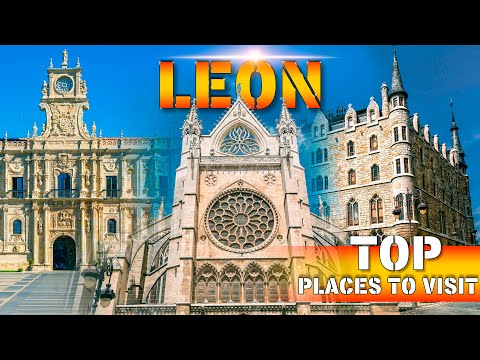
León Spain | Top Things to Do, See, & Eat! 4K 50p
Come To Spain

TOP 10 Things to do in León, Spain 2024!
The Travel Boss

Nicaragua Travel Vlog: What to Eat, See & Do in León …
Trips With Owen
You are currently viewing a placeholder content from Vimeo. To access the actual content, click the button below. Please note that doing so will share data with third-party providers.
More InformationYou are currently viewing a placeholder content from YouTube. To access the actual content, click the button below. Please note that doing so will share data with third-party providers.
More InformationYou need to load content from reCAPTCHA to submit the form. Please note that doing so will share data with third-party providers.
More InformationYou are currently viewing a placeholder content from GetYourGuide. To access the actual content, click the button below. Please note that doing so will share data with third-party providers.
More Information