
Fuerteventura: The Complete Travel Guide (2026)
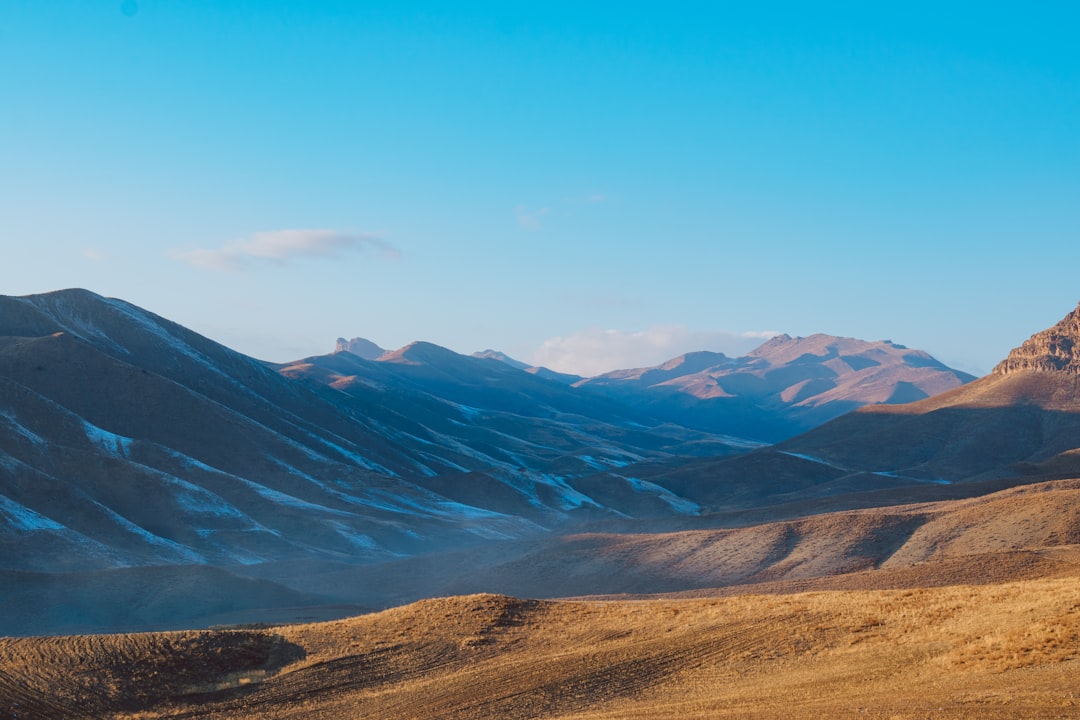
Fuerteventura Travel Guide: Everything You Need to Know (2026)
Fuerteventura, the second-largest Canary Island at 1,660 km², sits just 97 km off the Northwest African coast and holds UNESCO Biosphere Reserve status since 2009. With a resident population of 127,043, it punches well above its weight as one of Europe’s premier wind and kite-surfing destinations, drawing over 10 million visitors annually. The island’s near-constant trade winds, volcanic dunes, and 150+ beaches make it genuinely unlike anywhere else in Spanish territory.
Top 3 Highlights at a Glance
- Corralejo Natural Park Dunes — A 10 km stretch of Saharan-like white sand dunes protected since 1982 — utterly surreal and unforgettable.
- Sotavento Beach (Playa de Sotavento) — A 30 km lagoon beach hosting the annual Windsurfing World Championship — the island’s most iconic coastal scene.
- Betancuria Historic Village — Founded in 1404, Fuerteventura’s first capital retains a 17th-century cathedral and zero beach-resort crowds.
Scroll down for our complete travel guide with tips on getting there, where to stay, costs and more.
Arrival & Airport
How do I get to Fuerteventura?
Fly directly into Fuerteventura Airport (FUE) — the only practical entry point. In my experience, direct flights from most major European hubs (London, Berlin, Amsterdam, Madrid) are abundant and competitive. Ryanair, EasyJet, and Condor typically cover the route year-round. Ferries from Las Palmas (Gran Canaria) via Fred Olsen or Naviera Armas take around 2 hours 30 minutes and cost roughly €50–70 return — a scenic but slower alternative. The honest caveat: inter-island ferry schedules thin out outside peak season, so don’t rely on them as your only option if arriving in January or February.
Which airport serves Fuerteventura and how close is it?
Fuerteventura Airport (FUE) is the island’s sole airport, located just 5 km south of Puerto del Rosario, the capital. I recommend it without hesitation — it’s compact, fast to clear, and rarely chaotic compared to Gran Canaria or Tenerife South. Taxis to Puerto del Rosario cost around €12–15, while a taxi to Corralejo in the north runs €45–55. My tip: pre-book a transfer if arriving late evening, as the bus service (Line 3 to Puerto del Rosario) stops running after 21:00, which most travel sites conveniently forget to mention.
How long does the journey from the airport take to reach Fuerteventura’s main towns?
Journey times from Fuerteventura Airport (FUE) vary significantly depending on your destination. Puerto del Rosario is just 10 minutes by taxi. Corralejo in the north takes 40–45 minutes by car. Caleta de Fuste, the closest resort, is only 8 minutes south. Costa Calma and Morro Jable in the south require 50–70 minutes. What surprised me: the island is 100 km long, so the south feels like a different trip entirely. My tip — if your accommodation is in Jandia or Morro Jable, factor in at least €60–70 for a taxi or pre-book a shared shuttle for around €20 per person.
Do I need a rental car to explore Fuerteventura properly?
Yes — a rental car is essentially mandatory for anything beyond your immediate resort. In my experience, the bus network (operated by Tiadhe) covers main routes but runs infrequently — sometimes only 2–3 times daily on rural routes to places like Betancuria or El Cotillo. A small rental car from local operators at FUE Airport costs as little as €20–30 per day in shoulder season, though peak July–August prices climb to €50–60. The caveat most miss: book with a credit card that includes collision damage waiver — local insurers push expensive extras aggressively at the counter. I recommend Cicar, the Canary Islands-based company, for transparent pricing.
City Transport
What are the best areas to stay in Fuerteventura?
Your best base depends entirely on your travel style. Corralejo in the north is my top pick for independent travellers — genuine restaurants, a lively bar scene, the stunning Natural Park dunes on the doorstep, and ferry access to Lanzarote in 25 minutes. Caleta de Fuste suits families wanting calm waters and convenience near the airport. Costa Calma and Morro Jable in the south deliver the island’s finest beaches with the Sotavento lagoon nearby. The honest trade-off: the south is more beautiful but more isolated — without a car, you’re effectively trapped in your hotel compound.
What does accommodation in Fuerteventura cost per night?
Budget varies sharply by area and season. In Corralejo, a solid 3-star hotel or apartment runs €60–90 per night in shoulder season. 4-star all-inclusive resorts in Jandia or Caleta de Fuste average €120–180 per night in peak season (July–August, Christmas). I’ve stayed in excellent self-catering apartments near El Cotillo for €55–75 per night — far better value than resort-zone hotels. What surprised me: Fuerteventura is genuinely cheaper than Tenerife or Gran Canaria for equivalent quality. The caveat — all-inclusive pricing looks attractive but traps you on-site; budget extra for car hire and you’ll eat and explore far better.
How far in advance should I book accommodation in Fuerteventura during high season?
For July, August, and Christmas week, book at least 3–4 months in advance — quality properties in Corralejo and Morro Jable sell out entirely. Easter (Semana Santa) requires 6–8 weeks lead time minimum. My tip: the UK and German charter market dominates Fuerteventura’s peak season, meaning entire hotels block-book through tour operators, leaving independent travellers with slim pickings. Shoulder months — March to May and October to November — allow booking 2–3 weeks out without stress. I recommend booking directly with hotels for the best cancellation flexibility, especially since February 2026 will see strong demand from northern Europeans escaping winter.
What special accommodation types can I find in Fuerteventura?
Beyond standard hotels, Fuerteventura offers genuinely interesting alternatives. Rural casas (traditional stone farmhouses) in the central highlands around Betancuria and Pájara offer extraordinary quiet — rates start at €70 per night for a full house. Surf camps in Corralejo and El Cotillo include board hire, lessons, and accommodation for around €80–110 per night all-in — outstanding value for beginners. A handful of glamping sites near the dunes charge €90–120 per night for eco-tents with Atlantic views. My honest caveat: avoid the sprawling all-inclusive mega-complexes in Jandía unless you genuinely won’t leave the pool — they’re competitively priced but architecturally soulless and miles from authentic island life.
Accommodation & Neighbourhoods
What are the absolute must-sees in Fuerteventura?
Three experiences are non-negotiable. First, Corralejo Natural Park — walk the white dune landscape at dawn before day-trippers arrive; it’s free to enter. Second, Playa de Sotavento — a 30 km tidal lagoon beach in the south that forms a natural inland lake at low tide; even non-surfers find it jaw-dropping. Third, Betancuria — founded in 1404, Fuerteventura’s original capital sits in a volcanic ravine with a 17th-century cathedral, craft shops, and zero resort atmosphere. My tip: drive the FV-30 mountain road through the central massif to reach Betancuria — the lunar landscape is as impressive as the village itself.
What can I experience for free in Fuerteventura?
Fuerteventura delivers exceptional free experiences. Corralejo Natural Park dunes are entirely free to walk. Playa de Cofete — a remote, dramatic 12 km wild beach on the Jandía peninsula accessible via dirt track — costs nothing but the fuel. The Mirador Morro Velosa viewpoint near Betancuria offers panoramic volcanic views at no charge. Watching kite-surfing at Flag Beach in Corralejo is free elite-level spectacle. In Puerto del Rosario, the open-air sculpture museum (over 100 pieces scattered through the city centre) is one of Spain’s underrated free art experiences. What surprised me: sunsets from El Cotillo lagoon rank among the finest I’ve witnessed anywhere in Europe — completely free, profoundly memorable.
Which day trips are possible from Fuerteventura?
The standout day trip is Lanzarote, reachable via Fred Olsen fast ferry from Corralejo in just 25 minutes (around €30 return). Once there, rent a car and cover Timanfaya National Park and Jameos del Agua in a single day. Isla de Lobos — a tiny uninhabited nature reserve — sits 2 km north of Corralejo with a ferry running for €12 return and superb snorkelling. My tip: the Lobos ferry books out in peak season, so reserve online 2–3 days ahead. Within the island, a self-drive loop taking in Betancuria, El Cotillo, and the northern lighthouse at Punta de la Entallada covers four distinct landscapes in one rewarding day.
What local specialities should I eat in Fuerteventura?
Fuerteventura’s signature dish is cabra (goat) — roasted or stewed — served in almost every traditional guachinche (rustic local restaurant). The island’s majorero cheese, made from local goat’s milk, is the only Canarian cheese with EU protected designation status; buy it at Mercado de Puerto del Rosario for around €8–12 per wheel. Papas arrugadas (wrinkled salt-crusted potatoes) with mojo rojo sauce are mandatory. Fresh vieja (parrotfish) is the local catch to order at harbour restaurants in Morro Jable or Gran Tarajal. My honest caveat: restaurants lining the Corralejo tourist strip serve passable but often generic food — walk two blocks inland and prices drop 30–40% with markedly better quality.
Highlights & Must-Sees
What makes Fuerteventura genuinely unique compared to other Canary Islands?
Three things set Fuerteventura apart completely. First, the wind — consistent Force 4–6 trade winds year-round make it Europe’s undisputed capital for windsurfing and kite-surfing; no other European island comes close. Second, the beaches — 150+ beaches covering 150 km of coastline, with sand so fine and white it genuinely resembles the Sahara (geologically it partly is — the sand blows over from Africa). Third, the emptiness — despite 10 million annual visitors, 70% of the island interior remains uninhabited volcanic desert, allowing complete solitude within a 15-minute drive from any resort. What surprised me most: this is the oldest Canary Island geologically, and that ancient, stripped-back landscape feels profoundly different from lush Tenerife or manicured Gran Canaria.
How many days should I spend in Fuerteventura?
7 days is the sweet spot for seeing the island properly without rushing. Days 1–2: base in Corralejo, explore the dunes and Flag Beach. Day 3: day trip to Lanzarote or Isla de Lobos. Day 4: drive the central highlands through Betancuria. Days 5–6: relocate south to Costa Calma or Morro Jable, spend time at Sotavento lagoon and Playa de Cofete. Day 7: relax at your chosen beach. My honest take: 4 days is the absolute minimum if you only want beaches; anything under that and the transfer times alone eat your trip. 10–14 days suits surf learners who want consistent daily sessions at Corralejo’s surf schools.
When is the best time to visit Fuerteventura?
March through May and October through November are my clear recommendations — warm enough for beaches (air temperatures 22–26°C), sea temperatures around 20–22°C, and dramatically fewer crowds than summer. July and August deliver peak sun but also peak prices and German/British charter saturation. December to February is Fuerteventura’s trump card over Mediterranean destinations: 18–21°C air temperature, sunshine, and prices 30–40% below summer peak. The caveat most guides omit: Calima weather — Saharan dust storms blowing in from Africa — can reduce visibility and cover everything in orange grit, most frequently in February and August. They typically last 1–3 days but can genuinely ruin a short trip.
Are there local festivals in Fuerteventura worth attending?
Absolutely. The PWA Windsurf World Cup at Sotavento (typically July) is the island’s flagship event — elite riders on the Sotavento lagoon, free to watch from the beach, genuinely world-class. Carnival in Puerto del Rosario (February/March) rivals Las Palmas for energy with 10 days of costumed parades — far less commercialised than Tenerife’s version. The Fuerteventura en Música festival in Corralejo (October) brings outdoor concerts to the harbour area at no charge. My tip: the Queso Majorero Fair in Antigua (April) is a local gem — tastings of the island’s protected-designation goat’s cheese, local wine, and crafts, with admission typically €3–5 or free. Most travel blogs haven’t discovered it yet.
Food & Drink
How does the weather in Fuerteventura affect what activities I can do?
Wind is the defining weather factor — and it cuts both ways. Corralejo and Flag Beach receive the strongest trades, making them perfect for kitesurfing and windsurfing but uncomfortable for sunbathing on high-wind days. The south coast (Sotavento, Morro Jable) is more sheltered and better for swimming and snorkelling. Summer haze from the African coast occasionally dulls visibility for photography. Winter months bring occasional Atlantic swells generating excellent surf conditions at El Cotillo on the west coast. What surprised me: rain is genuinely rare — the island receives less than 150mm annually, less than the Sahara receives on average — so weather-related disappointment is almost unheard of here, unlike any Mediterranean alternative.
How crowded does Fuerteventura get in peak season?
July and August see the island at absolute capacity — Corralejo’s main beach becomes genuinely shoulder-to-shoulder, and restaurant queues at popular spots like La Marquesina in Corralejo stretch to 45+ minutes without a reservation. Isla de Lobos ferries sell out days in advance. The FUE Airport arrivals hall becomes chaotic with back-to-back charter flights. My honest assessment: Fuerteventura handles crowds better than Tenerife South because the sheer volume of beach means dispersion is possible — but you need a car to find it. Drive 20 minutes from any resort and you’ll often have an entire beach to yourself even in August. Christmas week is surprisingly packed too, driven by northern European escapes.
How safe is Fuerteventura for travellers?
Fuerteventura is extremely safe by any European standard. In my experience across 6 visits, I’ve encountered zero serious security issues. The main risks are opportunistic petty theft — leave nothing visible in rental cars parked at Cofete beach or remote dune areas, where break-ins targeting tourists happen occasionally. Corralejo’s waterfront strip at 2 AM on weekends sees typical resort-town rowdiness, mainly British and German tourists. Ocean safety is the underreported risk: riptides at El Cotillo and the west coast beaches are powerful — red flag warnings must be respected, and 3–4 drownings occur annually at unguarded beaches. Swim exclusively on beaches with lifeguard towers during your first visit to the island.
Is English widely spoken in Fuerteventura?
In tourist zones, English is essentially the first working language. Corralejo in particular operates almost entirely in English — menus, shop signs, and staff all English-first, reflecting the dominant UK visitor demographic. In Puerto del Rosario (the actual capital), Spanish is the primary language and English is noticeably patchier. Betancuria, Pájara, and Gran Tarajal — interior and south-coast towns with minimal tourism — require at least basic Spanish to navigate restaurants and shops. My tip: Google Translate’s offline Spanish pack handles everything you’ll encounter. What surprised me: German is genuinely the second tourist language after English in the south of the island around Morro Jable and Jandia — a legacy of decades of German charter tourism.
Practical Tips
What is the daily budget for travelling in Fuerteventura?
Budget realistically for €70–90 per person per day for independent mid-range travel, excluding accommodation. This covers: car hire split between two people (€15–20 per person), a sit-down lunch at a local restaurant (€12–16), supermarket breakfast (€4–6), dinner at a mid-range restaurant (€20–28), fuel, and one paid activity. On a tight budget staying self-catered, €40–50 per day is achievable. All-inclusive resorts make budgeting irrelevant but typically cost €120–180 per room fully inclusive. The hidden expense most visitors underestimate: fuel costs for a week of island exploration easily reach €60–80 given the island’s 100 km length and rural road network.
How does public transport work in Fuerteventura?
Tiadhe operates the island’s bus network across 20+ routes, but frequency is the core limitation. The main Line 6 (Puerto del Rosario–Corralejo) runs roughly every 60–90 minutes and costs €3.45 one-way. The Line 10 south to Morro Jable operates 5–6 times daily and takes 2 hours. Buses are air-conditioned, reliable, and clean. My honest verdict: public transport works for a budget day trip between major towns but fails entirely for spontaneous island exploration — you’ll wait hours for rural connections. Puerto del Rosario has no city bus network worth mentioning. I recommend the Tiadhe app for real-time schedules, but download it before arrival as WiFi at rural stops is nonexistent.
Which apps do you recommend for visiting Fuerteventura?
My essential app list for Fuerteventura in 2026: Tiadhe (official bus timetables and real-time tracking — download offline data before leaving WiFi). Windy.com — critical for wind forecasting if you’re surfing, kitesurfing, or sailing; the standard weather apps wildly underreport coastal gusts. Maps.me with Fuerteventura offline maps — covers the FV-2 and interior tracks that Google Maps sometimes loses in dead zones. Google Translate offline Spanish pack for inland towns. iSurf or Windguru if you’re here for watersports — local surf schools in Corralejo use Windguru for session planning. My one honest caveat: mobile data coverage drops completely in the central highland interior and the dirt track to Cofete, so download everything before you leave your hotel.
Useful Resources for Planning Your Trip to Fuerteventura
- Wikipedia: Fuerteventura — history, geography and background
- Lonely Planet: Fuerteventura — itineraries and travel inspiration
- TripAdvisor: Fuerteventura — hotels, restaurants and traveller reviews
Combine Fuerteventura With These Europe Destinations
These destinations pair well with Fuerteventura — close enough to visit in one trip: Lanzarote, Gran Canaria, Teneriffa, La Palma.
🎥 Fuerteventura Travel Videos
How to travel Fuerteventura – Spain (Must Watch Before Going!)
Sebastian Dylag
6 Things I Wish I Knew BEFORE visiting FUERTEVENTURA …
Jessi The Nomad
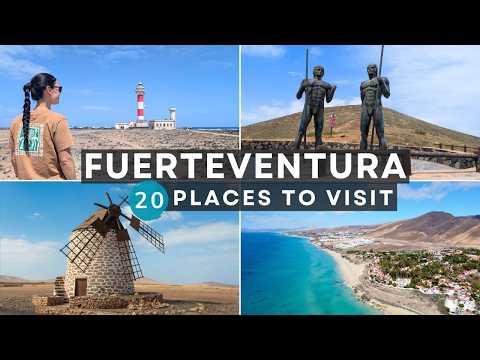
20 Things to Do in Fuerteventura, Spain – 4K Fuerteventura …
Toucan Travellers
You are currently viewing a placeholder content from Vimeo. To access the actual content, click the button below. Please note that doing so will share data with third-party providers.
More InformationYou are currently viewing a placeholder content from YouTube. To access the actual content, click the button below. Please note that doing so will share data with third-party providers.
More InformationYou need to load content from reCAPTCHA to submit the form. Please note that doing so will share data with third-party providers.
More InformationYou are currently viewing a placeholder content from GetYourGuide. To access the actual content, click the button below. Please note that doing so will share data with third-party providers.
More Information