
Slovenia: The Complete Travel Guide (2026)
Last reviewed: August 2026 · key facts checked against Wikidata
Slovenia Travel Guide: Everything You Need to Know (2026)
Slovenia packs an extraordinary punch for a country of just 2,066,880 people — it borders four countries, commands 46.6 km of Adriatic coastline, and crams alpine peaks, karst caves, and Mediterranean vineyards into an area smaller than Switzerland. Founded as an independent republic in 1991 after breaking from Yugoslavia, it has since become one of Central Europe’s most rewarding destinations. Ljubljana, its compact capital, sits just 26 km from the Austrian border and serves as the perfect launchpad for exploring every corner of the country in under two hours.
Three Things Not to Miss in Slovenia
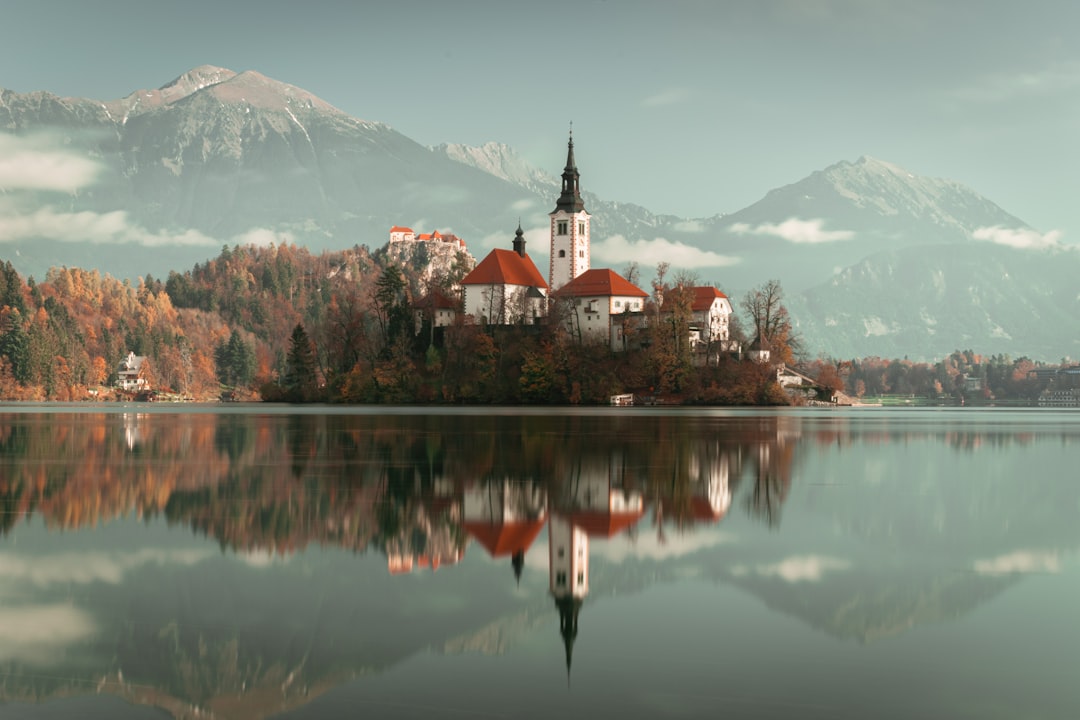
- Lake Bled — An emerald glacial lake at 475 m altitude with a 12th-century island church reachable only by traditional pletna rowing boat.
- Postojna Cave — Europe’s most visited cave system stretches 24 km underground and houses the rare, human-fish-like olm salamander.
- Triglav National Park — Slovenia’s only national park covers 840 km² of Julian Alps, including the iconic 2,864 m Mount Triglav summit.
Scroll down for our complete travel guide with tips on getting there, where to stay, costs and more.
Getting to Slovenia & Getting Around
Which airports are the best entry points into Slovenia?
Ljubljana Jože Pučnik Airport (LJU) is the primary gateway, located 26 km north of Ljubljana. In my experience, it handles the widest range of European connections including Wizz Air, easyJet, and Adria routes. For western Slovenia and the coast, Trieste Airport (TRS) in Italy is just 90 km from Piran and worth checking for cheaper fares. Zagreb Airport (ZAG) in Croatia, roughly 130 km southeast, is another solid option if you’re arriving from intercontinental hubs with a Croatian connection. The honest caveat: LJU is a small airport, and direct long-haul flights from the US or Asia simply don’t exist — you’ll connect through Vienna, Frankfurt, or Amsterdam.
How do I get from the airport to my first accommodation in Slovenia?
The fastest option from Ljubljana Jože Pučnik Airport is a direct shuttle bus, the GoOpti shared transfer, costing around €9–12 per person to Ljubljana city centre in roughly 35 minutes. Regular public bus line 39 runs to Ljubljana Bus Station for just €4.10 but takes about 50 minutes and doesn’t run late at night. Taxis cost €25–35 and are reliable but unmetered — agree the price upfront. I recommend booking GoOpti in advance online, especially for arrivals after 9 pm when bus service thins out. The honest trade-off: rental car pick-up directly at the airport is convenient and cheap (from €25/day), but Ljubljana’s old town is pedestrian-only, making a car useless for your first night.
What transport options are there within Slovenia?
Slovenia’s internal transport relies on three main pillars: buses, trains, and rental cars. The Arriva bus network covers almost every village and is cheaper than trains, with intercity tickets costing €5–12. Trains connect Ljubljana–Maribor in 1 hour 45 minutes for around €8 and run frequently. For the Soča Valley, Prekmurje, or the Karst region, a car is realistically the only practical choice — public transport thins dramatically outside the main corridor. In my experience, the best approach is to base yourself in Ljubljana without a car, then rent one for a 2–3 day regional loop. My tip: Prevoz.org is Slovenia’s local ride-share platform and genuinely useful for budget travel between towns.
Do I need a rental car to explore Slovenia?
For Ljubljana and Lake Bled alone, no — you don’t need one. But to reach the Soča Valley, Vintgar Gorge independently, Prekmurje flatlands, or the Karst plateau, a rental car transforms your trip entirely. I recommend renting for at least 3 days mid-trip. Prices start at €25–35/day from companies like Avantcar or Europcar at LJU. The honest warning most guides omit: Vignette (motorway toll sticker) is mandatory in Slovenia and costs €15 for a weekly pass — police check these rigorously and fines start at €300. Buy it at the first petrol station after crossing the border or at the airport.
How good is the public transport network between regions of Slovenia?
Between major cities, it’s genuinely solid. The Ljubljana–Koper train runs in under 2 hours for €9, and Ljubljana–Maribor is well served with hourly departures. What surprised me: buses often outperform trains for destinations like Kranjska Gora or Piran, where direct bus connections exist but rail doesn’t reach. The honest caveat is that after 8 pm, frequency drops sharply on almost all regional routes, and rural areas like Bela Krajina or the Haloze wine region are practically unreachable without a car. For the Bled–Ljubljana corridor, the Nomago bus runs roughly every 30 minutes and costs just €6.30 — far more convenient than the train for most visitors.
Where to Stay in Slovenia
Which regions of Slovenia should I stay in?
Ljubljana is the non-negotiable base for first-timers — it’s central, walkable, and puts you within 2 hours of almost everything. For alpine experiences, Kranjska Gora or the Bled–Bohinj corridor are the classic choices. The Soča Valley around Bovec is my personal favourite for active travellers — emerald rivers, paragliding, and zero mass tourism. The Karst region near Lipica and Štanjel suits wine lovers and cave explorers. For Slovenia’s Adriatic coast, base yourself in Piran, far more charming than Portorož’s hotel strip. Prekmurje in the northeast is genuinely undiscovered, with thermal spas and flatland cycling, though it’s best as a 2-night add-on rather than a primary base.
What does good accommodation cost per night in Slovenia?
A solid 3-star hotel in Ljubljana costs €70–110/night for a double room. In Bled, the same quality runs €90–140 due to the premium location. Budget travellers will find hostel dorms from €20–28/night in Ljubljana’s Metelkova or city-centre area. The sweet spot in my experience is private rooms in tourist farms (turistična kmetija) in the countryside — expect €50–80/night including breakfast, and the breakfasts alone justify the choice. The honest caveat: Bled is 30–40% more expensive than comparable Slovenian destinations purely on name recognition. Lake Bohinj, just 26 km away, offers nearly identical scenery for significantly less.
When should I book hotels in Slovenia — how far in advance?
For Lake Bled between June and August, book at least 3–4 months ahead — quality accommodation sells out entirely by April for peak summer. Ljubljana year-round needs 4–6 weeks of lead time for good options, though last-minute deals appear outside holiday weekends. The Soča Valley in July–August is nearly as tight as Bled — Bovec accommodation fills fast after outdoor sports enthusiasts lock in dates. My tip: for travel in September, Slovenia’s best month climatically, you can often book 3–4 weeks out as the summer rush has passed. The caveat most guides miss: public holidays like Prešeren Day (February 8) and Reformation Day (October 31) spike Ljubljana hotel prices by 20–30% despite being off-peak.
When is the best time to travel to Slovenia?
September is the optimal month — verified by 5-year climate data — combining warm temperatures, lower crowds, harvest festivals, and the best light for photography. The Julian Alps are at their most accessible and the Soča River runs clear. Late June and early July are a close second before the peak August crowds hit Bled and Ljubljana. I personally love Slovenia in late October when the Karst and Štajerska wine regions turn golden and tourist numbers drop sharply. The honest caveat: November through February is genuinely cold and grey in Ljubljana, and while ski resorts like Kranjska Gora operate, the coast and southern destinations feel dormant. Spring (April–May) is underrated but rain is frequent.
How does peak season affect prices in Slovenia?
Peak season — July and August — inflates accommodation prices by 25–50% compared to shoulder months, particularly in Bled, Piran, and Bovec. Restaurant prices near tourist hotspots rise more subtly, but activity prices (kayaking, guided hikes) stay relatively fixed. What surprised me: Ljubljana barely feels peak season pressure compared to Bled — the capital maintains reasonable prices all summer. The sharpest price spike is for boat rides to Bled Island, which don’t officially change price (€15–18 per person roundtrip) but availability becomes the problem. My tip: booking any Triglav guided summit attempt must happen 3–4 months ahead in summer — guides are fully booked by May.
Best Time to Visit Slovenia
Which regions of Slovenia have different climate zones?
Slovenia has three distinct climate zones despite its small size. The Alpine north and northwest (Triglav, Kranjska Gora) gets heavy snowfall from November–April and temperatures dropping to -10°C in January. The continental interior — Ljubljana, Maribor, Štajerska — has warm summers reaching 30°C and cold, foggy winters. The sub-Mediterranean southwest — the Karst plateau and the coast around Piran and Koper — enjoys mild winters rarely dropping below 5°C and dry summers. In my experience, this means you can ski in Kranjska Gora in the morning and have lunch in Piran in warm sunshine the same day in March — the country is that compact and climatically diverse.
What are the rainy seasons in Slovenia?
Slovenia doesn’t have a single rainy season — it has two precipitation peaks. The Alpine and continental regions receive the most rain in June and October–November, with the Soča Valley being one of Europe’s wettest areas (receiving up to 3,000 mm annually near Bovec). The coast and Karst follow a Mediterranean pattern with wet November–February and dry summers. The honest warning: afternoon thunderstorms in July and August in the Alps are extremely common and can be severe — I’ve been caught on Vršič Pass (1,611 m) in a summer storm, and it’s no joke. Always carry a waterproof layer in the mountains regardless of the morning forecast. September sits in a reliable dry window across all regions.
What does a trip to Slovenia cost per person per day?
A realistic budget traveller spends €60–80/day staying in hostels, using buses, and eating at self-service restaurants (Okrepčevalnica style). A mid-range traveller — 3-star hotel, sit-down lunches, one paid activity — budgets €130–180/day. A comfortable experience with a 4-star hotel, guided activities, and good wine reaches €230–300/day. My honest baseline for a solid trip without cutting corners: €150/day per person covering accommodation (€80), food (€35), transport (€15), and one activity (€20). The caveat: activities in the Soča Valley — rafting, canyoning, paragliding — add €40–80 per experience and are genuinely worth it, so budget days in adventure zones spike considerably.
How expensive is food in Slovenia?
Food is affordable by Western European standards. A sit-down lunch at a local gostiilna (inn) costs €9–13 for a two-course meal with a glass of wine — extraordinary value. A coffee in Ljubljana’s Stari trg (Old Square) area runs €1.80–2.50. Supermarket meals from Mercator or Spar are very cheap — a full picnic for two costs under €10. Tourist-trap pricing exists around Bled Lake and Piran harbour, where pasta dishes hit €16–22. My tip: the word ”gostilna” on a sign indicates a traditional inn with home cooking — always cheaper and better than any restaurant with an English menu displayed outside. A three-course dinner with local wine at a good Ljubljana restaurant runs €25–35 per person.
What hidden costs should I expect in Slovenia?
The motorway vignette is the first surprise — €15 for 7 days is mandatory for all cars on Slovenian highways. Parking in Ljubljana costs €1.20–2/hour in the city centre zones, and free parking is scarce. The Postojna Cave entry at €28.90 per adult shocks many visitors expecting a modest attraction price. Tourist taxes (nočitvena taksa) of €1–3.50/person/night are added to accommodation bills and rarely shown in booking prices. What surprised me: cash-only guesthouses and farm stays are still common in rural areas — I’ve been caught without sufficient euros at a tourist farm in Ribnica. Always carry at least €50 in cash when heading outside major towns.
What a Trip to Slovenia Costs
How much cash should I bring to Slovenia?
Slovenia uses the euro (€) and card payments are widely accepted in cities and tourist areas. That said, I recommend carrying €100–150 in cash at all times outside Ljubljana. Rural gostilnas, farm accommodations, market stalls at Ptuj’s Kurentovanje festival, and small village shops regularly refuse cards. ATMs (bankomati) are available in all towns, with reliable machines from Nova KBM and NLB banks — avoid independent ATMs in tourist areas charging €5+ withdrawal fees. The honest caveat: in the Soča Valley and Triglav backcountry huts (koče), cash is often the only option — mountain huts charge €8–15 for a bunk and virtually none accept cards.
Which credit cards are accepted in Slovenia?
Visa and Mastercard are accepted everywhere that takes cards — hotels, larger restaurants, petrol stations, and supermarkets. American Express has patchy acceptance; I’ve been turned away at smaller restaurants and guesthouses in Maribor and Piran with Amex. Contactless payments work reliably at most modern terminals, and Apple Pay and Google Pay function well throughout Ljubljana and tourist hubs. The honest caveat: always check before eating at a traditional gostilna — the ”Gotovina” (cash only) sign appears with no warning, and ATMs aren’t always nearby in village settings. My tip: a Wise or Revolut card is ideal for Slovenia — zero foreign transaction fees and instant euro conversion at the interbank rate.
Which regions of Slovenia must I not miss?
The Julian Alps corridor — Bled, Bohinj, Triglav National Park, and the Soča Valley — is Slovenia’s crown jewel and non-negotiable. The Karst region around Postojna, Škocjan Caves (a UNESCO site), and Lipica offers a completely different, limestone landscape experience. Ljubljana’s old town and Metelkova art district represent urban Slovenia at its best. For those with more time, Maribor (Slovenia’s second city with a 400-year-old wine-producing vine) and Piran’s Venetian old town are genuinely unmissable. What surprised me: Logarska Dolina (Logar Valley) in the Kamnik-Savinja Alps is as breathtaking as anywhere in the Alps and sees a fraction of Bled’s visitor numbers — entirely paved over in my memory as the trip’s best day.
What are the tourist highlights of Slovenia?
Lake Bled with its island church and clifftop castle is Slovenia’s most photographed spot — worth every cliché. Postojna Cave, with 24 km of passages and an underground electric train, is Europe’s showpiece karst cave. Triglav National Park offers hiking, the Vršič Pass road (built by Russian prisoners in 1916), and the turquoise Soča River. Predjama Castle, built into a cliff face 123 m high, is one of Europe’s most dramatic fortresses and often skipped. Škocjan Caves (UNESCO World Heritage Site) are arguably more impressive than Postojna but receive far fewer visitors. My tip: combine Postojna and Predjama Castle in one day — they’re just 9 km apart and both justify the entry fees.
What experiences in Slovenia are found nowhere else on Earth?
Watching the human-fish (olm/Proteus anguinus) in Postojna Cave is genuinely unique — this blind, cave-dwelling salamander lives only in Dinaric karst waters and exists nowhere else in the world. Riding a traditional pletna boat to Bled Island, rowed by a single oarsman using standing technique passed through families for generations, is found only on Lake Bled. The Lipica Stud Farm, birthplace of the Lipizzaner horse breed since 1580, offers performances you cannot see anywhere else at the source. For food lovers: potica (walnut roll) at a Slovenian grandmother’s table during the December holiday season is an irreplaceable experience. The Soča’s specific shade of emerald-turquoise at Soca’s Napoleon Bridge near Kobarid is a geological phenomenon unique to this valley’s mineral content.
Regions & Highlights of Slovenia
Which areas of Slovenia are overcrowded, and what are quieter alternatives?
Lake Bled is severely overcrowded in July–August — the main viewpoints at Ojstrica and Mala Osojnica have queues by 9 am. My alternative: Lake Bohinj, just 26 km away, is larger, less crowded, and has the same Alpine backdrop with a fraction of the selfie-stick traffic. Postojna Cave draws over 800,000 visitors/year — visit at opening time (9 am) or book the quieter Škocjan Caves instead, which are UNESCO-listed and receive under 100,000 visitors annually. Ljubljana’s old town fills up on summer weekends, but the Šiška and Tabor neighbourhoods are entirely tourist-free and show the real city. The Soča Valley is becoming popular but Trenta Valley and upper tributaries remain genuinely quiet even in peak season.
How many days do I need to see Slovenia properly?
7 days is the minimum for a solid overview covering Ljubljana, the Julian Alps, Bled, the Soča Valley, and the Karst region. In my experience, 10–12 days is the sweet spot — it lets you add the coast (Piran), Maribor wine country, and at least one thermal spa without feeling rushed. A 4-day trip is possible but forces you to choose between the mountains and the coast. The honest caveat: Slovenia rewards slow travel — the country’s best moments are hiking days in Triglav, wine evenings in Goriška Brda, and mornings at Bohinj before tour groups arrive. Trying to see everything in 5 days means spending most of your time in a car. My recommended minimum for first-timers: 8 nights.
Do I need a visa to visit Slovenia?
Slovenia is a Schengen Area member, so citizens of the EU, US, Canada, Australia, UK, and most Western nations can enter visa-free for up to 90 days within any 180-day period. UK passport holders enter visa-free post-Brexit under Schengen rules but face the 90/180-day limit. The ETIAS (European Travel Information and Authorisation System) — the EU’s equivalent of ESTA — is expected to launch in 2025/2026 and will require pre-registration (approximately €7) for non-EU nationals. My tip: check your specific nationality at mzz.gov.si (the official Slovenian Foreign Ministry site) before travel. The honest caveat: if you’re combining Slovenia with other Schengen countries, your 90-day allowance is shared across all of them, not per country.
What languages are spoken in Slovenia?
Slovenian (Slovenščina) is the official language, and it’s a distinct South Slavic language — not mutually intelligible with Croatian or Serbian despite being related. English is widely spoken in Ljubljana, Bled, and all major tourist areas, especially among anyone under 45. In my experience, staff at hotels, restaurants, and tourist information offices throughout the country handle English confidently. The honest caveat: in rural Prekmurje, the Haloze wine region, and remote Karst villages, English proficiency drops sharply and German is often more useful than English among older locals (a legacy of Austrian influence). Learning three Slovenian words — ”prosim” (please), “hvala” (thank you), “dober dan” (good day) — generates immediate warmth and respect.
What cultural rules do I need to know before visiting Slovenia?
Punctuality matters — Slovenians take it seriously in both business and social contexts; showing up 10+ minutes late without messaging is considered rude. Tipping is appreciated but not mandatory — 10% in restaurants is standard if service was good, and simply rounding up the bill is perfectly acceptable. Shoes off at the entrance is expected in private homes without exception. Raising your voice or causing a scene in public is deeply frowned upon — Slovenians are reserved and value quiet dignity. The honest cultural caveat most guides miss: Slovenian national identity is fiercely independent — do not refer to Slovenia as part of Yugoslavia or confuse it with Slovakia (a mistake that genuinely irritates locals). The country became independent in 1991 and takes enormous pride in that distinction.
Practical Tips for Slovenia
How safe is Slovenia for travellers?
Slovenia is among Europe’s safest countries — violent crime against tourists is exceptionally rare, and Ljubljana consistently ranks in the top tier of safe European capitals. Petty theft exists around Ljubljana’s Metelkova area late at night and at crowded tourist spots like Bled’s viewpoints — keep bags zipped and phones off tables at outdoor cafes. In my experience, solo female travellers, LGBTQ+ visitors, and families with children all report feeling completely comfortable throughout the country. The honest outdoor safety caveat: mountain hiking accidents are Slovenia’s real risk — Triglav and high Alpine routes require proper gear, navigation skills, and mountain rescue insurance. The GRZS (Slovenian Mountain Rescue Service) charges for callouts if negligence is determined — comprehensive travel insurance is non-negotiable in the Alps.
What health precautions should I take before visiting Slovenia?
Tick-borne encephalitis (TBE) vaccination is the single most important precaution for Slovenia — the country has one of Europe’s highest TBE rates, particularly in forested areas below 1,000 m from April through October. The vaccine requires 2–3 doses over several months so plan well ahead. Lyme disease from tick bites is also present — use DEET repellent and check for ticks after every forest or meadow walk. Standard European travel vaccinations (Hepatitis A, tetanus update) are advisable. The honest caveat: tap water in Slovenia is excellent — it’s among the cleanest in Europe and bottled water is unnecessary. European Health Insurance Card (EHIC) or a replacement document covers EU nationals at Slovenian public hospitals; all others need travel insurance with €50,000+ medical coverage.
What SIM card or eSIM options are available in Slovenia?
EU roaming rules apply — if you have a SIM from any EU country, you can use your existing plan in Slovenia at no extra cost. For non-EU travellers, local SIM cards from Telekom Slovenije, A1, or Telemach are available at Ljubljana Airport, most phone shops, and major supermarkets, costing €10–15 for 10–15 GB of data. eSIM options from providers like Airalo (€6–9 for 3 GB, 30 days) or Holafly work seamlessly and I recommend them for short visits. The honest caveat: mobile coverage in Triglav National Park’s deep valleys — particularly in the Trenta Valley and on Triglav’s summit approaches — is patchy or nonexistent on all networks. Download offline maps on Maps.me or Gaia GPS before heading into the mountains.
Which apps do you recommend for travelling in Slovenia?
Arriva Slovenia app is essential for bus timetables and tickets across the national network — it works in English and covers the vast majority of routes. Google Maps functions well in cities but Maps.me with downloaded offline Slovenia maps is far more reliable in alpine terrain. Hribi.net is the go-to app for Slovenian hiking trails — it’s in Slovenian but trail maps are intuitive and GPS tracking is reliable. Prevoz.org (rideshare platform, web-based) is invaluable for budget intercity travel. For restaurant discoveries, TripAdvisor works passably but Google Maps reviews in Slovenian give more authentic local recommendations — filter by reviews with photos. My tip: download WhatsApp before arrival — local guesthouses, farm stays, and small tour operators almost exclusively communicate via WhatsApp rather than email.
What are the most common traveller mistakes in Slovenia?
Spending all your time at Lake Bled while ignoring the Soča Valley, Škocjan Caves, and Maribor is the single biggest mistake I see. Forgetting the motorway vignette (€15) and getting a €300 fine within the first hour is shockingly common among drivers crossing from Austria. Underestimating hiking difficulty in Triglav National Park — trails rated moderate in Slovenia often mean exposed, Via Ferrata-style scrambles, not woodland walks. Visiting Postojna Cave without booking online in summer means 2-hour queues and possible sellout. The most overlooked mistake: not venturing east — Maribor’s old town, Ptuj (Slovenia’s oldest city, settled since 44 BC), and the thermal spa region of Terme Olimia are entirely off the tourist trail and genuinely reward the small detour.
Slovenia at a Glance
| Population | 2,066,880 |
|---|---|
| Currency | EUR (€) |
| Official language | Slovene |
| Time zone | UTC+01:00 |
Source: Wikidata, retrieved August 2026.
Essential Resources for Planning Your Trip to Slovenia
- Visiting SLOVENIA? Don’t make THESE Mistakes: Bled … — official visitor information, passes & events
- Wikipedia: Slovenia — history, geography & background
- Wikivoyage: Slovenia — community travel guide & practical tips
- Slovenia Travel 2026 – Lonely Planet | Europe — expert itineraries & travel inspiration
- THE 15 BEST Things to Do in Slovenia (2026) — hotels, restaurants & traveller reviews
- How to Travel Slovenia Without a Car: A 7-Day Itinerary … — how to get around
- Numbeo: Cost of Living in Slovenia — current prices & cost comparison
- Timeanddate: Slovenia Weather & Climate — forecasts & climate statistics
More Perspectives on Slovenia
- Slovenia Travel Guide by Rick Steves
- What I Wish I Knew Before Visiting Slovenia
- Slovenia Travel Guide – How to Plan a Trip to Slovenia
Slovenia Travel Videos
Watch these videos for a visual preview before your trip:
- Top 10 Places To Visit In Slovenia – Travel Guide
- Europes BEST overlooked Country: 6 Days in SLOVENIA | Ljubljana, Lake Bled, Bovec, Piran
- Top 25 Places To Visit in Slovenia – Travel Guide
Slovenia Travel Discussions on Reddit
Real traveller experiences and community advice:
- 4 days in Slovenia completely exceeded my expectations
- Slovenia —travel destination
- Please go to Slovenia : r/travel
Data Sources
This page was compiled using data from Wikipedia, Wikidata, Open-Meteo (climate), Numbeo (cost of living) and REST Countries. Information is updated regularly.