
Tetouan: The Complete Travel Guide (2026)
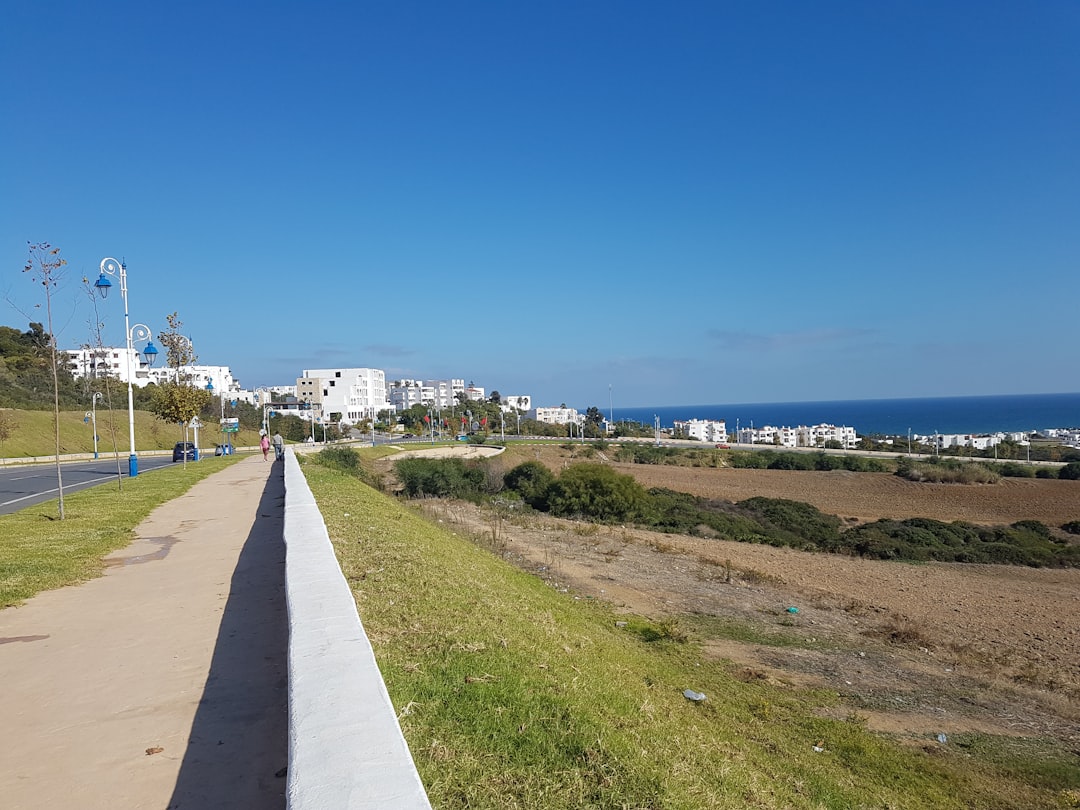
Tetouan Travel Guide: Everything You Need to Know (2026)
Tétouan sits at 90 metres above sea level in northern Morocco, just 60 kilometres from Tangier and a short drive from the Mediterranean coast, with a population of 422,757 making it one of the country’s most historically layered mid-sized cities. Founded in the 13th century and rebuilt by Andalusian refugees in the 15th century, its UNESCO-listed medina is arguably the best-preserved in Morocco. What most travellers miss is that Tétouan serves as a genuine working city, not a tourist stage set — which makes it all the more rewarding.
Three Things Not to Miss in Tetouan
- Tétouan Medina (UNESCO World Heritage Site) — The most authentically Andalusian medina in Morocco, with 15th-century whitewashed lanes untouched by souvenir inflation.
- Archaeological Museum of Tétouan — Houses Roman mosaics from the nearby Lixus site, one of North Africa’s most undervisited ancient collections.
- Martil Beach — A 3-kilometre Mediterranean beach just 10 minutes from the city centre, packed with locals rather than tour groups.
Scroll down for our complete travel guide with tips on getting there, where to stay, costs and more.
How to Reach Tetouan
How do I get to Tétouan from abroad or from within Morocco?
The fastest option is flying into **Tangier Ibn Battouta Airport (TNG)**, then taking a **grand taxi for roughly DH 150–200** for the 60-kilometre transfer, which takes about **45 minutes**. In my experience, this is the most reliable route — CTM buses from Tangier bus station also serve Tétouan for around **DH 35**, though they take closer to **90 minutes**. From Casablanca, CTM coaches run direct in about **6 hours** for **DH 120–150**. One honest caveat: Tétouan has no train station, so rail-lovers will find the road transfer unavoidable. My tip is to book a private transfer in advance during summer, when grand taxis fill up fast at TNG.
Which airport is closest to Tétouan?
**Tangier Ibn Battouta Airport (TNG)** is the closest and most practical entry point, sitting **approximately 60 kilometres** from Tétouan city centre. In my experience, the airport is small and manageable — arrivals take under 20 minutes to clear. Ryanair, easyJet, and Royal Air Maroc connect TNG directly to Madrid, Paris, Brussels, and London. What surprised me is that **Nador International Airport (NDR)**, roughly 300 kilometres east, is sometimes listed as an alternative, but the road journey is over 4 hours — ignore that option. Grand taxis from TNG to Tétouan are faster and cheaper than any shuttle service currently operating. My tip: arrange your taxi fare before leaving the arrivals hall to avoid inflated quotes.
How long does the journey to Tétouan take from Tangier?
From **Tangier city centre**, the drive to Tétouan takes **45–55 minutes** via the A4 toll motorway in normal traffic. Grand taxi is the standard choice at **DH 40–50 per seat** in a shared vehicle — you fill a 6-seat Mercedes and leave when it’s full. My tip: if you want a private departure, pay for all remaining seats (rarely more than **DH 200 total**). The honest warning most guides skip: summer weekends bring serious congestion through the Fnideq corridor, and the same trip can stretch to **90 minutes on a Friday afternoon** in July or August. CTM buses are slower at **90 minutes** but run on schedule and cost just **DH 35** per person from Tangier’s main bus terminal.
Do I need a rental car to explore Tétouan?
No — for the city itself, a rental car is unnecessary and actively counterproductive. The **medina is pedestrian-only**, the modern ville nouvelle is walkable in under 20 minutes, and petit taxis cover the rest for **DH 7–15 per ride**. I recommend skipping the car entirely if your base is Tétouan. However, if you plan to explore the **Rif Mountains, Chefchaouen (45 km south), or the beach towns of Oued Laou (35 km east)**, a rental car becomes genuinely useful. Expect to pay **DH 300–450 per day** from local agencies in the ville nouvelle. The caveat: parking near the medina is chaotic and spaces are scarce — a car creates more problems than it solves inside the city.
Tetouan Public Transport Explained
What are the best areas to stay in Tétouan?
I recommend two zones depending on your style. The **medina** is the atmospheric choice — riads here put you inside UNESCO-listed lanes, within walking distance of every major sight. Expect noise from early morning prayer calls and market activity, which is part of the experience but worth knowing. The **ville nouvelle**, centred around Place Moulay el-Mehdi and Boulevard Mohammed V, is quieter, has better mid-range hotels, and is easier for drivers. What surprised me is how safe and easy the medina is to navigate even at night — unlike Fès or Marrakech, Tétouan’s medina is compact enough that you rarely get genuinely lost. Martil (10 minutes by taxi) is a third option for beach-first travellers.
What does accommodation cost per night in Tétouan?
Budget travellers will find hostel dorms in the medina for **DH 80–120 per night**. A solid mid-range riad or guesthouse runs **DH 300–550 per night** for a double room with breakfast — and in my experience, the riad experience here delivers genuine value compared to Marrakech prices that are 3 times higher. Comfortable 3-star hotels in the **ville nouvelle** cost **DH 400–650 per night**. The honest caveat: truly luxury accommodation barely exists in Tétouan — if you want a 5-star pool hotel, **Martil or M’diq** along the coast are more appropriate. My tip: booking a medina guesthouse directly (bypassing OTA commissions) often gets you a 10–15% discount and a better room.
How far in advance should I book accommodation in Tétouan during high season?
For **July and August**, book at least **6–8 weeks in advance** — this is when Moroccan diaspora from Europe returns en masse and coastal demand spills into Tétouan itself. The medina’s handful of quality riads (fewer than 10 worth recommending) fill up first. My tip: if you are visiting during **Ramadan**, book even earlier — the city is electric and atmospheric during iftar but guesthouses fill with domestic travellers. Shoulder months like **May, June, and September** allow booking just **2–3 weeks ahead** without anxiety. What most guides omit: the week after Eid al-Adha sees a sharp spike in demand as Moroccan families travel internally — check the Islamic calendar for 2026 before finalising your dates.
Are there special or unique accommodation types in Tétouan?
Yes — Tétouan’s Andalusian-heritage riads are architecturally distinct from those in Marrakech. The interiors feature **azulejo tilework**, carved plaster, and cedar wood ceilings reflecting the 15th-century exile of Muslim and Jewish artisans from southern Spain. In my experience, staying in a riad inside the medina quarter near **Bab Remouz** is the single best accommodation decision you can make in Tétouan — nothing else puts you this close to the city’s soul. A handful of restored colonial-era apartments in the **Spanish ville nouvelle** also offer self-catering stays at competitive rates around **DH 400–500 per night**. What surprised me: some families rent rooms informally — quality varies wildly, so always check photos and reviews on Booking.com before committing.
Neighbourhoods of Tetouan
What are the must-see sights in Tétouan?
Three sights I would never skip: the **UNESCO-listed medina**, which is more authentically lived-in than Fès or Marrakech — no trinket shops every 3 metres; the **Archaeological Museum on Rue Ben H’saïn**, housing Roman mosaics and Phoenician artefacts for just **DH 10 entry**; and the **Ethnographic Museum inside the Royal Palace complex**, showcasing Andalusian-Moroccan material culture rarely displayed elsewhere. My tip: walk the medina starting from **Bab Okla** in the morning before 9am when light is soft and the streets belong to bakers and vegetable sellers rather than tourists. What surprised me is how few foreign visitors make it to the **Spanish-built ville nouvelle** — its Art Deco facades and colonnaded avenues are as photogenic as the medina itself.
What can I experience for free in Tétouan?
Quite a lot — and Tétouan genuinely rewards slow walkers. The **medina itself costs nothing to enter** and wandering its 5 kilometres of lanes is the defining experience of any visit. The **Feddan Park** (Spanish-era gardens near Place Moulay el-Mehdi) is free and popular with local families in the evening. The **Spanish colonial streetscapes** along Boulevard Mohammed V require only your eyes and a camera. In my experience, sitting at a café near **Place Hassan II** and watching city life for an hour is more culturally rewarding than any paid tour. The honest caveat: the **Royal Palace exterior and main gate (Bab al-Aqabah)** are photogenic but access is restricted — photograph from the square, not through the gate.
Which day trips from Tétouan are most worthwhile?
**Chefchaouen** at 45 kilometres south is the obvious answer — a **90-minute drive** through the Rif Mountains delivers one of Morocco’s most photographed blue-painted medinas. Take a morning grand taxi for **DH 40 per seat** and return by late afternoon. **Martil** and **Cabo Negro** are 10–15 minutes away by petit taxi (**DH 20–30**) and offer straightforward Mediterranean beach days. What I genuinely recommend beyond the obvious: drive the coastal road to **Oued Laou** (35 km east), a Berber fishing village with a superb Saturday market and almost zero foreign tourists. The honest warning: Ceuta, the Spanish enclave just 30 km north, requires crossing an international border — allow **2–3 hours** each way for queuing, especially in summer.
What local specialities should I eat in Tétouan?
Tétouan’s cuisine is its best-kept secret in Morocco. The Andalusian influence is unmistakable — look for **bastilla with seafood** rather than the pigeon version common in Fès, and **briouates** stuffed with shrimp or cheese. **Rfissa** (chicken stewed with lentils and msemen flatbread) is the ultimate local comfort dish and costs **DH 40–60** at a medina restaurant. My tip: the covered food market inside **Bab Remouz** serves fresh fish grilled to order from morning — a full plate runs **DH 25–35**. What surprised me is the quality of Tétouan’s pastry tradition — **cornes de gazelle filled with almond paste** here are distinctly finer than the tourist-shop versions sold in Marrakech. Pair them with mint tea at any medina café.
What to See in Tetouan
What makes Tétouan unique compared to other Moroccan cities?
Three things set Tétouan apart decisively. First, its **Andalusian DNA** — the entire medina was rebuilt in the 1490s by exiles from Granada, and you can still see whitewashed Moorish-Spanish architecture found nowhere else in Africa. Second, it remains a **genuine working city**, not tourist infrastructure wearing a medina costume — you will share streets with schoolchildren, tailors, and market traders, not souvenir sellers targeting cameras. Third, the **Spanish colonial overlay** in the ville nouvelle creates a schizophrenic, fascinating streetscape — Art Deco cinemas beside Moorish arches. In my experience, Tétouan shows you what Chefchaouen or Marrakech might have been before mass tourism reshaped them. The honest trade-off: fewer English speakers, fewer concierge services, and you will need to work slightly harder as a traveller.
How many days should I spend in Tétouan?
**2 full days** cover the city itself comfortably — one day for the medina (including the museums and souks), one day for the ville nouvelle, Feddan Park, and a sunset at **Martil Beach**. Add a **third day** if you want to take the Chefchaouen day trip without rushing. My honest advice: most travellers underestimate Tétouan and allocate half a day while routing between Tangier and Chefchaouen — this is a mistake. The medina alone deserves **4–5 hours** of unhurried exploration. If you are using Tétouan as a base for the northern Rif coast, budget **4–5 nights** to cover Oued Laou, Jebha, and the mountain villages. What surprised me is how much more I found to do on day 2 than on day 1 — the city reveals itself slowly.
When is the best time to visit Tétouan?
**June through September** offers the most reliable weather, with warm Mediterranean temperatures and minimal rain — these months are confirmed by 5-year climate analysis as optimal. My personal preference is **late September**, when summer crowds thin, sea temperatures at Martil still reach **24°C**, and the city returns to its unhurried rhythm. **May** is excellent for anyone who dislikes heat — mild temperatures, green Rif hillsides, and shoulder-season pricing. The honest warning: **July and August** bring intense domestic tourism from Moroccan diaspora, coastal towns get genuinely crowded, and accommodation prices spike. **December through February** is cool and occasionally rainy but rewards travellers with an atmospheric, crowd-free medina and the possibility of snow on the **Rif peaks** visible from the city.
Are there local festivals in Tétouan worth timing a visit around?
Yes — the **Tétouan Assilah International Cultural Festival** and the city’s own **Andalusian Music Festival** are the two highlights. The Andalusian Music Festival, typically held in **July**, fills the medina’s open squares with performances of classical Moroccan-Andalusian music (called al-Ala) that trace directly back to the 1492 Granada refugees — in my experience, attending an evening performance near **Bab Okla** is one of the most affecting cultural experiences in northern Morocco. **Moussem of Moulay Abdesslam** (a regional pilgrimage festival, usually in spring) draws tens of thousands to a site 40 km away in the Rif but its energy radiates into Tétouan. My tip: check exact 2026 dates through the Tétouan municipal website or Moroccan National Tourist Office, as Islamic calendar festivals shift annually.
Tetouan Food Scene
How does weather affect activities in Tétouan throughout the year?
The medina and city sightseeing are year-round activities — Tétouan’s mild Mediterranean climate at **90 metres elevation** means it never gets as punishingly hot as Marrakech or Fès. Beach season at **Martil** runs practically from **May to October**, with July and August being ideal for swimming. The Rif Mountain hikes around **Beni Ahmed and Zinat** are best in spring (April–May) when wildflowers cover the slopes and trails are dry. The honest caveat: **November and December** bring occasional heavy rain and the coast road to Oued Laou can briefly close after flash storms — always check local conditions before driving east in winter. In my experience, the city itself is enjoyable even in January, especially for photography — low light, misty Rif backdrop, and zero tourist density.
How crowded does Tétouan get in peak season?
The city centre and medina remain manageable even in peak season — Tétouan is not yet on the mass-tourism circuit that chokes Chefchaouen or Marrakech. What does get genuinely crowded is the **Martil and M’diq coastline** in July and August, when Moroccan families from Casablanca, Rabat, and the European diaspora fill every beach apartment. Expect **traffic jams on the N16 coastal road** on Friday evenings in summer and queues at popular seafood restaurants in Martil. The medina itself sees more domestic tourism but remains uncongested by international standards. My tip: if you want the medina to yourself, walk it before **8:30am** — by 10am the main souks near **Souk al-Hots** are busy. The honest trade-off: peak season brings a festive energy that the off-season genuinely lacks.
How safe is Tétouan for travellers?
Tétouan is safe — I walked the medina alone at night without incident and observed solo female travellers doing the same in the main lanes. Standard urban awareness applies: don’t flash expensive cameras in deserted alleys, keep your phone in a front pocket in the **Souk al-Hots** market crowd, and be firm but polite with anyone offering unsolicited guiding. The honest warning most guides omit: the road between Tétouan and Fnideq (near Ceuta) has a reputation for aggressive driving and occasional road-rage incidents — drive carefully or take a grand taxi instead. Petty theft is occasional rather than systematic. The **ville nouvelle** around Place Moulay el-Mehdi is busy and well-lit at night. Emergency number in Morocco is **19** (police) and **15** (medical).
Is English widely spoken in Tétouan?
Less than in Marrakech or Agadir — and this is the honest truth that catches travellers off guard. Tétouan’s colonial legacy is **Spanish**, not French or English, so Spanish speakers have a significant advantage here. Most hotel and riad staff speak French adequately. English is understood at higher-end guesthouses and tour agencies but is limited in the medina souks and local restaurants. My tip: download **Google Translate** with Arabic and Darija (Moroccan Arabic) offline packs before arrival — even basic attempts at Arabic greetings (sahbah al-khayr for good morning) generate immediate warmth. What surprised me is how far Spanish gets you in Tétouan — locals in their 50s and 60s often speak it fluently thanks to decades of cross-border Spanish television and commerce with Ceuta.
Local Know-How for Tetouan
What is the daily budget for travelling in Tétouan?
A realistic budget breakdown: **DH 100–120** for a hostel dorm or basic guesthouse; **DH 60–80** for three meals eating local (market breakfast, medina lunch, tajine dinner); **DH 20–30** for petit taxi rides; **DH 10–20** for museum entries. Total budget traveller: **DH 200–250 per day (approximately €18–22)**. Mid-range travellers staying in a riad (**DH 400**), eating at sit-down restaurants (**DH 150 for meals**), and taking a day trip (**DH 80**) should budget **DH 650–750 per day (approximately €58–66)**. The honest caveat: alcohol is available but expensive at licensed restaurants — a beer costs **DH 40–55** compared to DH 5 for mint tea. My tip: eat where you see Moroccan families eating, not where menus have photographs.
How does public transport work in and around Tétouan?
Inside the city, **petit taxis** (small beige Fiat or Dacia cars) are the backbone — metered fares run **DH 7–15** for most rides within the city limits. Always insist the driver uses the meter (say “al-compteur, afak”). Grand taxis handle intercity routes: **Tétouan to Tangier** costs **DH 40–50 per seat** from the grand taxi rank near **Bab Tout**. **CTM buses** connect Tétouan to Chefchaouen (**DH 25**, 1.5 hours), Tangier (**DH 35**, 90 minutes), and Casablanca (**DH 130**, 6 hours) from the CTM terminal on Avenue Hassan II. The honest limitation: there is no city bus network worth using as a visitor — routes are complex and infrequent. No tram, no train. What surprised me is how efficient the grand taxi system is once you understand the shared-departure model.
Which apps do you recommend for visiting Tétouan?
Five apps I actively use in Tétouan: **Maps.me** with the Morocco offline map downloaded before arrival — Google Maps has gaps in the medina lane network that Maps.me fills reliably. **Google Translate** with Arabic offline pack for medina navigation and bargaining. **WhatsApp** — essentially every Moroccan business communicates through it, including riads and taxi contacts. **Booking.com** for accommodation, though always try to negotiate directly after finding a listing. **XE Currency** for live dirham conversion, since prices are quoted in DH and mentally converting to euros mid-bargain slows you down. The honest caveat: mobile data in the medina is occasionally patchy due to the dense stone construction — download your offline maps before entering. A **Maroc Telecom or inwi SIM** (available at the airport or in the ville nouvelle for **DH 30–50**) gives reliable 4G coverage across the region.
Tetouan at a Glance
| Population | 422,757 |
|---|---|
| Currency | Moroccan dirham (DH) |
| Official language | Arabic, Standard Moroccan Tamazight |
| Time zone | UTC+01:00 |
Source: Wikidata, retrieved September 2026.
Morocco › Tetouan
More Destinations in Morocco
Essential Resources for Planning Your Trip to Tetouan
- Tetouan, white dove of the Mediterranean Sea — official visitor information, passes & events
- Wikipedia: Tetouan — history, geography & background
- Wikivoyage: Tetouan — community travel guide & practical tips
- Tetouan travel – Morocco, Africa — expert itineraries & travel inspiration
- THE 15 BEST Things to Do in Tetouan (2026) — hotels, restaurants & traveller reviews
- How to get to Tetouan? Our tips — how to get around
- Numbeo: Cost of Living in Tetouan — current prices & cost comparison
- Timeanddate: Tetouan Weather & Climate — forecasts & climate statistics
- Medina of Tétouan (formerly known as Titawin)
More Perspectives on Tetouan
- Insider’s Guide to Tetouan, Morocco – Journey Beyond Travel
- Morocco’s Hidden Gem // Tetouan, Morocco
- Has anyone travelled to tetouan and where is the best …
Tetouan Travel Videos
Watch these videos for a visual preview before your trip:
- TÉTOUAN 2026: Complete Travel Guide (Prices, Transport, Accommodation)
- TETOUAN – Why Morocco’s HIDDEN GEM is NOT to be Missed!
- Tetouan Travel Guide – Morocco Magnificent atmosphere
Tetouan Travel Discussions on Reddit
Real traveller experiences and community advice:
- What is there to see in Tétouan? : r/Morocco
- Travelling to Tetouan : r/Morocco
- Recommendation in tetouan! : r/Morocco
Data Sources
This page was compiled using data from Wikipedia, Wikidata, Open-Meteo (climate), Numbeo (cost of living) and REST Countries. Information is updated regularly.