
Piraeus: The Complete Travel Guide (2026)
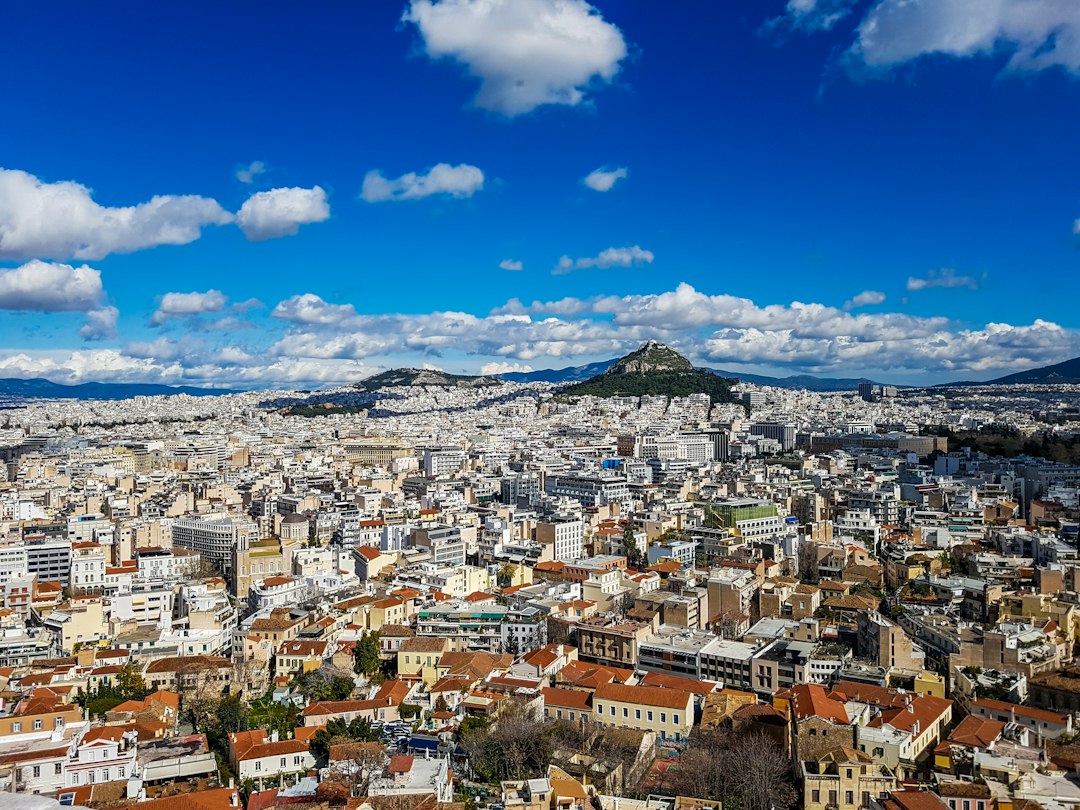
Piraeus Travel Guide: Everything You Need to Know (2026)
Piraeus, Greece’s largest port city with a population of 168,151, sits just 8 kilometres southwest of Athens at sea level on the Saronic Gulf, making it the busiest passenger port in Europe and one of the busiest in the world. Founded in antiquity and fortified by the Long Walls connecting it to Athens, it processed over 20 million ferry passengers annually before the pandemic reshaped travel patterns. Most visitors treat it as a transit hub, but that is a costly mistake — Piraeus rewards those who stay.
Three Things Not to Miss in Piraeus
- Mikrolimano Harbour — A horseshoe-shaped yacht marina lined with 30-plus seafood tavernas — the freshest grilled octopus in the Athens area.
- Archaeological Museum of Piraeus — Houses the 530 BC Piraeus Apollo, one of the oldest surviving life-size bronze statues ever discovered in Greece.
- Zea Marina (Pasalimani) — A 400-berth leisure marina encircled by a scenic promenade — perfect for watching superyachts at sunset.
Scroll down for our complete travel guide with tips on getting there, where to stay, costs and more.
How to Reach Piraeus
How do I get to Piraeus — by train, metro, or bus?
Take the Athens Metro Line 1 directly to Piraeus station — it is the fastest and most reliable option. In my experience, the journey from central Athens (Monastiraki) takes **25 minutes** and costs **€1.20** for a standard ticket or is covered by the **€9 day pass**. The X80 express bus from Athens International Airport reaches Piraeus in **60–90 minutes** depending on traffic, costing **€6**. My tip: avoid taxis from the port area during cruise-ship arrivals — surge pricing is real and drivers know tourists are desperate. The Metro is always the smarter call.
Which airport is closest to Piraeus?
**Athens International Airport Eleftherios Venizelos (ATH)** is the only practical airport, located **35 kilometres** east of Piraeus. In my experience, the X80 express bus is the cheapest link at **€6**, running every **30 minutes** from the airport directly to the port. A licensed taxi costs roughly **€45–55** depending on time of day, and a pre-booked private transfer runs **€50–70**. What surprised me: there is no direct Metro connection between ATH and Piraeus yet — you must transfer at Monastiraki or Syntagma onto Line 1, adding **40 minutes** to the Metro journey.
How long does the journey from Athens city centre to Piraeus take?
By Metro Line 1, Piraeus is **25 minutes** from Omonia and **30 minutes** from Syntagma. By car or taxi along Poseidonos Avenue, the drive takes **20–40 minutes** — but traffic on this coastal road is brutal between 17:00 and 19:00. My tip: if you are catching a ferry, build in **45 minutes** of buffer time regardless of how the journey looks on Google Maps. The port gates for island ferries typically close **30 minutes** before departure, not at departure time — this catches first-timers badly.
Do I need a rental car to explore Piraeus?
No — a rental car in Piraeus is more burden than asset. The Metro, local buses, and your own feet cover everything worth seeing. Parking near the ferry terminals is chaotic and expensive at **€2–3 per hour**, and the central streets around **Korai Square** are genuinely walkable within a **2-kilometre** radius. I recommend renting a car only if you plan day trips to Cape Sounion (**70 km** away) or the Argolis peninsula, where public transport is infrequent. Honest caveat: Piraeus drivers are aggressive and street signage is inconsistent — if you are not used to Greek urban driving, skip the car entirely.
Piraeus Public Transport Explained
What are the best areas to stay in Piraeus?
I recommend basing yourself near **Mikrolimano** or **Kastella** hill for the most pleasant experience. Mikrolimano offers waterfront dining steps from your door, while Kastella has quieter streets and sea views without the ferry-terminal noise. **Pasalimani (Zea Marina)** is a solid middle ground — close to the marina promenade and a **10-minute walk** to the Metro. Avoid booking accommodation directly adjacent to Gate E1 or Gate E2 of the main ferry terminal — ferry engines run through the night and the noise is significant. The **Piraeus Centre** neighbourhood near Karaoli Square suits business travellers who prioritise Metro access.
What does accommodation cost per night in Piraeus?
Budget travellers will find decent en-suite rooms for **€45–65** per night near the port. Mid-range hotels in the **Mikrolimano** or **Pasalimani** areas run **€80–130** per night for a double room with breakfast. The top-end option is the **Piraeus Theoxenia** hotel, where rooms start at **€160** in shoulder season. My honest caveat: Piraeus has fewer boutique hotels than Athens proper, so the mid-range bracket is dominated by functional business hotels rather than charming properties. For atmosphere, a well-chosen apartment on **Airbnb near Kastella** often outperforms a hotel at the same price point.
How far in advance should I book accommodation in Piraeus during high season?
Book at least **6–8 weeks** ahead for July and August — the city fills with cruise passengers, island-hoppers, and business travellers simultaneously. In my experience, good mid-range rooms near **Mikrolimano** disappear first, often within **72 hours** of major cruise-ship schedules being published. For the shoulder months of May, June, September, and October — which are also the best times to visit — **2–3 weeks** advance booking is usually sufficient. What surprised me: weekends in Piraeus are quieter than weekdays because the business traveller demographic dominates; you can sometimes find last-minute deals on Friday and Saturday nights.
Are there special or unique accommodation types in Piraeus?
The standout option is renting a **sea-view apartment in Kastella** — the hillside neighbourhood overlooks both the Saronic Gulf and the city, and prices run **€70–110 per night** for a self-catering flat with a terrace. A handful of converted neoclassical townhouses operate as boutique guesthouses near **Hatzikyriakio** neighbourhood, offering a genuinely local atmosphere. My tip: search specifically for apartments above the **150-metre elevation contour** on Kastella hill — the view payoff compared to street-level rooms is dramatic. One caveat: Piraeus has no floating hotel or liveaboard options despite the harbour, which surprises many nautically minded visitors.
Neighbourhoods of Piraeus
What are the absolute must-sees in Piraeus?
Three experiences are non-negotiable. First, the **Archaeological Museum of Piraeus** on Charilaou Trikoupi Street — the bronze statues alone justify **2 hours**, and entry costs just **€6**. Second, walk the full perimeter of **Mikrolimano harbour** at dusk and eat at one of the fish tavernas — budget **€25–35** per person with wine. Third, climb **Kastella hill** to the open-air **Veakeio Theatre**, which hosts summer performances from June to August — tickets start at **€10**. What tourists miss: the remnants of the ancient **Themistoclean Wall** near the ferry terminal — they are unlabelled but genuinely 2,500 years old.
What can I experience for free in Piraeus?
Piraeus punches above its weight for free experiences. The **Zea Marina promenade** is one of the finest waterfront walks in the Athens area — completely free and stunning at golden hour. Every first Sunday of the month, the **Archaeological Museum of Piraeus** waives its entry fee. The open-air **Sunday flea market** on Dragatsaniou Street starts at 07:00 and costs nothing to browse — it is smaller than Monastiraki but far less touristy. My tip: the **Municipal Theatre of Piraeus** (Dimotiko Theatro) hosts free outdoor concerts in summer — check the city’s cultural calendar at least a week ahead, as events are rarely advertised in English.
Which day trips from Piraeus are most worthwhile?
The ferry to **Aegina island** is the best single day trip from Piraeus — boats run every **30–60 minutes**, the crossing takes **35 minutes** on a Flying Dolphin hydrofoil, and a return ticket costs **€16–22**. Cape Sounion and the **Temple of Poseidon** is **70 kilometres** by coastal road — take the KTEL bus from Athens, not from Piraeus, for a smoother connection. For a half-day, the **Athens Riviera** coastal tram runs from Syntagma toward **Voula** and **Vouliagmeni Lake**, reachable in **45 minutes**. Honest caveat: day-tripping to the Peloponnese via Piraeus ferries is possible but the schedules are designed for cargo, not tourists — allow a full day each way.
What are the local specialities I must try in Piraeus?
Piraeus is a port city, so seafood is the correct obsession. The local dish to order is **kakavia** — a fisherman’s stew made from whatever was caught that morning, unavailable in most Athens restaurants. At **Mikrolimano**, order grilled **red mullet (barbouni)** priced by weight at roughly **€8–12 per 100g** — always ask to see the fish before agreeing. Fried **gavros** (anchovies) with lemon cost **€7–9** as a meze and are addictive. My tip: the tavernas on the inner curve of Mikrolimano are pricier and more touristy — walk to the **back streets of Kastella** for the same quality at **20–30% lower prices**.
What to See in Piraeus
What makes Piraeus unique compared to other Greek port cities?
Piraeus is the only port in Greece — and one of very few in Europe — where you can board overnight ferries to **50-plus destinations** from a single terminal complex, including Crete, Rhodes, Mykonos, and Santorini. Its ancient history is also singular: the **Long Walls** connecting it to Athens were a strategic marvel of the 5th century BC described by Thucydides. What surprised me most is the working-class authenticity — unlike Thessaloniki or Heraklion, Piraeus has resisted significant gentrification, so the **Central Market on Gounari Street** still operates as a real neighbourhood market, not a tourist attraction. It remains a city that Greeks use, not one built for visitors.
How many days should I spend in Piraeus?
Two full days is the honest answer for dedicated sightseeing. Day 1: Archaeological Museum in the morning, Mikrolimano lunch, Kastella afternoon walk, Veakeio Theatre evening. Day 2: Sunday market or Zea Marina morning, half-day ferry to Aegina, return for dinner. If Piraeus is a transit stop for island-hopping, **4–6 hours** is enough to eat well and see the marina — do not simply sit in a café waiting for your boat. My caveat: a third day only makes sense if you are combining Piraeus with the **Athens Riviera** coastal strip or planning a full day in central Athens, which is **25 minutes** away by Metro.
When is the best time to visit Piraeus?
May, June, September, and October are the optimal months based on climate data. In my experience, **late May** is the sweet spot — the Saronic Gulf water is warm enough for swimming from beaches like **Flisvos**, crowds are **40–50% lighter** than August, and ferry schedules run at full frequency without summer surcharges. October brings dramatic light for photography, quieter tavernas, and sea temperatures still around **22°C**. July and August are functional but the heat regularly exceeds **35°C**, the port is chaotic with cruise-ship arrivals, and accommodation prices peak. Winter (November to March) is mild but many marina-side restaurants close or reduce hours significantly.
Are there local festivals worth attending in Piraeus?
The **Athens & Epidaurus Festival** (June to August) includes performances at the **Veakeio open-air theatre** in Kastella — this is a genuine cultural highlight, not a tourist show, and tickets start at **€10**. The **Piraeus Week** maritime festival (typically held in late June) centres on **Zea Marina** and includes traditional boat races, free concerts, and local food stalls. What surprised me: the feast day of **Agios Nikolaos** (patron saint of sailors) on December 6th brings genuine neighbourhood celebrations to the small church near Mikrolimano — entirely unpackaged for tourists and genuinely moving. My tip: check the **Athens Culture Net** website two weeks before arrival for updated event listings.
Piraeus Food Scene
How does the weather in Piraeus affect what I can do?
Weather directly controls your activity options. From **June to September**, the **meltemi wind** off the Aegean can be fierce — ferry departures to exposed islands like Mykonos and Paros occasionally delay by **2–6 hours**, and this is not publicised in advance. In **May and October**, the weather is ideal for walking the marina promenades and eating outdoors without heat discomfort. Winter rain (primarily December to February) is light by northern European standards — averaging **60–80mm per month** — so outdoor sightseeing remains possible but taverna terraces close. My honest warning: never book a tight connection from a Piraeus ferry to an international ATH flight in July or August — weather and port congestion make this combination genuinely risky.
How crowded does Piraeus get in peak season?
July and August transform Piraeus into controlled chaos. The ferry terminal processes **40,000–50,000 passengers on peak August weekends**, and the taxi rank outside Gate E1 becomes a genuine scrum. **Mikrolimano** restaurants are fully booked by 20:00 without a reservation. What most guides omit: cruise ships dock at the **Drapetsona** and **Themistokles** piers, disgorging 5,000-plus passengers who flood **Zea Marina** and the Archaeological Museum simultaneously between 10:00 and 14:00. My tip: if you visit in August, do your sightseeing before 09:30 or after 17:00, and book all taverna dinners at least **24 hours** in advance.
How safe is Piraeus for travellers?
Piraeus is safe for travellers who stay aware. The **Mikrolimano, Kastella, and Pasalimani** areas are as relaxed as any European port neighbourhood. The area within a **500-metre radius** of the main ferry terminal gates — particularly around **Akti Kalimassioti** late at night — attracts pickpockets targeting passengers with luggage. The neighbourhood of **Perama**, west of the port, has a higher crime index and offers nothing touristic — avoid it entirely. In my experience: the primary risk is not violence but opportunistic theft from bags left unattended in port-side cafés. Standard urban precautions apply. The port police (**Limeniko**) are visible and responsive.
Is English widely spoken in Piraeus?
English is functional in tourist-facing contexts but less prevalent than in central Athens. At **Mikrolimano** tavernas and hotels near **Zea Marina**, staff reliably speak English. At the ferry ticket offices — especially the smaller agencies on **Akti Miaouli** — you will encounter Greek-only staff, particularly for domestic routes. In my experience, the **ANEK Lines** and **Blue Star Ferries** ticket counters have English-speaking staff on rotating shifts, but not always when you arrive. My tip: download the **Google Translate** app with the Greek language pack offline before landing — photographing Greek-only menus and ferry schedules through the camera translator saves real frustration.
Local Know-How for Piraeus
What is a realistic daily budget for Piraeus?
A budget traveller spending carefully can manage **€55–70 per day** — hostel or cheap guesthouse at **€40**, two meals from local tavernas at **€10–15 each**, Metro day pass at **€9**. A comfortable mid-range day runs **€110–150**: hotel at **€80–100**, lunch at a marina taverna at **€25–30**, museum entry at **€6**, dinner with wine at **€35–40**. My honest caveat: ferry tickets to islands are not included in these estimates and add **€15–50 per journey** depending on destination and vessel class. What surprises budget travellers: coffee culture is real here — a **frappe or Greek espresso at a harbour café costs €2.50–3.50**, not the €6 you pay in tourist Athens.
How does public transport work in Piraeus?
Metro Line 1 (**Green Line**) is the backbone — it connects Piraeus station directly to central Athens in **25 minutes** and runs from 05:30 to midnight daily, with **10-minute frequencies** during peak hours. Local buses operated by OASA cover the coastal road to **Flisvos Marina** and inland suburbs, but schedules are erratic — I would not rely on them for time-sensitive connections. The **€9 24-hour travel card** covers Metro, bus, and tram within the Athens-Piraeus network and is worth buying on arrival. My tip: the port itself requires walking or taxi between gates — the distance from Gate E1 to Gate E9 is nearly **1.5 kilometres** — factor this into your arrival time.
Which apps do you recommend for getting around and enjoying Piraeus?
Four apps earn a place on your phone. **Google Maps** works reliably for walking routes and Metro times in Piraeus — offline download the area before arrival. **OpenSeas** (or **Ferryhopper**) is essential for checking real-time ferry schedules, prices, and booking tickets for island departures directly from Piraeus. **e-food** (the Greek equivalent of Deliveroo) is useful if your accommodation lacks nearby breakfast options. **Athens Transport** (the official OASA app) shows live bus positions. My honest caveat: **Bolt** works for ride-hailing in Piraeus and is consistently cheaper than street taxis — open it before you exit the ferry terminal to avoid the aggressive tout culture at the gate.
Piraeus at a Glance
| Population | 168,151 |
|---|---|
| Currency | EUR (€) |
| Official language | Greek |
| Time zone | UTC+02:00 |
Source: Wikidata, retrieved September 2026.
Greece › Piraeus
More Destinations in Greece
Essential Resources for Planning Your Trip to Piraeus
- Wikipedia: Piraeus — history, geography & background
- Wikivoyage: Piraeus — community travel guide & practical tips
- Piraeus travel – Lonely Planet | Greece, Europe — expert itineraries & travel inspiration
- THE 15 BEST Things to Do in Piraeus (2026) — hotels, restaurants & traveller reviews
- UNESCO Treasures of Ancient Greece — how to get around
- Numbeo: Cost of Living in Piraeus — current prices & cost comparison
- Timeanddate: Piraeus Weather & Climate — forecasts & climate statistics
More Perspectives on Piraeus
- Piraeus Neighbourhood Guide
- Piraeus Travel Guide 2026: Expert Tips & Reviews
- What to do in Piraeus or Athens for 7 hours?
Piraeus Travel Videos
Watch these videos for a visual preview before your trip:
- TOP 15 Things To Do In Piraeus 🇬🇷 Travel Guide
- Athens (Piraeus) Cruise Port Travel Guide – The Timing Mistake You Need to Avoid!
- Why You Shouldn’t Skip Piraeus When Visiting Athens! 🇬🇷
Piraeus Travel Discussions on Reddit
Real traveller experiences and community advice:
- Athens city centre or Piraeus? : r/solotravel
- Athens city centre or Piraeus? : r/GreeceTravel
- What to do around Piraeus Port for a few days?
Data Sources
This page was compiled using data from Wikipedia, Wikidata, Open-Meteo (climate), Numbeo (cost of living) and REST Countries. Information is updated regularly.