
Grenoble: The Complete Travel Guide (2026)

Last reviewed: September 2026 · key facts checked against Wikidata
Grenoble Travel Guide: Everything You Need to Know (2026)
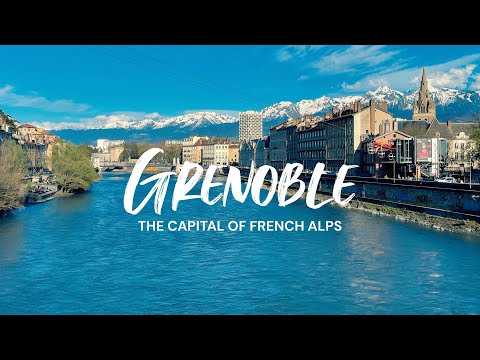
Grenoble, population 160,779, sits at 212m elevation where the Drac meets the Isère river, encircled by three mountain massifs — the Chartreuse, Belledonne, and Vercors. Founded as the Roman settlement Cularo, it hosted the 1968 Winter Olympics and remains France’s self-styled ‘Capital of the Alps.’ The city center is just 90km southeast of Lyon and packs a remarkable density of museums, revolutionary history, and year-round mountain access.
Top 3 Highlights at a Glance
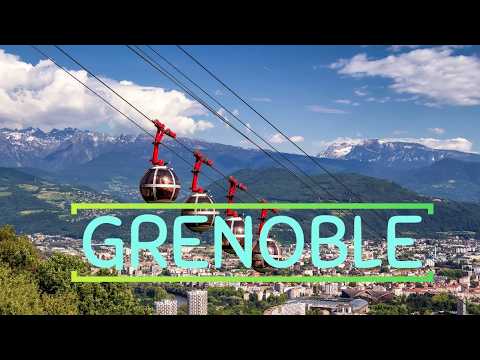
- Bastille Fortress & Téléphérique — Europe’s oldest urban cable car (built 1934) delivers panoramic views of three Alpine massifs from 476m in under 5 minutes.
- Musée de Grenoble — One of France’s finest fine-art museums outside Paris, housing over 900 works including Chagall, Matisse, and Picasso.
- Vercors Natural Park — A 20-minute drive deposits you inside 1,860km² of plateau wilderness with gorges, cave systems, and zero tourist crowds.
Scroll down for our complete travel guide with tips on getting there, where to stay, costs and more.
Arrival & Airport
How do I get to Grenoble?
The fastest options are train or shuttle from Lyon. In my experience, the TGV from Paris Gare de Lyon to Grenoble takes 3 hours and costs around €30–€80 booked in advance via SNCF. From Lyon Part-Dieu, regional trains reach Grenoble in 1 hour 10 minutes for roughly €15. Driving from Paris is 575km on the A6/A48. My tip: the train beats driving entirely — Grenoble’s mountain-ringed geography makes the rail arrival genuinely dramatic. What surprised me: the intercity bus (FlixBus from Paris) costs as little as €9 but takes 6+ hours — skip it unless budget is critical.
Which airport is closest to Grenoble?
Grenoble-Isère Airport (GNB) is the closest at 45km, but it operates mainly seasonal ski-charter flights. For year-round access, Lyon-Saint Exupéry (LYS) — 100km away — is the practical choice with full international connections. I recommend flying into Lyon and taking the Grenoble-Express shuttle (Ouibus/FlixBus partnership), which runs €23–€25 and takes 1 hour 5 minutes directly to Grenoble’s Europole station. The honest caveat: GNB only justifies itself if you find a direct Ryanair or easyJet route from your home city — the taxi from GNB runs €80+, which kills the budget advantage fast.
How long does the journey to Grenoble take from Lyon?
By direct regional train from Lyon Part-Dieu, the journey is 1 hour 10 minutes — among the most scenic commuter rides in France, running along the Isère valley with mountain views. Trains depart at least every hour. My tip: book on SNCF Connect rather than at the station to lock in the €13–€17 Prem’s fare instead of the €25+ walk-up price. By car, the A43/A48 motorway covers 104km but tolls add approximately €10 each way. What surprised me: the shuttle from Lyon-Saint Exupéry airport direct to Grenoble takes the same 1h10 and eliminates a Lyon city transfer entirely.
Do I need a car in Grenoble?
No — Grenoble’s compact center and excellent tram network make a car unnecessary for most visitors. The city’s five tram lines cover every major sight, and the TAG day pass costs approximately €3.90. I used trams exclusively for four days without inconvenience. The honest trade-off: if you plan to explore the Vercors plateau or Chartreuse massif independently, a rental car becomes genuinely useful — village bus connections are infrequent. Europcar and Hertz operate near the train station. For day trips, car-sharing service Citiz charges around €8–€12/hour and is cheaper than a full rental for a single excursion.
City Transport
What are the best areas to stay in Grenoble?
Hyper-Centre (around Place Grenette and Victor Hugo) is the top choice — walkable to the téléphérique, market halls, and the main museum. In my experience, staying within 500m of Place Victor Hugo means you’ll never need transport before 10am. Europole suits business travelers near the train station but lacks evening atmosphere. Île Verte is quieter and residential with slightly lower prices — tram line B connects it in 8 minutes. What surprised me: the tourist-heavy areas here are far less generic than in bigger French cities, so even the central zone feels authentic. Avoid the area around Mistral district as a base — it’s peripheral and poorly lit at night.
What does accommodation cost in Grenoble?
Budget travelers can find economy hotels for around €75/night based on verified Numbeo data. Mid-range 3-star hotels near Place Victor Hugo typically run €90–€130/night. I recommend ibis Grenoble Centre Bastille (from €85) for reliable comfort near the cable car. Boutique options like Le Clos des Capucins push toward €150–€180. The honest trade-off: Grenoble prices drop noticeably outside ski season — the same room that costs €130 in February (peak ski transfers) often goes for €85 in October. Apartment rentals on Airbnb average €65–€85/night and make strong sense for stays of 3+ nights.
How far in advance should I book accommodation in Grenoble during high season?
Book at least 6–8 weeks ahead for July and August stays, and 3–4 months ahead for the February ski-transfer peak. What surprised me: Grenoble functions partly as a base for Les Deux Alpes and Alpe d’Huez (both within 65km), so winter weekends fill up faster than most medium cities. For the shoulder months of June and September, 2–3 weeks notice is usually sufficient. My tip: set a price alert on Booking.com for your dates — I’ve seen central hotels drop €30–40 within 10 days of arrival when rooms stay unsold. Student conferences at the university also spike demand unpredictably in May.
Are there special or unique accommodation types in Grenoble?
Yes — mountain refuges and farm stays in the surrounding massifs are genuinely unique. The Chartreuse massif hosts working monastery guesthouses where silence rules apply; the Auberge de Charmant Som at 1,867m altitude costs around €55/night half-board and is unlike anything in a typical city break. In the city itself, several chambres d’hôtes in Haussmann-era apartments near Île Verte offer breakfast with mountain views for €80–€95. The honest caveat: these boutique spots rarely appear on major booking platforms — email directly or use Gîtes de France to find them. Worth the extra research step.
Accommodation & Neighbourhoods
What are the must-see sights in Grenoble?
My non-negotiable three: the Bastille Fortress (reached by the 1934 téléphérique, €9.20 return), the Musée de Grenoble (free first Sunday of the month, otherwise €8), and the Jardin de Ville flanked by the Palais du Parlement du Dauphiné, a 16th-century judicial building most visitors walk past. In my experience, the Bastille is worth doing at dusk — the three-massif panorama with city lights emerging is spectacular. What surprised me: the Musée de la Résistance et de la Déportation is one of France’s most powerful WWII museums and completely free — Grenoble was a pivotal Resistance stronghold and the exhibition is unflinching.
What can I experience for free in Grenoble?
Genuinely a lot. The Musée de la Résistance charges nothing. The Jardin des Dauphins and riverside promenade along the Isère are free. Every first Sunday, the Musée de Grenoble waives its €8 entry fee. The Halles Sainte-Claire market (Tuesday, Friday, Sunday) costs nothing to wander and costs little to eat. My tip: walk the Presqu’île district — this isthmus between the Drac and Isère has striking contemporary architecture including the Bibliothèque Kateb-Yacine — all free to observe. What surprised me: Grenoble’s street-art scene is institutionally supported; the Cours Berriat corridor has over 30 large-format murals, self-guided with a free city map.
Which day trips are possible from Grenoble?
Vercors plateau (30km, 40 minutes) is my top recommendation — the Gorges de la Bourne are staggering and virtually tourist-free on weekdays. Lyon (104km, 1h10 by train) works as a half-day city fix. Alpe d’Huez ski resort (65km, 1h15 by car) is feasible in winter. For summer, Chamrousse (30km) offers hiking from 1,650m with a direct bus from Grenoble’s Gare Routière for about €7 return. The honest caveat: Chartreuse monastery (25km) is architecturally modest from outside and doesn’t allow interior visits — don’t make it your primary destination; pair it with the surrounding hiking trails instead.
What are the local specialities to try in Grenoble?
Grenoble’s AOP walnuts (noix de Grenoble) are the city’s most famous export and appear in everything from salads to liqueur. I recommend buying fresh walnuts at Halles Sainte-Claire for around €4–€6/kg — incomparably better than packaged versions. Gratin dauphinois (the original, not the tourist version with cheese on top) is the regional staple — try it at Le Fantin Latour near Place aux Herbes. Chartreuse liqueur (produced 30km away by monks) comes in green and yellow varieties; a small glass in a bar costs €4–€6. My tip: avoid any restaurant with a photo menu near the Bastille téléphérique — prices inflate 30–40% purely for location.
Highlights & Must-Sees
What makes Grenoble unique compared to other French cities?
Three mountain massifs visible from every street corner — nowhere else in France does an urban center of 160,779 people sit this physically enclosed by Alps. This creates a daily-life relationship with nature that cities like Lyon or Bordeaux simply don’t have. Grenoble also has the highest student-to-resident ratio of any French city outside Paris (over 60,000 students), generating a genuinely young, intellectual energy. In my experience, the combination of cutting-edge science culture (ESRF synchrotron, Minatec nanotechnology hub) and medieval Dauphiné heritage creates an unusual tension that makes the city feel both ancient and experimental simultaneously.
How many days do I need in Grenoble?
3 full days covers the city confidently; 5 days if you add one mountain excursion. Day 1: Bastille + Hyper-Centre + Musée de Grenoble. Day 2: Résistance museum + Presqu’île architecture + evening in Place Saint-André. Day 3: half-day to Vercors or Chartreuse. What surprised me: Grenoble rewards slow walking more than most French cities — the transition from Roman grid to medieval lanes to Haussmann boulevards to brutalist university blocks happens within 2km. The honest caveat: one day is genuinely insufficient; travelers who stop only for the Bastille téléphérique miss the city’s actual depth entirely.
When is the best time to visit Grenoble?
June through September delivers the best experience based on verified climate analysis. July and August offer reliable warmth for mountain day trips and outdoor markets. September is my personal favorite — crowds thin, walnut harvest begins, hiking trails remain fully open, and light on the Chartreuse turns golden. Winter (December–February) works specifically for ski-base travelers using Grenoble to access Les Deux Alpes or Alpe d’Huez. The honest caveat: Grenoble sits in a mountain bowl that traps cold air and fog in November–January — the city can feel grey and claustrophobic despite snow on surrounding peaks. Spring (April–May) sees frequent rain but blooming Vercors meadows.
Are there local festivals in Grenoble worth attending?
Cabaret Frappé (July, Parc Paul Mistral) is Grenoble’s flagship outdoor music festival — I attended and found it surprisingly high-quality for a free or low-cost (€5–€15 per session) event drawing 50,000+ visitors over 4 days. Les Détours de Babel (March–April) is a serious contemporary music festival spread across unusual venues including mountain refuges. Fête des Lumières de Grenoble (December) is smaller than Lyon’s but intimate and walkable in the Hyper-Centre. My tip: the Chartreuse Open de Tennis in May fills hotels fast — check the calendar before booking around that period if courts and quiet streets matter to you.
Food & Drink
How does the weather in Grenoble affect what activities I can do?
The mountain bowl geography creates weather extremes unusual for a city at only 212m elevation. Summer afternoons regularly hit 30–33°C with intense UV at altitude — bring sunscreen even for city walks. Winter valley fog (the local ‘brouillard’) can lock the city in grey for days while slopes above 1,200m are sunny. In my experience, planning mountain day trips for mornings is smarter — afternoon thunderstorms build quickly in summer above 1,500m. The honest caveat: Mistral-like valley winds called the ‘bise’ can make October–November genuinely unpleasant despite mild temperatures — a windproof layer is essential, not optional.
How crowded does Grenoble get in peak season?
Grenoble never reaches Paris or Nice levels of saturation. Peak pressure points are February ski weekends (hotels book out within 80km) and the last two weeks of July, when French domestic tourism fills the Hyper-Centre. The Bastille téléphérique queues can hit 45 minutes on sunny Saturday afternoons in July–August — arrive before 9:30am or after 6pm to board in under 10 minutes. What surprised me: even at peak, Place Saint-André and the medieval quarter stay manageable. Grenoble’s 156,140-student population disperses in summer, which actually reduces urban crowding while mountain day-tripper numbers rise.
How safe is Grenoble?
The Hyper-Centre, Île Verte, and European quarter are safe for solo travelers including at night. I walked these areas after midnight without concern. The honest caveat most guides omit: Grenoble has documented gang-related crime concentrated in the Villeneuve and Mistral peripheral districts — these areas appear in French police statistics consistently and are 3–5km from the tourist center. As a visitor, you have no reason to enter them. Petty theft (bag-snatching) occurs around the train station’s west exit — use the main Europole exit instead. Standard European urban precautions apply; Grenoble is not unusually dangerous by French city standards.
Is English widely spoken in Grenoble?
Better than average for a French regional city, thanks to 60,000 university students and a large international scientific community at institutions like ESRF and ILL. In my experience, hotel staff, museum ticket desks, and most central restaurants handle English confidently. The honest caveat: venture into local boulangeries, pharmacies, or the Halles market and you’ll encounter French-only interactions — have Google Translate’s camera function ready. Older residents outside the university orbit rarely speak English. Learning 5–6 French phrases (bonjour, s’il vous plaît, l’addition, une carafe d’eau) unlocks dramatically warmer service and is genuinely appreciated here more than in Paris.
Practical Tips
What is the daily budget for visiting Grenoble?
Budget traveler: €65–€80/day (economy hotel at €75, cheap meals at around €14 each, tram day pass at €3.90). Mid-range: €130–€160/day (3-star hotel, sit-down lunches and dinners, one museum entry, téléphérique). Comfortable: €200+/day with mountain excursions, car rental, and a dinner at Le Fantin Latour (mains around €28–€35). What surprised me: Grenoble is noticeably cheaper than Lyon or Marseille for equivalent accommodation quality. The biggest budget leak is car rental for mountain day trips — factor €45–€65/day if you want Vercors flexibility. Student-district restaurants near Place Notre-Dame offer two-course lunch menus for €12–€14.
How does public transport work in Grenoble?
TAG (Transports de l’Agglomération Grenobloise) operates 5 tram lines plus buses covering the entire urban area. A single ticket costs approximately €1.70 and a day pass €3.90 — exceptional value. Trams run from 5am to midnight with 6–8 minute frequencies during the day. In my experience, tram lines A and B handle 90% of tourist needs, connecting the train station to the Hyper-Centre, Bastille base station, and the university campus. My tip: buy a 10-trip carnet (around €15) at any TAG kiosk if staying 3+ days — it beats single tickets substantially. The honest caveat: Sunday evening service thins after 10pm — plan accordingly if returning from a dinner reservation.
Which apps do you recommend for visiting Grenoble?
SNCF Connect is non-negotiable for all train bookings to and from Grenoble — prices fluctuate and the app locks in the cheapest fares. TAG Mobile handles tram/bus tickets and real-time departures. Organic Maps (offline) outperforms Google Maps for mountain trail navigation near Vercors — download the Isère region before leaving WiFi. Météo-France gives hyperlocal mountain weather in 30-minute intervals, far more reliable than generic weather apps at altitude. My tip: Citymapper doesn’t cover Grenoble yet, so TAG Mobile is your only reliable transit app. For restaurants, The Fork (La Fourchette) regularly offers 50% discounts at solid mid-range Grenoble restaurants on off-peak nights.
More Destinations in Europe
Explore our complete travel guides for more Europe destinations: Le Havre Travel Guide (2026), Toulouse Travel Guide (2026), Nantes Travel Guide (2026), Salamanca Travel Guide (2026), Amiens Travel Guide (2026).
Grenoble at a Glance
| Population | 156,140 |
|---|---|
| Currency | EUR (€) |
| Official language | French |
| Time zone | UTC+01:00 |
Source: Wikidata, retrieved September 2026.
Useful Resources for Planning Your Trip to Grenoble
- Wikipedia: Grenoble — history, geography and background
- Lonely Planet: Grenoble — itineraries and travel inspiration
- TripAdvisor: Grenoble — hotels, restaurants and traveller reviews
🎥 Grenoble Travel Videos

Grenoble Travel Guide: Best Things to Do & See in 2025!
Ryan Stewart
Grenoble Travel Guide Review: Top Spots You Can’t Miss!
City Travel Review
One Day in #GRENOBLE, the city where you can catch sight …
One Day Originals
You are currently viewing a placeholder content from Vimeo. To access the actual content, click the button below. Please note that doing so will share data with third-party providers.
More InformationYou are currently viewing a placeholder content from YouTube. To access the actual content, click the button below. Please note that doing so will share data with third-party providers.
More InformationYou need to load content from reCAPTCHA to submit the form. Please note that doing so will share data with third-party providers.
More InformationYou are currently viewing a placeholder content from GetYourGuide. To access the actual content, click the button below. Please note that doing so will share data with third-party providers.
More Information