
Lampedusa: The Complete Travel Guide (2026)
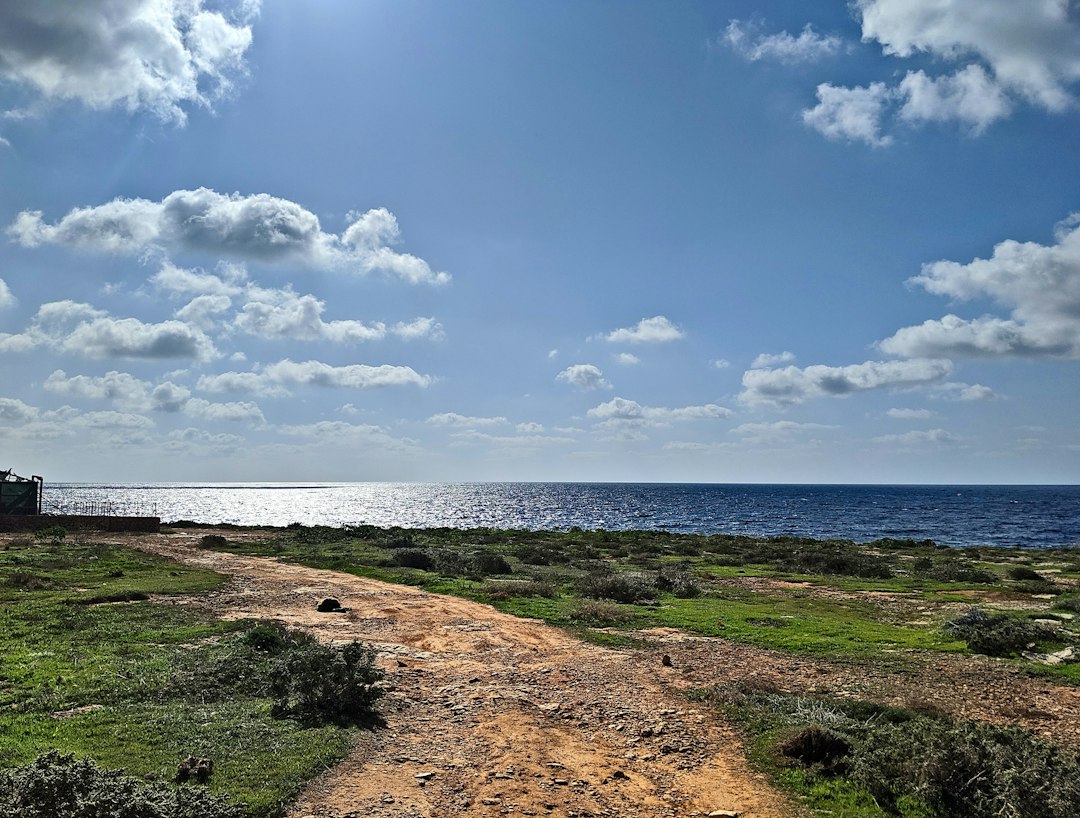
Last reviewed: October 2026 · key facts checked against Wikidata
Lampedusa Travel Guide: Everything You Need to Know (2026)
Lampedusa, the largest of Italy’s Pelagian Islands, sits just 113 km from the Tunisian coast and roughly 205 km south of Sicily, making it geographically closer to Africa than to the Italian mainland. The island covers approximately 20 km² and has a permanent population of around 6,299 residents, swelling dramatically each summer with tourists drawn to some of the Mediterranean’s clearest waters. Its most iconic beach, Spiaggia dei Conigli (Rabbit Beach), is a protected sea-turtle nesting site managed by the WWF.
Three Things Not to Miss in Lampedusa
- Spiaggia dei Conigli (Rabbit Beach) — A WWF-protected turtle nesting bay with crystalline turquoise water ranked among the Mediterranean’s finest; access is restricted to protect nesting sites.
- Riserva Naturale Isola di Lampedusa — A coastal nature reserve where Caretta caretta sea turtles nest between May and October; snorkelling reveals posidonia meadows just offshore.
- Isola dei Conigli (Rabbit Island) — A tiny uninhabited islet 300 metres offshore, reachable by a short swim or kayak, offering vivid marine life and striking white-sand beaches.
Scroll down for our complete travel guide with tips on getting there, where to stay, costs and more.
Getting to Lampedusa: Ferry or Flight
How do I get to Lampedusa — by flight or ferry?
Flying is strongly recommended for most travellers. The flight from Palermo or Rome takes roughly 50–70 minutes, while the ferry from Porto Empedocle (Agrigento, Sicily) takes approximately 8–9 hours. Direct flights operate on Wizz Air, Ryanair, and ITA Airways, primarily from Palermo (PMO), Rome Fiumicino (FCO), and Milan Malpensa (MXP). The ferry is operated by Grimaldi Lines / Siremar and is a budget option for those bringing luggage or a vehicle. Tip: ferry crossings can be rough in autumn and are subject to weather cancellations — check Grimaldi Lines for current schedules and pricing before committing.
Which airport or port is the best starting point for Lampedusa?
Lampedusa Airport (LMP) is the only airport on the island, located just 2 km from the town centre. Taxis cover the distance in under 10 minutes for about €10–15; confirm the fare with the driver beforehand. For ferry arrivals, Molo Favarolo port is the central dock, within walking distance of most accommodation in Lampedusa town. Worth knowing: LMP is a small regional airport with limited facilities — no luggage storage or major car-hire desks inside the terminal — so arrange transfers and equipment hire in advance during peak season.
How long does the ferry crossing to Lampedusa take?
The ferry from Porto Empedocle (near Agrigento, Sicily) to Lampedusa takes approximately 8–9 hours, depending on sea conditions. Grimaldi Lines (Siremar) operates this route with departures typically in the evening, arriving the following morning. An alternative summer route runs from Palermo and takes around 12 hours. The crossing of roughly 220 km crosses open Mediterranean waters, and swells above 2–3 metres are common in autumn and winter, leading to occasional cancellations. We recommend checking the operator’s website directly for timetables and current fares, as schedules vary seasonally.
What does a flight or ferry to Lampedusa cost?
Flights from Palermo cost about €40–€120 one-way depending on season and how far in advance you book with carriers such as Wizz Air or ITA Airways. Flights from Rome or Milan typically range from €60–€180 one-way in peak summer. The Grimaldi Lines ferry from Porto Empedocle costs approximately €30–€60 per person for a seat; a cabin berth adds €20–€50 on top. Vehicle transport adds significantly to the ferry fare — check Grimaldi Lines (grimadilines.com) for current rates. Tip: summer fares (July–August) can spike sharply, so booking 4–8 weeks ahead is advisable.
Are overnight ferries to Lampedusa worth it?
Overnight ferries are worth considering only for vehicle transport or extreme budget travel. The Grimaldi Lines service from Porto Empedocle departs in the evening and arrives around dawn, saving a night’s accommodation cost if you book a cabin (about €50–€110 total per person with berth). However, open-deck seating in rough seas is uncomfortable, and autumn sailings are frequently delayed or cancelled. For most travellers, the 50-minute flight offers far better value once accommodation savings are factored in. Worth knowing: unlike Greek island ferries, Lampedusa’s ferry does not stop at other scenic islands en route, so the journey itself adds no sightseeing value.
Getting Around Lampedusa
Do I need a rental car or scooter on Lampedusa?
A scooter or golf buggy (‘elettrico’) is sufficient for most of the island. Lampedusa spans roughly 20 km² and the road network is limited; a 50cc scooter handles virtually all beaches and sights comfortably. Scooter rental costs approximately €25–€45 per day; golf-buggy-style electric vehicles are available for €50–€80 per day from agencies in Lampedusa town. A full car is useful only if travelling with young children or large luggage. Tip: road quality on the western tracks toward Cala Galera and Capo Ponente is rough — check tyre condition before leaving the rental yard. Book vehicles in advance for July and August.
Are there buses between towns on Lampedusa?
Public bus service on Lampedusa is minimal and unreliable for tourist use. A single bus line connects Lampedusa town with a few points on the island, but frequencies are low (sometimes fewer than 4 departures per day) and routes do not serve most beaches. The island’s small size — roughly 11 km long — makes scooters, electric buggies, or bicycle hire far more practical. Taxis are available in town but scarce and expensive for repeated use; expect €15–€25 per beach transfer. Tip: several boat-tour operators based at Molo Favarolo offer daily circuits of beaches and sea caves, which is often the easiest way to reach otherwise inaccessible coves.
What does a rental car cost on Lampedusa — and where do I hire one?
Small car hire costs approximately €60–€100 per day in peak season on Lampedusa. Given the island’s size, full car hire is rarely necessary — most visitors opt for scooters (about €25–€45/day) or electric buggies (€50–€80/day). Rental agencies are located in Lampedusa town near the port; there are no international chains with desks at Lampedusa Airport (LMP). We recommend booking directly with local operators such as Autonoleggio Gennaro or similar agencies listed on the Lampedusa tourism portal, and confirming availability at least 2–3 weeks ahead of a July or August visit. Driving on unpaved tracks voids most basic insurance policies — verify coverage before hiring.
Which parts of Lampedusa are accessible by public transport?
Only the town centre and a narrow corridor along the main road are reliably served. The Lampedusa town area, including the port (Molo Favarolo) and the main shopping street (Via Roma), is walkable. The bus line reaches the outskirts toward Guitgia Beach — the main town beach, about 1.5 km from the centre — but frequencies are too low to build a daily itinerary around. Spiaggia dei Conigli, the island’s most famous beach, is roughly 5 km from town and has no direct bus; visitors reach it by scooter, boat, or on foot (about 45 minutes walking on a rough path). Tip: boat excursions from the port are often the most practical way to see remote beaches.
Can I cycle around Lampedusa?
Cycling is feasible but physically demanding given Lampedusa’s hilly terrain and summer heat. The island is roughly 11 km long, making a full circuit manageable in a day for fit cyclists. Bicycle hire is available in Lampedusa town for approximately €10–€20 per day. The main asphalted road from town toward Cala Galera and the lighthouse at Capo Ponente is bikeable; some tracks to remote beaches are unpaved and rocky. Tip: July and August temperatures regularly exceed 32°C, making early-morning cycling (before 9:00) strongly advisable. Electric bikes are beginning to appear through local rental shops — ask at the harbour area for current availability.
Where to Stay on Lampedusa
Which town should I base myself in on Lampedusa?
Lampedusa town (also called ‘il paese’) is the only real base on the island. It clusters around the port area, Molo Favarolo, and contains all restaurants, supermarkets, pharmacies, and accommodation. There is no alternative town on the island — the neighbouring island of Linosa (about 42 km north, reachable by ferry) is a separate destination entirely. Within Lampedusa town, staying near Via Roma or Via Empedinoclé puts you within 5 minutes on foot of the port and most services. Tip: accommodation closer to Guitgia Beach offers quieter nights than rooms directly above the main nightlife strip, while still being central.
What does accommodation cost per night on Lampedusa?
Budget guesthouses in Lampedusa town start at about €60–€90 per night in shoulder season; mid-range hotels or B&Bs cost €100–€160 in June or September. Peak July–August rates for a double room in a seafront hotel or villa can reach €200–€350 per night. Self-catering apartments — widely available through platforms like Airbnb and Booking.com — offer better value for stays of 4 nights or more, typically €80–€150/night in summer for a two-person apartment. Worth knowing: breakfast is frequently not included in Lampedusa guesthouses, unlike mainland Italian hotels; budget an extra €5–€10 per person at local bars.
Which area of Lampedusa suits which travel style?
Lampedusa town centre suits social, nightlife-oriented travellers; the beachside area around Guitgia suits families and those wanting easy water access. The western end of the island, near Cala Galera and Capo Ponente lighthouse, is quieter and preferred by divers, snorkellers, and wildlife watchers. There is no luxury resort enclave — the island has a deliberately low-key, unmanicured character compared to, say, Pantelleria (70 km northeast) or Sardinia’s Costa Smeralda. Couples wanting tranquillity should look for agriturismo-style accommodation in the island’s interior, though options are limited — we recommend booking early and filtering by distance from the main bar street.
How far in advance do I need to book accommodation on Lampedusa?
Book at least 3–4 months ahead for July and August visits. Lampedusa’s accommodation stock is modest relative to summer demand; popular B&Bs and sea-view apartments at Guitgia Beach and the port area sell out by April for peak weeks. June and September bookings can typically be secured 4–8 weeks ahead. October through May sees far fewer visitors and same-week availability is usually possible, though a growing number of properties close entirely after mid-October. Tip: if Booking.com shows full availability in August, check directly with local agencies in Lampedusa town — some apartments are not listed on international platforms.
Are there good apartments or villas with sea views on Lampedusa?
Yes — self-catering apartments with sea views are the most popular accommodation type on Lampedusa and offer better value than hotels for groups or stays over 4 nights. Properties along the cliffs above Cala Galera and near Capo Ponente offer dramatic open-sea views. Expect to pay €100–€200 per night for a 2-person apartment with terrace and sea view in July. Luxury villas with private pools are rare; the island’s character is modest and family-run rather than resort-style. We recommend searching Airbnb and Lampedusa-specific agencies (several operate from Via Roma) simultaneously, as local agencies sometimes hold inventory not listed online.
Best Time to Visit Lampedusa
When is the best time to visit Lampedusa?
June, September, and October offer the best balance of warm weather, calm seas, and manageable crowds. Based on verified climate analysis, the recommended travel window runs from June through November. July and August are peak months with maximum sunshine but also maximum crowds and prices. October still offers sea temperatures around 24°C — warm enough for swimming — with far fewer tourists and lower accommodation rates. Winter months (December–February) see most tourist services closed. Tip: Spiaggia dei Conigli has restricted access from May to October due to turtle nesting; check WWF Italy’s current regulations before planning your visit around the beach.
What is the weather like on Lampedusa throughout the year?
Lampedusa has a semi-arid Mediterranean climate with very hot, dry summers and mild winters. The island sits at just 133 metres elevation and receives significantly more sunshine than Sicily. Summers (June–September) are hot and virtually rain-free, with daytime temperatures typically 28–34°C. The scirocco (hot Saharan wind) occasionally pushes temperatures above 38°C in July and August and brings sandy haze. Winters are mild (12–16°C), with the main rainfall concentrated in December and January. The sea is swimmable from roughly May (21°C) through November (22°C). Worth knowing: strong winds in autumn can close Lampedusa Airport (LMP) briefly — build flexibility into flight-heavy itineraries.
When does Lampedusa get overcrowded?
The last two weeks of July and all of August are the most congested period. Italian school holidays drive an influx that stretches restaurants, rental agencies, and beach access. Spiaggia dei Conigli has a daily visitor cap enforced by the WWF, and queues for the access path begin before 9:00 AM in peak weeks. Guitgia Beach in town becomes very busy by mid-morning throughout August. Compared to Favignana (230 km northeast) or Sardinia, Lampedusa’s infrastructure is limited — there is no bypass road system or major resort complex to absorb crowds. Tip: arriving on a weekday rather than the weekend ferry or flight noticeably reduces congestion at beaches and restaurants.
Is there a worthwhile shoulder season on Lampedusa?
Yes — June and September are excellent shoulder-season months. In June, sea temperatures reach 24°C, accommodation prices run 20–30% below August peaks, and Spiaggia dei Conigli is accessible without the worst queues. September retains all summer warmth with noticeably fewer Italian domestic tourists. October is emerging as a niche choice for divers and birdwatchers (the island sits on a key African-European migration flyway), though restaurants and boat-tour operators begin closing from mid-October. Worth knowing: Linosa (42 km north by ferry) is even quieter in shoulder season and pairs well with a Lampedusa trip for travellers wanting genuine off-season solitude.
When does the beach and watersports season begin on Lampedusa?
The beach season effectively starts in late May, when sea temperatures climb above 21°C and most boat-tour operators and water-sports centres open. Snorkelling and diving conditions are good from May through October, with peak water clarity typically in June and September after any summer algae has dispersed. Kite-surfing at Cala Pisana is popular from June, driven by consistent north-westerly winds. Jet-ski and banana-boat hire at Guitgia Beach opens in early June. Tip: the WWF turtle-nesting monitoring at Spiaggia dei Conigli begins in May — beach access rules change annually, so check wwf.it for the current season’s regulations before planning a visit.
What Lampedusa Costs
What does a daily budget cost on Lampedusa?
A realistic mid-range daily budget is €100–€150 per person in peak season, covering accommodation, meals, and one activity. Budget breakdown: accommodation in a shared room or hostel-style guesthouse €30–€50; lunch at a local trattoria in Lampedusa town €12–€20; dinner with wine €25–€40; scooter hire split between two people €15–€25; one boat excursion €25–€40. Budget travellers staying in apartments and self-catering could manage €70–€90/day. Tip: buying groceries at the Conad supermarket on Via Vittorio Emanuele significantly cuts daily food costs compared to eating every meal out in the tourist-oriented harbour area.
Is Lampedusa more expensive than the Italian mainland?
Yes — Lampedusa is noticeably more expensive than comparable mainland Italian destinations. All food, fuel, and consumer goods are shipped from Sicily or the mainland, adding a logistical premium. A café espresso costs about €1.20–€1.50 (standard Italian rate), but groceries and restaurant mains run 10–20% above equivalent Sicilian prices. By comparison, a similar beach day in Agrigento (Sicily, ~200 km north) or on the Aeolian Islands costs meaningfully less. The short supply of accommodation relative to summer demand also inflates lodging costs. Worth knowing: fuel for scooters can be €0.20–€0.30 per litre more expensive than on the mainland — fill up with a full tank to avoid returning to the one central station repeatedly.
What expenses on Lampedusa are unavoidable?
Transport to and on the island, and accommodation are the two non-negotiable costs. The flight or ferry is a fixed entry cost — budget at minimum €80–€120 return per person from Sicily by air. On-island, you cannot rely on public transport, so scooter or buggy hire (€25–€80/day) is effectively unavoidable for beach access. The WWF-managed access shuttle to Spiaggia dei Conigli charges a small fee (approximately €3–€5 per person; check wwf.it for the current season’s tariff). Sunscreen is worth buying before arrival — island prices are high and quality varies. Worth knowing: drinking water from the tap is generally not recommended; bottled water adds a small but consistent daily cost.
What does food cost on Lampedusa — local versus tourist prices?
Local-facing bars and trattorias in side streets of Lampedusa town offer significantly better value than harbour-front restaurants. A pasta al pesce (fish pasta) at a non-tourist trattoria costs about €12–€16; the same dish on the seafront terrace can be €20–€28. Fresh tuna (tonno di Lampedusa) and dentice (sea bream) are local staples — a grilled whole fish dish runs €18–€30 depending on weight. A takeaway arancino or panino from a local bar costs €3–€5. Tip: the daily fish market near Molo Favarolo (early mornings) is the reference point for freshness — restaurants sourcing from it are easy to identify by the day’s catch listed on a chalkboard.
What are the best beaches on Lampedusa?
Spiaggia dei Conigli (Rabbit Beach) is the undisputed highlight, with white sand and turquoise water protected by the WWF — access is managed via a timed shuttle from the parking area. Guitgia Beach, about 1.5 km from town, is the most accessible and family-friendly, with sunbed hire (about €10–€15 per set per day) and calm shallow water. Cala Galera and Cala Pisana on the northwest coast are rockier, less crowded coves excellent for snorkelling. Cala Croce, close to the town harbour, suits travellers wanting to walk from accommodation. Worth knowing: most remote northern beaches are reachable only by boat — the daily boat excursions from Molo Favarolo (about €25–€40 per person) efficiently cover multiple coves in one trip.
Beaches & Experiences on Lampedusa
What are the top sights on Lampedusa beyond the beaches?
The island offers genuine natural and historical sights beyond the water. The Santuario della Madonna di Porto Salvo, a clifftop chapel dedicated to the island’s patron saint, is the main cultural landmark and offers panoramic views. The Capo Ponente lighthouse at the island’s western tip sits above dramatic sea cliffs and is reachable by scooter. The Riserva Naturale coastline walking path gives access to nesting zones and endemic Mediterranean scrub vegetation. The small island of Linosa (42 km north, accessible by ferry) is a volcanic island with a black-sand beach — a strong half-day or overnight extension. Worth knowing: there is no significant museum or archaeological site on Lampedusa itself — the main draw is emphatically natural.
What watersports activities are available on Lampedusa?
Snorkelling, scuba diving, kite-surfing, and boat tours are the core watersports offer. Several PADI-affiliated dive centres operate from Molo Favarolo — a single introductory dive costs approximately €50–€70; check operators such as Divers Paradise Lampedusa for current pricing. The waters around the Riserva Naturale are rich in grouper, moray eels, and occasional sea turtles. Kite-surfing at Cala Pisana is rated among southern Italy’s better spots due to consistent thermal winds. Sea-kayak hire is available from Guitgia Beach for about €15–€20 per hour. Tip: visibility in the protected reserve exceeds 20 metres on calm days in June and September — plan dives for those months to get the best conditions.
What is the culinary highlight of Lampedusa?
Fresh bluefin tuna (tonno rosso) and hand-caught dentice (red snapper) are Lampedusa’s defining dishes. The island’s fishing tradition is genuine — boats still practice the seasonal mattanza tuna technique, though in very reduced form. Look for pasta con le sarde e finocchio (pasta with sardines and fennel) and couscous al pesce, a direct culinary influence from nearby Tunisia (113 km away). The North African influence distinguishes Lampedusa’s table from mainland Sicilian cooking. A restaurant we recommend researching is Il Gattopardo on the Via Vittorio Emanuele strip — confirm hours before visiting as family-run restaurants often close for riposo until evening. Capers grown on the island’s sun-scorched hillsides are used in almost every local antipasto.
Which parts of Lampedusa are still off the beaten track?
The northwestern coastline between Cala Galera and Capo Ponente sees far fewer visitors than the town beaches and Spiaggia dei Conigli circuit. These cliffs and small inlets are best accessed by boat or on a 50cc scooter via unpaved tracks — most tourist groups do not venture here. The interior plateau, covered in dry garrigue and caper shrubs, is almost entirely unvisited; a slow scooter ride through it takes under 30 minutes but feels far removed from the tourist infrastructure. The neighbouring island of Linosa (42 km north, about 1.5 hours by ferry) remains genuinely undiscovered by mass tourism — it receives a fraction of Lampedusa’s summer visitors and has no sandy beach, suiting travellers seeking volcanic landscapes and near-empty dive sites.
How many days do I need on Lampedusa?
Four to five days is the sweet spot for a thorough visit. Day 1: arrive, settle in Lampedusa town, explore Guitgia Beach. Day 2: Spiaggia dei Conigli by scooter (morning, before crowds) and afternoon snorkelling at Cala Galera. Day 3: full-day boat excursion from Molo Favarolo covering sea caves and the western coastline (€25–€40/person). Day 4: scooter ride to Capo Ponente lighthouse and the interior; evening at the fish market. Day 5: optional day ferry to Linosa for a volcanic contrast. Travellers with 2–3 days will see the highlights but feel rushed. A week is justified only for dedicated divers or birdwatchers, as the island’s compact 20 km² means sights repeat quickly.
Lampedusa at a Glance
| Population | 6,299 |
|---|---|
| Currency | EUR (€) |
| Official language | Italian |
| Time zone | Europe/Rome |
Source: Wikidata, retrieved October 2026.
More Destinations in Sicily
More Destinations in Italy
Essential Resources for Planning Your Trip to Lampedusa
- Wikivoyage: Lampedusa — community travel guide & practical tips
- Wikipedia: Lampedusa — history, geography & background
- Lampedusa Airport (LMP) to Gozo – 2 ways to travel via … — how to get there and around
- Spiaggia dei Conigli | Italy | Attractions — itineraries & inspiration
Data Sources
Key facts on this page (population, currency, language, time zone) come from Wikidata, climate figures from Open-Meteo. The retrieval date is shown next to the facts table.